



Toyota vs Lexus: Which Car Brand Is Right for You?
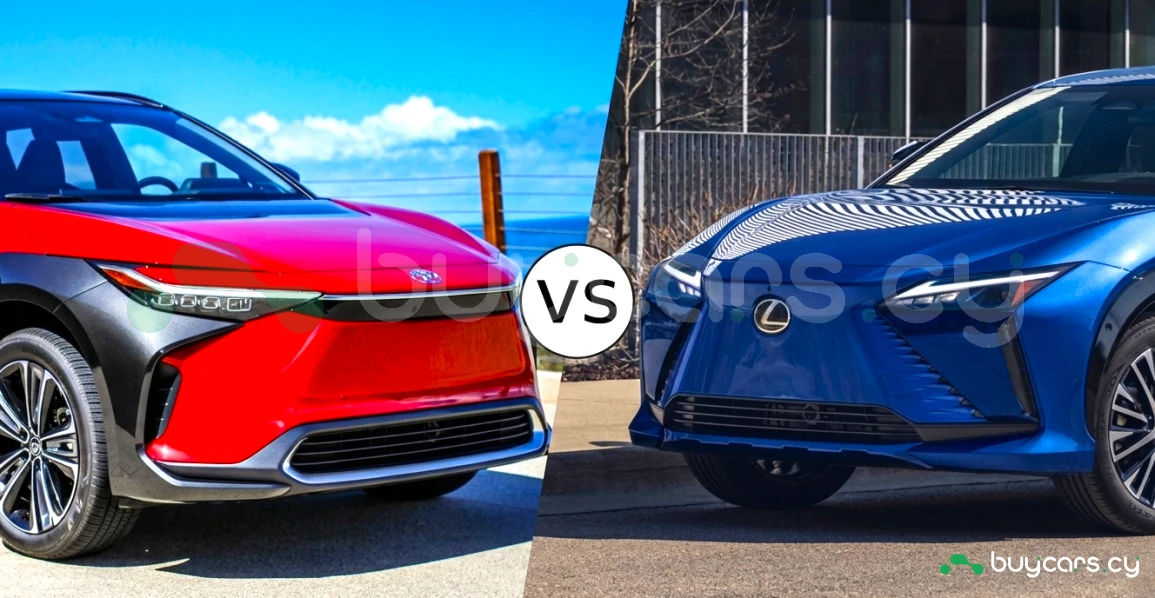
The choice between these two Japanese makes often comes down to a consumer’s personal philosophy. Although both brands belong to the same corporation, Toyota vs Lexus vehicles address different goals.
Toyota focuses on the mass market, offering reliability and functionality for reasonable money. Lexus cars are created for those who prioritize comfort, status, and high technology. Understanding each brand's philosophy helps determine which car is better suited for a specific budget and lifestyle.
Brand History and Positioning
Toyota's history began with the idea of creating accessible, functional, and maximally durable transport for the general population. Over the decades, this brand has become a global synonym for longevity and a benchmark for efficient production. Today, Toyota cars hold a leading position in the world in terms of production volume, covering almost all segments: from compact city hatchbacks to legendary heavy SUVs. The brand's core philosophy is to provide confidence: the driver knows that the car will start and fulfill its task in any conditions.
Lexus was founded in 1989 as the corporation's ambitious response to the US market's demand for luxury sedans. Engineers faced a daunting task—not just to stand alongside, but to surpass conservative European competitors in terms of quietness, ride smoothness, and attention to detail. Today, Lexus is a full-fledged premium line embodying Japanese Omotenashi hospitality. Different approaches manifest in everything: if Toyota is a reliable working tool and a faithful partner, then Lexus is a luxury item and a hallmark of success.
Design and Exterior
The appearance of Toyota is dictated by the requirements of aerodynamics and practicality. Designers strive to create clear forms that will remain relevant for many years. Simple lines make it easier to maintain and repair body parts, which is important for the mass market.
Lexus uses the L-finesse concept. Main features:
- massive spindle-shaped grilles;
- sharp L-shaped LED optics;
- complex curves of body panels.
The elegance and aggressive style of Lexus emphasize the owner's status. The influence of design on brand perception is obvious: Toyota looks like a reliable assistant, while Lexus looks like a modern object of art on wheels.
Comfort and Interior
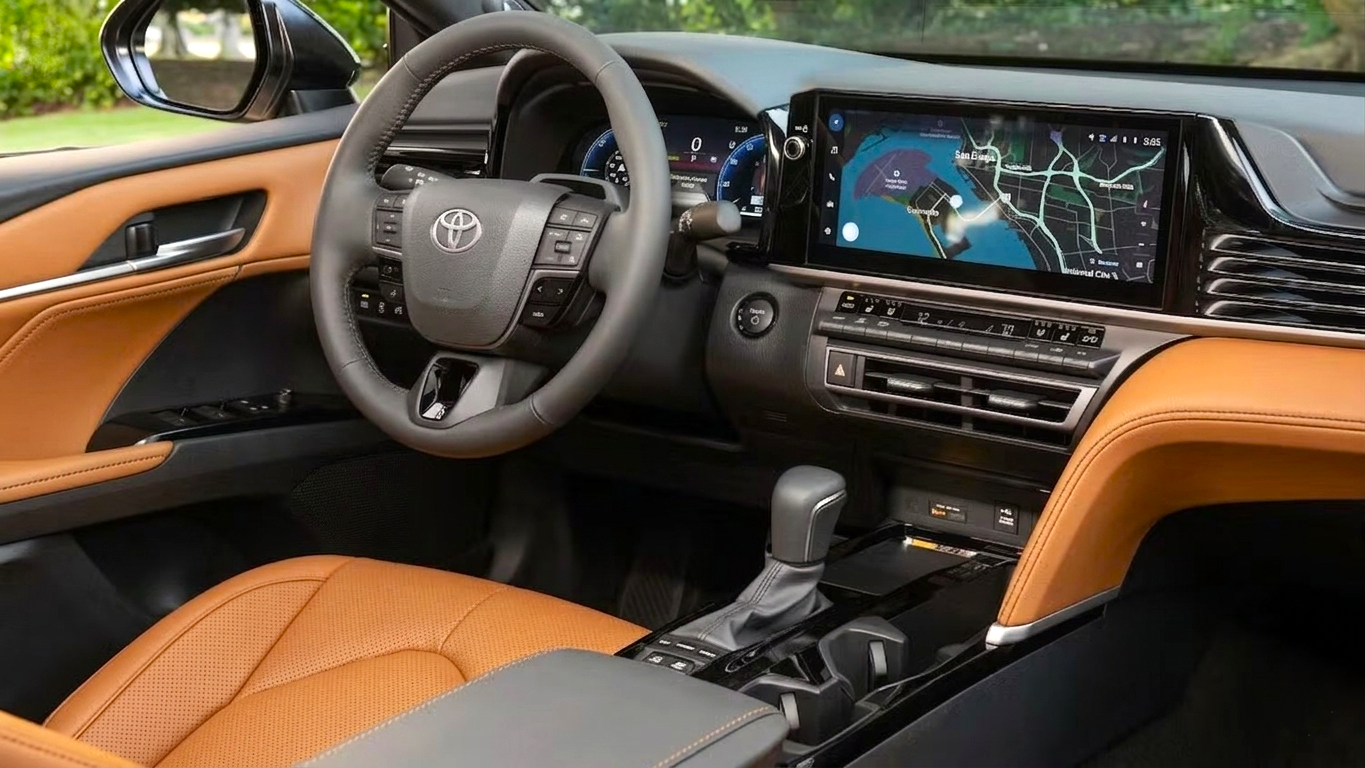
Inside a Toyota, everything is subject to ergonomics. Finishing materials are wear-resistant: high-quality plastic, fabric, or eco-leather. The focus is on ease of use of buttons and intuitive interfaces. The interiors are spacious and functional, with many niches for storage.
Lexus offers a completely different level of performance:
- use of natural wood and top-grade leather;
- hand-stitched interior elements by Takumi masters;
- improved sound insulation that suppresses city and engine noise.
Innovative climate control systems and Mark Levinson audio systems turn the trip into a rest. Convenience for the driver and passengers in a Lexus is elevated to an absolute, which justifies the price difference.
Reliability and Durability
Both brands regularly top reliability ratings. Long-term time testing shows that Toyota units are capable of traveling hundreds of thousands of kilometers without major repairs. This makes a toyota for sale extremely popular on the secondary market.
Lexus maintains the same technical base but with stricter assembly control. This means that the probability of minor flaws in the premium segment is even lower. However, the cost of servicing a Lexus is higher due to the complexity of electronic systems. The resale of both brands is fast, as their value depreciation over time is minimal compared to German competitors.
Dynamics and Handling
In daily operation, the difference in suspension settings becomes noticeable. Toyota maintains a balance: it is stiff enough for confident turns and soft enough for road irregularities. The steering is tuned for lightness and predictability.
Lexus focuses on smoothness. Air suspension in many models allows you to literally float over the road. At the same time, in F-Sport versions, the settings change towards driver excitement. Silence in the cabin enhances the sensation of speed, making long trips less tiring.
Technology and Innovation
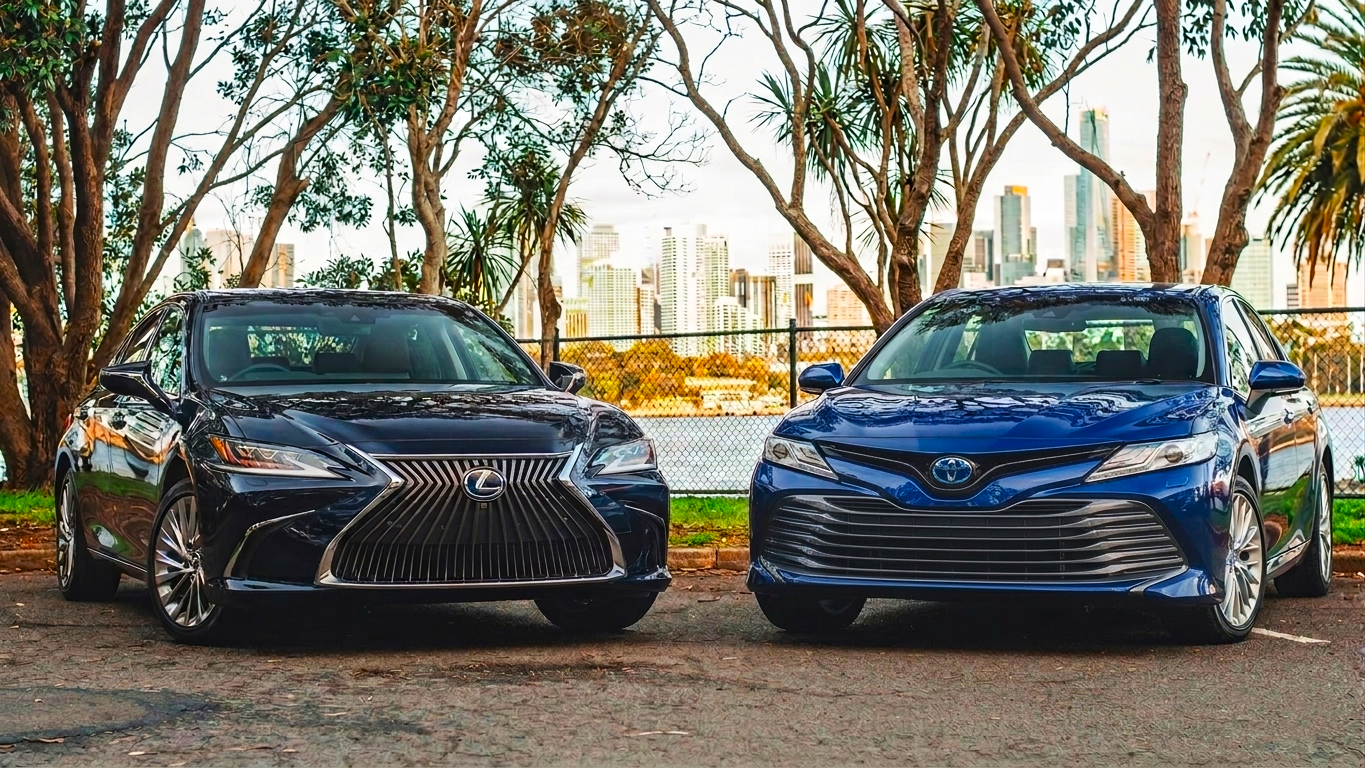
Toyota and Lexus follow different innovation strategies. While the main brand focuses on the mass market and the eco-friendliness of proven solutions, the premium division serves as a testing ground for futuristic technologies. This allows the corporation to balance reliability for millions with exclusivity for the few.
Toyota: Scalable Ecology and Safety
For Toyota, innovations are not just gimmicks but tools for global change. The brand introduces technologies that eventually become industry standards:
- Toyota Safety Sense 3.0. The latest generation of the safety system now uses wider-angle cameras and long-range radars. This allows the electronics to recognize motorcyclists and pedestrians even in low-visibility conditions.
- Hydrogen Future (Mirai and Corolla Cross H2). Toyota remains a world leader in hydrogen fuel cell development. Moreover, the company is testing internal combustion engines that run on liquid hydrogen, preserving the familiar engine roar with zero emissions.
- Solid-State Batteries. By 2027–2028, Toyota plans to launch series-production electric vehicles with solid-state batteries, expecting a range of up to 1200 km and a 10% to 80% charge in just 10 minutes.
Lexus: Digital Luxury and the Future of Control
Lexus implements technologies that completely change the driving experience, making it more digital and personalized:
- Steer-by-Wire System (Lexus RZ). The new Lexus RZ electric crossover debuted a "by-wire" control system with no mechanical connection between the wheel and the tires. This allowed for a yoke-style steering wheel where a full turn requires only 150–200 degrees.
- Lexus Teammate (Advanced Drive). A Level 2 autonomous driving system available in LS sedans. It allows the car to move independently on highways and perform overtakes while the driver monitors the road.
- DIRECT4. An intelligent all-wheel-drive system that instantly redistributes torque between the axles for a perfect balance of comfort and sportiness.
- Arene OS. A new operating system that turns the car into a gadget on wheels, allowing over-the-air updates for any function.
While Toyota focuses on making technology seamless and foolproof, Lexus makes it a central part of the user experience.
Cost and Ownership
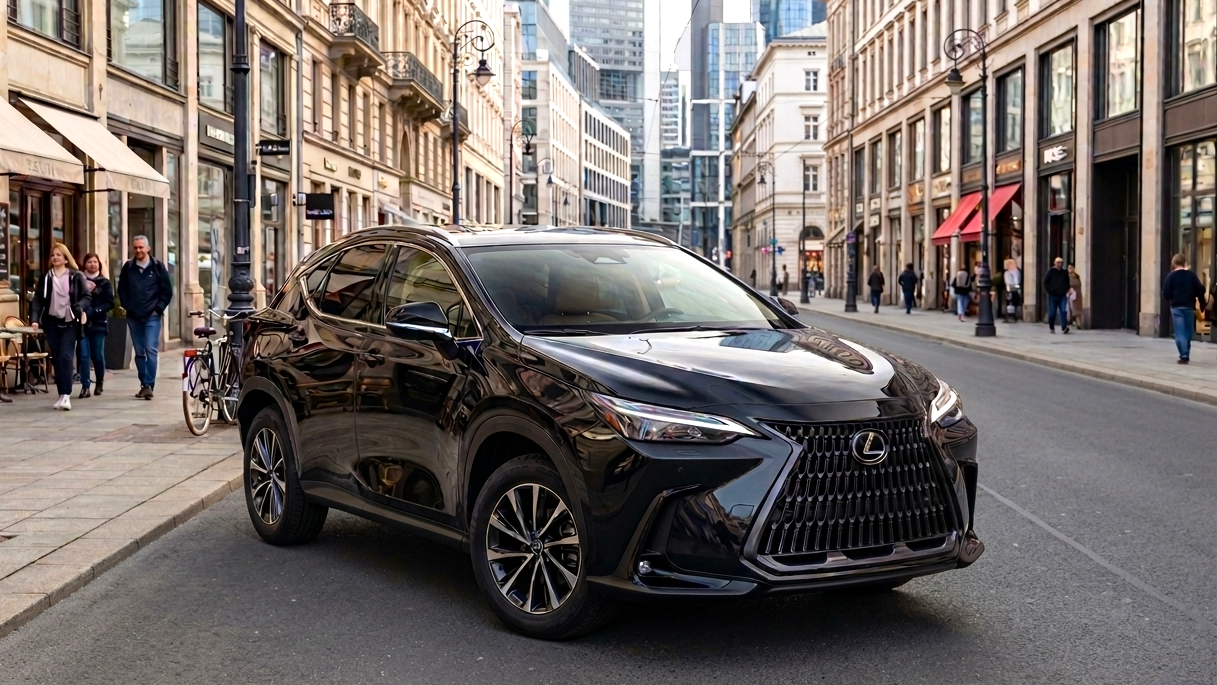
The purchase price remains the key barrier separating these brands. Toyota focuses on mass accessibility, offering loyal credit programs, low insurance rates, and an extensive network of service centers. Spare parts for popular models are always in stock, and their cost allows for vehicle maintenance without straining the family budget.
Owning a Lexus involves different expense items:
- Insurance (CASCO). Due to the high cost of spare parts and the brand's status, the rates here are significantly higher.
- Service Maintenance. Routine work at dealerships is more expensive due to higher labor costs and the use of premium consumables.
- Luxury Tax. Many modern Lexus models fall under lists of vehicles subject to additional taxation.
- Complex Electronics. Maintaining adaptive lighting systems and safety sensors requires specialized diagnostic equipment.
Much depends on the year of manufacture. For newer vehicles, electronics maintenance often comes down to software updates. However, in cars older than 5–7 years, expenses may arise for replacing expensive sensors. At the same time, slow depreciation helps offset these investments: Japanese premium cars retain residual value much better than European counterparts.
Model Range and Car Choice
The choice of a suitable car for specific tasks is huge for both manufacturers. Despite the shared technical base of many models, engineers implement completely different settings in them. To clearly see the differences, it is worth considering popular analog pairs:
Segment | Toyota Model | Lexus Analog | Key Difference |
Business Sedan | Camry | ES | Lexus offers a softer suspension and an advanced air filtration system. |
Crossover | RAV4 | NX | The Lexus NX uses significantly more soundproofing in the wheel arches. |
Family SUV | Highlander | RX | The RX features exclusive wood trim and a premium audio system. |
Full-size SUV | Land Cruiser 300 | LX | The LX is equipped with hydraulic suspension; the LC300 is more utilitarian. |
The premium Lexus line also includes unique coupes (LC) and compact city crossovers (UX). Meanwhile, Toyota offers more utilitarian options like the Hilux pickup, which is indispensable for hauling cargo in harsh conditions.
Who is Toyota for, and who is Lexus for?
The prestige of the brands shapes different social profiles for their owners. Toyota cars are most often driven by practical people: middle-level entrepreneurs, married couples, and those who value rational resource use and resale liquidity. It is the choice of those who prefer proven quality over excessive flash.
Lexus cars are chosen by connoisseurs of exclusivity and high service. These are vehicles for top managers, creative professionals, and successful businesspeople for whom status and movement comfort are paramount. A Lexus owner buys more than just a means of transport; they buy a pass to a world of privileges.
Main Pros and Cons of Each Brand
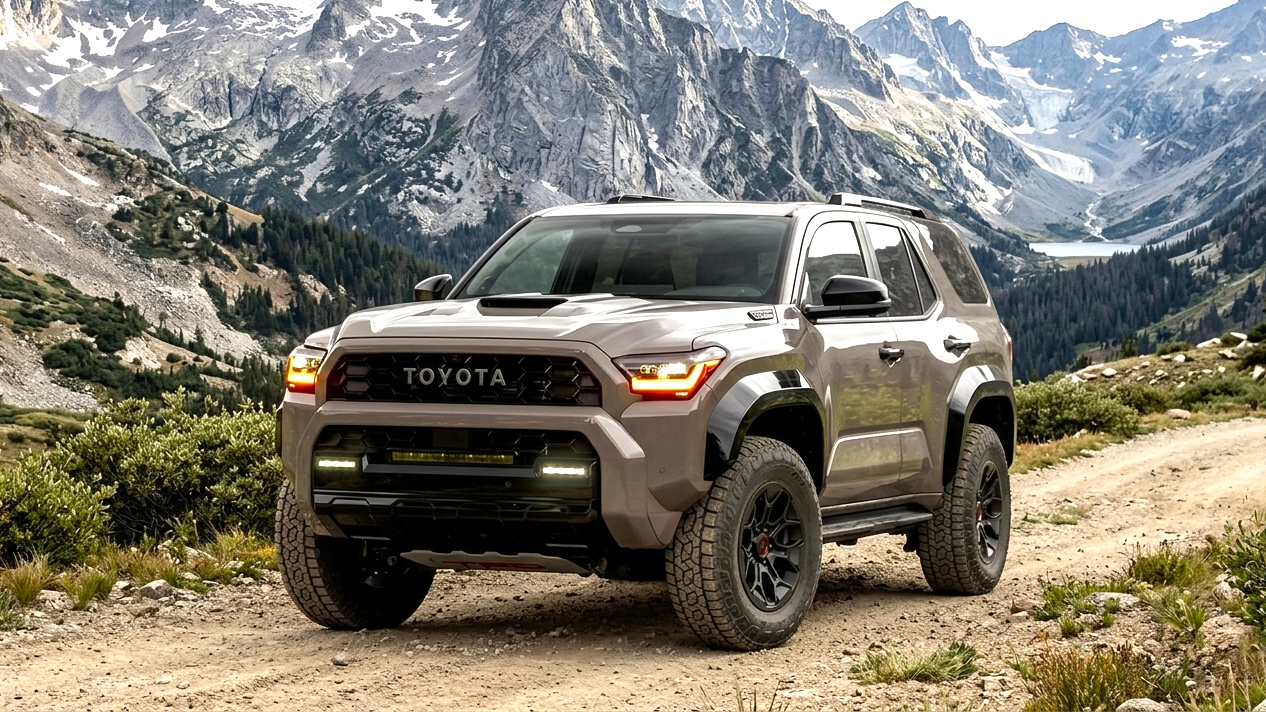
Toyota strengths:
- highest market liquidity;
- huge selection of modifications and spare parts;
- moderate service price.
Toyota weaknesses:
- modest interior trim in base versions;
- mediocre sound insulation;
- frequent appearance on the lists of most stolen cars.
Lexus strengths:
- exceptional comfort and build quality;
- high brand prestige;
- rich standard equipment.
Lexus weaknesses:
- high purchase price and part costs;
- conservative approach to multimedia in some older models.
Conclusion
In conclusion, the choice between toyota vs lexus depends on your personal priorities. If you need a loyal and reliable tool to move from point A to point B with minimal cost, then a toyota for sale is the best solution. If you strive to emphasize your status and get maximum pleasure from technology and luxury, your path leads to a premium showroom. Both brands guarantee high quality, so both their standard and hybrid versions remain market leaders. Ultimately, any Toyota for sale or Lexus for sale finds its buyer thanks to the impeccable reputation of Japanese engineering. Whichever you choose, it will be a reliable investment in your comfort.

