



Why Is My Car Burning Gas Fast and What Is Excessive Gas a Sign Of?

If you keep asking yourself why is my car using so much gas, do not assume right away that there is a serious mechanical problem. Higher fuel consumption can be caused by speed, short trips, cold weather, air conditioning, tire pressure, or the way you drive. In some cases, however, it does point to a technical issue.
In this article, we will explain how to tell whether fuel consumption has actually increased, does driving faster use more gas, which faults most often lead to higher fuel use, and what you can check yourself before going to a repair shop.
How to Tell Whether Fuel Consumption Has Really Increased
Start by checking whether fuel consumption has actually gone up. Do not rely only on impressions. Fuel use is heavily affected by weather, traffic, short trips, air conditioning, speed, and driving style. Without checking, it is easy to mistake a normal seasonal change for a fault.
Compare fuel consumption only under similar conditions. Do not compare city driving with highway driving, summer with winter, or calm driving with constant acceleration. If the conditions are different, the conclusion will be inaccurate.
The easiest way to check is to calculate fuel use manually. Fill the tank completely, record the mileage, drive as usual, and then fill the tank completely again. After that, divide the amount of fuel added by the distance traveled. This will give you your real fuel consumption instead of an approximate number from the onboard computer.
Check three things:
- whether the route has changed;
- whether the driving pattern has changed;
- whether the temperature and vehicle load have changed.
Also compare the current consumption with the normal level for your specific model and engine. Factory figures can be used only as a reference. Real-world fuel consumption is almost always different from the official numbers.
If the difference is small and appeared during cold weather, heat, traffic, or after switching to short trips, the reason may be operating conditions. If fuel consumption increased sharply, without a clear reason, and remains high all the time, move on to checking the technical condition of the car.
Main Causes of High Fuel Consumption
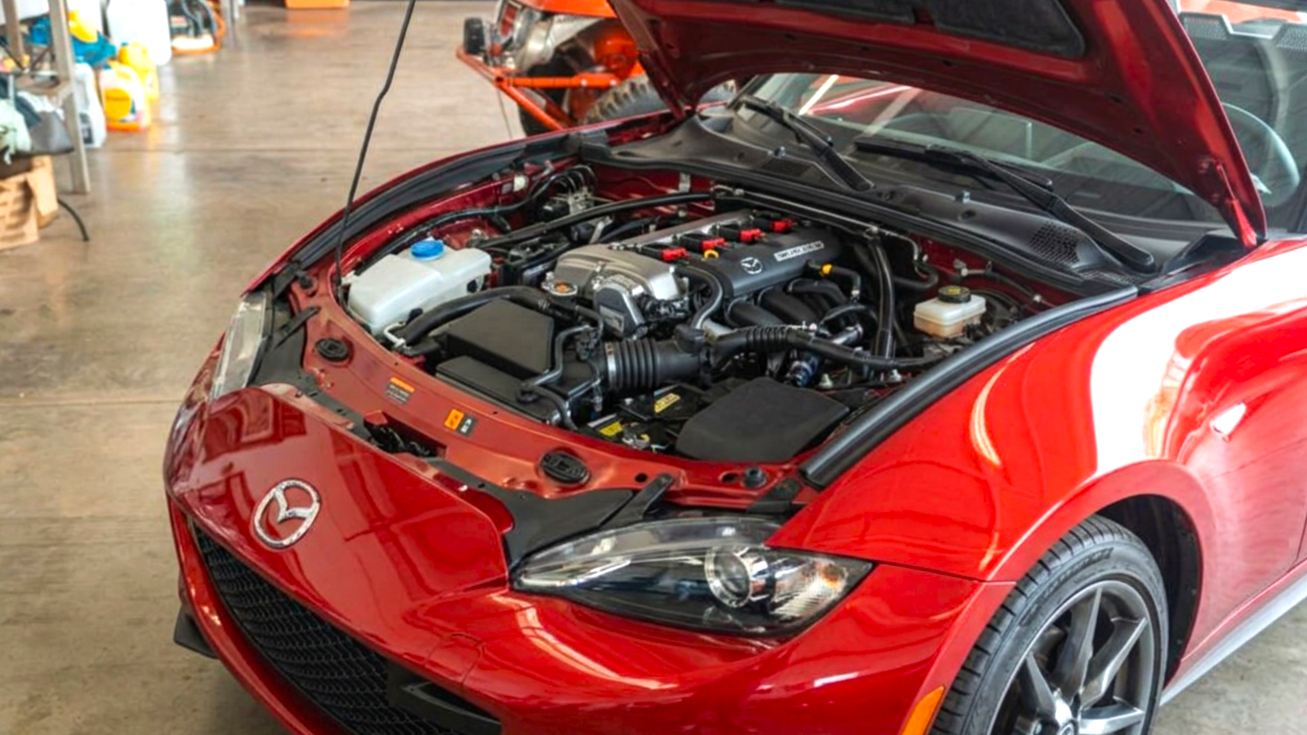
High fuel consumption does not always mean there is a fault. First divide the causes into two groups: changes in operating conditions and technical problems.
The first group includes speed, traffic, short trips, cold, heat, air conditioning, extra weight in the car, and driving style. All of these factors can noticeably increase fuel consumption even in a fully functional car. For example, when driving constantly at high speed, the engine works under a greater load and air resistance increases.
The second group includes faults and deviations in the way the car operates. The most common causes are:
- ignition system problems;
- sensor faults;
- incorrect fuel mixture;
- low tire pressure;
- fuel system problems;
- increased rolling resistance or braking drag.
It is also important to consider how the fuel consumption increased. If the car burning gas fast only in the city, the reason may be traffic, frequent stops, short routes, and a cold engine. If the problem is more noticeable on the highway, check speed, tire pressure, aerodynamic drag, and the overall condition of the engine.
Also pay attention to related signs. If increased fuel use comes together with power loss, unstable engine operation, the smell of fuel, vibrations, warning lights, or hard starting, look for a technical cause rather than an operating one.
It makes sense to move from the most common and simple causes to the more complex ones. Start with the engine and fuel system, then check the tires, driving conditions, electronics, and only after that move on to less obvious factors.
Engine and Fuel System Problems
If fuel consumption increased sharply and stays high, check the engine and fuel delivery system. This is where causes often appear that lead to noticeable overconsumption even without obvious mechanical noise. Start with the spark plugs, injectors, fuel mixture, and the sensors that affect its correction. Worn spark plugs, uneven combustion, and mixture faults directly reduce fuel efficiency.
Check the oxygen sensor separately. If it is faulty, the control unit may command a mixture that is too rich, and fuel consumption rises noticeably. In such cases, after the problem is fixed, fuel economy can sometimes improve by up to 40%.
Watch for related signs:
- the engine has started running unevenly;
- there is a loss of power;
- the Check Engine light has come on;
- the smell of fuel has become stronger;
- the car accelerates worse.
Do not assume the air filter is the main cause by default. In modern gasoline vehicles, it more often affects acceleration and engine response than fuel consumption. It is more important to check the sensors, spark plugs, and fuel delivery.
If fuel consumption increased together with rough engine operation, do not stop at guesses. Read the fault codes, check the mixture, ignition, and sensors. In this part of the car, the cause is often found faster than by trying to explain the overconsumption only through weather or driving style.
Tire Pressure and Wheel Condition
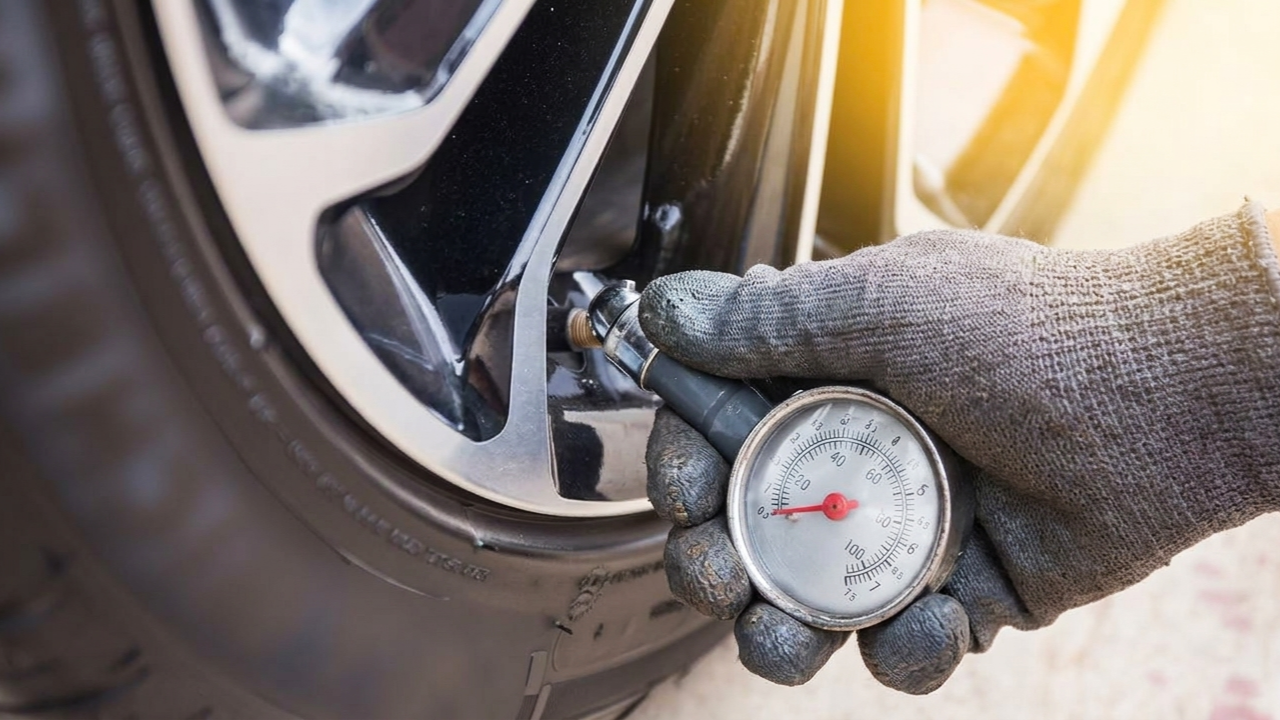
Check tire pressure. This is one of the simplest causes of increased fuel consumption. If a tire is underinflated, rolling resistance rises, the engine has to use more energy, and fuel consumption goes up.
Compare the pressure with the recommended value for your car. The correct figures are usually listed on the door pillar, the fuel filler flap, or in the owner’s manual. Check pressure when the tires are cold, otherwise the numbers will not be accurate.
Low pressure affects more than just fuel use. It also changes the way the car behaves:
- the car rolls more heavily;
- steering may become less precise;
- the tires wear faster and more unevenly;
- the car may feel worse at higher speeds.
If the pressure is normal, move on to wheel condition. Check tread wear, the overall state of the tires, and the absence of obvious damage. Uneven wear may indicate alignment or suspension problems. This also affects rolling resistance and therefore fuel consumption.
Pay attention to the brakes as well. If a wheel is dragging, the car starts using more fuel even without obvious complaints about performance. This kind of defect often goes unnoticed, especially when it is only beginning to develop.
Start with the simple checks:
- correct the pressure;
- inspect tire wear;
- rule out wheel alignment problems;
- make sure nothing is preventing the car from rolling freely.
If fuel consumption does not improve after that, move on to driving style and operating conditions.
Driving Style and Its Effect on Fuel Consumption
Driving style affects fuel use more than many technical faults. If you accelerate hard, brake late, and keep a high speed, the car will use more fuel even if it is in good condition.
Check how you normally drive. The most common causes of overconsumption here are simple:
- sharp acceleration;
- frequent braking;
- driving at high speed;
- running the engine at high revs;
- constant short trips with a cold engine.
Does driving faster use more gas? Yes. After a certain point, air resistance rises quickly, and the engine starts using more fuel just to maintain speed. In practical terms, fuel economy usually begins to drop noticeably above 50 mph, and aggressive driving can increase fuel consumption by 15–30% on the highway and by 10–40% in stop-and-go driving.
Also evaluate your city driving pattern. If you drive only short distances, spend a lot of time in traffic, and regularly start the engine cold, fuel consumption will almost always be higher. In that case, the issue may be the driving pattern rather than the car itself.
If you want to reduce fuel use without repairs, start with simple steps:
- accelerate more smoothly;
- keep a steady speed;
- avoid revving the engine unnecessarily;
- combine short trips into one;
- remove extra weight from the car.
This is worth checking before looking for more complex faults. In many cases, higher fuel consumption is caused by the driving pattern rather than a breakdown.
Weather and Climate Conditions
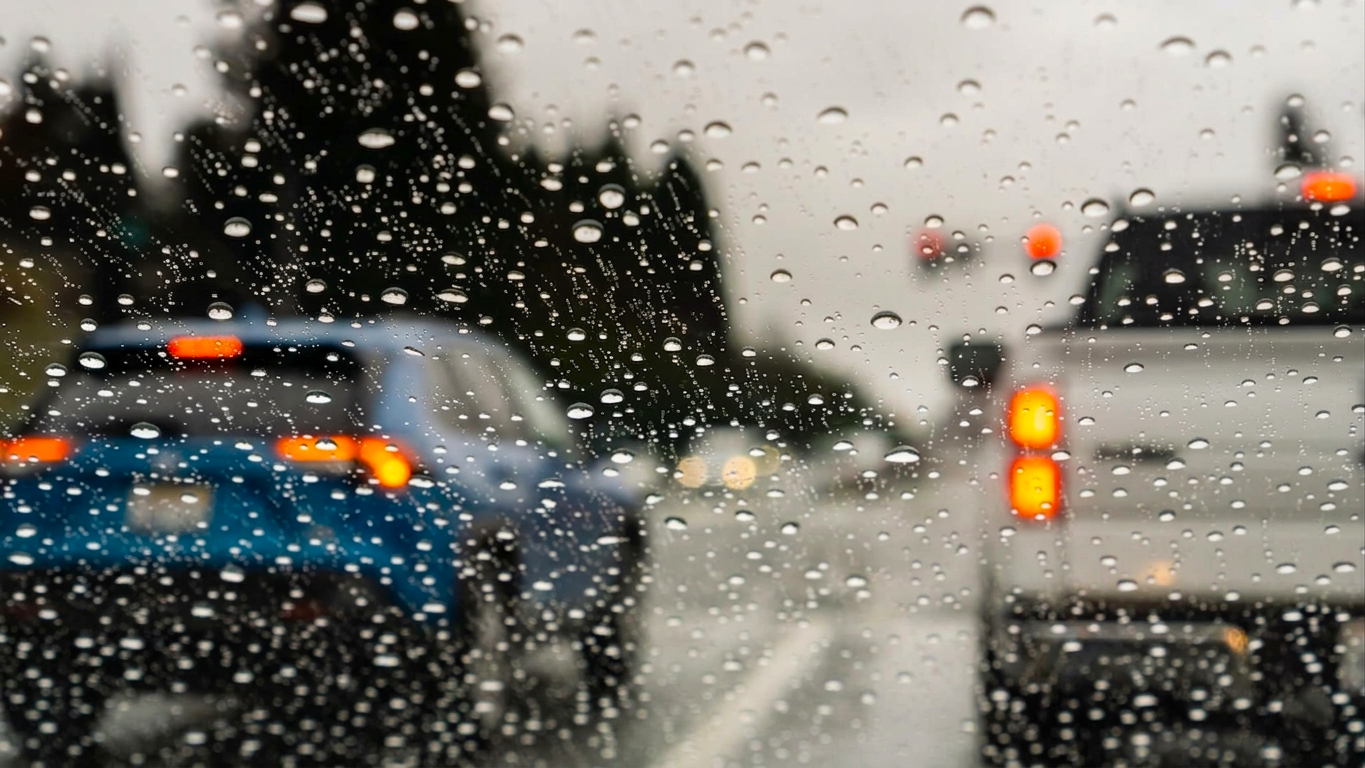
Weather directly affects fuel consumption. In winter, it almost always rises. In cold conditions, oil becomes thicker, the engine needs more time to reach operating temperature, and the battery and other systems operate under greater load. At around -7 °C, city fuel consumption in a normal gasoline vehicle can be about 15% higher than at 25 °C. On short trips, the difference can reach 24%.
The largest winter increase in fuel use usually appears in three cases:
- the engine is constantly driven before it warms up;
- trips are short;
- the car idles for long periods.
In summer, the situation is different. In warm weather, the engine itself may work more efficiently, but air conditioning raises fuel consumption. In strong heat, using the air conditioner can reduce fuel economy by more than 25%, especially on short trips.
Check how exactly fuel consumption changes:
- only in winter;
- only in summer with the air conditioner on;
- after short trips;
- in traffic.
If the increase matches cold weather, heat, or constant short routes, the reason may be operating conditions rather than a fault. If the weather changed but fuel consumption rose too much and stays high in all conditions, move on to checking fuel, sensors, and other technical causes.
Fuel Quality and Fuel Choice
Low-quality fuel, contamination, or the wrong octane rating can worsen combustion and increase fuel consumption. First find out which fuel is recommended for your engine. If the engine is designed for a higher octane rating, using fuel below that level can reduce efficiency, hurt performance, and increase consumption. If the engine does not require higher-octane fuel, switching to it usually does not provide a noticeable benefit in fuel economy.
Pay attention to signs that appeared after refueling:
- the engine started running rougher;
- acceleration became worse;
- fuel consumption increased;
- hesitation appeared;
- starting became harder.
If the problem began immediately after changing gas stations or after questionable fuel, treat that as one of the first possible causes. Bad fuel does not always cause an immediate breakdown, but it can noticeably worsen engine performance and fuel consumption.
Also check your refueling habits. Do not accidentally mix different fuel types, do not focus only on price, and do not treat a higher octane rating as a universal way to reduce fuel use. One rule works here: use the fuel quality recommended for your vehicle.
If fuel consumption does not return to normal after the next proper fill-up, move on to checking the sensors and electronics.
Vehicle Electronics and Sensors
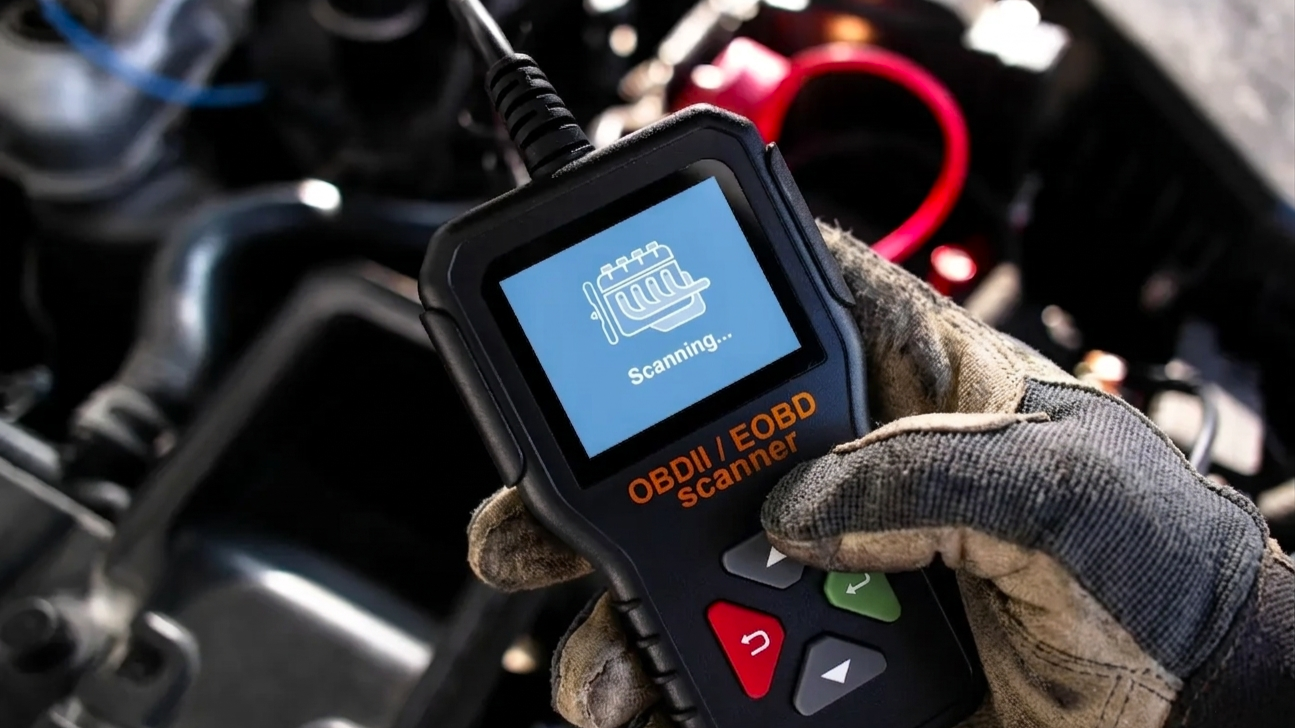
In modern cars, fuel delivery depends on sensor signals. If one of them sends incorrect data, the control unit starts adjusting the mixture incorrectly, and fuel consumption goes up.
Check these first:
- the oxygen sensor;
- the mass air flow sensor;
- sensors related to engine and air temperature;
- control unit fault codes.
The most common issue in this area is incorrect fuel mixture correction. If a sensor reports the wrong values, the engine may start running with a mixture that is too rich. In that mode, more fuel is used than necessary even if the car still seems to drive normally.
Pay attention to related signs. Higher fuel consumption in these cases often comes together with other symptoms:
- the Check Engine light has come on;
- the engine has started running unevenly;
- power has decreased;
- starting has become harder;
- the smell of fuel has become stronger.
Do not delay diagnostics if there is already a warning light on the dashboard. Guessing is useless here. Connect a scanner and check the fault codes. If the cause is a sensor or incorrect mixture correction, this is usually seen faster than with a mechanical search.
Additional Factors People Often Forget
Check things that are not directly related to a failure but still increase fuel consumption.
- First is extra weight. The heavier the car is, the more fuel it needs to accelerate and move in the city. If you constantly carry heavy items in the trunk, fuel consumption can rise even with no faults at all.
- Second is external drag on the body. A roof rack, bicycle mounts, and other external accessories worsen aerodynamics. This becomes especially noticeable at high speed. The car has to use more fuel simply to overcome air resistance.
- Third is short trips. If the engine does not have time to reach operating temperature, fuel consumption will almost always be higher. Several short urban trips often produce a worse result than one longer trip over the same total distance.
- Fourth is open windows at speed. In the city the effect is small, but on the highway the added air resistance also affects fuel use.
Also check whether something is preventing the car from rolling freely. Sometimes the issue is not the engine, but resistance to movement:
- a wheel is dragging;
- there is a wheel bearing problem;
- suspension geometry is off;
- the car feels heavier than usual when moving.
If there are no obvious faults but fuel consumption remains high, remove anything unnecessary, review your routes, and check whether outside factors are constantly increasing the load on the vehicle.
How to Reduce Fuel Consumption
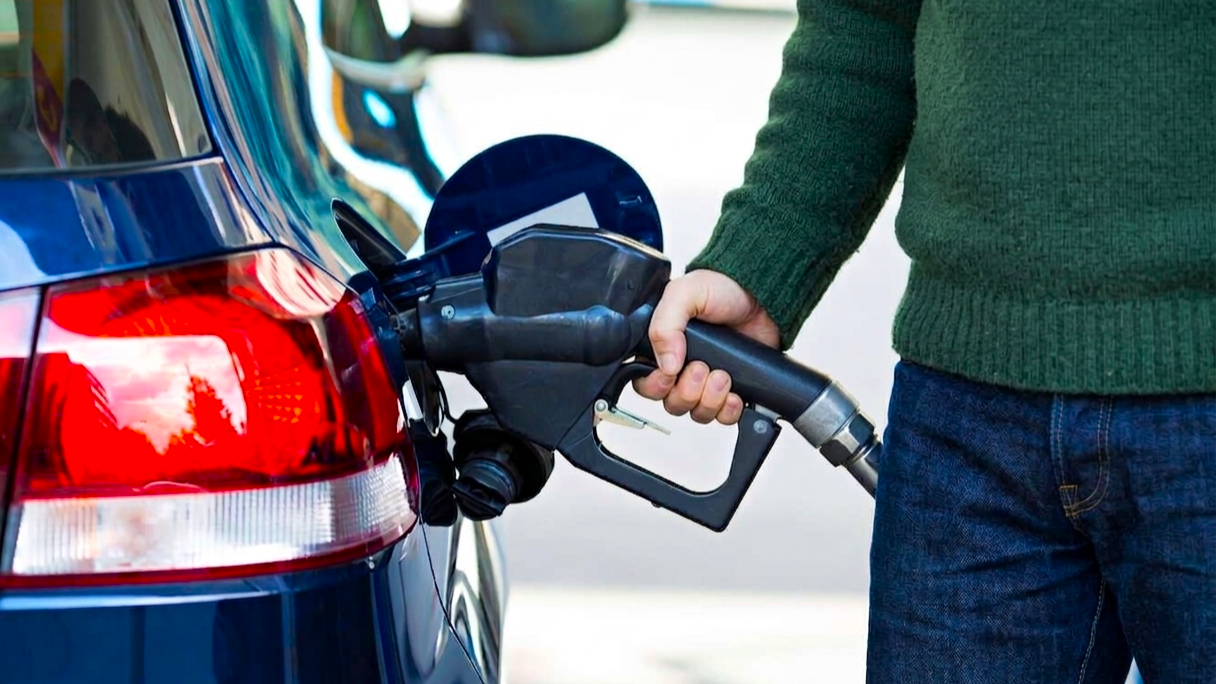
Start with what can be corrected right away. Check tire pressure, remove extra weight from the car, take off an unnecessary roof rack, and evaluate your normal driving pattern. These steps often make a noticeable difference without repairs. Underinflated tires reduce efficiency, and aggressive driving and high speed raise fuel use especially fast.
Then move on to basic maintenance. Check the spark plugs, the ignition system, the absence of sensor faults, and normal engine operation. If the Check Engine light is on, do not delay diagnostics. High fuel consumption is often linked to incorrect mixture correction, and in such cases the problem does not go away on its own.
A few simple steps can help:
- accelerate more smoothly;
- keep a stable speed;
- make fewer short trips with a cold engine;
- use the fuel recommended for your engine;
- keep an eye on the condition of the tires and brakes.
If the car is car burning gas fast, do not try to solve everything by replacing one random part. First rule out operating conditions, then check the basic technical causes, and only after that move on to deeper diagnostics. This order usually makes it easier to understand why fuel use has increased.
When You Should See a Specialist
Do not delay diagnostics if fuel consumption rises sharply and other symptoms appear at the same time. In that situation, the problem often goes beyond simple factors such as tire pressure, weather, or driving style.
Go to a service center if higher fuel use is accompanied by:
- a Check Engine warning;
- loss of power;
- rough engine operation;
- hard starting;
- fuel smell;
- smoke from the exhaust;
- noticeable vibrations.
Also do not postpone a check if fuel consumption increased without a clear reason and does not return to normal after the basic steps. If you have already checked tire pressure, removed extra load, ruled out climate effects, and do not see a connection with driving style, the next step is inspection of the engine, sensors, and fuel system.
Fast diagnostics are especially important in two cases. First, when the car is using fuel much faster and at the same time has started driving worse. Second, when fuel consumption rises gradually but steadily. In both cases, delay usually leads to extra costs.
Conclusion
Higher fuel consumption should not be treated as normal without checking. Sometimes the reason really is weather, short trips, speed, or vehicle load. But if fuel consumption rose sharply, stays high for a long time, or comes with other symptoms, the problem should be looked for in the vehicle’s technical condition.
Start with the simple things: check the real fuel consumption, tire pressure, driving pattern, vehicle load, and fuel quality. If that does not help, move on to diagnosing the engine, sensors, and fuel system. This order helps identify the cause faster and avoids wasting money on random parts.
The main conclusion is simple: high fuel consumption is either the result of operating conditions or a sign of a fault. The earlier you find the cause, the easier and cheaper it is to fix.

