



Why Your Car Won’t Start: Causes, Symptoms, and What to Do

When my car won't start, the cause may lie in the battery, starter, fuel delivery, ignition system, electronics, or the key. The result looks the same, but the source of the problem is usually different.
In this article, we will look at the most common reasons for a failed start, explain how to tell one fault from another, and show which checks you can perform yourself without putting the car at unnecessary risk.
How to Tell Whether the Car Really Won’t Start
Before looking for the cause, pay attention to what exactly happens when you try to start the car. Do not guess right away. The first symptoms can quickly narrow down the range of possible faults.
- No response when turning the key or pressing the start button. If almost nothing happens when you try to start the car, check the power supply and basic electronics. Look at the instrument cluster, central locking, interior lighting, and the response of the start button. A complete lack of response is often linked to a discharged battery, poor contact at the terminals, a faulty start button, the gear selector position, the key, or the immobilizer.
- Clicking sounds or unusual noises during startup. If you hear clicks, crackling, or an unusual metallic sound, do not keep trying to start the engine over and over. Check the battery, the battery terminals, and the starter. A single click followed by silence often points to a problem in the starter circuit, while a rapid series of clicks usually indicates a weak battery charge or poor contact.
- Problems in electronics. If the instrument cluster flickers, the lights dim, the multimedia system reboots, or the central locking works inconsistently, start with the power supply. These signs often appear before a complete failure to start and help you catch a problem with the battery, alternator, or electrical contacts in time.
- The car is not starting in any conditions. If the vehicle fails to start both cold and warm, in dry weather and in wet weather, do not dismiss it as coincidence. A constant failure to start usually points not to an external factor, but to a fault in a specific component: the battery, starter, ignition system, fuel delivery, or engine control electronics. Record the symptom first, then move on to checking the cause.
Discharged Battery
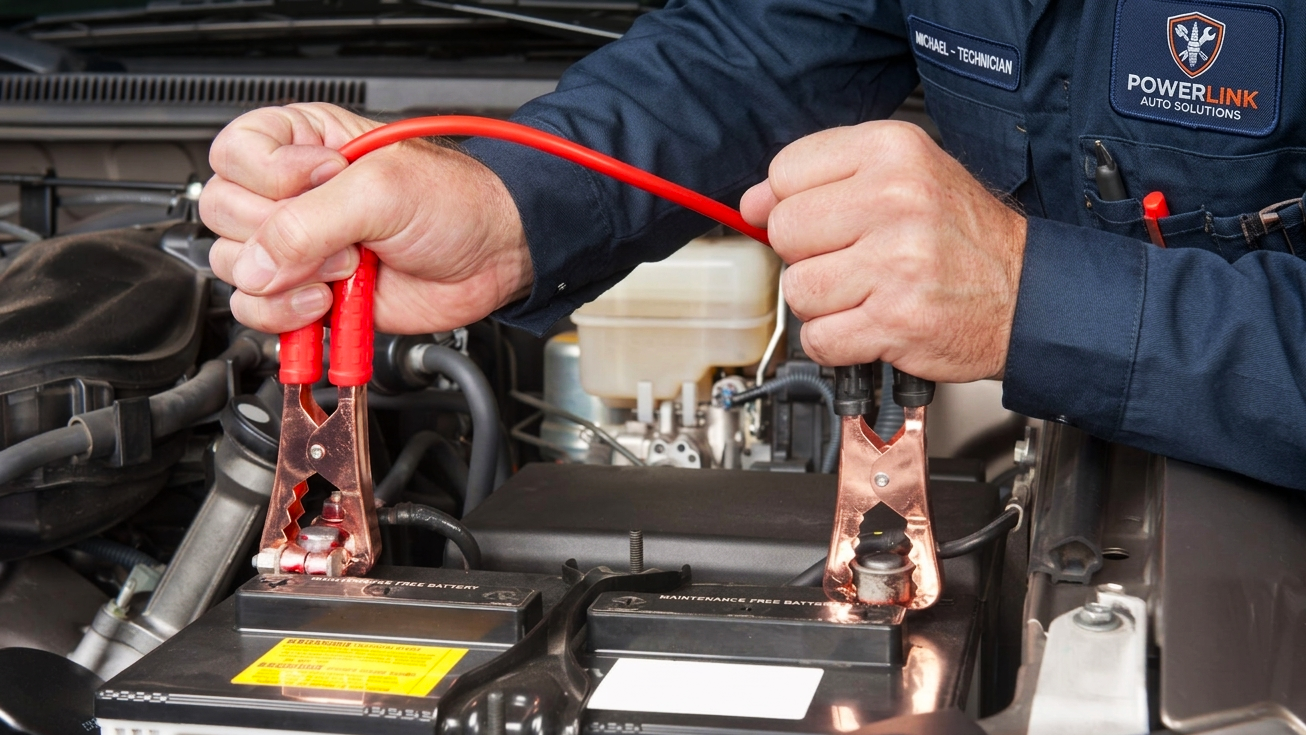
Start by checking the battery. This is the most common reason a car fails to start. If the battery does not have enough charge, the starter will either not turn the engine at all or will do so very slowly.
Look for the main signs:
- dim headlights;
- an unstable instrument cluster;
- delayed central locking response;
- clicking instead of a normal start;
- slow cranking from the starter.
If both the electronics and the starting process seem weak at the same time, begin with the power system. Think about what happened before the failure to start. The car may have been sitting for a long time. You may have left the lights, seat heaters, dash cam, or another electrical load on. In winter the risk is higher because cold weather reduces the battery’s ability to deliver current, while the engine needs more energy to start.
Check the battery terminals. Inspect them for:
- corrosion;
- deposits;
- loose fastening.
Even a good battery will not help if the contact is poor. If possible, measure the voltage or perform a load test. Also consider the age of the battery: an old battery often causes weak starts first and then stops starting the engine altogether.
If you are sure the problem is simply low charge, use a booster pack or jumper cables. If the battery is damaged, the case is swollen, there is a smell, heavy heat buildup, or you suspect it has frozen, do not try to revive it on the spot. In that case, it is safer to move on to replacement or diagnostics.
Problems with the Alternator
If the battery was recently charged or replaced and the starting problem returns, check the alternator. Its job is to recharge the battery while driving. If it is not working properly, the battery gradually loses charge even if the battery itself is still functional.
Pay attention to indirect signs:
- the battery warning light comes on;
- the lights begin to flicker;
- the power windows move more slowly;
- the multimedia system reboots;
- after a short drive, the car will not start again.
This set of symptoms often means not that the battery itself is bad, but that it is not receiving a proper charge. Watch how the vehicle behaves while driving. If the electronics work worse and worse as the trip continues, and after stopping the engine will not start again, the likelihood of alternator trouble increases. If the design of the vehicle allows it, also inspect the drive belt. Wear, slack, or damage to the belt can also affect charging.
Do not stop at the conclusion that the battery is dead. If you simply install a new battery without fixing the alternator fault, the problem will return quickly. If you suspect the charging system, move on to a voltage check and alternator diagnostics rather than battery replacement alone.
Starter Faults
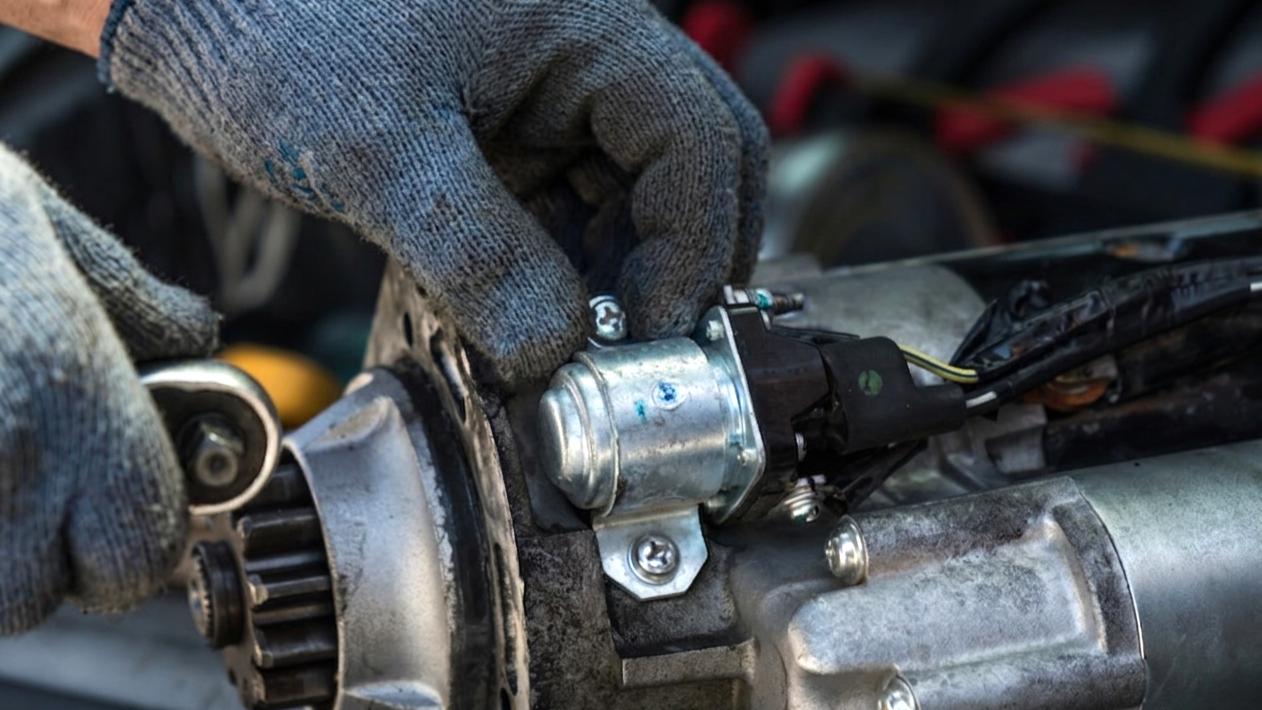
If there is power and the instrument cluster works normally but the engine does not crank, check the starter. This unit turns the crankshaft at the moment of startup. If it fails, the engine will not begin to run even with a good battery.
Listen to the sounds:
- one short click with no cranking;
- a series of rapid clicks;
- metallic grinding;
- a complete lack of proper engagement.
A single short click often points to a problem in the starter itself or its electrical circuit. A series of rapid clicks more often indicates weak power, but if the battery is healthy, the starter still remains one of the first suspects.
Check whether an external jump start with a booster or jumper cables helps. If voltage is sufficient but the engine still does not crank, the cause usually comes down to:
- the starter;
- the starter solenoid;
- wiring;
- contacts in the starting circuit.
Do not keep forcing repeated start attempts for a long time. That only increases the load and can make the fault worse. If the starter had long been reacting with a delay, pausing before cranking, or working only on the second attempt, do not ignore that pattern. Such symptoms often appear in advance and end in a complete failure.
Problems with the Fuel System
If the starter is turning the engine but there is no start, check fuel delivery. Without fuel, the engine can crank normally, but there will be nothing to ignite. Start with the most obvious point and look at the fuel level. A faulty gauge, the angle of the car, long storage, or simple oversight can sometimes produce a very simple answer to what looks like a complicated problem.
If there is fuel in the tank, move on. The cause may lie in one of these components:
- the fuel pump;
- the fuel filter;
- the injectors;
- the quality of the fuel itself.
Think back to how the car behaved shortly before the complete failure to start. If the engine had begun to jerk, lose power, respond poorly to throttle input, or start less readily, that may already have pointed to fuel delivery problems. Another sign is when the engine catches for a second and then immediately stalls.
Bad or contaminated fuel should not be ruled out either. After a questionable fill-up, a car may start worse, run unevenly, or stop starting entirely. If the problem appeared shortly after refueling, take that into account immediately.
Also check indirect signs:
- whether you can hear the fuel pump when the ignition is switched on;
- whether the car’s behavior changed after a filter replacement or repair;
- whether there were power drops before the starting failure.
If the engine cranks strongly, the battery and starter appear normal, but there is still no start, the fuel system becomes one of the main areas to inspect.
Ignition System Faults
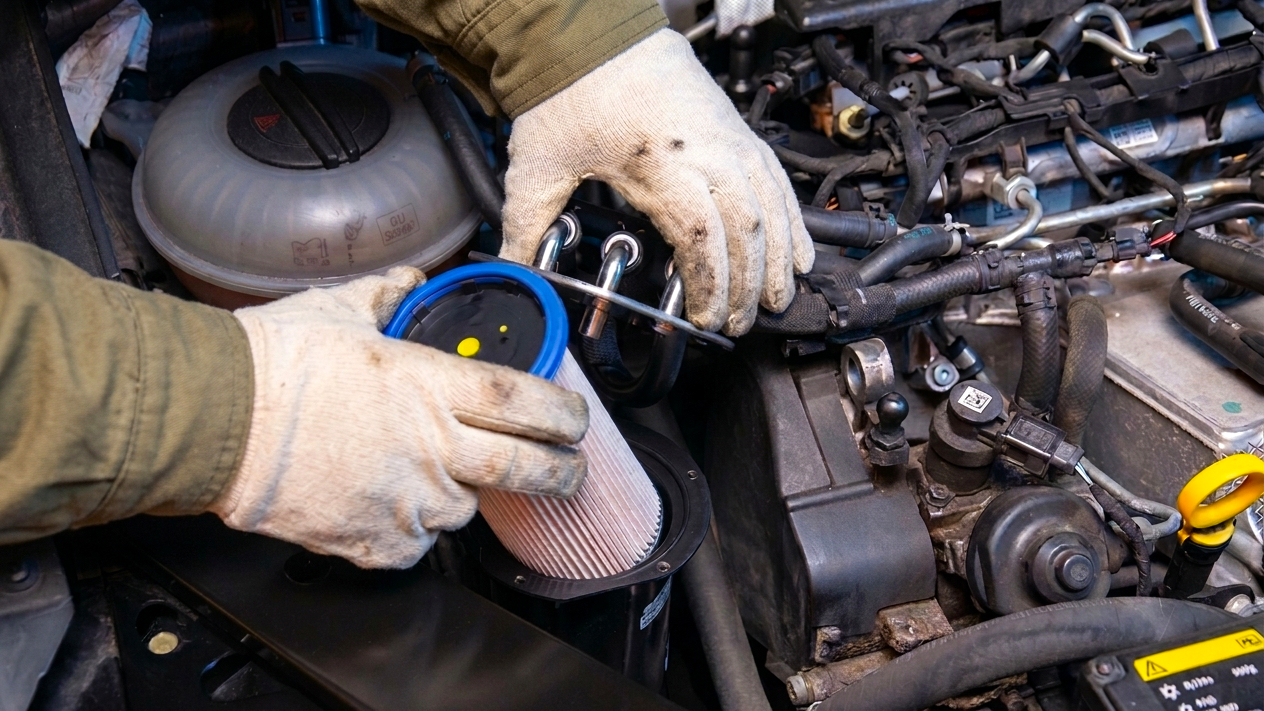
If fuel is reaching the engine but the mixture does not ignite, the engine will not start. In that case, check the ignition system. The main causes here are related to spark plugs, ignition coils, wiring, and control signals.
Worn spark plugs rarely cause a complete failure all at once. More often, the engine first starts taking longer to crank, becomes harder to start when cold, and runs unevenly in the first seconds after startup. Ignition coils also often fail gradually. Before a complete failure, you usually get misfires, vibration, unstable running, and loss of power.
Think back to whether any of these signs were present earlier. If fuel is reaching the engine, the starter is working normally, but there is still no start, the ignition system becomes one of the main suspects. In this case, reading fault codes is useful because it helps you identify which component to check next.
Problems with the Immobilizer or the Key
If there are no obvious signs of problems with the battery, starter, or fuel system, check the key and the immobilizer.
Start with the simple points:
- check the battery in the key fob;
- use the spare key;
- make sure the selector is in the correct position;
- look for messages on the instrument cluster.
If the vehicle does not recognize the key, the start can be fully blocked. Sometimes the car will unlock and switch on the ignition, but the engine will not start specifically because of the security system. Check whether there is interference near the key. In some cases, other electronic devices can affect recognition. If the spare key works, focus on the main fob. If the spare key also does not work, move on to diagnosing the access system, the immobilizer, or the control unit.
Weather and Climate Conditions
- Check whether the problem may be weather-related. Low temperatures strongly affect starting. In cold weather, the battery delivers less current, the oil thickens, and the engine needs more energy to turn over. If the battery is already weak, cold weather quickly turns a hidden problem into an obvious starting failure.
- Notice how the car behaves after being parked overnight. If starting becomes difficult only in the morning or only in freezing weather, begin with the battery, the condition of the terminals, and the general state of the power system. Check whether the starter has begun cranking noticeably slower and whether the electronics are weaker.
- High temperatures can also affect starting, although less often. After heavy heat soak, weak electrical contacts, overheated sensors, and age-related electronic issues may show themselves. If the car starts worse after a long drive or after standing in the heat, consider that factor as well.
- Also take humidity into account. Moisture can make contact, wiring, and ignition problems worse. If starting becomes more difficult in rain, after a car wash, or during sharp weather changes, check electrical connections and components that are sensitive to moisture.
Problems with Electronics and Sensors
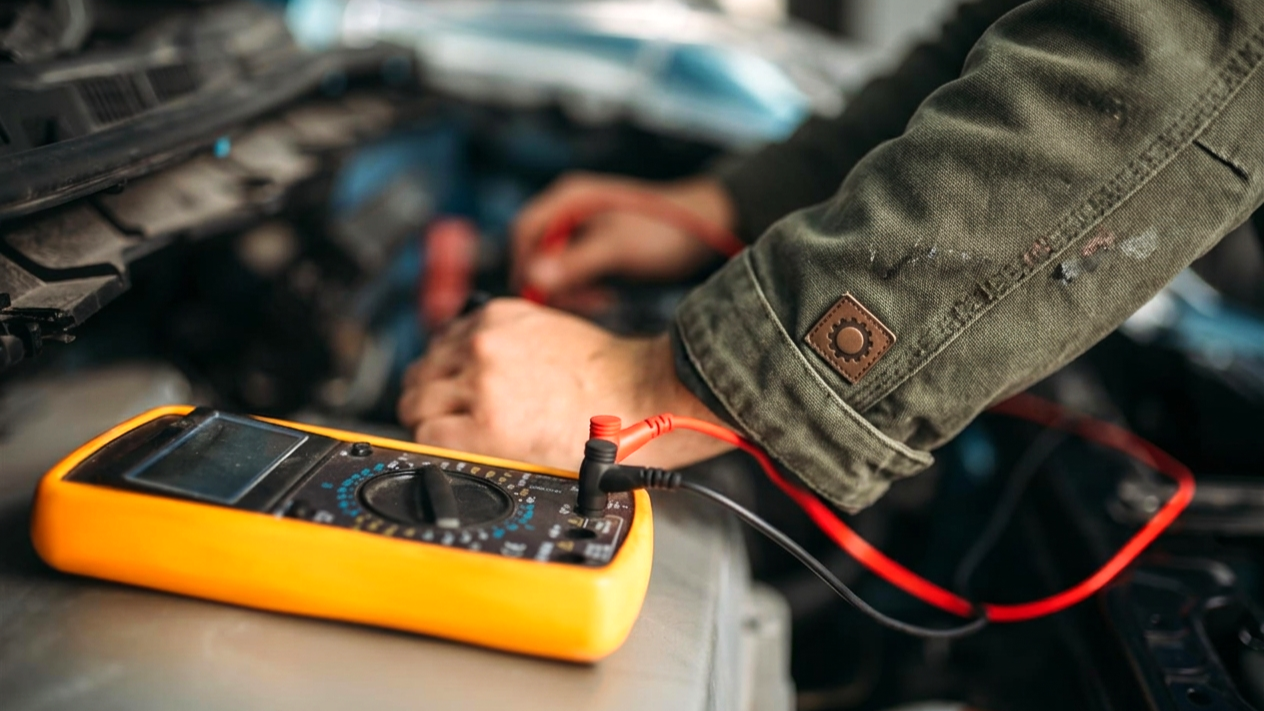
If the battery, starter, fuel system, and ignition system do not point to an obvious cause, move on to the electronics. A modern car may fail to start because of a single incorrect signal even if everything is mechanically sound.
First, watch the behavior of the instrument cluster. If warning lights, error messages, unusual prompts, or the Check Engine indicator appeared before the failure to start, do not ignore them. Such signs often point to a fault in the engine management system.
Check the sensors without which starting is difficult or impossible. The most important one is the crankshaft position sensor. If the control unit does not receive a correct signal from it, it cannot determine when to supply fuel and spark. As a result, the engine may crank but not start. Other sensors linked to throttle position, air supply, and engine timing can play a similar role.
Also consider failures in the control modules and wiring. Corroded contacts, poor ground, a damaged connector, or unstable power supply can produce the same result as a faulty component. From the outside, the cause may look like a random failure to start.
If possible, connect a scanner and read the fault codes. That does not replace full diagnostics, but it helps define the direction of the check. If there are no codes and the engine still does not start, move on to a deeper inspection of sensors, power circuits, and control signals.
Mechanical Engine Problems
One possible cause is loss of compression. If there is not enough pressure in the cylinders, the mixture will not ignite properly. In this case, the engine may crank but not start. Also consider possible problems with the timing chain or timing belt, especially if the failure to start appeared suddenly and without other obvious signs.
Do not try to solve such faults by randomly replacing parts. If you suspect a mechanical problem, move on to proper diagnostics. At that stage, compression testing, valve timing checks, and inspection of the engine’s internal components become essential.
What to Do If the Car Will Not Start
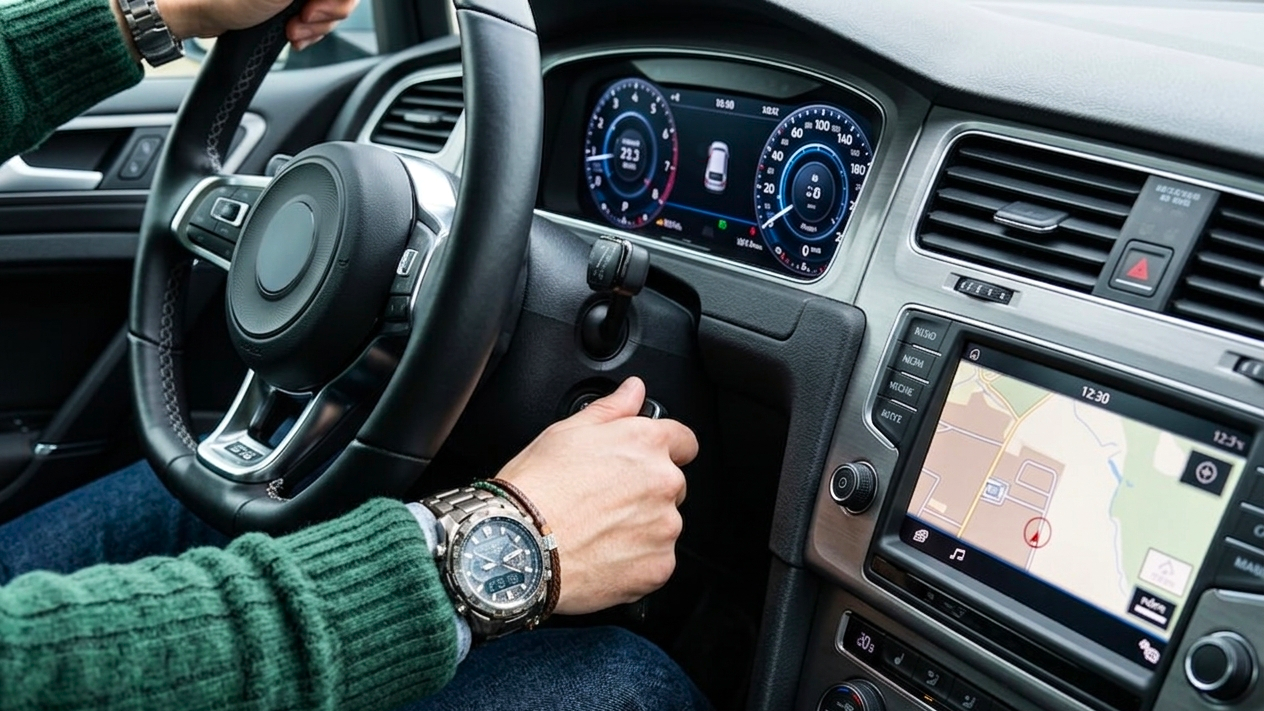
Do not try to start the engine many times in a row. That will not help and will only increase the load on the battery, starter, and electrical system. First, check whether the instrument cluster powers up, whether the lights and central locking work, whether you hear clicks, and whether the engine cranks. After that, inspect the battery terminals, make sure the selector is in the correct position, and try the spare key if you have one.
If the signs point to a discharged battery, use a booster or jumper cables. If the starter cranks but there is still no start, move on to checking fuel delivery, ignition, and electronic fault codes. If warning messages appear on the dashboard, do not ignore them, and read the codes if possible.
Stop trying to start the car if you hear sharp metallic noises, smell burning wiring, notice that the battery is getting very hot, or the starter is clearly overloaded.
How to Prevent Starting Problems
To avoid a starting failure at the worst possible moment, regularly check the main systems. Monitor the condition of the battery, especially before cold weather. Do not delay replacing the battery if startup has become noticeably harder.
Keep an eye on the terminals, spark plugs, filters, and charging system. Do not ignore early signs if the car struggling to start becomes more noticeable, if it runs unevenly after startup, or reacts worse in cold weather. Such symptoms rarely go away on their own.
Use quality fuel and follow the service schedule. If the car shows error messages or electronic warnings, do not postpone diagnostics. The earlier the cause is found, the lower the risk that the car won't start on the road, early in the morning, or in bad weather.
Conclusion
A failed start is a sign that one of the vehicle’s systems is not working properly. You should not ignore that signal, even if the car still starts on the second attempt or the problem does not appear every day. At an early stage, the fault is often limited to a relatively simple repair, but if delayed, it can lead to more expensive consequences and a complete breakdown.
That is why what matters is not only what you do when the failure happens, but also how you respond to the first signs of trouble. If the car is harder to start, if clicks appear, if the electrical system is weakening, if the engine runs unevenly after startup, or if the problem depends on weather, do not delay the check. Timely diagnostics help identify the cause before the car is left immobile on the road, in a parking lot, or far from a repair shop.
Regular maintenance, checking the condition of the battery, charging system, spark plugs, fuel system, and electronics all reduce the risk of these situations. Prevention is always cheaper and easier than urgent repair after a complete failure to start.

