



Why Is My Car Losing Power While Driving? Causes and Solutions

When a driver notices that the vehicle has become slower to accelerate, struggles to pick up speed, and feels weak on hills, this almost always points to a disruption in the normal operation of one or more systems. A car losing power is not a fault in itself. It is a symptom that may be caused by something relatively simple, such as a clogged filter, or by a much more serious issue involving fuel delivery, ignition, air intake, exhaust flow, or engine electronics. This kind of behavior should never be ignored, because some faults gradually worsen and begin to damage other components along the way.
A loss of performance rarely appears without warning. At first, the driver may notice that the throttle response feels lazy. Then the vehicle starts accelerating poorly during overtaking. After that, the engine may feel as though it is being held back, even though it is still running. Sometimes the problem only shows up under load, for example while climbing a hill, carrying passengers, or driving with the air conditioning on. That is why the question why is my car losing power usually comes up before a complete breakdown happens. The vehicle is still moving, but it is no longer behaving the way it used to.
It is important to understand one basic principle: a modern engine does not depend on a single part. It relies on the precise interaction of many systems. Fuel must be delivered in the correct amount. Enough air must reach the cylinders. Spark must occur at the right moment. The control unit must receive accurate data from the sensors. If even one link in that chain begins to fail, combustion becomes less efficient, and engine performance drops with it.
How to Tell Whether the Car Is Really Losing Power
Not every sluggish acceleration means there is a serious problem. Sometimes the driver has simply switched from a more powerful vehicle, filled up with low-quality fuel, or loaded the car heavily. Still, there are certain signs that point to a genuine reduction in engine output rather than a difference in driving conditions.
The problem usually shows itself in one or more of the following ways:
- slow and labored acceleration;
- delayed response to the accelerator pedal;
- weak pulling power uphill;
- reduced top speed;
- hesitation under load;
- a flat, unresponsive throttle feel;
- rough or unstable engine operation.
If the car used to accelerate confidently in ordinary conditions but now feels noticeably weaker under the same circumstances, that comparison alone is already useful in diagnosing the problem. The situation is even more concerning when the issue appears suddenly rather than gradually. When a car loses power while driving without warning, the cause is more often linked to limp mode, ignition misfires, sensor faults, or interruptions in fuel supply.
Dashboard warnings matter too. If the loss of power is accompanied by a Check Engine light, the problem should not be postponed. If the warning light is flashing rather than staying solid, that is even more serious. In many vehicles, a flashing Check Engine light points to active misfires, and misfires are dangerous not only because they reduce performance, but also because they can overheat and damage the catalytic converter.
The Main Causes of Engine Power Loss
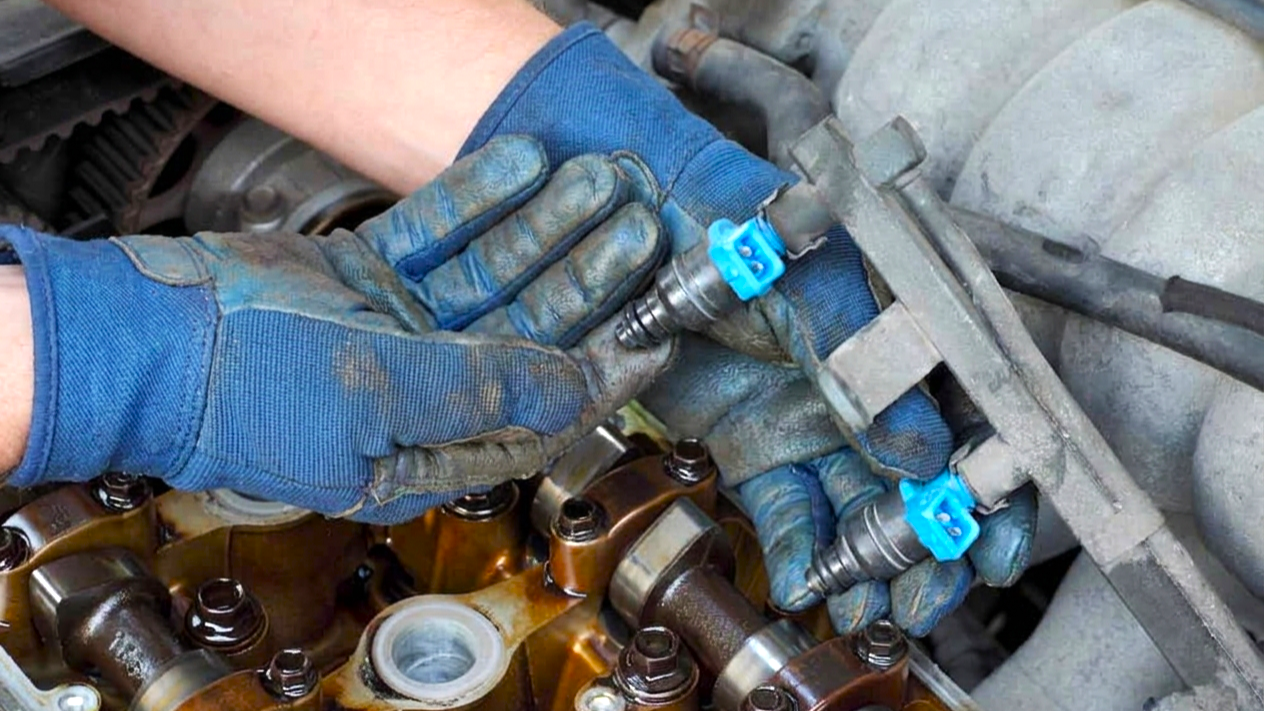
In simplified terms, an engine loses efficiency for a few basic reasons. It may not be getting enough fuel. It may not be getting enough air. The air-fuel mixture may not be burning properly. Or the engine control unit may be receiving bad information and responding by limiting performance. In some cases, excessive exhaust restriction becomes part of the problem. In turbocharged engines, loss of boost pressure must also be considered.
The main categories are usually these:
- incomplete fuel delivery;
- insufficient intake air;
- ignition system faults;
- sensor or ECU errors;
- exhaust restriction;
- loss of turbo boost;
- engine overheating;
- poor-quality fuel.
That is why the question why is my car losing power should never be answered with a single guess. The same symptom can be caused by a clogged air filter, a dirty throttle body, a weak fuel pump, worn spark plugs, a faulty oxygen sensor, or a blocked catalytic converter. Without a logical diagnostic process, owners often replace good parts and still fail to solve the problem.
Fuel System Problems
One of the most common reasons for reduced power is that the engine simply is not getting enough fuel. For normal acceleration, the fuel system must provide stable pressure and proper flow through the pump, filter, fuel lines, and injectors. If even one of those elements begins to work outside specification, the mixture becomes too lean, the engine feels weak, and the problem becomes much more obvious under load.
The first things that usually need to be checked are:
- the condition of the fuel filter;
- fuel pump performance;
- fuel rail pressure;
- injector cleanliness;
- fuel line integrity;
- the quality of the fuel in the tank.
A clogged fuel filter restricts flow. When that happens, the pump has to work harder, and the shortage becomes especially noticeable at higher engine loads and rpm. The engine may idle fairly well and even start normally, but the moment the driver asks for more power, the weakness becomes obvious.
Dirty or partially blocked injectors can create a similar effect. If the fuel spray pattern is poor, mixture formation inside the cylinders suffers. Combustion becomes less efficient, throttle response loses sharpness, and acceleration feels uneven. In cases like this, drivers often describe the symptom simply as car losing power, while the real cause is uneven fuel delivery across the cylinders.
Lack of Air and Intake System Problems
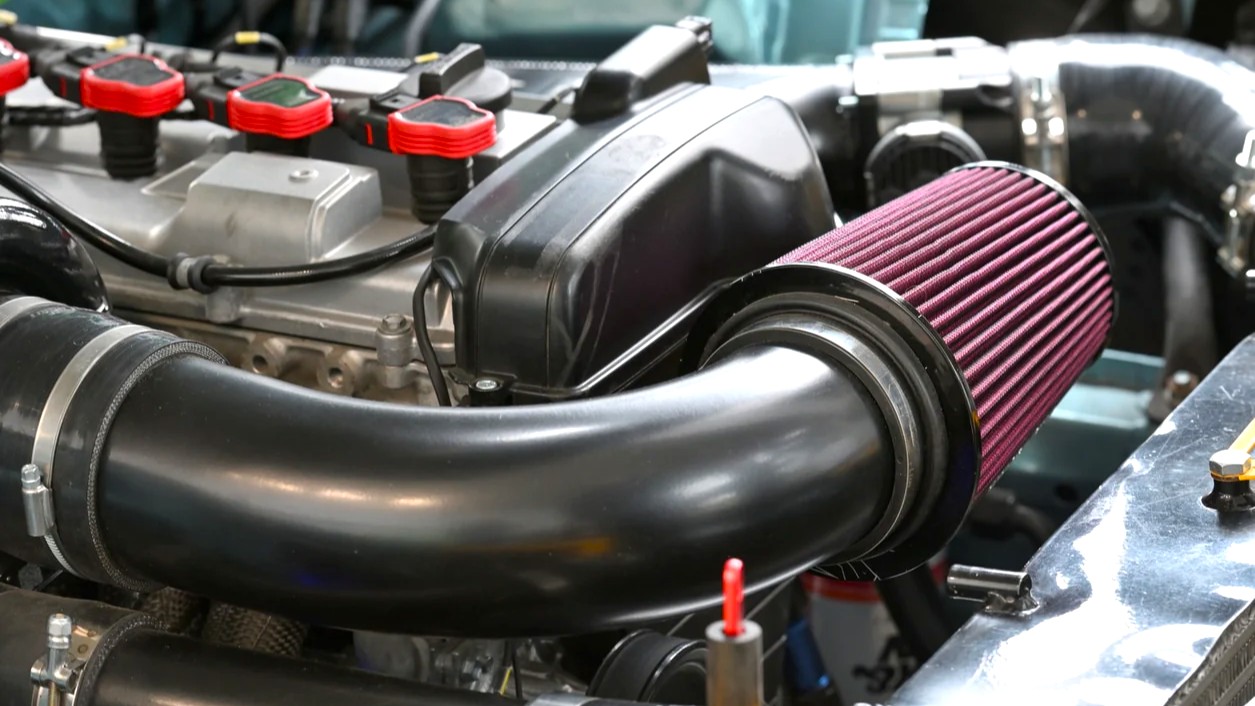
An engine needs more than fuel. It also requires a large volume of clean air. If the air filter is clogged with dust and debris, airflow drops, fuel economy suffers, and engine output falls. When the engine cannot breathe properly, acceleration becomes lazy, and the lack of power becomes even more noticeable at higher rpm.
The most common intake-related issues include:
- a clogged air filter;
- inaccurate mass airflow sensor readings;
- a dirty throttle body;
- unwanted air leaks;
- incorrect air-fuel mixture formation.
If the mass airflow sensor becomes contaminated, the control unit may miscalculate how much air is entering the engine and, as a result, deliver the wrong amount of fuel. A dirty throttle body can create its own problems as well. It may restrict airflow directly or interfere with proper throttle response, especially in drive-by-wire systems.
This is one reason the phrase how to fix reduced engine power has no simple one-line answer. Reduced power is not fixed by replacing a random part. The correct approach is to determine whether the engine is receiving enough air, whether the throttle body is functioning properly, and whether the intake sensors are supplying credible information to the ECU. Without that, it is easy to spend money and still miss the real cause.
When a car loses power while driving after a sharp press of the accelerator, especially without any obvious mechanical noise, the intake system and airflow sensors often deserve immediate attention.
Ignition System Faults
Even if the engine is receiving the correct amount of air and fuel, the mixture still has to ignite properly. That depends on the spark plugs, ignition coils, wiring, and the control logic behind them. If the spark is weak, mistimed, or absent in one or more cylinders, misfires begin to occur. Power drops, fuel consumption rises, and the exhaust system comes under extra stress.
Typical signs of ignition-related trouble include:
- the engine misfiring or running unevenly;
- jerking during acceleration;
- vibration at idle;
- increased fuel consumption;
- the Check Engine light turning on;
- severe loss of power under load.
This is a category where speed matters. A solid Check Engine light means a fault should be investigated soon. A flashing one means the issue is more urgent. Prolonged misfiring can send unburned fuel into the exhaust system, where it may ignite inside the catalytic converter and damage it.
Drivers often ask how to fix reduced engine power and immediately start thinking about complicated failures, while in practice the cause may be no more exotic than worn spark plugs or a weak coil. That is why the order of diagnosis matters so much. Read the fault codes first. Then inspect the spark plugs, coils, boots, and wiring. Only after the basic ignition checks make sense should the search move into more expensive territory.
Exhaust System Problems
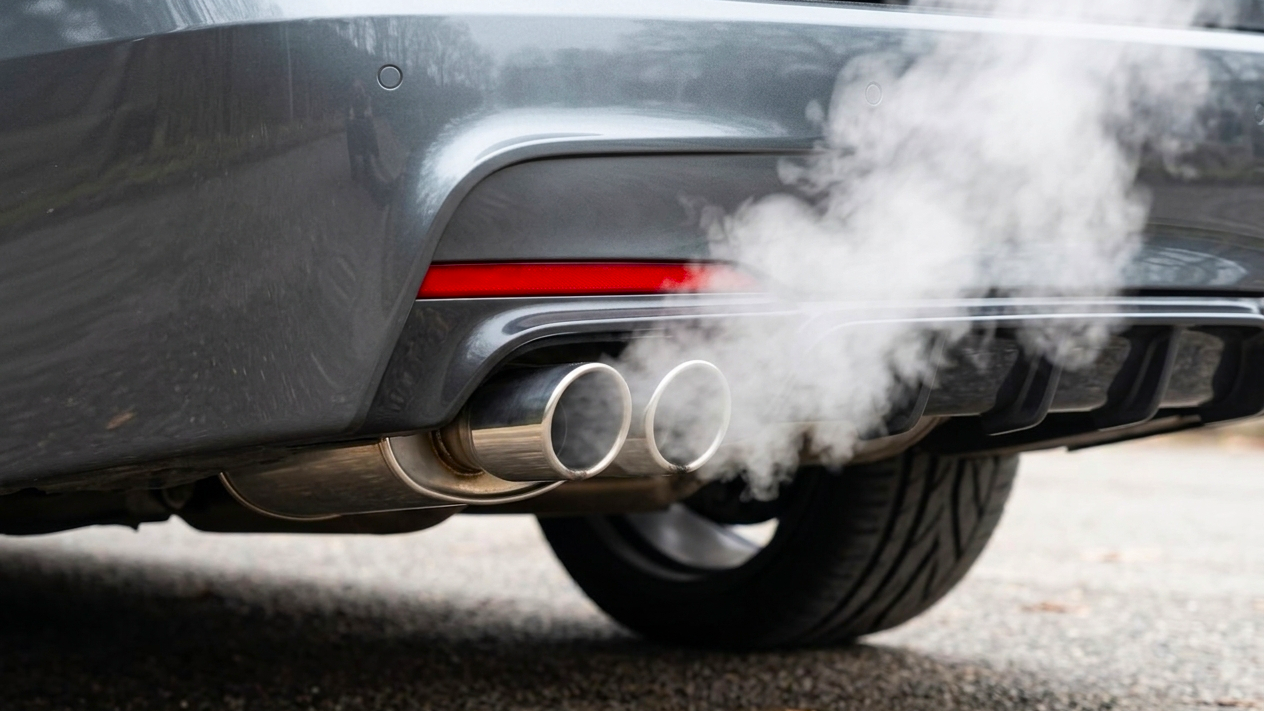
If exhaust gases cannot leave the engine freely, power will fall even when the rest of the engine is working reasonably well. The most common issue here is a clogged catalytic converter. On some diesel vehicles, a restricted diesel particulate filter can create a similar effect. As back pressure rises, the cylinders cannot clear out exhaust gases properly, and the engine starts working in a restricted, choked state.
Signs that point toward exhaust restriction may include:
- weak acceleration at higher rpm;
- poor response under load;
- excessive heat in the exhaust system;
- a sulfur-like or burnt smell;
- loss of top-end performance;
- warning lights or fault codes.
This type of problem can be difficult for an owner to identify without testing, because it often imitates other faults. The car may feel dull, sluggish, and flat, but without an obvious rattle or visible damage. Still, if there have been ongoing ignition misfires, the risk of catalytic converter damage rises sharply. In that case, car losing power may actually be the secondary symptom, while the original fault lies in prolonged poor combustion.
Vehicle Electronics and Sensors
Modern engines are heavily dependent on electronic management. The ECU constantly interprets signals from dozens of sensors. It monitors oxygen content in the exhaust, intake air volume, throttle position, temperature, engine speed, boost pressure, and much more. If one of those signals becomes inaccurate, the ECU may enrich or lean out the mixture incorrectly, alter ignition timing, or place the engine in a reduced-power strategy.
The most common electronic causes include:
- a faulty oxygen sensor;
- a bad mass airflow or MAP sensor;
- throttle position sensor problems;
- crankshaft or camshaft sensor faults;
- ECU errors or software-related issues;
- damaged wiring or poor connections.
A failed oxygen sensor can be especially deceptive. It may not create dramatic symptoms right away, but it can gradually disturb fuel correction, increase fuel consumption, and reduce engine efficiency. In some cases, owners keep asking why is my car losing power because there is no dramatic mechanical noise, no major smoke, and no obvious leak. The fault turns out to be electronic rather than mechanical.
That is also why reading fault codes is not optional. On older vehicles, a mechanic could often diagnose many issues by ear and experience alone. On modern cars, however, the ECU may intentionally limit performance if it detects implausible sensor values or a potentially harmful operating condition. A scan tool often provides the fastest path to the correct answer.
Turbocharger Problems in Turbocharged Engines
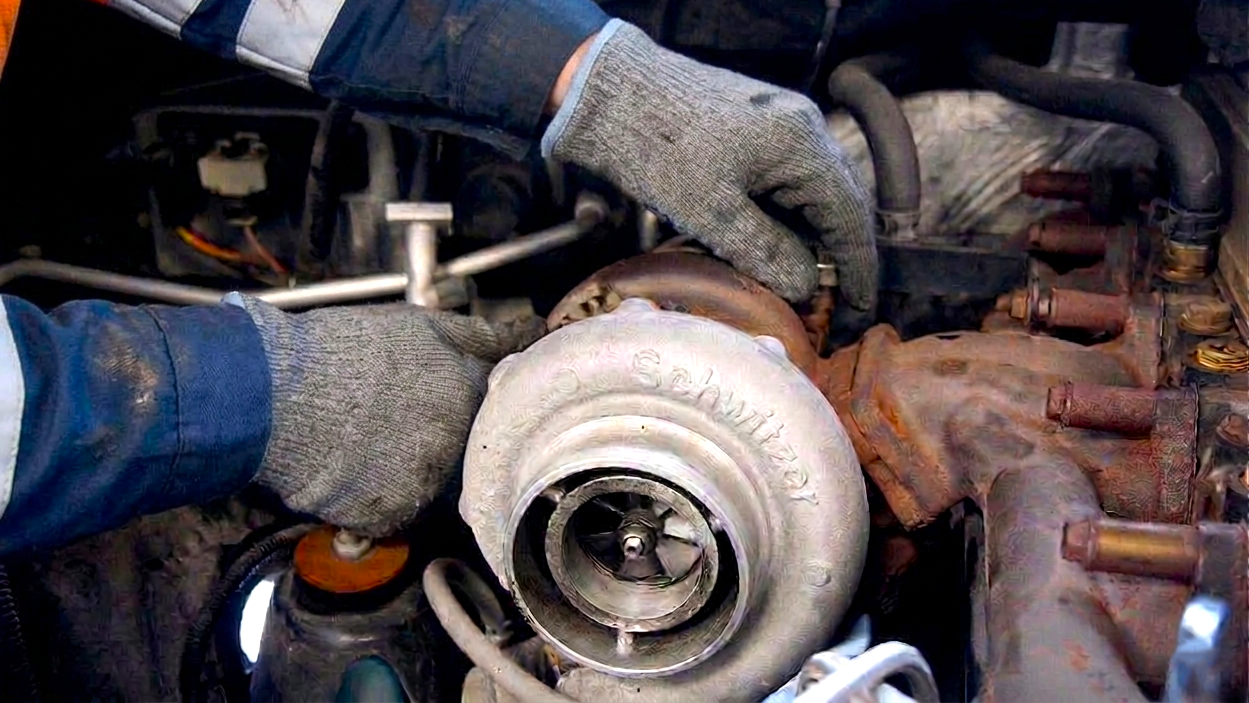
Turbocharged engines add another important diagnostic area: boost pressure. If the system cannot build or hold the correct amount of boost, the engine will not receive the air mass it was designed to use under load. The ECU then reduces fuel delivery accordingly, and performance drops sharply.
On turbocharged engines, the following items often require inspection:
- boost hoses and pipe connections;
- the intercooler and its joints;
- boost control valves;
- the condition of the turbocharger itself;
- the actuator;
- boost pressure sensors.
A common description from drivers is that the car feels acceptable at low load, but the moment they try to accelerate hard, it stops pulling properly. That is a classic moment when a car loses power while driving in a way that strongly suggests a turbo-related issue. Small boost leaks are especially tricky because they may not create a dramatic sound or visible damage, yet they can seriously reduce performance and even trigger limp mode.
This is one more reason not to jump to conclusions. A turbocharger, a pressure sensor, a split hose, or an electronic control fault can all create very similar symptoms.
Engine Overheating
High engine temperature is dangerous not only for durability, but also for performance. Many modern vehicles are programmed to protect themselves when temperatures rise too far. The ECU may reduce engine output deliberately in order to lower thermal stress and avoid severe internal damage.
Signs of overheating can include:
- rising coolant temperature;
- cooling fans running at maximum speed;
- a temperature warning on the dashboard;
- loss of engine power;
- a smell of coolant;
- steam from under the hood.
If overheating has already started, normal driving should not continue. Reduced power in this situation is a protective response, not a cure. The underlying cause may be low coolant, a leaking hose, a stuck thermostat, a weak water pump, or a blocked radiator. If the problem is ignored, the answer to how to fix reduced engine power can quickly turn into a much more expensive conversation about head gasket damage, warped components, or major engine repair.
Low-Quality Fuel
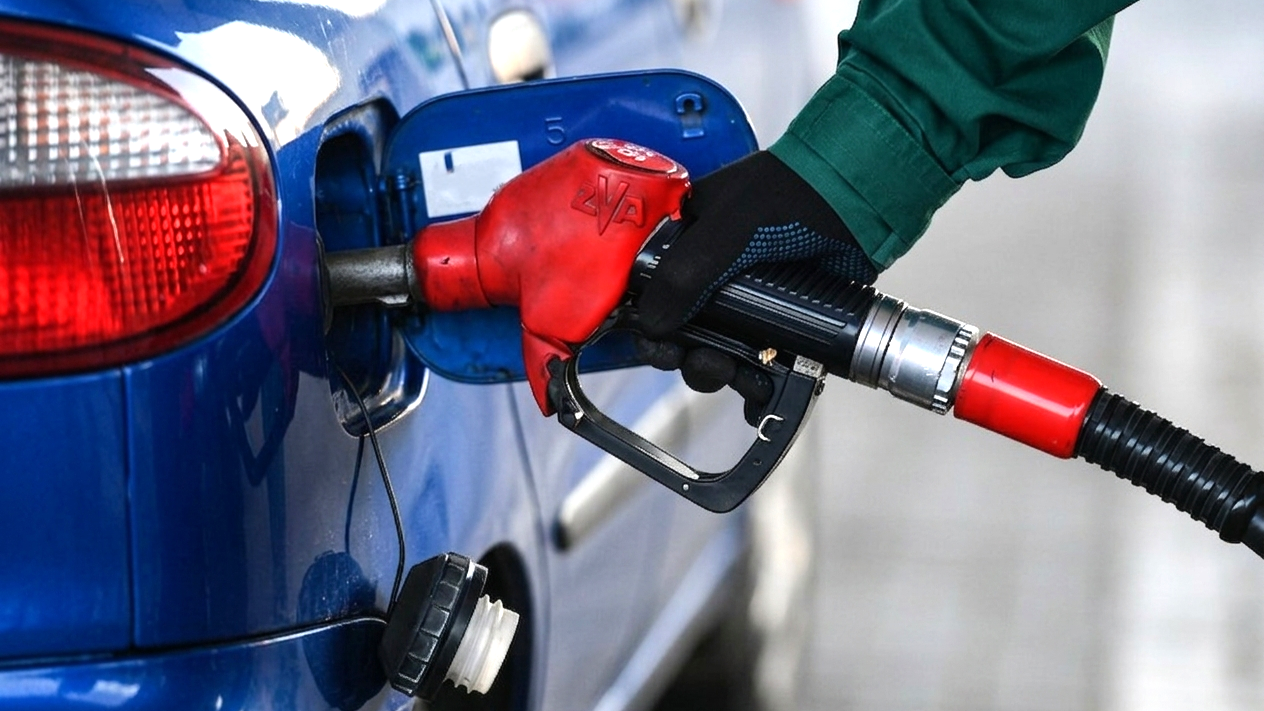
Fuel quality has a direct effect on combustion stability and engine efficiency. Incorrect octane, contamination, water in the fuel, or poor-quality fuel from an unreliable source can all create drivability problems. The engine may begin knocking, hesitation may appear during acceleration, throttle response may become inconsistent, and power may drop noticeably.
When the cause is related to fuel quality, drivers often notice:
- the problem started right after refueling;
- rough idle or uneven running;
- pinging or detonation;
- hesitation on acceleration;
- smoke or unusual exhaust behavior;
- fault codes related to mixture or misfires.
In these cases, car losing power may happen almost suddenly, right after one bad fill-up. Sometimes the issue improves after the bad fuel is diluted or consumed, but if contamination has spread through the system, the fuel filter, injectors, and even the pump may require closer attention.
That is why poor fuel should never be dismissed too quickly. At the same time, it should not be used as a lazy explanation for every performance problem. The correct answer still comes from proper diagnosis.
What to Do If the Car Is Losing Power
The most important rule is simple: do not guess when the symptoms point to a developing fault. Reduced power can come from many different systems, and without at least a basic inspection or fault-code reading, even an experienced driver can head in the wrong direction.
A sensible order of action looks like this:
- note when the problem appears;
- check for warning lights;
- read the fault codes;
- inspect filters and hoses;
- observe how the engine behaves at idle;
- think back to the last refueling;
- do not delay professional diagnosis.
If there is a flashing Check Engine light, severe hesitation, obvious overheating, a burning smell, or a dramatic drop in performance, it is unwise to continue driving normally. In those situations, the symptom is no longer minor. If you keep asking why is my car losing power, the best first step is not to search for random advice but to scan the car properly and begin ruling out causes in a logical order.
This is also the practical answer to how to fix reduced engine power. You do not fix it by replacing whatever part seems popular on forums. You fix it by confirming the symptom, scanning the control system, checking the basic mechanical and electrical items, and then repairing the actual cause.
How to Prevent Power Loss

Prevention is cheaper than emergency repair. Most causes of reduced power do not appear instantly. Filters become gradually restricted. Spark plugs wear down over time. Sensors become contaminated. Fuel systems accumulate deposits. Cooling systems lose efficiency slowly. The driver adapts to the change and often notices the drop in performance later than they should.
The best preventive steps are straightforward:
- replace filters on schedule;
- use good-quality fuel;
- keep spark plugs in proper condition;
- do not ignore fault codes;
- inspect intake hoses and connections;
- maintain the cooling system;
- avoid driving for long with misfires.
Even simple routine maintenance has a noticeable effect on long-term engine performance. A healthy engine depends on unrestricted airflow, proper fuel delivery, reliable ignition, clean sensor signals, and stable operating temperature. When those basics are looked after, the chances of sudden performance loss drop significantly.
Conclusion
When a car loses power while driving, it should always be treated as a meaningful warning rather than a harmless quirk. The root cause may lie in the fuel system, the air intake, the ignition system, the exhaust, the sensors, the turbocharger, the cooling system, or the quality of the fuel. But the conclusion is always the same: normal engine performance does not disappear without a reason.
The earlier the problem is diagnosed correctly, the better the chances of limiting the repair to something manageable. Ignore it, and a relatively small issue can grow into a much more expensive one. So if you are wondering why is my car losing power, the real answer is that one of the systems your engine depends on is no longer operating properly. And if you want to know how to fix reduced engine power, the right place to begin is not guesswork, but methodical diagnosis.
In practical terms, that means checking the simple things first, reading the stored fault codes, paying attention to warning signs, and repairing the real source of the problem rather than covering up the symptom. That approach not only resolves car losing power in the present moment, but also helps prevent the issue from returning in a more serious form later.

