



BMW vs Mercedes: Key Differences, Pros, Cons, and Which to Choose
The comparison of BMW vs Mercedes almost always goes beyond specifications alone and comes down to two different ideas of what a premium car should be. One brand is traditionally associated with a more driver-focused character, while the other is linked to comfort, status, and a smoother ride. That is why the question BMW or Mercedes is not just about badges. It is a choice between two different approaches to the premium segment.
In this article, we will look at how BMW and Mercedes differ in design, interior, handling, technology, reliability, and cost of ownership. This comparison will help you understand which brand better fits your needs, driving style, and expectations.
History and Brand Philosophy
BMW and Mercedes-Benz were built around different automotive priorities, and that is still visible in their cars. The history of Mercedes-Benz begins in 1886, when Karl Benz patented the motor car. The brand still builds its identity around engineering leadership, quality, and constant technological development. BMW dates back to 1916. The brand has long emphasized driving enjoyment. That idea still defines BMW’s character and its overall approach to the automobile.
In practice, the difference is clear. Mercedes more often focuses on status, smoothness, quietness, and comfort as the core perception of the car. BMW more often presents the car as a machine for the driver, where balance, response, and engagement matter more. Even when both brands compete in the same segment, they usually offer a different ownership experience. Mercedes puts premium comfort first. BMW puts character and handling first.
That is why the comparison between BMW and Mercedes should begin not with power figures or price, but with philosophy. If a premium car means calmness, comfort, and status to you, Mercedes will usually feel like the more natural choice. If what matters more is how the car feels on the road and how engaging it is to drive, BMW will usually make more sense.
Exterior Design: BMW Style vs Mercedes Style
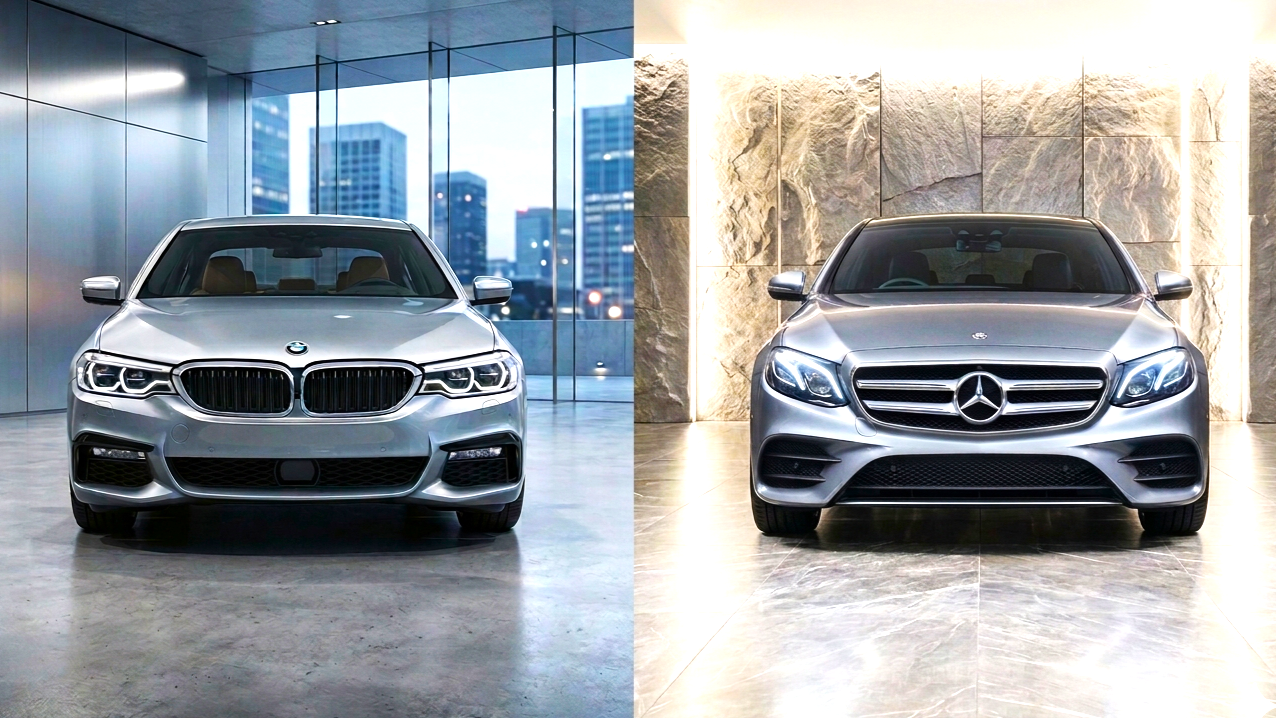
The design of BMW and Mercedes is no longer just a matter of taste. Each brand has a distinct visual language, and their cars are usually recognizable at a glance. BMW more often leans toward a sporty look. Even standard models tend to appear tighter, more aggressive, and more dynamic. In BMW design, you usually see a long hood, a cabin pushed slightly rearward, sharper lines, and a clear emphasis on the idea that the car should look ready for active driving. This is especially noticeable in the 3 Series, 5 Series, and coupe-like models.
Mercedes, by contrast, more often builds its exterior image around smoothness, solidity, and status. Even when the model is not a flagship, the design usually has more visual softness and less direct aggression. Mercedes more often aims to look more expensive, calmer, and more representative. This works especially well in the E-Class, S-Class, GLE, and other models where overall premium presence matters as much as performance.
The difference is especially noticeable in proportions. BMW more often makes the car look visually compact and driver-focused. Mercedes more often aims to create a sense of size, comfort, and status. In performance sub-brands, the gap becomes smaller. BMW M and Mercedes-AMG are much closer in presentation, with both brands adding aggression, visual width, and sharper details.
If you choose based on exterior design alone, BMW more often appeals to buyers who want a younger, sportier, and more athletic image. Mercedes speaks more strongly to buyers who value solidity, smooth lines, and a more traditional premium look.
Interior and Cabin Experience
The difference becomes even more obvious inside the cabin. BMW and Mercedes define a premium interior in different ways and focus on different priorities.
Mercedes more often aims for impact. These interiors usually have more ambient lighting, more visual softness, larger screens, and a stronger sense that the cabin should impress immediately. Even in relatively accessible models, the brand tries to create an atmosphere associated with a higher class. It is not only about materials. It is also about the overall impression of the space: flowing lines, rich display graphics, comfort, and a strong sense of luxury.
BMW approaches the interior differently. The cabin usually looks more restrained and functional. There may be less visual drama, but there is usually a stronger focus on the driver. Seating position, control placement, interface logic, and the general layout are all built around ease of use while driving. This does not mean BMW loses on quality. The difference is in priorities: Mercedes wants to impress, BMW wants to be practical and composed.
The contrast is easy to summarize:
- Mercedes more often feels more luxurious and emotionally expensive inside.
- BMW more often feels more restrained, logical, and driver-oriented.
- Mercedes makes a stronger first impression.
- BMW tends to reveal its strengths more clearly in everyday use.
Both brands maintain a high standard of materials, but the impression depends on the model and trim level. In the upper segments, Mercedes is usually stronger in atmosphere and visual effect, while BMW is stronger in ergonomics and the sense of control. That is why the decision here depends not on abstract quality, but on what matters more to you: visual luxury or a more disciplined and functional interior.
Performance, Handling, and Driving Character

The difference between BMW and Mercedes is felt on the road faster than it is seen in the options list. These brands tune their cars differently at a basic level, which is why the question of which is better often comes down not to numbers, but to the driving experience.
BMW traditionally focuses on sharper handling. The brand continues to build its image around driving enjoyment, and that is reflected in how the car responds to steering, throttle, and changes of direction. Even more comfort-oriented BMW models usually feel more composed and more engaging. The driver tends to feel a stronger connection to the car rather than simply receiving a comfortable ride from one point to another.
Mercedes more often tunes its cars for smoothness, quietness, and predictability. In everyday driving, this is expressed through a softer delivery, less tension in the controls, and better isolation from the road. The car usually feels calmer and more premium in character. At the same time, Mercedes cannot be reduced to comfort alone. The AMG line clearly answers the question of power and emotion, but even there the brand usually keeps a broader balance between performance and comfort than BMW does in comparable M models.
The main difference is clear:
- BMW is more often chosen for steering feel, balance, and driver engagement.
- Mercedes is more often chosen for smoothness, quietness, and overall comfort.
- BMW M feels more focused on the active driver.
- Mercedes-AMG more often combines high power with a wider comfort range.
If you enjoy driving and value how the car reacts, BMW will usually feel more interesting. If your priority is calmness, softness, and a more expensive ride quality every day, Mercedes will usually be the better fit.
Reliability and Maintenance
BMW and Mercedes reliability cannot be judged only by general brand reputation. In this segment, a lot depends on the specific model, generation, engine, and service history. Both brands use complex electronics, modern turbo engines, and expensive components, so in practice the difference between a good and a bad configuration is often more important than the badge itself.
If you look at recent independent ratings, BMW currently appears slightly stronger. According to the 2025 J.D. Power vehicle dependability study, the brand performs better overall than Mercedes. That does not mean every BMW is automatically more reliable than every Mercedes, but it is still a useful general reference point.
Warranty terms are broadly similar. In the U.S. market, both BMW and Mercedes-Benz offer a basic warranty of 4 years or 50,000 miles. Both brands also offer additional protection programs for certified pre-owned vehicles, though the details depend on the market and the specific offer.
Neither BMW nor Mercedes can be called inexpensive to maintain. That is why it is important to look not only at the brand, but also at the specific engine, transmission, mileage, service history, and condition of the car. That is what usually determines how trouble-free ownership will actually be.
Technology and Innovation
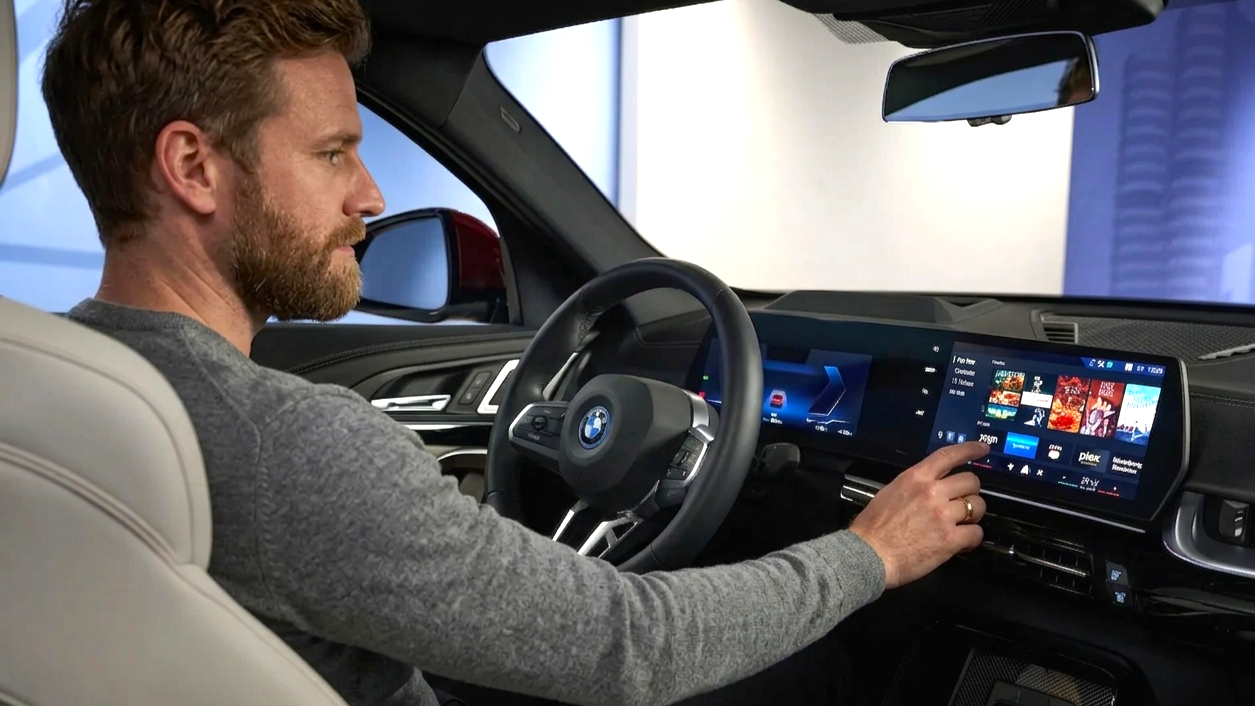
BMW and Mercedes use technology in different ways. In BMW, the digital environment is built around the driver. The interfaces, information display, and control logic are designed so that information is easy to read and does not overload the driver while moving. Technology here supports driving and helps maintain focus on the road.
Mercedes places more emphasis on visual effect and digital comfort. Large screens, rich graphics, ambient lighting, voice control, and the overall presentation of the cabin create a more futuristic premium feel. Technology is more visible and more emotional.
The difference shows up in priorities:
- BMW puts more emphasis on ergonomics and driver logic.
- Mercedes puts more emphasis on visual impact and cabin perception.
- BMW more often feels like the more functional option.
- Mercedes more often looks more technologically advanced at first glance.
In terms of capability, the brands are close. The main difference is in presentation. BMW usually appeals more to those who want clear interfaces and ease of use while driving. Mercedes usually appeals more to those who expect technology to deliver not only function, but also a strong emotional impression.
Cost of Ownership
BMW and Mercedes both involve noticeable ownership costs after purchase. The difference depends less on the brand itself than on the engine, trim, mileage, and condition of the specific car. The basic warranty is the same: 4 years or 50,000 miles in the U.S. market. Both brands also have extra protection programs for certified pre-owned vehicles.
The main ownership costs are determined by:
- the complexity of the engine and transmission;
- the number of expensive options;
- the condition of the electronics;
- the quality of previous maintenance.
When comparing costs, do not judge by the brand alone. One well-maintained BMW may cost less to own than a Mercedes with a problematic history. The opposite is also true. That is why ownership costs should be evaluated based on service history, configuration, and technical condition rather than general assumptions about the brand.
Model Range: Which Brand Offers More Choice
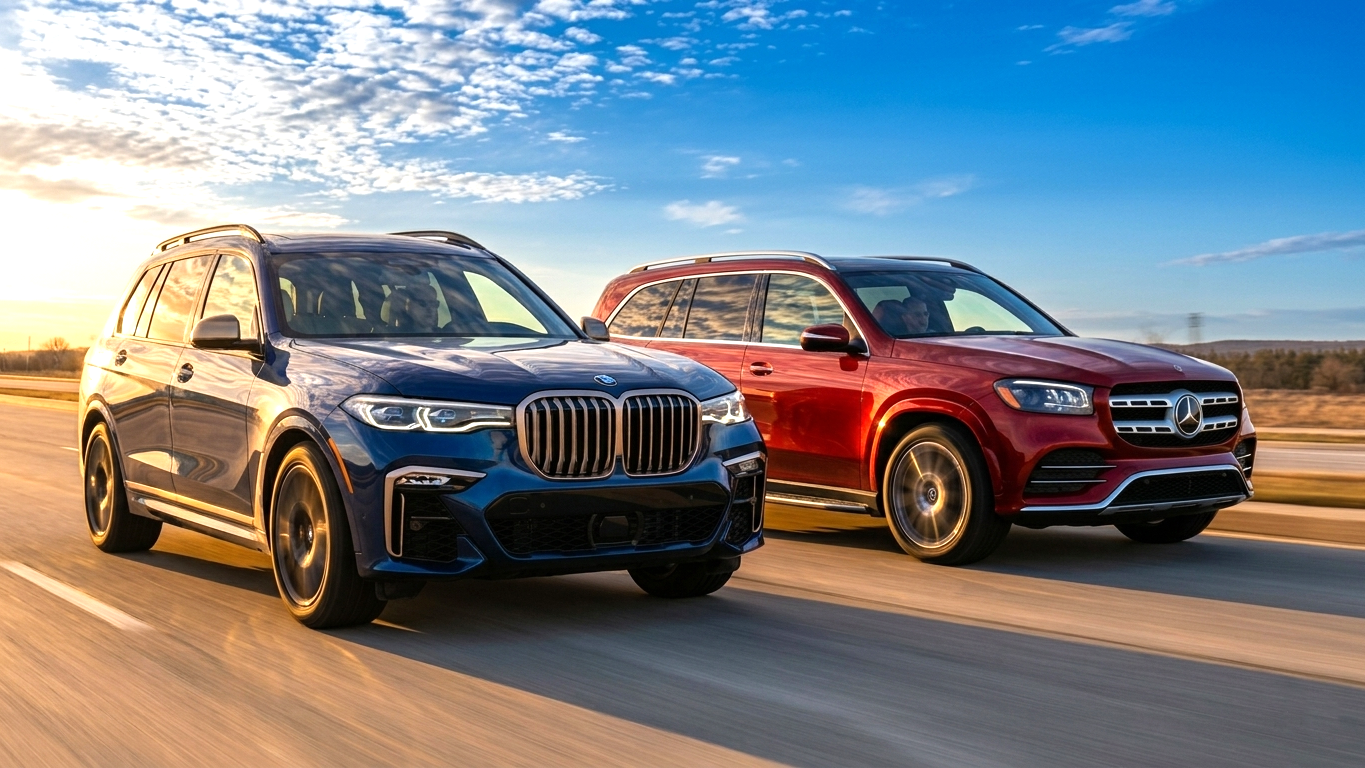
BMW and Mercedes cover the same main segments, but they do it differently. BMW has a strong lineup of sedans and crossovers. The core range includes the 3 Series, 5 Series, 7 Series, X1, X3, X5, and X7. The M lineup covers the performance versions. The electric models are already fully integrated into the main range: i4, i5, i7, and iX.
Mercedes has a broader range in terms of format. The lineup includes the C-Class, E-Class, S-Class, GLA, GLC, GLE, GLS, G-Class, AMG models, and Maybach. This gives the brand more strength in the executive and status-oriented segments. Electric models are also part of the lineup, and new versions continue to arrive.
If you compare them by use case, the picture is simple:
- BMW is stronger in sporty sedans and driver-focused versions.
- Mercedes is stronger in the executive class and large comfort-oriented models.
- BMW offers a simpler and more direct choice for buyers looking for a sedan or SUV with handling as a priority.
- Mercedes offers more options for buyers who care about comfort, status, and different levels of luxury.
That is why the better model range depends not on the number of cars, but on the class you want. If you need a sporty sedan or a crossover with a more pronounced character, BMW is often the stronger option. If you want a broad choice from business class to luxury and executive models, Mercedes more often has the advantage.
BMW or Mercedes: Which One Fits You Better
Choose BMW if handling, steering response, and the driving experience matter most to you. This brand is more often chosen by people who spend a lot of time behind the wheel and want not only comfort, but also character. BMW usually fits better if you want a sporty sedan, a more composed crossover, or a version with a stronger driver focus.
Mercedes is more often the better fit for buyers who prioritize comfort, smooth ride quality, quietness, and the general feeling of a more expensive car. This brand makes more sense if status, soft delivery, a richer interior, and a strong selection of executive models matter most. Mercedes is also often closer to what people want when they view the car as a place for daily comfort rather than mainly as a tool for active driving.
The practical comparison looks like this:
- BMW usually suits the active driver better.
- Mercedes usually suits calm and comfort-focused driving better.
- BMW is more often chosen for sporty sedans.
- Mercedes is more often chosen for executive cars.
- Mercedes usually looks stronger in large comfort-oriented SUVs.
- BMW is more often chosen for crossovers with a more athletic character.
If you are comparing specific models, look not only at the badge but also at the class of the car. The gap between a BMW 3 Series and a Mercedes S-Class is too large to compare them only by brand. Define the format first, then compare the two brands within the same segment.
Pros and Cons of Each Brand
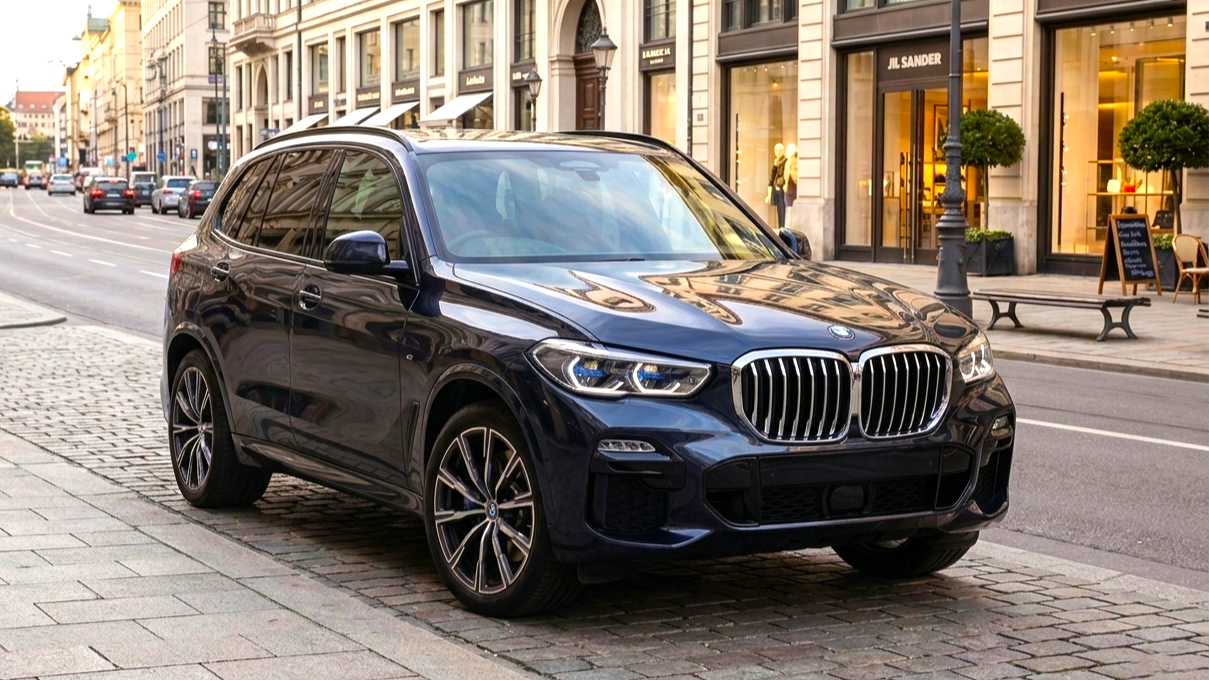
BMW’s main strength is handling. Its cars more often offer sharper responses, a more intuitive driver position, and a stronger sense of character on the road. Another clear advantage is the strength of the performance lineup. The drawbacks are also obvious: the cabin does not always create the same sense of luxury as Mercedes, and the firmer, more driver-focused character does not suit everyone.
Mercedes offers its strongest advantages in comfort, quietness, interior quality, and the overall sense of a more expensive car. The brand is stronger in the executive segment and in models where smoothness and status come first. The drawbacks are tied to the fact that some standard versions feel less engaging to drive, and the combination of complex electronics and expensive options can increase costs after purchase.
BMW pros:
- more engaging handling;
- strong performance versions;
- strong ergonomics for the driver.
BMW cons:
- less emphasis on visual luxury inside;
- a firmer character that does not suit everyone.
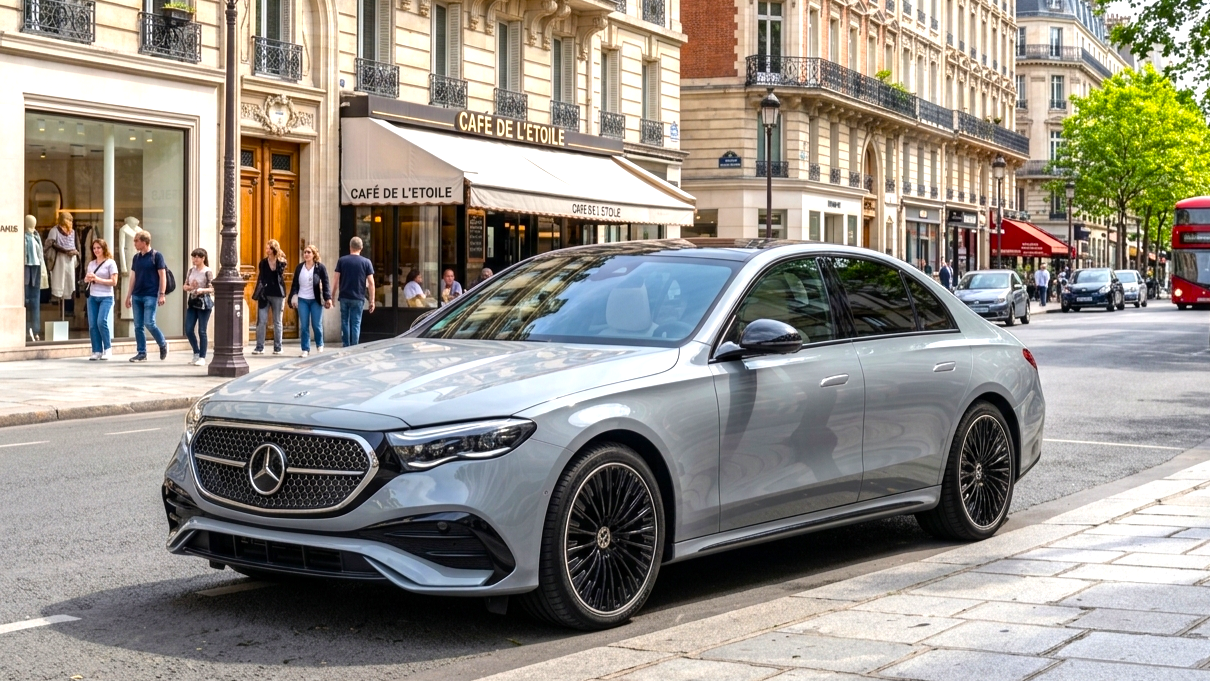
Mercedes pros:
- high comfort level;
- stronger interior presentation;
- broader selection of status-oriented models.
Mercedes cons:
- a less lively character in standard versions;
- a higher risk of expensive options and complex electronics.
BMW and Mercedes-Benz offer different approaches to the premium car. BMW more often focuses on handling, response, and driving enjoyment. Mercedes-Benz is stronger in comfort, smooth ride quality, status, and overall interior impression.
That is why the best choice depends not on which brand seems more prestigious, but on what matters more to you. If your priorities are driving involvement, a more composed character, and enjoyment behind the wheel, BMW is usually the stronger fit. If comfort, quietness, a richer cabin, and stronger status matter more, Mercedes-Benz is the more logical choice.
These brands should not be compared through general stereotypes, but through specific models in the same class. That is the only way to choose a car that matches not only your budget, but also your expectations from the premium segment. And whether you are looking at a BMW for sale or a Mercedes for sale, that approach will give you a more accurate answer than brand image alone.

