



Wrong Fuel in Car: What Happens and What to Do Immediately
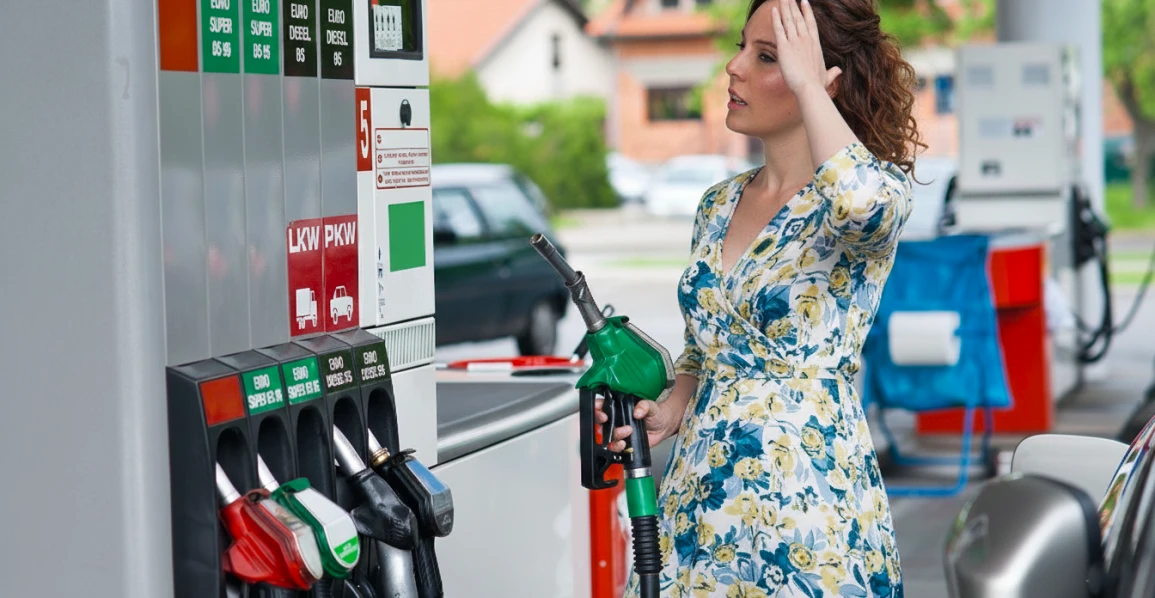
It’s a familiar motion – the nozzle is in the tank, the latch clicks, and your mind drifts to the day ahead. That is, until you catch the word DIESEL out of the corner of your eye, and your car is a petrol model. Or vice versa. In that second, a single thought pierces your mind: "What happens now?" This mistake, made even by the most experienced drivers due to fatigue, haste, or simple muscle memory, can be fatal for an engine.
Your reaction to this error determines its cost. Panic and incorrect actions can turn a problem worth a few hundred euros into a major engine overhaul costing thousands. In this guide, we won't just cover "what to do," but why you need to do it. We will explain the chemistry and mechanics of the processes that the wrong fuel in car triggers and provide a clear algorithm to help you save your engine.
A Chemical Conflict: Why Petrol and Diesel Are Incompatible
To grasp the scale of the problem, one must understand that petrol and diesel are not just "different grades" but chemical opposites, designed for entirely different engine operating principles.
Key Fuel Differences Table
Characteristic | Petrol (Gasoline) | Diesel |
Ignition Principle | Spark-ignited | Compression-ignited |
Chemical Composition | Light, volatile hydrocarbons | Heavy, oily fractions |
Lubricating Properties | None (acts as a solvent) | High (acts as a light oil) |
What Happens If You Put Petrol in a Diesel Car
This scenario is considered the most dangerous and destructive for an engine. Imagine a high-precision Swiss watch mechanism filled with an aggressive solvent instead of specialized oil. That is essentially what happens to a diesel fuel system when petrol is introduced.
Modern diesel engines are equipped with highly precise fuel systems. The high-pressure fuel pump and injectors operate under extreme pressure and are lubricated exclusively by diesel fuel itself. In this environment, petrol acts as a degreasing agent, instantly washing away the protective oil film from metal surfaces.
From that point on, the process escalates rapidly. Dry friction begins, causing components to wear out at an accelerated rate. The metal effectively starts “grinding itself away,” producing microscopic metal shavings. These particles circulate throughout the system like an abrasive paste, clogging fuel filters, damaging the fuel pump, and potentially causing the injectors to seize completely.
At the same time, the engine itself is affected. Detonation occurs inside the cylinders as petrol ignites prematurely due to high compression, creating severe shock loads. In serious cases, this can lead to damaged pistons, bent connecting rods, or even complete engine failure. The result is often extremely expensive repairs or a full replacement of the fuel system.
What Happens If You Put Diesel in a Petrol Car
The consequences here are generally less catastrophic, but the engine will still fail quickly. Trying to make a petrol engine run on diesel fuel is like trying to light wet firewood with a single match.
Diesel fuel is thick and oily. It does not vaporize properly and cannot be ignited by the weak spark from spark plugs. Instead of burning normally, diesel coats the spark plug electrodes with a greasy film, completely preventing spark formation. As a result, the engine runs rough and stalls shortly after starting.
In addition, unburned fuel washes oil from the cylinder walls, accelerating engine wear. Some diesel fuel enters the exhaust system, where it settles on the superheated honeycomb structure of the catalytic converter. There, it bakes onto the surface, forming dense deposits that clog and destroy the catalytic converter. Even if the engine is switched off quickly, restoring the system often involves significant repair costs.
Why It Is Harder to Put Diesel into a Petrol Car
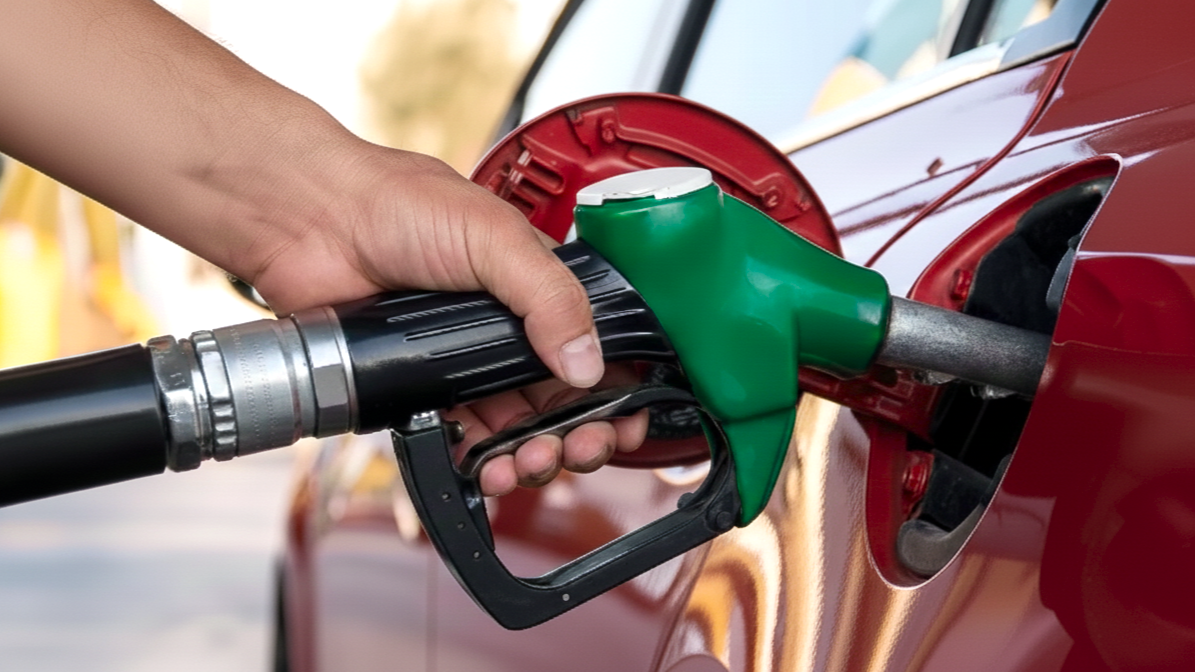
Engineers have implemented a simple yet effective mechanical safeguard. The diameter of a diesel fuel nozzle is approximately 25 mm, while the filler neck of a petrol tank is about 21 mm. Physically, it is impossible to fully insert a diesel nozzle into a petrol vehicle’s fuel filler.
However, a narrow petrol nozzle easily fits into the wider filler neck of a diesel vehicle. This is why the mistake of putting petrol into a diesel car occurs far more often and is considered the most dangerous scenario.
The Point of No Return: Why You Must Not Start the Engine
If you notice the mistake at the petrol station, you have a chance to resolve the situation with minimal losses. The golden rule is: do not turn the ignition key. Not even to the "ACC" or "ON" position. In 99% of modern cars, this action activates the electric fuel pump in the tank, which will immediately begin sending the contaminated mixture into the fuel lines, filter, and fuel rail.
A List of Actions if You Spot the Mistake at the Pump:
- Stay Calm. Panic is a poor advisor.
- Do Not Touch the Ignition Key. Leave it in your pocket.
- Move the Car Manually. Ask for help from station staff or other drivers to push the car away from the pump to a safe parking spot.
- Make One Phone Call. In Cyprus, there are specialized mobile fuel drain services. Find one online or call a tow truck to transport your car to a garage.
Starting the engine is the line you cannot cross. After that, a simple fuel drain procedure turns into a complex and expensive operation to flush the entire system.
If You're Already Driving: Recognizing Symptoms and Taking Action

Often, the mistake isn't noticed immediately. You've refueled, driven a few hundred meters or kilometers, and suddenly the car starts behaving strangely.
Wrong fuel in car symptoms:
- Petrol in a Diesel: The engine starts running loudly with a knocking sound (detonation), loses power, hesitates during acceleration, and emits blue or black smoke from the exhaust. Eventually, it will stall and not restart.
- Diesel in a Petrol: The engine starts to misfire ("running rough"), loses power significantly, jerks, and then stalls. Attempts to restart it will be futile.
As soon as you notice these signs, your response must be immediate. Turn on your hazard lights, pull over to the shoulder or a safe spot smoothly, and shut off the engine immediately. Do not try to "limp home" or "get to the garage." Every second the engine runs on the wrong mixture causes further damage. The only solution is a tow truck.
The Cleaning Procedure: How Professionals Do It
Professional help after a misfuelling incident involves several stages.
- Draining the Tank. Using specialized, explosion-proof pumping equipment, the entire contents of the fuel tank are drained.
- Flushing the System. Depending on whether the engine was started, specialists may flush the fuel lines and fuel rail with a special cleaning agent.
- Replacing the Filter. The fuel filter, which takes the first hit of contaminated fuel, is replaced without question.
- Refueling and Starting. After filling the tank with 15-20 liters of the correct fuel, the system is primed, and an attempt is made to start the engine.
Rehabilitation: What to Do After the Flush
- Use a Cleaning Additive. Add a high-quality fuel system cleaner to the new tank of fuel to help remove any remaining deposits from the injectors.
- Monitor the Engine's Performance. Pay close attention to how the car behaves over the next few days.
- Consider an Oil Change. If you drove a significant distance, some unburnt fuel could have contaminated the engine oil, degrading its lubricating properties.
Hidden Threats and Delayed Consequences
Even if you acted correctly, it’s crucial to understand that exposing the fuel system to an aggressive substance can have long-term effects, especially with petrol in a diesel engine. Petrol can damage the internal seals and rubber components of fuel lines and the pump. They might seem fine immediately after the flush, but their structure may be compromised, leading to cracks and fuel leaks weeks or months later. Furthermore, even the most thorough flush may not remove 100% of the metal shavings created during the first few seconds of the high-pressure pump running dry. These particles can eventually clog new injectors or damage the fuel regulator. It is therefore critical to halve the interval for your next fuel filter change.
Creating an "Immunity" to the Mistake: A Personal Safety Protocol
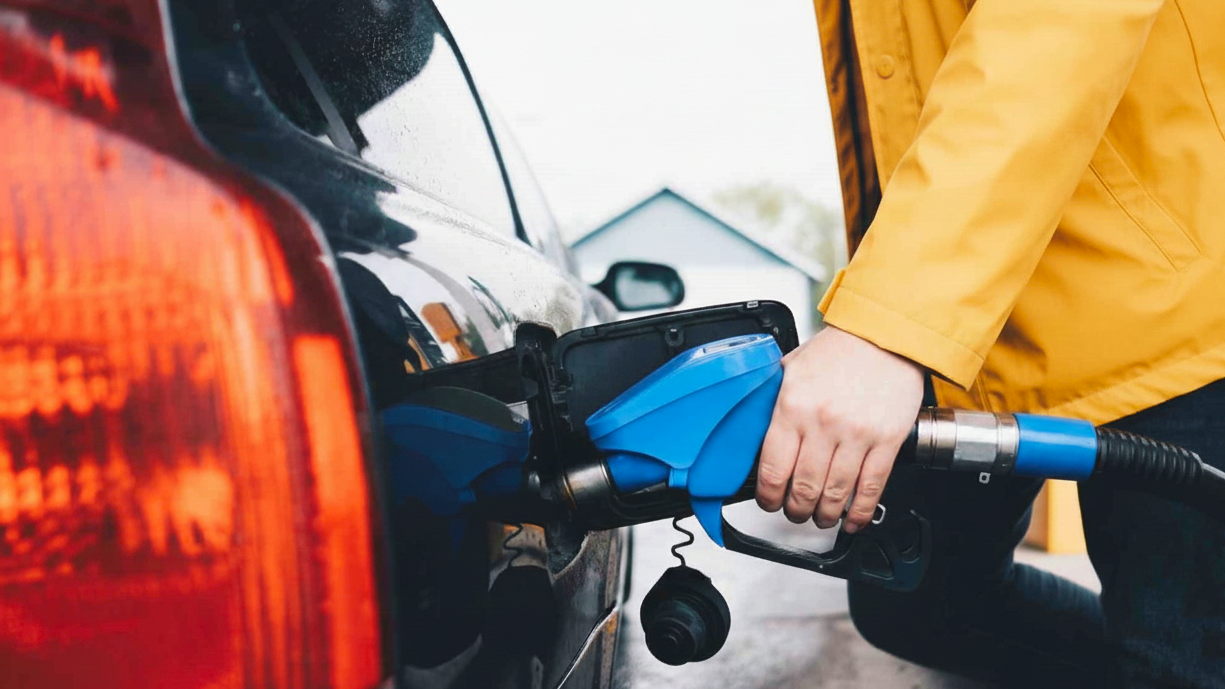
Refueling errors are a classic "autopilot" failure. To avoid this, you need to break the routine and turn refueling into a brief but conscious ritual.
Create Your Personal Three-Step Protocol:
- Physical Contact and a Mental Pause. After pulling up to the pump, don't immediately grab the nozzle. First, open the fuel door and touch the cap. This simple physical act forces your brain to "wake up" and focus.
- Verbal Confirmation. Read the label on the fuel door ("DIESEL," "UNLEADED 95") and mentally or even quietly say the fuel type out loud.
- Final Check. Only then should you pick up the nozzle and double-check the label on it against what you just said. This process takes no more than five seconds but virtually eliminates the risk of an autopilot error.
Conclusion: Knowledge That Saves Your Engine
The risk of a refueling error always exists. The most important takeaway from this guide is that knowing the correct course of action transforms a potential disaster into a solvable technical issue. The cost of this mistake is determined not by the act of misfuelling itself, but by your actions in the first few minutes afterward.
A switched-off engine is your best insurance against a multi-thousand-euro repair bill. You are now armed with information that builds confidence on the road. You know not only what to do if you put the wrong fuel in car, but you also understand why these actions are so critically important for preserving the health of your engine.

