



Why Is My Car Vibrating? Complete Guide to Diagnosing and Fixing the Problem
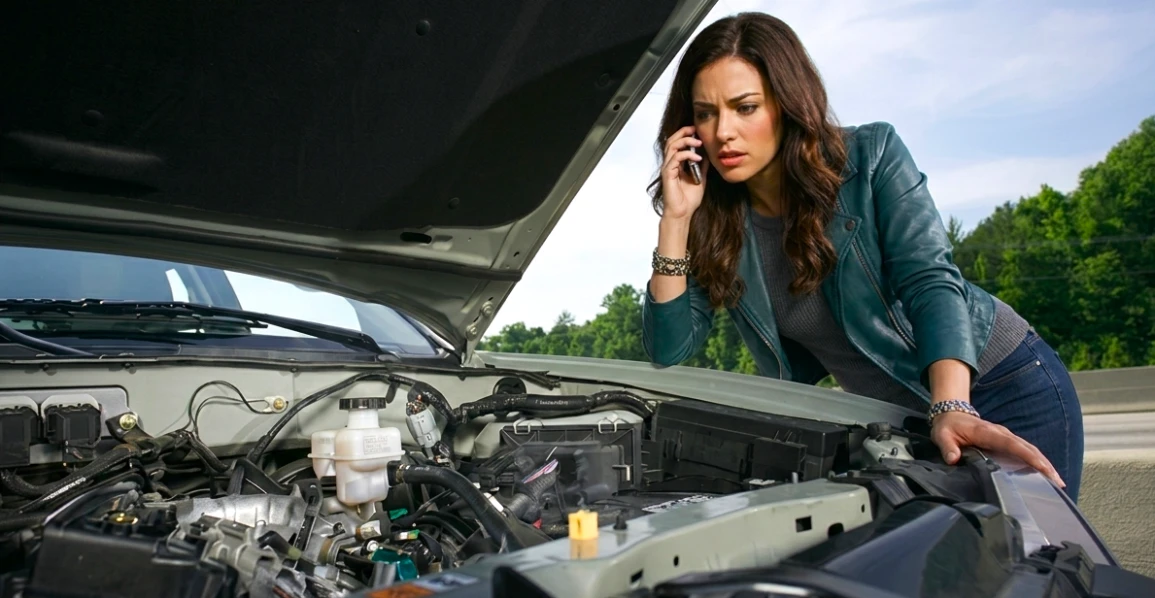
First, we must clarify a fundamental point: absolutely motionless vehicles do not exist in the natural physical world. A light, barely perceptible tremor when driving over gravel or old cobblestones is a natural reaction of a healthy suspension system. Tires constantly read the road profile and transmit inevitable micro-vibrations to the load-bearing chassis.
The difference between a normal occurrence and a genuine mechanical problem lies in the duration, frequency, and intensity of the oscillations. If the vehicle trembles only on a specific stretch of poor road and then returns to a smooth state, there is no cause for alarm. However, if a persistent car vibrating becomes your constant companion on smooth asphalt, it is time to take action.
Modern automotive standards include strict international requirements for NVH parameters to ensure luxury-level refinement in everyday commuting. Car manufacturers utilize complex hydraulic mounts, expensive dual-mass flywheels, and precisely calibrated rubber bushings. These components are designed exclusively to isolate the cabin from the harsh mechanical movements of the powertrain.
Below are examples of situations where light tremors are justified:
- Gravel surfaces on country roads.
- Cobblestones in historic centers.
- High-power air conditioning operation.
- Strong lateral crosswind gusts.
If this factory-grade isolation is compromised, it means a damping element has failed and requires immediate replacement. Constant shaking significantly fatigues the driver during long trips, reduces concentration, and negatively impacts physical health. Moreover, it triggers a destructive chain reaction for all adjacent suspension components, leading to higher repair bills.
Vibration at Speed: The Primary Culprits

The most frequent complaint in modern service centers is that a car shaking when driving at speeds between 50 and 70 mph. In the vast majority of cases, the root of this evil lies directly within the wheels themselves. Wheel imbalance occurs when the mass of the heavy tire and the metal rim is unevenly distributed around the axis of rotation.
Even a tiny discrepancy of 10–15 grams at high speed translates into a massive centrifugal force that batters the suspension. This problem is relatively easy to solve at any reputable tire shop using lead or zinc adhesive weights. While this is a common fix, there are times when even perfect balancing cannot resolve the underlying issue.
If the weights are installed correctly but the shaking persists, your rims may be seriously deformed from road impact. Hitting a deep pothole at high speed often leads to an unnoticeable breach in the geometry of the alloy rim. Additionally, the cause could be a hidden "bubble" in the tire sidewall or uneven tread wear from poor alignment.
Consider these primary causes of high-speed shaking:
- Dirt buildup on inner rims.
- Lost wheel balancing weights.
- Bent or warped alloy rims.
- Hidden tire sidewall bulges.
- Worn front wheel bearings.
We must also consider the complex geometry of a multi-link suspension system. Worn tie rod ends, damaged ball joints, or torn control arm bushings cannot rigidly hold the wheel in its intended path. The wheel begins to oscillate chaotically, creating rhythmic vibrations that are transmitted directly to the steering column.
Vibration During Braking
If you feel a sharp pulsation in your right foot every time you apply the brakes, the diagnosis is usually straightforward. The culprit is typically the massive cast-iron brake rotors, which have lost their perfect factory flatness due to thermal stress. Experienced mechanics refer to this common defect simply as "brake rotor runout" or warping.
Why does this unpleasant deformation of thick metal occur in the first place? The primary enemy of any brake rotor is a sudden and uncontrolled change in operating temperature. Imagine you are braking aggressively from high speed, and the cast iron heats up to several hundred degrees. If you drive through a puddle at that moment, the result is disastrous.
The metal cools instantly, changing its molecular structure, and its strict geometry is permanently compromised. Now, with every wheel revolution, the brake pads squeeze a warped, wavy surface rather than a smooth, mirrored one. This microscopic wave pushes the pads back, creating powerful hydraulic pulses in the brake fluid.
Common causes of braking-related tremors include:
- Overheated cast iron brake rotors.
- Critically worn friction brake pads.
- Seized metal brake caliper pistons.
- Rust buildup on the hub.
Sometimes, the hidden problem lies in the uneven wear of the brake pads themselves due to low-quality friction materials. Cheap or counterfeit pads can leave an uneven, scorched layer of material on the rotor surface. As a result, the coefficient of friction changes every millisecond, causing the steering wheel to shake violently during deceleration.
Vibration at Idle

You are sitting quietly at a red light, the gear selector is in "Drive," and a persistent tremor runs through the entire cabin. In such frequent situations, the reason why is my car vibrating is almost always related to the powertrain. The first thing a professional technician should inspect is the condition of the engine mounts.
Any modern internal combustion engine is a massive unit where controlled mini-explosions occur thousands of times per minute. To prevent these powerful mechanical shocks from reaching the chassis, the heavy engine is secured via specialized rubber-to-metal or hydraulic mounts. Over time, heat and oil exposure cause this rubber to dry out, crack, or tear completely.
When a primary hydraulic mount is fully compromised, the metal parts of its bracket begin to make direct contact. The accumulated energy of the working engine is then transmitted into the cabin without any filtration. You can test this easily: if the tremor disappears when you shift the transmission to Neutral (N), the mounts are likely failed.
Common issues found during idling:
- Torn hydraulic engine mounts.
- Dirty electronic throttle bodies.
- Failing iridium spark plugs.
- Clogged fuel injector nozzles.
- Faulty ignition coil packs.
The second broad category of causes is uneven engine operation, commonly known as a "misfire." If one cylinder stops working or fires inconsistently, the perfect balance of the crankshaft is disrupted. The cause can be as simple as worn-out spark plugs, a failing ignition coil, or damaged high-voltage wires.
Vibration Under Acceleration
A situation where a car shaking while driving under heavy load (during hard acceleration) is considered quite dangerous. As soon as you completely release the accelerator and the car coasts, the sensation immediately vanishes. This is the most reliable diagnostic sign of serious issues with the vehicle's complex drivetrain components.
In classic front-wheel-drive vehicles, the primary suspect for this behavior is usually the internal Constant Velocity (CV) joint. Unlike the outer joint, which typically clicks loudly during sharp turns, a worn inner CV joint causes a distinct side-to-side body sway. This happens because the joint can no longer transmit torque smoothly.
Inside this vital joint are specialized needle rollers (a tripod) that eventually wear deep grooves into the metal housing. During hard acceleration, these rollers get caught in the worn grooves, causing a severe imbalance of the entire driveshaft. Simply replacing the old grease will not help here–it requires the expensive installation of a brand-new component.
Drivetrain components causing acceleration tremors:
- Worn inner CV joint housings.
- Damaged driveshaft universal joints.
- Torn rubber center support bearings.
- Internal torque converter malfunctions.
For heavy rear-wheel-drive and modern all-wheel-drive vehicles, a slightly different but equally unpleasant scenario occurs. Here, massive torque is transmitted through a very long and heavy metal driveshaft. If the universal joint (U-joint) of this shaft seizes or the center support bearing tears, the shaft begins to vibrate uncontrollably.
Vibration of the Body or Seats

Sometimes, an inexperienced driver may feel no feedback in the steering wheel but distinctly senses a strong tremor through their entire body. This clear spatial separation of symptoms within the cabin is a very useful factor for pinpointing the fault. If the steering wheel shakes, the problem is in the front; if the body and seats shake, look to the rear.
Simple imbalance of the heavy rear wheels is the most frequent and obvious cause of this type of car vibrating. Since the rear axle is not physically connected to the front steering rack, you will not feel this imbalance with your hands. Instead, the entire spacious cabin acts as a massive resonator, magnifying the hum and vibration.
Hidden internal defects in the rear tires also very frequently manifest in this unpleasant manner. Inside any modern tire is a durable steel cord that gives it its correct circular shape. If the cord snaps due to a heavy impact with a curb, the tire loses its perfect geometry and begins to "egg," or become out-of-round.
Rear-end components that cause cabin shaking:
- Unbalanced rear wheel assemblies.
- Hidden belt separation in tires.
- Leaking or blown rear shocks.
- Exhaust system resonance issues.
- Loose rear subframe bolts.
Additionally, the aerodynamic characteristics of large vehicle bodies can frighten inexperienced drivers on the highway. If you open only one rear window at high speeds, a powerful acoustic resonance effect occurs. The air begins to beat painfully against your ears and causes the plastic door panels to vibrate, which is actually a normal physical phenomenon.
How to Self-Diagnose the Source of Vibration
Before rushing in a panic to an expensive dealership service center, you can conduct a competent primary diagnosis yourself. This action not only saves precious time for busy mechanics but also protects your personal finances from unnecessary diagnostic fees. The golden rule is to carefully and calmly analyze the specific conditions under which the problem occurs.
Find an absolutely clear, straight, and level country highway during daylight hours. Accelerate very smoothly and continuously monitor the speedometer needle on the dashboard. If the unpleasant tremor appears strictly in a narrow speed range and disappears upon further acceleration, you are likely dealing with a wheel imbalance.
Next, you must safely and thoroughly check the performance of the braking system. At a speed of about 40 mph, apply the middle pedal smoothly but very firmly. If the pedal pulses against your foot and the steering wheel jerks nervously from side to side, the problem lies in the front brake rotors.
Steps for basic self-diagnosis:
- Note the exact shaking speed.
- Check tire pressure manually.
- Inspect sidewalls for damage.
- Check lug nut tightness.
- Clean mud from wheel rims.
You should also conduct a thorough visual inspection of all four wheels while the car is parked on a level asphalt surface. Turn the steering wheel to full lock in both directions to examine the tread pattern for uneven wear. In winter, stuck and frozen ice on the inner rims is the number one cause of sudden, terrifying vibrations.
Methods for Eliminating Vibrations
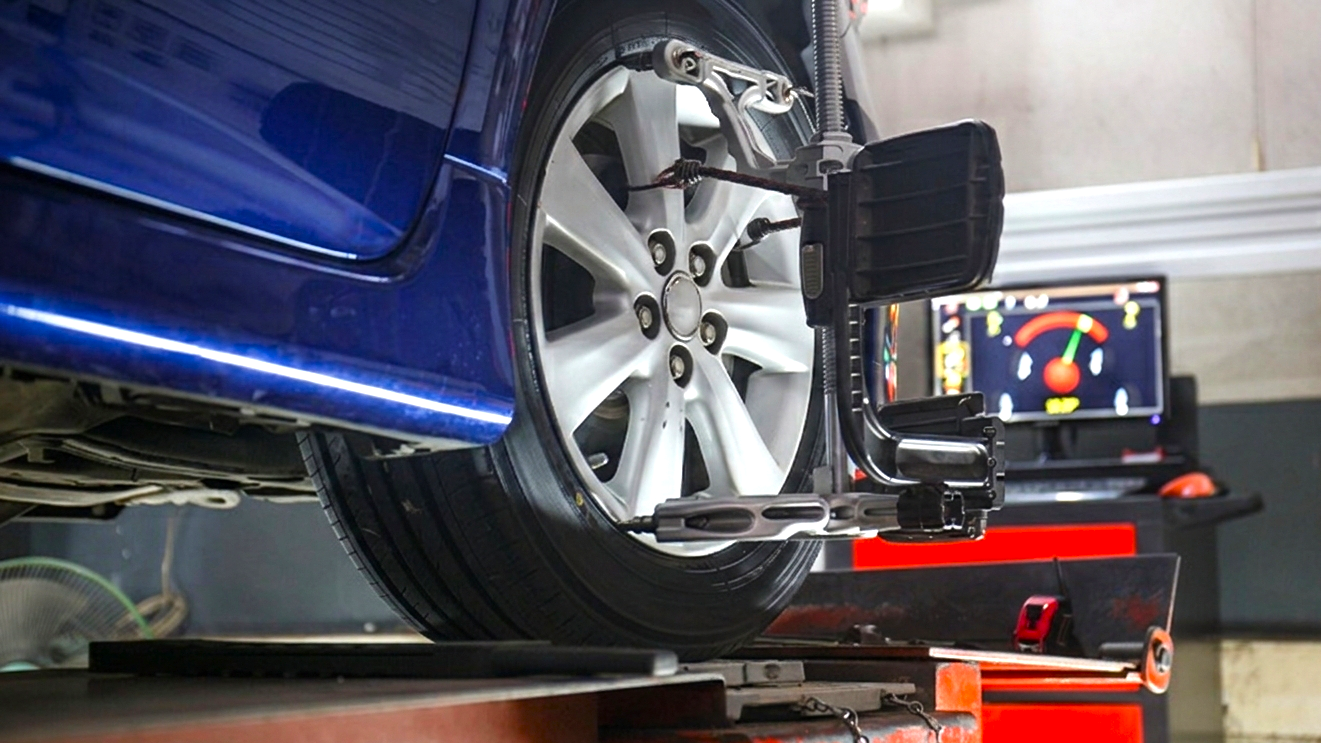
Once the elusive source of the problem is finally identified, it is time to proceed with high-quality and reliable repairs. The simplest, fastest, and most affordable method for restoring ride comfort is a classic wheel balance on a specialized machine. However, if your car shaking when driving persists after this procedure, you need a more technological approach.
You should look for a specialized service center equipped with advanced high-precision balancing equipment that simulates road conditions (such as Hunter Road Force balancers). These smart machines do not just spin the wheel in the air; they apply a heavy load roller to simulate the weight of the car. This allows the computer to detect hidden tire stiffness variations.
If your vehicle vibrates intensely specifically during deceleration, you have two primary paths to a solution. The first is a careful resurfacing of the old brake rotors without removing them from the hub using a specialized on-car lathe. This is significantly cheaper but only helps if the remaining thickness of the cast iron allows for it.
Proven methods to restore factory comfort:
- Road force wheel balancing.
- Precision brake rotor resurfacing.
- Hydraulic engine mount replacement.
- 3D wheel alignment services.
Overhauling a suspension system always requires an exclusively professional and thoughtful approach using specialized tools. Replacing pressed-in bushings or humming wheel bearings almost always necessitates a mandatory wheel alignment. Without this final procedure, the vehicle will struggle to maintain a straight trajectory and will rapidly wear out new tires.
The Dangers of Ignoring Persistent Vibrations
Many car enthusiasts possess a truly remarkable and dangerous ability to grow accustomed to the obvious technical flaws of their vehicles. "Well, it shakes a little over bumps, but it's still drivable," they often think carelessly. However, the laws of harsh physics are absolutely relentless and do not forgive such negligence in maintenance.
Constant mechanical vibration is a colossal parasitic energy that, by the law of conservation, must go somewhere. It is freely absorbed by all adjacent metal and rubber parts of your complex suspension and steering systems. Because of the simple imbalance of just one wheel, wheel bearings can fail in half the time of their intended lifespan.
Increased daily fuel consumption is another extremely unpleasant and completely non-obvious downside of this situation. When a car shaking while driving is ignored, the engine must constantly expend much more kinetic energy to overcome the added rolling resistance. You are quite literally burning your own money due to procrastination and ignoring the problem.
Real threats of ignoring road tremors:
- Accelerated wheel bearing failure.
- Significantly higher fuel consumption.
- Loss of steering precision.
- High highway accident risk.
The most terrifying consequence is a sudden and total loss of control during a critical moment at high speed. Imagine an emergency situation where you need to sharply and safely avoid an obstacle that suddenly appeared on the road. Metal fatigue, caused by years of constant vibration, can cause a ball joint to snap instantly.
Conclusion

In conclusion, any extraneous mechanical oscillation is a form of communication. It is in this language that sophisticated modern technology honestly informs its owner of encroaching ailments. Now you have the expert answer to the question: why is my car vibrating, and you understand the gravity of the situation.
You clearly understand that behind this annoying symptom lie entirely different but equally important physical processes. The causes can range from completely trivial, like a clump of mud, to critically serious, such as a failing transmission. None of these described scenarios should be met with delay or negligence by the vehicle owner.
This detailed guide has proven that a car vibrating is not a mystery, but a matter of physics requiring timely, high-quality diagnosis. Regular technical maintenance, seasonal wheel balancing at trusted shops, and an attentive attitude toward your car's behavior guarantee your safety. Do not skimp on a good diagnosis: fixing a small tremor today saves you from an expensive overhaul tomorrow.
Final tips for vehicle longevity:
- Never ignore early symptoms.
- Perform regular scheduled maintenance.
- Listen to your car’s sounds.
- Consult only trusted professionals.
Take care of your beloved vehicle, maintain it correctly, and it will surely reward you with many years of absolutely flawless service. We wish you an exclusively smooth, safe road and a total absence of any unpleasant breakdowns on your journey!

