



What Is a Timing Belt and When Should It Be Replaced?
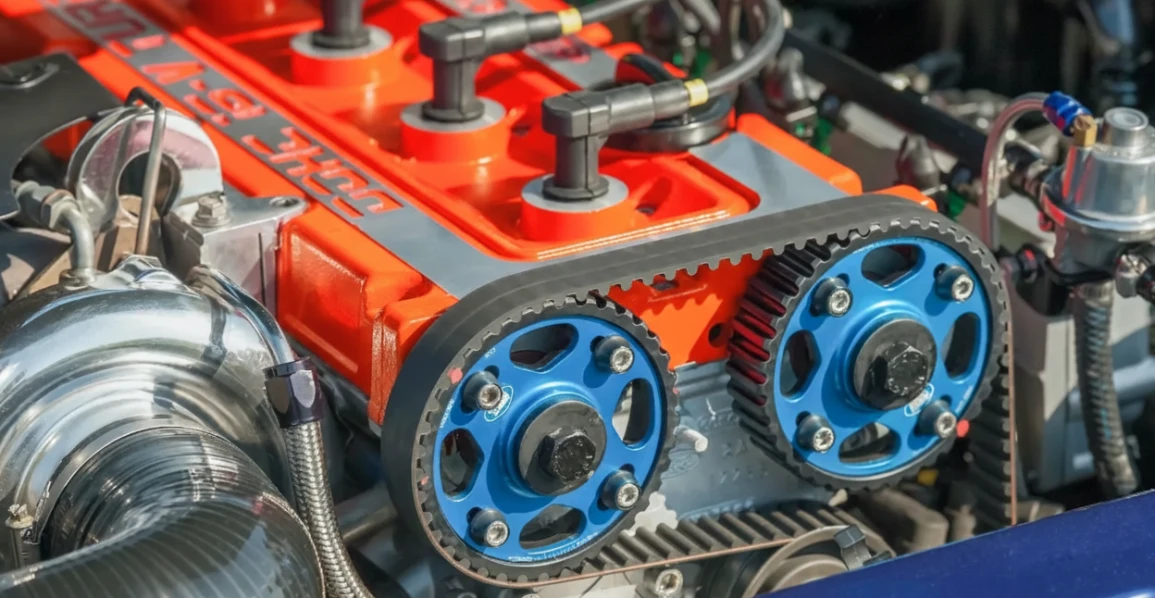
Many drivers only think about the timing belt—often called the cam belt—at the worst possible time: when it snaps. A broken belt instantly stops the engine and, in most cases, causes severe internal damage that can only be repaired through a costly overhaul. Preventive replacement of this part is not just an optional recommendation; it’s a critical requirement for ensuring your car’s reliability and long-term cost efficiency. In this article, you’ll learn what is a timing belt in car, what it does, how it works, when it should be replaced, and what happens if it fails.
What Is a Cambelt and Why It Matters
Let’s start with what is a cambelt. The term “cambelt” simply refers to the same part as the timing belt—a reinforced rubber belt with teeth that synchronizes the rotation of the crankshaft and camshaft. This synchronization ensures that the engine’s valves open and close at the right moments during each cylinder’s combustion cycle. When this timing is accurate, the engine runs smoothly, efficiently, and delivers optimal performance.
If the belt breaks, synchronization is lost. In most modern engines—known as interference engines—the valves remain open and collide with moving pistons. This can bend valves, crack pistons, or even damage the cylinder head. A few engines are non-interference types, where such contact doesn’t occur, but even then, the engine stops immediately and cannot be restarted. Some vehicles use timing chains instead of belts. A chain is made of metal and can last longer, but it still needs proper maintenance and lubrication to function correctly.
How a Timing Belt Works
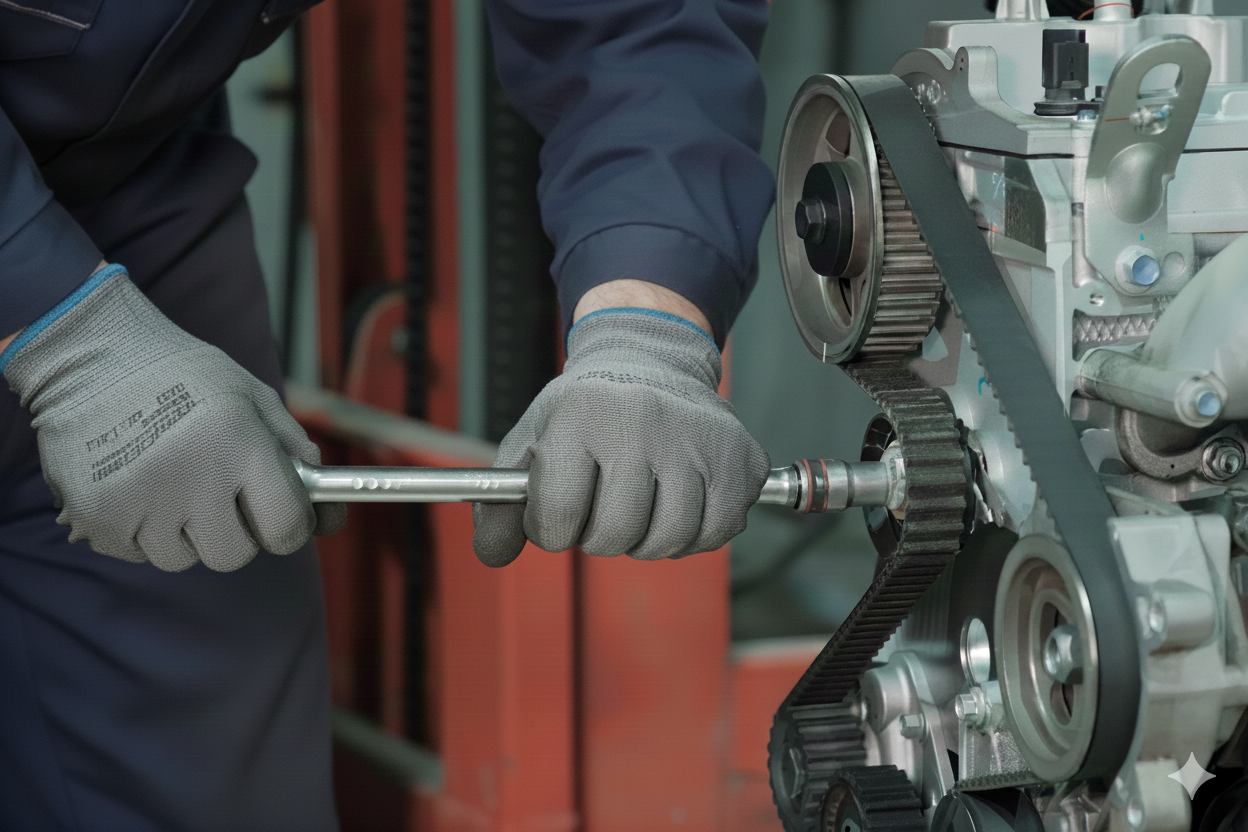
To understand what is a timing belt, you need to know how it operates. The belt connects the crankshaft and camshaft, ensuring that both rotate in perfect sync. This coordination allows the valves to open and close precisely as the pistons move up and down. In many engines, the belt also drives the water pump, helping circulate coolant through the system to regulate engine temperature.
Timing belts are made from high-strength, heat-resistant rubber reinforced with durable fibers such as fiberglass or Kevlar. This construction allows them to handle constant tension, vibration, and temperature changes. However, no material is immune to wear—over time, even the strongest belts degrade.
The belt’s correct tension is maintained by tensioners and idler pulleys. If the belt is too loose, it may slip, disrupting valve timing and causing poor engine performance. If it’s too tight, it increases wear on the belt, bearings, and water pump. Operating under constant heat and mechanical stress, the belt is a consumable part that must be inspected and replaced at regular intervals.
When Should Timing Belt Be Replaced
One of the most common questions drivers ask is when should timing belt be replaced. The answer depends on the vehicle and its manufacturer’s recommendations. Generally, the replacement interval is between 60,000 and 100,000 kilometers (or 40,000–60,000 miles). Some modern engines extend this limit thanks to improved belt materials, but always consult your owner’s manual for the exact figure.
Age is equally important. Rubber degrades naturally over time, even if the car isn’t driven much. That’s why manufacturers recommend changing the belt every five years, regardless of mileage.
If you buy a used car and don’t know when the belt was last changed, it’s strongly advised to replace it immediately. Neglecting this precaution can lead to catastrophic engine failure. When planning maintenance, always follow the shorter limit—either by mileage or time.
Signs of a Worn Timing Belt
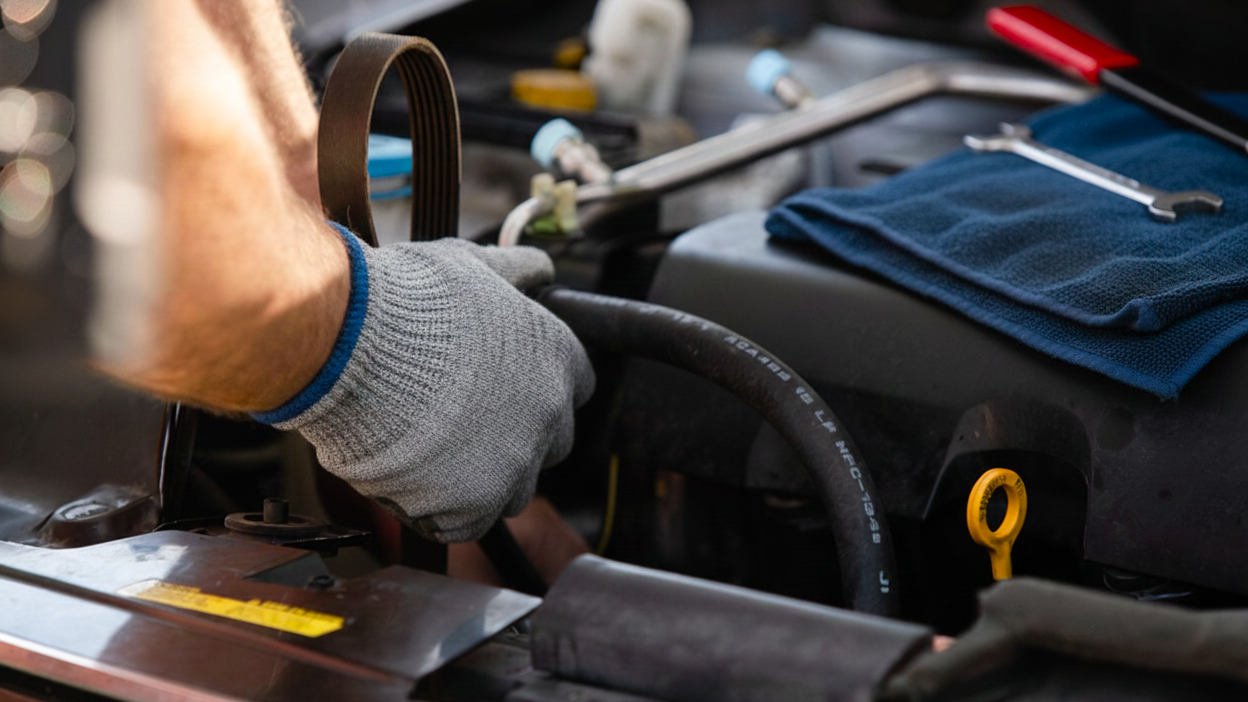
Although timing belt wear is not always visible, certain symptoms indicate potential problems:
- Unusual noises: Whining, knocking, or grinding sounds from the front of the engine may signal worn rollers or misalignment.
- Hard starting or rough idling: A stretched or slipping belt may cause timing to shift, resulting in unstable engine operation.
- Visible damage: Cracks, missing teeth, or frayed edges mean the belt must be replaced immediately.
- Oil contamination: Leaks from the crankshaft or camshaft seals can degrade rubber, reducing belt life dramatically.
Sometimes the belt may fail without warning. For that reason, preventive replacement at the recommended interval is always the safest approach.
What Happens If the Belt Breaks
A broken timing belt is one of the most serious failures that can happen in an internal combustion engine. When it snaps, the crankshaft continues spinning while the camshaft stops instantly. In interference engines, this means the valves and pistons collide violently, bending valves and damaging pistons. In severe cases, the cylinder head can crack or the entire engine may need replacement.
Repairing such damage is extremely expensive—often comparable to installing a new engine. Therefore, trying to save money by postponing replacement is a false economy. Spending a modest amount on timely replacement can prevent massive future costs.
How to Extend the Life of a Timing Belt
The timing belt is one of the key components of an engine, directly affecting its performance and overall service life. Unlike many other consumable parts, the timing belt does not tolerate overdue replacement — a belt failure almost always results in serious engine damage. For this reason, the replacement interval is strictly specified by the vehicle manufacturer and is a mandatory part of the scheduled maintenance plan.
Key Criteria for Timing Belt Replacement

Mileage Interval
For most vehicles, the recommended timing belt replacement interval ranges from 60,000 to 100,000 kilometers. However, some modern engines may allow for longer intervals due to improved materials and design. It is important to remember that there is no universal replacement schedule — the exact interval is always specified in the owner’s manual for the specific vehicle model. Ignoring these recommendations can lead to costly engine repairs.
Belt Age
Even if a vehicle is rarely used and its mileage remains low, the timing belt still ages over time. Rubber gradually loses its elasticity, microcracks appear, and overall strength decreases. For this reason, specialists recommend replacing the timing belt every five years from the date of the last installation, even if the specified mileage has not yet been reached.
Purchasing a Used Vehicle
Buying a used car always involves certain risks. If there is no reliable service history and no confirmed information about the last timing belt replacement, the replacement should not be delayed. In such cases, the belt should be replaced immediately as a preventive measure to eliminate the risk of sudden failure and severe engine damage.
How to Determine the Correct Replacement Time
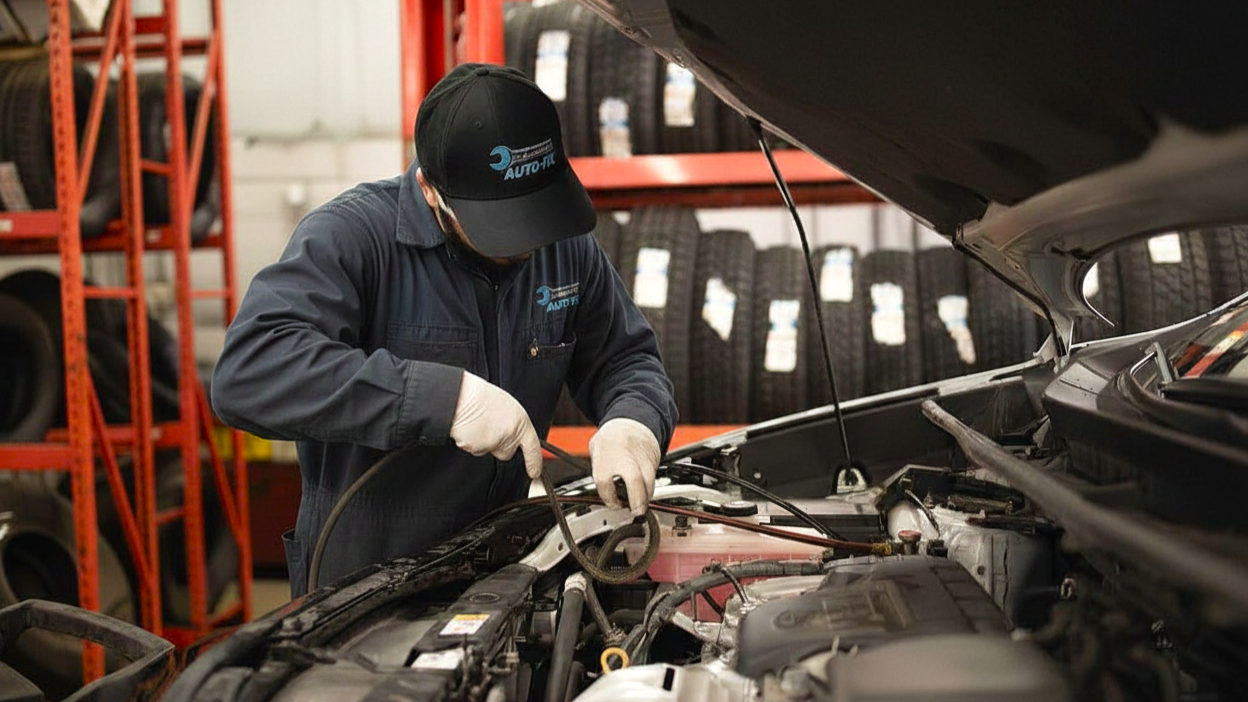
When planning maintenance, always follow the earliest limit specified by the manufacturer — either mileage or belt age. Even if one parameter has not yet reached its limit, the other may already pose a threat to reliable engine operation.
Helpful Tip: in most cases, it is recommended to replace the timing belt together with the tensioners, idler rollers, and the water pump. This helps avoid repeated engine disassembly and significantly reduces the risk of failure of related components.
Timing Belt vs Timing Chain: Is a Timing Belt the Same as a Cam Belt?
Drivers often wonder, is a timing belt the same as a cam belt? Yes—it’s simply two names for the same component. Both terms describe the rubber belt that synchronizes the engine’s camshaft and crankshaft. However, some engines use a timing chain, which serves the same purpose but has a different design and maintenance profile.
Timing Belt (Cambelt):
- Advantages: Lighter, quieter, and cheaper to manufacture and replace.
- Disadvantages: Requires periodic replacement; failure can cause major damage.
Timing Chain:
- Advantages: More durable, often lasting for the life of the engine.
- Disadvantages: Heavier, noisier, and more expensive to replace if stretched or worn.
Even chain-driven systems need occasional inspection, especially of the chain tensioner and guides. Ignoring maintenance can lead to similar issues as with belts—loss of timing and potential engine damage.
Cost of Timing Belt Replacement
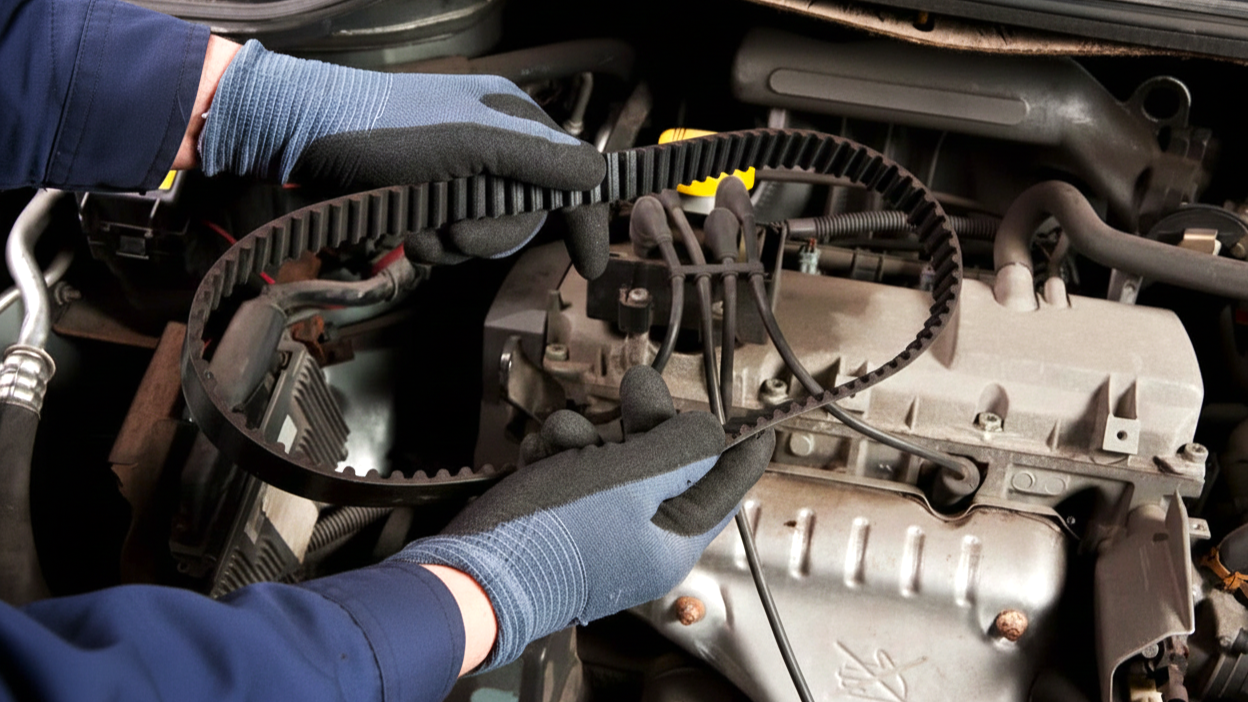
The cost of replacing a timing belt varies widely depending on the make, model, and engine layout. In most European workshops, labor costs range from €120 to €350, excluding parts. A complete timing belt kit—including the belt, tensioner, idler rollers, and water pump—can cost between €80 and €300 or more.
Luxury vehicles or models with limited access to the timing mechanism can cost significantly more. Using cheap, low-quality components is risky: a failed roller or pump can cause the new belt to break almost immediately, leading to catastrophic engine failure. Investing in original or OEM parts is always the smarter, safer choice.
Conclusion
The timing belt is one of the most crucial and highly stressed components of an internal combustion engine. It must be replaced strictly according to the manufacturer’s maintenance schedule. Preventive servicing always pays off—it’s better to invest time and money in timely replacement than to face the enormous expense of an engine rebuild later.
If you’re unsure when your belt was last changed, check your vehicle’s service records and schedule an appointment with a qualified technician. Regular maintenance ensures engine longevity, reliability, and peace of mind.
Understanding what is timing belt in car, knowing the correct replacement intervals, and following preventive maintenance are essential responsibilities for every car owner. A small investment in timely care today can save you from a major repair tomorrow.

