



The Weirdest and Strangest Cars Ever Made: From Goofy Microcars to Futuristic Experiments
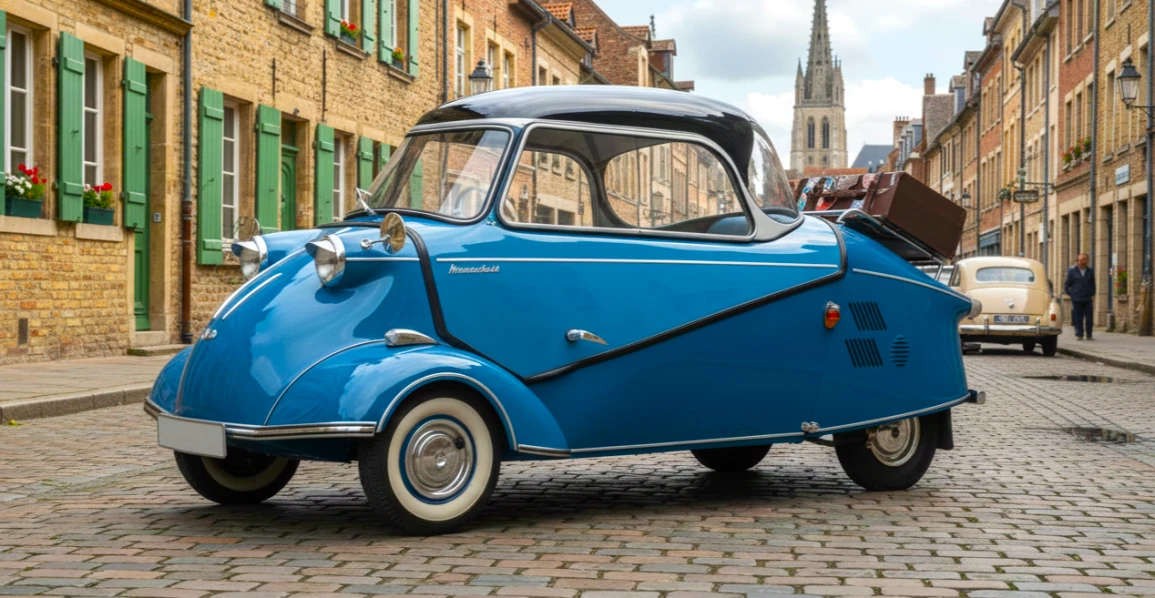
Automotive history is full of experiments. Designers and engineers constantly searched for new forms, technologies, and marketing ideas. That is why there appeared cars that today look eccentric, futuristic, or even comical. These weird looking cars were reflections of their time, culture, and engineering ambitions. Reviewing them shows how unusual designs, even when impractical, pushed the industry forward.
What Makes a Car “Weird”?
Cars don’t become “weird” by accident — there’s always a bold designer’s vision or an engineer’s desire to break away from the ordinary behind it. Sometimes these experiments are stunning and imaginative, other times they raise eyebrows. But one thing is certain: they never go unnoticed.
A Unique Design That Breaks the Rules
The first and most obvious sign is the appearance — a look that challenges the traditional idea of what a car should be.
Throughout different eras, the roads have seen vehicles:
- shaped like bubbles or futuristic capsules;
- streamlined like a drop of water;
- triangular creations straight out of sci-fi illustrations;
- tiny microcars with doors placed in unexpected spots — at the front, on the roof, or even underneath.
Such designs rarely became mainstream: they were either too unconventional or too costly to produce. Yet these models almost always became legends — not for their sales numbers, but for how widely they were discussed and how instantly recognizable they were.
Engineering Solutions Ahead of Their Time — or Complete Failures
A weird car is always an experiment. Engineers around the world have tried to make vehicles more compact, more efficient, or radically different in construction. Some added extra wheels for better stability. Others moved the engine to unusual spots — front, rear, center, or even under the driver’s seat. Some manufacturers designed doors that opened upward, diagonally, or rotated around their own axis.
Certain ideas were truly ahead of their time and became the foundation for technologies we consider normal today. Others turned out to be too fragile, unsafe, or simply impractical. Still, every such project showcased the breadth of engineering creativity — and the boldness without which the automotive industry would never have evolved so quickly.
Classic Examples of the 20th Century
Peel P50
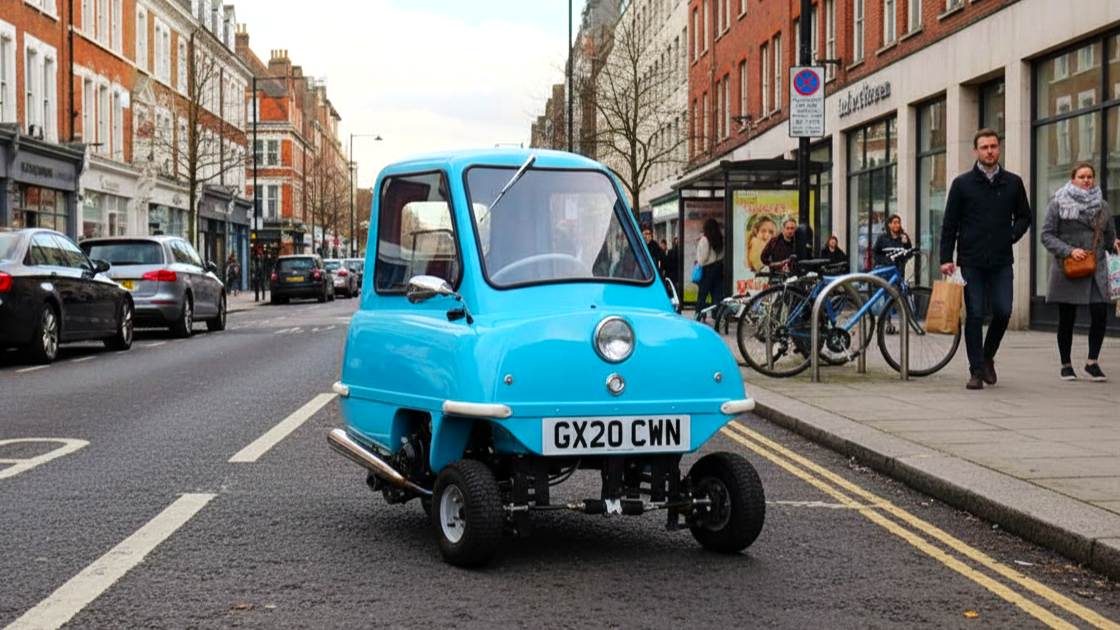
The Peel P50, built in the 1960s in the UK, is the smallest production car ever. Only 137 cm long and about 60 kg in weight, it had three wheels and one seat. It could reach 60 km/h with its tiny 49 cc engine. Today surviving examples are highly valued by collectors, proving that even the tiniest and most goofy car can become a classic.
AMC Pacer
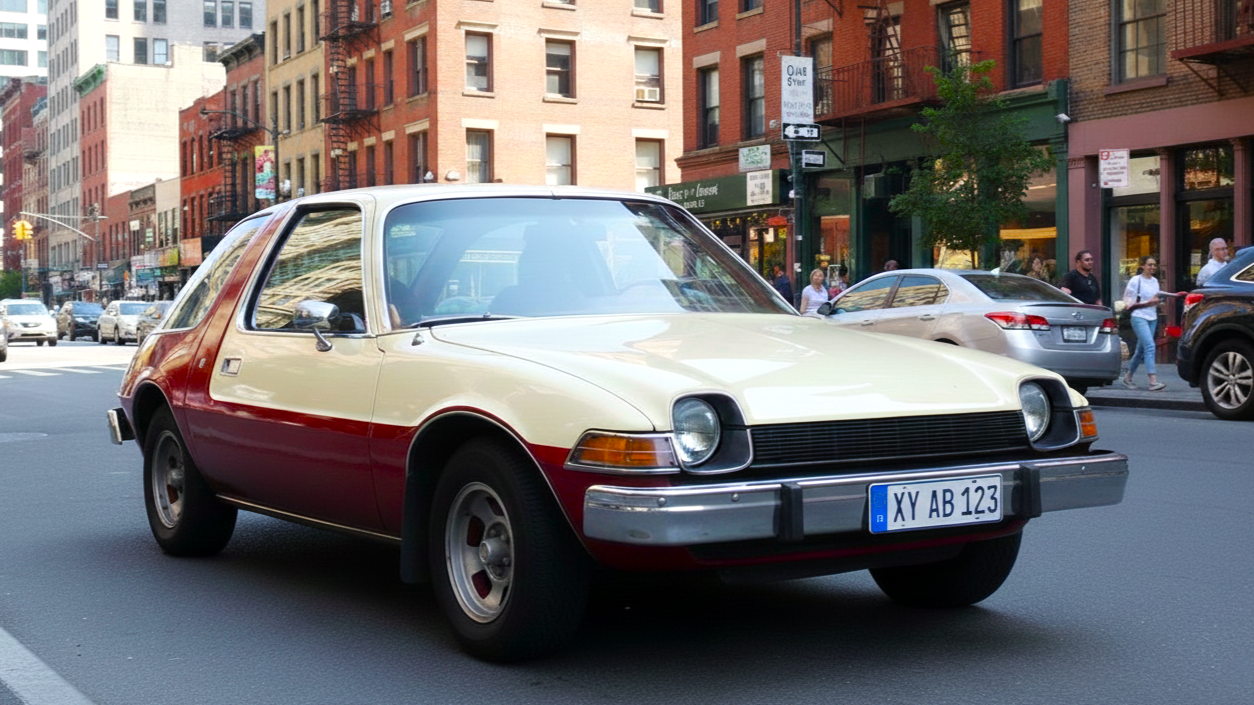
Launched in 1975, the American AMC Pacer was quickly nicknamed the “space bubble.” Its oversized glass panels made it look like a moving aquarium. It was futuristic but awkward for the market. Over time, the car appeared in films and TV shows, where it symbolized eccentricity and humor.
Messerschmitt KR200
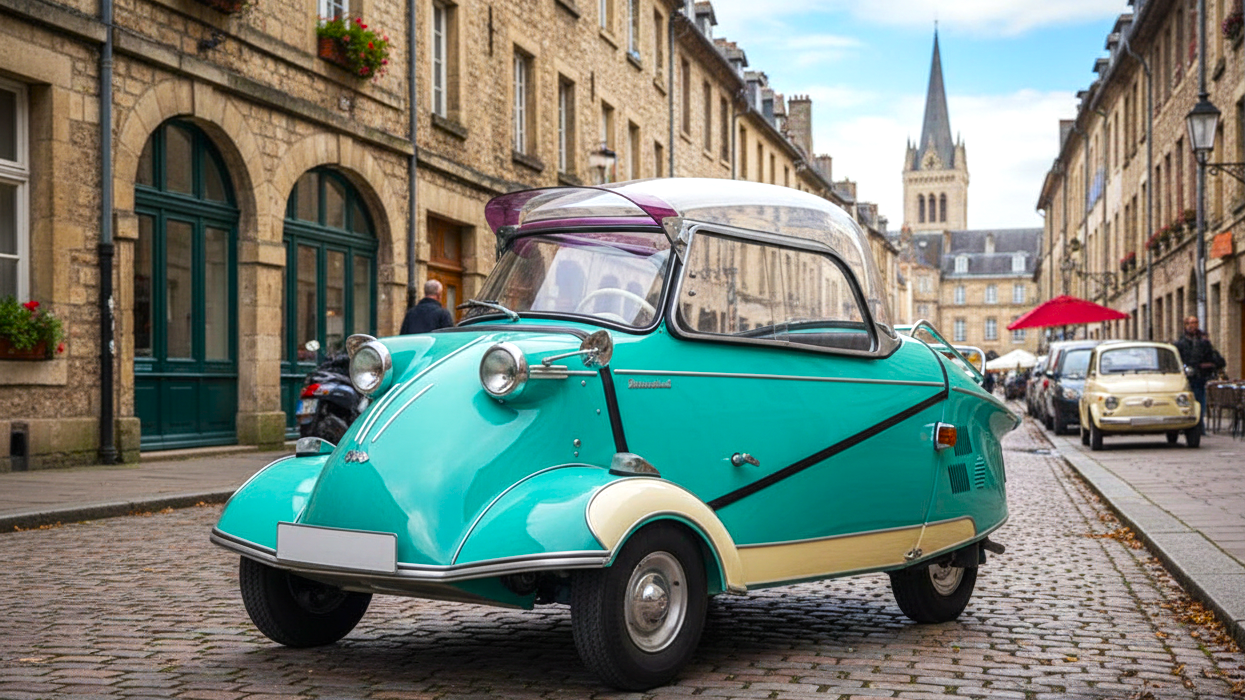
Built between 1955 and 1964, the Messerschmitt KR200 looked more like an airplane cockpit than a car. The cabin opened upwards like a fighter jet canopy. Two passengers sat one behind another, like pilots. It was cheap and efficient in post-war Europe, yet also one of the strangest cars ever created.
Reliant Robin
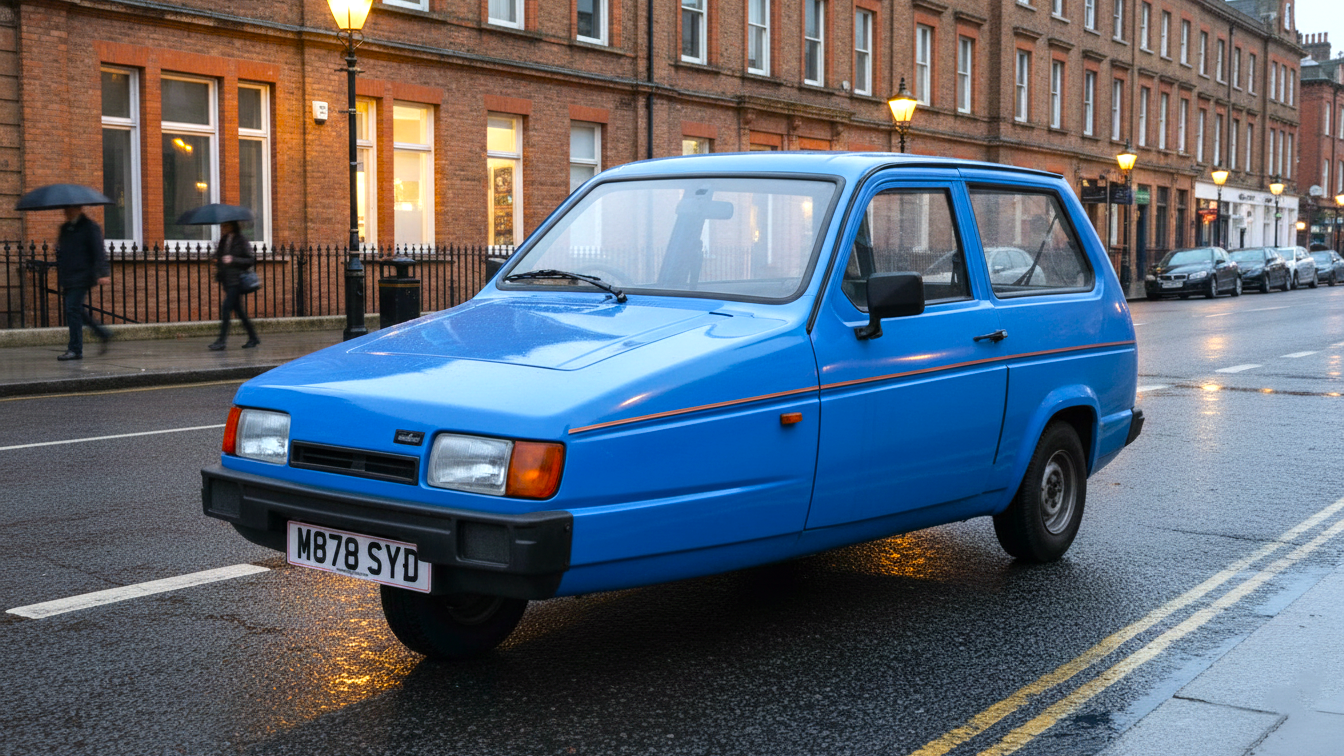
The British Reliant Robin, produced for nearly 30 years, had three wheels: two at the back and one at the front. This design made it unstable and prone to tipping over. Despite the risks, the Robin sold well because it could be driven with a motorcycle license. In pop culture, it became one of the funniest looking cars in history.
Futurism and Eccentricity in Design
Dymaxion Car
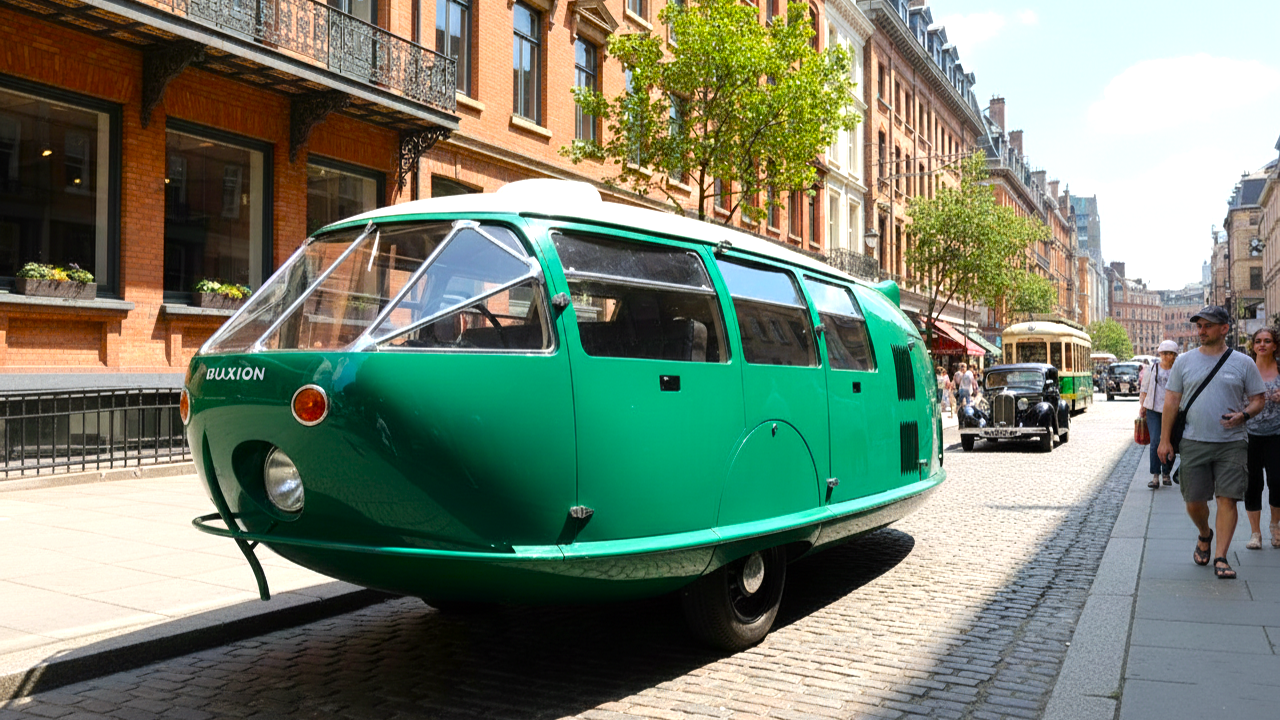
Invented in 1933 by architect Buckminster Fuller, the Dymaxion Car was shaped like a teardrop and could fit up to 11 passengers. Its rear-wheel steering caused dangerous instability, but it reached 140 km/h. Although a failure, it remains a symbol of futuristic thinking.
GM Firebird Series
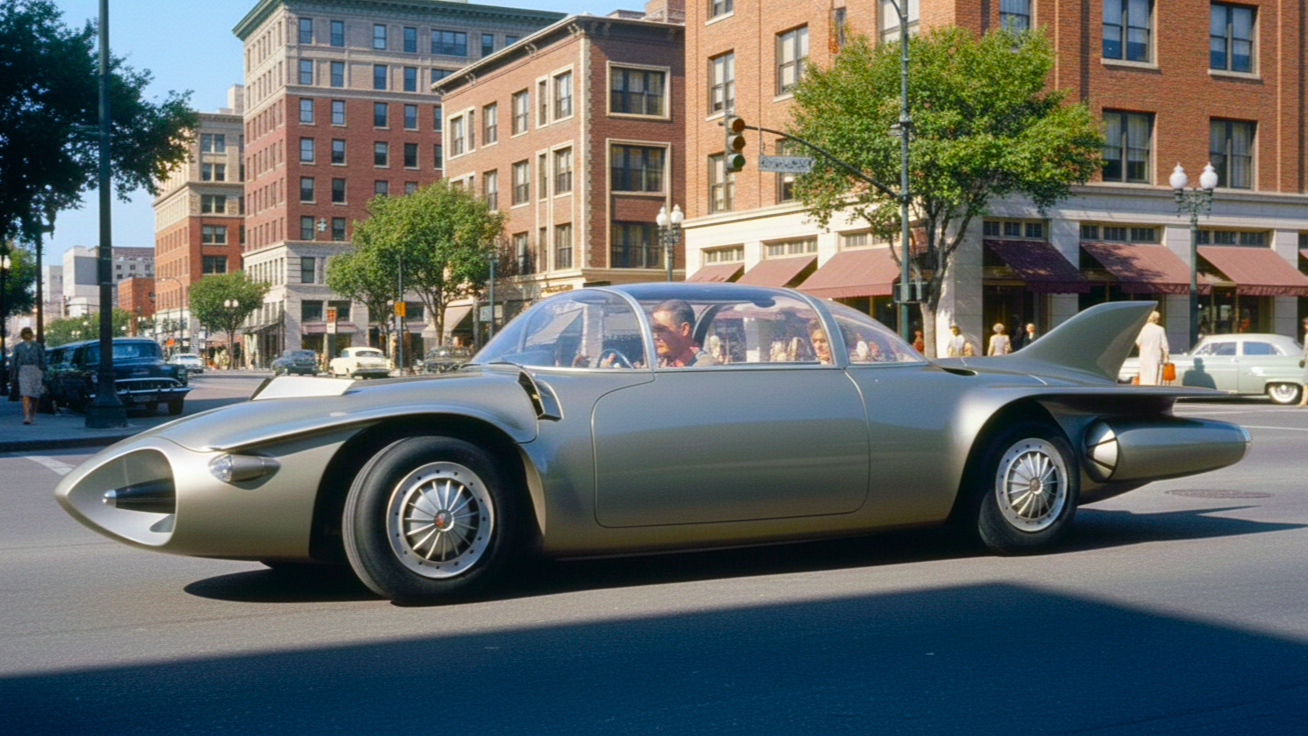
In the 1950s, General Motors built concept cars Firebird I, II, and III. They looked like jet planes on wheels, with turbine engines and dramatic wings. These prototypes never entered production but perfectly captured the aviation-inspired optimism of the postwar years.
Citroën Karin
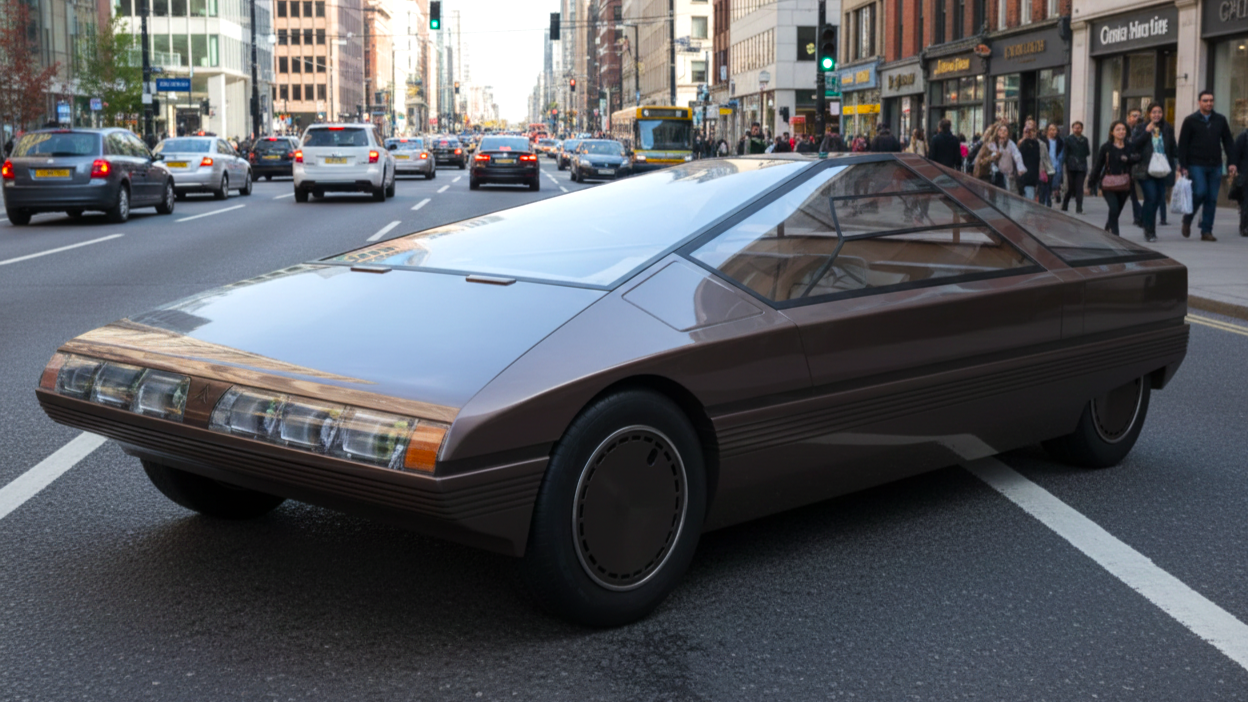
Unveiled in 1980, the Citroën Karin looked like a pyramid on wheels. The driver sat in the middle, with two passengers on either side. It was never intended for production but demonstrated the creativity of French design.
The Strangest Japanese Cars
Mitsuoka Orochi
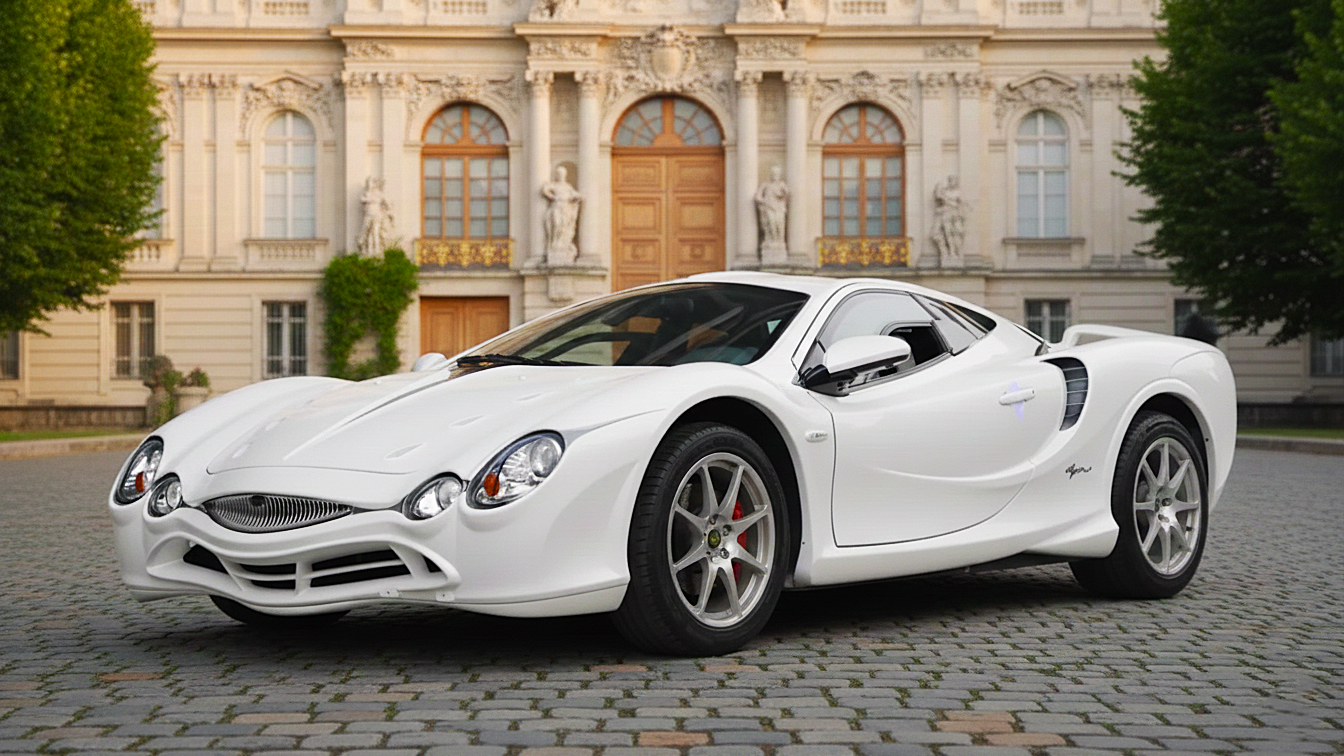
Introduced in 2006, the Mitsuoka Orochi was a Japanese supercar with extreme styling. Its curvy body resembled a creature from science fiction. Technically it was unimpressive, but its appearance made it one of the weird looking cars that attracted worldwide attention.
Nissan S-Cargo
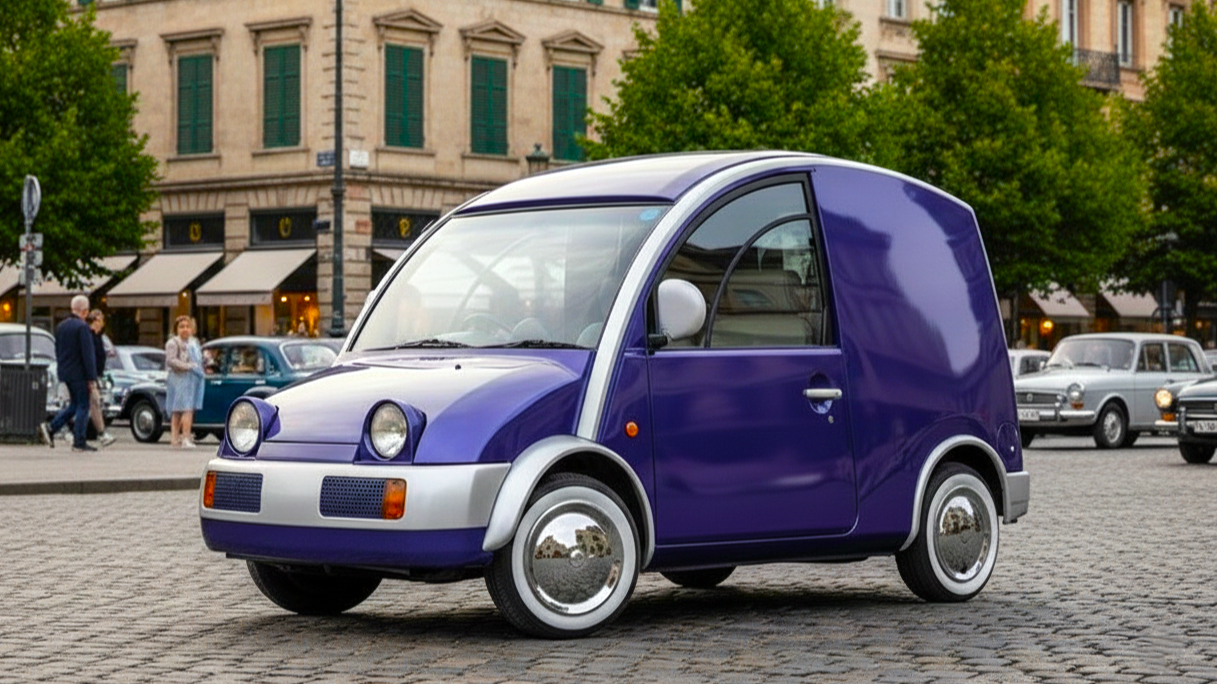
Produced in 1989–1991, the Nissan S-Cargo was a compact van designed for small businesses. Its shape resembled a snail shell, and even its name was a pun: “Small Cargo” and the French word “escargot.” The model was limited in production and quickly became a cult collectible.
Toyota Will Vi
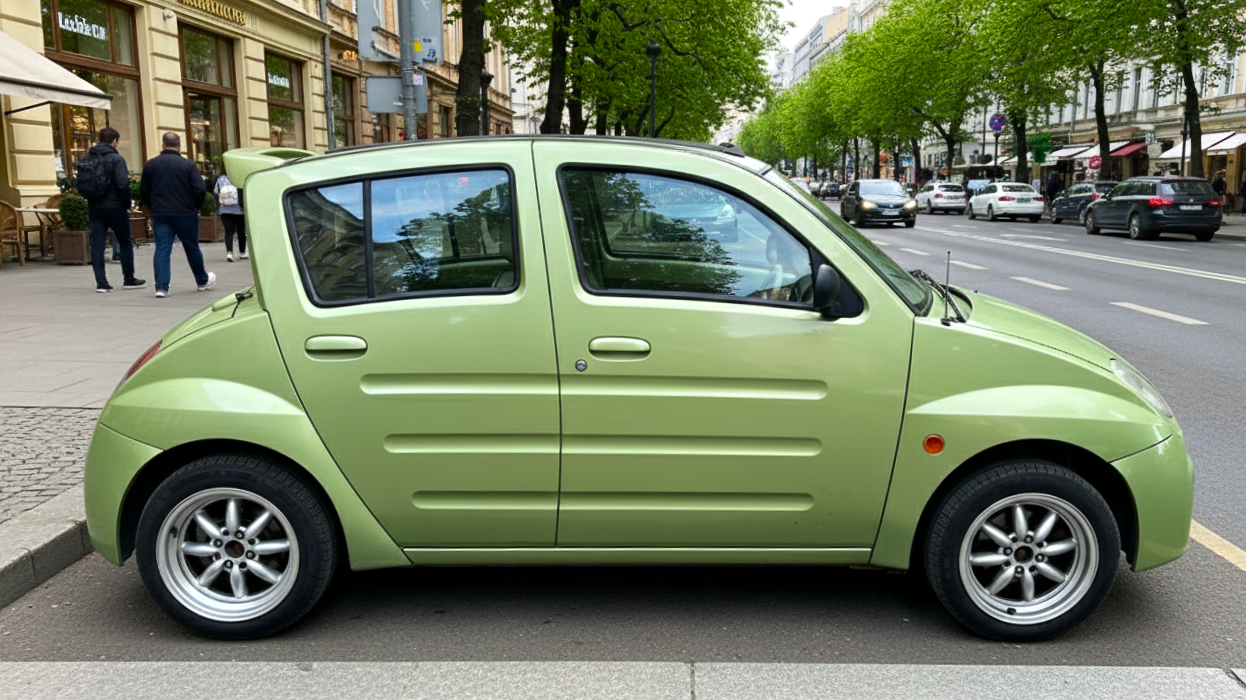
Launched in 2000, the Toyota Will Vi targeted young drivers. Its toy-like appearance with soft, rounded lines made it stand out in Japan. Though sales were modest, the car remains one of the funniest looking cars from Toyota’s experiments.
Strange Concepts and Prototypes
Nuclear Cars
During the 1950s, carmakers even imagined vehicles powered by nuclear energy. The Ford Nucleon was designed to carry a miniature reactor instead of an engine. Of course, it was never built, but it showed the futuristic ambitions of the time.
Electric Experiments of the 60s–70s
Long before Tesla, there were attempts at electric cars like GM Electrovair and the Enfield 8000. They had limited range but represented an early move toward cleaner energy. Their quirky looks made them unusual, if not the craziest car ever ideas of that period.
Cars With Odd Features
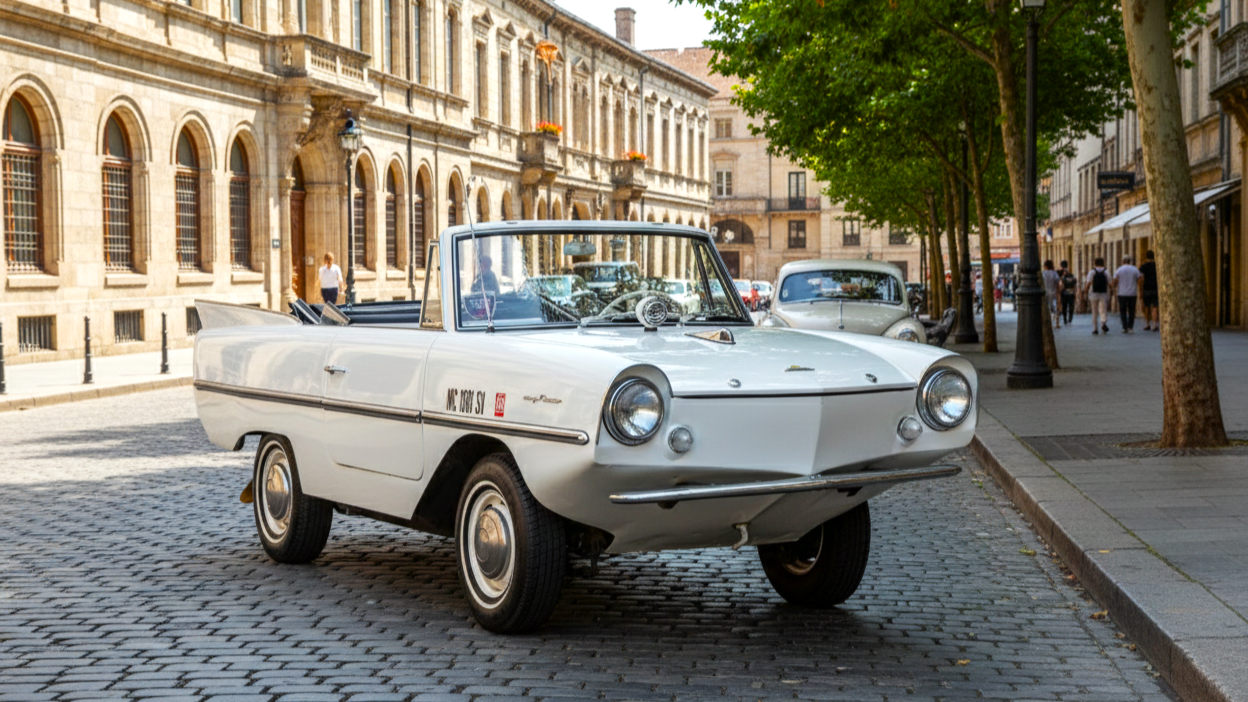
Some vehicles could float on water, like the Amphicar 770. Others had bodies that transformed from sedan to pickup. These unusual ideas were too impractical, but they remain highlights of automotive creativity.
Modern Weird Looking Cars
Tesla Cybertruck
The Tesla Cybertruck, unveiled in 2019, is one of the boldest designs of the 21st century. Its stainless steel body and polygonal shape resemble a vehicle from a video game. The design divided opinion: some saw it as revolutionary, others as a goofy car. Either way, it became a cultural phenomenon.
BMW Isetta Reborn
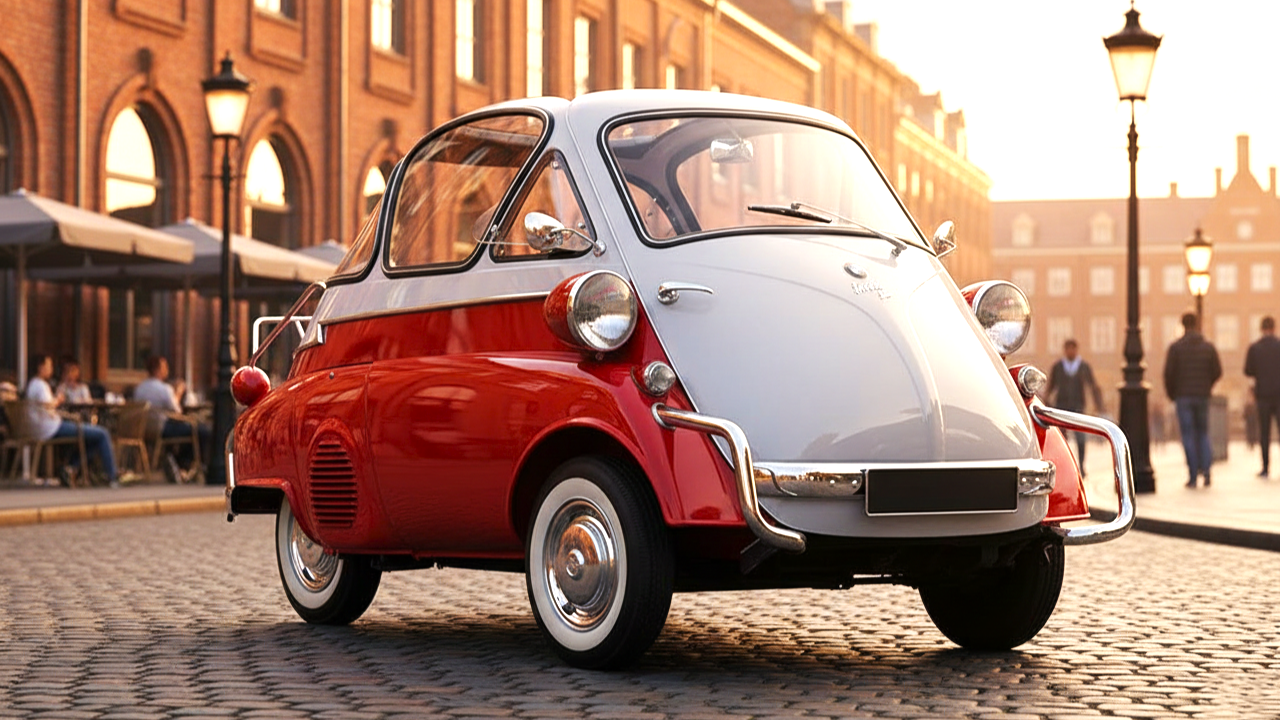
The original BMW Isetta was a microcar of the 1950s. In the 21st century, the concept was revived in electric form. The modern version keeps the single front door and compact shape, but now it serves the needs of eco-conscious city dwellers.
Odd Crossovers and EVs
The modern automotive market is overflowing with models, and manufacturers are increasingly looking for ways to stand out — sometimes in very unconventional ways. This is how crossovers and electric cars appear that instantly turn into memes, spark heated discussions, and generate a level of buzz around the brand that’s impossible to ignore.
Today you can find cars with:
- excessively large glazing, making a crossover look like an aquarium on wheels;
- asymmetrical body designs, as if the designers couldn’t agree on what the car should look like;
- unusual proportions, where the hood is unusually short, the rear is too tall, and the wheels look like they were “borrowed” from another model;
- futuristic light panels and geometric shapes that resemble either a space shuttle or a modern art installation;
- non-standard doors or the absence of traditional handles, surprising even experienced car enthusiasts.
Such models often become the subject of jokes on social media: users compare them to household appliances, cartoon characters, or creatures from sci-fi movies. But the paradox is that this very “meme factor” often works in the brand’s favor.
Bold and unconventional crossovers attract attention, create a viral effect, and are remembered far more easily than dozens of ordinary, predictable models. And buyers — especially younger ones — are eager to choose such cars, appreciating their individuality and the ability to stand out on the road.
Why Strange Cars Matter
Unusual cars are not just quirky experiments or eccentric design choices. They play a much more important role: they push the automotive industry forward and expand our understanding of what a car can be in the future. Every unconventional project, even if it turns out to be commercially unsuccessful, leaves a noticeable mark.
Many features that seem ordinary and logical today were once viewed as bold — or even downright crazy. Panoramic windshields, ultra-compact city cars, hybrid and electric powertrains — all of these began as risky experiments that initially raised eyebrows. Over time, they evolved into essential elements of the modern automotive world.
Such models hold special value for collectors. They see “weird” cars not as failures, but as unique artifacts that capture the engineering courage and cultural atmosphere of their era. Each one represents a moment of exploration — of new shapes, new technologies, and new ideas.
Without these bold concepts, progress would be impossible. It is the eccentric, sometimes even outrageous projects that drive the automotive industry forward, pushing engineers and designers to search for new solutions and helping shape the future of transportation.
Conclusion
The history of weird looking cars shows that risk-taking drives innovation. What once looked silly or impractical often becomes the standard of the future. From bubble-shaped microcars to angular electric trucks, each craziest car ever plays its part in making automotive history more colorful. Strange vehicles prove that boldness is essential, and even a goofy car can change the course of design.

