



Top Vehicles With the Largest Cargo Space: Best SUVs, Wagons, and Minivans for Maximum Storage
When choosing a vehicle, many buyers look at engine power, interior design, or fuel efficiency. Yet there is one characteristic that can prove even more important in everyday life – cargo space. The SUV with the most cargo space determines how easily a family can head out on a road trip, how conveniently a driver can haul bulky purchases, or how a business owner can deliver equipment to a meeting.
A large trunk is especially valued by families heading out of town with children and sports gear, frequent travelers with heavy suitcases, or professionals who rely on their vehicle as a mobile assistant. In this article, we take a detailed look at today’s leading models by cargo capacity – and why they deserve attention. By the end, you will know which SUV with a large cargo area is the right fit for your needs.
What Determines Cargo Space
The size of the cargo hold largely depends on the body type. Sedans are usually restricted by a fixed trunk lid and partition, making it hard to transport large items. Station wagons offer more volume thanks to their extended rear section, while crossovers and SUVs benefit from tall roofs and foldable rear seats.
Cargo space is measured in liters (or cubic feet in the U.S.). Automakers list the figure both with the rear seats upright and folded down. Layout plays a crucial role:
- a double floor for hidden storage;
- convenient side compartments;
- hooks and anchors for securing luggage.
Foldable rear seats are particularly important. They allow you to expand the trunk to a size comparable with a small van, making the vehicle far more versatile and practical.
Top SUVs and Crossovers With Large Cargo Space
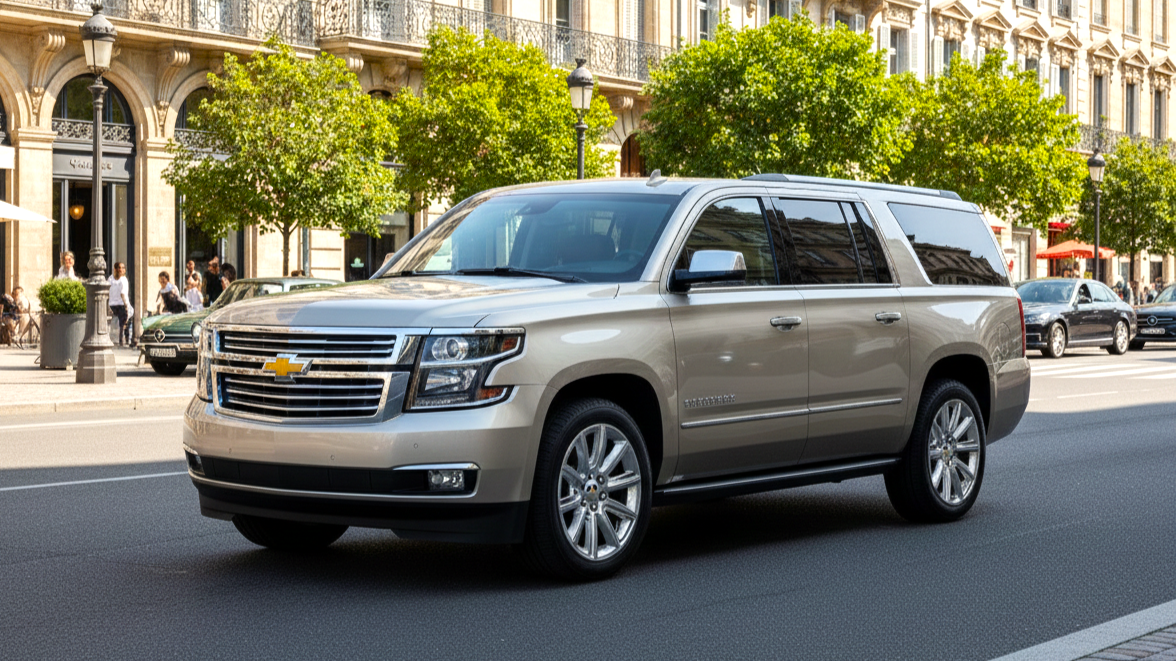
Among all segments, SUVs most often lead in sheer volume. For example, the Chevrolet Suburban offers 40.2 cubic feet (1137 liters) behind the third row and more than 144 cubic feet (over 4000 liters) with seats folded – a true record holder in North America.
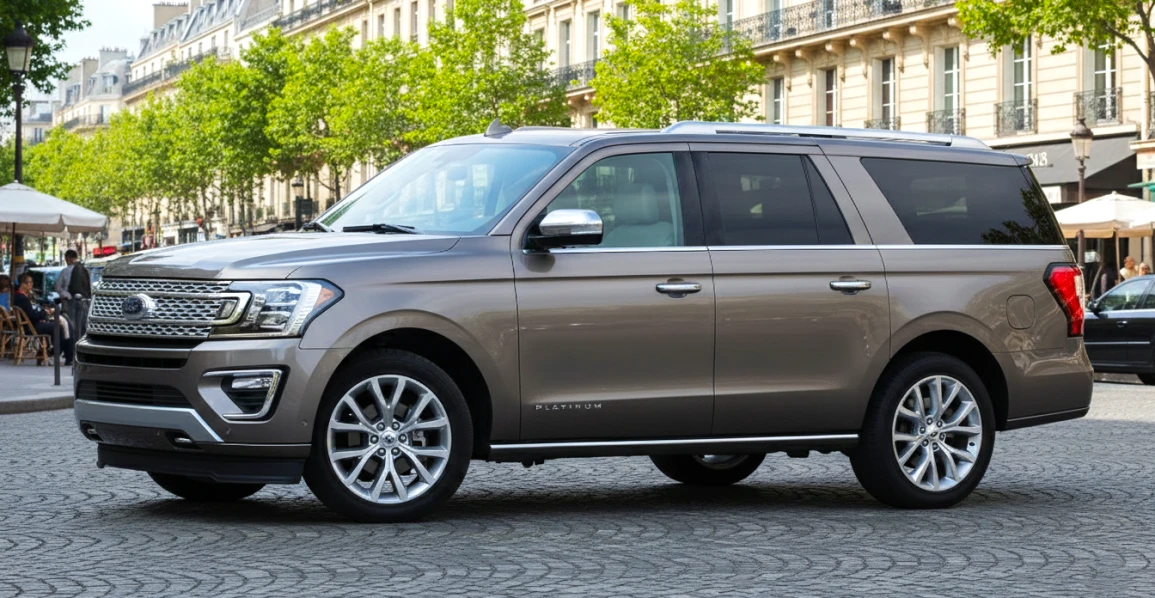
The Ford Expedition Max is slightly smaller but still impressive, with 34.4 cubic feet (972 liters) behind the third row and over 121 cubic feet (3000+ liters) in maximum configuration. It blends space with thoughtful functionality.
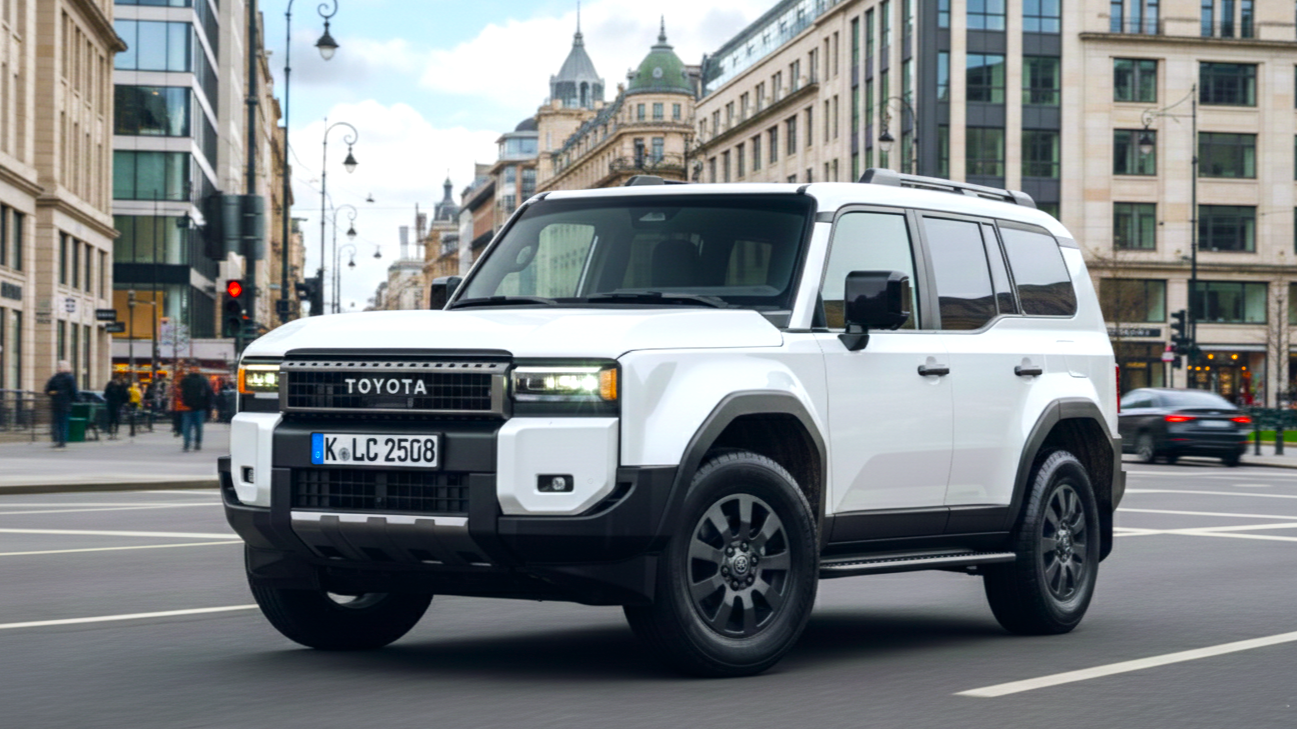
The Toyota Land Cruiser remains a symbol of reliability. Its trunk provides around 40 cubic feet (1130 liters) behind two rows and up to 71 cubic feet (2000 liters) with seats folded. Here, the best cargo space SUV combines legendary off-road performance with practicality.
Among midsize crossovers, the Honda CR-V deserves mention. Despite its compact footprint, it offers up to 39 cubic feet (1110 liters) with seats folded, proving that everyday usability and convenience can go hand in hand.
Station Wagons With Record Cargo Capacity
Station wagons are still the go-to for those who want balance between handling and practicality. The Volvo V90 Cross Country combines a premium cabin with 20 cubic feet (560 liters) of trunk space, expandable to 54 cubic feet (1526 liters).
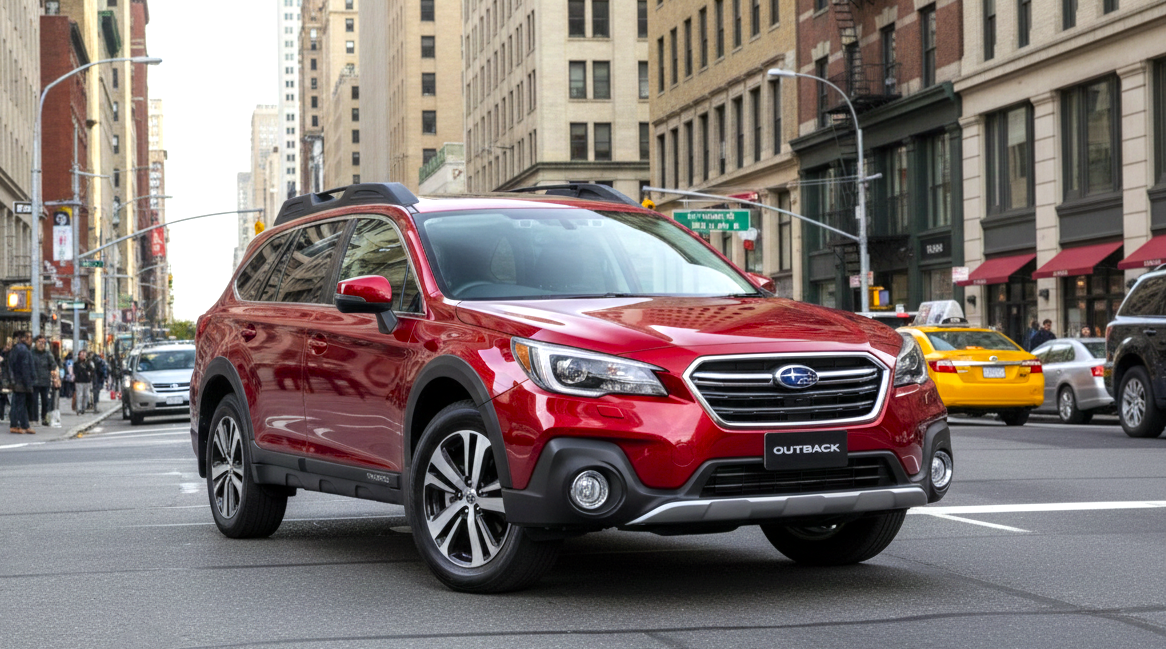
The Subaru Outback is a favorite among travelers. With 32.5 cubic feet (920 liters) and reliable all-wheel drive, it’s often chosen for long-distance adventures.
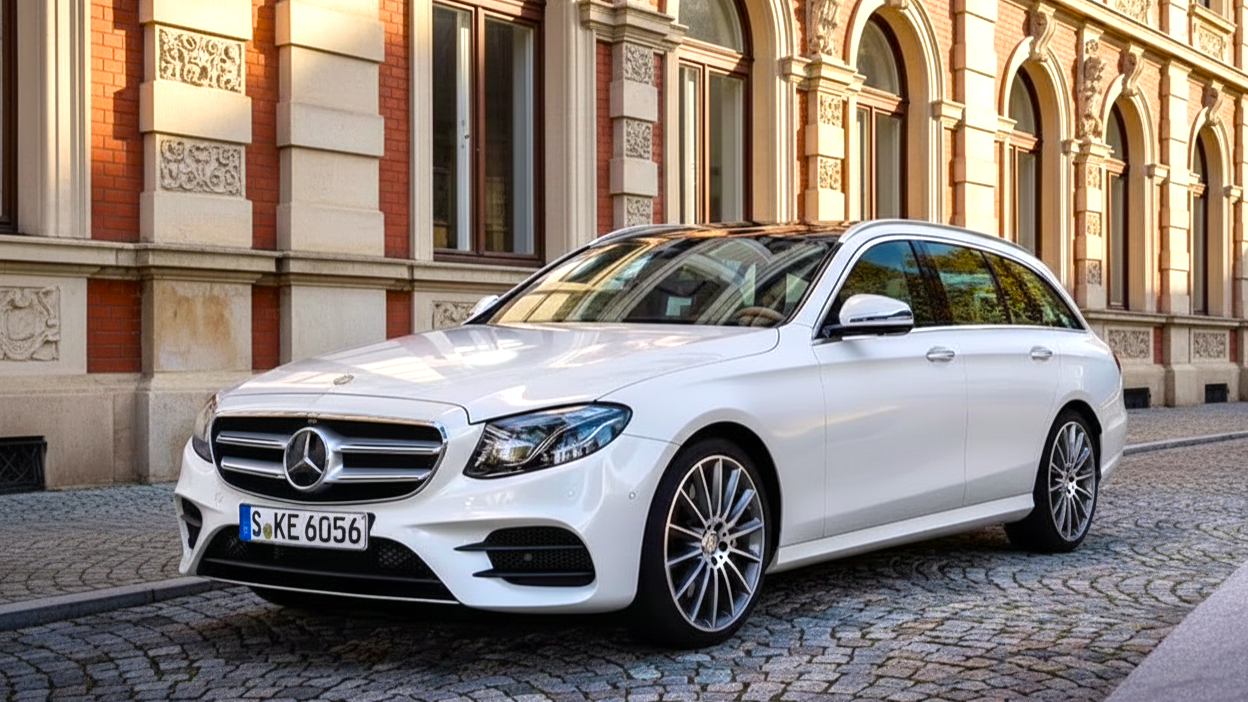
The Mercedes-Benz E-Class Wagon proves premium cars can also be practical. Its cargo area ranges from 22.6 to 64 cubic feet (640–1820 liters). While the SUV with large cargo area might win in raw liters, wagons excel in comfort and highway stability.
Minivans and Their Advantages
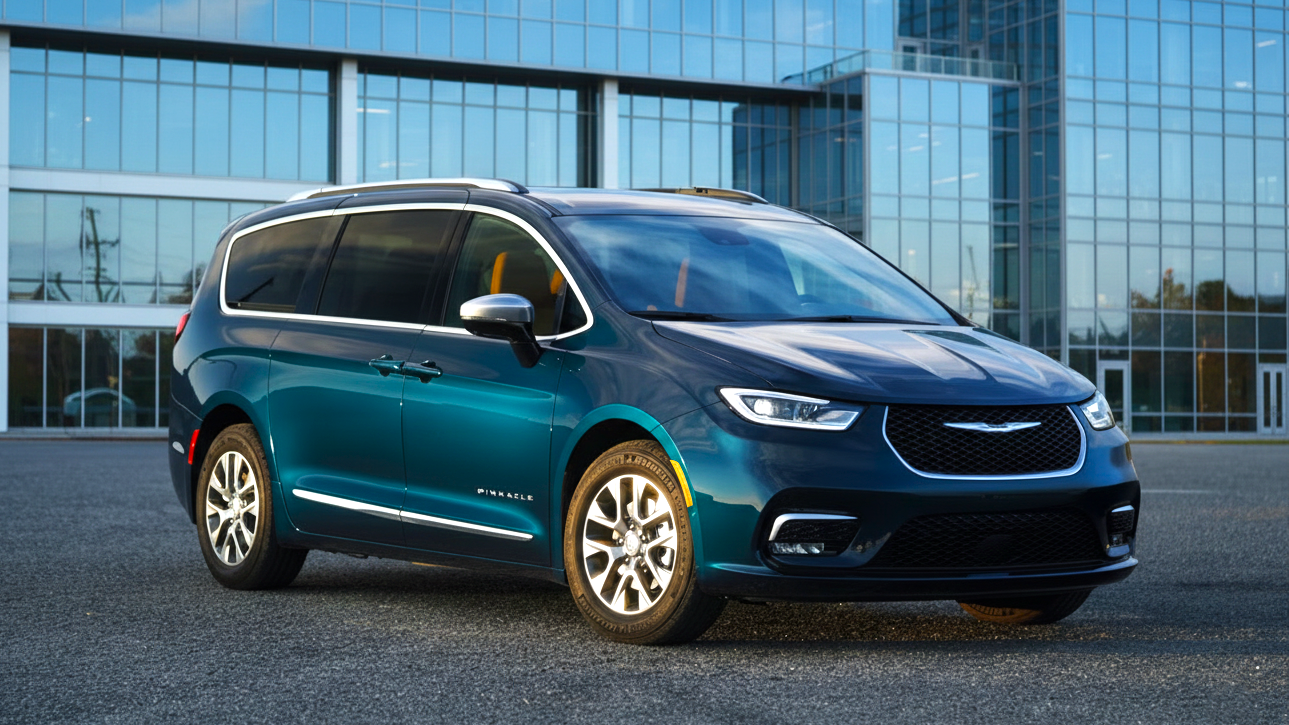
Minivans traditionally dominate in terms of cargo volume. The Chrysler Pacifica offers 32.3 cubic feet (914 liters) and a flexible layout with the Stow ’n Go system.
The Honda Odyssey provides 38.6 cubic feet (1093 liters) behind the third row and more than 140 cubic feet (over 4000 liters) with seats folded. It’s a true family home on wheels.
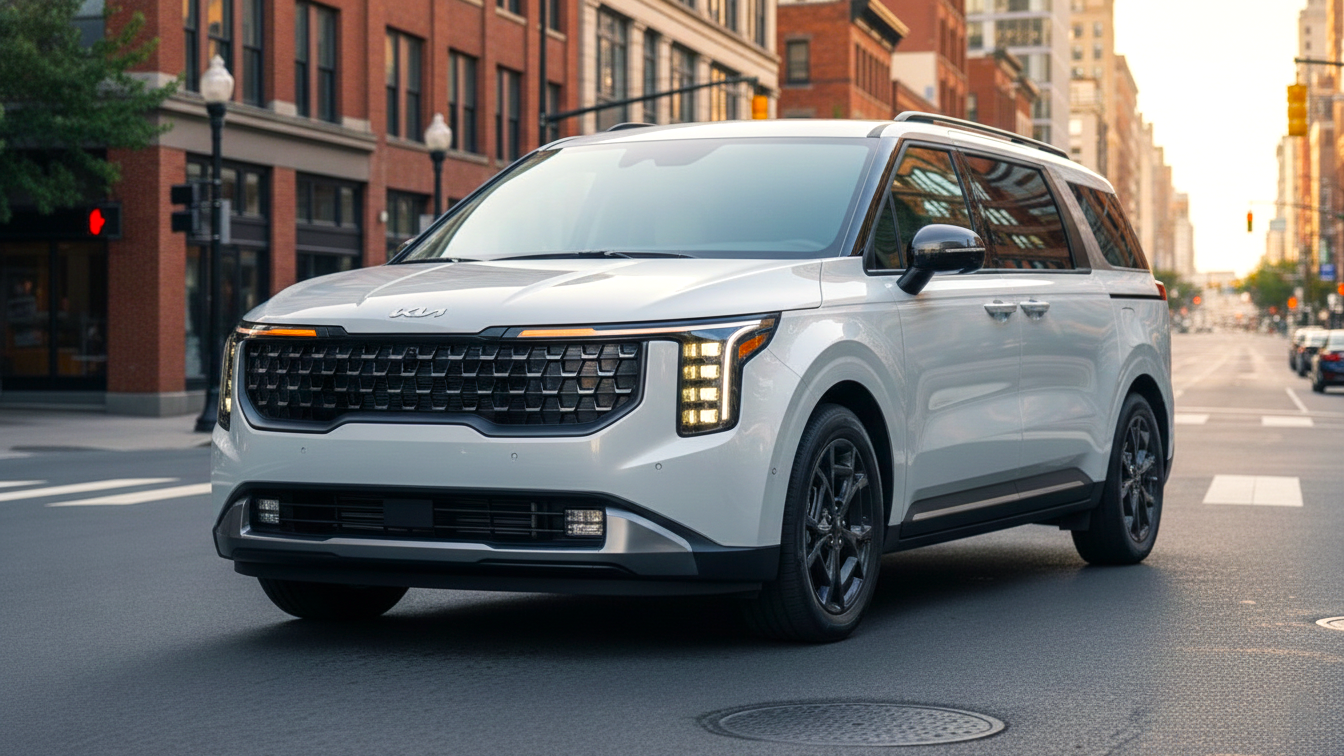
The Kia Carnival blends crossover styling with minivan practicality. The trunk offers 40 cubic feet (1139 liters) in standard setup and up to 145 cubic feet (4100 liters) in maximum configuration.
No surprise that large families continue to prefer minivans. In this class, even an SUV with large cargo area can only rival the very biggest models.
Electric Vehicles With Large Cargo Space
EVs are also making strides in practicality. The Tesla Model X provides up to 88 cubic feet (2492 liters) in the rear, plus an additional front trunk (“frunk”).
The Ford Mustang Mach-E offers 29.7 cubic feet (840 liters) behind the seats and another 4.9 cubic feet (139 liters) in the frunk – impressive numbers for an electric crossover.
The Rivian R1S is a newcomer with smart storage solutions. Its trunk holds over 36 cubic feet (1040 liters), complemented by hidden compartments for unusual cargo.
An SUV with large cargo space powered by electricity is becoming a very real choice for those who want eco-friendliness without giving up functionality.
Cargo Space Comparison
Model | Cargo Volume (liters) | Highlights |
Chevrolet Suburban | 1137–4097 | Largest among SUVs |
Ford Expedition Max | 972–3440 | Spacious and practical |
Toyota Land Cruiser | 1130–2000 | Reliability and premium feel |
Honda CR-V | 561–1110 | Compact but convenient |
Volvo V90 CC | 560–1526 | Stylish station wagon |
Subaru Outback | 920 | Affordable and practical |
Mercedes E-Class Wagon | 640–1820 | Premium wagon versatility |
Chrysler Pacifica | 914–3978 | Flexible interior |
Honda Odyssey | 1093–4046 | Best family option |
Kia Carnival | 1139–4100 | Stylish and roomy |
Tesla Model X | 2492 | EV with front trunk |
Ford Mustang Mach-E | 840+139 | Modern EV crossover |
Rivian R1S | 1040+ | Innovative storage |
This comparison shows that wagons and minivans often rival full-size SUVs, while EVs are steadily catching up with traditional competitors.
Top Tips for Using Cargo Space Efficiently
Even if your car has a huge trunk, the challenge remains the same: how to pack everything so it fits, stays secure over bumps, and doesn’t interfere with safe driving. Proper cargo organization saves time, nerves, and reduces stress on your vehicle. Here’s an expanded list of tips to make your trunk as functional as possible — especially before a long trip.
1. Distribute weight correctly
This is one of the most important rules, as it directly affects vehicle stability. Heavy items should always be placed:
- as close as possible to the back of the rear seats;
- directly on the floor, not on top of other luggage.
This keeps the center of gravity low, helping the car stay stable in turns and at highway speeds. It also prevents heavy objects from “flying forward” during sudden braking. Light items — clothing, blankets, small boxes — can be placed on top or closer to the tailgate, as long as they won’t fall out when you open it.
2. Secure your cargo
This is the rule many drivers ignore until groceries explode across the trunk during a sharp maneuver. Securing cargo is not just about convenience — it’s also about safety.
Use everything the manufacturer has provided:
- hooks for bags;
- elastic or mesh nets;
- straps for large items;
- Velcro stabilizers to keep boxes from sliding.
If you need to transport bulky or heavy objects, telescopic dividers (installed across the trunk) can help create “sections” where items won’t move around.
3. Use organizers and storage boxes
An unorganized trunk quickly turns into chaos: the first-aid kit slides under the seat, tools rattle in corners, and small essentials get lost. Organizers and boxes solve this instantly.
- Rigid containers keep everything in place.
- Fabric organizers attach neatly to the side walls.
- Hard cases are ideal for tools, a compressor, or a tow rope.
If your car has a double floor, use it as hidden storage. It’s perfect for rarely used but essential items: jumper cables, a pump, a jack, an emergency triangle, or a tow strap. You can access them at any time without cluttering the main trunk space.
4. Watch the load limit
Every vehicle has a maximum load capacity — and exceeding it is never a good idea:
- the fuel consumption goes up;
- braking distance increases, especially on wet roads;
- suspension and shock absorbers wear out faster;
- handling becomes worse, particularly at high speeds.
If you simply have too much stuff, don’t try to force everything into the trunk. It’s safer to use:
- a rooftop cargo box;
- a rear platform or bike rack;
- a small trailer, if carrying large or heavy items.
This protects your car, your nerves, and everyone’s safety.
5. Use your interior’s flexibility
Modern cars offer many interior configuration options — and they’re there for a reason. This is especially useful when transporting long or oddly shaped items.
Split-folding seats (40/20/40 or 60/40) allow you to:
- transport long objects like skis, snowboards, planks, or pipes;
- keep 1–2 seats available for passengers;
- expand the trunk exactly as much as needed.
Perfect for road trips, renovations, or moving — no need to rent a cargo van.
6. Plan for access to your luggage
Good packing is not just about space — it’s about smart access. Plan ahead and decide which items you'll need during the trip and which only upon arrival.
A very common mistake: food, chargers, kids’ items, documents, or warm clothes get buried under heavy suitcases. Then you end up unloading half the trunk in the middle of a parking lot — in the heat, rain, or snow.
To avoid this, follow a simple rule:
- Things needed during the trip go at the top or near the tailgate. Snacks, water, a first-aid kit, wipes, warm clothes, documents, electronics.
- Things needed only upon arrival go lower and deeper. Suitcases, bulky bags, sports gear, equipment.
- Create a “quick access” kit — a small bag or box with your must-have items that can be reached with one hand.
This approach saves time, reduces stress, and keeps the trunk organized. It’s especially important on long family trips or when driving unfamiliar routes.
How to Choose the Right Vehicle for Cargo Space
The main advice is simple: evaluate your real needs. If you often haul bulky items, a minivan or full-size SUV is the way to go. For family travel, a crossover with a flexible cabin is often enough. Ease of loading matters too: a low floor, wide hatch, and flat load surface after folding seats can be more valuable than a few extra liters on paper. Don’t sacrifice passenger comfort just to chase cargo capacity records. A balanced choice ensures the car works for everyone on board.
Future Trends
Automakers are steadily increasing cargo space in electric vehicles. With no conventional engine, many can offer both a rear trunk and a front storage compartment. The next step will be modular solutions: adjustable partitions, sliding drawers, and built-in mounts for sports equipment. Some cars already feature smart systems that secure luggage and let you track it via a mobile app. Technology is turning cars into more versatile companions, and cargo space is becoming smarter and more practical.
Conclusion
A large trunk is not just about comfort – it’s a sign of true versatility. The market today offers a wide variety of options:
- the SUV with most cargo space for those who need maximum utility;
- station wagons with record-breaking trunks;
- minivans for families;
- next-generation EV crossovers.
Your choice depends on your priorities, but one fact is clear: generous cargo capacity makes a vehicle a reliable partner for any task or journey. That’s why an SUV with large cargo space or a wagon with expanded trunk volume remains so highly valued by drivers worldwide.

