



Import Cars from Japan to Cyprus: Benefits, Costs, and What to Expect

Japanese used cars remain consistently popular in Cyprus. Import cars from Japan to Cyprus gives buyers access to reliable vehicles in excellent condition at attractive prices. Let’s look at how this process works in practice and its real advantages and disadvantages.
What Importing Cars from Japan Really Means
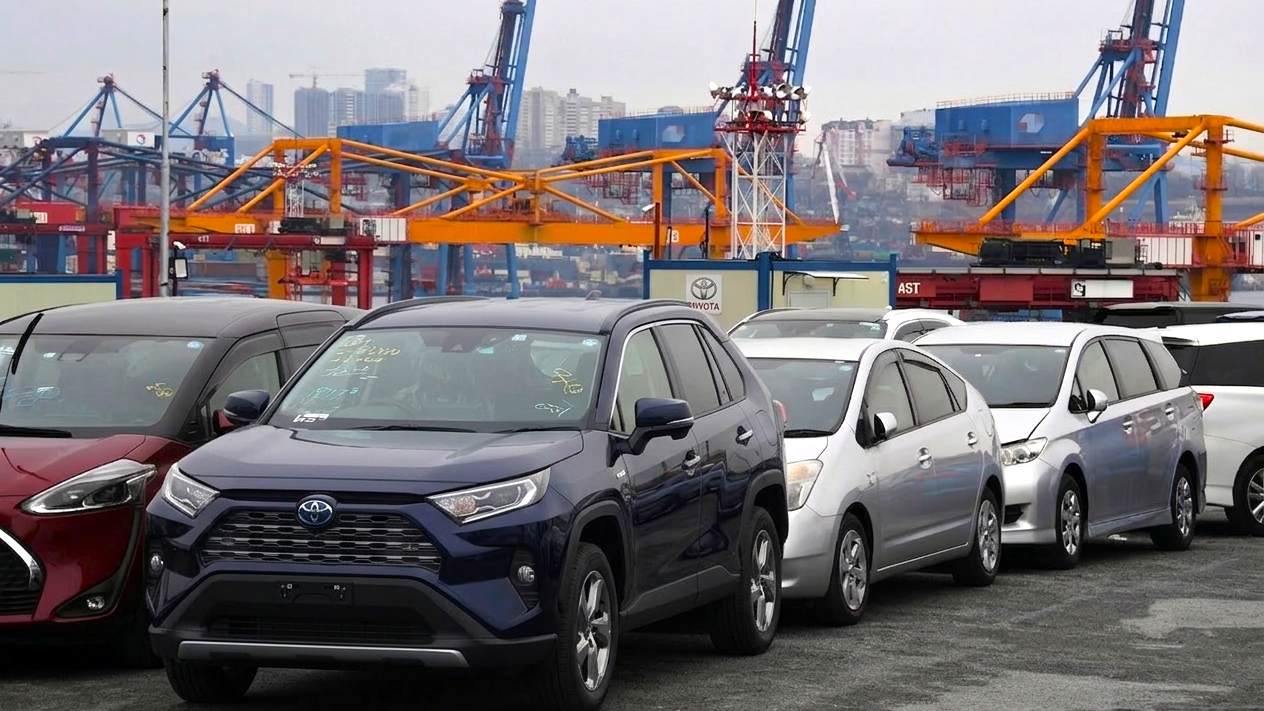
Import cars from Japan to Cyprus typically involves purchasing a vehicle through Japanese online auctions and shipping it by sea. These auctions provide detailed condition reports for each car, including photos, exterior and interior grades, mileage data, and repair history.
The most commonly exported models are those with steady global demand: Toyota, Nissan, Honda, Mazda, Subaru, and Mitsubishi. These include compact city hatchbacks, SUVs, minivans, and even sports coupes.
A key feature of these vehicles is right-hand drive. For Cyprus, where left-hand traffic is standard, this is not an issue and has long been the norm. Driving a right-hand-drive car requires only a short adjustment period, which most drivers manage within a few days.
Typical auction sheet details include:
- Body condition grade (for example: 4.5, 4, 3.5), reflecting overall exterior quality
- Interior grade using a similar letter-based system
- Mileage listed in kilometers, often relatively low
- Photo sets with 20–40 images from all angles
- Auction codes describing scratches, dents, repainting, or mechanical issues
Main Advantages of Buying a Car from Japan
Import cars from japan to Cyprus offers several clear benefits:
- Vehicle condition and low mileage. In Japan, many owners replace cars every few years. Due to the country’s compact size and strong public transport system, vehicles often accumulate modest mileage. Strict inspection standards also encourage proper maintenance.
- High equipment levels. The Japanese market favors well-equipped vehicles. Even basic trims frequently include climate control, leather seats, advanced infotainment systems, and modern safety features that were optional extras in Europe.
- Transparent history. Auction sheets are highly detailed and honest. Major damage, repainting, or engine problems are clearly marked, significantly reducing the risk of hidden defects.
- Price advantage. Even after shipping, customs duties, insurance, and agent fees, many models still cost less than comparable cars on the Cyprus market. Buyers often get newer vehicles with better specifications for the same or lower budget.
Disadvantages and Hidden Challenges
.png?_t=1773511327)
Despite the benefits, importing comes with several important considerations.
1. Waiting time. From auction purchase to delivery in Cyprus typically takes 6 to 12 weeks. This includes bidding, paperwork, shipping, and customs clearance. It is not suitable for buyers who need a car immediately.
2. Additional costs. The auction price is only part of the total. You must also account for:
- sea freight costs,
- transport insurance,
- Cyprus customs duties and fees (based on age, engine size, and vehicle value),
- importer or agent service charges.
3. Language and system adaptation. Many documents and in-car multimedia systems are originally in Japanese. Navigation units can usually be switched to English or replaced with European systems, and customs paperwork is professionally translated. However, some interface elements may remain in Japanese.
4. No factory warranty. Vehicles are generally sold “as is.” Manufacturer warranties for export cars are almost never transferable. This makes careful auction report analysis essential. Some Cyprus importers may offer limited post-sale support, but coverage is usually restricted.
Right-Hand Drive and Everyday Use in Cyprus
The right-hand steering position typical for japanese cars is not an obstacle for registration or everyday driving in Cyprus, where left-hand traffic applies. In fact, this layout is logical – the driver sits closer to the center of the road, which improves visibility.
For drivers previously used to left-hand-drive vehicles, adaptation mainly involves muscle memory. The first few days require extra attention when shifting gears with the left hand and using turn signals. However, most drivers fully adjust within one to two weeks of regular driving.
Right-hand-drive cars do not create serious everyday difficulties. Overtaking requires slightly more focus, but modern vehicles with good performance make this manageable. Everyday tasks such as paying for parking or using ATMs often become more convenient.
A right-hand-drive vehicle is especially suitable for:
- drivers who already have experience with this layout,
- residents of Cyprus accustomed to left-hand traffic,
- practical buyers who prioritize vehicle condition and value over short-term adaptation discomfort.
Cost of Importing a Car from Japan: What Makes Up the Final Price

The total import cost consists of several key expense categories. Understanding them helps build an accurate budget.
Auction purchase price. This is the starting cost of the vehicle. The final auction amount depends on demand, condition, trim level, and model. Auction fees and agent or importer commissions are added on top.
Shipping and logistics. This includes sea freight from Japanese ports to Limassol or Larnaca, port handling fees, and transport insurance. These costs are relatively fixed and not strongly linked to vehicle value.
Cyprus customs charges. This is the largest variable expense, calculated based on the vehicle’s customs value and typically includes:
- import duty (usually 10%),
- VAT (19%) applied to the sum of auction price + import duty + shipping cost,
- registration fees and the first year of road tax.
Approximate example for a €10,000 vehicle:
- Auction price + commission: €10,000
- Shipping and insurance: ~€1,200
- Import duty (10%): €1,000
- VAT base (€10,000 + €1,200 + €1,000): €12,200
- VAT (19%): €2,318
- Total before minor fees: ~€14,518
Registration and Legalization of Japanese Imports in Cyprus
After the vehicle arrives and clears customs, it must be legalized for road use in Cyprus. This is a mandatory process.
Main registration steps include:
- Customs clearance. Usually handled by your agent or importer. The car officially becomes duty-paid.
- Technical inspection (MOT). The vehicle is tested at a certified center. Brakes, lights, suspension, CO₂ emissions, and general safety are checked. Japanese vehicles typically pass easily, though small adjustments may be needed (such as headlight stickers).
- Environmental test. Emission levels are measured. Most modern japanese used cars pass without issues.
- Registration with the Department of Road Transport (DoRT). After passing inspections, documents are submitted: customs papers, shipping documents (CMR), inspection report, owner’s ID, and application forms. The car receives Cyprus license plates and a registration certificate (logbook).
Working with a reliable importer who manages the entire process significantly simplifies and speeds up legalization.
Insurance for Cars Imported from Japan
Insuring right-hand-drive vehicles imported from Japan in Cyprus is a standard procedure, though it has a few specific points to consider.
Most Cypriot insurance companies offer policies for japanese cars. Restrictions may apply mainly to very old vehicles (typically over 15–20 years) or rare models with limited parts availability. The basic mandatory coverage is Third Party Liability insurance. Comprehensive (Casco) coverage is also widely available.
Factors that affect insurance cost include:
- vehicle age and model (engine size, repair costs, theft statistics),
- driver age and driving experience,
- presence of anti-theft systems, which may qualify for discounts.
Japanese origin and right-hand drive alone usually do not significantly increase premiums – insurers assess real risk rather than steering position.
How to choose the right policy:
- Compare offers by requesting quotes from 3–4 insurance companies or a broker.
- Review policy terms carefully, including deductibles (excess amounts).
- Consider comprehensive insurance for newer or higher-value vehicles. Also check whether coverage starts from the moment the car leaves the port.
A professional importer can often recommend trusted insurers experienced with japanese used cars.
Servicing and Spare Parts for Japanese Cars in Cyprus
Maintenance of japanese cars in Cyprus is generally straightforward. The island has official dealerships for major brands such as Toyota, Nissan, Honda, and Mitsubishi, along with many independent workshops specializing in Japanese vehicles.
Spare parts are widely available. For popular models, both original parts and quality aftermarket alternatives can be found easily. Many components are supplied from the UAE, the UK, or directly from Japan. Difficulties may arise only for rare parts or very new models with limited supply chains.
Repair and routine service costs are usually reasonable. Thanks to widespread model availability and strong competition among garages, prices remain competitive. Regular maintenance such as oil changes, filters, and consumables is comparable in cost to European vehicles.
Main servicing options include:
- official dealerships (best for new or premium vehicles),
- large multi-brand service centers,
- specialized garages focused on Japanese brands.
Resale of Cars Imported from Japan in Cyprus

Demand for japanese used cars in the Cyprus market remains consistently high, which supports strong liquidity when it comes time to sell. Buyers appreciate the clear origin history, solid overall condition, and generous equipment levels these vehicles often offer.
The easiest cars to resell are popular, reliable models with efficient engines, including:
- Compact hatchbacks (Toyota Yaris, Honda Fit/Jazz, Mazda Demio)
- Compact crossovers (Toyota RAV4, Honda CR-V, Nissan X-Trail)
- Family sedans and minivans (Toyota Prius, Toyota Corolla, Honda Odyssey)
To maintain resale value and liquidity, it is recommended to:
- Keep a complete service history. Receipts and maintenance records from Cyprus build buyer trust.
- Follow the official maintenance schedule. Timely replacement of fluids and consumables preserves mechanical condition.
- Avoid major non-standard modifications. Heavy tuning can reduce the pool of potential buyers.
- Keep the car clean. A tidy exterior and interior strongly influence buyer perception.
Smart importing and proper ownership habits can help you sell later with minimal financial loss.
Who Benefits Most from Buying a Car from Japan
Japan import cars Cyprus is an option that fits several buyer profiles particularly well.
- For city driving. Compact, agile, and fuel-efficient japanese cars are ideal for cities such as Nicosia or Limassol. They are easy to park and economical to run.
- For families and everyday use. Reliable minivans and crossovers with spacious interiors and strong safety features (multiple airbags, stability systems) suit family needs well. Rich specifications add comfort for daily trips.
- For buyers on a tighter budget. Import cars from japan to Cyprus often allows you to get a vehicle that is a few years newer and better equipped for the same budget compared to buying locally. It is one of the best ways to improve value for money.
- For long-term ownership. High reliability and accessible spare parts make japanese cars a cost-effective choice for many years. With proper care, they can run for a long time without major repairs.
Conclusion
Import cars from Japan to Cyprus is a practical option that combines affordability, wide selection, and the well-known quality of Japanese engineering. Key advantages include strong vehicle condition, rich trim levels, and competitive pricing – which makes this route appealing to many buyers. At the same time, there are objective challenges: longer delivery times, the need for careful budgeting, and the lack of standard warranty coverage.
The key to a successful purchase is a careful, detail-focused approach. Thorough review of the auction report, a realistic budget that includes all fees, and working with a reliable importer reduce risks to a minimum. As a result, you get a dependable car whose benefits remain clear throughout its lifespan. For thoughtful buyers, import cars from Japan to Cyprus remains one of the smartest ways to purchase a quality vehicle for life in Cyprus. Explore our catalog of cars from Japan and find the right option for your budget and needs in Cyprus.

