



Essential Car Fluids Explained: Oil, Coolant, Brake and More
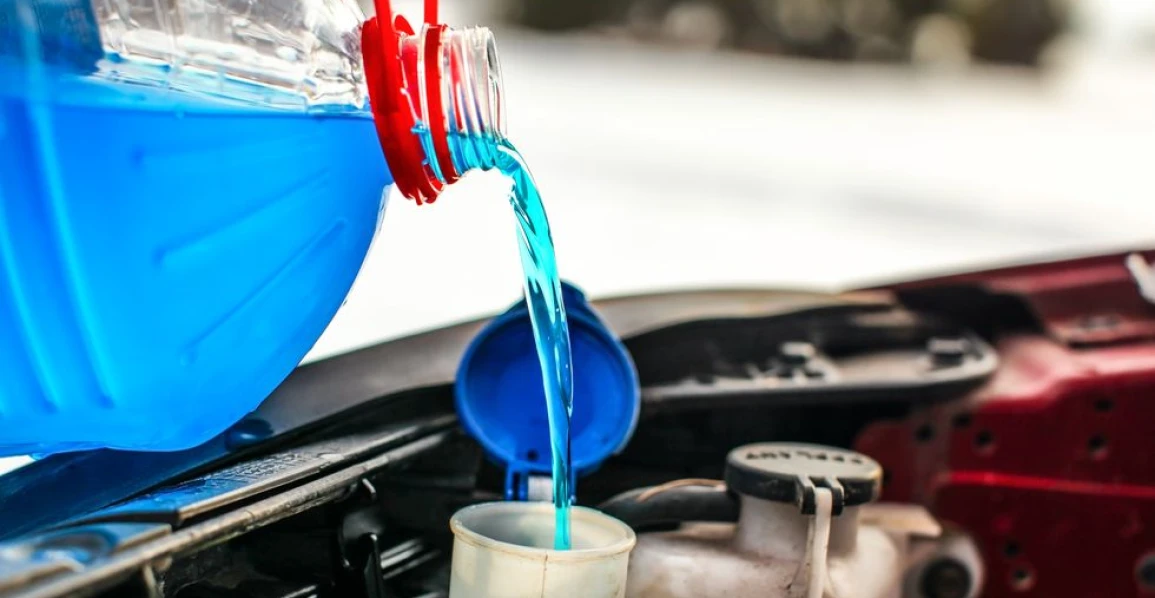
Have you ever thought about what makes your car alive? Like the human body, every car has a heart — the engine — and it can’t function without fluids. These fluids are its blood. They lubricate, cool, protect, and keep every system moving.
Even masterpieces of engineering like Porsche or Ferrari would not last a day without proper maintenance and the right fluids. So, let’s dive into what fluids a car needs, how they work, and why ignoring them can be fatal for your vehicle.
The Essential Car Fluids: Safety and Performance
Your car is not just metal and rubber. It’s a complex system where each fluid serves a purpose — some protect, others empower.
The six main fluids every car needs:
- Engine oil – lubricates and protects engine parts from friction and overheating.
- Coolant (antifreeze) – regulates engine temperature and prevents overheating.
- Brake fluid – transfers the force from the pedal to the brakes.
- Transmission oil – keeps the gearbox working smoothly.
- Power steering fluid – allows effortless steering control.
- Windshield washer fluid – keeps your view clean and safe.
Some fluids are crucial for safety (brake, coolant), while others ensure comfort and longevity (washer fluid, steering). But all of them must be checked and replaced regularly.
Coolant: The Heart of Temperature Control
“A car lives as long as its fluids circulate,” — said Ferdinand Porsche.
What coolant does
When the engine runs, temperatures inside reach over 2000°C. Without a cooling system, metal parts would overheat, expand, and seize. Coolant works like blood: it carries excess heat away from the engine and releases it through the radiator.
It also prevents corrosion, protects seals, and keeps the engine running smoothly in both summer heat and winter frost.
When to replace coolant
- Every 2–3 years or 40,000–60,000 km.
- Sooner if it becomes rusty, cloudy, or leaves sediment.
Never top it up with plain water. Water boils at 100°C and freezes at 0°C, while coolant handles up to 130°C and −40°C without breaking down.
How to check the coolant level
If you’re wondering how to check the water level in a car, open the hood and find the translucent coolant tank. The fluid should be between the MIN and MAX marks. If the level drops quickly, there might be a leak in the radiator or hoses. Don’t ignore it — overheating is one of the most common causes of engine failure.
Brake Fluid: The Nervous System of the Vehicle
Enzo Ferrari once joked, “Brakes are for cowards.” But even he knew — perfect brakes save lives.
Why it matters
Brake fluid transmits the force from your foot to the brakes. If it overheats or absorbs moisture, it can boil, leading to a complete loss of braking power.
Types of brake fluid
- DOT 3 – standard for older cars, boiling point around 205°C.
- DOT 4 – used in most modern vehicles, up to 230°C.
- DOT 5 – silicone-based, ideal for sports or collectible cars.
Never mix different types. Even a small amount of incompatible fluid can cause sludge buildup and seal damage.
When to change
- Every 2 years or 30,000–40,000 km.
- If the pedal feels soft or the fluid looks dark, replace it immediately.
Ignoring this simple rule can double your stopping distance or make your brakes fail when you need them most.
Transmission Oil: The Muscles of Motion
John DeLorean once said that a gearbox is the “muscle” of the car — and muscles can’t move without proper lubrication.
What it does
Transmission oil reduces friction, cools gears, and keeps the gearbox shifting smoothly under high pressure.
Types of transmission fluids
- MTF (Manual Transmission Fluid) – for manual gearboxes.
- ATF (Automatic Transmission Fluid) – for automatics and CVTs.
- CVT Fluid – designed specifically for continuously variable transmissions.
When to change
- Manual: every 50,000–70,000 km.
- Automatic: every 40,000–60,000 km.
Signs it’s time for a change
- Jerky gear changes.
- Unusual noises or vibration.
- Dark, burnt-smelling fluid.
If you’re unsure what engine oil do I need, check the owner’s manual — it lists the correct viscosity (e.g., SAE 5W-30) and certification (API or ACEA).
How to Maintain Car Fluids
Caring for your fluids doesn’t require special tools — only consistency.
A quick maintenance checklist:
- Check fluid levels once a month or before a long trip.
- Observe color and smell. If the fluid looks dark, cloudy, or smells burnt — replace it.
- Never mix brands or types. Add only the exact same fluid.
- Buy genuine products. Cheap substitutes may corrode the system.
- Store properly. Opened bottles expire after 6–12 months.
The water level in the car also matters beyond cooling — washer fluid is your first line of defense against poor visibility.
Common Fluid Mistakes Drivers Make
Even experienced drivers sometimes damage their vehicles simply because they underestimate the importance of automotive fluids. Engine oil, coolant, brake fluid, transmission fluid, and even windshield washer fluid all play a critical role in keeping a car running safely and efficiently. Unfortunately, many drivers make small but costly mistakes when maintaining these fluids. What may seem like a minor shortcut can eventually lead to overheating, poor braking performance, or even serious engine damage.
Below are some of the most common mistakes drivers make when dealing with vehicle fluids.
Ignoring replacement intervals
Every automotive fluid has a recommended replacement schedule defined by the manufacturer. Engine oil, transmission fluid, brake fluid, and coolant gradually lose their effectiveness over time. For example, old engine oil becomes contaminated with debris and loses its ability to properly lubricate engine components.
Drivers often assume that if the car “still runs fine,” there is no need to change the fluid yet. However, waiting too long can accelerate wear inside the engine or transmission and significantly reduce the lifespan of these expensive components. Following the service schedule in the vehicle manual is one of the easiest ways to avoid costly repairs.
Filling coolant tanks with plain water
Many drivers believe that adding water to the coolant reservoir is harmless, especially in warm climates. In reality, modern engines require a precise mixture of coolant and distilled water. Coolant does much more than simply lower engine temperature. It also prevents corrosion inside the radiator and engine block, lubricates the water pump, and raises the boiling point of the cooling system. Using plain water can cause rust, mineral deposits, and overheating problems over time. In cold climates, it may even lead to frozen coolant lines.
Mixing different brake fluids
Brake fluids such as DOT 3 and DOT 4 may look similar, but they have different chemical properties and boiling points. Mixing them without checking compatibility can reduce braking efficiency and damage seals within the braking system.
Brake fluid also absorbs moisture over time, which lowers its boiling point and may cause brake fade during heavy braking. That is why many manufacturers recommend replacing brake fluid every two to three years, even if the vehicle seems to brake normally.
Adding “whatever oil is lying around”
Engine oil is not universal. Modern engines are designed to operate with specific oil viscosities and standards, such as 5W-30 or 0W-20. Using the wrong oil may reduce lubrication efficiency, increase fuel consumption, or trigger engine warning lights.
Some drivers top up their engine with leftover oil from another vehicle without checking specifications. While the engine may still run, incorrect oil can cause long-term wear and reduce overall performance.
Misunderstanding engine fluid symbols on the dashboard
Modern vehicles rely heavily on dashboard indicators to warn drivers about fluid levels and system problems. However, many drivers ignore these warning lights simply because they do not understand what the symbols mean.
Recognizing these icons can help you react quickly before a small issue turns into a major repair.
Key dashboard symbols related to vehicle fluids
- Waves with a thermometer — coolant temperature warning. This usually indicates that the engine is overheating or that the coolant level is low.
- Gear with a droplet — transmission fluid warning. It may signal overheating or insufficient transmission fluid.
- Circle with an exclamation mark — brake system warning. This could mean low brake fluid or a braking system malfunction.
- Windshield with spray — windshield washer fluid is low and needs refilling.
These engine fluid symbols are largely universal across most vehicles. Once you learn to recognize them, it becomes much easier to respond quickly and maintain your car properly. A simple understanding of these indicators can prevent incorrect fluid usage, reduce maintenance costs, and help keep your vehicle running safely for many years.
From Porsche to Ferrari: Masters of Engineering Fluids
Ferdinand Porsche revolutionized cooling systems, allowing his engines to thrive under extreme conditions. Enzo Ferrari tested brake fluids on racetracks, perfecting performance at the edge of physics. Carroll Shelby used specialized oils in his Shelby Cobra to survive hours of high-speed racing. Russian engineer Sergey Cheremisin, creator of the Aurus brand, developed premium synthetic fluids capable of handling −50°C to +150°C. And Norwegian restorer André Kittelsen likes to say: “A car may look beautiful, but without fluids, it’s just a sculpture”.
Fluid Replacement Guide
Fluid | Purpose | Change Interval | Warning Signs |
Engine oil | Lubricates engine parts | 8–15,000 km | Dark or burnt smell |
Coolant | Controls temperature | 2–3 years | Cloudy, rusty color |
Brake fluid | Transfers pressure | 2 years | Soft pedal, dark color |
Transmission oil | Smooth shifting | 40–60,000 km | Jerks, noise |
Power steering fluid | Easy control | 2 years | Heavy steering |
Washer fluid | Visibility | As needed | No spray |
Small Habits That Extend Your Car’s Life
Most serious car problems start with small things. Low oil levels, old coolant, or a forgotten brake fluid replacement gradually create issues that may seem insignificant at first but can eventually turn into expensive repairs.
The good news is that extending your car’s lifespan doesn’t require complicated maintenance. A few simple habits can significantly reduce the risk of breakdowns and keep your vehicle in good condition for many years.
Check the engine bay at least once a week
You shouldn’t open the hood only when a warning light appears on the dashboard. A quick visual inspection once a week takes just a couple of minutes but can help you detect potential issues early.
Check the levels of engine oil, coolant, and windshield washer fluid. Pay attention to possible leaks, cracked hoses, or unusual smells. Sometimes a small drop under the car can be the first sign of a leak that is much easier to fix in its early stages.
Change fluids on time — based on mileage, not mood
Many drivers postpone maintenance until the last moment. However, automotive fluids are designed to last for a specific service interval, which is usually specified in the vehicle’s owner manual.
Engine oil, coolant, brake fluid, and transmission fluid gradually lose their properties. They become contaminated, oxidize, and perform their functions less effectively. Replacing fluids according to schedule — for example, every 8,000–10,000 kilometers for engine oil — helps keep the engine and other components in good condition.
Use quality products even for older vehicles
Owners of older cars sometimes try to save money on maintenance by choosing the cheapest oils or coolants available. However, aging vehicles actually require more careful maintenance.
High-quality engine oil provides better protection against wear, good coolant prevents corrosion in the cooling system, and reliable brake fluid ensures stable braking performance. Saving money on fluids often leads to much higher repair costs later.
Keep spare coolant and washer fluid in the trunk
A small container of coolant or windshield washer fluid can be extremely useful during a trip. Fluid levels can sometimes drop unexpectedly, especially in winter or during long drives. Having a small reserve in the trunk allows you to quickly top up the fluid and continue your journey without unnecessary stress. This is particularly important in cold weather or when traveling long distances.
These simple actions take only a few minutes but can save thousands of euros in repairs and significantly extend the life of your vehicle.
Conclusion: A Car Lives as Long as Life Flows Through It
A car is a complex system where every component works together. Automotive fluids act like vital “lifelines” within this system. Coolant maintains the proper engine temperature, engine oil reduces friction between moving parts, brake fluid transfers force from the pedal to the braking mechanisms, and transmission fluid ensures smooth operation of the gearbox.
As long as these fluids remain clean and fresh, the car runs quietly, smoothly, and reliably. But when they age and lose their properties, the first symptoms of trouble begin to appear: unusual noises, engine overheating, transmission issues, or reduced braking efficiency. Regularly checking and replacing automotive fluids is one of the simplest actions any driver can take. At the same time, it has a direct impact on safety, vehicle longevity, and maintenance costs.
Taking care of your car’s fluids means taking care of the car itself. Treat your vehicle well, and it will reward you with reliability, comfort, and long service. Because without fluids, even the most advanced machine eventually becomes nothing more than cold metal.

