



How Hydrogen Cars Work and What Their Future Holds
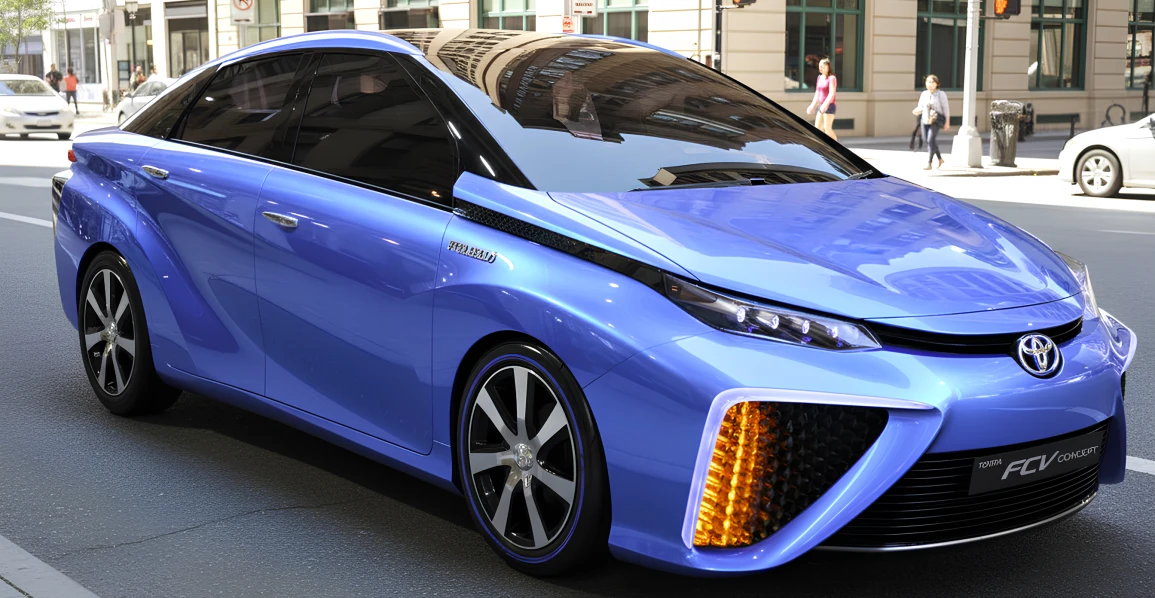
Imagine filling up your car in five minutes, and instead of harmful gases, clean water drips from the exhaust pipe. You drive 600–700 kilometers and refuel again just as quickly as a regular gasoline car. Sound like the ideal transport of the future? These are exactly the prospects promised by hydrogen cars.
In the global race for "green" transport, all bets seem to be on battery electric vehicles (BEVs). But in the shadow of this revolution, another one is maturing: hydrogen. Major automakers like Toyota and Hyundai continue to invest billions in fuel cell vehicles, seeing them as a solution to problems that electric cars cannot yet cope with.
So, do they have a real chance of becoming mass-market? Can they compete with Tesla and other giants of the EV world? Or will hydrogen cars remain an expensive and complex exotic? To answer these questions, we need to understand the technology itself, its pros and cons.
How Hydrogen Cars Work
The main question concerning many is: how does a hydrogen car work? At its core lies not an internal combustion engine, but an electrochemical generator, or fuel cell.
Let's break it down step by step:
- Storage. Hydrogen is stored on board in compressed form (at a pressure of about 700 atmospheres) in ultra-strong carbon fiber tanks.
- Reaction. Hydrogen flows from the tanks into the fuel cell. Oxygen is supplied there from the atmosphere. Inside the cell, an electrochemical reaction occurs: hydrogen and oxygen atoms combine to form water.
- Energy Generation. In the process of this reaction, electrons are released, creating an electric current.
- Movement. The resulting electricity powers the electric motor, which drives the wheels. Essentially, a car with a hydrogen engine is an electric car that generates energy for itself rather than storing it in a large battery.
What Happens Inside the "Black Box"?
.png?_t=1764316661)
To truly appreciate the engineering miracle of a hydrogen car, it is worth looking inside the Fuel Cell Stack itself. It is not just a "reaction barrel," but a complex "sandwich" of hundreds of individual cells.
The key component of each cell is the Proton Exchange Membrane (PEM). It acts as a selective filter: it passes only positively charged hydrogen ions (protons) but blocks electrons. When hydrogen hits the anode, a catalyst (usually platinum) splits it into protons and electrons. Protons pass through the membrane to the cathode, where oxygen awaits them. But the electrons, whose path is blocked, are forced to go around — through an external electrical circuit. It is this flow of electrons that constitutes the current that turns the wheels.
Why is this important to understand? Because this specific membrane and the platinum catalyst determine two main characteristics of the car: its high price (platinum is a precious metal) and its sensitivity to fuel quality. Dirty hydrogen can "poison" the catalyst, and the reaction will stop.
How does it differ from a battery electric vehicle (BEV)? It also has a small buffer battery to store energy from regenerative braking, but it is tens of times smaller than that of a "regular" electric car. The main difference is the energy source.
The Myth of the "Bomb on Wheels": Is Hydrogen Really Dangerous?
Fear of hydrogen is often linked to the historical memory of the Hindenburg airship disaster. However, modern technologies have moved far ahead. Engineers at Toyota and Hyundai conduct tests on hydrogen tanks that ordinary gas tanks could never withstand.
- Ultra-strength. Tank walls consist of three layers: an airtight polymer inside, a thick layer of carbon fiber to contain the monstrous pressure of 700 atmospheres, and an outer layer of fiberglass for impact protection. Such a "cocoon" withstands drops from heights and direct impacts in accidents where a regular metal tank would have burst long ago.
- Physics of a leak. If a breach does happen, hydrogen behaves differently than gasoline or propane. Gasoline pools under the car and burns, scorching everything around. Propane (a heavy gas) accumulates in low-lying areas. Hydrogen is the lightest element in the Universe. It flies vertically up instantly, at the speed of a bullet, dissipating in the atmosphere in seconds. Even if it ignites, it will be a narrow vertical torch of flame that will go out quickly without having time to heat the cabin.
- Smart electronics. The entire car is studded with leak sensors. At the slightest suspicion of depressurization, valves on the cylinders close instantly, locking the gas inside.
Advantages of Hydrogen Cars
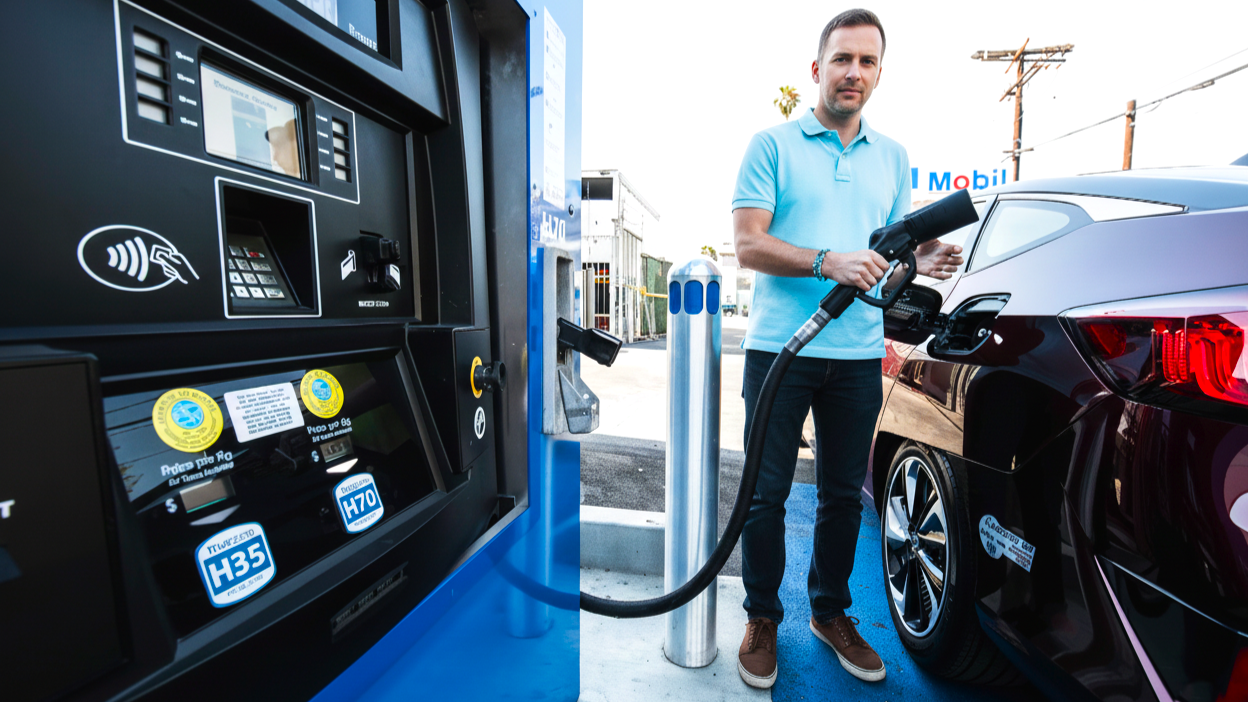
Despite the dominance of battery electric vehicles, hydrogen cars continue to attract the attention of engineers and investors. The reason lies in their unique set of advantages that solve key problems inherent in modern electric cars. Fuel cell technology offers a different approach to mobility — combining the cleanliness of electric traction with the convenience and speed characteristic of traditional internal combustion engine (ICE) cars. It is these strengths that make many experts believe that hydrogen fuel cell vehicles will occupy an important niche in the future transport system.
Here are four main advantages that distinguish them from competitors:
- Absolute eco-friendliness. The only "exhaust" from such a car is water vapor. No CO₂, nitrogen oxides, or particulate matter.
- Fast refueling. Refueling with hydrogen takes 3–5 minutes, which is comparable to refueling with gasoline and is a huge advantage over the multi-hour charging of an electric car.
- Long range. Modern production models, such as the Toyota Mirai, travel up to 650 km on a single tank.
- Potential for heavy transport. The technology is ideal for trucks, buses, and even ships, where long range and fast refueling are important, and heavy batteries are inefficient.
Main Problems and Challenges of hydrogen cars
Despite the obvious pros, several serious barriers stand in the way of hydrogen reaching the mass market.
Problem | Essence | Prospects for Solution |
High Cost | Fuel cell production requires expensive catalysts (platinum), and high-pressure tanks are complex to manufacture. | 🔻 Slow. Cost reduction is possible with mass production and the development of new catalysts. |
Lack of Stations | The main obstacle. There are only a few hundred hydrogen stations in the world. Their construction is very expensive. | 🔻 Slow. Huge public and private investments are required. |
Energy Intensity | Hydrogen production (especially "green" via electrolysis) requires a lot of energy. Overall "well-to-wheel" efficiency is lower than that of an EV. | 🟠 Medium. The development of renewable energy can make "green" hydrogen more affordable. |
Storage Complexity | Hydrogen is a very volatile gas requiring complex and bulky storage systems. | 🟠 Medium. New storage methods are being developed, for example, in a solid state. |
Hydrogen Cars Today: Who Is Betting on Them?
To date, only a few companies mass-produce and sell hydrogen cars.
Market Leaders:
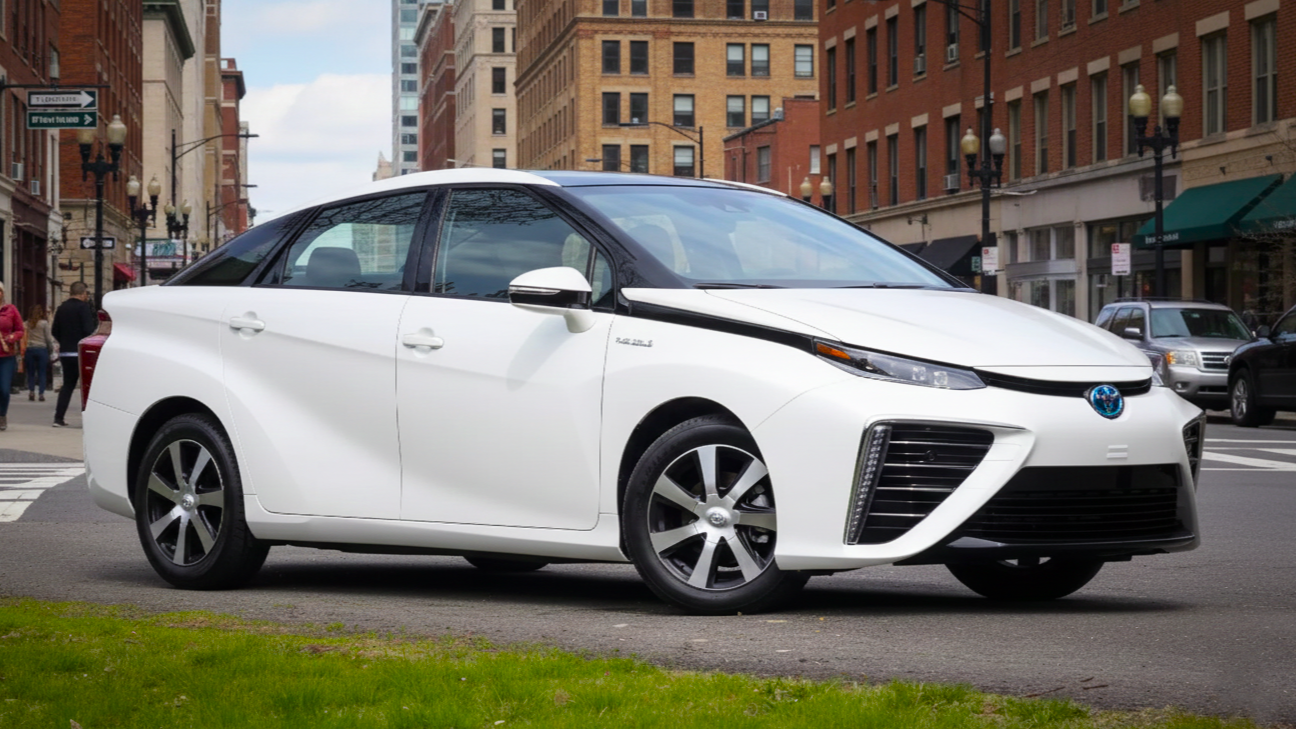
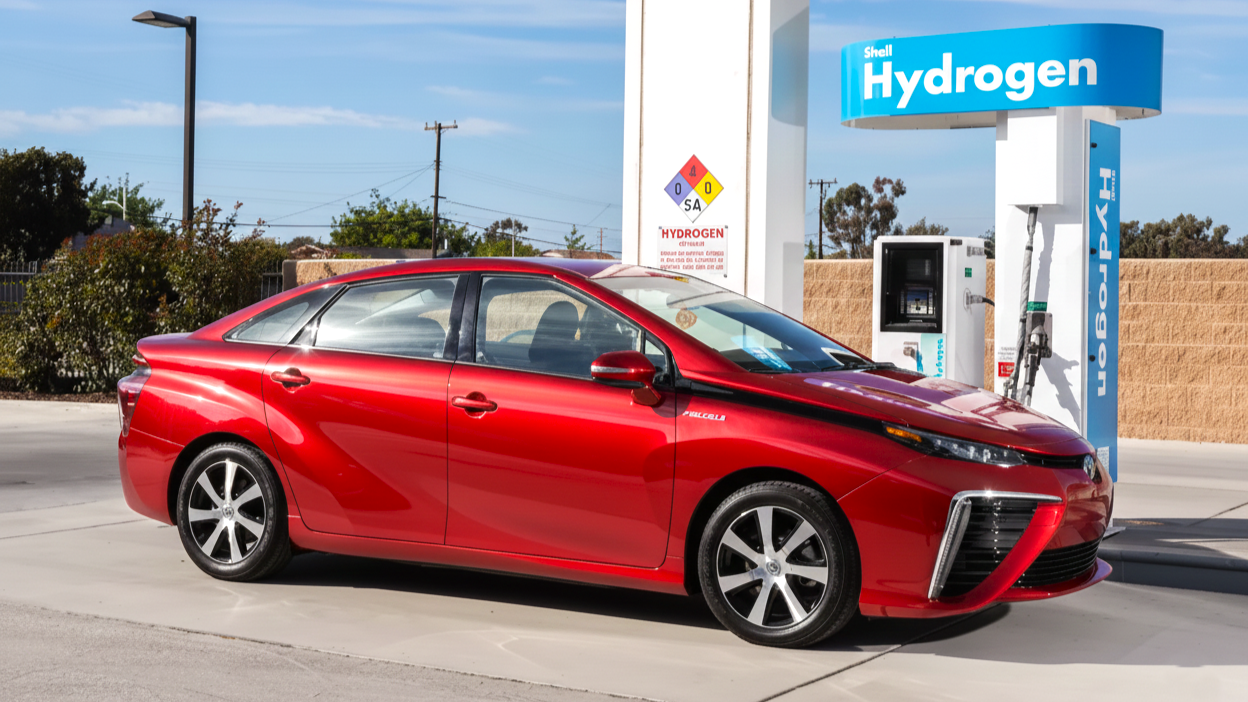
- Toyota Mirai. The second generation of this sedan looks like a futuristic business car. It is the most mass-produced and technologically advanced hydrogen car in the world.
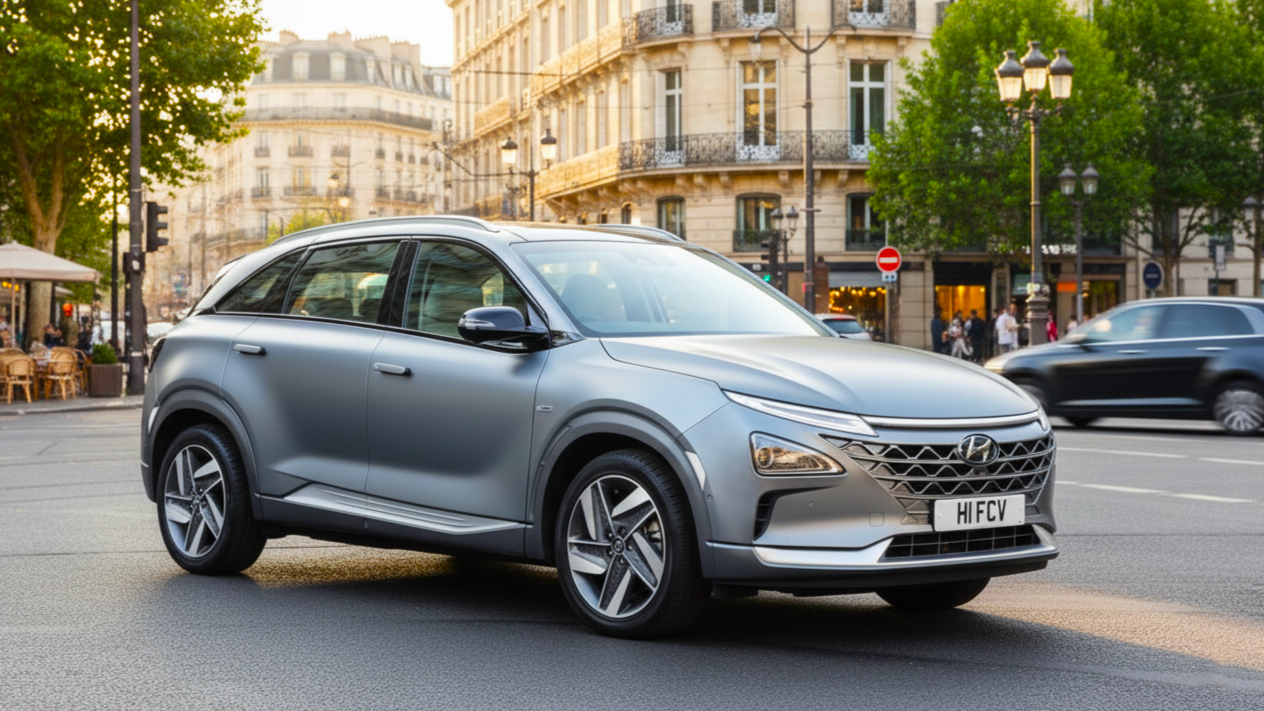
- Hyundai Nexo. A crossover that, in addition to the hydrogen setup, boasts a unique air purification system — it doesn't just not pollute, it filters the air around it.
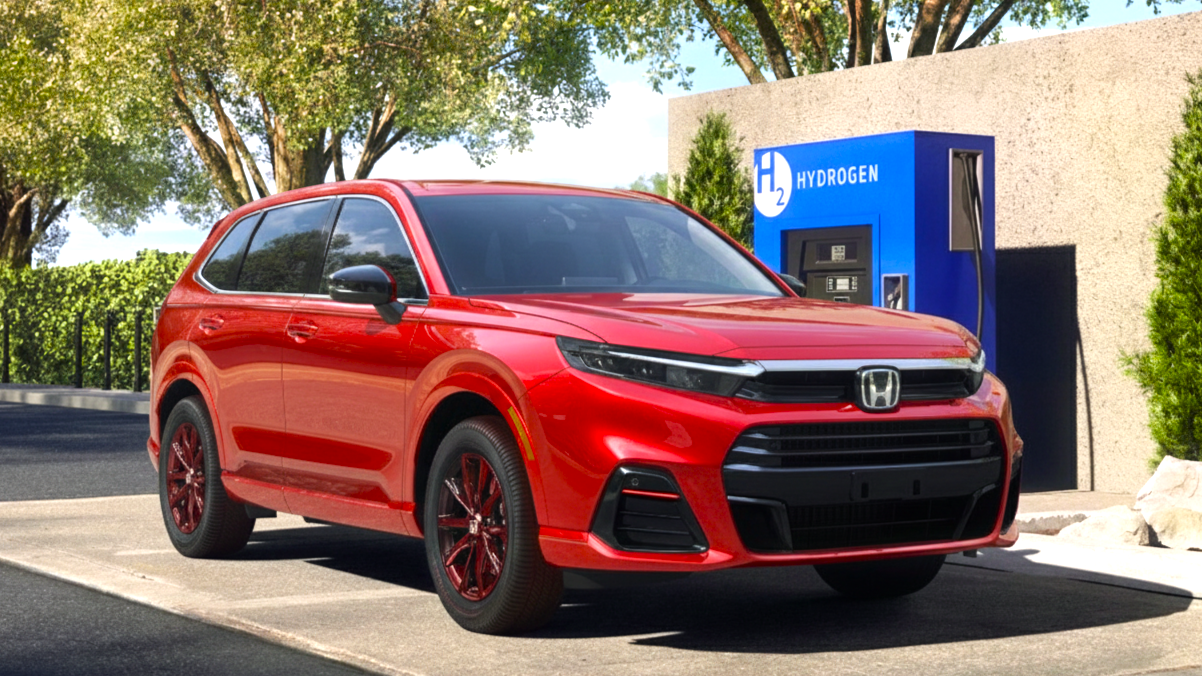
- Honda CR–V e:FCEV. A 2025 novelty that combines a hydrogen fuel cell with the ability to plug in (PHEV), providing additional flexibility.
The Hidden Player: Why China Is Changing the Rules
While Europe argues and Japan perfects technologies, China is silently and massively building the market. Beijing has adopted a strategy according to which there should be 1 million hydrogen cars on the country's roads by 2030. But unlike the West, China has bet not on personal passenger cars, but on the commercial sector.
The logic is ironclad: transferring millions of taxis and trucks to batteries is difficult (long downtime for charging kills business profits). Hydrogen wins here. Chinese companies (SAIC, Foton) are already producing thousands of hydrogen buses and light trucks. The state subsidizes the construction of "hydrogen corridors" between megacities. If China can use mass production to bring down the price of fuel cells just as it crashed prices for solar panels and lithium batteries, the global hydrogen market awaits explosive growth in 5 years.
Infrastructure development is moving very slowly. The leaders are Japan, South Korea, and California in the USA. In Europe, several refueling corridors have been created in Germany. In most other countries, including Cyprus, fuel cell vehicles remain a pure experiment.
Hydrogen vs. Electric Cars: Who Will Win?
In the dispute for the title of transport of the future, battery electric vehicles (BEVs) are currently winning a convincing victory. They are cheaper to produce, easier to maintain, and the infrastructure for charging them (the regular power grid) already exists everywhere.
Parameter | Electric Vehicle (BEV) | Hydrogen Car (FCEV) |
Purchase Price | Lower | Significantly higher |
"Fuel" Cost | Very low (with home charging) | High (comparable to gasoline) |
Infrastructure | Developed and fast-growing | Almost absent |
Refueling/Charging Time | From 30 min to 10 hours | 3–5 minutes |
Range | 300–600 km | 500–700 km |
However, hydrogen has niches where it may prove more effective. This is primarily long-haul trucks, intercity buses, marine, and even aviation transport. Where great autonomy and fast refueling are needed, and the weight and size of batteries become a critical problem, hydrogen looks very promising.
Future Prospects of Hydrogen Cars
The future of hydrogen technology directly depends on one factor — the method of producing the hydrogen itself. Today, most of it is produced from natural gas (gray hydrogen), which does not solve the CO₂ emissions problem.
A real revolution will occur with the mass introduction of "green hydrogen." It is obtained by water electrolysis using energy from renewable sources (sun, wind). Such hydrogen is absolutely eco-friendly. Reducing the cost of "green" energy can make the hydrogen car the answer to many environmental challenges.
There is also an alternative approach. Some companies, for example, AVL, are developing technology that allows burning hydrogen in a conventional internal combustion engine. This could be a transitional technology, but it is less efficient than fuel cells.
Conclusion: Do Hydrogen Cars Have a Future?
So, is there a future for hydrogen cars? The answer is yes, but most likely not in the form we imagine. In the passenger car segment, they are unlikely to catch up with electric cars in the next 10–15 years due to price and infrastructure problems.
Final Comparison:
- Hydrogen Pros: Fast refueling, long range.
- Hydrogen Cons: High cost, lack of stations, low overall efficiency.
The future is most likely in diversification. Battery electric vehicles will become the dominant mode of transport in cities and for private trips. Meanwhile, hydrogen vehicles will occupy their niche in heavy and commercial transport. Perhaps they will coexist, complementing each other, just as cars running on natural gas and gasoline cars coexist today.

