



How to Protect Your Car from Theft: Effective Strategies and Smart Security Methods

Finding your car gone from its parking spot is a situation that seems distant until it happens to you. Car theft is not just the loss of valuable property; it's also a source of significant stress and lengthy dealings with insurance companies and the police. According to statistics, a car is stolen somewhere in the world every few minutes, and many are never recovered. Therefore, the question of how to protect your car from theft is not merely a precaution but a necessity for every car owner.
This guide offers a systematic approach to vehicle security. We will explore not only popular anti-theft devices but also the psychology of thieves, non-obvious vulnerabilities, and behavioral habits that can either invite theft or deter a criminal from their intentions.
Main Reasons for Car Theft: Why Your Car is Chosen
A professional car thief acts quickly and rationally, selecting a target that promises maximum reward for minimum risk. Understanding these factors is the first step toward building an effective defense. Most often, cars are stolen due to the absence of visible deterrents: there is no flashing alarm LED, no steering wheel lock, and the windows are not specially marked. Such a vehicle is perceived as a "quiet" and easy target.
The parking location plays a crucial role. A dark, unsecured courtyard, a desolate street, or a large shopping center parking lot without video surveillance creates ideal conditions for a criminal. It gives them the time and cover needed to pick a lock or bypass the factory security system. Owner carelessness is also a top cause: keys left in the ignition, an engine left running unattended to warm up, or an alarm fob hanging in plain sight at a café. Effective car theft prevention begins by eliminating these basic vulnerabilities that make your vehicle an attractive target.
Modern thieves often use high-tech methods like "relay attacks" to intercept the signal from a keyless entry fob. If your car is equipped with such a system and the key is stored near your front door, its signal can be amplified and transmitted to an accomplice's receiver next to the car. The vehicle will "think" the owner is nearby, allowing the doors to be opened and the engine to be started.
Preventive Measures: A Multi-Layered Security System
Reliable protection is never built on a single element. It consists of several layers, each of which costs a thief time, requires special tools, and increases the risk of being caught.
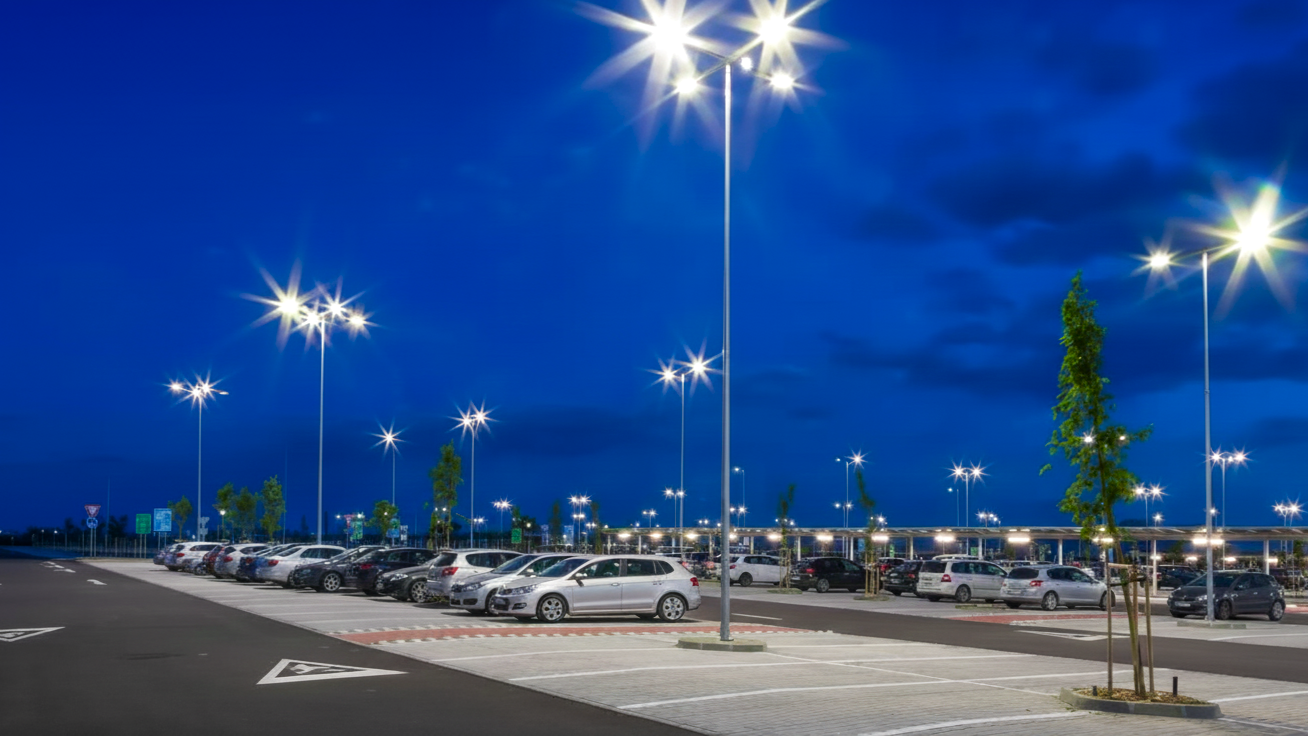
Proper choice of parking is the foundation upon which all further auto theft protection is built. A thief always assesses the surroundings.
- Well-lit and Secure Parking Lots. Choose parking areas with good lighting, access barriers, and physical security. The presence of staff and constant foot traffic deters most criminals.
- Areas with CCTV. Park where your vehicle is within the frame of at least one security camera. Even if it's a dummy, its presence may persuade a thief to find an easier target.
- Avoid "Blind Spots". Do not leave your car for long periods in deserted alleys, industrial zones, or makeshift parking lots far from residential buildings, especially at night.
Mechanical locks serve two important functions: they create a real physical barrier to theft and act as a powerful visual deterrent. Upon seeing a lock on the steering wheel or pedals, a thief knows they will need extra time and noisy tools, which increases their risk of failure.
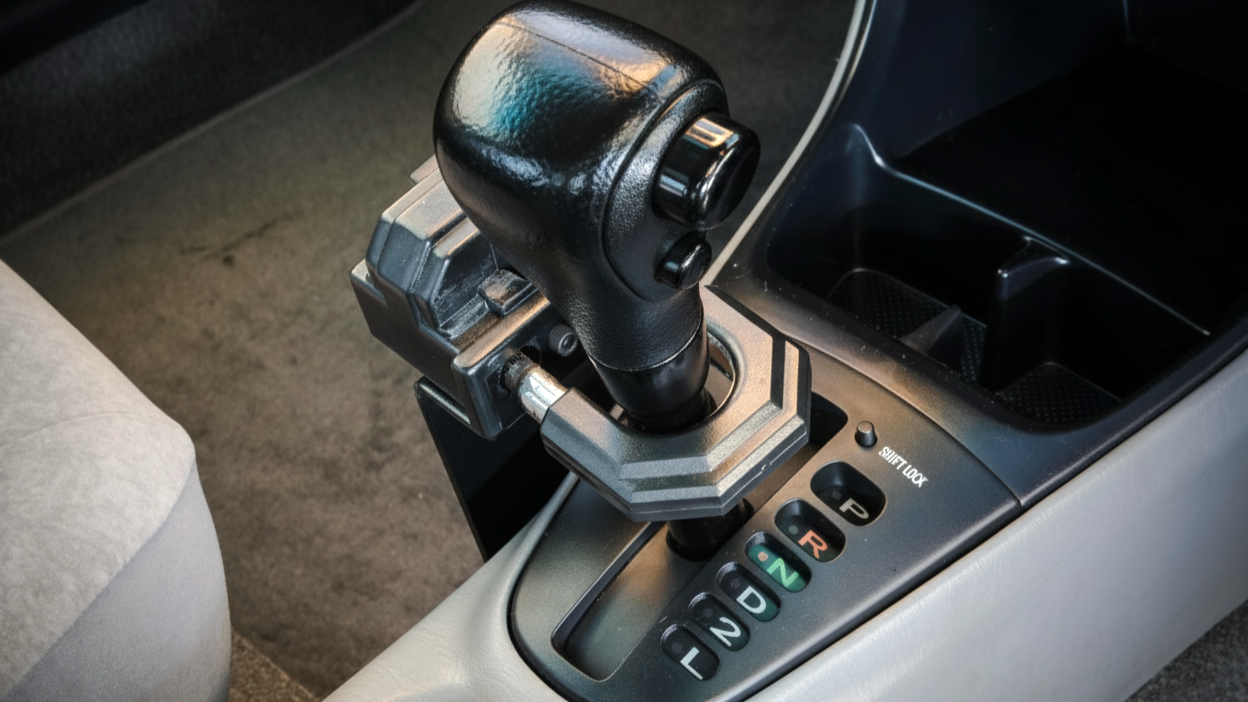
- Steering Column Lock. One of the most reliable mechanical devices. The lock is installed directly on the steering column under the dashboard, making it impossible to turn the wheel.
- Gear Shift Lock. This device locks the gear lever in "Park" (for automatic transmissions) or "Reverse" (for manual transmissions), preventing the vehicle from being moved.
- Pedal Lock. A metal device that clamps the brake or clutch pedals together, making the car impossible to drive.
- Steering Wheel Lock (The Club). The simplest and most visible device. While an experienced thief can cut through it, its mere presence will deter amateurs.
Modern electronic car theft solutions create a multi-layered barrier that can not only sound an alarm but also prevent the engine from starting and help locate a stolen vehicle.
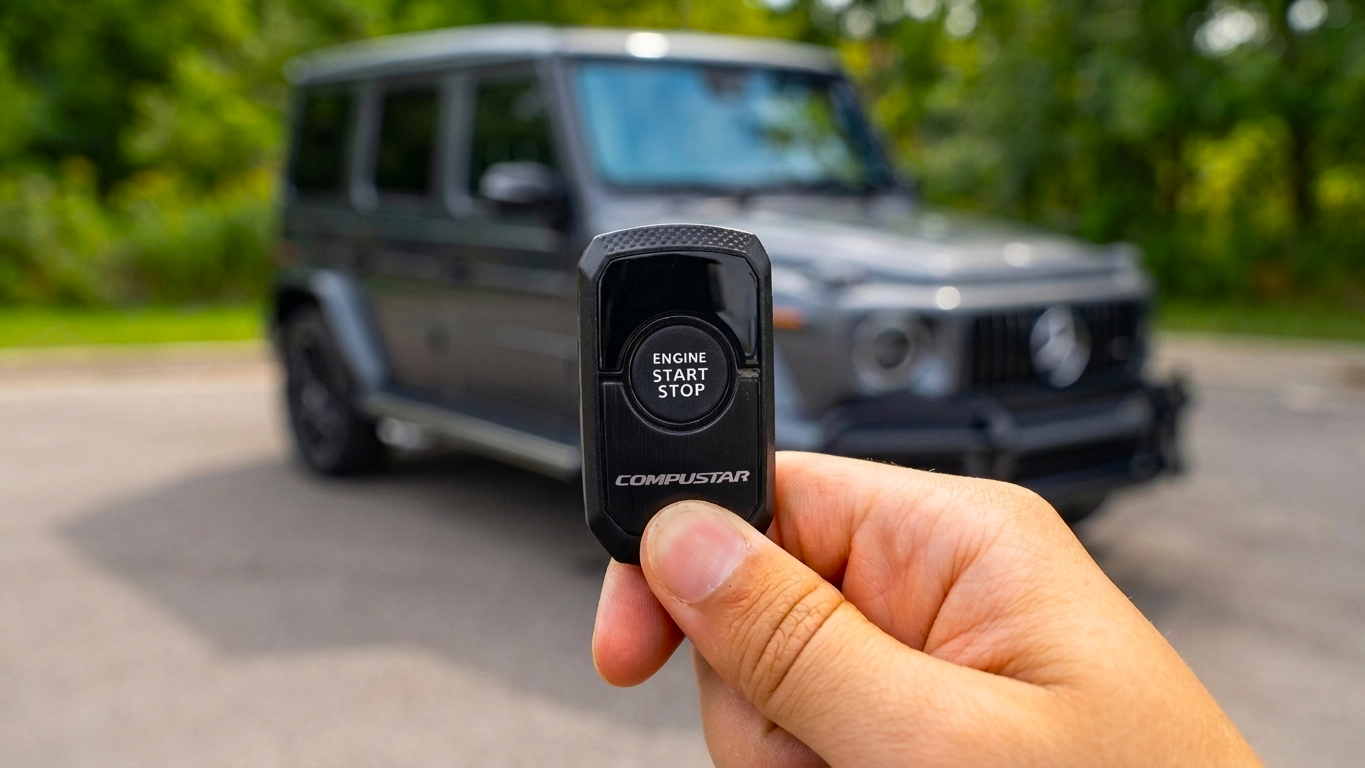
- Car Alarm. Choose models with a rolling or dialogue code that cannot be intercepted by code grabbers. A two-way alarm system will send a notification to your fob or smartphone if a break-in is attempted. Including tilt, shock, and motion sensors will increase its effectiveness.
- Immobilizer. Nearly all modern cars have a factory immobilizer, but their algorithms are well-known to thieves. Installing an additional, aftermarket immobilizer that interrupts a key electrical circuit (like the fuel pump or starter) will be an unpleasant surprise for a criminal.
- GPS Tracker (Beacon). A compact, autonomous device hidden inside the car. It remains in "sleep" mode most of the time, making it undetectable by scanners. It "wakes up" once a day or on-demand to transmit its coordinates, making it a powerful tool for finding a stolen vehicle.
The Human Factor: When Security Depends on Habits
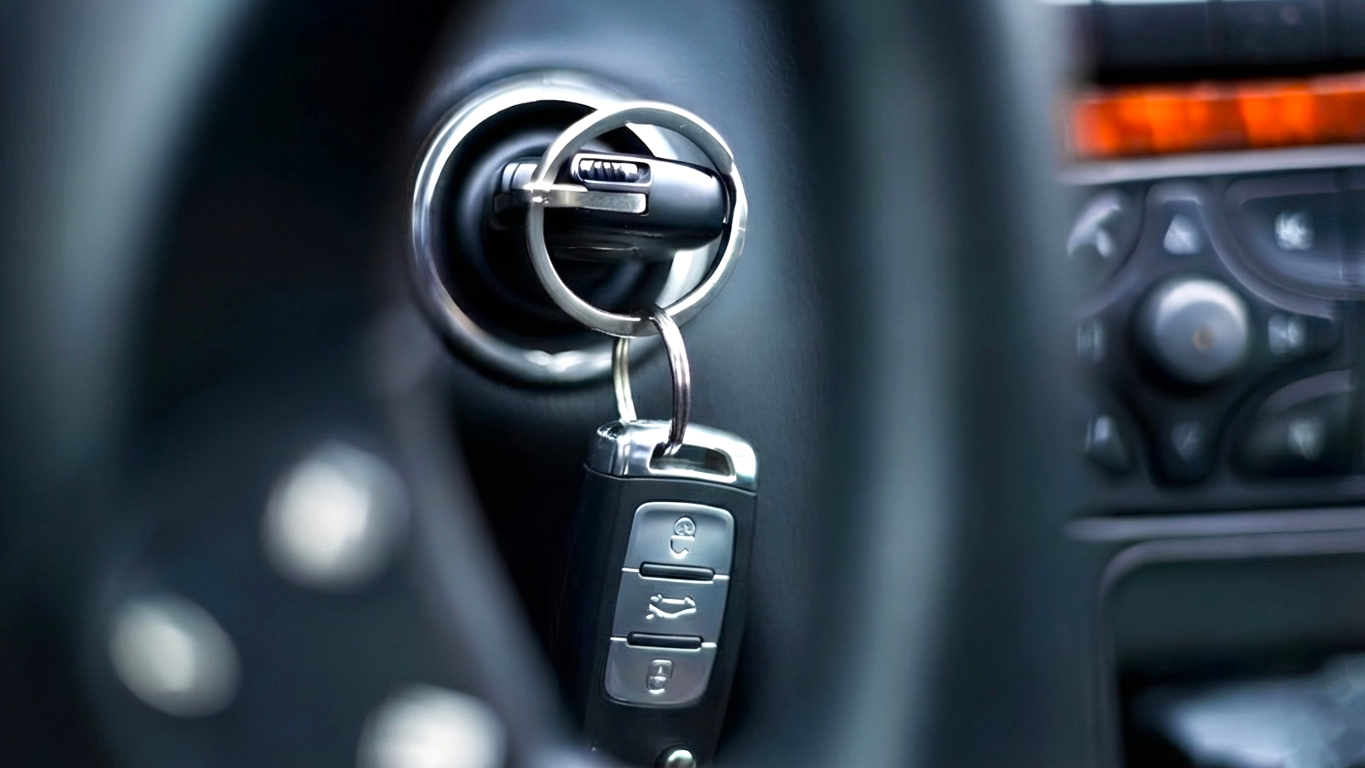
Even the most advanced security system becomes meaningless if the car keys fall into the wrong hands. In practice, most vehicle thefts occur not because sophisticated systems are hacked, but due to owners’ inattention and everyday habits that may seem harmless at first glance.
Never Leave Your Keys in the Vehicle
Leaving your keys in the car “just for a minute” is one of the most common — and most dangerous — mistakes. For an experienced thief, that amount of time is more than enough. Even at a gas station, near a store, or in your own yard, the vehicle should always be fully locked, with the keys kept on you at all times.
Protection Against Keyless Entry Signal Interception
Modern keyless entry systems are convenient, but they are vulnerable to so-called relay attacks. Criminals amplify and intercept the signal from a key that may be in a pocket or inside a home, allowing them to unlock the vehicle without any visible signs of forced entry.
The solution is simple: store your keys in a special signal-blocking pouch or box (a Faraday cage). Such accessories block radio signals and make electronic theft virtually impossible.
Do Not Store Vehicle Documents in the Car
Leaving registration documents in the glove compartment significantly simplifies the thief’s task. With proper paperwork, they can move freely, pass inspections, and more easily legitimize a stolen vehicle. Documents should always be stored separately from the car, especially when it is left unattended.
The “Double-Check” Habit
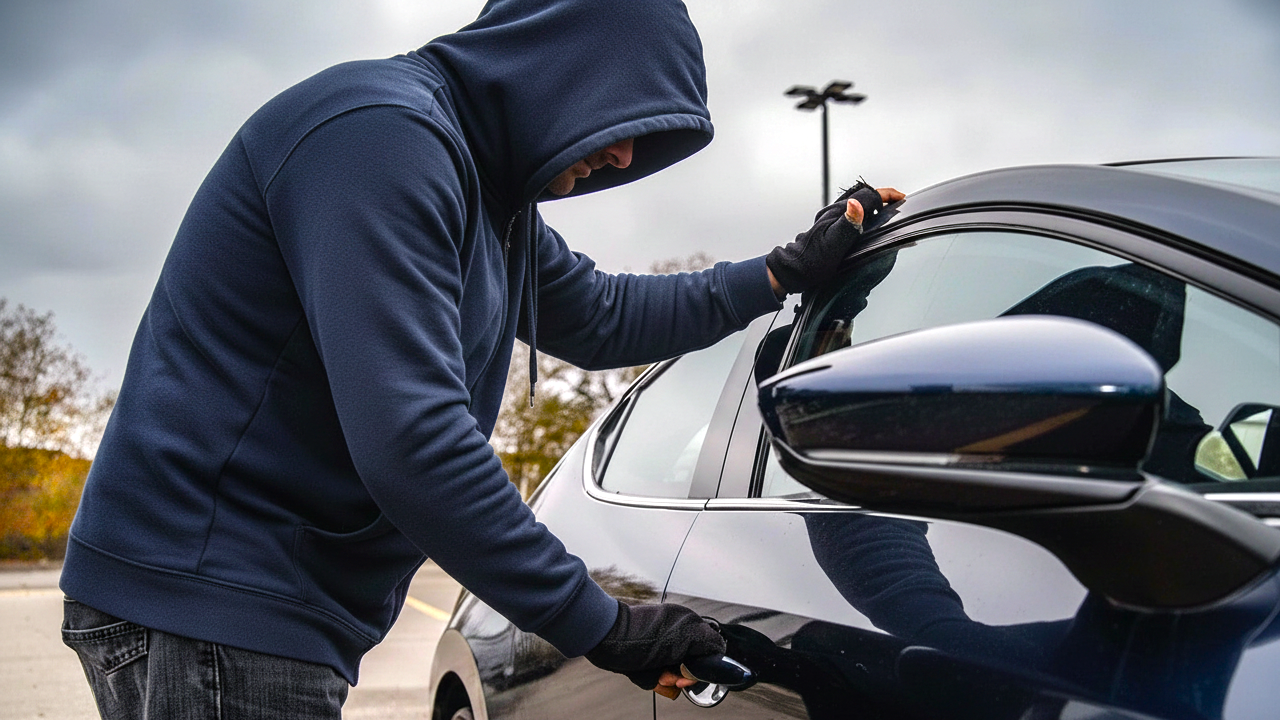
Everyday attentiveness is one of the most reliable layers of protection. Before walking away, make it a habit to check whether:
- all doors and windows are closed;
- the alarm system is activated;
- no valuables are left inside the cabin.
This habit takes only a few seconds but can prevent serious problems.
Do Not Disclose Information About Your Vehicle’s Security
The less outsiders know about your car’s security systems, the better. Avoid discussing details such as where a GPS tracker is installed, how a hidden kill switch works, or what specific immobilization methods are used. For criminals, such information can be extremely valuable.
Be Cautious at Service Centers and Car Washes
When handing your vehicle over to a service center, car wash, or valet, always activate the alarm system’s service (Valet) mode. It temporarily disables security functions while preventing access to system settings and revealing what protective measures are installed.
Additional Protection Methods
Even the most advanced alarm system cannot provide absolute protection. Professional car thieves think pragmatically: they assess risk, time, and potential reward. That is why additional security measures play a crucial role — not by making theft impossible, but by making it unprofitable and excessively difficult.
Marking windows and mirrors: protection through economics
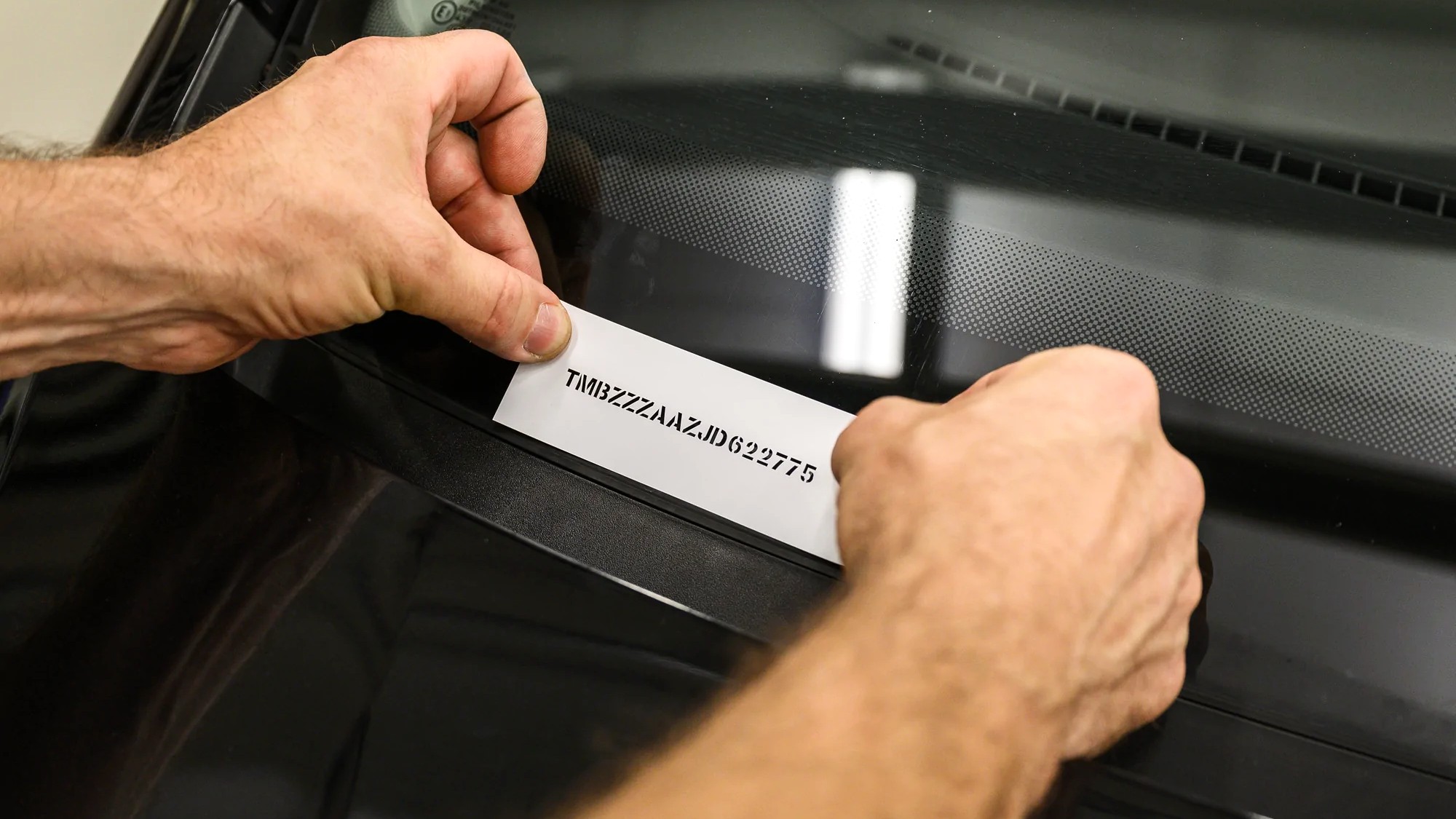
Engraving the vehicle’s VIN or registration number on windows, mirrors, and headlights is a simple yet highly effective deterrent. For a thief, a car with marked parts immediately becomes less attractive. Such components are difficult to sell on the black market, and replacing them requires time, money, and increases the risk of being noticed.
In addition, marking makes it easier to identify the vehicle and its components in the event of theft. Even if the car is dismantled for parts, unique identifiers significantly complicate their legalization. As a result, the crime stops being “easy money” and turns into a risky and troublesome operation.
Hidden kill switch (“secret button”): an unexpected obstacle
A concealed switch or button that interrupts one of the critical electrical circuits — such as the fuel pump, starter, or ignition system — often comes as a real surprise to a thief. Even if the factory immobilizer and alarm system are bypassed, the engine simply will not start.
The main advantage of a hidden kill switch lies in its unpredictability. Its location is known only to the owner, and the method of interruption can be non-standard. Searching for such a blockage takes time — and time is a thief’s greatest enemy. The longer the vehicle refuses to start, the higher the risk of being noticed and the greater the likelihood that the theft attempt will be abandoned.
Dashcam with parking mode: a witness that never sleeps
Modern dashcams equipped with parking mode effectively turn a vehicle into a 24/7 monitored object. In the event of an impact, an attempted break-in, or even suspicious movement nearby, the device automatically starts recording.
The camera can capture the offender’s face, their actions, or the vehicle they arrived in. Even if the recording does not prevent the theft, it significantly increases the chances of identifying the criminal and acts as a powerful deterrent. The mere presence of a camera often prompts criminals to choose an easier target.
What to Do If Your Car Is Stolen

If you discover your car is missing, it is crucial to act quickly and correctly.
- Call the police immediately. Provide the make, model, color, license plate number, and VIN of your car, as well as any distinguishing features (stickers, scratches, aftermarket equipment).
- Contact your insurance company to report the theft and file a claim.
- Activate your GPS tracker, if one is installed. Relay the coordinates to the police. Do not attempt to track down or confront the criminals yourself—it is dangerous.
- Spread the word on social media and in local community forums. Sometimes, eyewitnesses can provide valuable information.
Conclusion
There is no absolute guarantee against theft, but you can minimize the risk. Ultimately, the answer to how to prevent car theft lies in a comprehensive approach. A combination of reliable mechanical and electronic devices, correct behavioral habits, and basic vigilance creates a powerful, multi-layered barrier that will persuade the vast majority of thieves to abandon their plans and look for an easier target. Remember that investing in your car's security is an investment in your own peace of mind and financial well-being.

