



A Practical Guide to Negotiating Car Prices Like a Pro

A car's asking price is not a fixed constant; it's a starting point for a conversation. Sellers, whether an official dealership or a private individual, always build a certain "buffer" into the price for haggling. This is especially true in the used car market, where pricing is often based on emotion rather than objective data. The inability to negotiate is a direct path to overpaying by hundreds, if not thousands, of euros.
Smart haggling is not about conflict or trying to trick the seller. Successful negotiation is an art form based on preparation, facts, and psychology. In this article, we will break down a step-by-step strategy that will help you save a significant amount of money. You will learn how to prepare for the deal, what arguments to use, and how to avoid common rookie mistakes. A proper understanding of how to negotiate car prices will transform you from someone asking for a discount into a confident partner in the transaction.
Preparation Is the Key to Success
Walking into a negotiation unprepared is like taking an exam without opening a textbook. Your greatest assets are information and a clear plan.
Research the Market Value
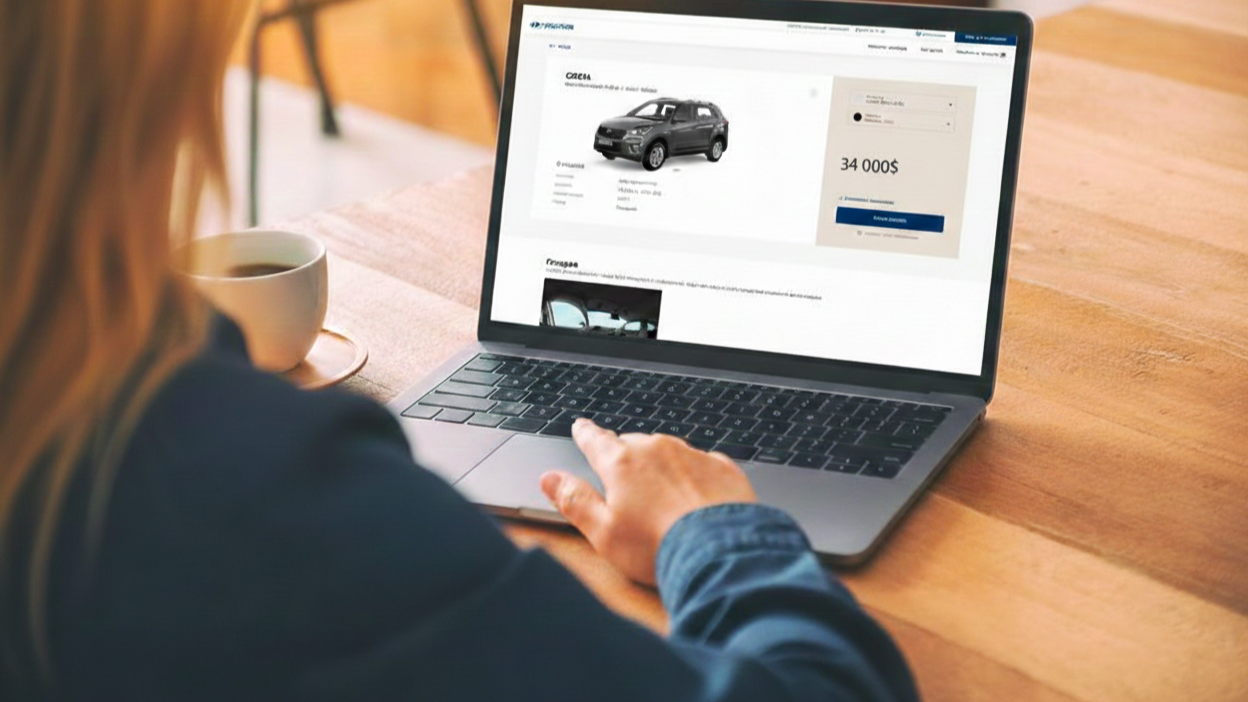
Your first task is to determine a fair price for the model you're interested in. Use popular online platforms in Cyprus.
- Filter listings by year, mileage, engine type, and trim level that closely match your desired vehicle.
- Examine 10–15 similar offerings in your area.
- Discard the cheapest (often "bait" ads or cars with problems) and the most expensive options.
- Calculate the average market price. This will be your main benchmark. Now you know the "fair" value and can define a realistic negotiation range for yourself, which is typically 5–10% of this amount.
Gather Information on the Specific Car
Now it's time to dig deeper and investigate the specific vehicle. Ask the seller for the VIN. With it, you can use online services to check the car's history: number of owners, accident involvement, any outstanding loans, and real mileage. Review the service history if it's available. Any discrepancies between the seller's words and the report's data will become your leverage for lowering the price.
Determine Your Maximum Price
Before you even start talking, you must know your absolute budget ceiling – the amount you will not exceed under any circumstances. This figure should be unemotional and based on your financial plan. It's also helpful to have a "Plan B" – one or two alternative cars that you also like. Knowing you're not tied to a single vehicle will give you the confidence to walk away if the seller isn't flexible.
The Art of Negotiation: Strategies That Work
.png?_t=1769514114)
Once you are armed with information, you can begin the dialogue. Here, your demeanor is just as important as your arguments.
Start with the Right Tone
Your goal is to build a respectful and business-like conversation. There's no need to be hostile or condescending. At the same time, avoid showing excessive excitement. If the seller sees you've "fallen in love" with the car, they'll know you're willing to pay any price. Inspect the vehicle calmly, with a healthy dose of skepticism, like an expert evaluating a product.
Step-by-Step Negotiation
The haggling process is a sequence of logical steps. Don't rush things or skip stages.
- Inspect and Note Flaws. During the inspection, don't just look for defects; comment on them out loud, but without negativity. "I see a scratch on the bumper here," "Looks like the tires will need replacing soon."
- Make Your First Offer. Never accept the initial asking price. After the inspection, take a pause. Then, calmly say, "The car is generally in good shape, but considering the tire condition, the chips on the hood, and the need for interior detailing, I am prepared to offer [an amount 10-15% below the asking price]."
- Use the "Silence" Tactic. After you've made your offer, be quiet. Don't try to justify or add to it. Let the seller think it over. People often feel uncomfortable with silence and are the first to make a concession.
- Provide Justification. If the seller refuses, present your arguments based on your research. "I've studied the market, and the average price for this model with this trim is [your figure]. Factoring in the upcoming costs, my offer is fair."
Psychological Techniques of the Pros
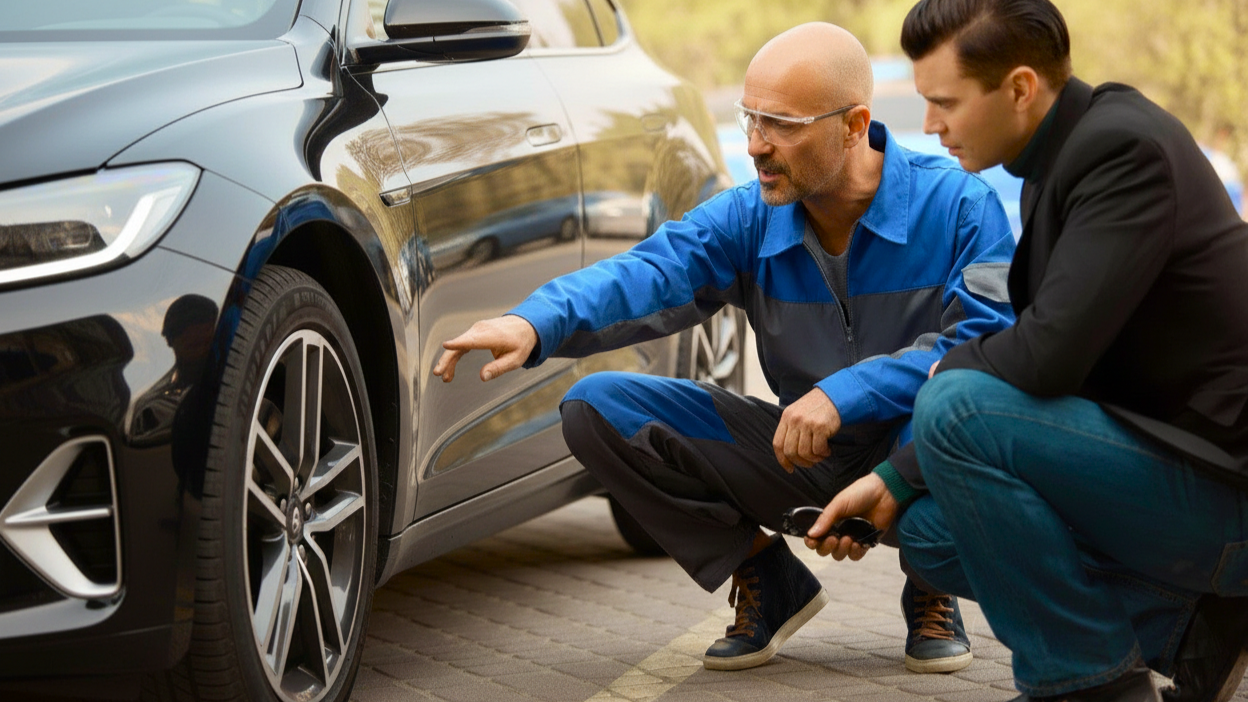
Experienced negotiators use several techniques to control the conversation.
A List of Effective Techniques:
- The Anchoring Effect. By making an initial offer that is significantly lower than the asking price, you create an "anchor" that will shape the rest of the negotiation. Even if the seller doesn't accept it, their counteroffer will likely be lower than if you had started with a small discount.
- Appeal to Facts, Not Emotions. Instead of "I feel like it's expensive," use "The history report shows an accident; a repair like that costs X euros." Numbers and facts are far more persuasive than feelings.
- Be Prepared to Walk Away. If you've reached your price ceiling and the seller won't budge, be ready to politely end the conversation. "Thank you for your time, but I can't go over my budget. Here's my number if you change your mind." Often, you'll receive a call from the seller a few hours later or the next day.
- Pay attention not only to words but also to body language—yours and the seller's. Maintain an open posture: don't cross your arms, and keep eye contact. A confident but non-confrontational stance encourages constructive dialogue. If the seller starts glancing at their watch, tapping their fingers nervously, or avoiding your gaze when you ask a specific question about a problem, they may be hiding something or running out of patience.
These tips for negotiating used car price work because they are based on logic and confidence, not pressure.
Mistakes That Novices Make

Negotiating Without Preparation
One of the most common and costly mistakes is entering negotiations without understanding the market. When a buyer is unaware of the average price for similar vehicles, the known weaknesses of a specific model, and the actual condition of the car, their position is weak from the very beginning.
As a result, the negotiation often comes down to phrases like “Can you lower the price?” — without solid arguments, numbers, or facts. The seller quickly realizes they are dealing with an unprepared buyer and either refuses to discuss the price at all or offers only a token discount. Proper preparation turns negotiation from a plea into a balanced, professional discussion.
Giving In to Time Pressure
“Someone else is coming tomorrow,” “There’s another buyer,” “This price is only valid today” — these are classic phrases designed to appeal to emotions rather than logic. Their goal is simple: to deprive you of time for analysis and push you into a rushed decision.
When a buyer becomes anxious and afraid of “missing out,” they lose control of the negotiation and agree to unfavorable terms. It’s important to remember that a truly good car will not disappear within a few hours, and overly aggressive urgency from the seller is a reason to pause and reassess — not to reach for your wallet.
Overly Aggressive Behavior
Trying to reduce the price through pressure, rudeness, or dismissive remarks like “Who would even buy this?” works against you. Aggression triggers a defensive reaction: the seller shuts down, becomes unwilling to communicate, and may refuse to make any concessions — even if they were initially open to lowering the price.
Effective negotiation is built not on confrontation, but on calm, respectful dialogue. Clear arguments, reasonable comments about the car’s condition, and a confident tone are far more effective than attempts to intimidate or “push” the other party.
Negotiating with Dealers vs. Private Sellers

The approach to negotiations with an official dealer and a private seller differs fundamentally. In a dealership, you are dealing with a professional sales manager who works with sales targets, KPIs, and clearly defined discount limits. A private seller, on the other hand, is selling a personal vehicle and is more likely to be guided by emotions rather than scripts or formal policies.
Negotiating With an Official Dealer
Obtaining a significant direct discount on a new car from a dealer can be difficult, especially when it comes to popular models with high demand. In such cases, it is often more effective to shift the focus of negotiations away from the sticker price and toward additional benefits.
Dealers earn not only from the vehicle itself but also from related services, which is why they are often more flexible in this area. During negotiations, it is reasonable to request:
- a set of winter tires included at no extra cost;
- free installation of additional equipment (alarm system, engine protection, parking sensors);
- a discount or bonus for the first scheduled maintenance service;
- more favorable terms on comprehensive insurance or auto financing;
- improved conditions under a trade-in program.
When asking how much the price of a new car can be reduced, it is important to understand the internal economics of the dealership business. In some cases, the absence of a direct discount is offset by a package of additional options that ultimately provides substantial financial value to the buyer.
Negotiating With a Private Seller
When negotiating with a private individual, bargaining is usually more straightforward and directly related to the final price of the vehicle. The human factor plays a significant role here: owners are often emotionally attached to their cars and may take criticism personally.
The most effective strategy is a combination of respectful communication and firm, well-reasoned arguments. It is important to show appreciation for the car and the effort invested by the owner, while calmly and objectively pointing out issues that affect the price — such as component wear, the need for repairs, cosmetic flaws, or upcoming expenses.
This approach helps avoid conflict and shifts the conversation into a constructive direction, where a price reduction appears not as pressure, but as a logical and well-justified decision.
The Final Step: Sealing the Deal
Once you've agreed on a price, it's crucial to finalize the deal correctly. Ensure the final price is clearly stated in the sales agreement. If a dealer promised you bonuses (like a free service), insist they are documented in writing as an addendum to the contract. Don't fall for "we'll sort it out later." What isn't on paper doesn't exist. Successful negotiating car prices must conclude with the signing of a legally sound document.
Conclusion: Haggling Is a Skill That Pays for Itself
The ability to negotiate when buying a car is a valuable skill that directly impacts your wallet. It's built on three components: thorough preparation, confident and respectful communication, and an understanding of the seller's psychology. By using facts and logic, you can achieve a fair price without creating conflict.
Remember that a successful negotiation is the result of being informed, not being cunning. Now you know how to negotiate a car deal, and you can approach your next purchase with confidence and a cool head.

