



Car Rust Explained: What Causes It, How to Stop It, and How to Treat It
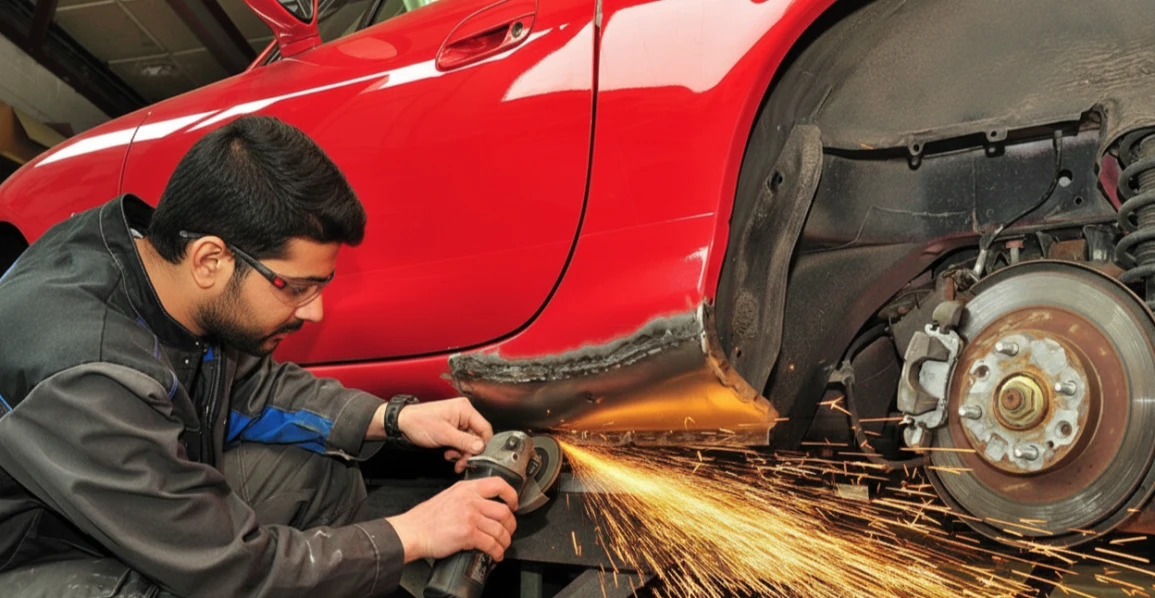
Rust is the silent and relentless enemy of any vehicle. It appears unnoticed, as a small orange dot on a wheel arch or rocker panel, but over time, it grows into a gaping hole, destroying the metal and compromising the structural integrity of the bodywork. Ignoring corrosion is a direct path to expensive repairs and a sharp decline in your car's resale value. And most dangerously, it leads to a reduction in passive safety.
The crunch of metal when jacking up the car or an exhaust pipe falling off while driving are the final stages of a disease that can and should be treated early. Now, we will break down how to recognize, prevent, and eliminate corrosion. You will learn how to treat rust on a car yourself, when it's time to see a professional, and what measures will help keep your vehicle in pristine condition for years to come.
What Rust Is and Why It Appears
To fight an enemy effectively, you must know it. Rust, or corrosion, is the natural chemical process of iron (the basis of steel) oxidizing when it comes into contact with oxygen and water. The metal seeks to return to its natural, stable state: iron oxide. Car manufacturers do everything they can to slow this process with protective coatings like primer, paint, clear coat, and galvanization. But as soon as this barrier is breached, the destruction begins. The question of what causes rust on cars comes down to a combination of three factors: a compromised protective layer, access to oxygen, and the presence of water.
In addition to direct oxidation, there is a more insidious enemy: galvanic corrosion. It occurs when two dissimilar metals (for example, a steel body panel and an aluminum bolt or chrome trim) are in contact with each other in the presence of an electrolyte, like salty road water. At that moment, they form a galvanic couple-essentially, a tiny battery. The more active metal (steel) becomes the anode and begins to corrode rapidly, "sacrificing" itself for the less active metal (aluminum or chrome). This is why rust often appears around non-original parts, under trim, or after a poor-quality repair where fasteners of a different metal were used. This process destroys the bodywork much faster than simple oxidation.
Vulnerable Areas of a Car: Where to Look for the Enemy
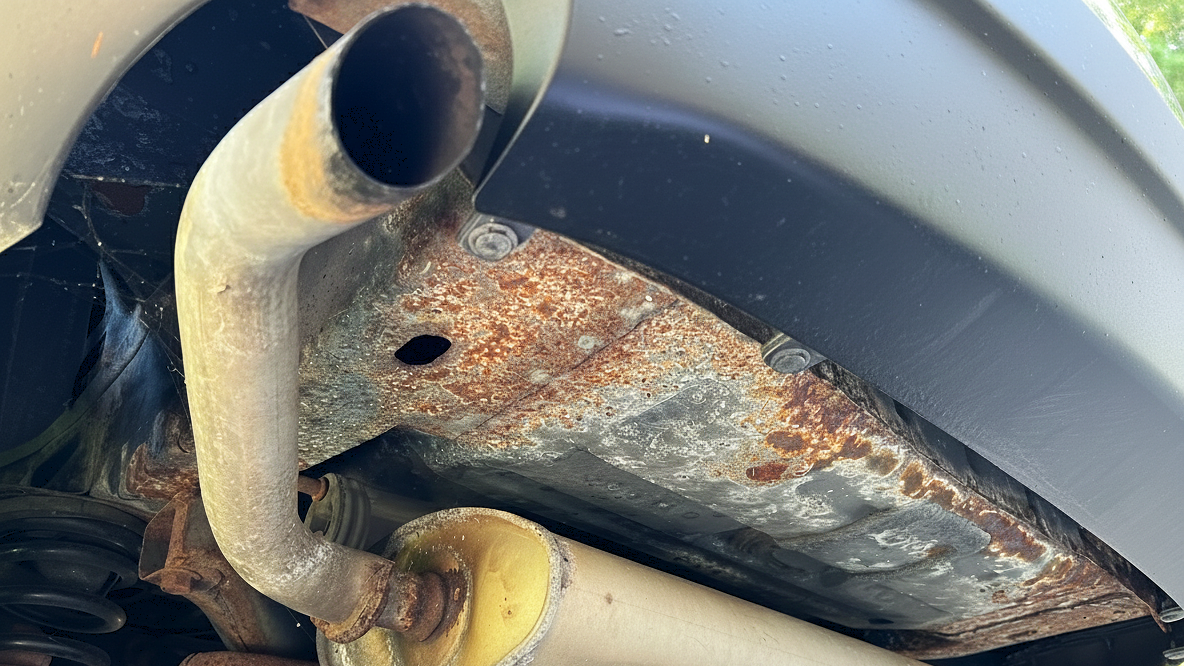
Rust is cunning and often chooses the most inconspicuous and hard-to-reach places where moisture and dirt collect. Regularly inspecting these zones will help you detect the problem at an early stage. Here is a list of the main "at-risk" areas:
- Wheel Arches and Rocker Panels (Sills). These areas are constantly sandblasted by debris from the tires, which leads to paint chips. The inner cavities of the arches and rocker panels are ideal places for damp dirt to accumulate.
- The Undercarriage and Suspension Components. This is the most vulnerable part of the car, in constant contact with water, salt, and stones. Pay special attention to weld seams, frame rails, and suspension mounting points.
- Lower Edges of Doors and the Trunk Lid. Water and dirt collect in the drain holes of these components, causing corrosion from the inside out. Bubbling paint along the bottom of a door is a classic sign of this problem.
Types of Rust: From Cosmetic to Critical
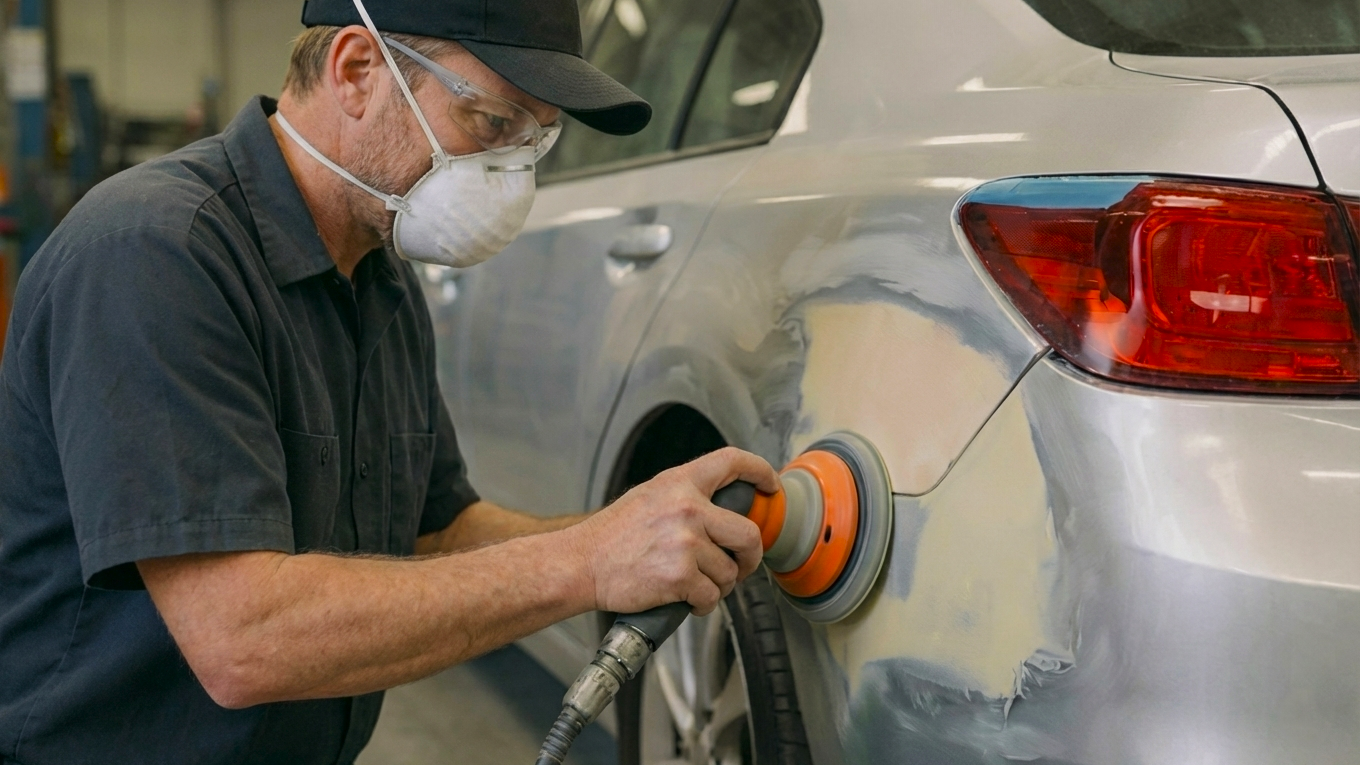
Corrosion develops in stages. Being able to distinguish between them will help you understand the severity of the problem and whether you can handle it yourself.
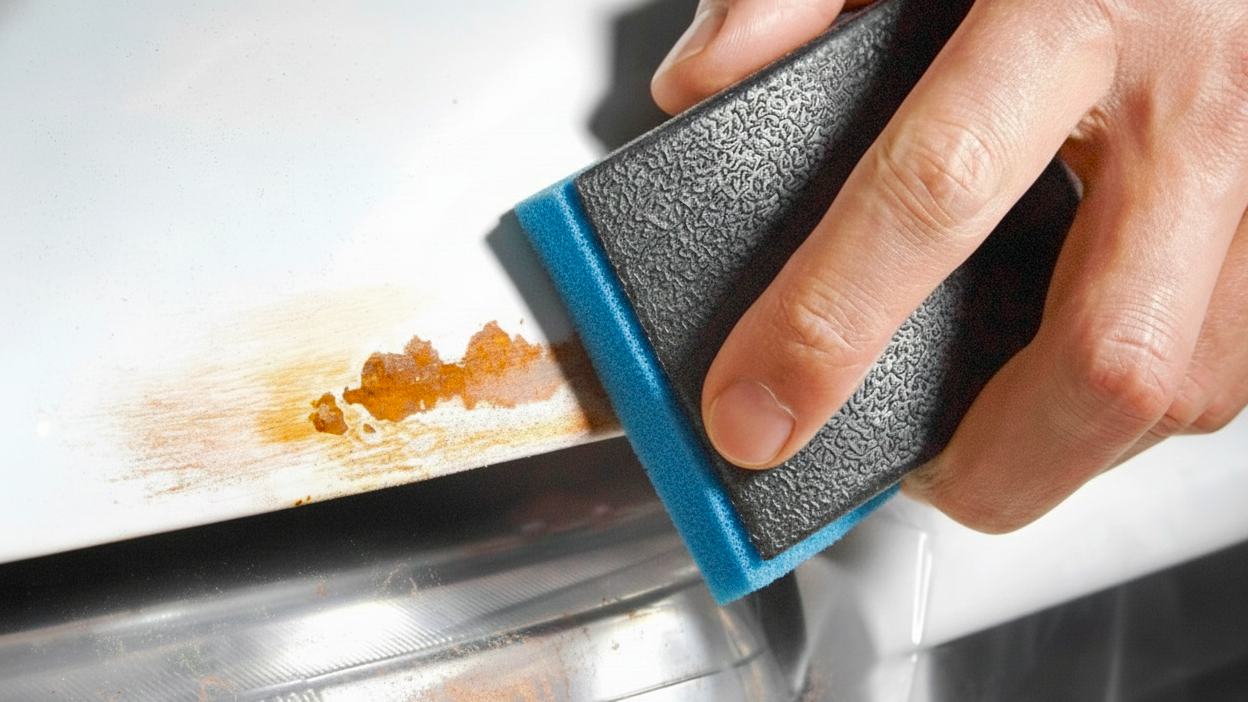
- Surface Rust. This looks like an orange film or small dots ("bubbles") where the paint has been chipped. At this stage, only the top layer of metal is affected, and its structural integrity is not compromised. This is an issue you can easily resolve yourself.
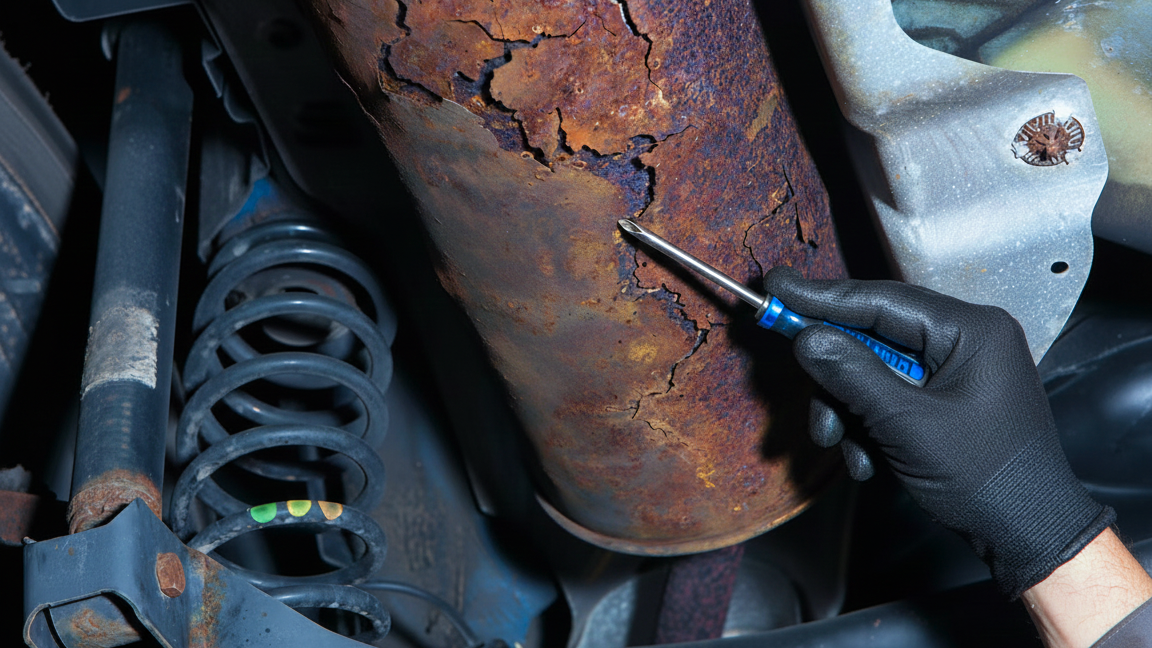
- Scale Rust. The rust has penetrated deeper, forming pits and craters in the metal. It often appears as a small bubble or web of cracks under the paint. If you poke it with a screwdriver, you might find a hole. This requires a more serious approach, with grinding down to clean metal.
- Penetrating Rust. The most dangerous type. The metal turns into a flaky, layered substance, losing all its strength. It affects the load-bearing elements of the body: frame rails, rocker panels, and pillars. Repairing such damage is complex, expensive, and sometimes not even worthwhile. A car with deep structural rust is unsafe to drive.
How to Inspect a Car for Rust
A thorough inspection is your primary diagnostic tool. It’s best to do it in good light on a clean car. Slowly walk around the vehicle, carefully examining the at-risk areas listed above. Look for paint bubbles, rust-colored streaks from under trim, and chips with signs of oxidation. Run your hand along the lower edges of the doors and wheel arches—you can often feel the roughness of rust. Look inside the wheel wells, under the bumpers, and inspect the rocker panels from below. A small mirror on a telescopic handle can help you see hard-to-reach spots. The best way to check the undercarriage is on a lift or ramp. Assess the condition of the frame rails, floor pans, rocker panels, and suspension components. A light tap with a hammer or screwdriver handle can help reveal hidden rust-corroded metal will make a dull thud.
Prevention: How to Stop Rust on a Car Before It Starts
Preventing a disease is always easier and cheaper than treating it. Regular and proper care is the foundation for a long-lasting car body. The best way to understand how to stop rust on a car is to deny it the two main components it needs to thrive: water and oxygen reaching bare metal. Regular washing, especially in winter, rinses away salt and de-icing chemicals from not just the body but also the undercarriage and wheel wells. A periodic (every 2-3 years) application of an anti-corrosion treatment to the underbody, wheel arches, and hidden cavities with special compounds creates a durable protective barrier. Applying a hard wax, ceramic coating, or protective film to vulnerable areas also prevents paint chips.
Methods for Dealing with Rust
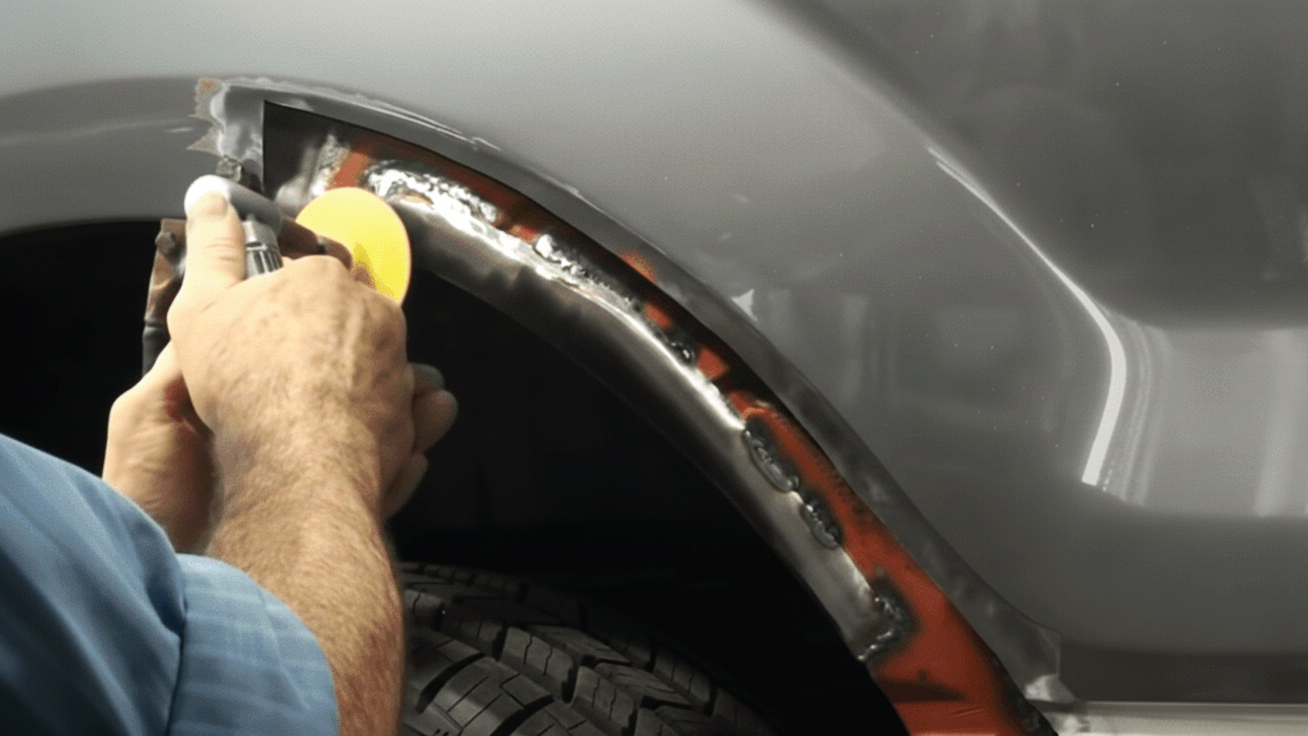
If prevention fails and rust appears, you must act. The chosen method depends on the stage of the damage. A DIY repair is only effective for surface rust. It involves mechanically removing the rust down to clean metal, treating it with a rust converter, applying primer, and then painting in layers. Simply trying to paint over a rust spot without proper preparation will only allow the corrosion to continue spreading underneath the new paint. If you see through-and-through holes or bubbling on structural elements like rocker panels or frame rails, don't waste your time on a home fix. Such repairs require a professional approach, including sandblasting and welding. This is the only way to truly learn how to fix rust on a car, not just mask it.
Repair or Replace Parts
When corrosion reaches a serious level, a car owner faces an important decision: attempt to repair the damaged part or replace it entirely. The choice depends on two key factors — cost-effectiveness and the extent of the metal damage.
Repair using welding and patches is often justified for unique or expensive parts, where restoration is cheaper or more practical than sourcing a new original component. In such cases, a skilled technician carefully cuts out the affected sections, fits new fragments, and ensures a strong connection, restoring both the functionality and the aesthetic appearance of the part.
However, for mass-produced vehicles, especially standard fenders, doors, sills, or hoods, it is usually more practical and reliable to replace the part entirely. Full replacement eliminates the risk of hidden rust, preserves the correct body geometry, and guarantees durability. This is particularly important for exterior panels, which are exposed to wind loads, vibrations, and other external factors.
In this way, a thoughtful approach to choosing between repair and replacement not only extends the vehicle's lifespan but also helps maintain its appearance and ensures safety on the road.
Common Myths About Rust
There are many misconceptions about corrosion that prevent people from taking proper care of their cars.
A List of Popular Myths:
- "Just painting over rust will stop it." False. Rust under a layer of paint will continue to spread, like a cavity under a filling. Without thorough cleaning and treatment, it's just a temporary cover-up.
- "A new, galvanized car won't rust." It will, just more slowly. Galvanization is a sacrificial layer that also wears away over time, especially at chips and scratches.
- "A garage is 100% protection from rust." Only if it's dry and well-ventilated. A damp, cold garage where you park a wet car in winter creates a greenhouse effect, which is ideal for rust development.
Conclusion: Prevention is Cheaper Than Repair
The battle against rust is a marathon, not a sprint. The golden rule that will save you a great deal of money and stress is that prevention is always cheaper and more effective than the highest quality repair. Regular washing, timely anti-corrosion treatments, and immediate attention to minor chips are the three pillars of a healthy car body. Remember that corrosion is not just a cosmetic issue; rust on structural elements directly affects your safety. Pay attention to your car, and it will serve you faithfully for years to come. Now you know how to prevent rust on car bodywork and can keep it in excellent condition.

