



How to Drive an Automatic Car: Step-by-Step Instructions for Beginners
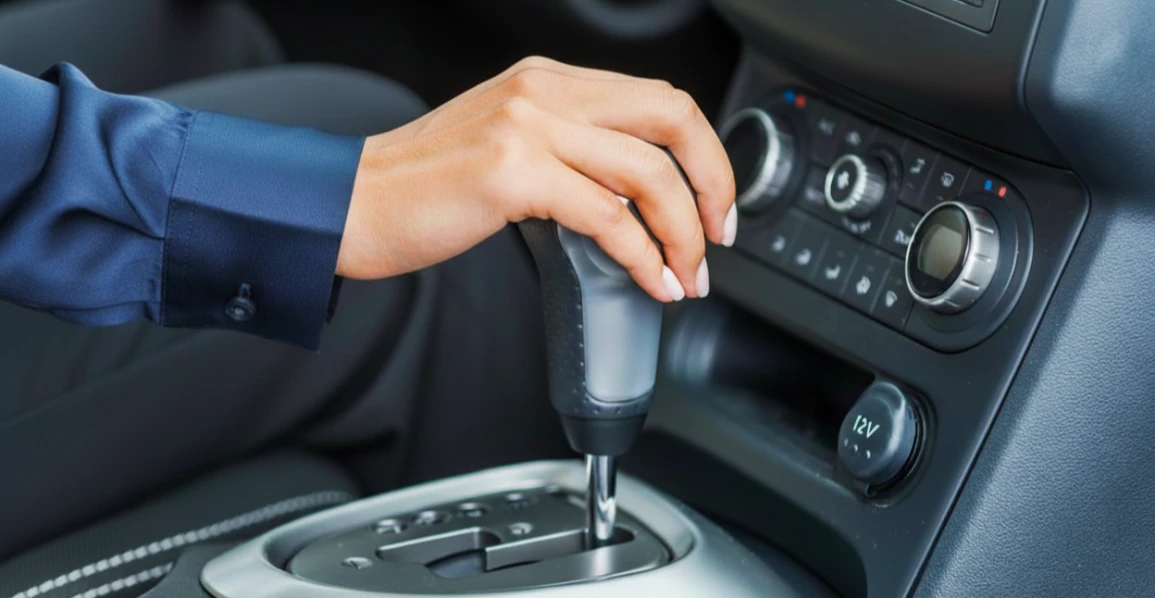
An automatic transmission (AT) confidently holds a leading position in the automotive market. Current sales statistics show that the share of vehicles with an automatic gearbox in Russia consistently exceeds 60%, proving the growing popularity of this type of transmission. The main reason is the convenience it offers, especially in heavy city traffic.
Driving an automatic car is easier because it eliminates the need for manual gear shifting and clutch control. This simplicity makes it an ideal choice for beginners and urban drivers. However, for safety and long-term reliability, it is crucial to understand how the system works, the functions of different gears, and the basic operating rules.
This article provides a complete guide on how to drive an automatic car — from starting the engine to stopping safely and handling various driving conditions.
What Is an Automatic Transmission
An automatic transmission is a complex hydraulic or electronically controlled system that shifts gears automatically depending on the vehicle's speed, load on the engine, and driver input. Unlike manual transmissions, where the driver manually engages and disengages the clutch and selects gears, an automatic transmission does this work without driver intervention, providing smooth and efficient power delivery.
The key component in most modern automatic gearboxes is the torque converter. It serves as a fluid coupling between the engine and the transmission, transmitting torque through the transmission fluid (ATF). This allows the engine to continue running while the vehicle is stationary and enables smooth acceleration from a stop. Modern AT systems may also include electronic control units (ECUs) that optimize gear shifts based on driving style, road conditions, and fuel efficiency.
Main differences from a manual gearbox:
- No clutch pedal. The driver only uses the accelerator and brake pedals.
- Automatic gear selection. The transmission determines the optimal gear for any situation.
- Smooth operation. Gear changes are seamless and often imperceptible.
The advantages of an automatic transmission include higher driving comfort, especially in stop-and-go traffic, smoother power delivery, and reduced risk of mistakes made by inexperienced drivers. However, improper use, such as abrupt gear changes or ignoring brake usage during shifts, can damage components like the torque converter or friction plates, leading to costly repairs. Understanding automatic car gears is essential for both safety and durability.
Automatic Car Gears and Their Functions
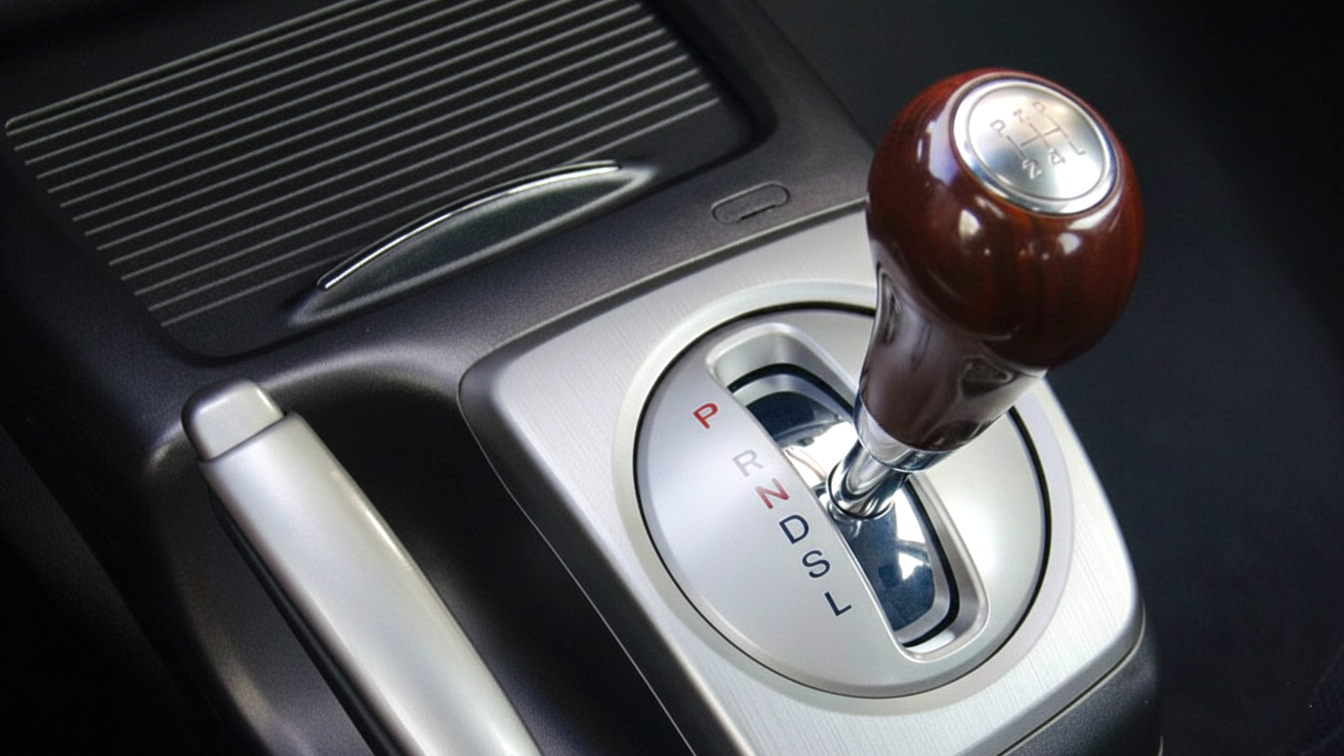
Gear selection is done using the transmission lever (selector), which typically has the following modes:
Mode | Name | Function |
P | Park | Parking mode. Mechanically locks the output shaft, preventing wheel movement. Only used when the car is fully stopped. |
R | Reverse | Reverse gear. Enables backward movement. Engaged only when the car is completely stationary. |
N | Neutral | Neutral mode. Disconnects the wheels from the engine. Used briefly for towing or long stops. Not recommended for downhill coasting. |
D | Drive | Forward movement. Automatically shifts through all forward gears based on speed and load. |
S | Sport | Sport mode. Keeps engine RPM higher, providing faster acceleration and more responsive handling. |
L | Low | Low gear mode. Maintains a lower gear for steep inclines, declines, or slippery surfaces. May appear as 1, 2, or 3. |
These modes allow drivers to adapt the vehicle to different conditions, ensuring safety, comfort, and efficient power use. Understanding when and how to use each gear is an essential part of automatic car driving.
Step-by-Step Guide: How to Start and Drive an Automatic Car
Driving an automatic car requires following a clear sequence of actions:
- Starting the engine:
- Ensure the gear lever is in P (Park). This is a safety requirement and prevents the car from moving unintentionally.
- Press the brake pedal with your right foot.
- Start the engine using the key or the “Start/Stop” button. Modern cars often include safety interlocks to prevent starting in the wrong gear.
- Selecting the gear:
- While holding the brake, shift the lever into D (forward) or R (reverse).
- Wait for the subtle “click” or light movement that signals the gear is fully engaged.
- Starting to move:
- Slowly release the brake. The vehicle will start moving gently due to the “creep” effect.
- Gradually press the accelerator to gain speed. Avoid sudden acceleration, especially on slippery roads.
- While driving:
- Use the accelerator and brake pedals to control speed.
- Always operate both pedals with the right foot. Avoid pressing both pedals simultaneously, as this puts unnecessary strain on the transmission.
- Keep an eye on traffic and anticipate stops to reduce abrupt braking or acceleration, which can increase wear.
- Stopping:
- Gently press the brake until the vehicle comes to a complete stop.
- For short stops (traffic lights), remain in D with the brake pressed.
- For longer stops or parking, shift to P after the vehicle is fully stationary.
- Parking on a slope:
- Stop the car completely using the brake.
- Engage the handbrake first to reduce stress on the parking mechanism.
- Shift into P only after setting the handbrake.
Common Mistakes When Driving an Automatic

Even though automatic driving is simpler, certain mistakes are frequent among beginners:
- Shifting to R or P while the car is still moving. This can damage locking mechanisms.
- Using P as an emergency brake instead of slowing with the actual brake pedal.
- Frequently shifting between D and N at traffic lights. This increases wear on internal components.
- Pressing the gas and brake simultaneously, which leads to overheating and transmission stress.
- Ignoring the brake while changing modes. Always press the brake pedal when moving from P or N to D or R.
Avoiding these errors is crucial for prolonging the life of your automatic transmission and ensuring smooth automatic car driving.
Tips for Maintaining an Automatic Transmission
To extend the lifespan of your AT system, follow these guidelines:
- Always use the handbrake when parking. Shift to P after engaging it.
- Avoid coasting downhill in N. Modern AT systems are designed for efficient fuel usage in D, and coasting can lead to insufficient lubrication.
- In winter, allow the transmission to warm up for a few minutes after starting the engine. Slowly move the selector through all positions (P–R–N–D–L), pausing 3–5 seconds in each.
- Replace ATF and the filter according to manufacturer recommendations, usually every 40,000–60,000 km.
- Observe smooth gear changes. Jerks, slipping, or unusual noises may indicate early signs of damage.
- Avoid towing in N for long distances — always use a flatbed tow truck for automatic cars.
Driving an Automatic Car in Different Conditions
- City driving. Smooth starts and careful braking are essential. Use D for normal movement. Avoid abrupt acceleration.
- Highway driving. Use D for cruising. For overtaking, engage S (Sport) mode or kickdown for quick acceleration.
- Mountain driving. Use L or low gears for hills. This prevents constant gear shifting and brake overheating.
- Winter driving. Use gentle acceleration to avoid wheel spin. Many cars have a snow mode (W or Snow) for traction-friendly starts.
How to Extend the Life of an Automatic Transmission
The longevity of an automatic transmission depends not so much on its design as on driving habits and regular maintenance. An automatic gearbox is a complex and sensitive unit that does not tolerate excessive loads, overheating, or delayed servicing. Following basic operating guidelines can extend its service life for many years and help avoid costly repairs.
- Prevent transmission overheating. Overheating is one of the primary causes of premature automatic transmission failure. It commonly occurs during prolonged wheel spin in snow, mud, or sand, aggressive driving in hot weather, towing heavy trailers, or regularly operating the vehicle under excessive load. At elevated temperatures, transmission fluid loses its protective properties, lubrication and cooling efficiency decline, and friction components begin to wear at an accelerated rate. If the vehicle is equipped with a manual shift mode or lower gears, use them to reduce stress on the transmission in demanding conditions.
- Avoid hard launches and aggressive acceleration. Frequent sudden starts and sharp throttle inputs create shock loads on the torque converter and clutch packs. This driving style significantly reduces the transmission’s lifespan. Smooth takeoffs and gradual acceleration allow the automatic transmission to shift gently, without unnecessary pressure or overload, keeping its internal components in good working condition.
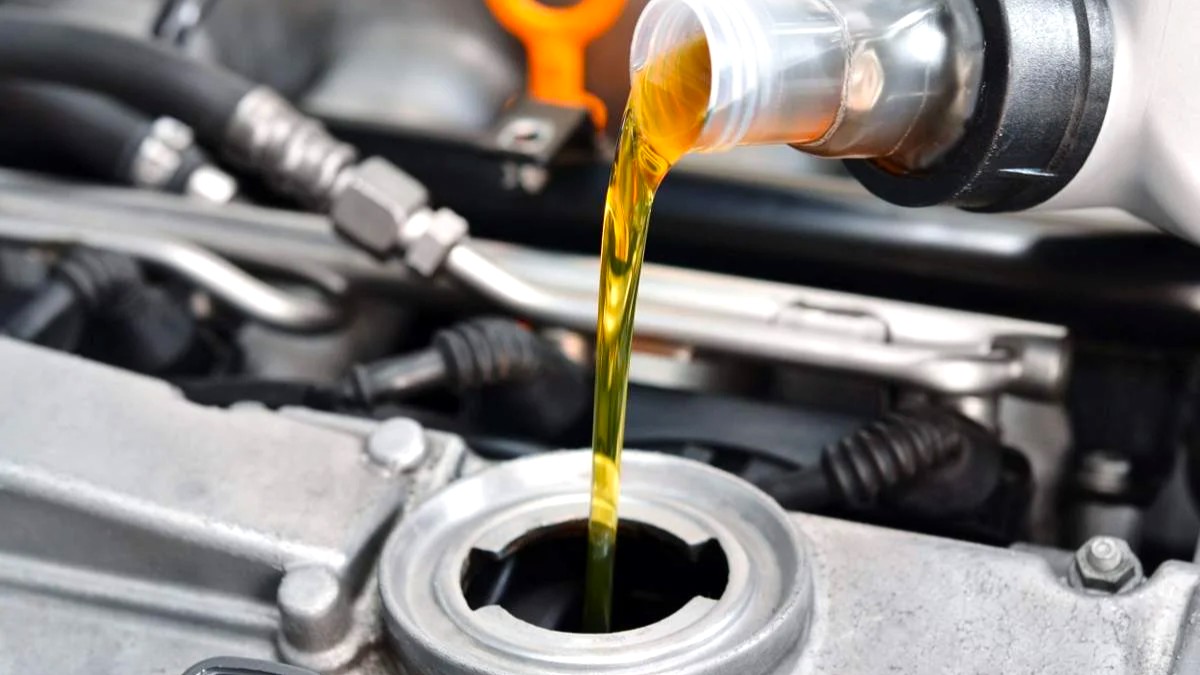
- Monitor the level and condition of the transmission fluid (ATF). Transmission fluid plays a critical role in automatic transmission operation: it lubricates, cools, and ensures proper hydraulic function. If the vehicle is equipped with a dipstick, the fluid level should be checked regularly, along with its color and smell. ATF should be clear or slightly tinted, without cloudiness or a burnt odor. Darkening, contamination, or a strong burnt smell indicate overheating or internal wear and require immediate attention.
- Carry out preventive diagnostics on time. Even in the absence of obvious symptoms, experts recommend performing a comprehensive automatic transmission inspection at least once a year or during scheduled maintenance. Computer diagnostics, along with an assessment of fluid condition and transmission adaptations, help identify hidden issues at an early stage, when repairs are significantly simpler and less expensive.
In addition, it is important to follow simple but essential habits: warm up the vehicle in cold weather, avoid shifting transmission modes while the car is moving, and always use the transmission fluid specified by the manufacturer. This comprehensive and mindful approach ensures stable transmission performance and significantly extends its service life.
Conclusion
Automatic transmissions provide comfort and safety, especially for urban driving and beginners. Mastering how to drive an automatic car is straightforward with practice, confidence, and careful attention to the pedals and gear selector. Smooth driving and adherence to automatic car driving rules will ensure long-lasting performance, minimal maintenance issues, and a more enjoyable driving experience.

