



Foggy Car Windows Explained: Causes, Quick Fixes, and Prevention Tips

Almost every driver has encountered the situation when car windows suddenly fog up from the inside. This phenomenon presents a serious problem, as visibility is drastically impaired, reducing the safety of driving and consequently increasing the risk of a road traffic accident. Poor visibility, including that caused by foggy car windows, is a significant factor contributing to accidents, especially in rainy or cold weather.
This article provides information on the causes of internal window fogging and explores quick and effective methods for eliminating and preventing this issue.
Why Car Windows Fog Up
Fogged-up windows are one of the most common — and at the same time most annoying — problems drivers face, especially in autumn and winter. It may seem as if visibility suddenly worsens for no reason, but in reality, this phenomenon is explained by basic laws of physics.
Fogging is a process of condensation. When warm, humid air inside the car comes into contact with the cold surface of the glass, the water vapor it contains cools down and turns into microscopic droplets of water. These droplets settle on the glass, forming a cloudy film that significantly reduces visibility.
To understand why this happens specifically in a car, let’s look at the key factors involved.
Main Causes of Window Fogging
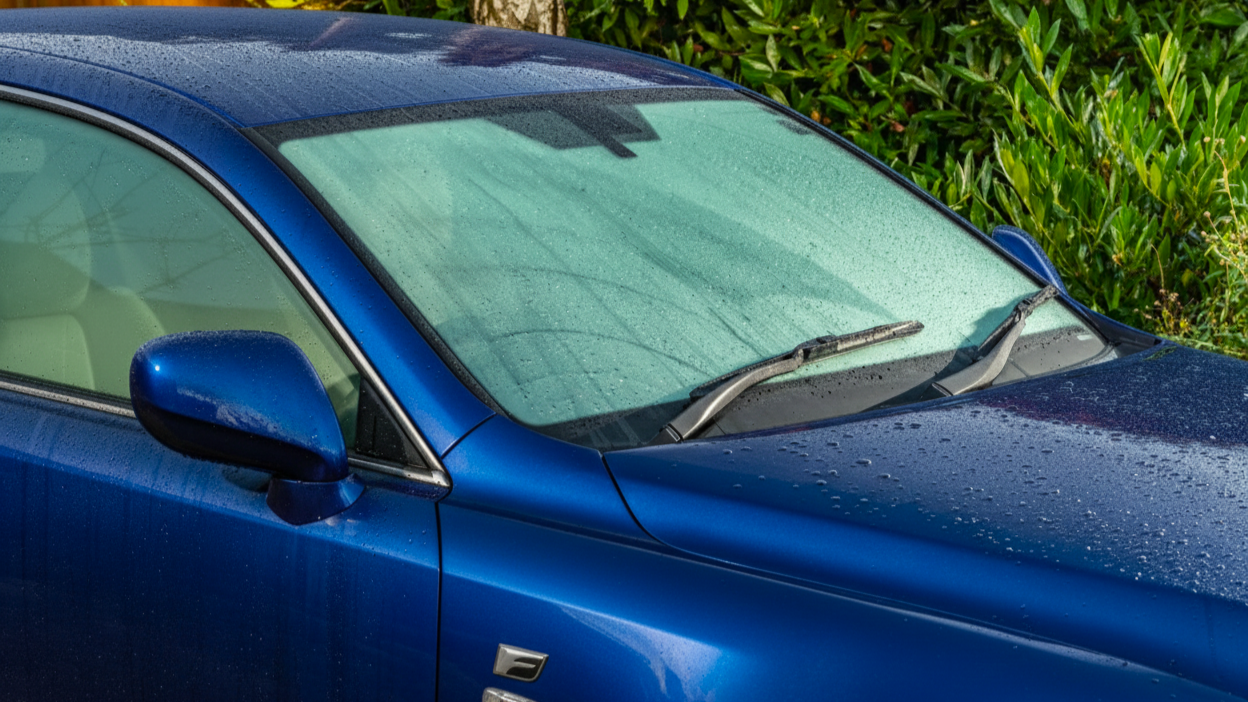
- Temperature difference between the cabin and the outside air. During colder seasons, the car interior is warmed by the heating system, passengers’ breathing, and engine operation. At the same time, the windows are in direct contact with cold outdoor air and cool down quickly. As a result, they become an ideal cold surface on which moisture from the warm cabin air condenses. The greater the temperature difference, the more intense the condensation process.
- High humidity inside the vehicle. Moisture is constantly introduced into the cabin: we breathe, bring it in on our shoes and clothing, and carry it inside with snow or rain. Even wet floor mats or umbrellas left in the car increase humidity levels. The more water vapor there is in the air, the faster and more intensely it condenses on the windows.
- Insufficient cabin ventilation. If the ventilation system is ineffective or turned off, humid air becomes trapped inside the vehicle. Moisture is not removed and instead accumulates, creating ideal conditions for fogging. This is especially common when driving with closed windows and the air circulation system switched off.
- Contaminated inner surface of the glass. Dust, fingerprints, greasy residue, and tobacco film create microscopic irregularities on the glass surface. Water vapor condenses more quickly and actively on these areas. As a result, dirty windows fog up much more noticeably than clean ones, even under the same temperature and humidity conditions.
Why All These Factors Occur Together
All of these factors are closely interconnected and reinforce one another. Cold glass, high humidity, poor ventilation, and a contaminated surface combine to make window fogging almost inevitable. The good news is that eliminating even one of these factors can significantly reduce the effect. Lowering humidity, improving ventilation, or increasing the temperature of the glass can weaken condensation almost immediately.
Primary Causes of Internal Window Fogging
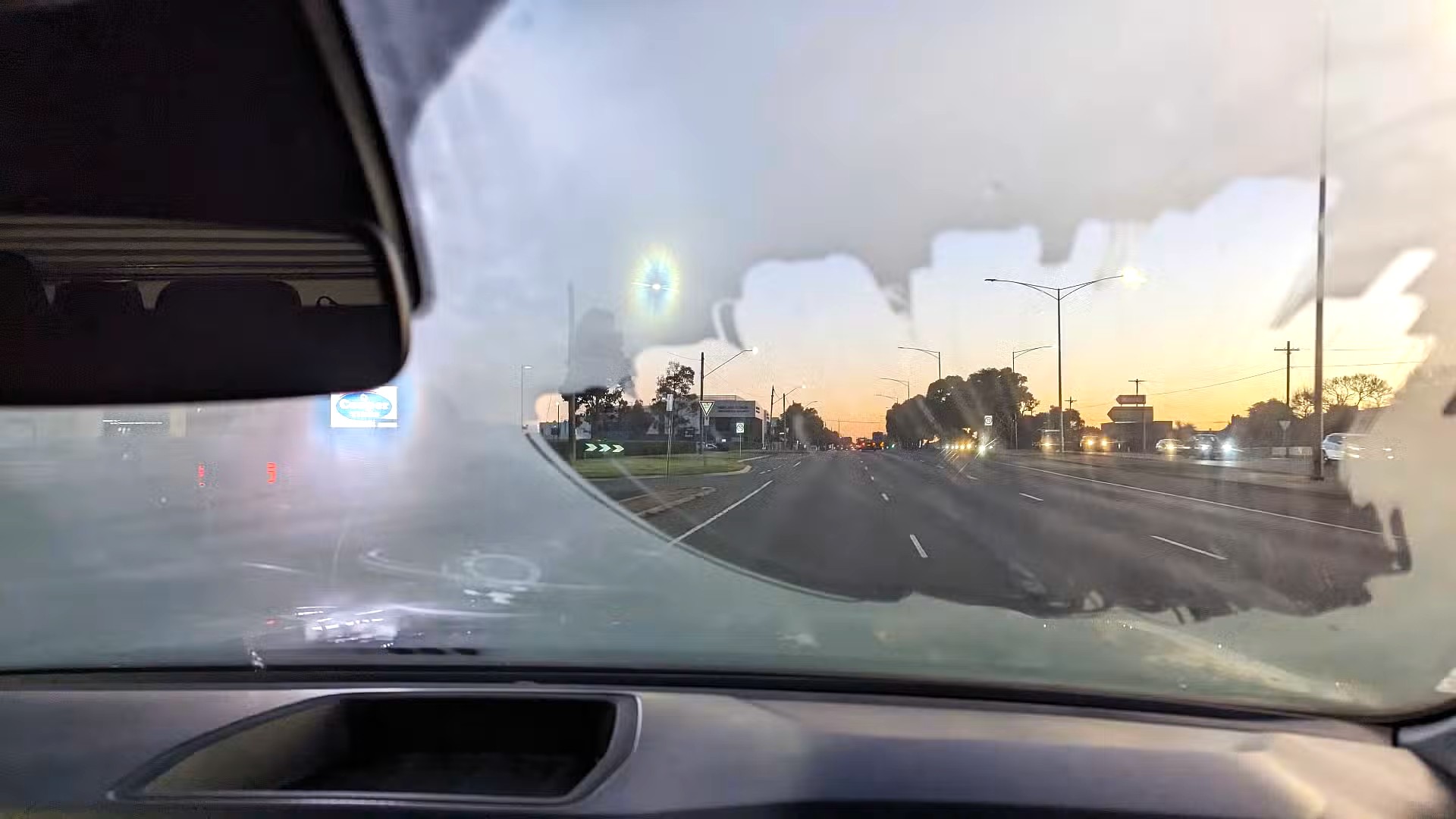
Excess Moisture in the Cabin
The main sources of high humidity in the car are the external environment and the activities of passengers:
- Wet mats after rain or snow. Water evaporates from the mats and upholstery, saturating the cabin air with moisture.
- Wet clothes and shoes. Snow and raindrops brought in on clothing and footwear also evaporate.
- Leaks through doors or the trunk. Compromised seals or body integrity can lead to rainwater or melted snow entering the cabin, creating a constant source of moisture.
It is crucial to regularly dry the cabin and check for water under the floor mats. Ignoring these sources of moisture makes the fight against fogging practically ineffective.
Problems with the Ventilation System
Malfunctions in the ventilation system affect the car's ability to remove moist air:
- Clogged cabin air filter. A dirty filter (especially if it is wet) reduces air throughput, impairs fresh air intake, and slows down cabin dehumidification.
- Faulty heater fan. Reduced power or failure of the fan leads to ineffective airflow over the windows.
- Incorrectly set airflow. Using the air recirculation mode blocks the intake of fresh, drier air from the outside, trapping moisture inside the cabin.
A functional ventilation system is a key element in combating condensation. Timely filter replacement and the use of correct air exchange settings are critically important.
Heating or Air Conditioning Issues
The functionality of climate control systems is directly related to humidity and temperature regulation:
- Non-functioning air conditioner (compressor). The air conditioner dehumidifies the cabin air, and its malfunction, even with the heating on, can lead to fogging.
- Incorrect cabin temperature. A sudden drop or rise in cabin temperature relative to the glass temperature can intensify condensation.
- Faulty thermostat or antifreeze leak. An antifreeze (coolant) leak into the cabin through the heater core can cause fogging with a characteristic sweet smell and a greasy film on the windows.
The air conditioning and heating system must function correctly to maintain an optimal balance of temperature and humidity. The smell of antifreeze requires immediate servicing.
Glass Contamination
Contaminants on the inner surface of the windows serve as an additional risk factor - settled dust, grease, tobacco film — these contaminants form hygroscopic centers that attract and hold moisture, intensifying the fogging effect. A dirty window fogs up faster and more intensely than a clean one. Regular thorough cleaning of the inner window surface is an important preventative measure.
What to Do When Windows Fog Up Inside: Step-by-Step Solutions (How to Defog Front Windshield)
To quickly eliminate fogging, you need to rapidly reduce humidity and raise the glass surface temperature:
- Turn on the window defroster. Use the dedicated "defrost" or "windshield defogger" button to direct the maximum airflow directly onto the inner glass surface.
- Turn on the air conditioner. Even in cold weather, activating the air conditioner (compressor) helps dehumidify the cabin air. After dehumidification, the air is heated by the heater and directed towards the windows.
- Adjust air circulation. It is necessary to immediately disable the "recirculation" mode (air intake only from the cabin) to let in fresh, drier air from the outside.
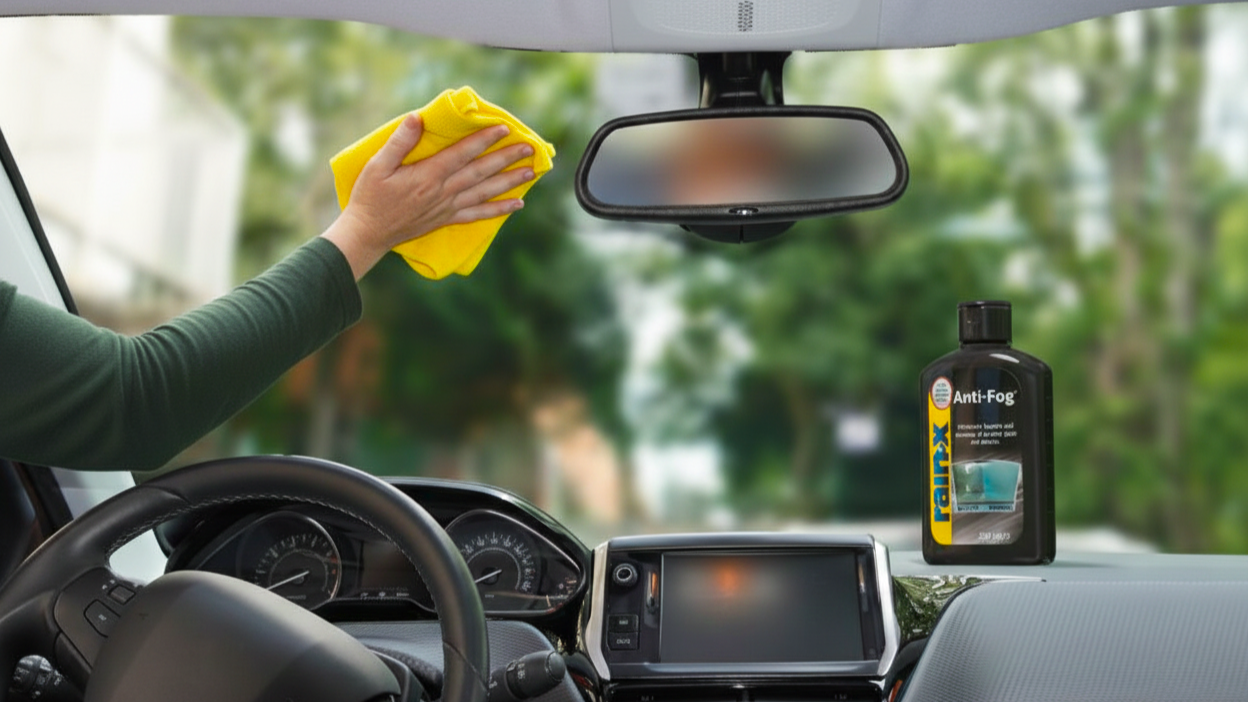
- Wipe the windows from the inside. Use a dry microfiber cloth or a special glass cleaner to temporarily improve visibility and remove moisture.
- Remove moisture from the cabin. After clearing the fogging, you must find and eliminate the source of moisture: dry wet floor mats, replace a heavily soiled or wet cabin filter, and ventilate the car.
This allows for quick restoration of visibility. Special attention should be paid to the combination of airflow, heat, and dehumidification by the air conditioner.
Home and Professional Ways to Prevent Fogging
Regular preventative measures help avoid moisture condensation:
- Use an anti-fog for windows (anti-fog). Professional products sold in auto stores create a thin film on the glass that prevents moisture from collecting into large droplets, ensuring transparency.
- Wipe the windows with a mixture of water and vinegar or glycerin (folk remedy). These compositions also create a protective film that hinders condensation. Efficacy may be lower than professional products, and glare may occur.
- Place a moisture absorber in the cabin. Using special moisture absorbers, silica gel, or even simple cat litter in fabric bags helps reduce the overall humidity level in the cabin.
- Ventilate the cabin after every trip. Briefly opening the doors or windows before leaving the car helps equalize the temperature and humidity inside and outside, reducing the risk of condensation.
Prevention is always more effective than fighting existing condensation.
How to Prevent Window Fogging in Winter
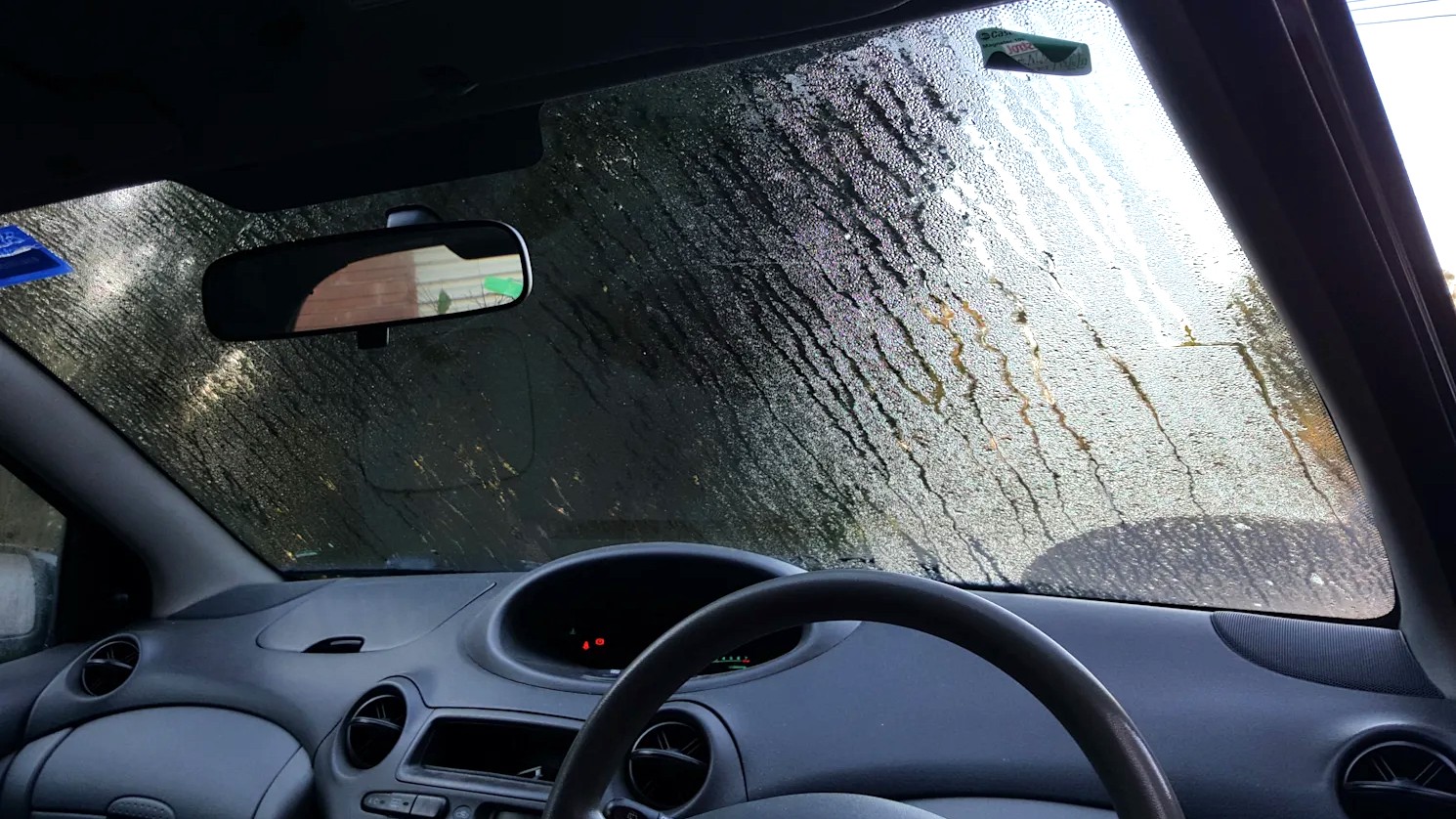
The winter season requires drivers to pay increased attention not only to the vehicle itself but also to the condition of the cabin. Cold temperatures, high humidity, and sudden temperature changes create ideal conditions for window fogging. Therefore, the key objective during this time of year is to prevent moisture buildup and ensure rapid heating of both the air and glass surfaces.
Let’s take a closer look at the measures that truly work in winter.
- Regularly check the sealing of doors and weatherstrips. Over time, door seals wear out, lose elasticity, and begin to allow cold air and moisture to enter the cabin. As a result, excess moisture accumulates inside the vehicle, and the windows cool down more quickly. Even small gaps can significantly increase fogging, which is why it is important to replace damaged seals promptly and monitor their condition.
- Do not leave snow and ice on floor mats. Snow brought in on shoes quickly melts in a warm cabin and becomes a constant source of moisture. Water on floor mats evaporates, increasing the level of water vapor in the air, which then settles on the windows. Before entering the vehicle, it is advisable to shake off snow from footwear and regularly dry and clean floor mats to remove excess moisture.
- Warm up the engine before driving. Preheating the engine allows the heating system to reach its operating temperature more quickly. Warm air is then directed toward the windshield and side windows, raising their temperature and accelerating the evaporation of condensation. This is especially important in severe cold, when the glass cools down very rapidly.
- Keep the cabin air filter clean. A clogged cabin air filter restricts ventilation and reduces the intake of fresh, drier outside air. As a result, humid air remains trapped inside the cabin, creating conditions for fogging. Regular filter replacement ensures proper air circulation and improves the efficiency of the heating and ventilation system.
- Keep the windows perfectly clean. The cleanliness of the inner glass surface plays a crucial role in winter. Dust, grease, and residue create microscopic points where moisture condenses more actively. Regularly cleaning the inside of the windows reduces the number of condensation sites and helps maintain clear visibility even in high-humidity conditions.
The Key Winter Rule
In winter, the driver’s primary task is to minimize moisture entering the cabin and ensure the fastest possible heating of both the air and the windows. By following these simple yet systematic measures, window fogging becomes far less pronounced and much easier to control.
When to Seek Professional Assistance
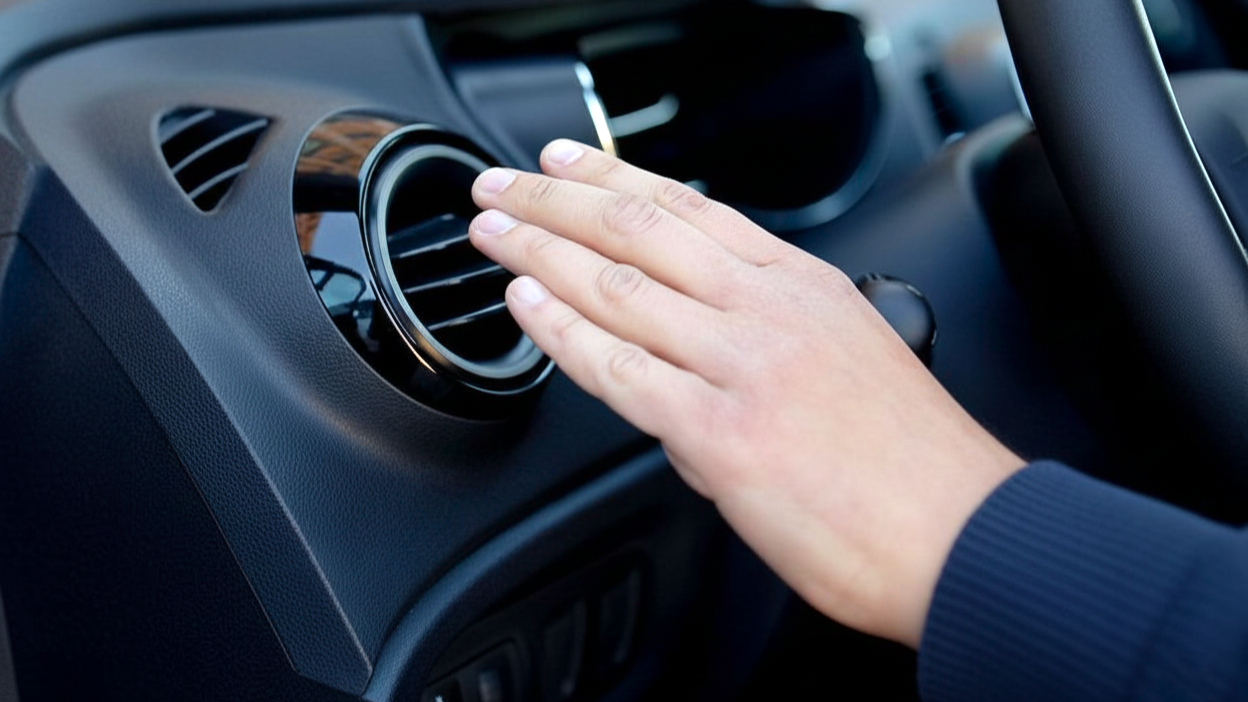
Some causes of fogging require professional intervention to fix malfunctions:
- If windows fog up constantly, even in dry weather. This may indicate a serious breach of cabin sealing, problems with drainage holes, or constant water accumulation in hidden cavities.
- If you smell antifreeze in the cabin. The smell of antifreeze (sweetish) indicates a coolant leak through the heater core, which requires immediate repair.
- If the air conditioner does not dehumidify the air. A non-functioning compressor or refrigerant leak requires diagnosis and repair of the air conditioning system.
- If there is suspicion of body leaks. Breaches of sealing in the area of the windshield, doors, or trunk, requiring bodywork or replacement of seals.
Seeking professional assistance is necessary if the problem is not solved by standard methods. Hidden malfunctions can lead to more serious breakdowns and a threat to safety.
Conclusion
Window fogging is not just a minor annoyance, but a clear signal that the vehicle cabin is too humid or the ventilation system is malfunctioning. Impaired visibility directly affects road safety. Regular maintenance of climate control systems, timely replacement of the cabin filter, keeping the windows clean, and removing excess moisture from the cabin help avoid this problem. Following simple advice, it is possible to ensure the necessary visibility and a comfortable ride in any weather, thus addressing the issues of how to defog windshield.

