



How to Tell If a Car Has Been in an Accident: Complete Inspection Guide
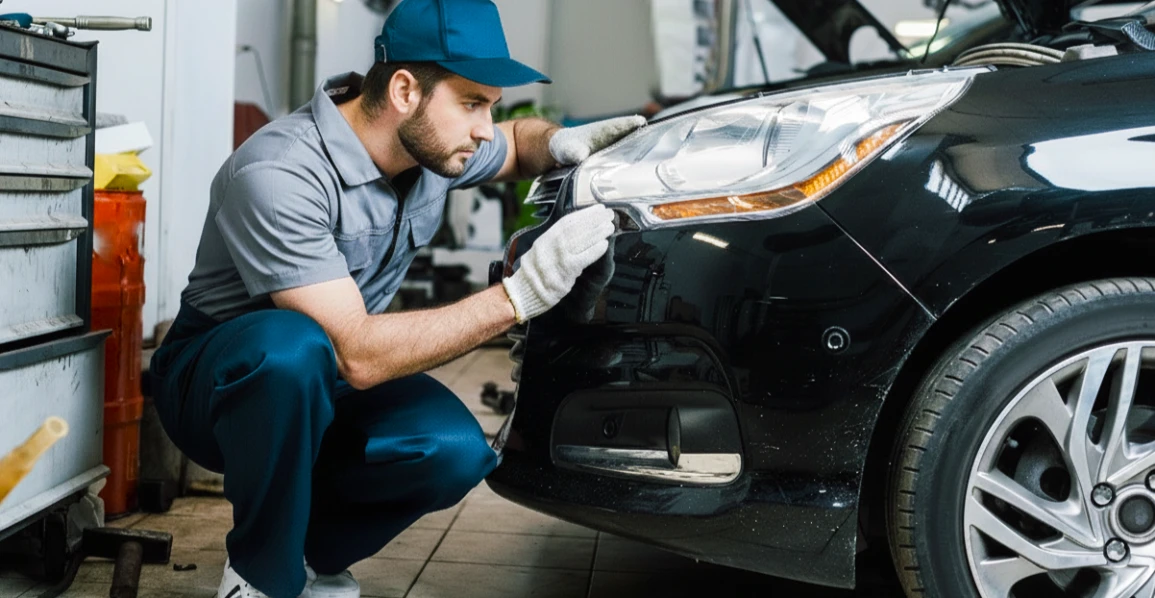
If you’re buying a used car, the question of how to check if a car has been in an accident should concern you as early as the paperwork stage. Because accidents are not all the same. One time a bumper gets lightly scratched in a parking lot — and it barely matters. But another time the impact hits the structural parts, and the body gets pulled, welded, and reassembled “as best as possible.” The outside looks shiny. But the geometry is no longer right. The car starts living its own life: it eats tires, the steering wheel sits off-center, and on wet roads it behaves worse than it should.
The problem is that many consequences of an accident aren’t visible right away. Even experienced owners sometimes look only at the overall appearance and the interior. Meanwhile the seller shows “perfect” diagnostics and says everything is original. In reality, a clean exterior often hides body straightening, filler, replaced fasteners, and welding marks. These things directly affect safety and the real cost of owning the car.
In theory, a car after an accident should cost less. But an “okay” price doesn’t always mean the body is intact and the engine is healthy. Serious damage can surface later, and repairing cars that have been in accidents can be very expensive.
Below we explain how to check a car for accident history and share practical tips you can use during an inspection.
Why sellers hide accident history

The reason is simple: price. Even a well-repaired car loses value because of notes in its history and because buyers don’t trust it as much. This is not about morality — it’s the market. As soon as “accident history” appears, the pool of buyers shrinks, negotiations get tougher, and the sale takes longer.
The second reason is “repair for sale.” The seller’s goal is often not to restore the car properly, but to remove the visible traces. Repairs are done quickly, in parts, sometimes without properly checking the body geometry. The result is a car that looks fine, but can’t be used without extra spending.
The third reason is resellers. Their logic is simple: buy below market, make it look like a “sweet deal,” and sell fast. Expensive structural work doesn’t fit this model. That’s why any inspection should be based not on “I like it / I don’t like it,” but on a careful study of the car’s history.
A key tip: check if the car has been in accident and only then hand over any deposit money.
Visual signs of accident body repair
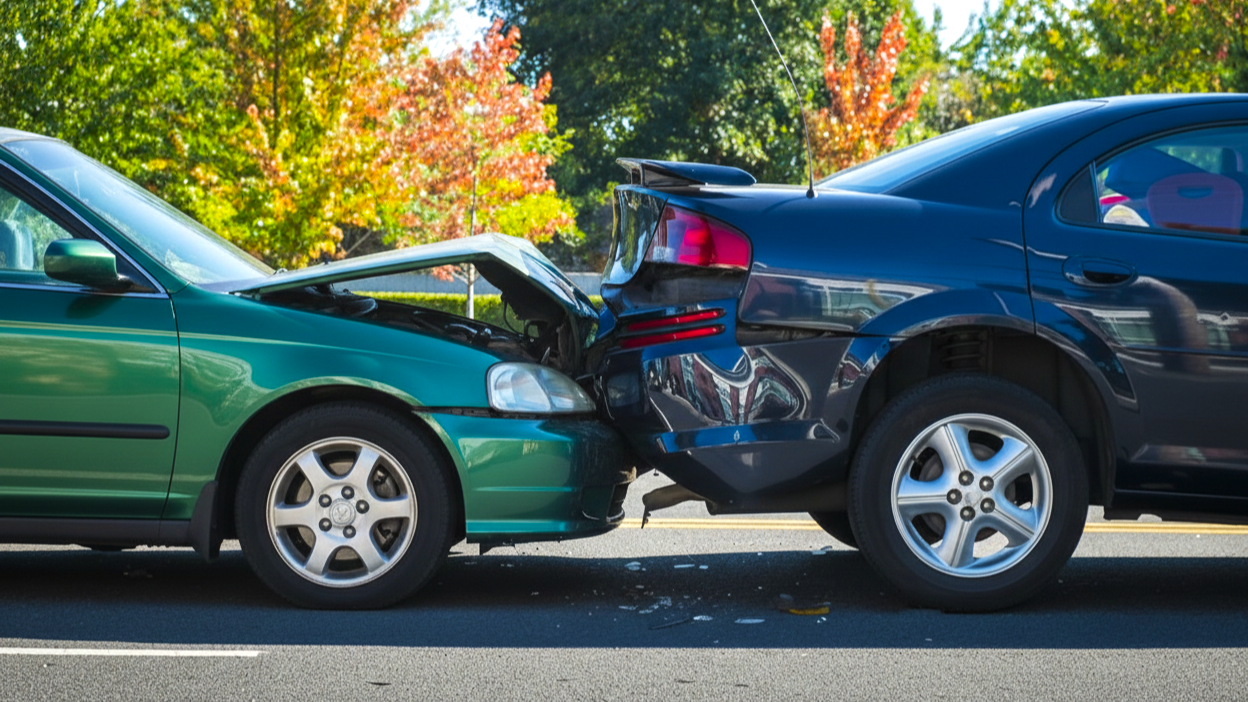
Start with the basics. There are things you can see without tools. The main point is to focus not on shine, but on consistency.
- The first sign is different shades between panels. This is not always obvious in shade or under lamps. It’s better to look outside in daylight. Sometimes the difference shows up at an angle, when reflections “run” across the body.
- The second sign is panel gaps. A normal factory gap doesn’t mean perfect symmetry down to a millimeter, but the line should be even and logical. If a door sits higher or lower, if the hood is closer to the fender on one side than the other, if the trunk lid sits unevenly — that’s a reason to be cautious. Especially when the seller claims “everything is original.”
- The third sign is traces of filler and repainting. Sometimes you can see it on edges, inner ribs, and in door openings. Paint may get onto rubber seals, plastic parts, or weather strips. The factory doesn’t do that.
- The fourth sign is evidence that headlights, hood, or doors were removed. When parts are taken off, there are often tool marks on the fasteners: factory paint is scraped, wrench marks appear, bolts differ by color or shape. The mounts can look “fresh” while nearby metal looks old.
- The fifth sign is different bolts and fasteners. On one side the bolts might be original with factory markings; on the other side they may be unmarked or simply different. Sometimes that’s a small thing, but together with other signs it forms a clear picture.
It’s important not to judge by one point alone. One repainted panel could be a parking scuff. But if repainting comes together with uneven gaps and signs the fender was removed, that’s no longer случайность.
Paintwork inspection
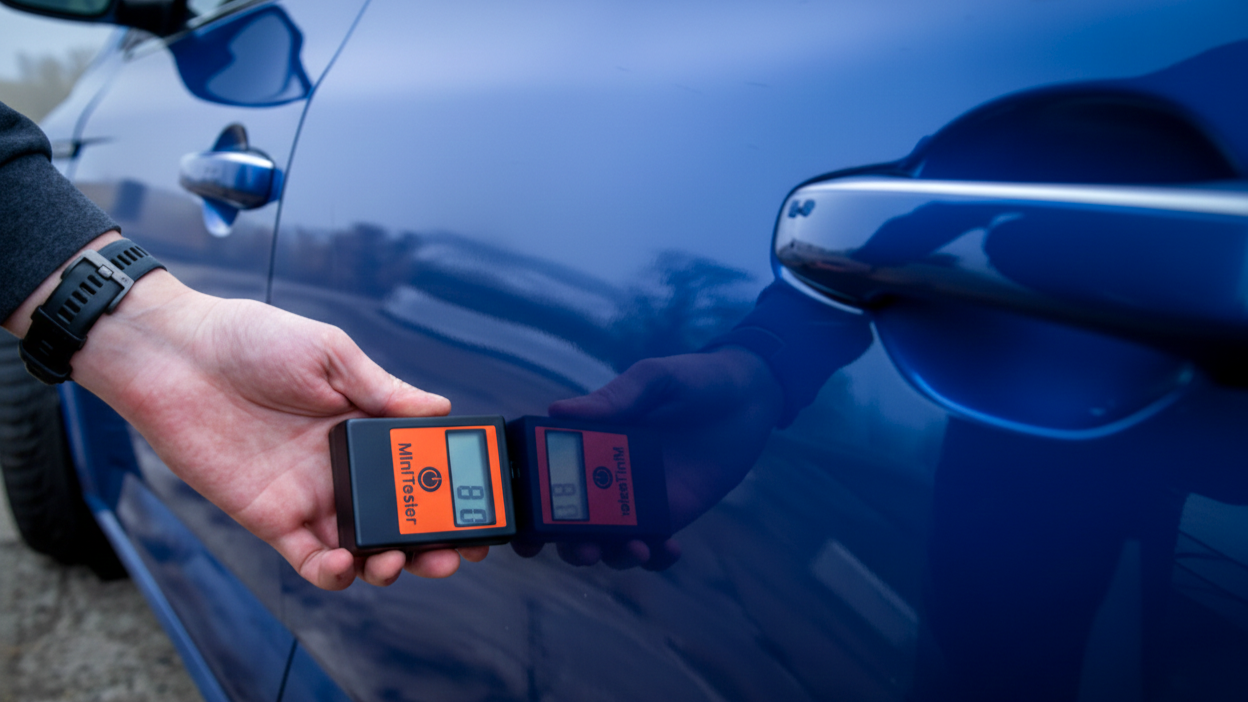
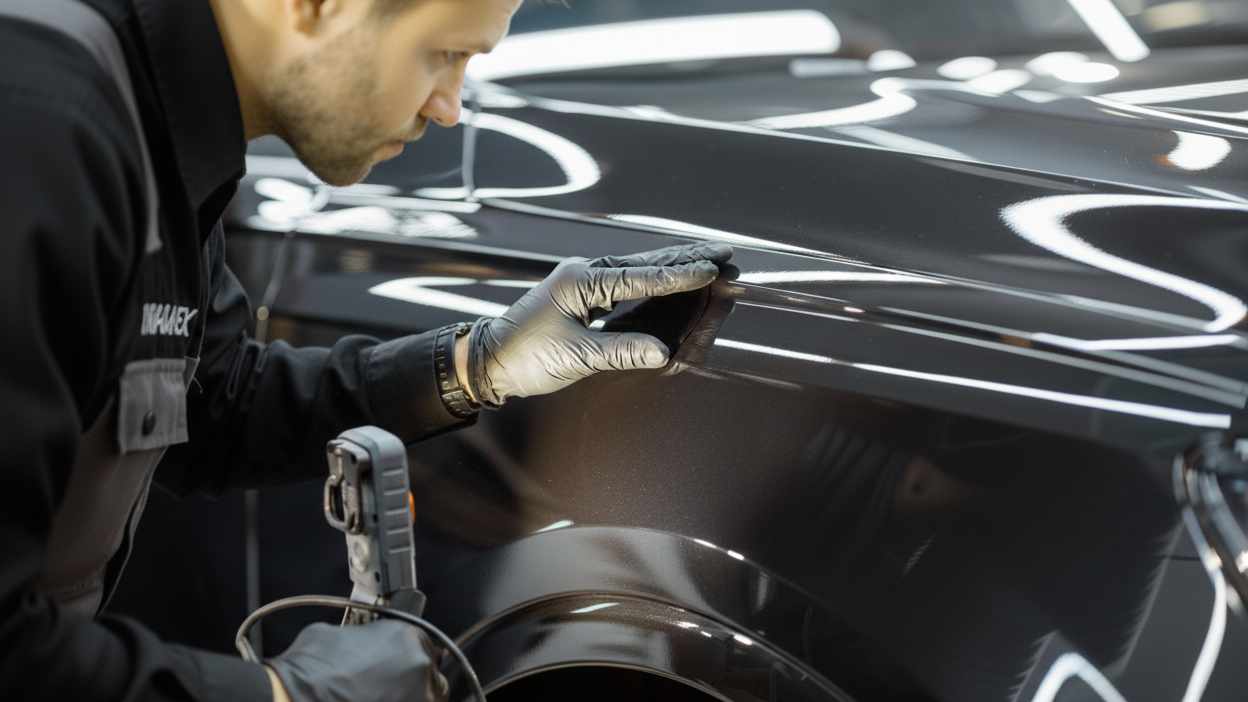
This is where the check becomes more precise. If you want to understand reality, without a paint thickness gauge you’ll often be guessing. A thickness gauge measures the thickness of the paint layer. At the factory the layer is usually fairly consistent across the car. It can differ by brand, and it may be thicker on some elements, but within one car the numbers typically stay close.
What is “normal”? You can roughly think of about 90–180 microns, but it’s better to compare symmetrical panels. The key rule is simple: the left and right fenders should be similar. The left and right doors too. If one side is “twice as thick,” there was work done there.
How do you detect repainting? Usually the reading is noticeably higher than nearby panels. For example, the roof might show 120–140, the front door 130–150, and the fender 280–350 — likely the fender was repainted. That could be cosmetic, or it could be repair after an impact.
How do you detect filler? That’s where you often see 500–800 and higher. And the most important point: filler is rarely evenly spread across the whole panel. It often appears in “patches.” That’s why you should measure several points — edges, center, closer to pillars.
One more thing people often miss: if a panel was replaced entirely (for example a new fender), the readings can be close to factory values and the gauge won’t give a “red flag.” Then you rely on gaps, fasteners, and internal traces of work.
Checking body geometry and structural elements
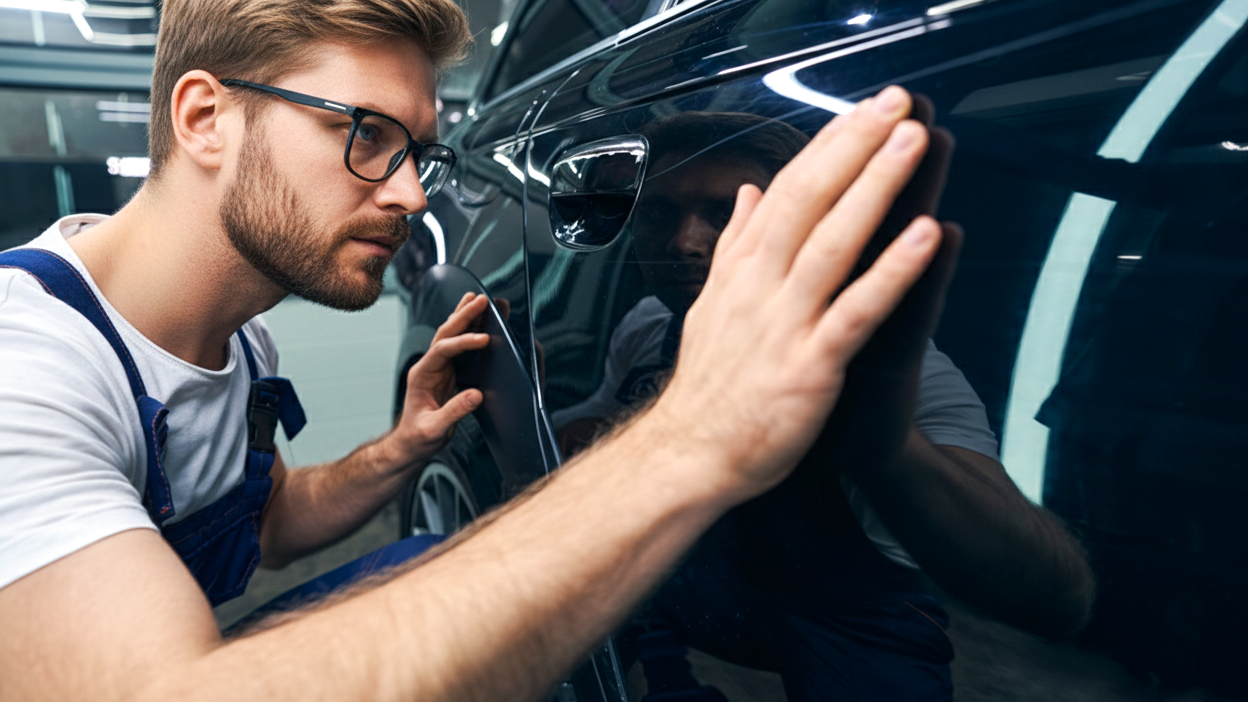
This is the most important section. Cosmetic work is about money. Structural parts are about safety. Look at the frame rails and reinforcements. Under the hood, inspect the elements that hold the suspension and the front body structure. At the factory, seams and sealant look neat and uniform. After repair you often see:
- uneven seams,
- welding traces,
- ground-down metal,
- sealant applied differently.
Check the trunk and engine bay not by “clean/dirty,” but by “same/not the same.” For example, the left side looks factory, but on the right the metal texture is different or there are repaint marks. Or in the spare wheel well you can see the floor was “straightened.”
Why is deformation of the structural frame a serious reason to walk away? Because it affects how the body carries loads and how it will behave in the next crash. If structural elements were pulled, welded, and reinforced “as needed,” the factory crash structure is no longer the same. That’s not something you want to test on yourself.
Even if the car drives straight today, a deformed body can wear out the suspension faster, create misalignment, and lead to repeated alignment problems. You’ll keep fixing symptoms while the root cause stays.
Suspension and undercarriage inspection
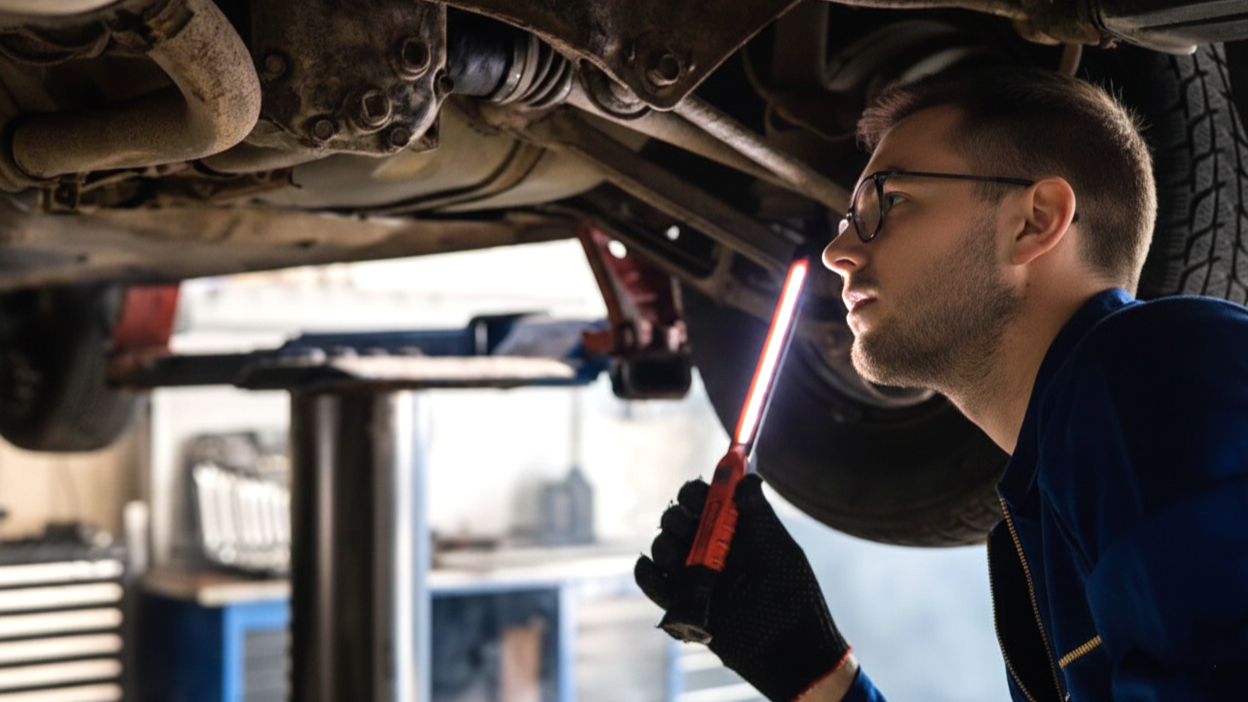
How to check a used car properly? The suspension often reveals a hidden impact better than the body does. The body can be polished. The suspension lives in mechanics.
- The first signal is uneven tire wear. Look at the tread on the inner and outer edges. If one edge is worn down more, it could be an alignment issue, bent arms, a shifted subframe, or damaged mounting points.
- The second signal is pulling to one side. On a straight road the car should track straight. A slight pull can happen because of tires or tire pressure, but a strong pull needs diagnosis.
- The third signal is noise and vibration. Humming, knocks over bumps, vibration at 90–110 km/h — it can be many things, but after an impact hubs, control arms, shocks, and subframes often suffer. A seller may replace “what was rattling,” but not fix the underlying issue.
A typical consequence of a hidden impact is constant small repairs. The suspension needs attention more often than it should. And you keep paying for parts and labor without understanding why the problem repeats.
Electronics and safety systems
Be careful here. Safety systems are not a place for guessing. Airbag checks start simple: how the SRS (Airbag) light behaves when you turn the ignition on. Usually it lights up and goes out after a few seconds. If it doesn’t light up at all, that’s suspicious. Sometimes people “disable” it so it won’t show.
Next are indirect signs. Inspect the steering wheel and dashboard. There should be no signs of opening, uneven seams, or mismatched textures. Check the seat belts: in a serious crash the pretensioners can fire. Sometimes belts get replaced. Sometimes they don’t. Then the belt may look different: a different tag, a different shade, traces of replacement.
Warning lights on the dashboard matter too. But there’s a nuance: errors can be cleared before a viewing. That’s why it’s better to scan the car and check not only “on/off,” but also error history and module status. Missing or non-original SRS components are one of the nastiest surprises. Because the price is safety. And if the seller saved money here, trusting the rest becomes hard.
Checking the vehicle history
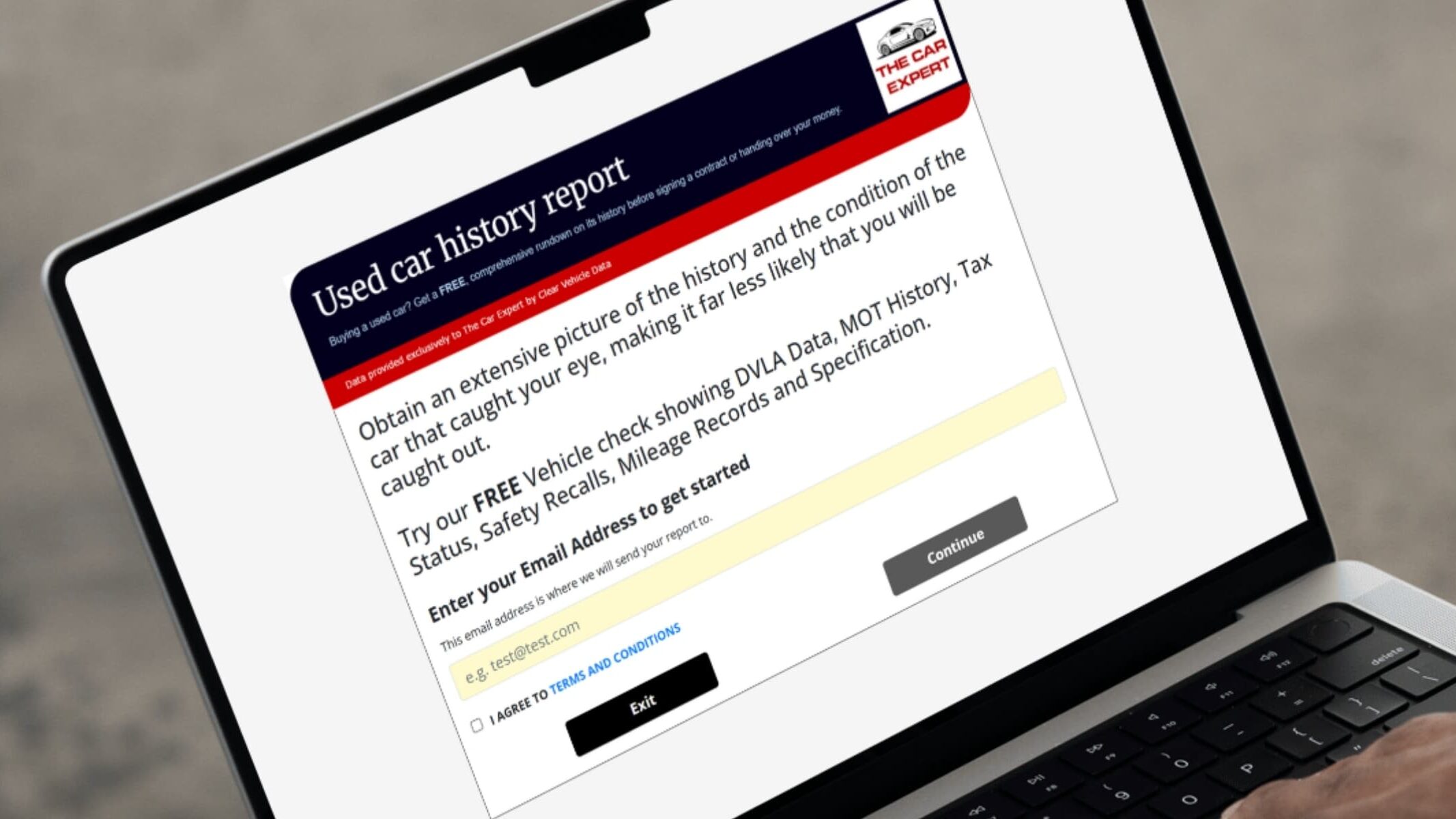
Here you need the VIN. This is a separate line of defense. A VIN check can show insurance claims, repair estimates, recorded damage, and sometimes photos from auctions or inspections. Data differs by country and service, but the point is the same: find traces of accidents the seller didn’t mention.
Remember: no records does not mean no accident. The car might have been repaired without insurance, or the data never entered the databases. So history is either confirmation of what you already saw, or a reason to dig deeper if the database shows an event while the car looks “perfect.”
Imported cars are a separate risk. Sometimes a car is brought in after a serious accident, restored, and sold as “no issues.” In these cases history matters even more. If the VIN check shows inconsistencies in mileage, ownership periods, or insurance events, that’s a serious reason to stop. If you’re unsure, be strict: either the seller explains everything with documents, or you move on.
Test drive as a way to detect hidden issues
A test drive is not “one lap around the block.” It’s part of the diagnosis.
- First, evaluate vibrations at speed. Accelerate to a normal driving speed and listen to the car. Steering wheel vibration, body shake, unusual noise — these are hints. Sometimes the cause is simple (wheels, balancing), but after impacts such symptoms appear more often.
- Next, steering feel. The wheel should be predictable, without play, without the feeling that you constantly have to “catch” the car. If on a straight road the car needs constant small corrections, it could be geometry, suspension, or body issues.
- And be sure to check the brakes. In a safe area do a few stops with different pressure. The car should not pull to one side. If it does, it’s brakes, suspension, or geometry — and all options cost money.
A good test drive doesn’t prove there was no accident. But it shows how the car behaves today. And sometimes the test drive makes it clear: a car that looks great outside is problematic inside.
When to bring in a professional expert
There are situations where self-checks aren’t enough. Especially if you’re buying an expensive car, a complex body design, a newer model, or you simply don’t want to gamble. Auto inspectors and professional diagnostics help because an expert notices what beginners miss. They check:
- structural zones;
- mounts;
- factory markings;
- repair quality;
- the logic of replaced parts.
They don’t judge “like/dislike.” They look for inconsistencies. A lift inspection often answers half the questions. From underneath you can see the condition of frame rails, subframes, control arms, impact marks, corrosion, protective coatings, fresh bolts, and “new” parts against old ones.
Why can a professional inspection save you thousands of dollars? Because one missed structural or safety problem can cost more than the whole inspection. And because an expert can sometimes help with negotiation: if the car is generally fine but repairs are confirmed, the price should reflect it. If you’re buying your first car or you’re not confident in your experience, bringing an expert is a normal decision. It’s not “weakness.” It’s saving money.
Conclusion
It is possible to determine whether a car has been in an accident. But you can’t do it with one look at the paint. You need a combination: careful inspection, paint thickness checks, structural analysis, suspension evaluation, safety diagnostics, VIN history, and a test drive. Only together do these steps give a clear picture.
Hidden crash damage almost always shows up later and hits your wallet. And sometimes it hits safety. So don’t rely on the seller’s words and a shiny exterior. Even though you now know how to tell if a car has been in an accident, if you have even the slightest doubt, contact experts.

