



Getting Smoke Smell Out of Car Interiors: Complete Guide to Removing Cigarette Odor
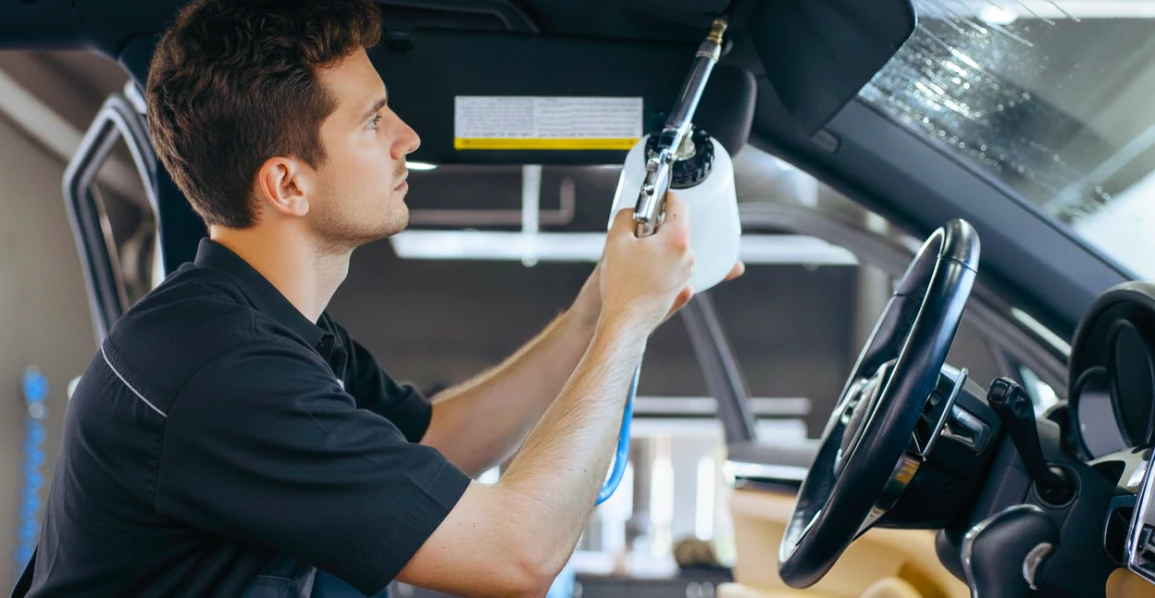
The scent of cigarette smoke in a car is more than a minor inconvenience – it’s a chemical problem. Anyone who has tried getting smoke smell out of car interiors knows how stubborn it can be. Smoke doesn’t just linger in the air; it seeps into fabric, foam, and even the ventilation system. Gradually, your car begins to carry a constant, stale reminder of cigarettes, affecting not just comfort but also resale value and air quality.
According to auto detailing experts, removing this odor requires a combination of chemistry and patience. Air fresheners can’t do the job – you need a strategy that eliminates the source, not just masks it. This guide, based on expert detailing practice, will show how to get rid of smoke smell in car interiors for good, combining deep cleaning, ventilation treatment, and long-term prevention.
Why Cigarette Smell Is So Hard to Eliminate
The smell of cigarette smoke is one of the most persistent and unpleasant “odors” found in vehicles. Even after thorough cleaning, interior washing, and prolonged airing out, it often returns, creating the impression that the car still “smells like smoke.” The reason lies not in poor cleaning, but in the chemical nature of tobacco smoke itself.
Tobacco smoke contains more than 4,000 chemical compounds — from nicotine and tar to formaldehyde, ammonia, and volatile organic compounds. When smoking occurs in the enclosed space of a car, these particles do not simply remain in the air. They actively settle on all interior surfaces, forming a sticky, almost invisible film.
How Smoke “Soaks Into” the Interior
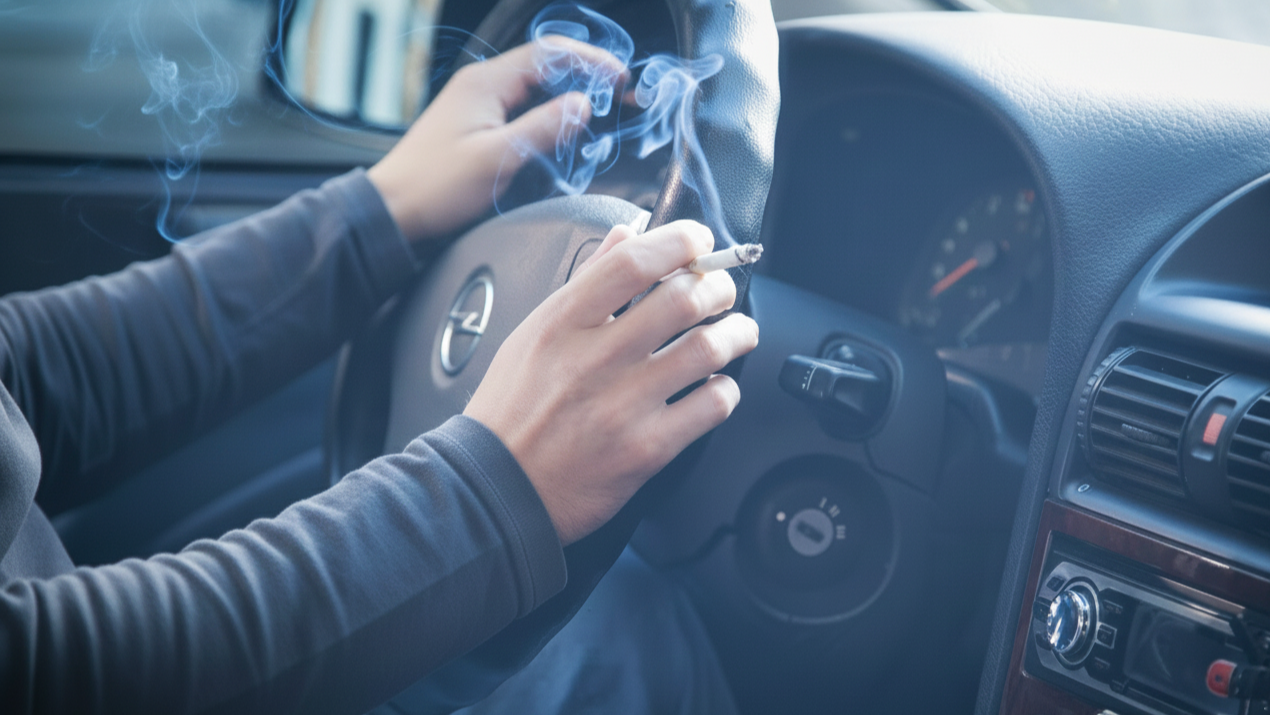
This film penetrates deep into the micropores of fabric, carpeting, headliners, and even plastic. Interior materials act like a sponge, trapping nicotine and tar particles, which then continue to release odor over a long period of time — especially when the cabin heats up in the sun or when the heater is running. It is important to understand that the odor does not simply “linger in the air” — its source is embedded directly in the materials of the vehicle.
Why Even Glass and Plastic Are Affected
A common misconception is that plastic and glass do not absorb odors. In reality, tobacco smoke settles on these surfaces just as much as on fabrics. Over time, a yellowish nicotine film forms on the windows, which:
- reduces visibility;
- attracts new smoke particles;
- traps odor inside the cabin.
Plastic panels, especially soft or porous ones, also accumulate tar and begin to actively release odor back into the air when heated.
Why Ventilation and Air Fresheners Don’t Work
Simple ventilation removes odor from the air but does not eliminate its source. Air fresheners merely mask the problem by mixing tobacco odor with fragrance, often making the situation even worse. To truly understand how to remove cigarette smoke odor from a car interior, it is essential to realize one key point: this is not a matter of using an air freshener, but a task of breaking the chemical bonds that hold nicotine and tar particles on interior surfaces.
How Smoke Affects Comfort and Health
The smell of tobacco in a car interior is more than just an unpleasant odor. It directly affects the comfort of both the driver and passengers, as well as their health and well-being. Even if you do not smoke yourself, spending time in a car where smoking has occurred can have negative effects.
Studies show that in vehicles where smoking has taken place, the levels of harmful substances are significantly higher than in a typical residential home. The presence of residual tobacco smoke on surfaces and in the air creates so-called “third-hand smoke” — residual compounds of nicotine, tar, and other chemicals that remain on carpets, plastics, fabrics, and even glass.
Even a brief stay in such a vehicle exposes a person to these residues, which can cause:
- irritation of the eyes, nose, and mucous membranes;
- headaches;
- fatigue and decreased concentration.
For passengers, especially children or individuals with allergies or respiratory conditions, these effects can be particularly pronounced.
The First Steps Toward a Fresh Cabin
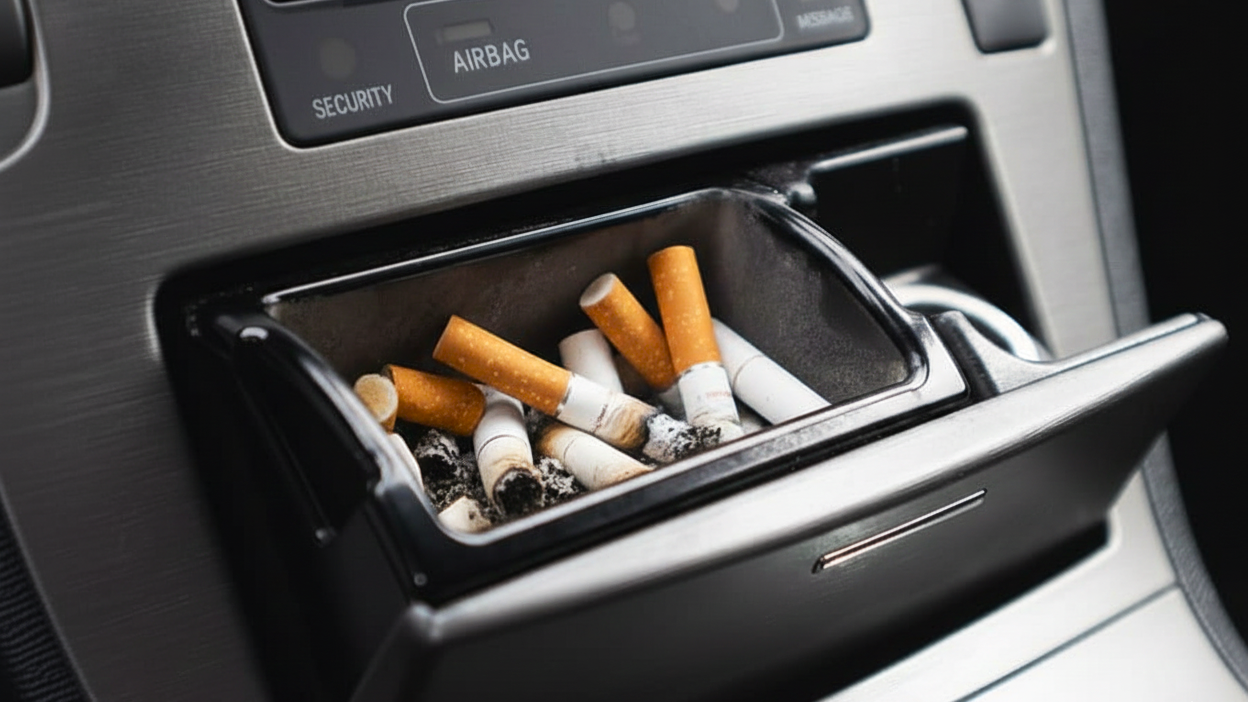
Before you start with chemicals, you need to declutter the space. Remove all ashtrays, cigarette butts, and trash – these act as constant odor sources. Then open all doors and windows for several hours to ventilate. It may sound basic, but this step prepares the air and surfaces for deeper treatment.
Next, take out removable items like floor mats, seat covers, and trunk liners. Wash them separately with hot water and mild detergent. If the smell persists, soak them in a vinegar or baking soda solution – both natural absorbents.
While the car dries, inspect hidden areas: under the seats, between console gaps, and around the glove box. These places often trap ash and tiny burnt fragments. Removing them ensures the smell doesn’t resurface later.
Deep Cleaning Upholstery and Interior
Once the cabin is cleared and aired, it’s time to focus on the materials that hold the most odor. Upholstery, carpets, and headliners are the main culprits. Start with a professional-grade cigarette smell remover – not just a fragrance spray, but a formula that neutralizes tar and nicotine. Products containing enzymes or oxygen-based agents work best.
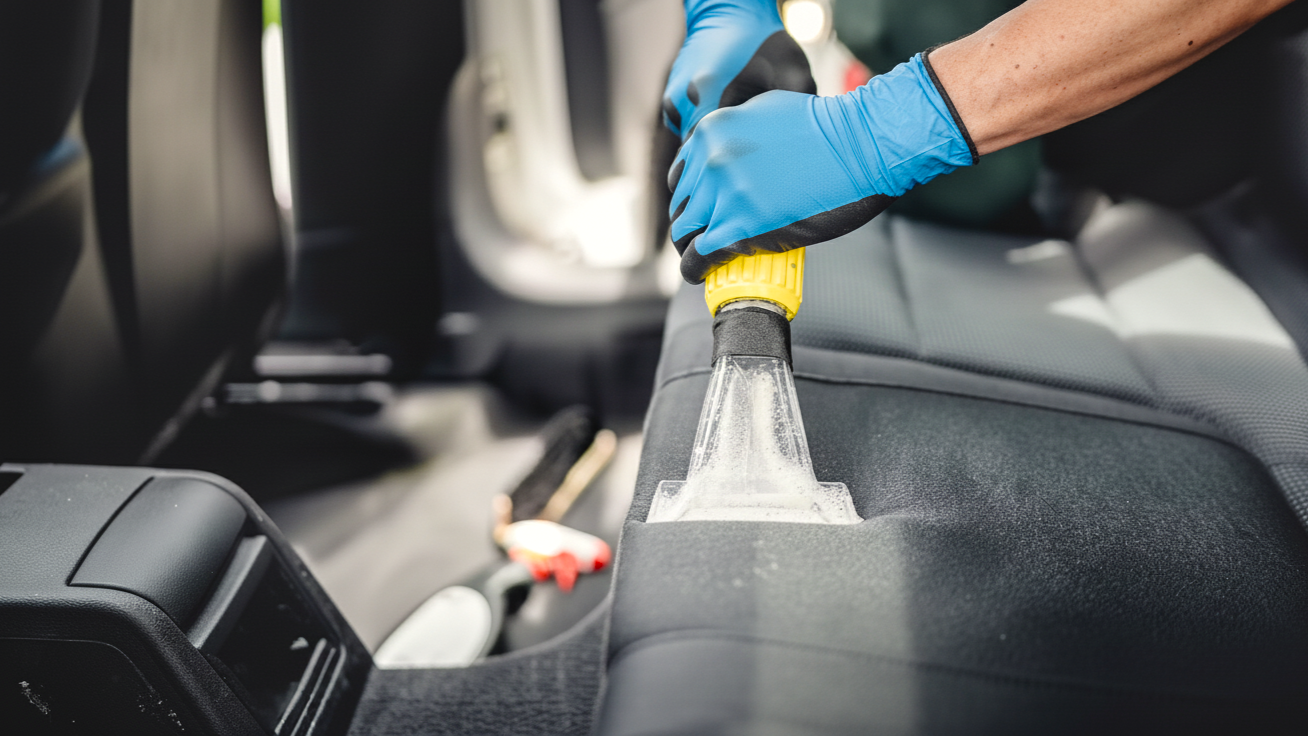
- Use a soft brush and an interior shampoo suitable for automotive fabrics. Work in sections: spray, scrub gently, and vacuum with an extractor. Hot-water extraction helps lift residues from deep fibers. For leather or vinyl seats, apply pH-neutral cleaners to avoid damaging surfaces. Follow up with a conditioner to restore texture.
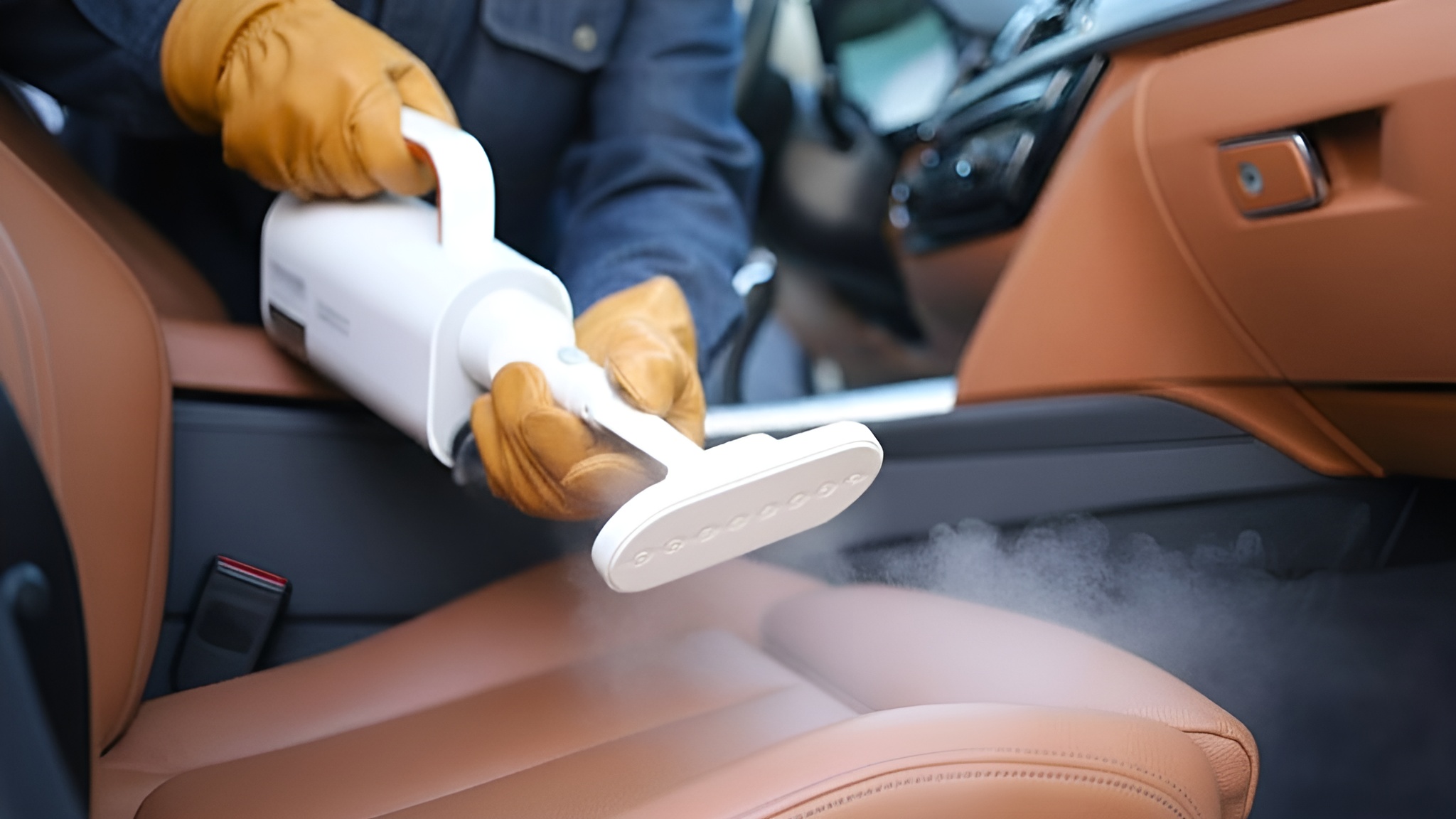
- Steam cleaning is another powerful step. Steam penetrates fabric layers, breaks down sticky residues, and kills bacteria that trap smells. Detailers often say that steam is “the reset button” for a smoker’s car – it refreshes both texture and scent.
- Don’t forget the windows and dashboard: smoke film builds up on glass and plastic, dulling visibility and carrying odor. Use an ammonia-free cleaner and microfiber towels for a streak-free result.
Neutralizing and Absorbing the Odor
After cleaning, it’s time to trap any remaining particles. Natural absorbents like activated charcoal, baking soda, and zeolite stones are inexpensive and effective. Place them in open containers or mesh bags throughout the cabin – under seats, in cup holders, and inside the trunk – and leave them overnight.
If you prefer ready-made solutions, use automotive-grade odor absorbers or gels labeled as cigarette smell remover. They continuously capture airborne particles and prevent the smell from returning. For a stronger effect, combine them with an air purifier or a photocatalytic filter that uses UV light to destroy volatile compounds.
Avoid overusing chemical perfumes. They might mask the odor temporarily but can mix with tobacco residue to create an even heavier scent. The goal is neutrality – a clean, fresh-smelling car that doesn’t smell like “air freshener overload.”
Cleaning the Ventilation and Air Conditioning System
Many people wonder how to get rid of smoke smell in car vents, because even after deep cleaning, odor returns when the AC turns on. The reason: tar particles accumulate in the ventilation ducts and on the evaporator core, where they mix with moisture and bacteria.
Start by replacing the cabin air filter – it’s the easiest fix and often the main source of recurring smell. Then use a dedicated AC cleaner or disinfectant spray designed for automotive HVAC systems. Spray it into the air intakes (usually under the windshield or glove compartment) while the fan runs on maximum. This ensures the product circulates through all ducts.
For persistent cases, professionals use an ozone generator. Ozone (O₃) oxidizes odor molecules and destroys bacteria at the molecular level. When applied correctly – engine off, windows closed, 2–3 hours of exposure – it completely neutralizes lingering smoke without leaving chemical residue.
However, ozone treatment must be handled carefully: excessive use can damage rubber seals and electronics. Always ventilate thoroughly afterward.
Preventing the Smell from Coming Back
Knowing how to get cigarette smell out of a car is only half the battle – the other half is keeping it out. The golden rule is simple: no smoking inside the vehicle. Even one cigarette can undo hours of cleaning.
Here are preventive tips from detailing experts:
- regularly vacuum and wipe surfaces to prevent residue buildup;
- replace cabin filters every 6 months, especially if driving in humid areas;
- keep a small box of baking soda or activated charcoal under a seat;
- use sunshades – heat amplifies trapped odors;
- if you lend your car, politely ask others not to smoke inside.
Some car owners also install mini ionizers or purifiers that continuously clean cabin air. Combined with routine detailing, these small habits ensure the freshness lasts for years.
Conclusion
Removing cigarette odor from a car isn’t about covering up the smell – it’s about eliminating the source. A full approach that includes deep surface cleaning, chemical neutralization, and ventilation treatment is the only way to succeed.
In short, getting smoke smell out of car interiors permanently requires:
- removing all physical traces of smoke and ash;
- treating surfaces with enzyme or ozone-based cleaners;
- refreshing the air system and using long-term absorbents;
- practicing prevention – no smoking, regular cleaning, and filter care.
Follow these steps, and your vehicle will not only smell fresh but also feel cleaner and healthier to drive. Whether you’re restoring your daily ride or preparing it for sale, the effort pays off every time you open the door and breathe in clean air again.

