



How Cars Have Changed Over Time: Technology, Design, and the Future of Mobility
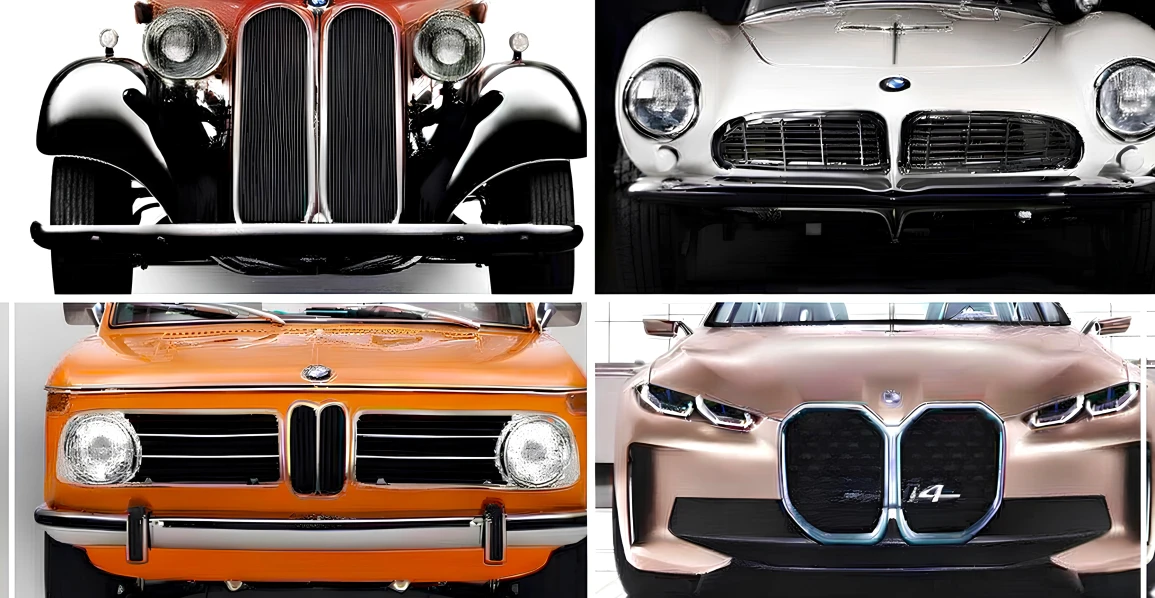
When we look back at the evolution of cars over the past 30 years, it’s clear that automobiles have transformed from purely mechanical machines into intelligent, software-driven ecosystems. Understanding this transformation helps explain not only why cars were invented in the first place–to simplify human mobility–but also how innovation, ecology, and connectivity reshaped that purpose.
From the rise of digital dashboards to electric drivetrains and semi-autonomous driving, the evolution of cars timeline reveals a story of adaptation, competition, and survival in an increasingly digital world. In essence, exploring how cars have changed over time means tracing the path from fuel to data, from horsepower to processing power.
Design and Ergonomics: Form Follows Function–and Software
Thirty years ago, automotive design was a direct extension of engineering logic. In the 1990s, cars were built around the engine, transmission, and structural body components. This resulted in angular shapes, heavy panels, and an almost military sense of practicality. Design served reliability and ease of repair rather than emotion or driver experience.
Starting in the early 2000s, the rules began to change. Aerodynamics, fuel efficiency, and environmental regulations moved to the forefront. Airflow became just as important as metal and bolts. Sharp edges gave way to smooth curves, and a car’s exterior increasingly became the result of precise calculations rather than artistic intuition.
Body and Aerodynamics: Beauty Calculated by Formulas
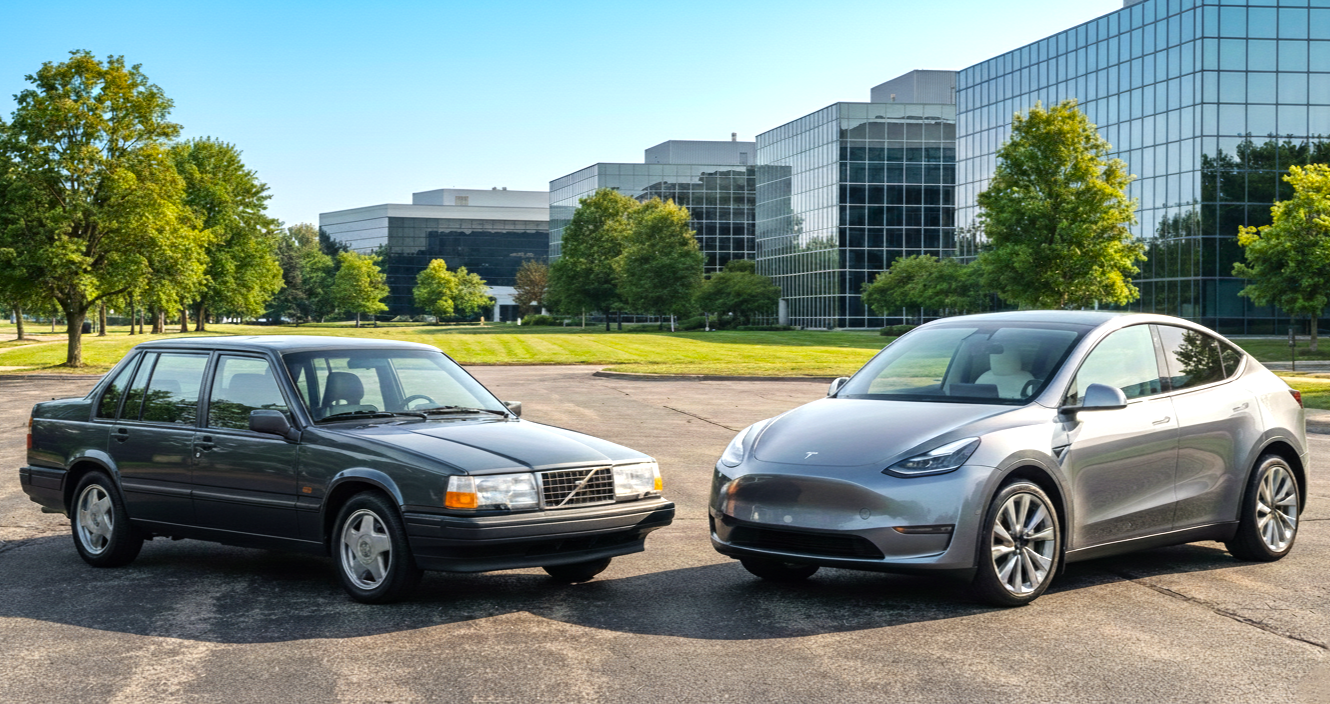
Today, a car’s shape is defined less by sketches and more by computer simulations. Digital wind tunnels allow engineers to model airflow with millimeter-level precision. Every curve of the body, every windshield angle, and every mirror shape serves a specific purpose: reducing drag, lowering noise, increasing driving range, and meeting strict emissions standards.
A clear example is the evolution from the boxy Volvo models of the 1990s to the sleek, streamlined forms of Tesla. Modern electric vehicles are literally “drawn by the wind”: the lower the drag, the farther the car can travel on a single charge. As a result, aesthetics are no longer the enemy of efficiency — they have become its ally.
Comfort and Interior: From Buttons to a Digital Space
Inside the cabin, the transformation has been even more dramatic. In the mid-1990s, interiors resembled aircraft cockpits, filled with dozens of buttons, analog gauges, and physical switches. The driver interacted with the car mechanically — through pressure, rotation, and force.
By 2025, the interior has become a digital environment. Touchscreens have replaced most physical controls, while voice commands allow drivers to interact with the car almost like a living assistant. Ergonomics have become “smart”: seats automatically adjust to body shape, climate control adapts to personal preferences, and ambient lighting changes color and intensity depending on the time of day and the driver’s mood. Navigation systems no longer simply show a route — they explain, advise, and warn, becoming an active participant in the journey.
Materials and Sustainability: A New Definition of Luxury
A modern car also reflects a brand’s environmental philosophy. Recycled plastics, lightweight aluminum, carbon fiber, and synthetic “vegan” leather have become standard in production. Luxury is no longer measured by the thickness of natural leather or the amount of chrome.
What matters today is weight reduction, recyclability, and environmental impact. Aerodynamics dictate exterior design, while sustainability shapes the interior. Materials must be not only pleasant to the touch, but also ethically justified.
Interfaces and Multimedia: When Software Becomes Design
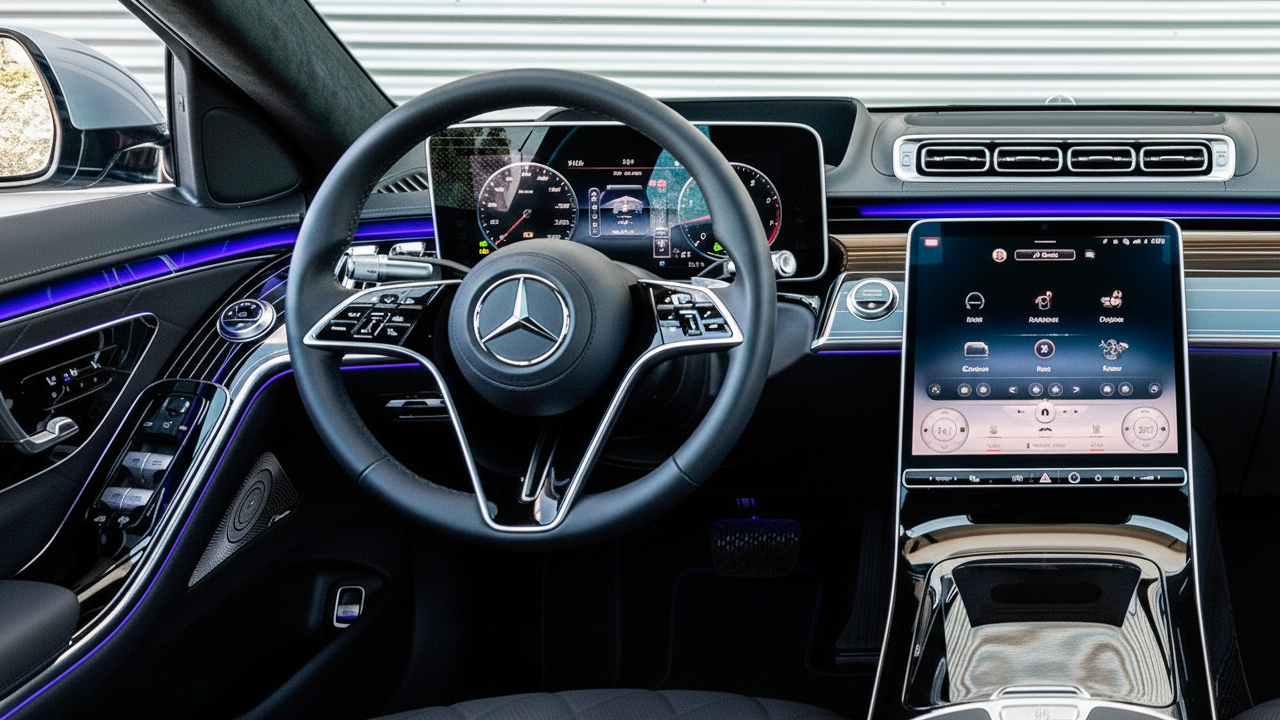
In the 1990s, the peak of in-car technology was a cassette player, later replaced by a CD player. Today, the multimedia system is the “brain” of the vehicle. It integrates navigation, communication, entertainment, vehicle settings, and over-the-air updates.
The interface, system speed, and menu logic have become just as important to design as headlight shapes or rooflines. Software has turned into a key competitive advantage, and the car itself has become a gadget on wheels — one that can improve over time without any physical modifications.
Engine Technology and Performance: From Combustion to Electrons
The heart of the car–its engine–has gone through a silent revolution.
- From gasoline to hybrid and electric. The 1990s engine was a mechanical marvel: internal combustion, turbocharging, and manual control. But as fuel prices rose and climate awareness grew, the race for efficiency began. Toyota’s Prius in 1997 introduced the hybrid era; two decades later, Tesla redefined performance with silence. Electric torque became the new thrill.
- Efficiency and innovation. Technologies such as direct injection, turbo-downsizing, and Start-Stop systems allowed smaller engines to deliver more power with less fuel. The computerization of combustion transformed performance into a matter of algorithms.
- The new driving behavior. Modern cars are reactive organisms. Software manages throttle response, adaptive suspension, and even predictive gear shifts. The mechanical feedback of the old roadster gave way to digital precision–where updates, not mechanics, enhance performance.
This is where the evolution of cars timeline takes its sharpest turn: from mechanical mastery to electrical intelligence.
Safety and Driver Assistance: When Machines Began to Protect Us
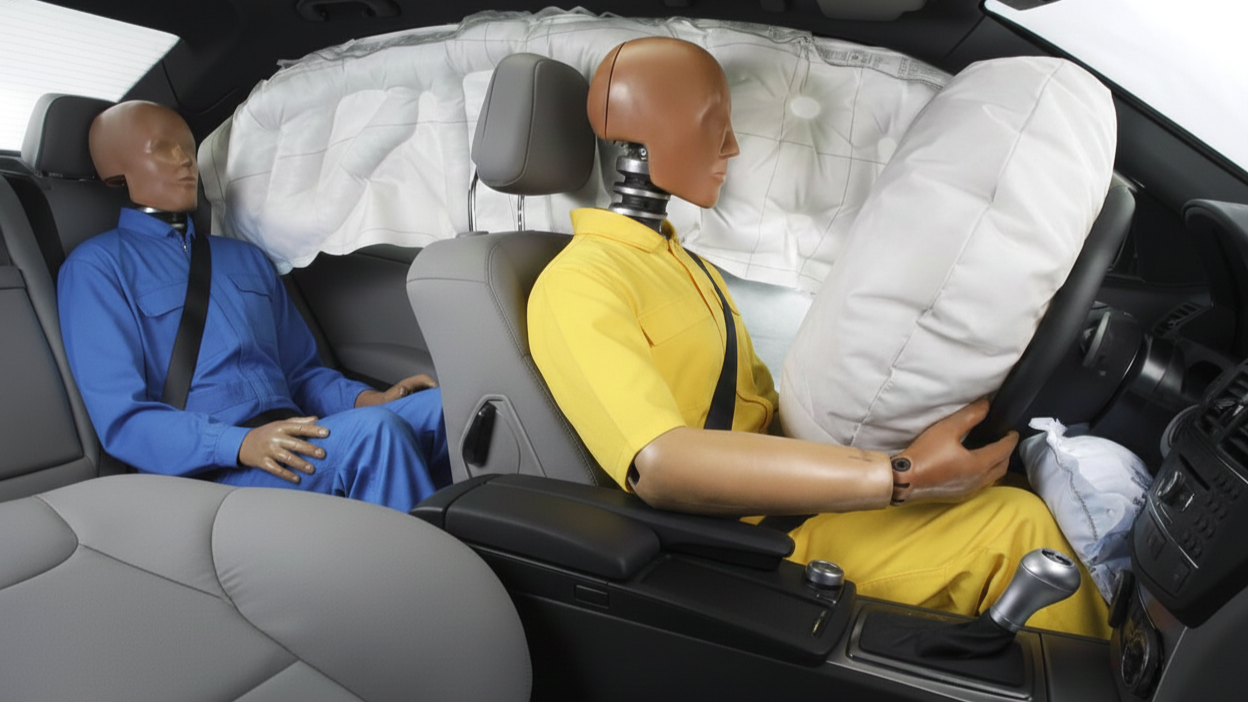
Thirty years ago, safety meant airbags and seatbelts. Today, it means radar, lidar, and neural networks.
- Passive safety. The late 20th century brought stronger crumple zones and more airbags. Each generation learned from crash tests; each regulation saved lives.
- Active safety and autonomy. From ABS and ESP to adaptive cruise control and collision warning, cars became not just safer–but smarter. Modern vehicles scan surroundings hundreds of times per second. Systems like Tesla Autopilot and Mercedes Drive Pilot prove that the border between driving and being driven is blurring.
- Human-machine harmony. The driver is no longer alone. Cameras detect drowsiness, AI reads traffic signs, and sensors watch blind spots. The evolution of safety mirrors the evolution of empathy in technology–it anticipates mistakes before they happen.
As a result, accident rates have dropped in countries that embraced driver-assistance technologies. The road to full autonomy is still under construction, but the direction is set.
Sustainability and New Standards: Greener Roads Ahead
In the 1990s, few drivers asked how their cars affected the planet. Gas was cheap, and emissions were an afterthought. But as global warming became undeniable, regulations tightened, forcing the industry to evolve.
- Emission standards and innovation. Governments introduced CO₂ caps and Euro emission norms that reshaped engineering priorities. What started as a bureaucratic necessity became a moral imperative. Catalytic converters, particulate filters, and cleaner fuels paved the way for the electric transition.
- Rise of hybrids and EVs. The early hybrid was seen as a compromise–half-electric, half-convincing. Yet within two decades, hybrids proved their reliability and opened the door for full electrification. Tesla’s arrival transformed electric cars from curiosities into status symbols. Today, every major automaker–from Ford to Volkswagen–offers an electric lineup, driven by both regulation and consumer demand.
- Materials and recycling. Lightweight aluminum frames and carbon-fiber composites replaced steel to reduce emissions. Automakers now experiment with plant-based plastics and recycled textiles. The result: vehicles that are not just energy-efficient but environmentally responsible throughout their lifecycle.
This is not only about technology; it’s about ethics. The evolution of cars is now inseparable from the evolution of consciousness.
Connectivity and Digital Integration: Cars Join the Network
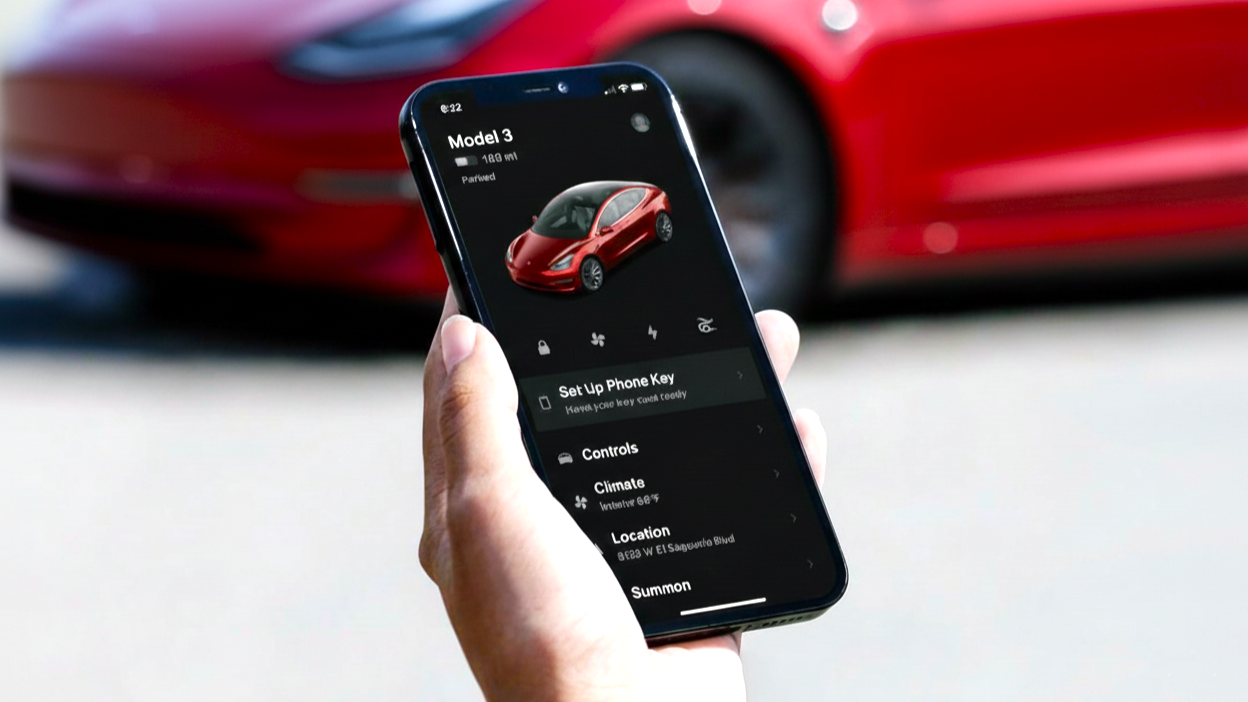
In the mid-1990s, “connectivity” meant a CD changer. By 2025, it means a car that updates its own software overnight.
- Smart integration. Modern vehicles connect seamlessly with smartphones, home assistants, and even city infrastructure. Navigation systems predict traffic based on AI data; infotainment platforms stream music, podcasts, and even video meetings.
- Over-the-air evolution. Cars no longer age like their predecessors. Tesla pioneered the concept of over-the-air (OTA) updates, allowing vehicles to gain new features without a single trip to the dealership. Other brands followed, turning cars into rolling computers.
- Telematics and safety. Internet connectivity also redefined security. Systems like OnStar or BMW ConnectedDrive track maintenance, location, and driving behavior. In emergencies, cars automatically alert rescue services.
- Toward autonomy. With sensors and AI integration, cars now communicate with traffic lights, other vehicles, and the cloud. The final stage of the evolution of cars timeline may well be the disappearance of human error.
The digital car no longer serves only transportation–it collects data, interacts with the environment, and learns continuously.
Ownership and Cost: The New Economics of Mobility
Car ownership has become less about possession and more about access.
- Lower maintenance, higher tech. Electric drivetrains cut mechanical complexity by half–no oil changes, fewer moving parts. While initial costs remain higher, long-term expenses are shrinking. Predictive maintenance software now warns owners before a part fails.
- Insurance and personalization. Connected cars allowed the rise of usage-based insurance: pay for how–and how well–you drive. Data replaced guesswork, making policies fairer and more dynamic.
- Mobility as a service. Younger generations often ask not “what car should I buy?” but “which app should I use?” Car-sharing, ride-hailing, and subscription models redefine the economics of driving.
For many, the dream of owning a car has evolved into the freedom of using one whenever necessary.
Cultural and Social Shifts: From Freedom to Function
For much of the 20th century, cars symbolized freedom, individuality, and adventure. The open road meant possibility. But in the 2020s, values shifted.
- Urban reality. With cities growing denser and climate policies stricter, the car became a practical tool rather than a personal trophy. Compact EVs and urban SUVs replaced gas-guzzling muscle cars. Design now reflects sustainability and minimalism more than status.
- Generational change. Millennials and Gen Z drivers are less obsessed with brands and horsepower. They value digital experience, efficiency, and environmental responsibility. To them, the evolution of cars mirrors the evolution of lifestyles–connected, conscious, and collaborative.
- Pop culture and perception. Movies once glorified roaring engines; now they glorify silent innovation. The hero’s car is no longer a Mustang–it’s a self-driving electric pod.
Conclusion: The Next Chapter in the Evolution of Cars
Looking back at how cars have changed over time, we see more than mechanical progress–we see a reflection of society itself. The journey from fuel injection to full electrification, from steering wheels to algorithms, is a story of adaptation and ambition. The question of why cars were invented has found a modern answer: not merely to move people, but to connect them–safely, efficiently, and responsibly.
As the evolution of cars timeline continues, the next 30 years promise even deeper integration of artificial intelligence, renewable energy, and human-centered design. The car of the future will not just respond to us–it will understand us. The revolution on wheels is far from over; in many ways, it has only just begun.

