



Engine Misfire Explained: Symptoms, Causes, and What to Do Next
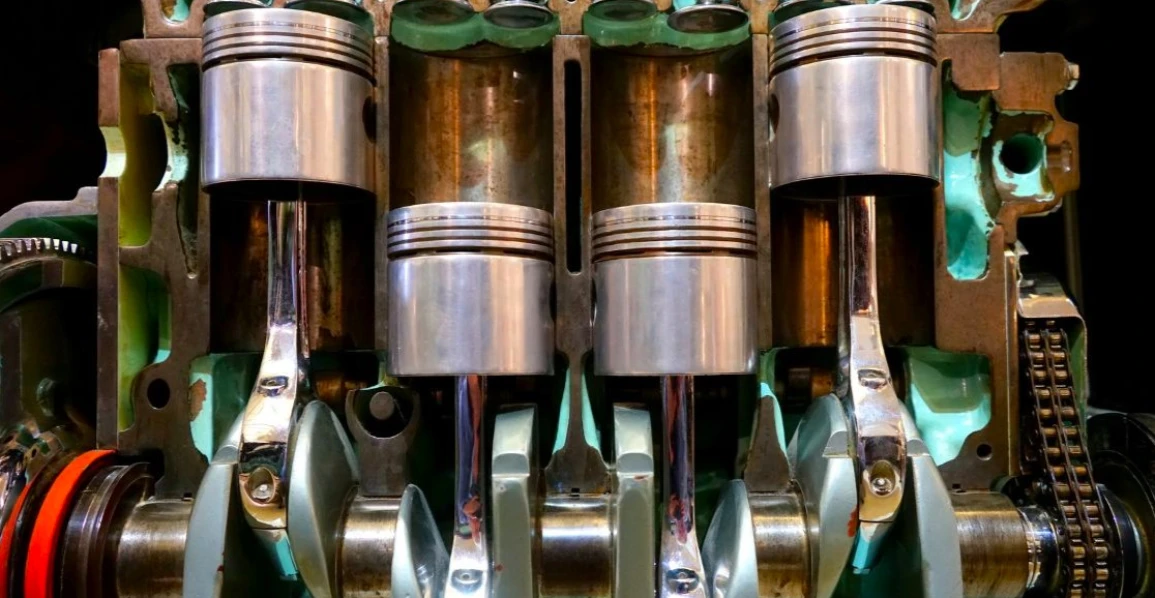
Has your car started running unevenly? Does the engine vibrate, and does the body seem to shake at idle? These are classic signs of an engine misfire — or, as many drivers say, when the engine is “running rough.” This kind of issue shouldn’t be ignored: identifying the cause early can save you money on repairs and help keep the engine in good condition.
What an Engine Misfire Is
A misfire happens when one or more cylinders fail to ignite the air–fuel mixture at the right moment. The engine doesn’t produce full power, the combustion becomes uneven, or the mixture doesn’t ignite at all.
Why this is dangerous:
- Fuel consumption increases.
- Power drops, and acceleration gets worse.
- Unburned fuel can damage the catalytic converter or the engine itself.
- Vibrations grow over time, and the failure becomes more severe.
Even a single misfire event should not be ignored. It’s not “just a glitch” — it’s a clear sign that something in the system isn’t working properly.
Main Signs That the Engine Is Misfiring
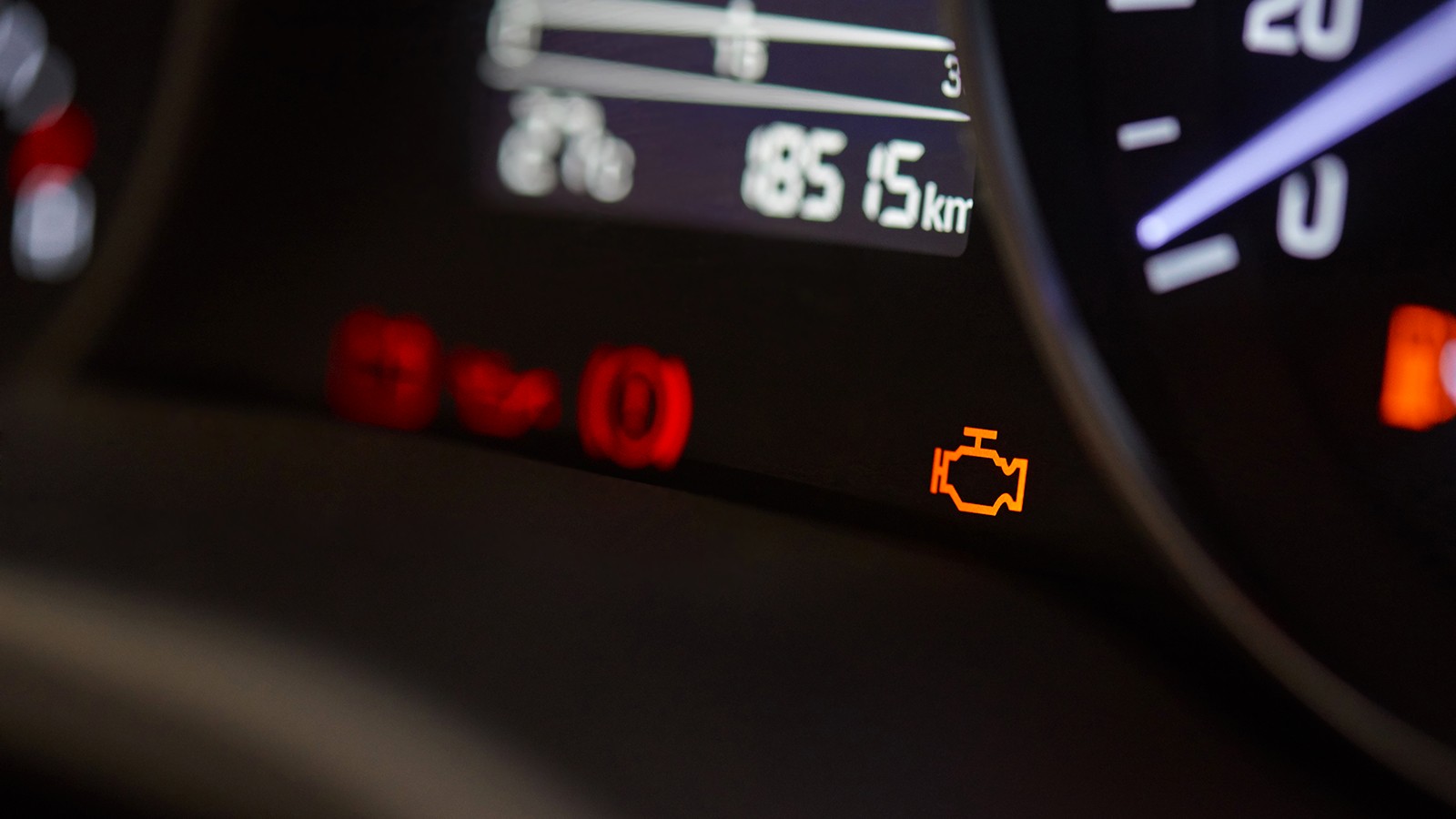
When an engine starts to misfire, a car rarely stays “silent.” On the contrary, it actively signals the problem through its behavior. An attentive driver can often recognize the issue even without computer diagnostics, simply by listening to how the car runs.
Below are the key signs that should not be ignored.
- Rough idle. One of the earliest and most noticeable symptoms. The engine runs unevenly, causing vibrations, slight jolts, and a feeling that it may stall at any moment. Engine speed may fluctuate, and the vehicle body can shake noticeably, especially at traffic lights or while idling.
- Loss of power and reduced performance. The car begins to accelerate sluggishly and responds poorly to throttle input. During overtaking or when driving uphill, it becomes clear that the engine no longer delivers the same pulling power. This happens because one or more cylinders are not fully contributing to engine operation.
- Increased fuel consumption. When the engine is misfiring, the air-fuel mixture in one of the cylinders either does not burn completely or fails to ignite at all. No useful energy is produced, yet fuel continues to be consumed. As a result, the driver may notice more frequent refueling and reduced fuel efficiency.
- Flashing or constantly illuminated Check Engine light. One of the most obvious warning signs. The engine control unit detects ignition misfires and alerts the driver. A flashing Check Engine light is particularly dangerous, as it indicates a serious issue that requires immediate attention.
- Popping, crackling, or backfiring from the exhaust. If unburned fuel enters the exhaust system, it can ignite there instead. This causes characteristic popping or crackling sounds. Such symptoms point to serious combustion problems and may lead to damage to the exhaust system.
- Smell of gasoline. A strong fuel odor from under the hood or from the exhaust is another alarming sign. It indicates that the air-fuel mixture is not burning properly and is being expelled without full combustion.
Important Advice for Drivers
If the Check Engine light starts flashing, it is best to stop immediately and turn off the engine. Continuing to drive with active misfires can cause the catalytic converter to overheat and fail — and replacing it is one of the most expensive repairs in the exhaust system.
Engine Misfire Causes
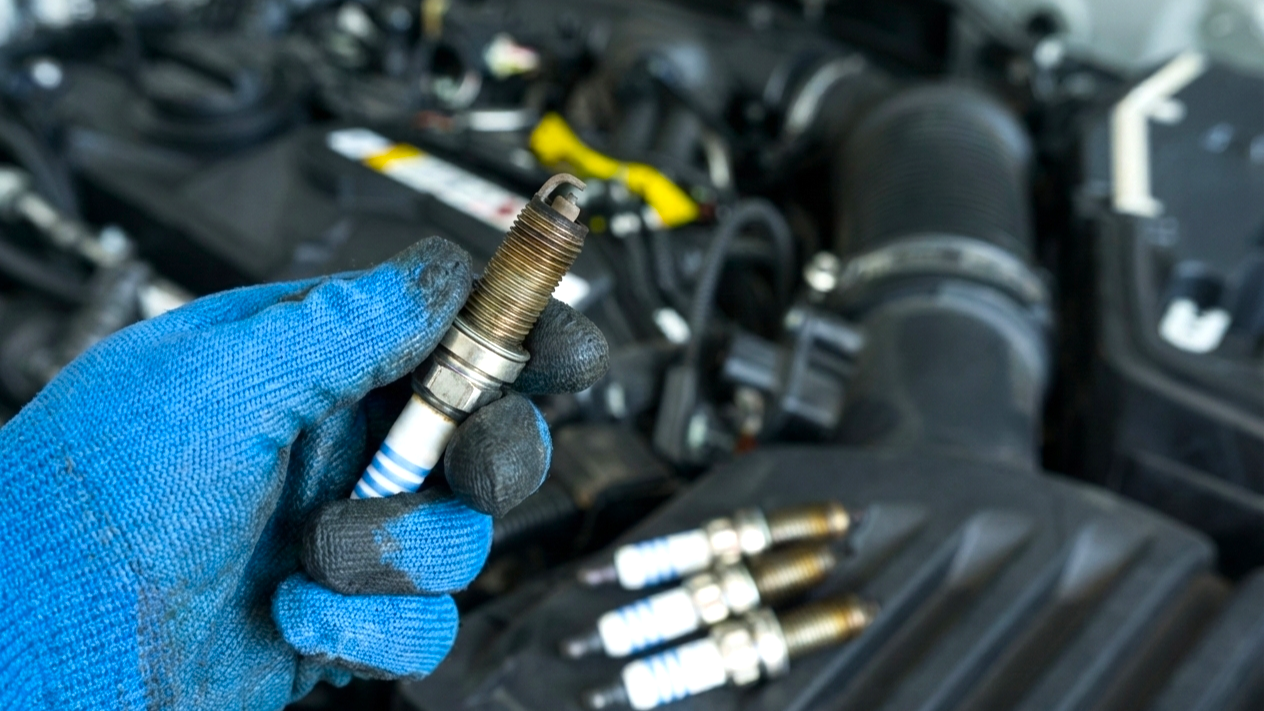
Before jumping into repairs, it’s important to understand engine misfire causes. The source of the problem may be ignition, fuel delivery, or compression — and the solution depends on the root cause.
It’s easier to identify the problem if you group the most common causes into three categories:
1. Ignition System Issues
- Worn spark plugs.
- Damaged or cracked high-voltage wires.
- Faulty ignition coil.
- Corroded or dirty contacts.
When the spark is unstable, the cylinder fails to ignite the mixture on time, and the engine begins to misfire.
2. Fuel Delivery Problems
- Clogged injectors.
- Low fuel pressure due to a failing pump or filter.
- Poor fuel quality.
When the mixture is too lean or poorly atomized, it doesn’t burn properly.
3. Air and Compression Issues
- Air leaks through hoses or gaskets.
- Worn valves or piston rings.
- Faulty sensors (MAF, oxygen, crankshaft position).
Imbalanced air–fuel ratios or poor compression prevent the cylinders from working in sync.
How to Check the Problem Yourself
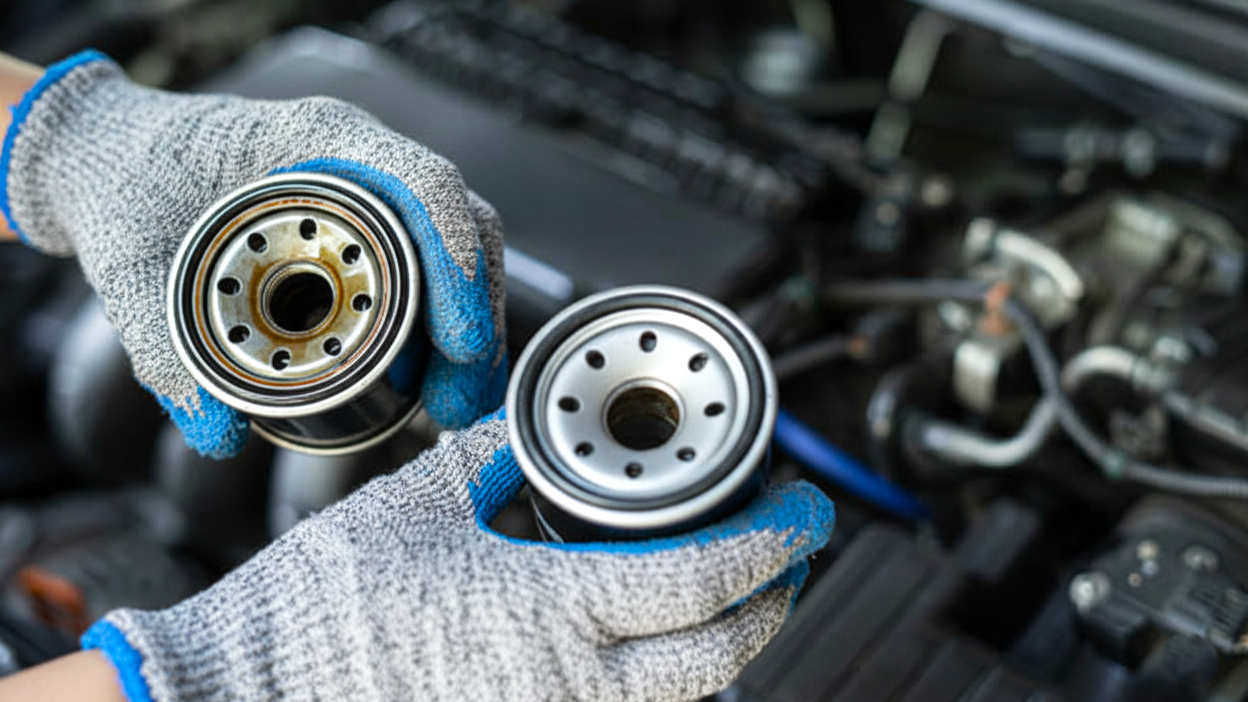
If you have basic mechanical skills, you can run several simple checks. This can help you identify what causes misfires in your particular case:
- Inspect the spark plugs. Check for wear, carbon deposits, or an incorrect gap. Replace if needed.
- Examine coils and wires. Cracks, corrosion, or burn marks indicate a problem.
- Use an OBD2 scanner. Codes P0300–P0306 will tell you exactly which cylinder is misfiring.
- Listen to the engine. Sometimes the vibration or sound itself points to the faulty area.
If you’re unsure, don’t guess. Get a proper diagnostic scan. Continuing to drive with active misfires can destroy the catalytic converter and damage the engine.
How to Tell a Minor Misfire from a Serious Failure
Not every rough engine idle requires urgent repair. Sometimes it’s a one-time issue with no long-term risk, but other times it signals a deeper problem. Knowing the difference can save time, nerves, and money.
1. One-time or Light Misfire
- Rough operation lasts only a few seconds.
- Symptoms appear at cold start and disappear after warm-up.
- Check Engine doesn’t light up or goes off on its own.
- Fuel consumption stays the same.
In such cases, observe the car for a day or two. It may be moisture, a damp morning, or bad fuel. If symptoms don’t return, there’s no immediate concern.
2. Moderate Misfire
- Symptoms appear periodically, mostly at idle.
- Check Engine lights up but doesn’t flash.
- The car may jerk during acceleration.
- There’s a faint fuel smell from the exhaust.
This is a good time to schedule a diagnostic check. Intermittent misfires often point to worn spark plugs, dirty injectors, or unstable ignition.
3. Severe Misfire
- Unstable operation persists after warm-up.
- Check Engine flashes constantly.
- The vehicle loses power, vibrations grow stronger.
- Fuel consumption increases sharply.
- You hear pops or ticking from the exhaust.
In this situation, stop driving and call a tow truck. Continuing to drive can overheat the catalytic converter and cause expensive damage. Even a mild misfire can escalate quickly if ignored. Timely diagnostics can mean the difference between a small repair and a major engine rebuild.
Why Is My Car Misfiring: When It’s Time to Visit a Mechanic
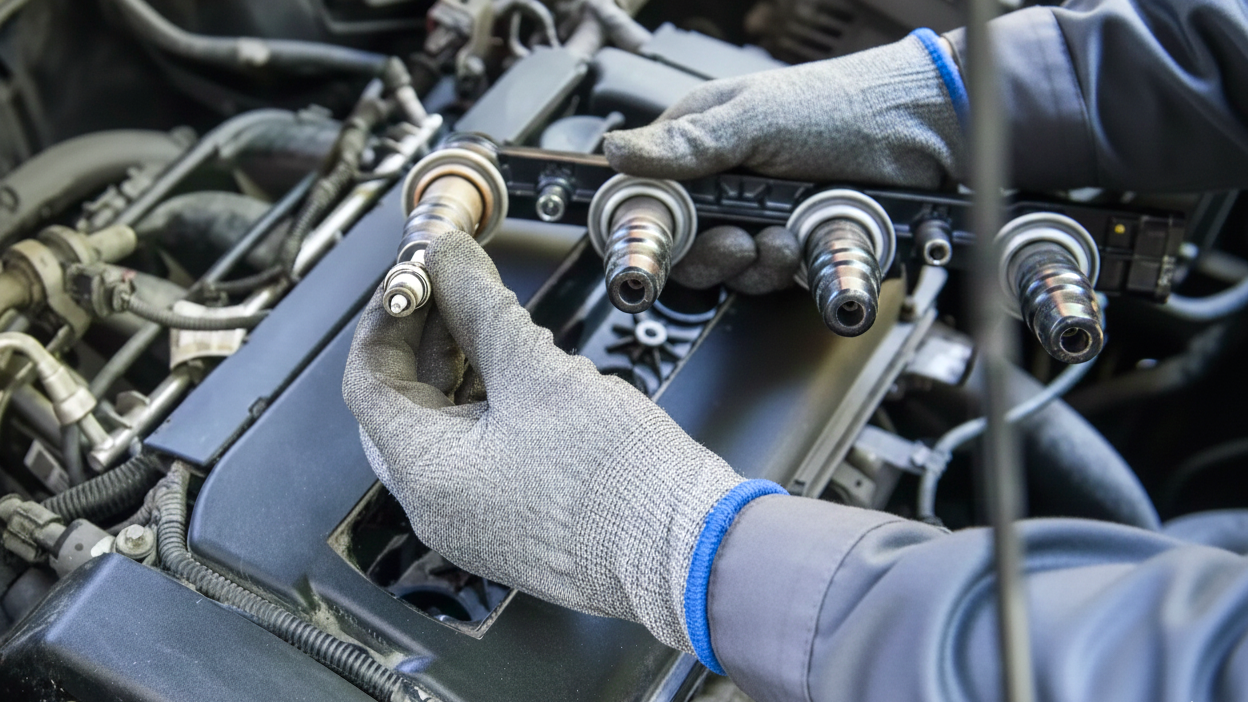
Some drivers hope the issue will “go away on its own.” But there are situations where you can’t postpone repairs. Here are the warning signs of why is my car misfiring that require immediate attention:
- The Check Engine light flashes constantly.
- Vibrations remain even at higher RPMs.
- Loud pops or knocking when pressing the gas pedal.
- Noticeable increase in fuel consumption.
- The engine stalls when stopping or idling in traffic.
Driving like this can lead to total catalytic converter failure or overheating of critical components.
What Happens If You Ignore an Engine Misfire
Many drivers notice early signs but keep driving, hoping the problem will disappear. In reality, ignoring misfires leads to much higher repair bills. A misfire isn’t just a glitch — it’s a process that gradually damages the engine and exhaust system.
- Overheating the Catalytic Converter. Unburned fuel enters the exhaust and ignites inside the catalytic converter. Temperatures rise above normal, melting the ceramic core and clogging the system. Replacing the converter is far more expensive than fixing the cause.
- Damaging Oxygen Sensors. These sensors depend on clean exhaust gases. Incomplete combustion contaminates them quickly. Without accurate readings, the ECU can’t regulate the air–fuel mixture properly.
- Extra Stress on the Crankshaft and Rods. When one or more cylinders don’t produce power, the remaining ones carry the load. That imbalance accelerates wear on bearings and rods.
- Increased Fuel Consumption. The system compensates for power loss by injecting more fuel. The driver pays more for gas without getting more performance.
- Risk of Engine Overhaul. Long-term misfiring leads to detonation, overheating, and accelerated wear of pistons, valves, and gaskets. This can turn a simple fix into an expensive engine rebuild.
Each day of driving with an active misfire accelerates wear on critical components. Addressing the issue early can take 30 minutes — delaying it can cost thousands.
How to Prevent Engine Misfires
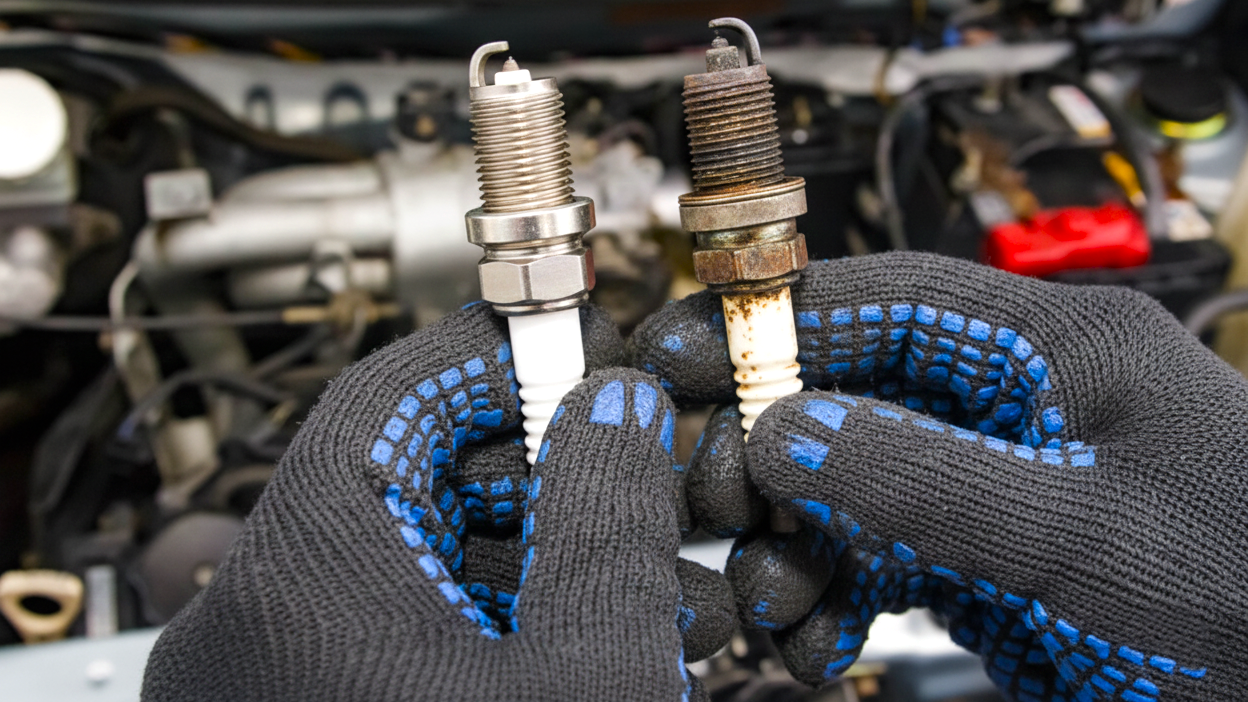
Prevention is always cheaper than repair. A few simple habits will help avoid engine misfire issues in the future:
- Replace spark plugs according to the maintenance schedule.
- Use high-quality fuel.
- Clean the fuel system and injectors regularly.
- Inspect coils and wires for moisture, corrosion, and cracks.
- Monitor compression and oil levels.
Routine maintenance is the best way to avoid unexpected breakdowns.
Common Myths About Engine Misfires
Engine misfires are one of those issues surrounded by an unusually large number of misconceptions. Because of these myths, drivers often delay repairs, making the problem worse and increasing future repair costs. Let’s take a look at the most common myths and explain why they should not be trusted.
- Myth 1: “Just add a fuel additive and it will go away”. Fuel additives may help only in very limited cases, such as minor injector contamination. However, in most situations, misfires are caused by faulty spark plugs, ignition coils, sensors, vacuum leaks, or compression problems. No additive can restore worn components or fix electrical faults. Using additives instead of proper diagnostics merely postpones the real solution and creates a false sense of “temporary improvement.”
- Myth 2: “You can keep driving as long as the car still runs”. This is one of the most dangerous myths. Even if the vehicle continues to move, misfires mean the engine is operating unevenly and under excessive stress. Unburned fuel enters the exhaust system, overheats the catalytic converter, and can lead to its failure. In addition, the load on the engine, ignition system, and exhaust components increases significantly, greatly raising the risk of serious damage.
- Myth 3: “It’s just bad fuel — it will fix itself over time”. Fuel quality can indeed affect engine performance, but persistent or recurring misfires almost always indicate a technical fault. Even if the problem appeared after refueling, the fuel may have simply exposed an existing defect. Waiting for the issue to resolve on its own rarely works and usually makes the situation worse.
What Really Matters
Misfires do not disappear on their own. They are always the result of a technical problem with a specific cause — mechanical, electrical, or related to fuel and air delivery. The longer a driver ignores the symptoms, the more serious the consequences become, ranging from increased fuel consumption to costly engine and exhaust system repairs.
The conclusion is simple: timely diagnostics are almost always cheaper than trying to “live with the problem” or relying on temporary fixes.
Conclusion
An engine misfire is not a reason to panic — but it’s also not something to ignore. Timely diagnostics can prevent serious failures and unnecessary expenses. If you notice early symptoms, don’t wait. A few simple checks can save you money and keep your engine running smoothly and reliably.

