



Diesel vs Petrol Cars: Running Costs Comparison 2025

Diesel or petrol? Two different fuel nozzles. And two different worlds under the hood. Every time you stop at a gas station, you make a financial decision that affects your budget not just today, but for years to come. In 2025, this choice has become more complex than ever. Fuel prices are unpredictable. Taxes are changing. And the trend towards electric and hybrid cars has shuffled all the cards in the used car market.
Many drivers still believe in old myths: diesel is for the frugal, petrol is for performance. But modern technologies have long changed the rules of the game. Turbocharging, direct injection, and complex exhaust treatment systems have turned both engine types into high-tech units with their own strengths and weaknesses.
So what is actually more cost-effective? Where are the real expenses hidden? To answer this question, we need to dig deeper than a simple price comparison at the pump. It is necessary to analyze everything: from the cost of maintenance to the loss in value after three years.
Read on, and you will be able to make the right choice in the diesel vs petrol debate. We will delve into the nuances and draw the right conclusions.
A Brief Overview of Diesel and Petrol Engines
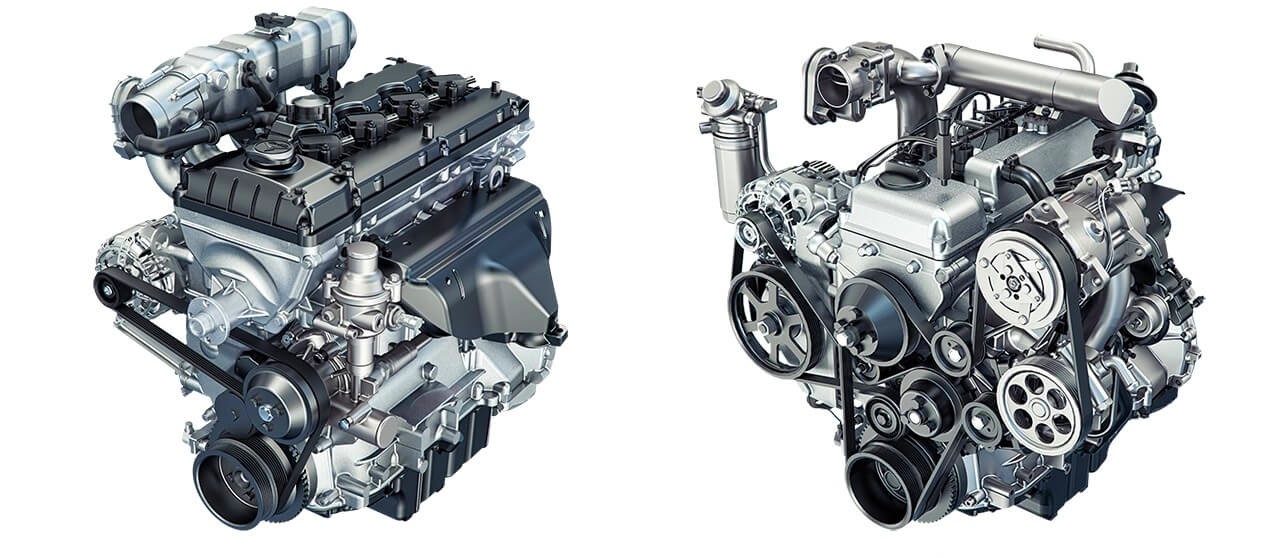
To understand the difference in costs, you need to understand the difference in how they work.
How does a diesel engine work?
A diesel engine has one key distinction: it doesn’t use spark plugs. Fuel ignition happens in a completely different way — through extremely high pressure. Here’s what the process looks like from the inside:
1. Intense air compression
Clean air is drawn into the cylinder. Then the piston compresses it so strongly that the temperature rises to 700–800°C. For comparison, that’s 3–4 times hotter than a household oven set to maximum.
2. High-pressure fuel injection
Once the air is heated to the required temperature, the injectors spray diesel fuel in a fine mist. Under these conditions, the fuel ignites instantly — without a spark, without plugs, purely from heat generated by compression.
3. Strong low-end torque
This combustion method makes diesel engines champions of torque:
- high torque is available at low RPM;
- the vehicle moves off easily even under load;
- towing a trailer, a full cabin, or heavy cargo becomes much simpler.
That’s why commercial vehicles almost always use diesel — torque is crucial for them.
4. Fuel efficiency as a bonus
Diesel fuel contains more energy per liter than gasoline, and the compression-ignition process is inherently more efficient. As a result:
- fuel consumption is lower;
- refueling is required less often;
- on the highway, a diesel engine easily outperforms a gasoline engine in terms of efficiency.
5. Everyday driving benefits
In city driving, a diesel is pleasant because it doesn’t need to rev high — torque is available immediately. On the highway, it offers stability and the ability to maintain high speeds at low RPM, saving fuel.
How does a petrol engine work?
In a gasoline engine, the process works completely differently. Instead of relying on compression for ignition, a fuel–air mixture is delivered into the cylinders, and combustion begins only when the spark plug generates a spark. This makes the engine feel more “lively” and responsive.
What sets a gasoline engine apart?
High RPM capability — gasoline engines easily rev up, providing a quick throttle responseLower weight — the lighter construction improves overall agilityQuiet operation — vibrations and the characteristic “diesel clatter” are almost nonexistentA sense of lightness and dynamics — the car responds faster, which is especially pleasant in city driving or with a more spirited style
Technology has narrowed the gap — but not eliminated it
Modern engineering has significantly changed the behavior of both gasoline and diesel engines:
- turbocharging has made gasoline engines more torquey at low RPM;
- direct injection has improved their efficiency and responsiveness;
- modern diesels have become quieter, smoother, and more reactive.
However, despite all technological advancements, the fundamental differences in running costs and overall ownership remain. These distinctions ultimately determine which engine type is more cost-effective for your driving style and operating conditions.
Main Car Ownership Expenses

The total cost of owning a car is much more than the purchase price. Over the years, various hidden and recurring expenses accumulate and shape the overall budget. Here are the key elements you should pay attention to.
1. Fuel costs — the main ongoing expense Fuel consumption usually has the biggest impact on how expensive a car is to operate on a daily basis. Different engine types (petrol, diesel, hybrid) use fuel differently, and driving style, traffic conditions, and road quality can significantly increase or reduce spending. For drivers with high annual mileage, this is often the most substantial cost.
2. Maintenance and repairs — the health of your vehicle This category includes scheduled servicing, replacement of filters, fluids, brake pads, tires, as well as potential unscheduled repairs. Diesel and petrol engines come with different maintenance needs:
- diesel engines require more frequent filter changes and are more sensitive to fuel quality;
- petrol engines are cheaper to repair but may consume consumables more often.
Regular maintenance isn’t an unnecessary expense — it’s an investment in reliability and long-term engine life.
3. Insurance and taxes — mandatory annual payments Every car owner must deal with insurance, road taxes, and other required fees. Rates depend on engine power, vehicle age, driver experience, and even the region. The more powerful and expensive the car, the higher the annual financial load.
4. Depreciation — the invisible but largest cost A car inevitably loses value every year. After just one year, a vehicle may lose 10–20% of its price, and after 3–5 years — up to half. This is money the owner effectively loses at resale, even if the car was perfectly maintained. Diesel vehicles often retain their value better due to their durability, while petrol cars tend to depreciate faster, especially in big cities with highly competitive used-car markets.
Fuel Costs in the Current Year
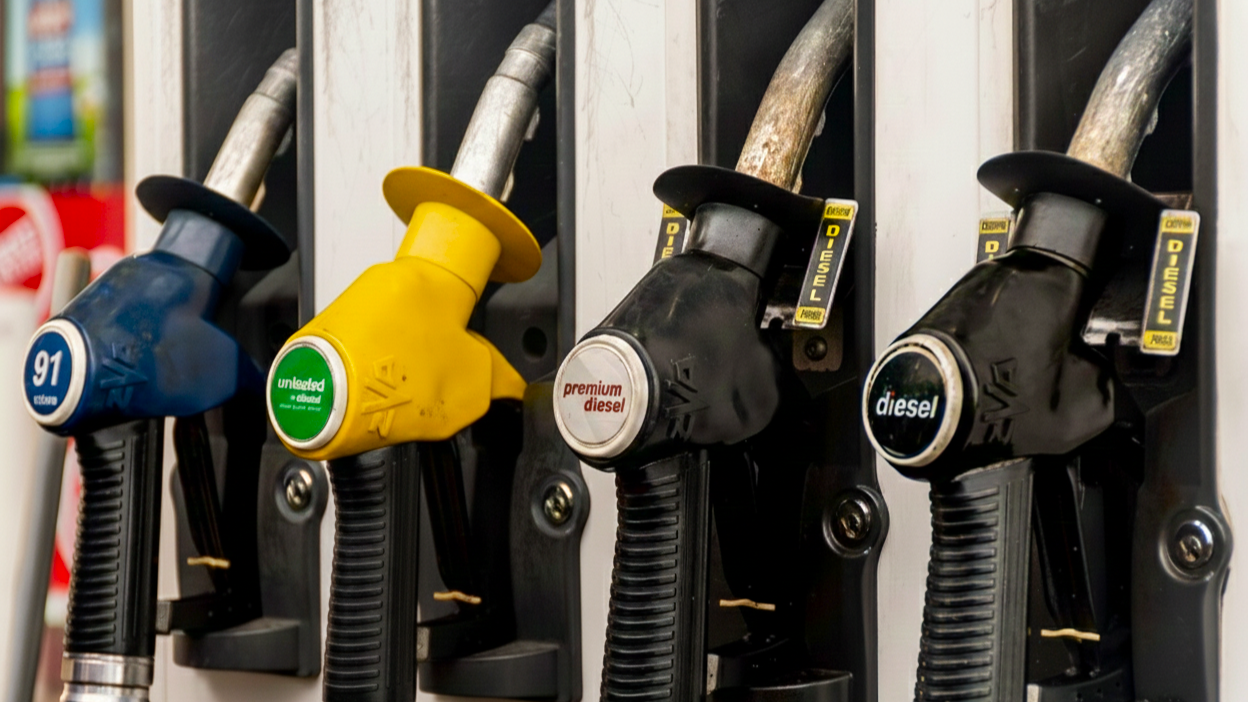
In 2025, in Cyprus and most European countries, diesel fuel is generally slightly cheaper per liter than petrol. But the main saving is hidden not in the price, but in consumption.
City vs. Highway:
- On the highway, the diesel engine is king. Thanks to its high efficiency, it consumes 20–30% less fuel than a comparable petrol engine. If you drive a lot between cities, diesel will be significantly more economical.
- In the city, the picture changes. For short trips and frequent idling in traffic, a modern small-displacement petrol engine can be more efficient. A diesel needs to cover some distance to warm up to its operating temperature and work effectively.
- Driving style also makes a difference. Aggressive driving with sharp accelerations can increase the consumption of any engine by 30–40%, negating any potential savings.
Maintenance and Repair

This is the hidden part of the expense iceberg, where the difference between diesel and petrol is most noticeable.
Diesel Car:
- More expensive maintenance. Diesel engines require more expensive motor oil, and the volume in the engine is usually larger. The fuel filter is also more expensive and is changed more frequently.
- Complex fuel system. The high-pressure fuel pump and injectors are complex and expensive components. Their repair or replacement can cost thousands of euros.
- Diesel Particulate Filter (DPF). Modern diesels are equipped with a DPF, which requires periodic regeneration (burn-off). With frequent short city trips, the filter gets clogged, and its forced cleaning or replacement is a costly procedure.
Petrol Car:
- Cheaper maintenance. The cost of oil and filters is lower.
- Simpler design. The fuel system is simpler and more reliable. Instead of an expensive high-pressure pump, there is a more affordable fuel pump.
- Spark plugs. They require periodic replacement, but this is an inexpensive procedure compared to potential diesel problems.
Taxes, Fees, and Environmental Charges

Environmental regulations are becoming increasingly strict, and this trend is working against diesel vehicles — especially older, high-mileage models. Many modern standards, such as Euro 6 and above, require vehicles to maintain extremely low emission levels, and older diesel engines simply cannot meet these requirements consistently.
Each year, governments around the world introduce new restrictions: low-emission zones in cities, bans on older diesels entering urban centers, higher taxes, mandatory environmental stickers, and more rigorous inspections. As a result, owners of used diesel cars face rising costs and growing inconvenience.
Even if the vehicle itself is in good condition, its environmental performance is outdated — and this directly affects its resale value, eligibility for registration or import, and overall attractiveness to buyers. All of this makes the used-diesel market less stable and less profitable than it was just a few years ago.
Taxes
In most EU countries, including Cyprus, road tax is linked to CO₂ emissions. Modern diesels are very efficient and often win against petrol counterparts in this regard. But the situation is changing, and authorities are increasingly introducing additional taxes based on nitrogen oxide (NOx) emissions, where diesel loses.
Low Emission Zones (LEZ)
Many major European cities are introducing restrictions on the entry of older diesel cars (Euro 4 standard and below). By buying a used diesel, you risk facing driving restrictions in the future.
Depreciation and Resale
The loss of value is the largest but often ignored expense. And here, in the petrol vs diesel debate, a dramatic reversal has occurred in recent years. After "Dieselgate" and amidst the growing popularity of hybrids and electric cars, the demand for diesel cars on the secondary market has fallen. They lose value faster than their petrol counterparts. You might save on fuel over 3-5 years of ownership, but lose a much larger amount when you sell the car. Petrol cars, especially those with small turbo engines, retain their value better and sell faster.
Comparison by Key Parameters
Let's calculate the approximate total cost of ownership for two hypothetical cars (C-segment sedans) over three years with an annual mileage of 20,000 km.
Parameter | Diesel Car | Petrol Car |
Average Consumption | 6.0 L/100 km | 8.0 L/100 km |
Fuel Price (hypothetical) | €1.55 / L | €1.60 / L |
Fuel Costs over 3 years | €5,580 | €7,680 |
Maintenance Cost over 3 years | ~ €1,350 | ~ €900 |
Depreciation over 3 years | ~ 50% | ~ 40% |
TOTAL Fuel Savings | + €2,100 | |
TOTAL Extra Cost for Maint. & Depr. | **~ €3,450 + add. loss** |
As you can see, the fuel savings of a diesel are completely offset by more expensive maintenance and, most importantly, a greater loss in value at resale.
Who is a Diesel Best For?

A diesel car can still be a reasonable choice if:
- You drive more than 30,000 km a year, and 80% of this is on the highway. Only in this case can the fuel savings offset all other costs.
- You need maximum torque. For towing a trailer or for a heavy SUV, a diesel engine with its high torque is a better fit.
- You are buying a new car for long-term ownership (7+ years) and do not plan to sell it soon.
Who is a Petrol Best For?
A petrol car is your choice if most of your trips are in the city, over short distances. You value the quietness and smoothness of the engine. A petrol engine runs significantly quieter and with fewer vibrations. You want to minimize the risks of expensive repairs. The design of a petrol engine is simpler and more reliable in the long run. You plan to sell the car in 2–4 years. A petrol car will be easier and more profitable to sell.
Conclusions and Recommendations
So what should you choose in the end? In 2025, for most drivers, especially in Cyprus with its short distances, the answer is clear.
Engine Type | Main Pros | Main Cons |
Diesel | ✅ Highway fuel economy ✅ High torque | 🔻 Expensive maintenance 🔻 DPF issues in the city 🔻 Rapid depreciation |
Petrol | ✅ Cheaper to buy and repair ✅ Quiet operation ✅ Better resale value | 🔻 Higher highway consumption 🔻 Less low-end torque |
In the petrol vs diesel car confrontation, for the average driver with an annual mileage of up to 20,000–25,000 kilometers, a petrol car proves to be a more profitable and less risky investment. The fuel savings of a diesel are an illusion that is shattered by the high cost of maintenance and the low resale price.
Choose based on your real mileage and driving style. Calculate your potential expenses, and don't believe in old stereotypes. Ultimately, the most economical car in the diesel vs petrol debate is the one that best suits your tasks.

