



How to Clean Your Car Interior Like a Professional Detailer

A clean car interior is not just a matter of aesthetics. We spend tens, sometimes hundreds, of hours a year in the enclosed space of our vehicles. The dust we breathe, the crumbs in the seat upholstery, the greasy smudges on the plastic-these all affect not only our mood but also our health and concentration behind the wheel. A tidy interior creates a sense of comfort and control, making every journey more pleasant.
Moreover, regular care slows down the aging of materials like leather, fabric, and plastic, preserving their original appearance. A car with a well-maintained interior will always be worth more at resale. In this article, we will detail how to effectively clean your car's interior yourself, using the same approaches as professional detailers. Proper car interior cleaning is a smart investment in your comfort, health, and your vehicle's value.
Why Regular Interior Cleaning Is Important
Many people see cleaning the car's interior as a chore that can be put off. However, the dirt inside a vehicle is a more serious problem than it might seem at first glance. Here are the main reasons to maintain cleanliness:
- Hygiene and Health. Fabric upholstery and carpeting don't just collect dust and sand; they also accumulate bacteria, mold spores, and dust mites. Sunlight entering the cabin heats these surfaces, creating an ideal environment for them to multiply. Breathing in this "cocktail" can trigger allergic reactions, respiratory issues, and a general decline in well-being.
- Preservation of Materials. Abrasive particles of sand and dirt that get into the fibers of fabric or the pores of leather act like sandpaper, accelerating their wear. Greasy stains from food or cosmetics can seep into plastic and leather, leaving permanent marks. Ultraviolet light, when it hits dirty plastic, breaks down its structure more quickly.
- Comfort and Safety. The cleanliness of the interior directly affects the driver's psychological state. A cluttered space is distracting, and unpleasant odors are fatiguing. Dirty interior windows worsen visibility, especially at night, by creating glare from oncoming headlights.
What You'll Need for an Interior Cleaning
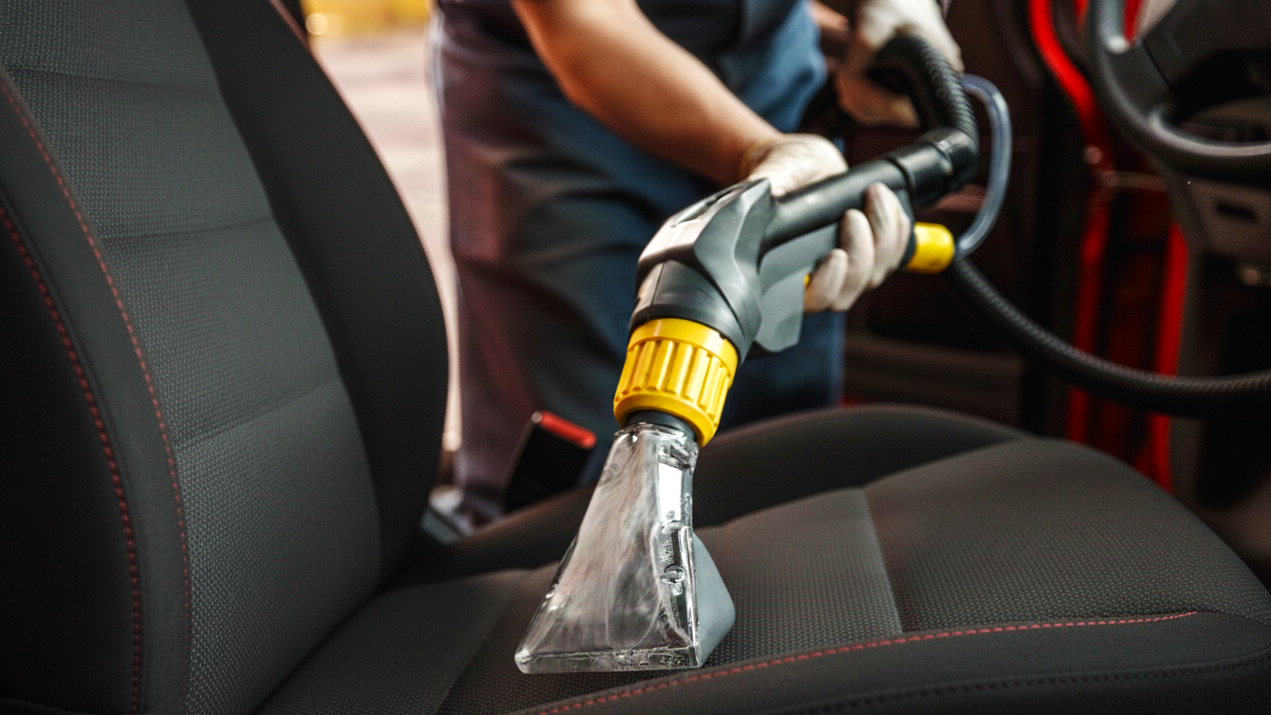
A quality cleaning job requires the right set of tools and chemicals. Using unsuitable products may not only fail to produce results but could also damage the materials. A List of Essential Supplies:
- A vacuum cleaner with attachments. A narrow crevice tool for hard-to-reach places and a soft brush attachment for delicate surfaces are essential.
- A set of microfiber towels. You'll need several: for glass, for plastic, and for drying. Microfiber is excellent at absorbing moisture and doesn't leave lint behind.
- Brushes and detail brushes. A stiff brush for the floor and mats, a soft brush for fabric upholstery, a special natural-bristle brush for leather, and small detail brushes for cleaning air vents and seams.
- Car care chemicals. You will need: an all-purpose interior cleaner (APC), a glass cleaner (ammonia-free), a fabric or leather cleaner, and a plastic conditioner or protectant.
- A bucket of water, gloves, and trash bags.
A Step-by-Step Guide: How to Clean Car Interior
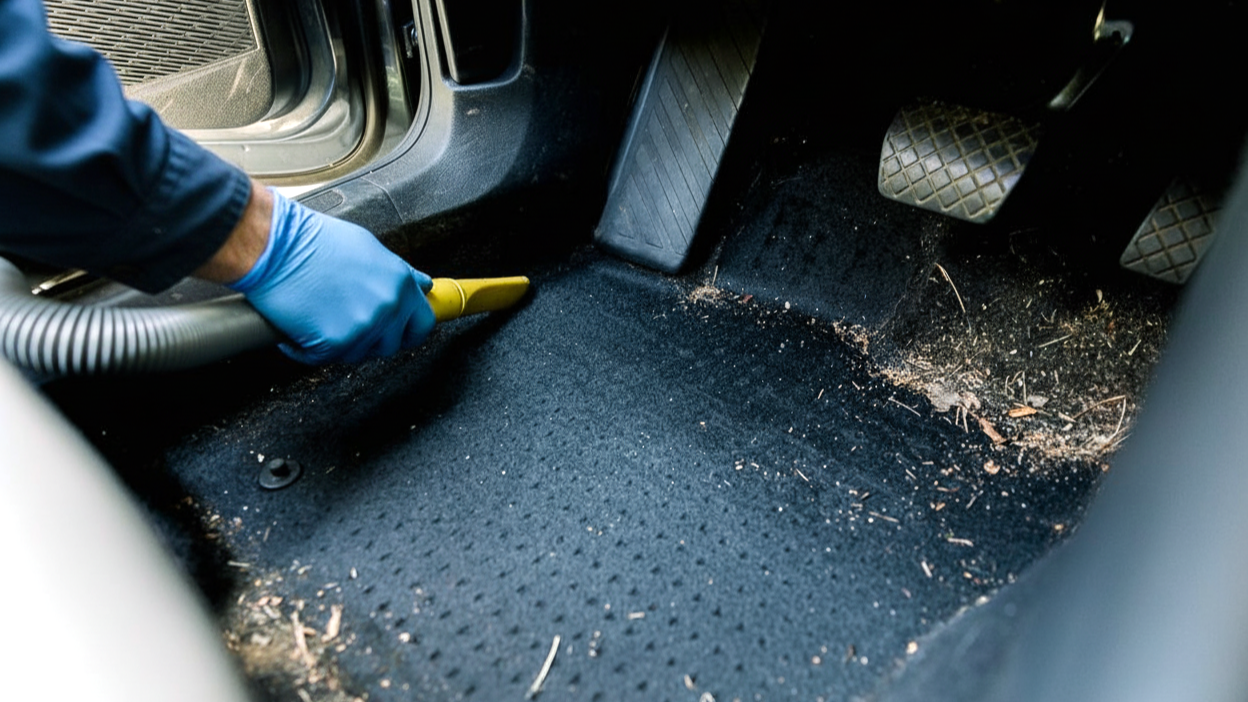
A professional approach to cleaning involves working from the top down. This ensures that dirt from the upper areas (dashboard, seats) doesn't fall onto already cleaned floors.
The Preparatory Stage: Get Rid of Clutter
The first step is to completely clear out the cabin. Remove the floor mats, and take out any trash from the door pockets and cup holders. Empty the glove box and trunk. The fewer extra items in the car, the easier and more thorough the cleaning will be. Shake out the floor mats and set them aside to be cleaned separately.
Dry Cleaning: The Vacuum
Thoroughly vacuum the interior, moving from the farthest corners toward the doors. Use the crevice tool to get into the seams of the seats, along the seat tracks, and under the pedals. Use the brush attachment to go over plastic panels and air vents to lift dust that a cloth might miss. Slide the seats all the way forward and back to reach the space underneath them. This stage is fundamental to an effective method for how to clean car interior because it removes the bulk of abrasive dirt.
Wet Cleaning: Seats and Upholstery
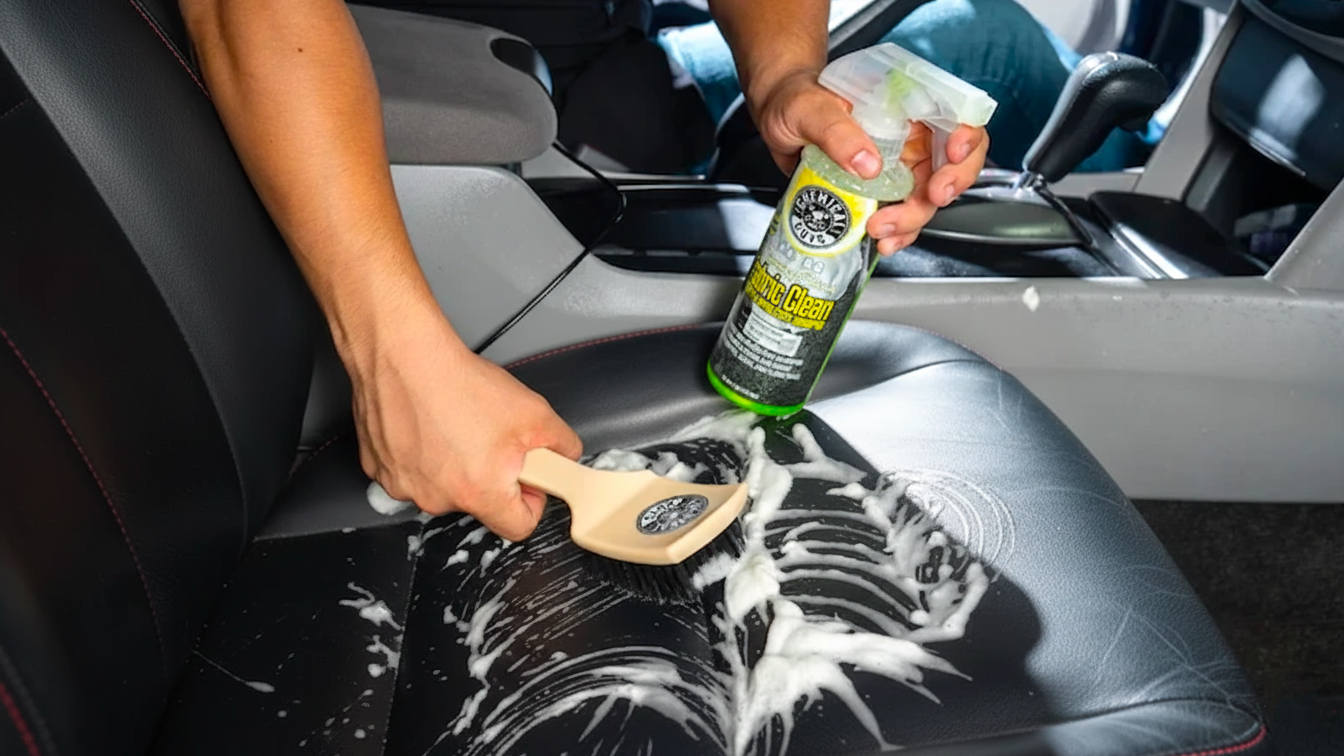
The approach to cleaning upholstery depends on its type. Working with different materials requires its own tools and chemicals.
- Working with Fabric Upholstery. The key principle here is not to soak the seat through. Use a foam-based textile cleaner. Apply the foam locally, one section at a time (for example, on a seat bolster). Take a soft brush and work the product into the surface with light, circular motions to lift dirt from the fibers. Do not scrub forcefully, as this can damage the fabric. Immediately after, collect the dirty foam with a clean, slightly damp microfiber towel. To finish, blot the treated area with a dry microfiber towel to remove as much moisture as possible and leave the interior to air out.
- Caring for a Leather Interior. Leather requires a delicate touch. Forget about household chemicals-they strip the protective layer and cause the material to dry out. Your tool is a dedicated, pH-neutral leather cleaner. Apply the product not to the seat, but to a soft, natural-bristle brush. Gently, without pressure, clean one element at a time, like the headrest. Immediately wipe away the chemical residue and dirt with a clean microfiber. After the surface is fully cleaned and dry, it is essential to treat the leather with a protective conditioner. It will restore elasticity, create a UV barrier, and prevent cracking.
- Cleaning Alcantara. This material is a synthetic suede and does not tolerate excess moisture. To remove dust and fresh dirt, use a special Alcantara brush or a dry microfiber towel, moving in one direction. For more serious stains, use only specialized Alcantara cleaners, applying them to a cloth rather than the surface itself, and work with minimal dampness.
Plastic Components and the Dashboard
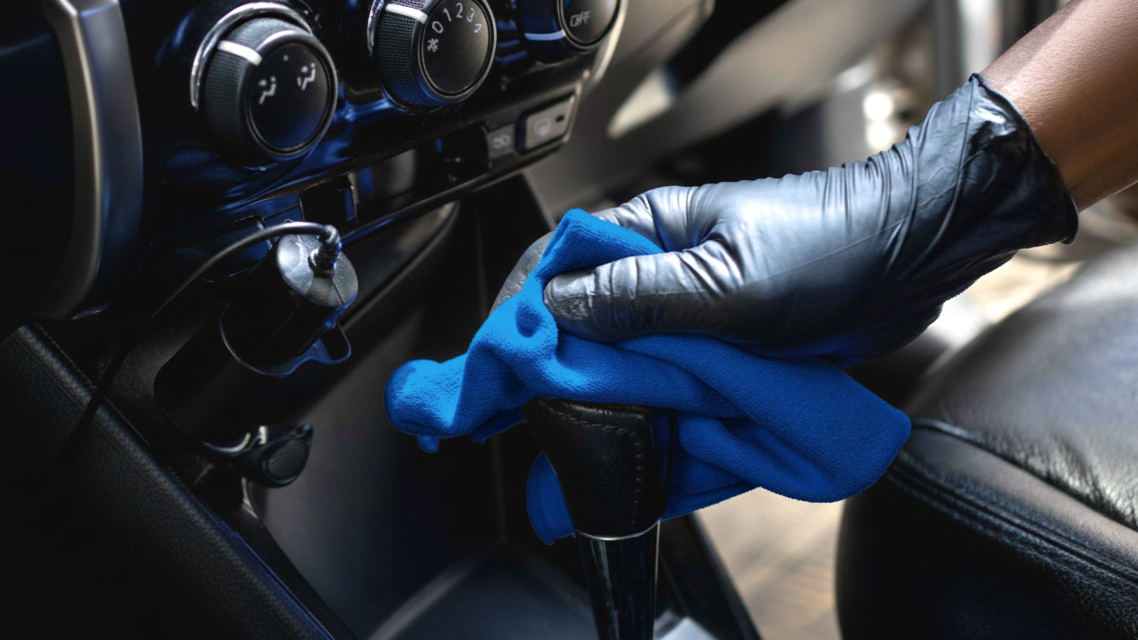
Never spray chemicals directly onto plastic, especially near buttons and displays. Apply an all-purpose cleaner or protectant to a microfiber towel and then wipe the surfaces. Use a soft detail brush or cotton swabs to clean buttons, seams, and air vents. After cleaning, you can apply a matte or gloss plastic protectant, which will give it a well-kept look and anti-static properties.
Glass and Mirrors
The inside of the windows is often coated with a greasy film that creates significant glare at night. Use an ammonia-free glass cleaner (ammonia can damage window tint and plastic). Spray the cleaner onto a microfiber towel, not the glass, to avoid getting chemicals on the dashboard. Wipe with one side of the towel, then buff dry with a clean side.
The Finishing Touches
Clean the floor mats and put them back in place. Treat the door seals with a special silicone conditioner to prevent them from cracking or freezing in the winter. If there is an unpleasant odor in the cabin, use an odor neutralizer rather than an air freshener, which only masks the problem.
Deep Interior Cleaning: When Is It Needed?
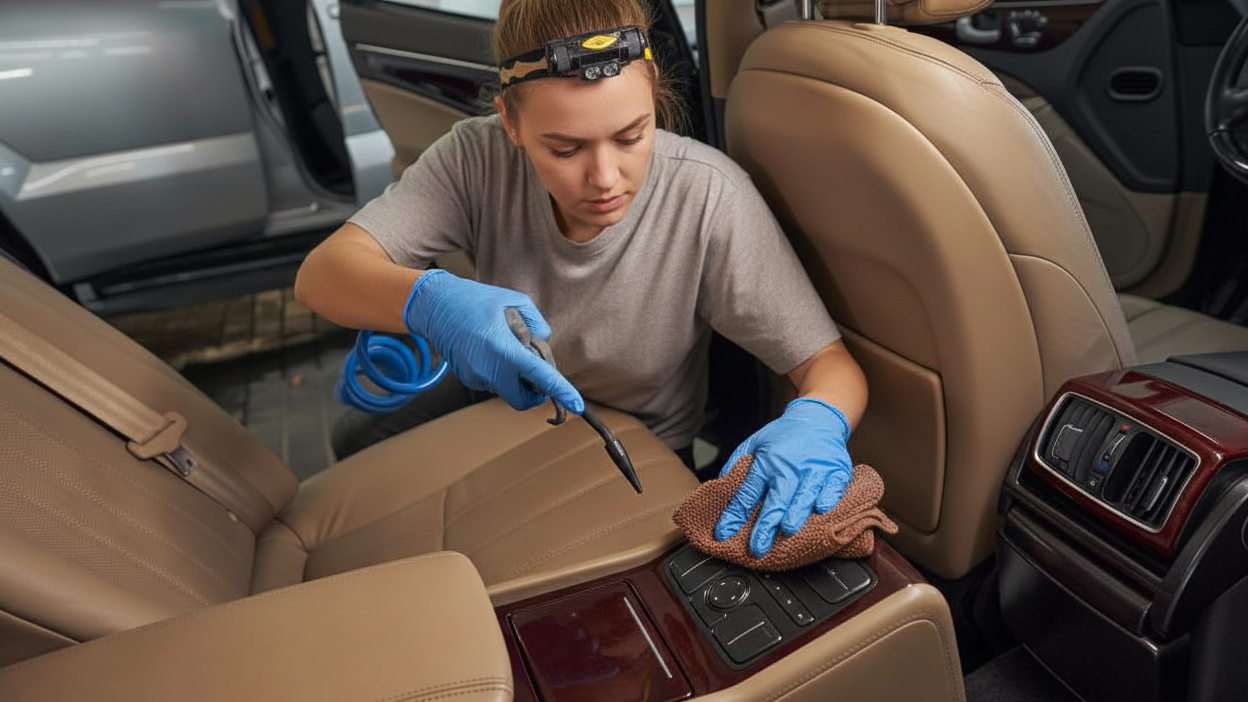
The method described above is for regular maintenance. But once or twice a year, for example, after winter or a summer vacation, the interior needs a deep clean. A deep interior car cleaning includes removing set-in stains with a steam cleaner or a hot water extractor, treating the cabin with steam for disinfection, and using an ozone generator to completely eliminate odors. This type of procedure is best left to professionals.
How to Keep Your Car Interior Clean for Longer
A space stays clean not because it's cleaned often, but because it isn't made messy. A few good habits can help maintain order between major cleanings.
Helpful car cleaning tips:
- Make it a rule not to eat in the car. If a snack is unavoidable, use containers and dispose of the trash immediately.
- Keep a small trash bag in the car.
- Shake out the floor mats at least once a week. Most of the dirt enters the cabin on the sand from your shoes.
- Keep a pack of interior wipes in the glove box to quickly clean up dust or fresh spills.
Common Cleaning Mistakes
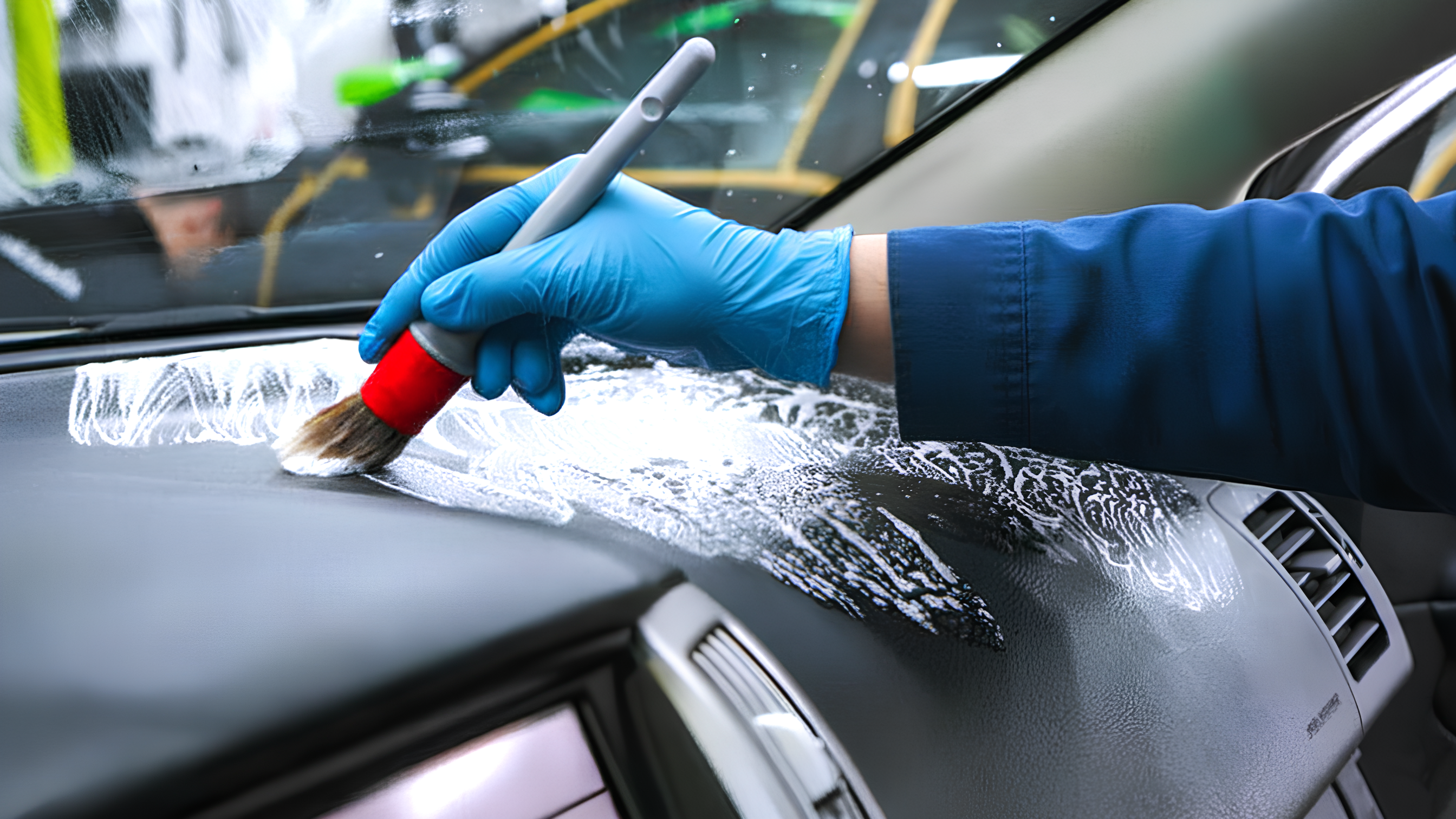
The wrong approach can not only fail to produce results but can also ruin expensive interior materials.
- Using Household Chemicals. Dish soap or window cleaner contains harsh ingredients that can dry out and damage automotive plastic and leather.
- Wiping Plastic with a Dry Cloth. Dust and sand on a dry surface act as an abrasive, leaving micro-scratches.
- Excessive Use of Water. Especially on seats and the floor. If the material doesn't dry completely, mold and a musty smell will develop. This is why professionals use extractors that immediately remove moisture. Now you know the right way for how to wash car interior.
Conclusion: Cleanliness as a Way of Life
Regular car interior cleaning is not a chore but an act of care for yourself, your passengers, and your vehicle. A clean and well-kept interior provides positive emotions and makes every journey truly comfortable. Spend a little time on cleaning today, and you will get into a fresh and pleasant cabin every day. Follow these simple steps, and the feeling of a new car will stay with you much longer.

