



Car Check Before a Long Journey: A Complete Safety and Reliability Checklist

Preparing your vehicle before a long car journey is not just an option; it's a necessity and a fundamental guarantee of safety—not only for the driver and passengers but for all road users. A drive spanning hundreds or thousands of kilometers inevitably places increased demands on the vehicle's technical condition, and neglecting even seemingly minor details can lead to serious problems.
The primary risks of skipping a pre-trip inspection include sudden breakdowns far from civilization and qualified service centers, resulting in lost time, stress, and significant additional costs for emergency repairs or towing. Even higher is the risk of accidents caused by technical failures, such as brake failure or a tire blow-out at high speed, which can have tragic consequences. According to current data from insurance companies and roadside assistance services, a significant portion of calls for help during peak travel season are linked to technical malfunctions that could have been prevented by a timely car check before a long journey.
The goal of this article is to provide drivers with a detailed, step-by-step checklist, based on professional recommendations and current safety requirements, that will ensure maximum vehicle reliability before embarking on a long distance driving route.
Exterior Vehicle Inspection

A thorough inspection of the vehicle can reveal a great deal about its condition and potential risks. This stage requires no special tools and is accessible to everyone.
Checking the Body for Damage, Chips, and Rust
The body is the foundation for all of the car’s systems. Before a long car journey, you must carefully inspect all body elements for fresh damage, such as dents, deep scratches, paint chips, and signs of corrosion. Chips, especially those reaching the metal, are potential starting points for rust, which can rapidly progress during extended travel, changes in climate, and exposure to road salts. The inspection should also include checking the vehicle's underside for deformations or leaks, which could indicate serious component issues or fluid loss.
Condition of Headlights, Taillights, and Turn Signals
Properly functioning lights are crucial for safety, particularly when driving at night, in fog, or rain. Check all exterior lighting: low and high beam headlights, fog lights, parking lights, brake lights (including the high-mounted one), and all turn signal indicators. Ensure all bulbs are shining brightly, without flickering, and that the lens covers are clean and free of cracks or severe clouding, which reduces lighting effectiveness. It's also wise to check the headlight aiming to avoid dazzling oncoming drivers. A non-functional brake light or turn signal is a direct path to both an accident and a traffic fine.
Tire Pressure, Spare Tire Presence, and Tool Kit Functionality
Tire condition directly impacts handling, braking distance, and fuel efficiency. Pressure checks must be done on cold tires and should match the manufacturer's recommendations, usually found on a sticker in the door jamb or fuel filler door. Insufficient or excessive pressure can lead to uneven wear, tire overheating, and even sudden failure. Be sure to check the tread depth (it should be above the legal minimum, and ideally with a generous margin) and look for visible damage like cuts, bulges, or embedded objects. Special attention should be given to the spare tire (or repair kit), jack, lug wrench, and tow rope, which must be present, working, and easily accessible. The pressure in the spare tire should also be checked.
Fluids and Fuel Check
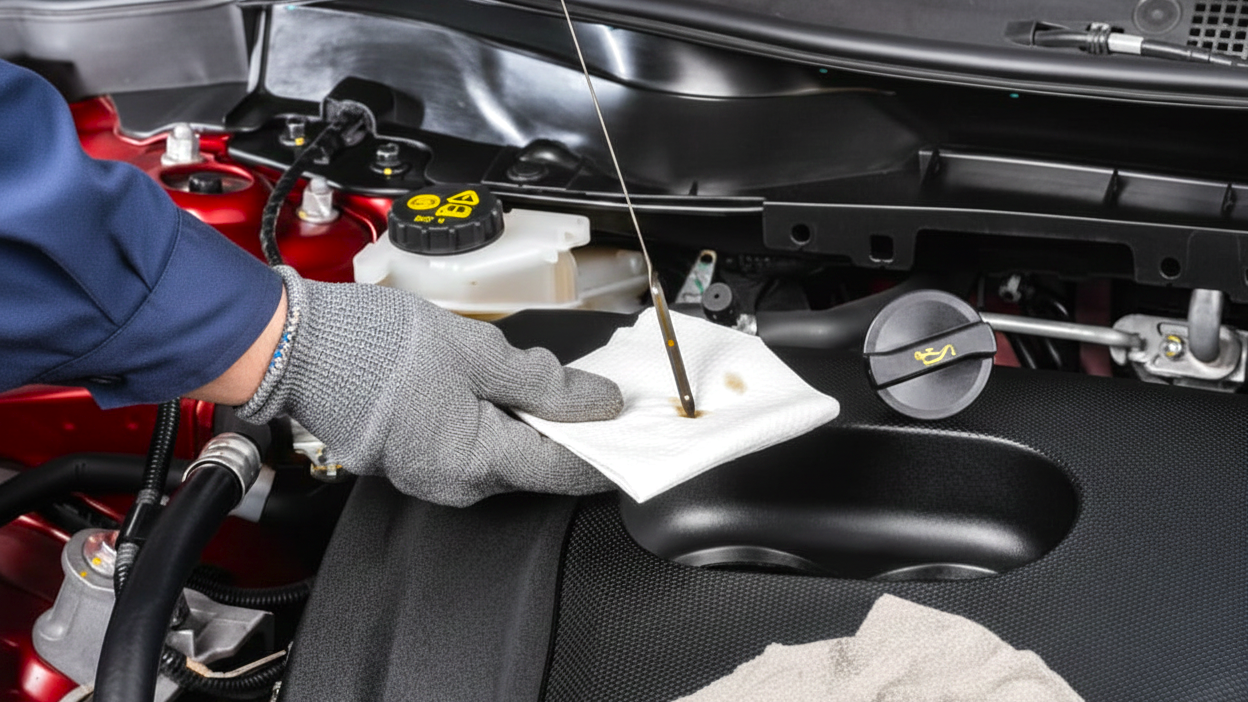
Operating fluids are essential for the normal functioning of all systems. Their level and condition must be impeccable before a long route.
Engine Oil Level and Condition
Engine oil is responsible for lubrication, cooling, and cleaning the engine. Before the trip, check the level using the dipstick; it should be between the "minimum" and "maximum" marks. Not only the quantity but also the quality matters—if the oil looks too dark, has a strong burnt smell, or contains foreign particles, it may indicate the need for an immediate replacement along with the oil filter. If the scheduled oil change is approaching, it's recommended to do it in advance to avoid the risk of the engine running on exhausted oil under the increased load of a long distance driving trip.
Windshield Washer Fluid
It might seem minor, but clean windows are crucial for visibility and safety. Ensure the washer fluid reservoir is full. Depending on the season, use either summer fluid or an anti-freeze mix capable of handling the expected low temperatures on the way. Don't forget to check the condition and effectiveness of the wiper blades; they should clear the glass without streaks or missed spots.
Brake Fluid, Power Steering Fluid, and Coolant
Brake fluid is vital for the braking system. Check its level in the reservoir (it should be within the normal range) and assess its appearance. Over time, brake fluid absorbs moisture, which lowers its boiling point and can lead to brake failure under heavy use. The coolant (antifreeze) level in the expansion tank must also match the recommended level, and the fluid itself should be free of oil traces or rust. A shortage of antifreeze risks engine overheating, especially when driving on mountain roads or in hot weather. If your car has a hydraulic power steering system, also check the fluid level in its reservoir, although many modern cars use electric power steering.
Full Fuel Tank and Reserve for Unforeseen Sections
It's best to start a long car journeywith a full tank to avoid the need for the first refuel at unknown or low-quality stations right after the start. When planning the route, consider sections with long distances between gas stations, especially in sparsely populated areas or on major highways where stations might be crowded. In such cases, having an empty metal jerrycan in the trunk may be justified, allowing you to create a small fuel reserve if needed to cover an unforeseen section or in an emergency. This is a key part of car tips for road trips.
Battery and Electrical System Check
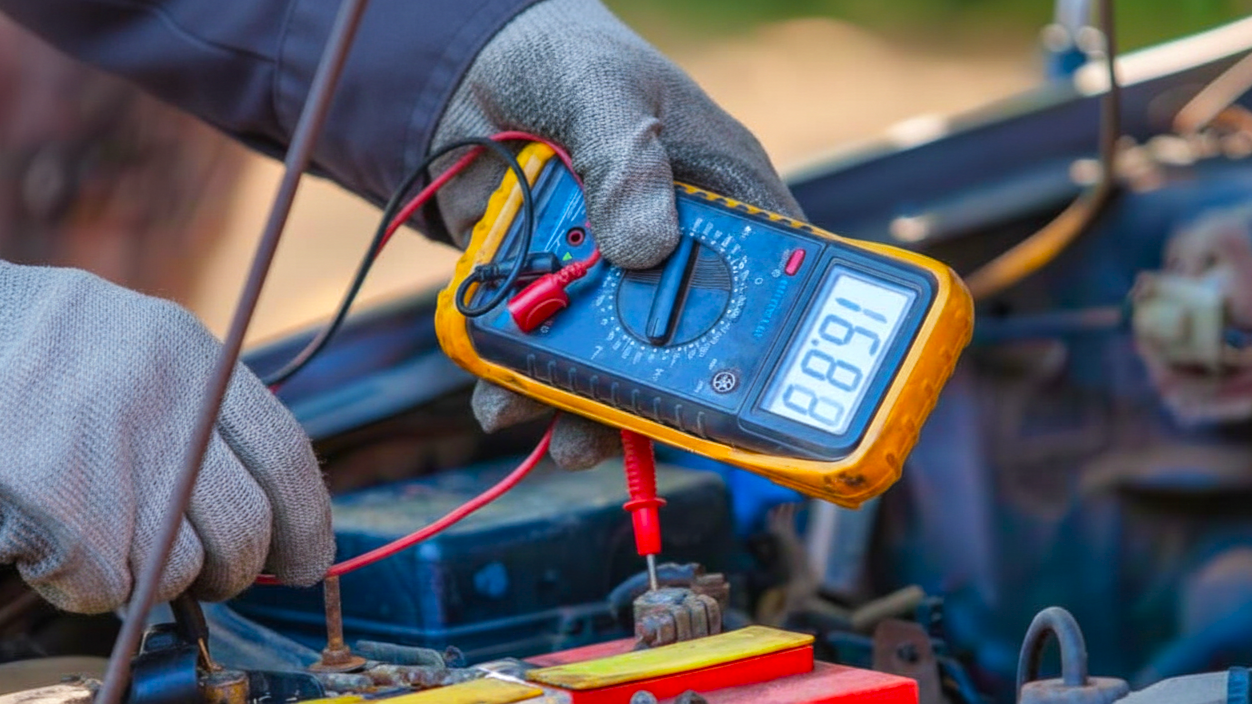
Reliable operation of the electrical system is the foundation for starting the engine and the functionality of all onboard comfort and safety systems.
Battery Voltage and Terminal Corrosion
A weak battery is a common cause of unpleasant roadside stops. Before a long trip, check the battery voltage and ensure there is no corrosion (white or bluish deposit) on the terminals. Corrosion hinders proper contact and charging. If found, the terminals should be cleaned and securely tightened. If the battery is old or its voltage is questionable, it's recommended to have its performance checked under load at a service center.
Inspection of All Gauges, Dashboard, and Alarm System
Ensure that all warning lights on the dashboard (except those that should be lit when the ignition is on) turn off after the engine starts, indicating no critical malfunctions. Check the functionality of the horn, all interior lights, and the correct operation of the factory alarm system and central locking.
Air Conditioning and Heating Functionality (Especially in Cold/Hot Seasons)
Comfort in the cabin directly affects driver concentration. Check the effectiveness of the air conditioning (cooling) and heating systems. In hot weather, a non-working air conditioner can quickly lead to driver fatigue and reduced attention. In cold weather, functional heating and a demister system are critical for preventing fogging and maintaining visibility. If the climate system is inefficient, it may require a refrigerant top-up or cabin filter replacement.
Braking System and Suspension
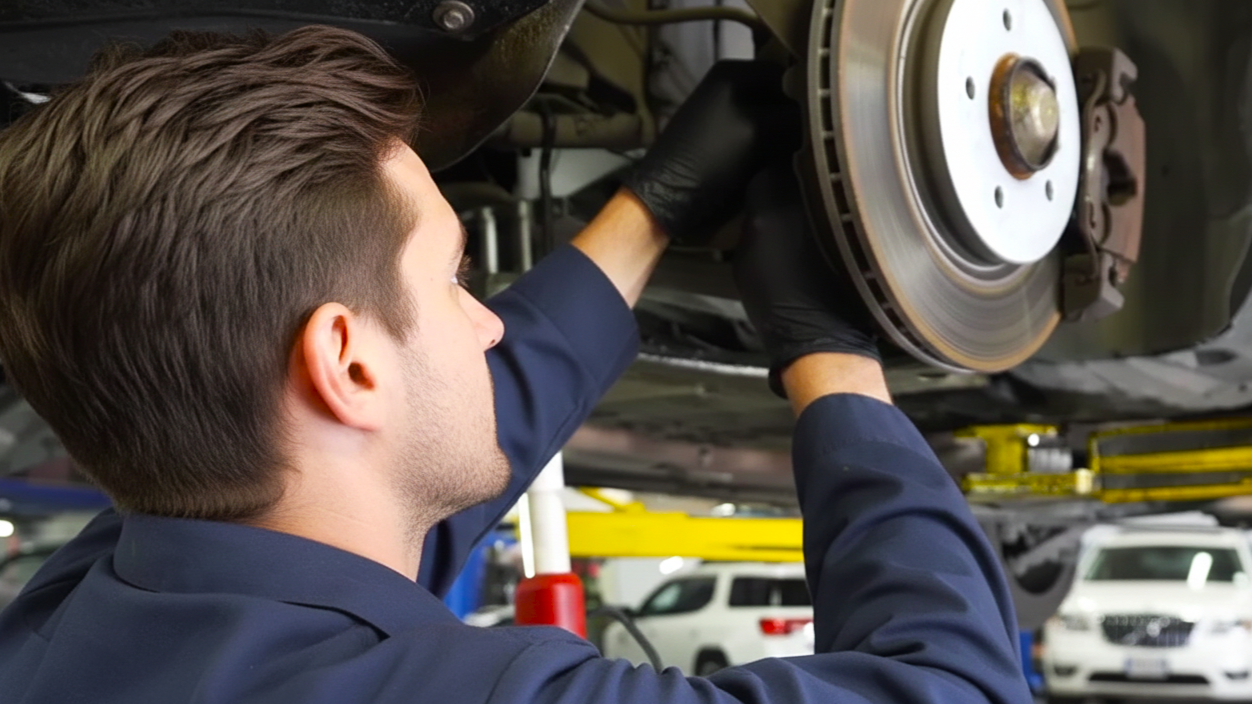
The proper function of the brakes and suspension guarantees that the vehicle can respond adequately to changes in road conditions and maintain stability.
Visual Inspection of Brake Pads and Discs
Conduct a visual inspection of the brake pads and discs. The pads should have sufficient friction material thickness (usually recommended to be at least mm). The brake discs should not have deep grooves, cracks, or a severe "lip" around the edge, which indicates significant wear. If wear is close to critical, replace the components before the trip.
Checking Shock Absorbers and Suspension Condition
Shock absorbers are responsible for tire-to-road contact and comfort. Signs of their malfunction include the car "bouncing" after hitting bumps, visible oil leaks on the shock absorber body, or uncharacteristic clunking noises in the suspension while driving. Visually inspect the rubber suspension components (bushings, boots) for cracks and tears, which can lead to accelerated wear of other parts.
Brake Pedal Test for Responsiveness and Strange Noises
Perform a short brake test. The brake pedal should be firm and not "sink" when pressed. When braking, there should be no unusual noises (squeaking, grinding, knocking) or vibrations, which could indicate problems with the discs, pads, or calipers. This step is vital for a car check before a long journey.
Other Essential Checks
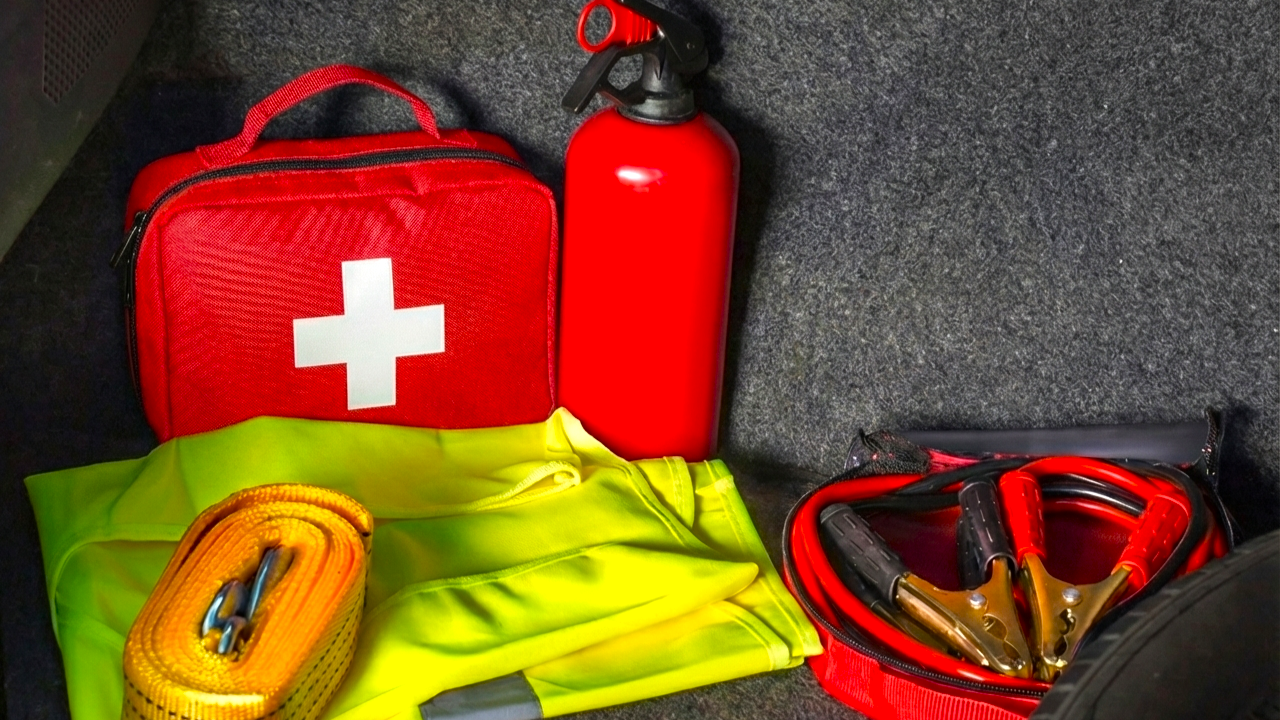
Besides the main systems, there are mandatory items and means that are required by traffic laws and common sense.
Presence of First Aid Kit, Fire Extinguisher, Emergency Triangle
Ensure the car contains a fully equipped first aid kit with non-expired medications, a functional and charged fire extinguisher (of the appropriate size and type), and a reflective emergency warning triangle. Their absence is not only punishable by a fine but may also prevent you from providing first aid or mitigating more severe consequences of an accident. It's also recommended to have a reflective vest in the trunk, which is mandatory in several countries when exiting the vehicle on the roadway at night.
Seat Belts, Child Seats, and Other Safety Equipment Check
All seat belts must be functional, pull out easily, and lock securely. Check them for tears. If children are traveling, ensure the child restraint systems (seats) are correctly installed, securely fastened, and appropriate for the child's weight and age.
Navigation, Chargers, and Emergency Communication Check
Prepare your navigation equipment (update maps), and ensure you have functional chargers for mobile phones and other gadgets. Having an autonomous power source (power bank) for your phone can be a lifesaver in case of a breakdown or a long wait for assistance in an area without cell service or the ability to charge from the car. It's also useful to have emergency service numbers and roadside assistance contacts written down or saved offline.
Pre-Trip Preparation Tips
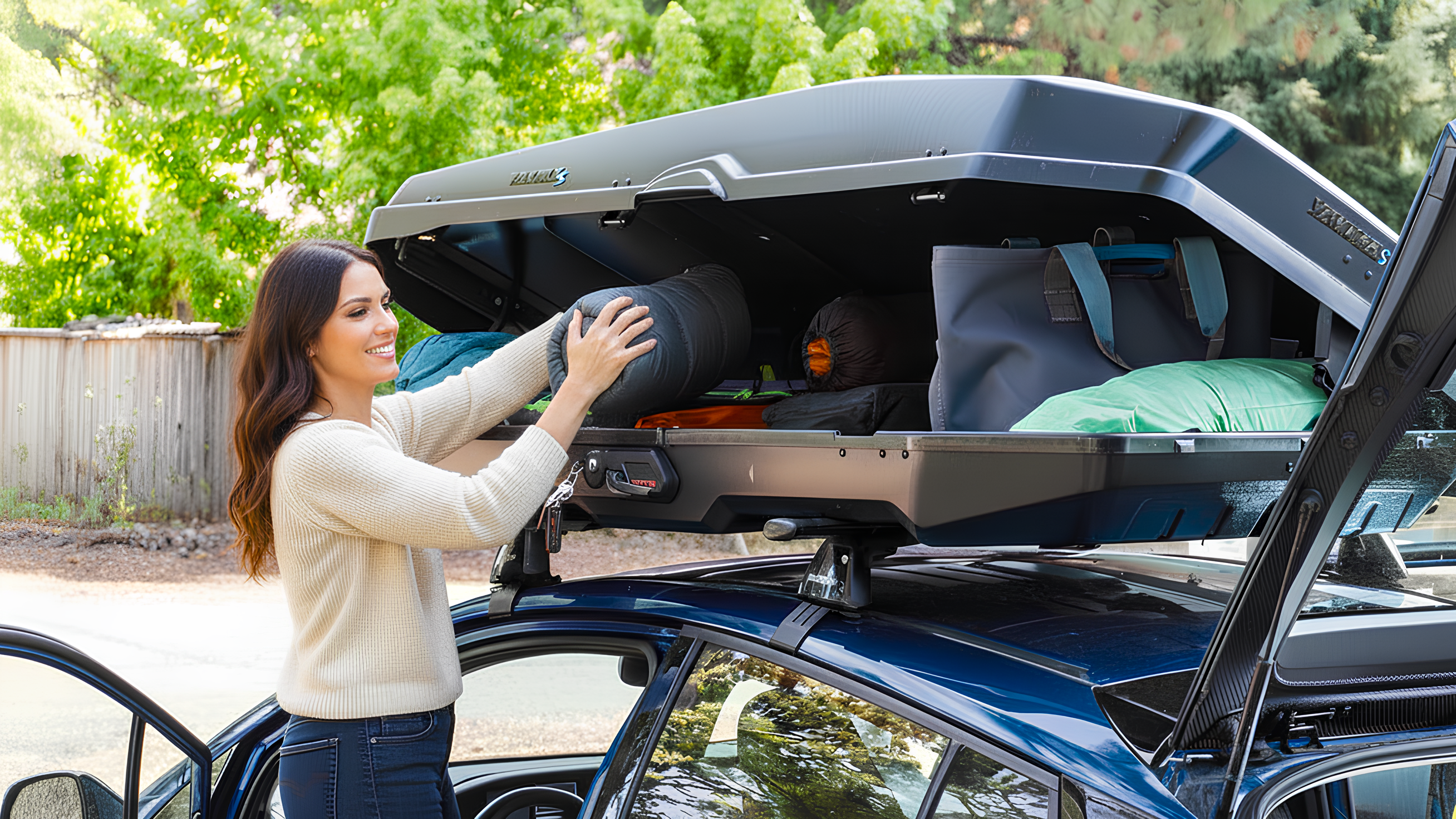
Technical preparation should be complemented by thorough travel planning.
Plot the Route and Check the Weather
Plan your route in advance using up-to-date maps and navigators, accounting for potential toll sections, road works, and high-traffic areas. Study the weather forecast for the entire route and the destination. This information will allow you to adapt your travel plan, for example, by delaying the start due to heavy snowfall or adjusting your speed in foggy conditions.
Plan Stops for Rest and Refueling
Plan for regular rest stops every two to three hours or every kilometer. Driver fatigue is one of the most common causes of accidents on road trips. Pre-determine refueling locations, preferring large, well-known chain gas stations to avoid low-quality fuel. These are essential car tips for road trips.
Conclusion
A meticulous and timely car check before a long journey is not excessive caution but a sensible investment that saves not only time and money but, most importantly, nerves and health. A prepared vehicle guarantees that your trip will be as comfortable and safe as possible, and a sudden breakdown won't spoil your long-awaited break.
Checking the car saves time because it eliminates long hours of waiting for a tow truck or searching for parts in an unfamiliar city; it saves money because scheduled maintenance is always cheaper than emergency repairs; and it saves nerves because it allows you to focus on the road and enjoy the trip rather than worrying about the technical condition.
The call to drivers is to always, without exception, perform a basic but comprehensive preparation before every long distance driving route. Given the current statistics on the rise of breakdowns related to the technical condition of vehicles during holiday seasons, this step is an absolute priority for a successful and safe long car journey.

