



All Car Types Explained: A Comprehensive Guide to Different Car Body Types
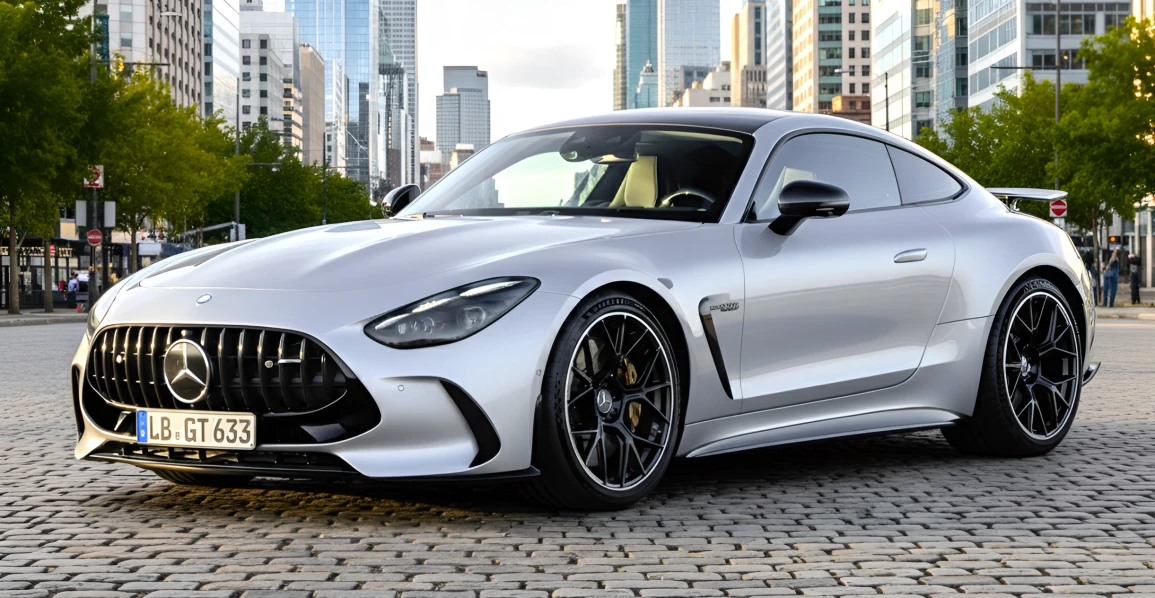
The car body not only defines the appearance of a vehicle but also its functional characteristics. The choice of car body shape determines key parameters such as usability, comfort level, capacity, safety, and overall practicality. Different types of structures strike a balance between aerodynamics, interior volume, and load-bearing capacity.
An incorrect choice of body type can lead to a mismatch between the car and the owner's actual needs—lack of space for luggage, difficulties in parking in urban environments, or poor cross-country ability on rugged terrain.
The goal of this article is to systematize information on the main different car body types available in the modern market and to provide up-to-date recommendations for selecting the most suitable option, taking into account individual needs and current trends.
Main Car Body Types
Hatchback
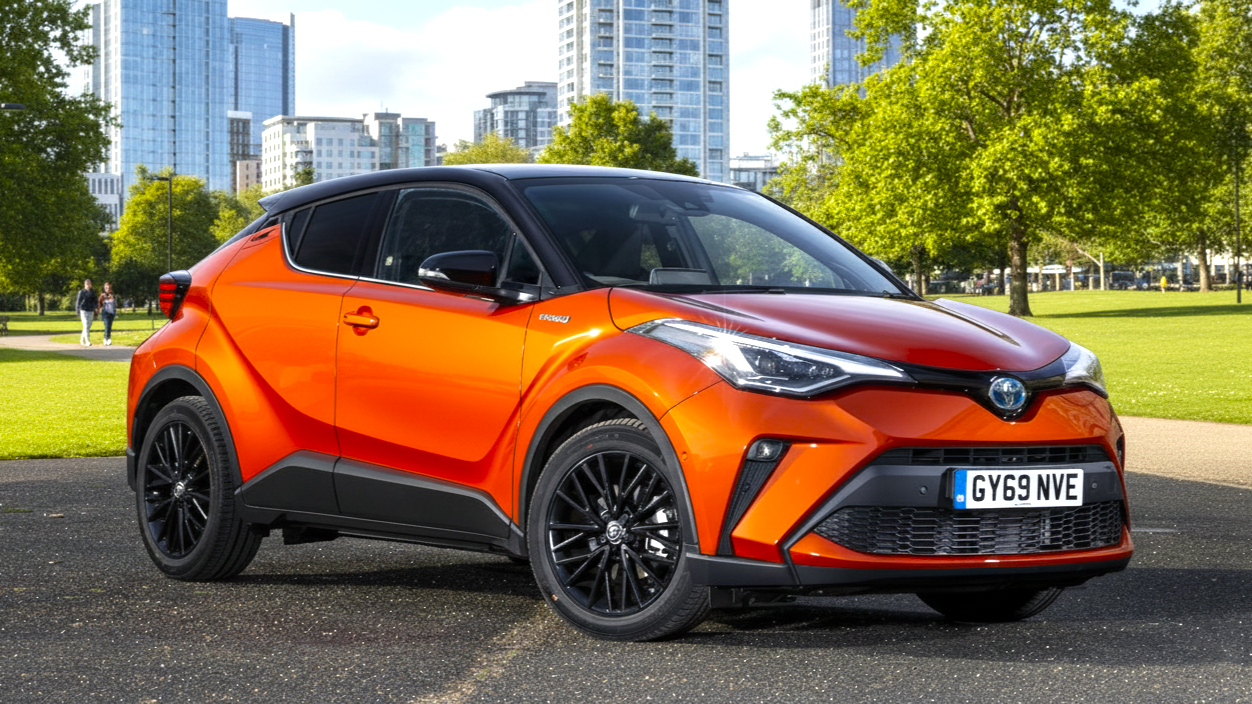
The Hatchback is a compact, two-box body style characterized by a short rear overhang and the presence of a third or fifth door (tailgate) that provides access to both the luggage compartment and the cabin.
Characteristics:
- Usually has 3 or 5 doors.
- Compact dimensions facilitate maneuvering and parking in densely built urban areas.
- Folding rear seats allow for a significant increase in luggage volume, enhancing versatility.
Optimal for city driving, suitable for young drivers and small families who value practicality and economy.
Sedan
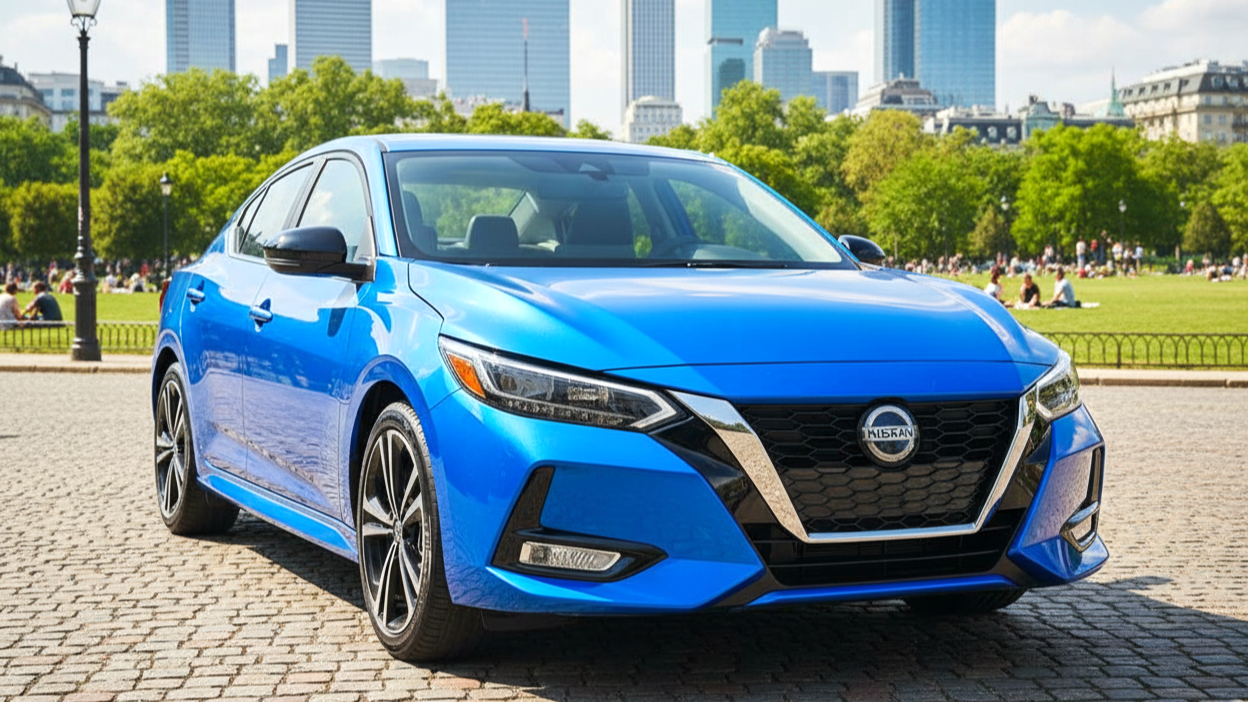
The Sedan is a classic three-box body style in which the engine compartment, passenger cabin, and isolated trunk are clearly separated.
Characteristics:
- 4 doors, a static rear wall separating the cabin and the trunk.
- High level of acoustic comfort due to the isolation of the luggage compartment.
- Associated with a business and conservative style.
A traditional choice for family needs and business trips where status, comfort, and noise insulation are important.
SUV (Sport Utility Vehicle)
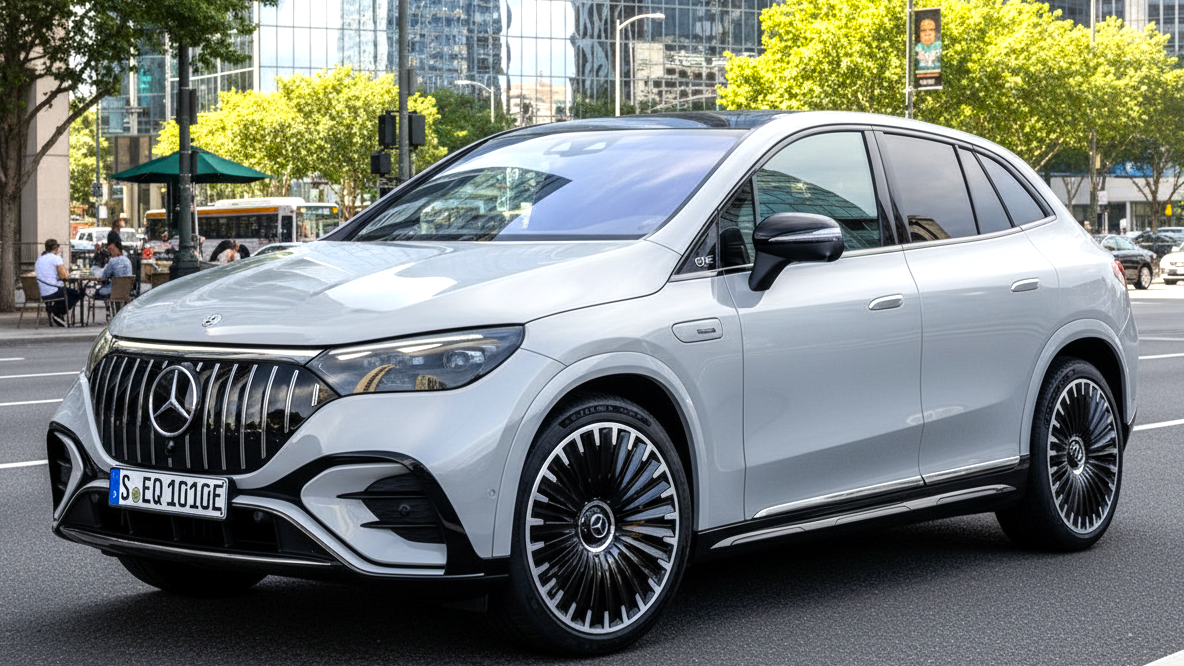
A full-size SUV is a vehicle with increased ground clearance, usually equipped with all-wheel drive and having a ladder frame or reinforced unibody structure.
Characteristics:
- Increased geometric cross-country capability, extended suspension travel.
- Spacious cabin, often with the option of a third row of seats.
- Designed for use in difficult road conditions and off-road.
Optimal for long-distance travel, use in regions with complex terrain or a lack of quality roads, as well as for large families and outdoor enthusiasts who require the transport of bulky gear.
Crossover (CUV - Crossover Utility Vehicle)
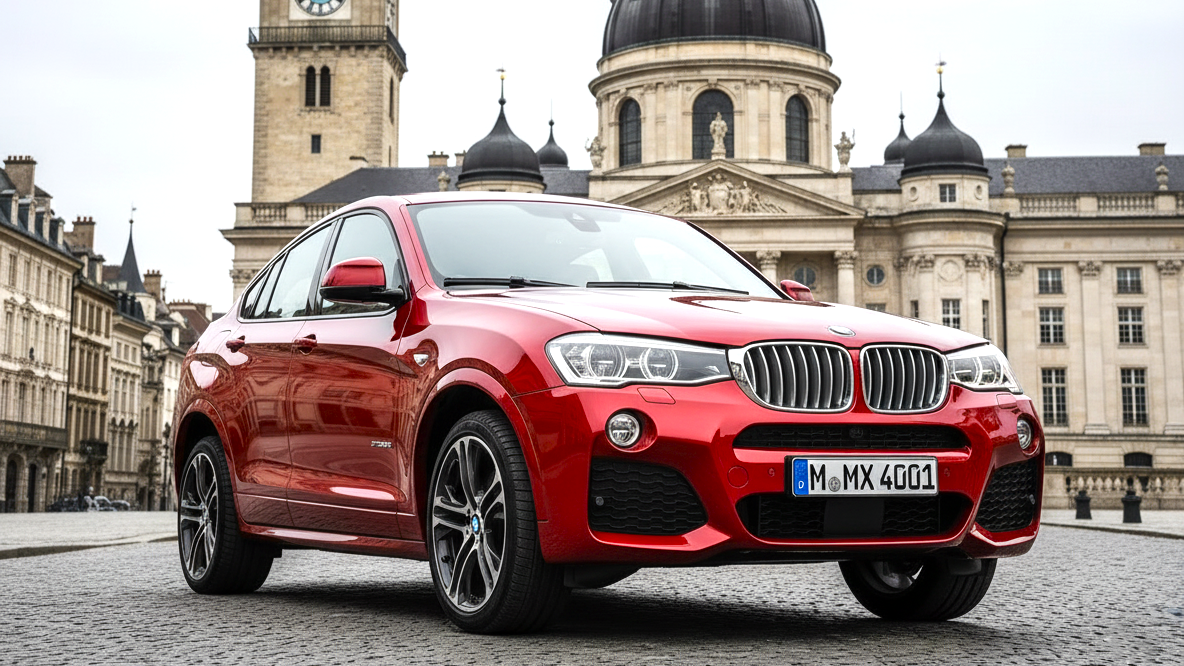
A Crossover occupies an intermediate position between a passenger car (often has a unibody construction) and a full-fledged SUV.
Characteristics:
- Combines increased ground clearance with the comfort and handling of a passenger car.
- Features a tall body and a spacious interior.
- Can be equipped with all-wheel drive, but its off-road capabilities are limited.
It is the most versatile car body type, suitable for both daily city use and comfortable trips outside the city, including tackling light off-road conditions.
Coupe
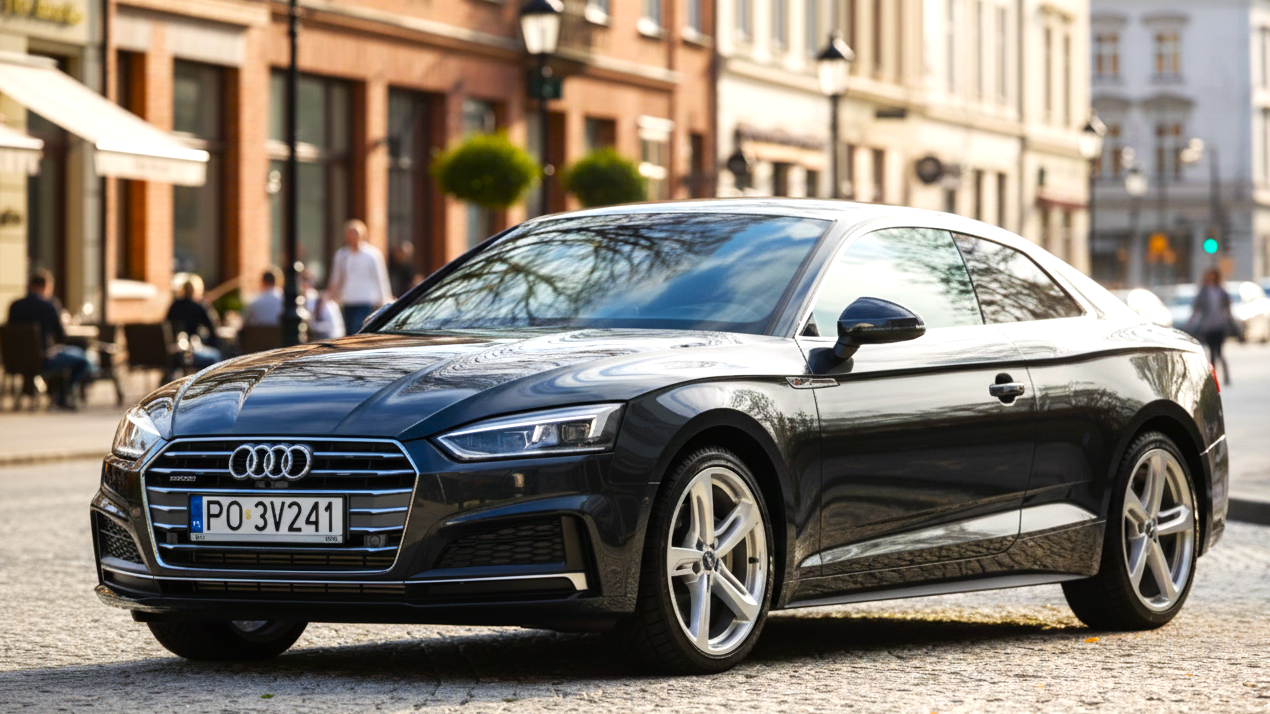
The Coupe is a two-door body style with a pronounced emphasis on dynamic performance and sporty style.
Characteristics:
- Two doors, typically a small number of seats (2+2 or 2).
- Low silhouette, streamlined lines ensuring improved aerodynamics.
- Often equipped with powerful engines and sport suspension.
A choice for consumers who prioritize aesthetics, speed, driving dynamics, and image over practicality.
Convertible (Cabriolet)
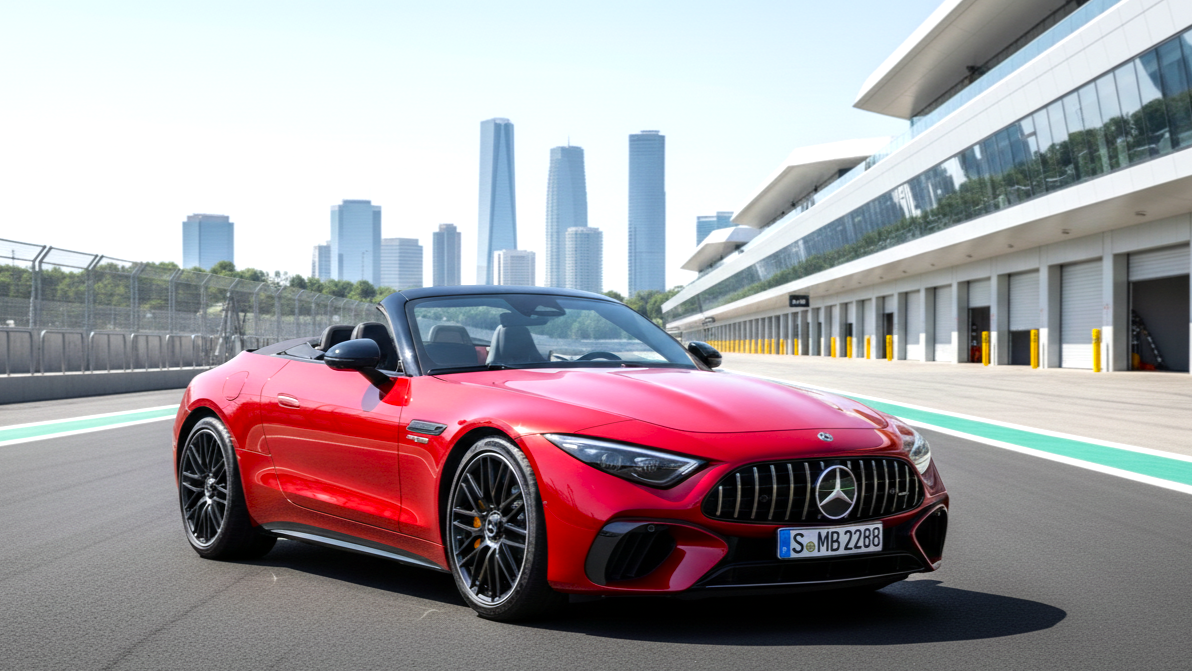
A Convertible is a car with a retractable roof, which can be made of fabric or be a rigid folding structure.
Characteristics:
- Equipped with a roof folding mechanism.
- Has a reinforced body structure to compensate for the lack of a rigid roof.
- Typically two-door.
Purchased by enthusiasts of spectacular, "open-air" driving, especially relevant in regions with warm climates.
Station Wagon (Wagon)
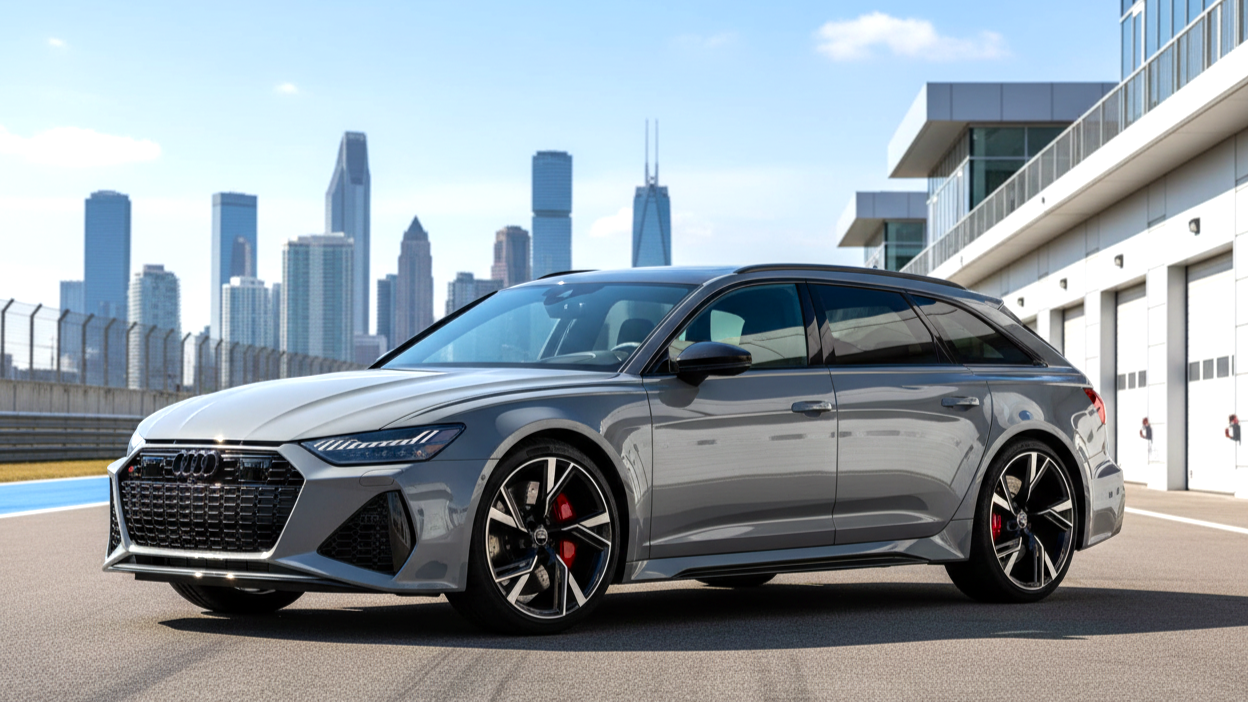
The Station Wagon is a passenger car with an extended rear overhang and an enlarged luggage compartment that is integrated with the cabin and accessed via a rear door.
Characteristics:
- The third volume, as in a sedan, is absent, maximizing cargo potential.
- Spacious trunk that is easily transformed by folding the rear seats.
A practical choice for travelers, families who require maximum luggage capacity, and for transporting long items.
Pickup
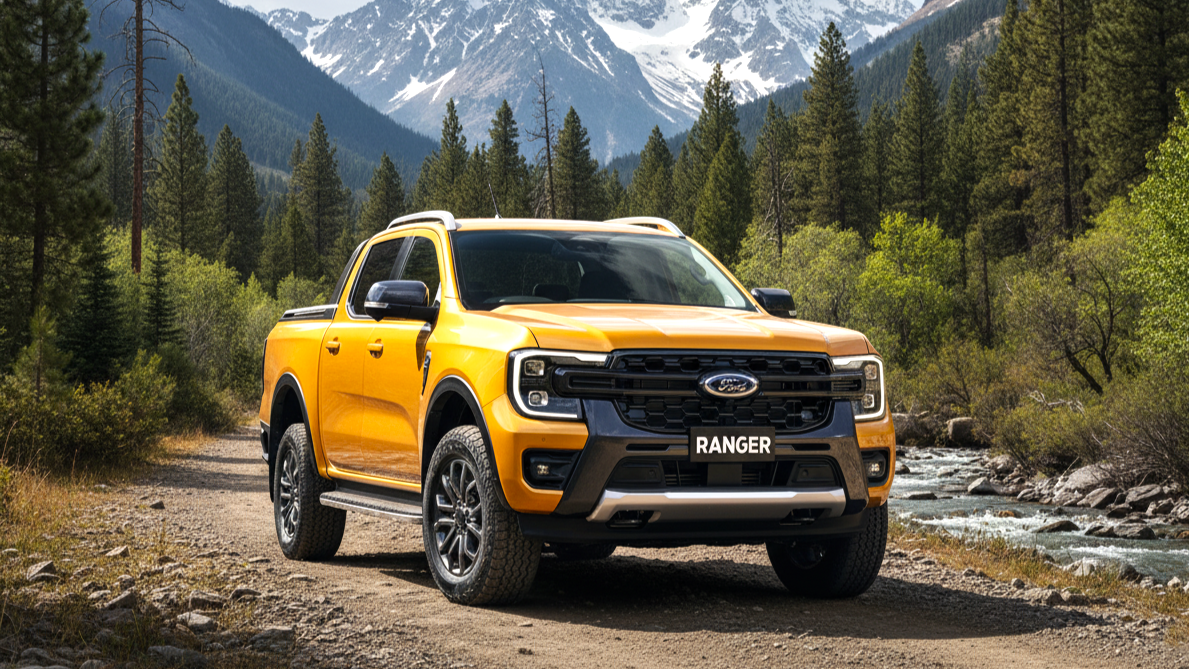
A Pickup is a passenger or light-duty commercial vehicle consisting of an enclosed cabin for passengers and a separate, open or coverable cargo bed.
Characteristics:
- Presence of an open bed designed for transporting cargo, often dirty or bulky.
- Typically has a ladder frame construction and high payload capacity.
- Can have single or double cabins.
Suitable for work requiring regular cargo transport, for farms, construction needs, and an active lifestyle involving hunting, fishing, or extreme sports.
Minivan (MPV - Multi-Purpose Vehicle)
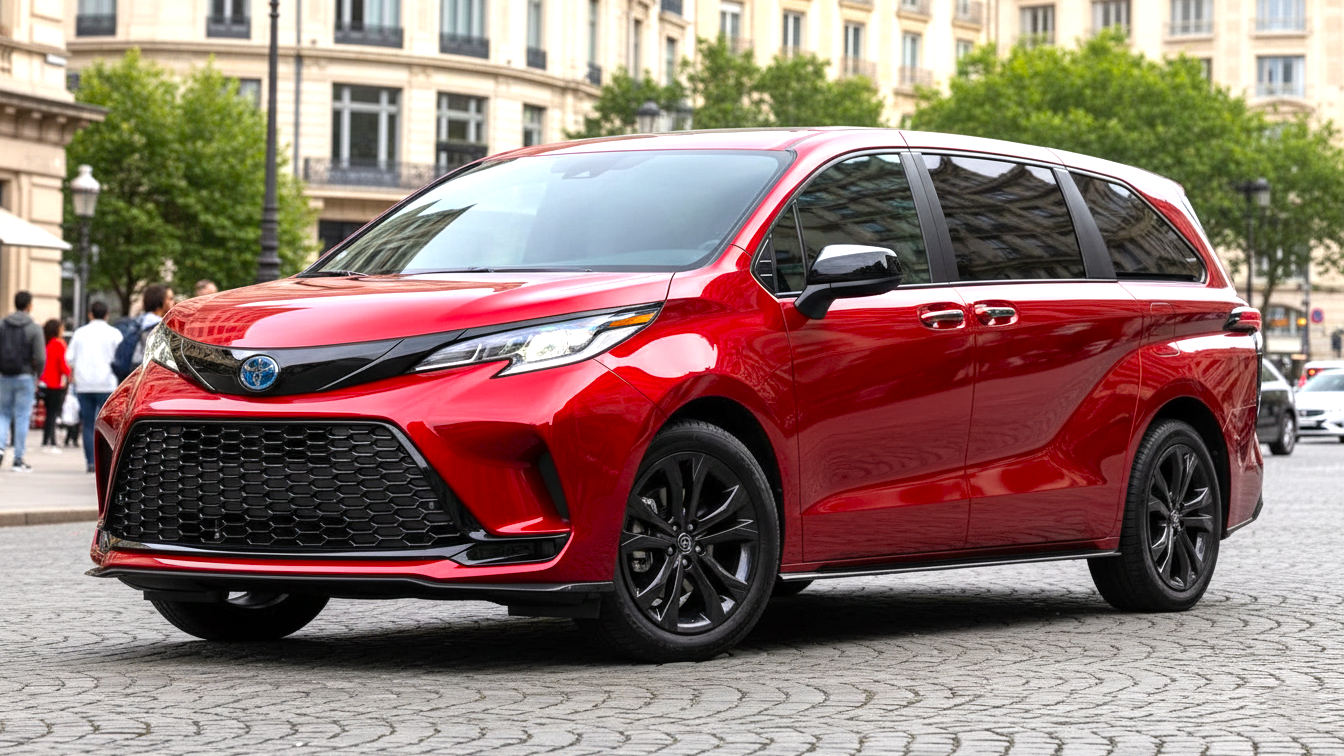
The Minivan is a one-box or one-and-a-half-box body style with maximally upright passenger seating, aiming to provide maximum internal space and capacity.
Characteristics:
- Spacious interior, designed for 6–8 seats.
- Maximal ease of access to seats, often thanks to sliding doors.
- High level of cabin transformation.
Optimal for large families, group trips, and use as corporate transport where the number of passengers and comfort is the priority.
Other Body Styles (Less Common)
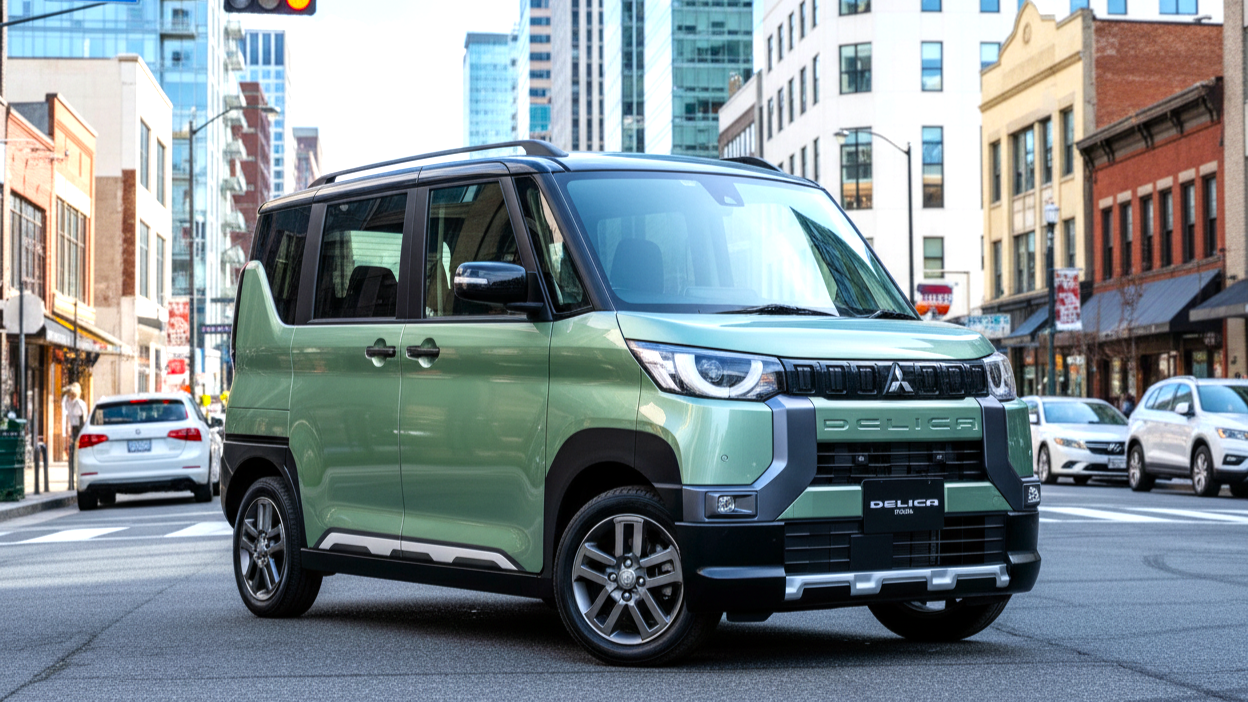
For completeness, it is necessary to mention the less common car body types:
- Roadster. A two-seater sports car with an open top.
- Limousine. An extended sedan or SUV with a partition between the driver and passenger compartment. Used for representative purposes.
- Van. A commercial vehicle intended for transporting goods, with an enclosed body and no rear windows.
- Microcars. Compact vehicles designed exclusively for the urban environment.
These rare models are often found in the premium segment.
How to Choose a Body Type for Your Needs
The choice of car body must be based on a careful analysis of future operational needs. To make an informed decision, a number of key questions must be asked:
Important Questions for Selection:
- Number of Passengers. Is regular transport of more than four people required (Minivan, large SUV)?
- Trunk Need. Is a large volume required for luggage, gear, strollers, or tools (Station Wagon, Pickup, SUV)?
- Operating Conditions. Where will the majority of trips take place—in dense city traffic, on intercity highways, or on rough terrain (Hatchback, Sedan, Crossover/SUV)?
Optimal Choice Based on Conditions:
- For the City. Hatchbacks and compact crossovers are best suited due to their maneuverability, ease of parking, and reasonable running costs.
- For the Highway and Long Trips. Sedans (high comfort, noise insulation) and Station Wagons (comfort + capacity) are recommended.
- For Off-Road and Difficult Conditions. Full-size SUVs and Pickups with the appropriate transmission and clearance are preferred.
Every driver chooses a model based on personal preferences and budget.
Trends for 2025: What’s Shaping the Automotive Market
The modern automotive market in 2025 continues to evolve steadily, influenced by rapid technological development, environmental considerations, and shifting consumer preferences. Both manufacturers and buyers are adapting to new mobility expectations, creating interesting patterns in vehicle popularity and innovation.
Market Leaders: Crossovers and Electric Vehicles
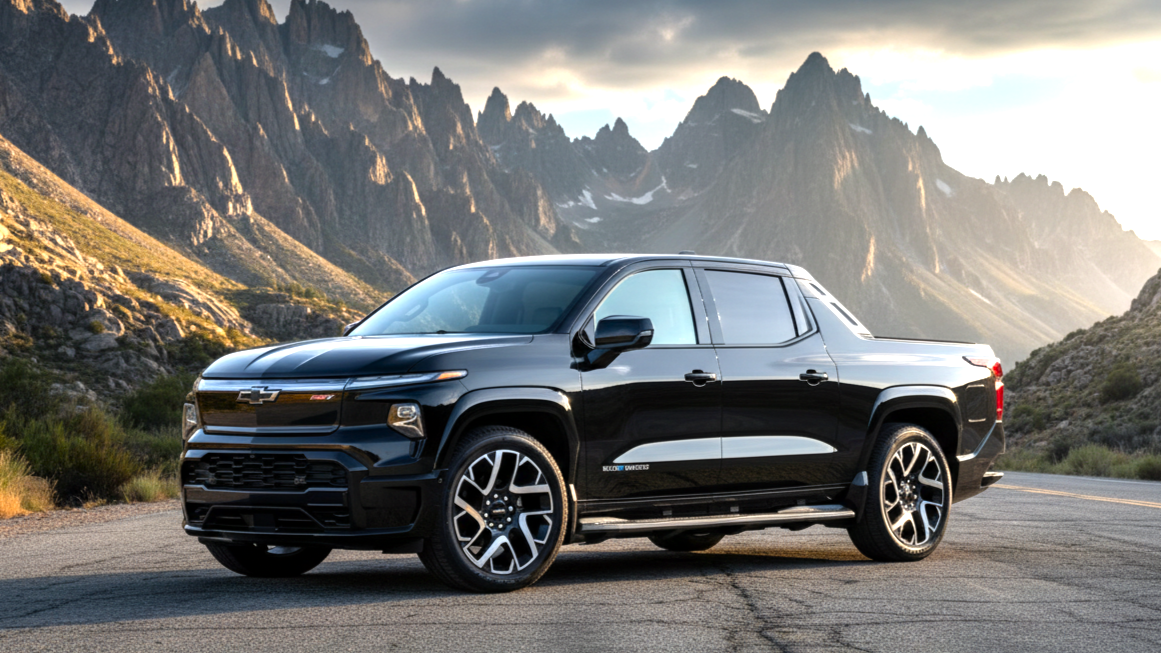
Crossovers (CUVs/SUVs) remain the undisputed leaders in global and regional markets. Their appeal is multifaceted:
- Versatility: They combine the comfort of a passenger car with off-road capabilities.
- High seating position: Provides a commanding view of the road and enhances the sense of safety.
- Spaciousness: Generous interior and cargo space make them suitable for families, road trips, and daily use.
In addition to traditional crossovers, electric vehicles (EVs) are becoming increasingly prominent. Many EV models adopt the crossover body style to meet both functional and aesthetic demands. Electric crossovers are praised for combining environmental responsibility with modern design, making them an attractive choice for urban drivers and long-distance travelers alike. Manufacturers are actively investing in EV technology for this segment, integrating advanced batteries, electric motors, and smart systems to ensure high performance and efficiency.
Decline in Sedan Popularity
While sedans have long been a staple of the automotive industry, their market share is gradually shrinking. Sedans still hold strong appeal in the business class and among buyers seeking classic, understated vehicles. However, in the mass market, consumers increasingly prefer taller, more practical vehicles like crossovers and SUVs. Sedans are no longer the default choice for families or daily city driving, as buyers prioritize versatility, cargo space, and higher driving positions.
Growing Interest in Practical Station Wagons and Electric Minivans
The station wagon segment is experiencing a subtle resurgence, particularly with off-road-oriented versions like Cross and Allroad models. These vehicles combine:
- Increased ground clearance and protective cladding, typical of SUVs.
- Practicality and handling comparable to a passenger car.
- Stylish, modern designs that appeal to buyers seeking both aesthetics and functionality.
Meanwhile, minivans are returning to the spotlight, especially in electric form. Electric minivans are designed to offer:
- Maximum interior space and seating for large families or corporate transport.
- High comfort with advanced climate control, multimedia systems, and modular seating arrangements.
- Environmentally friendly driving, combining practicality with reduced emissions.
In 2025, these trends show a clear movement toward versatile, spacious, and eco-conscious vehicles. Crossovers and electric models dominate the market, sedans are gradually declining, and station wagons and electric minivans are carving out renewed niches for buyers prioritizing capacity, comfort, and sustainability.
Conclusion: Which Car Body Type is Right for You
In the modern automotive world, the car body is not just an outer shell but a balance between style, comfort, practicality, and functionality. The choice of a specific car body type must be strictly rational and correlated with real operating conditions and lifestyle.
For city driving, the compactness of a hatchback is preferable; for family trips, the capacity of a station wagon or minivan. In off-road conditions, the capability of an SUV is necessary. The universal solution that meets most modern needs is the crossover.
When making a decision, it is recommended to focus not only on fashionable market trends but also on an objective assessment of your own needs, thereby ensuring maximum efficiency and satisfaction from using the vehicle.

