



How Long Does a Car Battery Last? A Complete Guide to Maximizing Battery Life Span

You're late for a meeting, you turn the key in the ignition – and are met with silence. The culprit is a dead battery. This situation means more than just disrupted plans; it means tangible expenses. A battery replacement today will cost between €80 and €150, and for cars with a "start-stop" system, the price can be significantly higher. Proper care can double your car battery lifespan, protecting you from sudden breakdowns and saving you money.
This guide will break down the mechanics of a car battery and provide a clear action plan to maximize its service life. You will learn what factors degrade a battery, how to maintain it through the seasons, and how to recognize the signs that a replacement is due.
What Shortens a Car Battery's Life
The lifespan of an automotive battery directly depends on the conditions in which it operates. Four major factors determine whether it will last seven years or fail after just two.
Temperature Conditions
Temperature is one of the key factors affecting the health of any lead-acid battery. This technology is sensitive to both overheating and overcooling, and any deviation from the optimal range gradually “kills” the battery.
Heat: Accelerated Degradation
When temperatures rise above +30 °C, a real chemical “storm” begins inside the battery:
- corrosion of the lead grids accelerates, causing the plates to lose strength and the ability to hold a charge;
- water in the electrolyte evaporates, increasing acid concentration and intensifying internal damage.
These processes are invisible from the outside, but the accumulated damage is irreversible. Summer heat literally “eats away” the battery’s lifespan.
Cold: Loss of Power
At temperatures below –15 °C, chemical reactions slow down and the active materials on the plates work less efficiently:
- capacity drops by 30–50%, so even a fully charged battery delivers significantly less energy;
- engine oil thickens, and the starter needs more power to turn the crankshaft.
As a result, even slight wear or mild undercharging in freezing weather can prevent the engine from starting at all.
Driving Habits
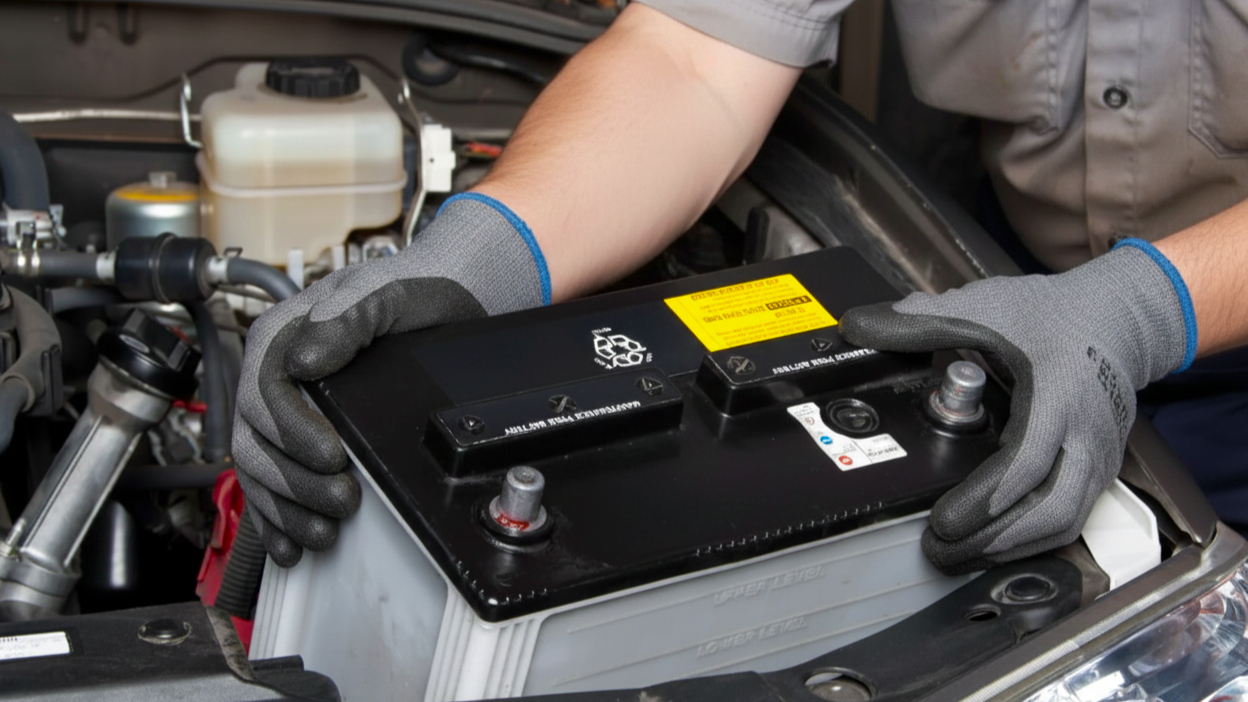
Daily driving habits affect the battery just as much as climate. A battery needs regular and sufficiently long charging cycles to stay healthy.
Short Trips — a Hidden Threat
Trips lasting 10–20 minutes are the most harmful operating mode for a battery:
- starting the engine consumes a large amount of energy;
- during short urban drives with low RPM and traffic, the alternator simply doesn’t have time to replenish what was spent.
This leads to chronic undercharging, which inevitably causes sulfation — the buildup of lead sulfate crystals firmly attached to the plates. The active surface shrinks day by day, and usable capacity steadily drops.
Long Periods of Inactivity — Silent Discharge
Even when the car is parked, it continues to consume energy:
- security system;
- safety modules;
- control units;
- multimedia memory and settings.
After 3–4 weeks of inactivity, a battery can fall into a deep discharge. And deep discharge is a direct path to irreversible sulfation and rapid loss of lifespan.
Condition of Electrical Equipment
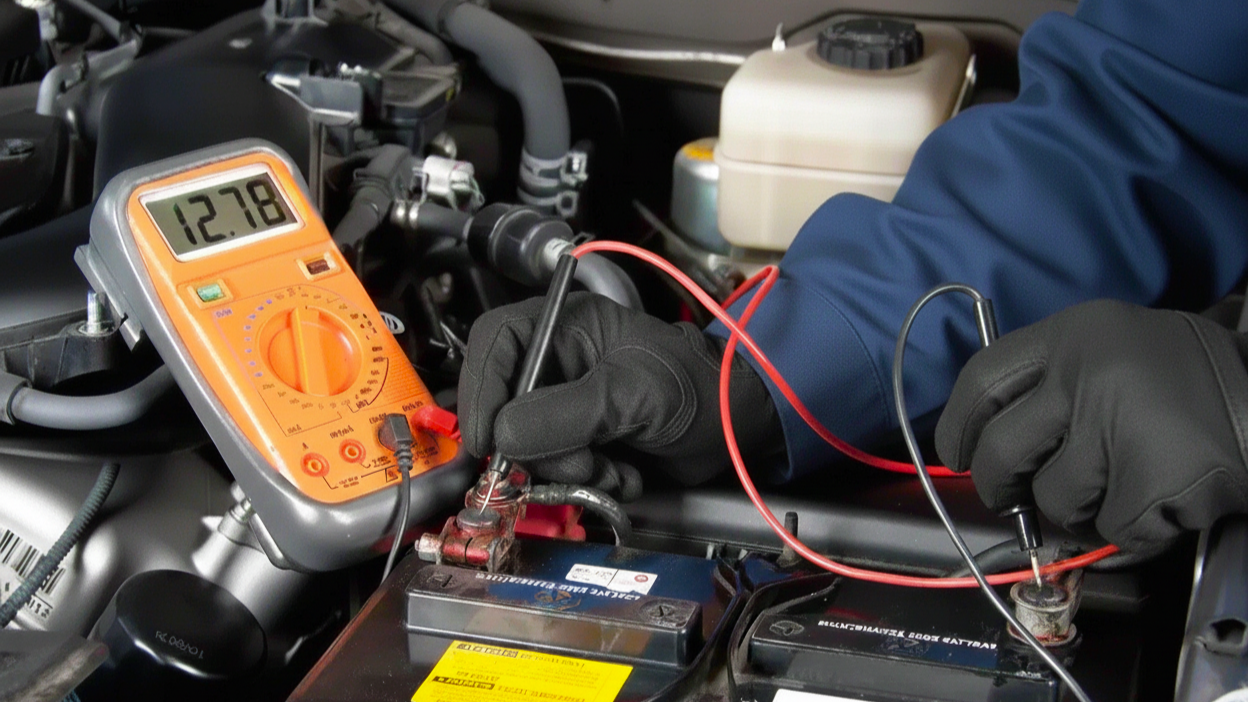
The vehicle’s electrical system is a complex network, and the battery’s health depends on the proper operation of each component. Even minor faults can slowly but steadily reduce its lifespan.
Alternator and Voltage Regulator
The alternator is the “heart” of the vehicle’s electrical supply. It ensures the battery receives the exact amount of charge it needs. But if the voltage regulator is worn or malfunctioning, problems quickly arise.
- Undercharging (voltage below 13.8 V). In this mode, the battery remains slightly undercharged constantly. It may look harmless, but it triggers chronic sulfation: lead sulfate crystals grow on the plates, reducing capacity and weakening the battery’s ability to hold a charge. The battery slowly “fades,” even with regular driving.
- Overcharging (voltage above 14.5 V). The opposite — but equally dangerous — scenario. Excessively high voltage “boils” the battery: the electrolyte overheats, water evaporates rapidly, and acid concentration rises. The result: accelerated plate corrosion, case deformation, and a sharp reduction in lifespan. This mode can destroy a battery within a few months.
Parasitic Current Drain — the Silent Enemy
Even when the car is off, some systems continue to work and draw minimal power — this is normal. But wiring defects or hastily installed equipment (faulty alarm system, aftermarket stereo, interior lighting, dashcam) can cause parasitic current drain.
- A drain of just 80–150 mA can discharge a healthy battery in a matter of days.
- Cars older than 7–10 years are especially prone to this: oxidized contacts, cracked wiring, weakened relays.
The main danger is that parasitic drains are almost invisible. Everything appears normal, but the battery “shrinks” overnight. After one or two weeks of inactivity, it may fall into deep discharge — and its lifespan drops dramatically.
Mechanical Stress
A battery is not just a plastic box with electricity inside — it is a complex device with delicate internal elements. The lead plates are coated with active material, which participates in chemical reactions and provides energy. Over time, this material can shed.
How Vibration Damages the Battery
While driving over rough roads, speed bumps, and gravel, the battery is constantly subjected to micro-shocks. Engine vibration adds to the stress.
- The active material gradually detaches and falls to the bottom of the case.
- The plates lose effective surface area.
- Capacity decreases, and engine starts become more difficult.
If the battery is poorly secured — tilted, loose, or held by a rusted bracket — the damage accelerates dramatically. Proper, rigid mounting in the designated location is essential for long service life. Even a high-quality battery will die prematurely if it’s shaken like on a vibration stand.
Basic Principles and Key Processes
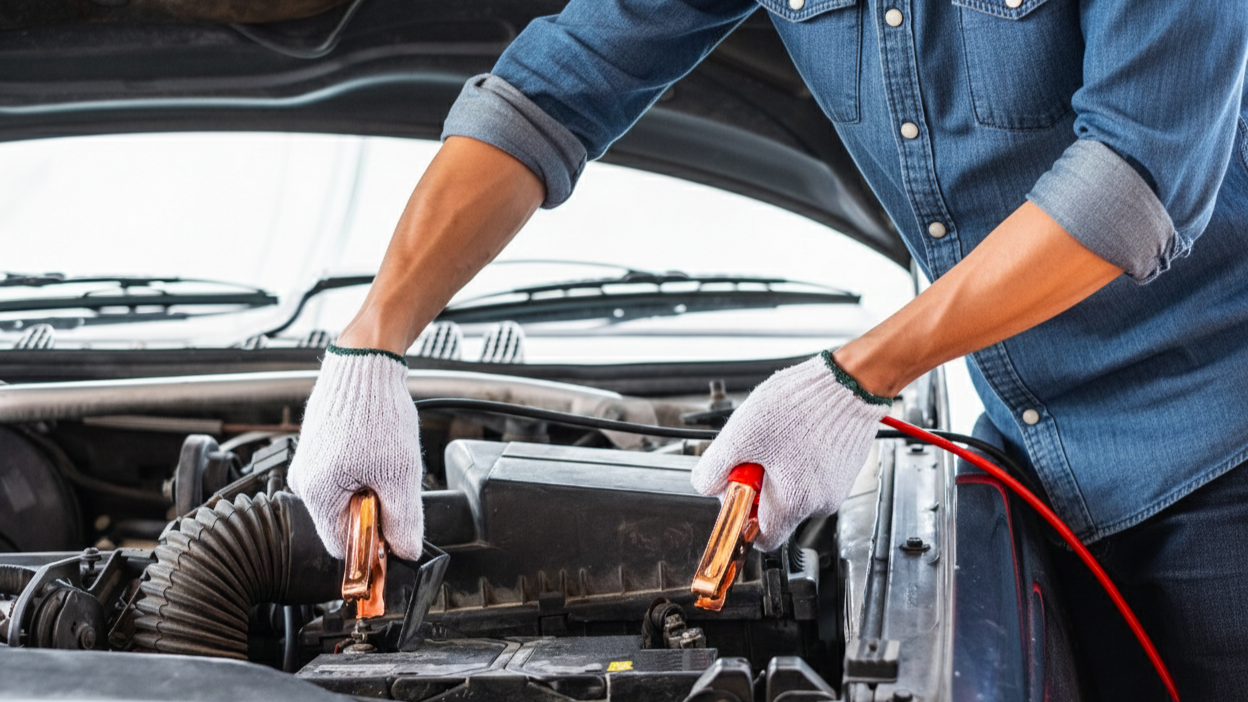
To understand why a battery ages, you need to look at what happens inside. A bit of chemistry makes everything clearer.
How a Lead-Acid Battery Works
Internally, the design looks simple: lead plates immersed in an electrolyte (a water-sulfuric acid solution). But their interaction is a fully reversible chemical process.
Discharge — When You Use Energy
When you start the engine or turn on the lights, music, or heaters:
- lead (Pb) and lead dioxide (PbO₂) react with sulfuric acid;
- lead sulfate (PbSO₄) forms;
- the electrolyte loses part of its acid and becomes more diluted;
- electrical energy is released and powers the vehicle's systems.
In simple terms, during discharge the active materials turn into sulfate — a normal part of the cycle.
Charge — Restoring the Original State
When the alternator or charger supplies current:
- lead sulfate breaks down;
- lead and lead dioxide are restored on the plates;
- sulfuric acid returns to the electrolyte.
The battery becomes ready to deliver energy again.
Why the Battery Inevitably Ages
In theory, the process is reversible. In reality — it’s not. With each cycle, some of the lead sulfate turns into dense, hard crystals that:
- do not dissolve back,
- coat the plates,
- reduce active surface area,
- impair the battery’s ability to accept and deliver charge.
This is battery degradation. The more “dead” crystals accumulate, the weaker the battery becomes. Sulfation accelerates when the battery is kept at a low charge, exposed to heat, or left unused for long periods.
How Many Volts Should a Car Battery Have?
Voltage is the main indicator of a battery's health. It should be measured with a multimeter across the terminals after the car has been sitting for at least 8 hours.
Voltage (at rest) | State of Charge | Status and Recommendations |
12.7V – 12.9V | 100% | The battery is fully charged and ready for use. |
12.5V | 75% | Normal operating condition. |
12.2V – 12.3V | 50% | Deep discharge is beginning. The battery should be charged. |
12.0V and below | < 25% | Critical discharge. Each such event irreversibly reduces its lifespan. |
13.8V – 14.5V | – | Normal voltage with the engine running. Indicates a healthy alternator. |
Types of Car Batteries
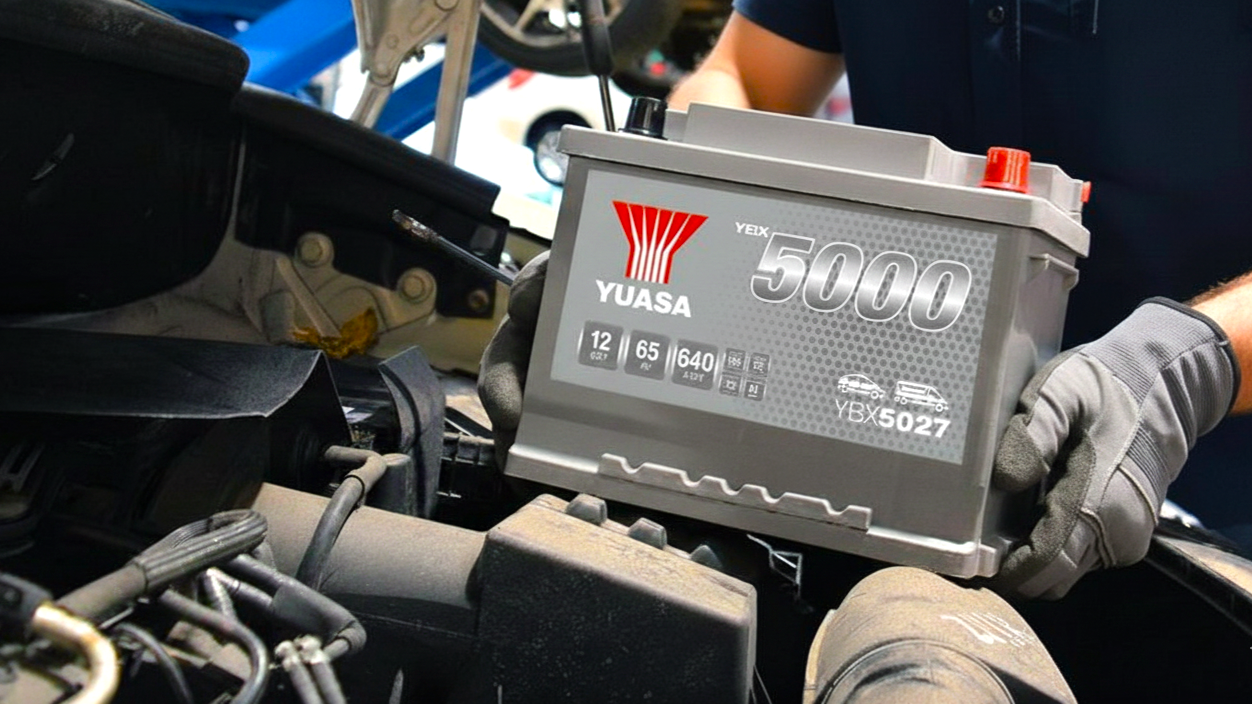
- WET (Flooded): The most common technology, available in serviceable (with caps for adding distilled water) and maintenance-free (sealed) versions.
- AGM (Absorbent Glass Mat): The electrolyte is absorbed into porous fiberglass mats. These batteries are vibration-resistant, accept a charge faster, and handle deep discharges better. They are common in cars with Start-Stop systems.
- GEL: The electrolyte is thickened into a gel-like substance. They withstand the highest number of deep discharge cycles but are sensitive to charging voltage.
- Li-Ion (Lithium-ion): Lightweight and energy-dense. Currently used mainly in premium and sports cars due to their high cost.
Average Lifespan
So, how long should a car battery last? The answer depends on several factors. A standard car battery lifespan in a moderate climate is 3-5 years. AGM batteries can last 5-7 years. However, in hot climates like Cyprus or with a routine of constant short trips, the life of any battery can be cut in half.
Practical Methods for Extending Battery Life
Simple, regular actions can significantly prolong your battery's life.
Operation: Building Good Habits
- Take at least one long drive (30–40 minutes) per week, preferably on a highway. This gives the alternator enough time to fully recharge the battery.
- Before shutting off the engine, turn off headlights, air conditioning, defrosters, and the audio system. Avoid using electronics with the engine off.
- Keep the battery case clean. Dust and grime mixed with moisture can create conductive paths, causing self-discharge.
Maintenance: Simple Steps for a Long Life
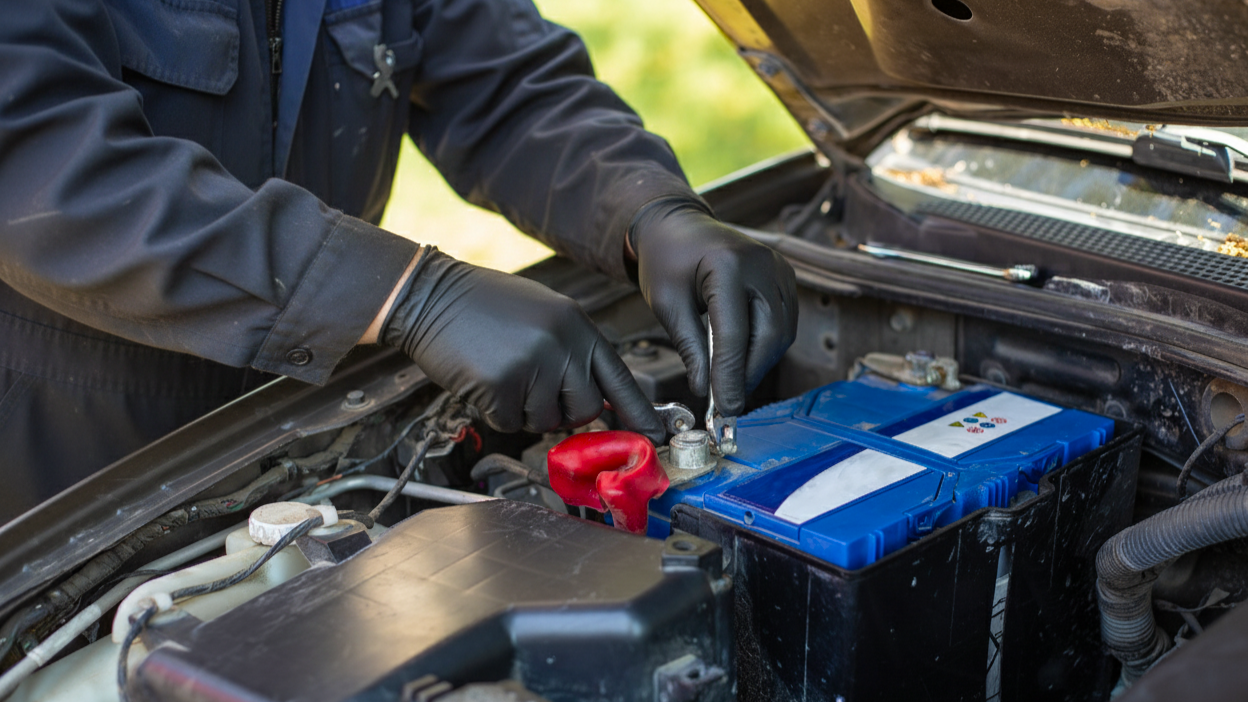
- A white or greenish powder (sulfate) on the terminals creates high resistance and impedes current flow. Every 3–4 months, disconnect the terminals ("–" first, then "+") and clean them and the battery posts with a wire brush until they shine. After reconnecting, apply a terminal protector spray or grease.
- Make it a habit to check the voltage with a multimeter once a month. A reading below 12.4V is a sign that the battery needs to be charged with an external charger.
- Ensure the battery is securely fastened in its tray. A loose battery will fail prematurely due to vibration.
- For serviceable batteries, check the electrolyte level monthly during the summer. It should cover the plates by 1–1.5 cm. Top up only with distilled water.
Seasonal Care
Winter Preparation
- Fully charge it. Before the weather cools (especially if you travel to the mountains), connect the battery to an automatic charger for a full cycle.
- Check electrolyte density (if accessible). In a fully charged battery, it should be 1.27–1.28 g/cm³. Low density means the battery could freeze at -10°C.
- Use an insulating jacket. A special thermal case helps the battery retain heat after a drive, making the next start easier.
Summer Care
- Avoid overheating. Park in the shade whenever possible. High under-bonnet temperature is a primary catalyst for battery aging.
- Monitor the cooling system. A faulty thermostat or a clogged radiator can cause the engine to overheat, which in turn cooks the battery.
When It's Time for a Replacement
A battery replacement should be planned, not an emergency. You can identify an impending failure by these signs:
- The starter motor turns over slowly, with noticeable effort, especially in the morning.
- The resting voltage after an overnight stop is consistently below 12.4V, even after a long drive.
- The headlights dim noticeably when you use power-hungry accessories (like electric windows) at idle.
- The battery case is swollen, cracked, or showing signs of electrolyte leakage.
- The battery is over 4–5 years old. Even without symptoms, its reliability is diminished.
Tools for Maintenance
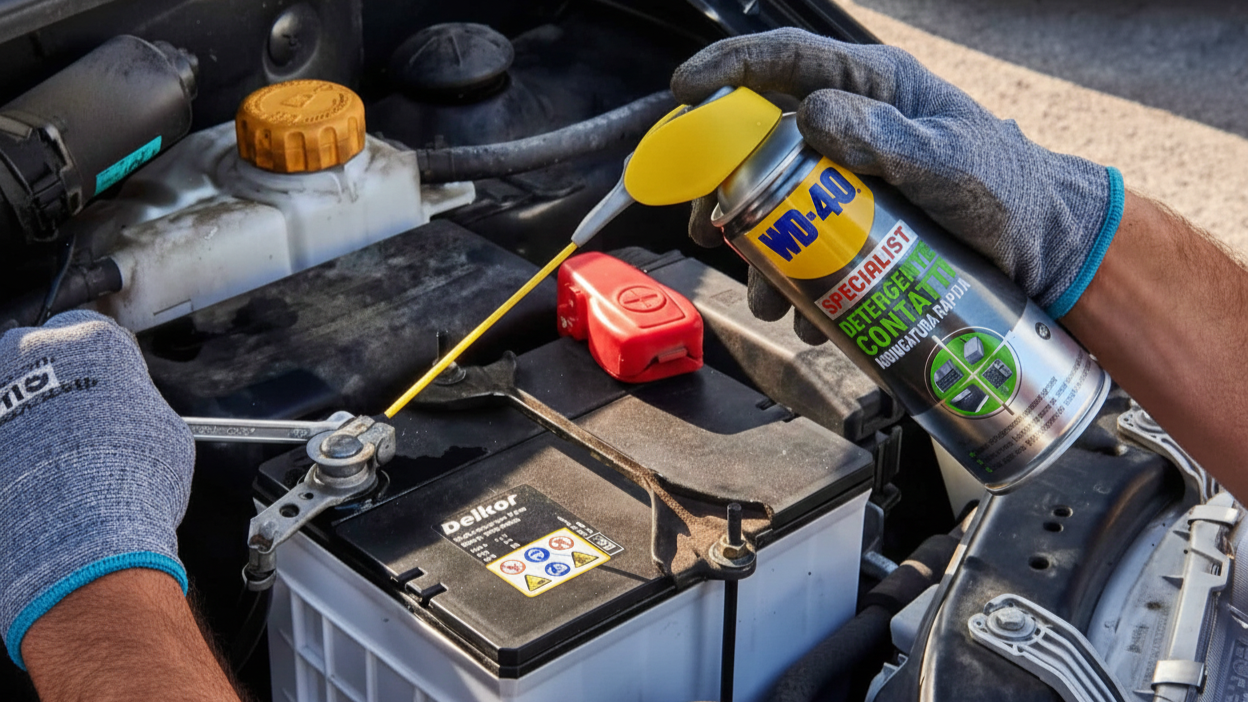
The primary tool for monitoring the condition of a car battery is a multimeter. It allows you to quickly measure the voltage and determine whether the battery is sufficiently charged. If the readings fall below the recommended level, an automatic charger is used to restore the charge. Modern chargers regulate the current on their own and select the optimal charging mode, making the process safe and preventing overcharging.
Physical maintenance is equally important. A metal brush is used to clean the terminals and contacts, effectively removing oxidation and residue. After cleaning, the connections should be treated with a protective anti-corrosion grease, which prevents further corrosion and improves electrical conductivity.
Owners of serviceable (non-sealed) batteries also need a hydrometer — a tool used to measure the density of the electrolyte. This parameter directly reflects the battery’s state of charge and helps identify potential issues at an early stage.
Economics and Ecology
Let’s compare the costs: a maintenance kit (multimeter, brush, grease) costs around €15–€25. A tow truck and a new battery can easily cost upwards of €150. Prevention is always more cost-effective than an emergency repair.
Used batteries contain lead and acid – hazardous substances for the environment. Never throw them in the regular trash. Take old batteries to specialized collection points. You will often receive a discount on a new battery for doing so.
Conclusion
A long battery life span is the result of a systematic approach, not luck. So, what is the life of a car battery in real terms? With proper operation, regular maintenance, and consistent monitoring, a single battery can last 5, 6, or even 7 years, even in a demanding climate.

