



Why Does My Car Alarm Keep Going Off at Night? Common Causes and Fixes

It’s night. The yard is quiet. You’re asleep, your neighbors are asleep. And suddenly – a scream of the siren, like in an apocalypse movie. You wake up in panic, grab the key fob, run to the window... and silence. Ten minutes later – it starts again. Your neighbors are giving you side-eyes, and you realize you already know this sound by heart. It feels like the whole street wakes up earlier than you do, just to discuss whose car is “screaming again.”
If your car alarm keeps going off, it’s not witchcraft and not a broken car. In nine cases out of ten, it reacts not to a real break-in, but to small electrical glitches or sensor issues. You can’t ignore these alarms: false triggers are annoying, disturb the neighbors, and make you less attentive to real threats. When the alarm “cries wolf” for no reason, you stop reacting to it – and that’s exactly when intruders might strike.
An alarm going off is the car’s way of telling you something is wrong. It’s important to understand this language and respond not with irritation, but with attention – because every false alarm is a symptom, not an accident.
How a Car Alarm Works

A modern car alarm is not just a siren. It’s an entire system – a living “organism” with a nervous system, a brain, and sensitive sensors. It reacts to movement, vibration, tilt, noise, and even changes in air pressure inside the cabin. The main task of the alarm is to distinguish random external factors from real threats. But it doesn’t always do that perfectly. If the sensitivity is too high, the system “gets nervous” at every loud noise or gust of wind.
A car alarm consists of several key elements:
- Central control unit – the “brain” that receives signals from the sensors and decides whether to trigger the alarm.
- Shock sensor – detects vibrations of the car body. Sometimes it’s so sensitive that a slammed door nearby can set it off.
- Ultrasonic or motion sensor – registers air movement inside the cabin. Even a small bug or a temperature change can cause a trigger.
- Tilt sensor – monitors whether the car is being lifted by a jack or a tow truck.
- Door, hood, and trunk switches – react to openings.
- Siren and power system – produce the alarm sound and provide power to the system.
Some advanced models even respond to ultrasound or changes in electromagnetic fields. But the smarter the system, the more reasons it has to make mistakes if something is installed incorrectly.
Real-life example: one driver complained that his alarm kept going off every time he parked near a shopping mall. It turned out there were automatic gates nearby using the same radio frequency. After switching channels, the false alarms stopped. Car alarms are sensitive technology. They don’t tolerate poor wiring, low voltage, or moisture. If any of these occur, expect sleepless nights.
Main Reasons for False Alarms
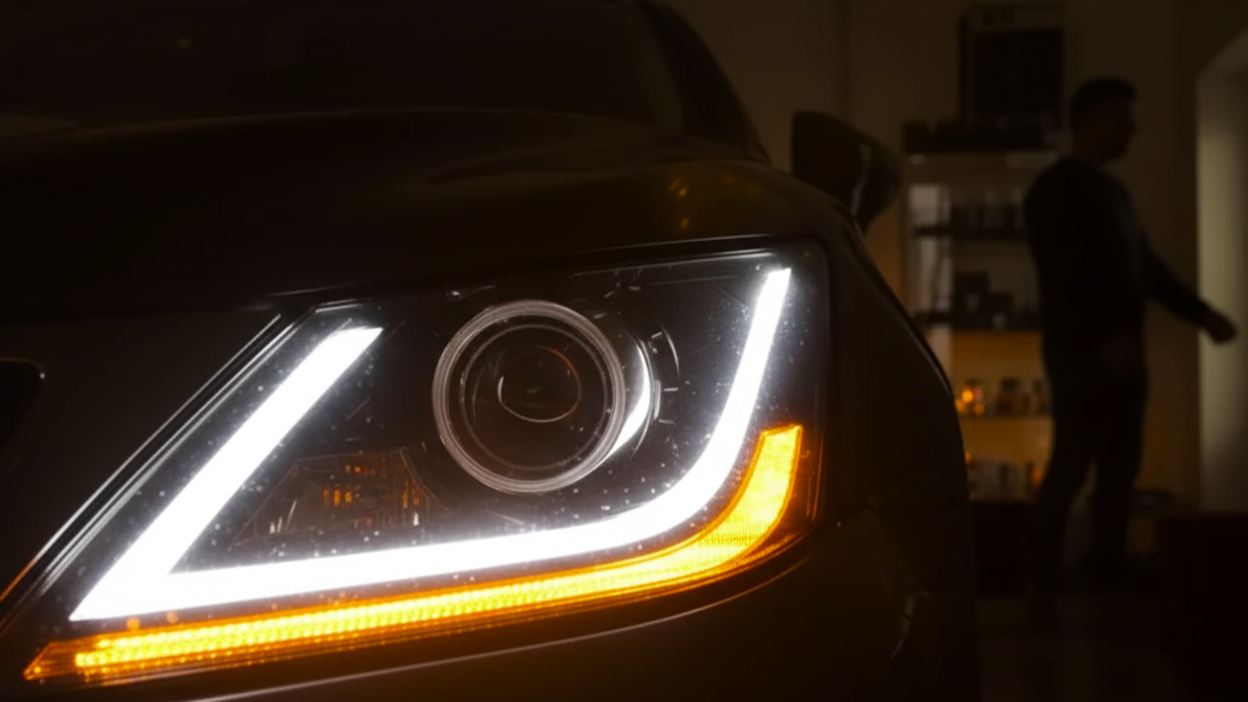
The reasons why car alarm keeps going off vary – from obvious to subtle. Sometimes the culprit is a single over-sensitive sensor, and sometimes it’s a chain of minor faults that create constant noise together. Careful diagnostics often reveal that the cause isn’t where you’d expect it.
Cause | Effect |
Excessive sensor sensitivity | The system reacts to loud noises, vibrations, thunder, or passing trucks. |
Installation errors | Sensors placed in bad spots or poor grounding cause random triggers. |
Battery issues | Voltage drops make the control unit think someone’s tampering with the car. |
Wiring faults | Moisture, oxidation, or short circuits send false signals. |
Faulty key fob | Stuck buttons or radio interference cause spontaneous activation. |
Extreme weather | Cold, heat, or humidity distort sensor readings. |
Animals or insects | A cat on the hood or a fly inside the cabin makes the alarm think it’s under attack. |
Sometimes the reason is literally “in the air.” For instance, high humidity after rain or car washing can cause car alarm goes off randomly. Metal contacts expand, switches misread signals, and the siren starts wailing as if someone’s smashing the glass.
Case in point: one car owner noticed that his alarm went off every morning at 5:45. Always. The culprit? A garbage truck driving by and shaking the ground. Reducing sensitivity fixed the issue. Even expensive systems won’t work right if installed poorly. Cheap workshops often place sensors “where convenient,” not “where correct.” The result – endless false alarms.
How to Determine Why the Alarm Keeps Triggering
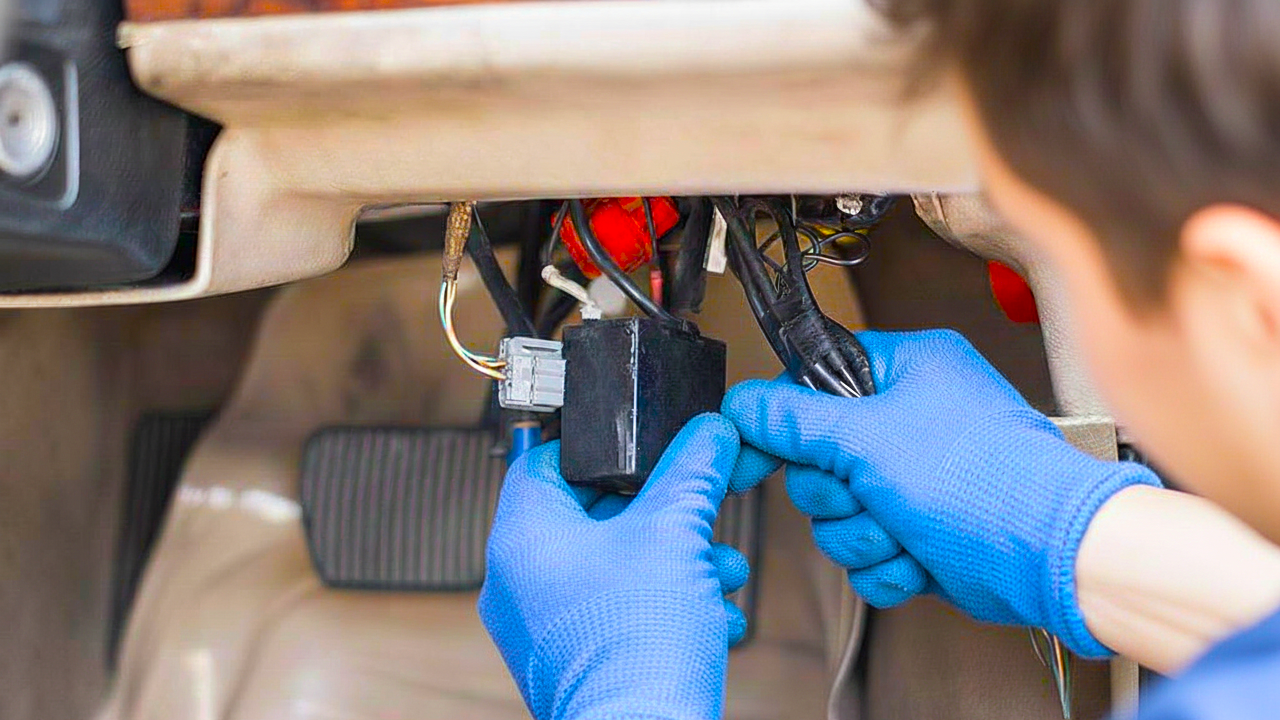
To figure out why does my car alarm keep going off, you need to act calmly and logically. Most drivers start pulling wires, removing fuses, and pressing all buttons – which only makes things worse. Follow a step-by-step approach like professionals do:
- Check the event log. Modern systems record which sensor caused the alarm – that saves hours.
- Inspect the battery. Weak voltage or loose terminals can cause spikes that trigger alarms.
- Check wiring. Focus on areas under the hood and near the doors. Corrosion and moisture are common culprits.
- Use the elimination method. Disconnect sensors one by one and watch when the false triggers stop.
- Inspect the key fob. Weak batteries or sticky buttons often cause unintentional activation.
If false alarms happen only at night or during certain weather, that’s a clue – it might be condensation or temperature fluctuations.
Pro tip: if your alarm is connected to the car’s CAN bus, don’t try to fix it yourself. A wrong move can affect other systems like the central lock or headlights. Advanced alarms can be checked through a mobile app showing sensor status, voltage level, and even GPS coordinates. Sometimes, a “false” alarm isn’t an error but a design feature – for example, reacting to strong electromagnetic fields or nearby subway lines.
What to Do If the Car Alarm Goes Off Randomly

If car alarm goes off randomly, don’t rush to disable it permanently. Eliminate the cause, not the symptom.
- Start by lowering the shock sensor sensitivity – usually through the control menu. Adjust it down by one or two levels.
- Next, check sensor mounts – they shouldn’t wobble or be attached to thin panels that vibrate. Move them to a solid part of the body.
- If the alarm reacts only at night, you might have an active “night mode” with extra sensitivity to motion or airflow.
- When nothing helps, you can temporarily disable the alarm. For instance, if the siren keeps screaming in the middle of the night and you can’t find the cause, it’s crucial to know how to disable car alarm safely.
- The easiest way is to remove the negative battery terminal or pull out the fuse for the system.
- If you have a key fob with a service button, use the special combination described in the manual – that’s how to turn off car alarm without damaging your vehicle’s electronics.
- Keep in mind, this is only a temporary fix. Once the car is silent, run diagnostics to identify the real issue.
- If your system is over five years old, consider replacing it. Modern alarms resist interference, self-diagnose, and can even tell the difference between a cat on the hood and a real theft attempt.
Interesting fact: new systems can be connected to your smartphone. When they go off, you receive an alert and can check the situation via the car’s camera or microphone – reducing false alarms by up to 70%.
Prevention and Useful Tips

Prevention is what separates a peaceful night from one full of sirens. And it starts long before the system screams – the moment you park or start the engine. Any security system, just like a human body, needs care. Ignore it, and it starts “acting up” – reacting to small changes, beeping for no reason, and disturbing everyone.
Prevention isn't a boring routine; it’s how you extend your car’s electronics lifespan. Checking mounts, testing sensors, cleaning contacts – it all takes less than half an hour a month, but saves hours of sleep. It’s especially important after extreme conditions: frost, heat, off-road trips, or engine washing. Moisture and vibration are the main enemies of any alarm system.
Habits to adopt:
- test your alarm during every car service;
- change key fob batteries twice a year;
- keep sensors dry and clean;
- inspect wiring monthly;
- after washing, let the car dry before arming the system;
- avoid parking under power lines – they create interference.
If false alarms occur often, recalibrate the system. This resets the “normal state” and reduces sensor errors. Modern alarms use adaptive sensitivity – they learn your car’s environment and adjust automatically. If heavy trucks often pass nearby, the system becomes less reactive over time.
Installer’s tip: never mount the shock sensor on resonant body panels. The best spot is on a sturdy frame section or steering column bracket.
Some experts recommend adding a backup battery for the alarm to protect it from voltage drops during engine start. Even the most advanced system needs annual check-ups – especially if it’s been installed for years.
Important! Even a perfectly working alarm may cause trouble if used incorrectly. Some drivers leave the car with the ignition on or the handbrake engaged – this creates unstable voltage and triggers the alarm. Others ignore maintenance and later wonder why the siren goes off by itself at night.
Always read the manual: sensitivity settings, arming modes, and parking positions all matter. A car alarm isn’t your enemy – it’s your ally. Treat it with care, and it will protect you, not annoy you.
Conclusion
False alarms are not only irritating but can also dull your reaction to real break-in attempts. Proper adjustment and regular maintenance will help you avoid such situations and keep peace of mind. Routine checks and attention to small details will ensure that your car stays securely protected – day and night.

