



Best Autopilot Cars and Self-Driving Technologies in 2026
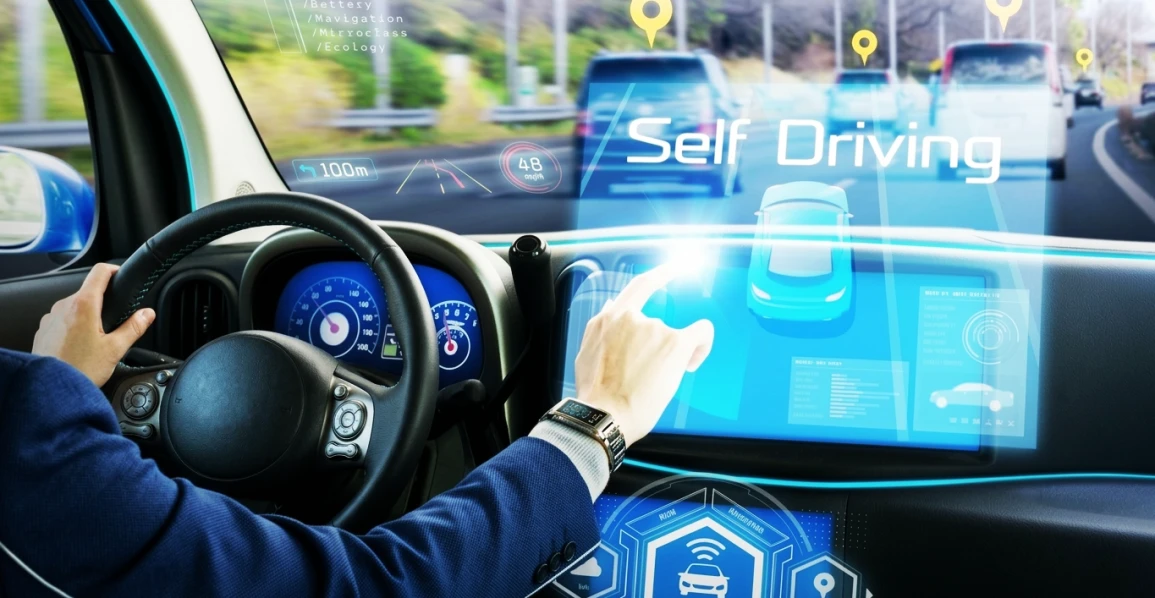
Let's imagine you're driving in heavy traffic on the Limassol-Nicosia motorway. But you're not holding the steering wheel. You're not touching the pedals. The car itself smoothly accelerates, brakes, stays in the center of the lane, and even changes lanes to overtake. Science fiction? Five years ago, yes. In 2026, it's a reality available in production cars.
The era when autopilot was something out of sci–fi movies is over. Today, self-driving cars are one of the main trends in the automotive industry. Technologies are developing rapidly. Systems are becoming smarter, safer, and, importantly, more affordable. But as the number of options grows, so does the confusion.
What can a modern autopilot actually do? How does a "traffic jam pilot" differ from a full–fledged highway system? And which manufacturer offers the best self driving car? This article is your guide to the world of autonomous technologies. We will break down the levels of automation, compare best autopilot cars, and help you understand which system is right for your needs.
A Brief Overview of Autopilot Technologies in 2026
In 2026, we are still far from fully driverless cars on every city street. However, Advanced Driver–Assistance Systems (ADAS) have reached an incredible level. They are already capable of taking over a significant portion of routine tasks, making journeys safer and more comfortable.
The main trend is the shift from simple assistants to complex systems that can see, think, and act. Using cameras, radars, and lidars, modern autopilots create a 360–degree view of the world around the car, analyze it, and make decisions. They not only keep the car in its lane but can also change lanes independently, exit the motorway, and even park without driver intervention.
The Main Levels of Vehicle Autonomy
To understand what you are buying, you need to be familiar with the widely accepted classification of autonomy levels developed by the Society of Automotive Engineers (SAE).
Level | Name | What the System Does | Responsibility |
Level 1 | Driver Assistance | Assists with steering OR acceleration/braking. | Driver |
Level 2 | Partial Automation | Assists with both steering AND acceleration/braking. | Driver |
Level 3 | Conditional Automation | Fully controls the car under specific conditions. | System (but driver must be ready to intervene) |
Level 4 | High Automation | Fully controls the car in most conditions. | System |
Level 5 | Full Automation | Fully controls the car under all conditions. | System |
The vast majority of "autopilots" on the market today are advanced Level 2 systems. They require constant supervision from the driver. Level 3 is a new level for self–driving cars. For the first time, the responsibility for driving in certain situations shifts from the person to the machine. Mercedes–Benz became the first manufacturer in the world to receive certification for a Level 3 system (Drive Pilot).
TOP 10 Cars with the Best Autopilot Systems in 2026
In 2026, most "autopilots" merely assist the driver. Few demonstrate real autonomy. We have selected ten cars that are leading the race in autonomous technology.
1. Tesla Model S/3/X/Y with Full Self–Driving (FSD) Beta
- Character: The ambitious innovator. Tesla doesn't just assist; it aims to completely replace the driver. The FSD system is the most discussed and advanced on the market, capable (in Beta mode) of navigating city streets, reacting to traffic lights and pedestrians.
- Level: 2+
- Features: Constant over–the–air updates that add new functions. Unique capabilities like Smart Summon, where the car drives to you in a parking lot.
2. Mercedes–Benz S–Class with Drive Pilot
- Character: The certified perfectionist. Mercedes–Benz became the first manufacturer in the world to receive official approval for a Level 3 system. In heavy traffic on the motorway, Drive Pilot takes full responsibility.
- Level: 3
- Features: Uses lidar, which ensures the highest accuracy and reliability even in difficult weather conditions. The driver can legally take their attention off the road.
3. BMW iX and 7 Series with Personal CoPilot
- Character: The comfortable companion for long trips. BMW's system allows you to take your hands off the steering wheel on the motorway for extended periods, providing a smooth and confident ride.
- Level: 2+
- Features: An infrared camera monitors the driver's attention, allowing the system to operate only when the person is looking at the road.
4. Cadillac Escalade with Super Cruise
- Character: The reliable navigator. Super Cruise from General Motors is considered one of the most stable and intuitive hands–free driving systems. It operates on a vast network of pre–scanned roads.
- Level: 2+
- Features: An automatic lane change function – just activate the turn signal, and the car will perform the maneuver itself.
5. Genesis GV70 with Highway Driving Assist 2 (HDA 2)
- Character: The intelligent assistant. The system from Genesis is distinguished by its incredibly smooth and "human–like" operation. It doesn't just keep the car in its lane; it adapts to your driving style.
- Level: 2
- Features: A machine learning function that copies the driver's habits (following distance, acceleration intensity).
6. Volvo XC90 with Pilot Assist
- Character: The safety veteran. Volvo has spent years perfecting its driver assistance system. Pilot Assist is the result of this experience: a reliable, predictable, and very easy–to–use assistant.
- Level: 2
- Features: Flawless integration with Volvo's other safety systems.
7. Audi A8 with Traffic Jam Pilot
- Character: The technological pioneer with untapped potential. The A8 was the first production car equipped with lidar. Technically, its traffic jam pilot corresponds to Level 3, but due to legal restrictions in most countries, its functionality is limited.
- Level: 3 (technically) / 2 (legally)
- Features: An example of how technology outpaces legislation.
8. Ford Mustang Mach–E with BlueCruise
- Character: The accessible hands–free. Ford has offered its alternative to the Super Cruise system, which works on specially designated "Blue Zones" on motorways.
- Level: 2+
- Features: Offered via an affordable subscription, making hands–free driving technology more mainstream.
9. Lexus LS with Teammate
- Character: The team player. The system from Lexus actively interacts with the driver, suggesting maneuvers (like overtaking) and waiting for confirmation.
- Level: 2+
- Features: Creates a sense of teamwork between human and machine, rather than a complete handover of control.
10. Hyundai IONIQ 6 with Highway Driving Assist 2 (HDA 2)
- Character: The smart choice. The IONIQ 6 offers the same advanced and smooth assistant as the premium Genesis but in a more affordable segment.
- Level: 2
- Features: One of the best "price/technology quality" ratios on the market for self-driving cars.
Model | SAE Level | Where It Works | Hands–Free Driving |
Mercedes S–Class | 3 | Highway (in traffic) | Yes (eyes off) |
Tesla Model S/Y | 2+ | Everywhere (Beta) | No (officially) |
BMW iX/7 Series | 2+ | Highway | Yes (eyes on) |
Cadillac Escalade | 2+ | Highway (mapped) | Yes (eyes on) |
Genesis GV70 | 2 | Highway | No |
Volvo XC90 | 2 | Highway (lanes) | No |
Audi A8 | 3 (tech.) | Highway (in traffic) | Yes (eyes off) |
Ford Mach–E | 2+ | Highway (mapped) | Yes (eyes on) |
Lexus LS | 2+ | Highway | Yes (eyes on) |
Hyundai IONIQ 6 | 2 | Highway | No |
How to Choose the Best Car with Autopilot
To avoid making a mistake, don't rush. Better yet, read our tips before you start choosing.
- Analyze your trips. If you drive in the city 90% of the time, you don't need an advanced highway autopilot. A good adaptive cruise control with a stop–and–go function will suffice. If you often drive between cities, systems like Super Cruise or FSD will be very useful.
- Choose the right level. Don't overpay for features you won't use. For most drivers, a high–quality Level 2 system is more than enough.
- Check reviews. Watch video reviews to see how a specific system performs in real–world conditions, not just in perfect promotional videos.
Tips for Using Autopilot Systems:
- Remember the limitations. None of the existing systems make a car fully autonomous. You must always be ready to take control.
- Keep your hands on the wheel (for Level 2). Even if the system allows for hands–free driving, regulations require constant contact with the steering wheel.
- Keep an eye on software updates. Manufacturers are constantly improving their systems. Regular over–the–air (OTA) updates can add new features and enhance safety.
Mistakes to Avoid
Next, remember this. This is important information that will help you not to regret your choice. Here is what not to do:
- Trusting the system completely. The driver is always responsible for everything that happens with the car.
- Ignoring warnings. If the system requests your attention or asks you to take control, do it immediately.
- Buying a car just for the autopilot. Evaluate the car as a whole: its comfort, dynamics, and reliability. Autopilot is just one of its features.
Conclusions and Recommendations
In 2026, self-driving cars have made a huge leap forward. The leaders remain Tesla with its ambitious FSD system and Mercedes–Benz, which was the first to bring a certified Level 3 system to the market. Excellent and more affordable systems are offered by BMW, GM, and Hyundai/Genesis.
The choice of the best self driving car depends on your budget and usage scenarios. For maximum comfort on the highway, look at Mercedes, BMW, and Cadillac. If you need the most advanced technology with an eye to the future, it's Tesla. For a balanced solution at a reasonable price, consider Genesis or Hyundai.
Technologies will continue to evolve, but it's important to remember: today, these are just assistants, not full–fledged robot drivers. Use them wisely. Then they will make your trips in the best autopilot cars safer and more pleasant.

