



The Best Racing Car Technologies and the Evolution of the Modern Racing Car
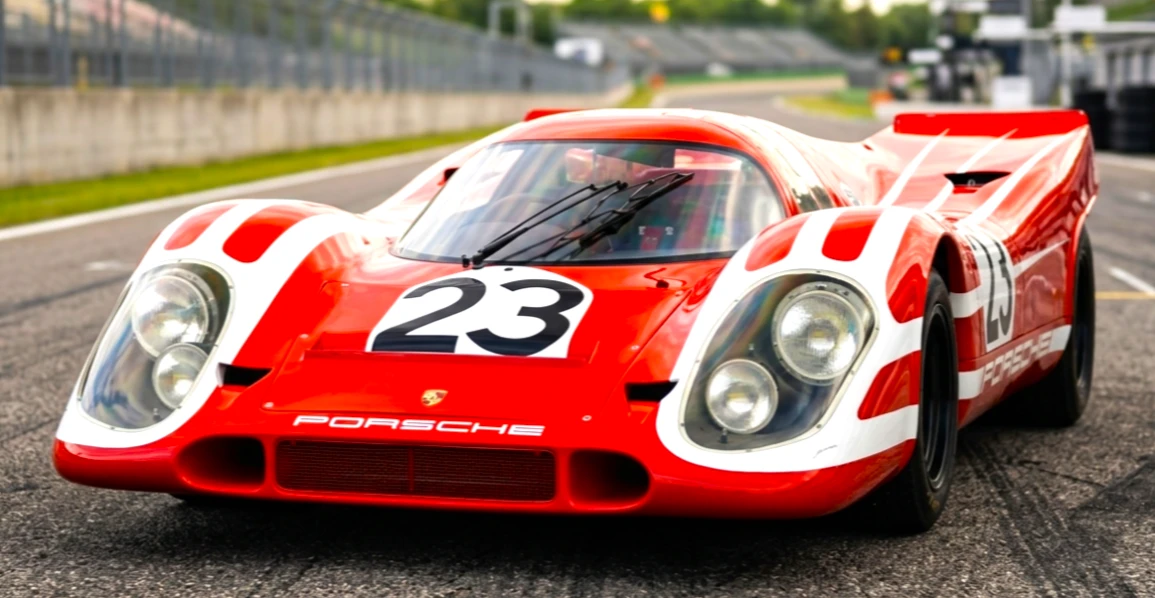
The roar of an engine makes the air vibrate. The smell of hot brakes and burnt rubber hangs in the air. A silhouette flashes past the grandstands at speeds exceeding 300 km/h. And all of this, of course, is about a racing car, which is the pinnacle of engineering thought, the embodiment of speed and adrenaline. Such a machine is created with a single purpose – to be faster than everyone else.
For them, the laws of physics are merely a starting point. Engineers create such cars at the edge of what is possible, using aerodynamics and materials from the aerospace industry. Every detail is subordinated to one goal – speed.
Our analysis reveals the technological essence of modern racing cars. It shows how carbon fiber, hybrid power units, and telemetry allow them to dominate the track. Read to the end and decide for yourself which best racing car today is the pinnacle of engineering thought and how its technologies will appear in your car tomorrow.
The History of Racing Cars
Motorsport was born almost simultaneously with the advent of passenger vehicles. As soon as two cars appeared, their owners wanted to find out which was faster. The first races at the end of the 19th century were endurance marathons on public roads. The cars of that era were fragile and unreliable. And only a few made it to the finish line.
A breakthrough occurred in the 1920s–30s with the appearance of the legendary "Silver Arrows" from Mercedes–Benz and Auto Union. These cars were the first to receive streamlined bodies, powerful supercharged engines, and independent suspension. In the 1950s, Formula 1 was born, and Ferrari, Maserati, and Alfa Romeo took to the tracks.
The 60s were the golden era of endurance racing and the battle of the giants, Ford and Ferrari, at Le Mans. The first wings appeared, and engines were moved to the middle of the car for better weight distribution. This step powerfully changed the architecture of sports cars for decades to come.
The 70s and 80s were the era of turbocharging and the insane Group B in rallying. The power of seemingly production cars reached 500–600 hp. Since then, technologies have developed rapidly, turning the modern racing car into a highly complex technological system where aerodynamics and electronics play a role no less important than the engine.
Classification of Racing Cars
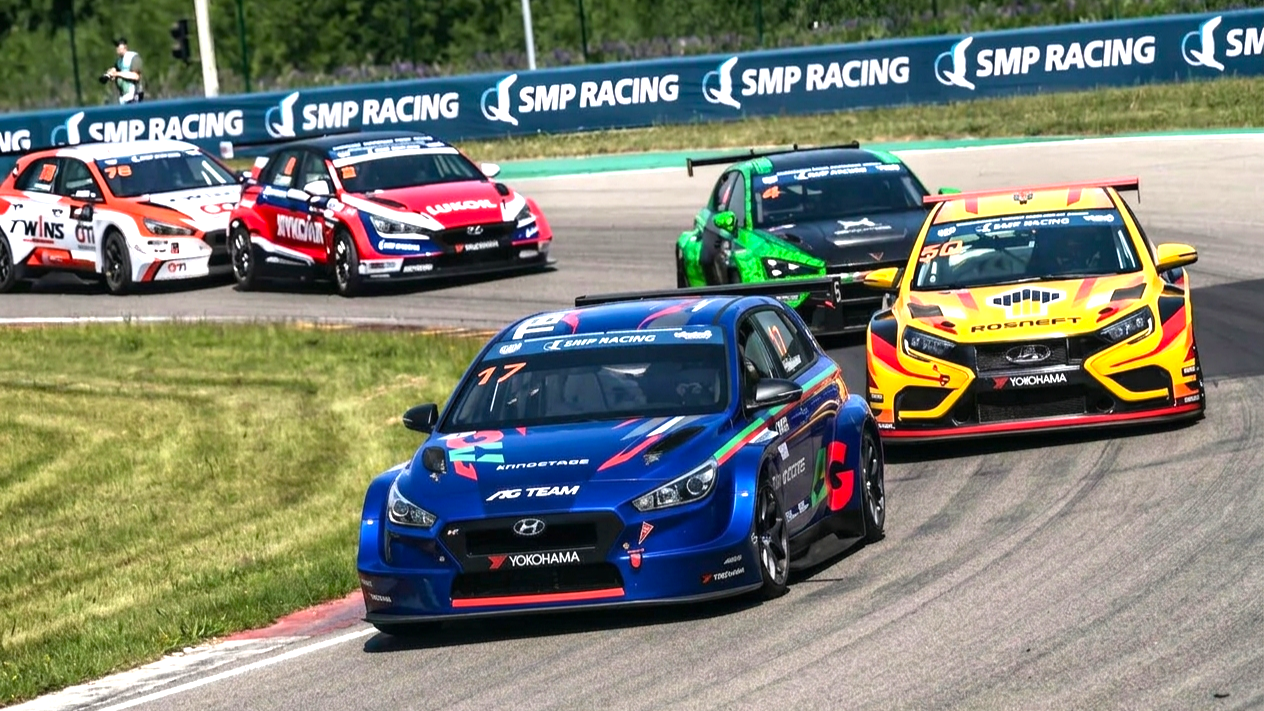
The world of motorsport is vast and diverse. Cars in it are divided into many classes, each with its own technical regulations and philosophy. Formula 1 is the pinnacle, where single–seater open–wheel cars (monopostos) serve as a testing ground for the most advanced technologies in aerodynamics and hybrid power units. A completely different ideology is professed by GT cars and sports prototypes. They have a closed body and are often built on the basis of production supercars, participating in endurance races such as the 24 Hours of Le Mans.
Touring car races are battles in cars that look like ordinary sedans and hatchbacks but with seriously modified "insides." Rally cars are a special class prepared for races on public roads, from asphalt to gravel and snow. They require incredible chassis strength and a robust suspension.
Separately, there are cars for drifting – powerful rear–wheel–drive coupes, specially built for driving in a controlled slide. And finally, a new era is bursting into motorsport – electric racing cars. The Formula E championship proves that racing can be both fast and environmentally friendly.
Top Modern Racing Cars 2025–2026
In recent years, racetracks have become arenas for true technological battles, with engineers creating cars that combine phenomenal speed, innovation, and efficiency. In the 2025–2026 season, several models stand out, each becoming a benchmark in its own racing discipline.
Mercedes-AMG F1 W16 E Performance
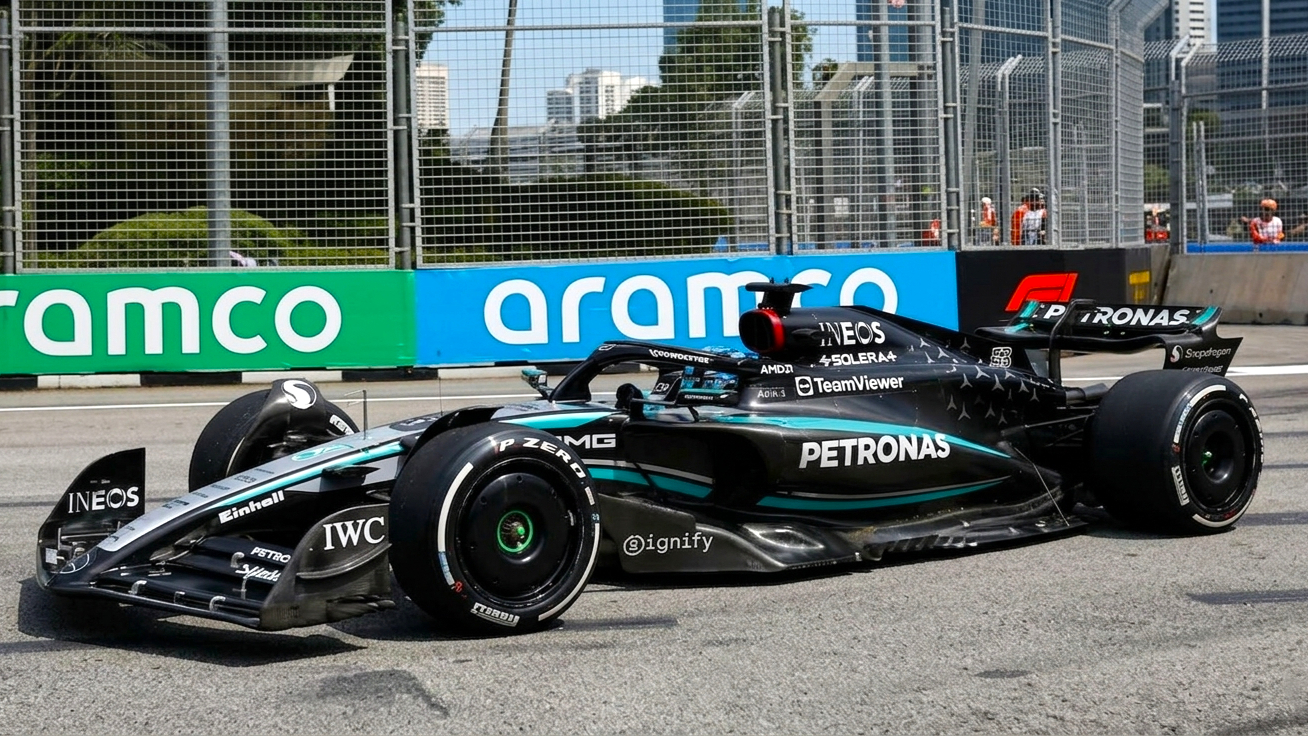
Formula 1 continues to impress with technological breakthroughs, and the Mercedes-AMG F1 W16 E Performance is a prime example. This car features a hybrid power unit with over 1,000 hp and a record thermal efficiency of more than 50% for an internal combustion engine. The combination of a turbocharger, electric motor-generators, and advanced energy recovery systems allows drivers to maximize every corner and straight, maintaining incredible stability and handling at high speeds.
Porsche 911 GT3 R
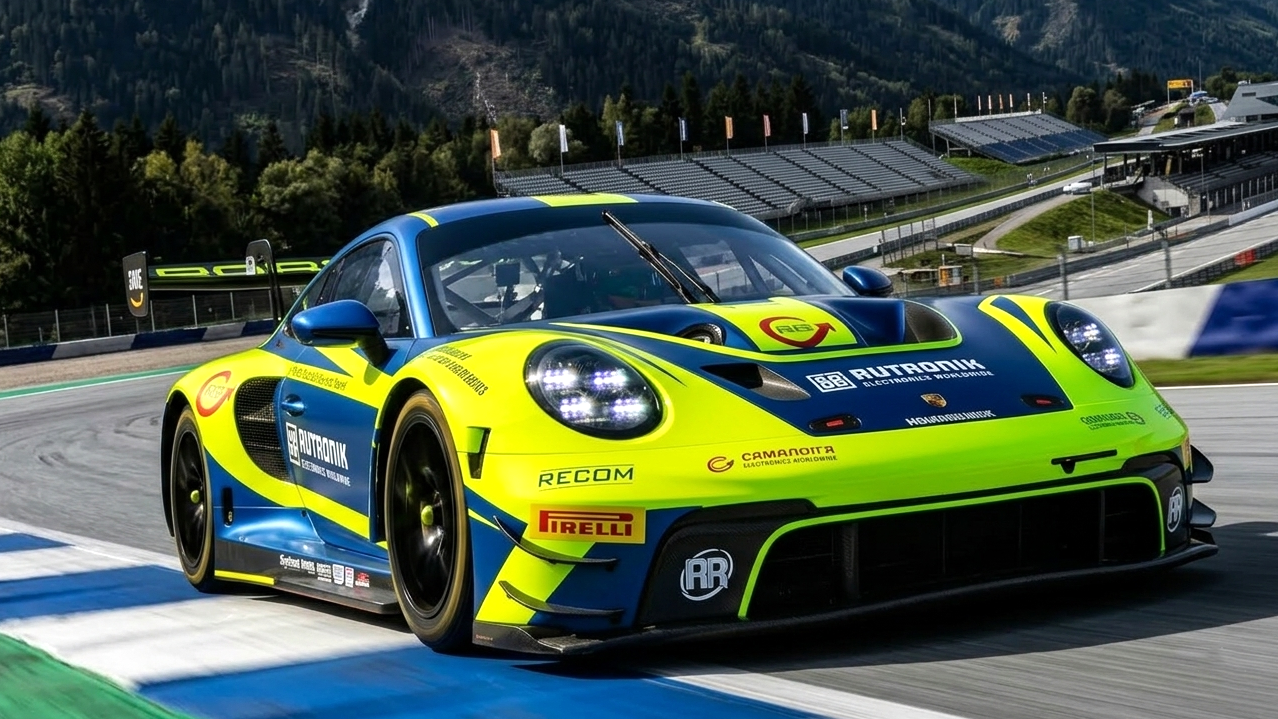
In the GT3 segment, the Porsche 911 GT3 R has earned a reputation as one of the most balanced and reliable race cars. Built on the iconic 911 road car, it features fully reworked aerodynamics: active elements, new diffusers, and aerodynamic wings provide maximum grip at high speeds. A retuned suspension and braking system give customer teams worldwide the confidence that the car is ready to tackle any track challenge.
Toyota GR Yaris Rally1
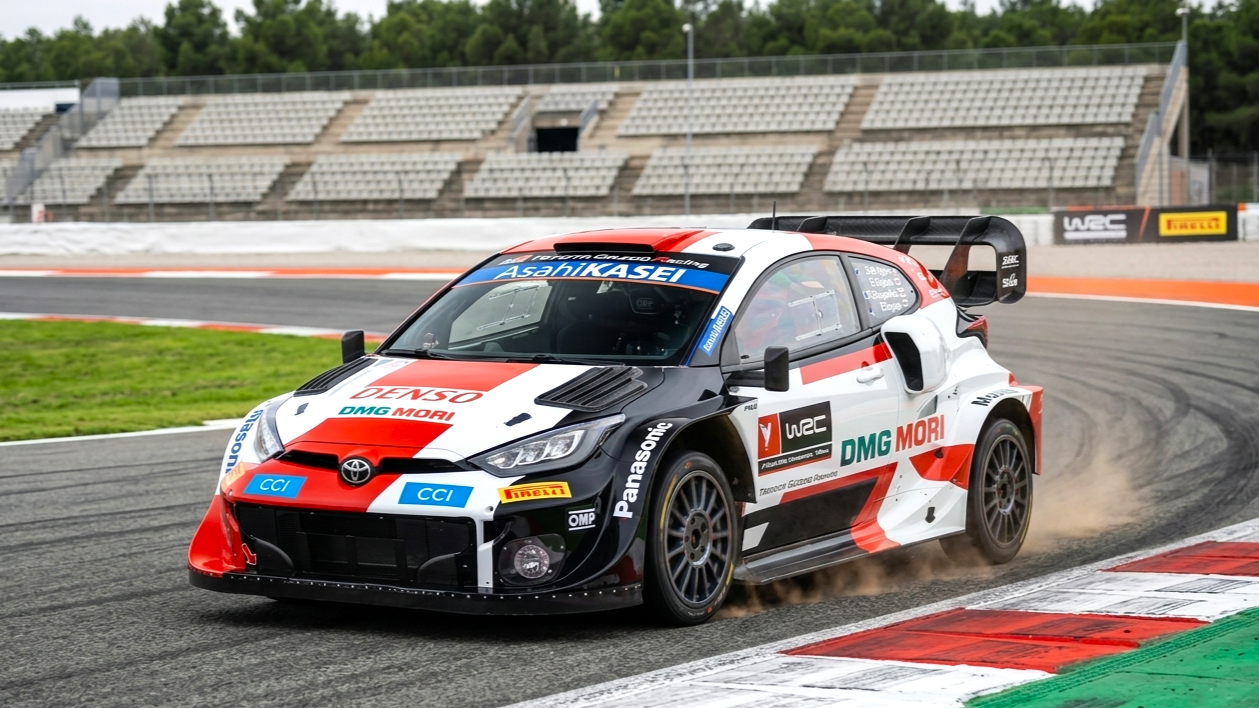
Rally stages are evolving too, and the Toyota GR Yaris Rally1 represents the new generation of hybrid rally cars. Its powertrain produces up to 500 hp, with an electric motor providing instant acceleration at starts and out of corners. This combination of internal combustion and electric drive opens new tactical possibilities for drivers, allowing them to adjust power distribution between the axles to optimize the car’s behavior on challenging surfaces.
Rimac Nevera
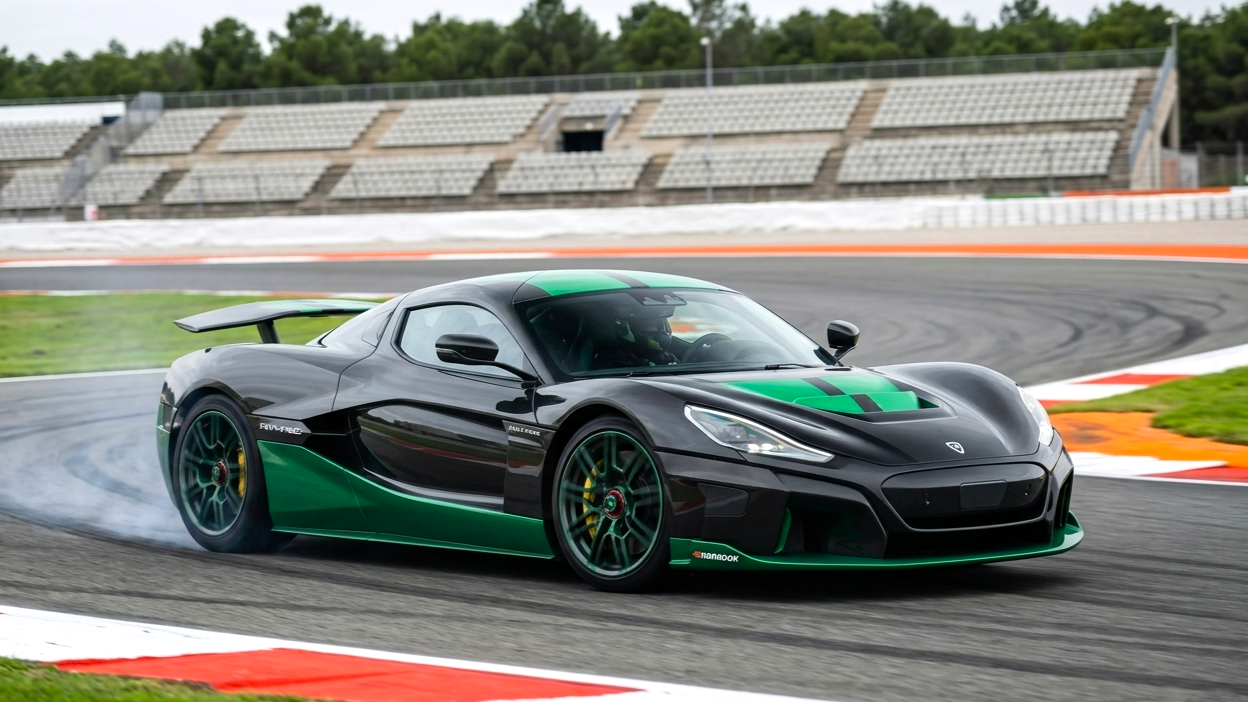
Although the Rimac Nevera is technically a road car, it demonstrates the technological level of true race cars. With four electric motors and a total output of 1,914 hp, the Nevera has set more than 20 world records for acceleration and braking. Instant throttle response, precise torque vectoring, and innovative aerodynamics make this hypercar a benchmark in electric performance, capable of competing with the best racing machines on the track.
Formula E Gen3
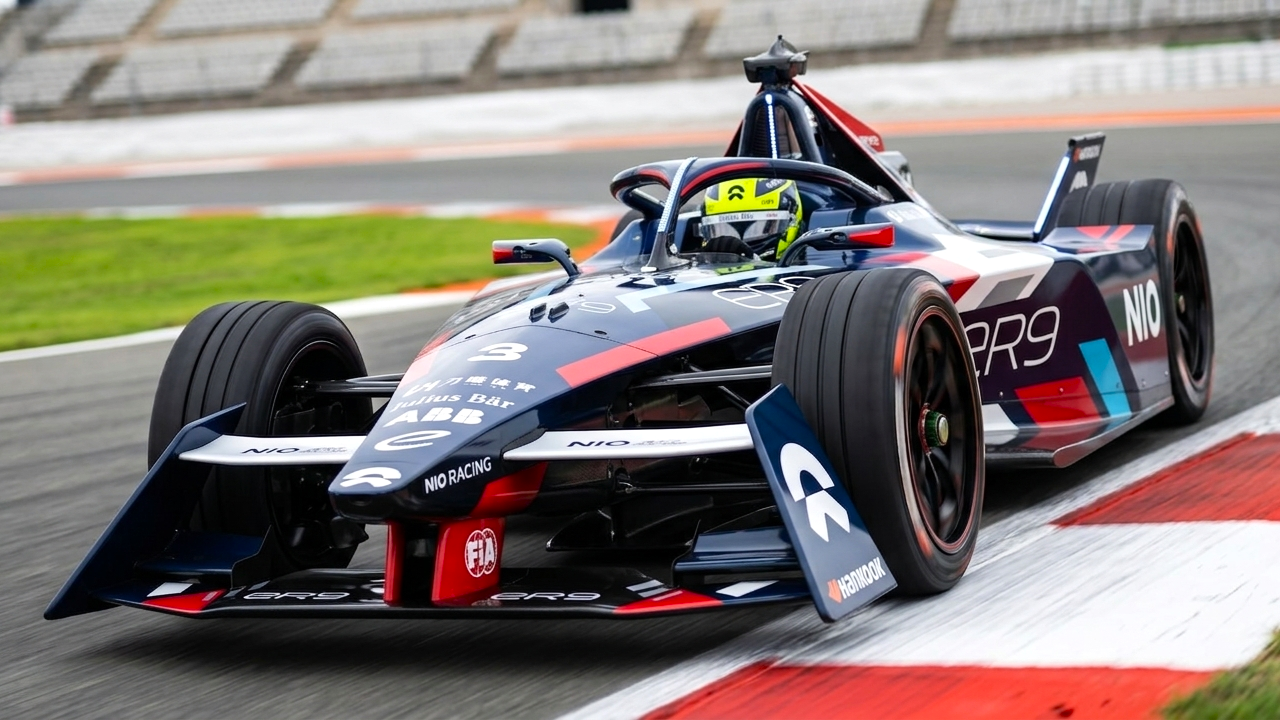
Electric racing has entered a new era with the Formula E Gen3 car. Equipped with two power units and producing up to 470 hp, its main innovation lies in energy recovery from both axles. As a result, the Gen3 operates without traditional rear brakes, relying solely on regenerative braking for deceleration. This makes driving more strategic and dynamic, turning every second on the track into a balance between speed and energy management.
Technologies and Innovations
A modern racing car is a concentration of the latest technologies, where every element works at the limit of its capabilities. Aerodynamics, with its complex wings and diffusers, creates downforce that literally "glues" the car to the asphalt in corners, allowing them to be taken at incredible speeds. The body materials, primarily carbon fiber, provide the highest strength with minimal weight.
The safety of the driver is an absolute priority. The HALO system in Formula 1, which protects the pilot's head, six–point harnesses, fire suppression systems, and ultra–strong safety cells (monocoques) allow pilots to survive the most horrific accidents.
Hundreds of telemetry sensors transmit information about the state of each component of the car to the engineers in the pits in real time, allowing them to adjust strategy and prevent breakdowns. And the hybrid energy recovery systems (ERS), which came from Formula 1, not only increase power but also make racing more efficient.
Technology | Application in Racing | Impact on Production Cars |
Aerodynamics | Wings, diffusers, and flat underbodies create downforce that "glues" the car to the asphalt in corners. | Active spoilers, aerodynamic body kits, improved fuel economy. |
Materials | The body (monocoque) and panels are made of carbon fiber – a material that is lighter than aluminum but stronger than steel. | Carbon fiber body elements, ceramic brakes, lightweight alloys in the suspension. |
Safety | The HALO system in Formula 1, which protects the driver's head, six–point harnesses, fire suppression systems, and safety cells. | Reinforced body structures, multi–point harnesses in sports cars, improved materials. |
Telemetry | Hundreds of sensors transmit real–time data on the state of each component to the engineers in the pits. | On–board diagnostic systems, predictive maintenance, track apps for smartphones. |
Hybrids and ERS | Energy Recovery Systems (ERS) store energy during braking and release it for extra acceleration. | Hybrid and plug–in hybrid power units, regenerative braking systems. |
Who Are Different Racing Cars For?
The world of racing cars is not limited to professional drivers. For motorsport enthusiasts and track day participants, manufacturers create special track versions of production sports cars, such as the Porsche 911 GT3 RS or the BMW M4 CS. These cars allow you to feel like a racer while remaining street–legal.
There are also more affordable racing series with cars like the Mazda MX–5 Cup. A separate category is collectors who hunt for legendary racing cars with a rich history. Such cars are not only a source of emotion but also a profitable long–term investment.
Impact on the Mass Automotive Industry
Many technologies that we take for granted today came to our cars from the world of racing. Motorsport has always been and remains the main testing ground for new ideas. And here are just a few examples of technologies born on the track:
- Disc brakes. First used on a large scale on Jaguar racing cars in the 1950s, which gave them a decisive advantage at Le Mans. Today, they are on every car.
- Turbocharging. Became popular in the 70s–80s thanks to Formula 1 and rally racing. Today, small–displacement turbo engines are the foundation of modern engine building.
- Carbon monocoque. Debuted on the McLaren MP4/1 in 1981, providing incredible strength and lightness. Today, it is used in all supercars and hypercars.
- Paddle shifters. Came directly from the world of F1, allowing drivers to shift gears without taking their hands off the steering wheel.
- Energy recovery systems (hybrids). The KERS technology from Formula 1 became the basis for all modern hybrid systems we see on the roads.
A racing car is the engine of progress for the entire automotive industry. It combines ultimate speed, advanced technology, and unique style.
Conclusion
Modern racing cars are more than just machines - they are a perfect blend of speed, cutting-edge technology, and design excellence. Each model showcases the relentless pursuit of performance, efficiency, and innovation, whether on Formula 1 circuits, GT tracks, rally stages, or in the world of high-performance electric hypercars. When choosing a car, it’s important to align your selection with your interests and goals. For professional racing, focus on vehicles engineered for maximum performance and track reliability. For enthusiasts seeking thrilling track experiences, consider models that combine advanced technology with accessibility and driving excitement. Ultimately, the best racing car is the one that delivers both exhilaration and a deep appreciation for the incredible engineering behind it.
Explore our catalog and find the car that speaks to you - let your next vehicle become a source of adrenaline, driving pleasure, and admiration for extraordinary engineering.

