



The Best Rally Cars of All Time
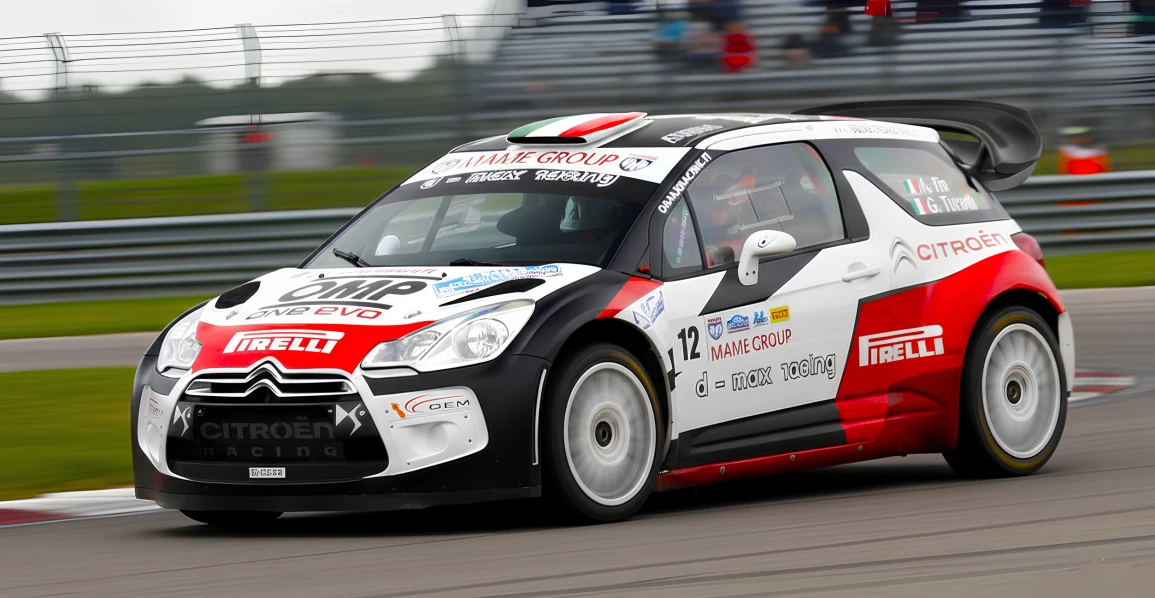
Rally stands apart in the world of motorsport. There are no perfectly smooth racing circuits or sterile pit boxes here. Instead, you find forest tracks, mountain switchbacks, snow, ice, and gravel. Drivers battle not only each other but also constantly changing conditions, flying centimeters from trees and cliffs. Rally cars are special machines, only outwardly resembling their production counterparts. Beneath a familiar body shell hides a monocoque reinforced by a safety cage, a long-travel, energy-absorbing suspension, and a highly tuned engine. In this article, we will explore the cars that became icons, changed the course of racing, and left a profound mark on history. Before you are the best rally cars of bygone eras.
The Evolution of Rally Cars
The history of rally racing began in the 1950s, when early competitions were more a test of endurance for the drivers than for the cars themselves. The vehicles on the starting line were almost completely standard — the same ones drivers used in everyday life. Minimal preparation, a lack of advanced technology, and virtually no safety features turned those early rallies into real adventures. Competitors relied solely on their skill, steady nerves, and the basic reliability of their machines.
Things began to change in the 1970s. That’s when automakers realized that victories required more than modified production cars — they needed dedicated sports versions. This led to the birth of the first homologation specials: cars built specifically for rally racing but officially approved for road use. The icon of that era was the Lancia Stratos, with its wedge-shaped silhouette, mid-engine layout, and uncompromising character. It was the first car designed solely to win rallies — and it truly dominated the stages.

The real revolution came later, in 1982, with the introduction of the legendary Group B. The technical regulations were incredibly permissive: minimal weight restrictions, virtually unlimited power, and wide freedom in materials and design. Engineers were given full creative license — and they used it to the fullest.
Cars appeared that still seem insane even by modern standards:
- ultralight plastic bodywork;
- all-wheel drive, which was just beginning to conquer the motorsport world;
- turbocharged engines producing 500–600+ hp;
- acceleration comparable to today’s supercars.
These machines tore through gravel and asphalt with breathtaking ferocity — but their blistering speed came with enormous risks. Handling such beasts was extremely challenging, and the safety standards of the time were far from adequate. After a series of serious crashes and the tragic deaths of drivers and spectators, Group B was shut down in 1986 — its technological freedom simply proved too dangerous.
Yet its legacy remains. The Group B era cemented the use of all-wheel drive, turbocharging, and engineering solutions that laid the foundation for modern WRC cars. This brief but dazzling era is remembered as the golden age of rally — wild, revolutionary, and short-lived, but one that changed the world of motorsport forever.
A Comparison of Technical Eras in Rally
Parameter | Pre-Group B Era (before 1982) | Group B (1982–1986) | WRC Era (from 1997) | Modern Rally1 (from 2022) |
Drivetrain | Primarily rear-wheel drive | All-wheel drive (Audi's revolution) | All-wheel drive | All-wheel drive, hybrid |
Power Output | 150–250 hp | 450–600+ hp | Limited to ~380 hp | ~500+ hp (with hybrid boost) |
Chassis | Based on production models | Space frame, composites | Reinforced production monocoque | Space frame, composites |
Key Technology | Reliability, handling | All-wheel drive, turbocharging | Active differentials | Hybrid recovery system |
Legends of Different Eras
Each decade of rallying produced its own heroes—cars that dominated the special stages and became the dream of fans worldwide.
1960s–70s: The Era of Agility and Innovation
Mini Cooper S
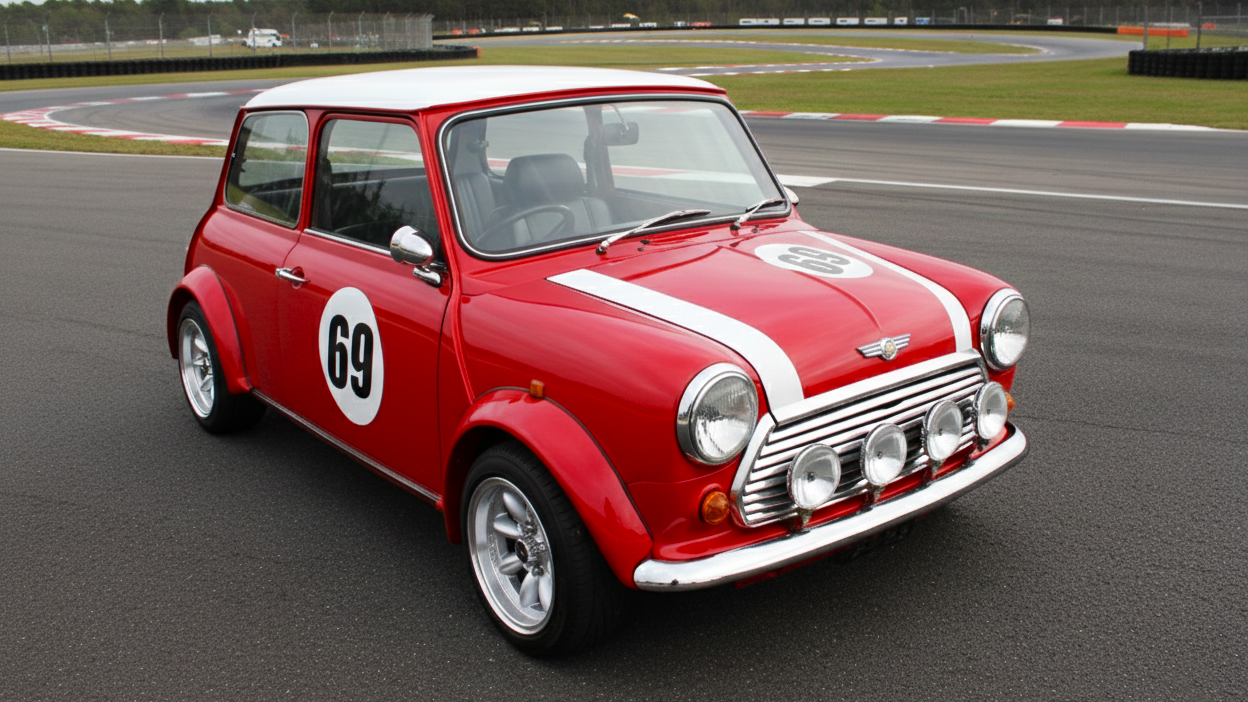
The small and agile car proved that power wasn't everything. Thanks to its nimble handling and low weight, the Mini won the prestigious Monte Carlo Rally three times, beating much more powerful competitors. Its success showed that on twisty stages, balance was more important than brute force.
Lancia Stratos HF
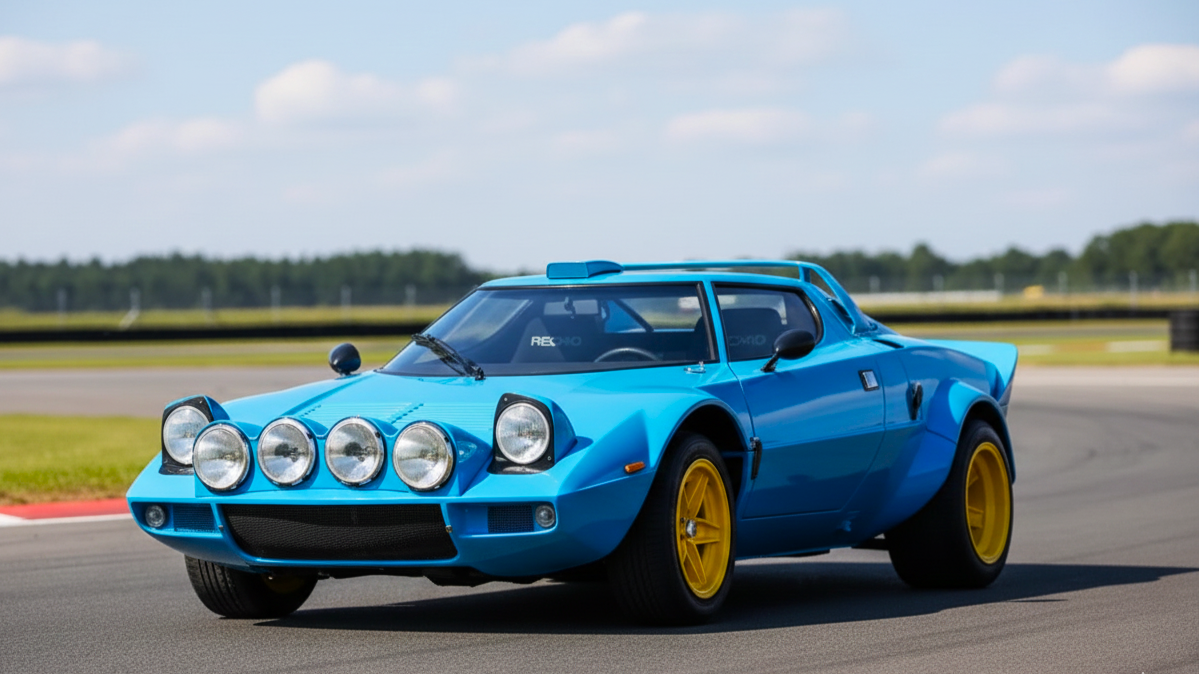
The first car in history designed from the ground up exclusively for rallying. Its wedge-shaped body by Bertone, mid-engine layout, and powerful V6 engine from Ferrari made it virtually unbeatable on tarmac. The Stratos won the World Rally Championship for manufacturers three years in a row (1974–1976), becoming an icon of engineering genius.
1980s: The Insanity of Group B
Audi Quattro
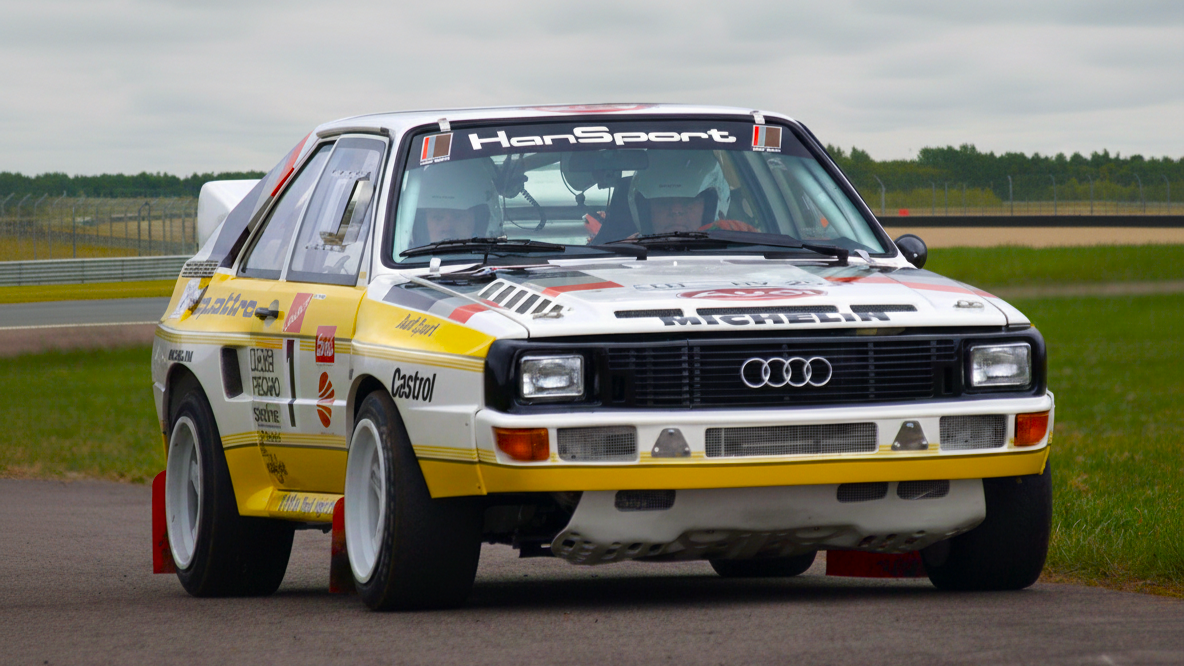
The car that changed rallying forever. The Quattro was the first to successfully implement all-wheel-drive technology, proving its undeniable advantage on slippery surfaces. The roar of its five-cylinder turbo engine became the soundtrack of the era, and the car itself a symbol of a technical revolution.
Peugeot 205 T16
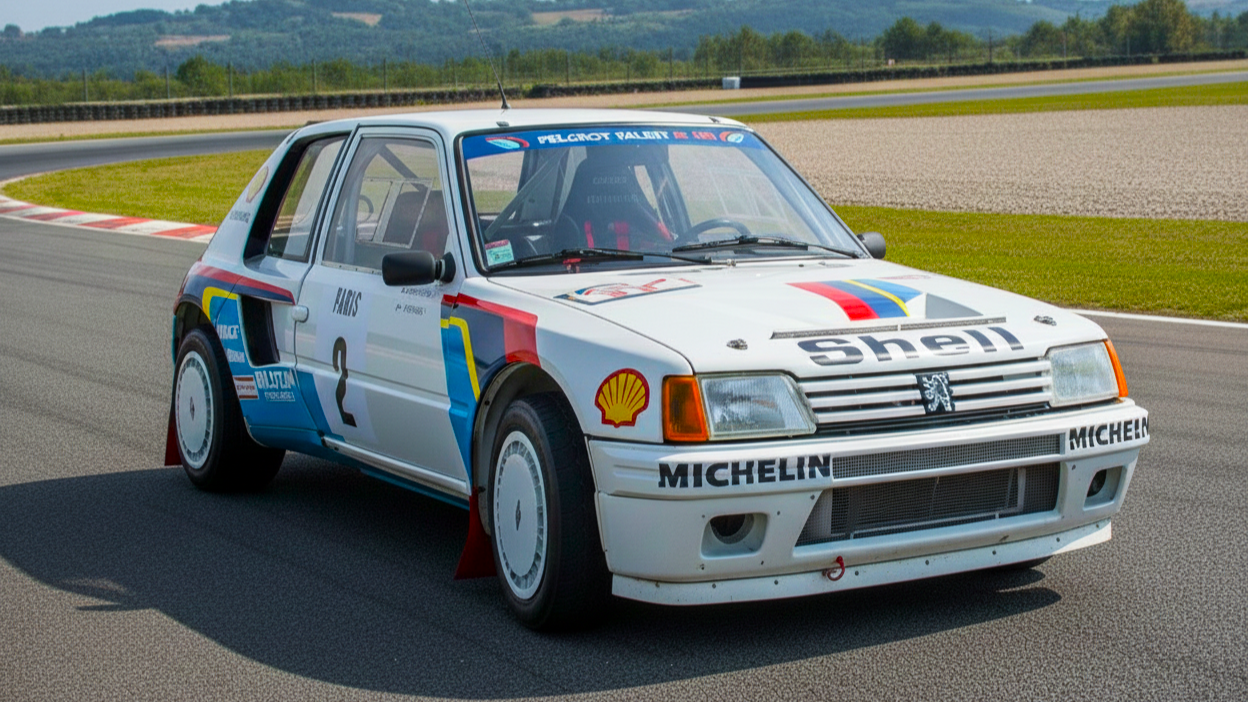
A compact and lightweight hatchback with a mid-engine layout and all-wheel drive. Peugeot's engineers created a perfectly balanced machine that brought the team two consecutive championship titles in 1985 and 1986, defeating more powerful but less nimble rivals.
1990s: The Japanese Showdown
Subaru Impreza WRC
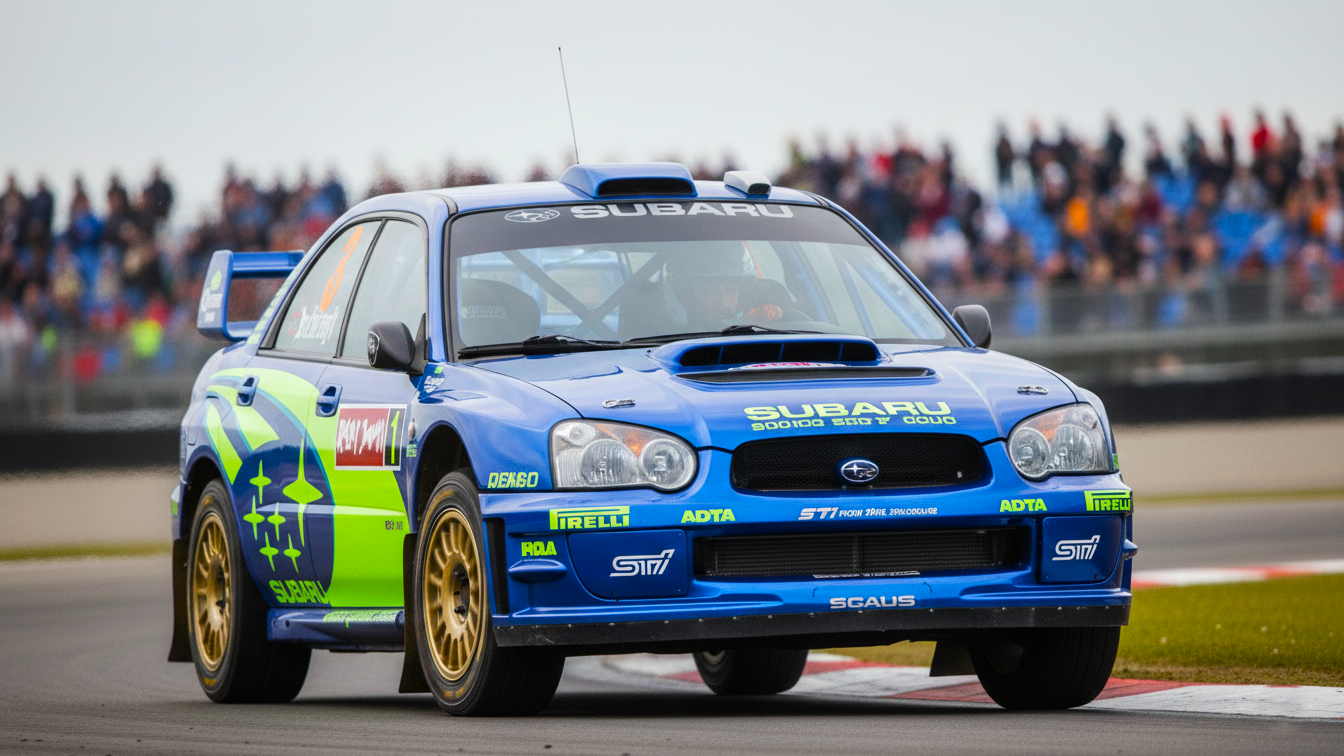
A blue car with gold wheels and the name McRae on the window—the symbol of 1990s rallying. The Impreza was reliable, fast, and incredibly spectacular in controlled drifts. Subaru became the manufacturers' champion three times in a row, creating an army of loyal fans worldwide.
Mitsubishi Lancer Evolution
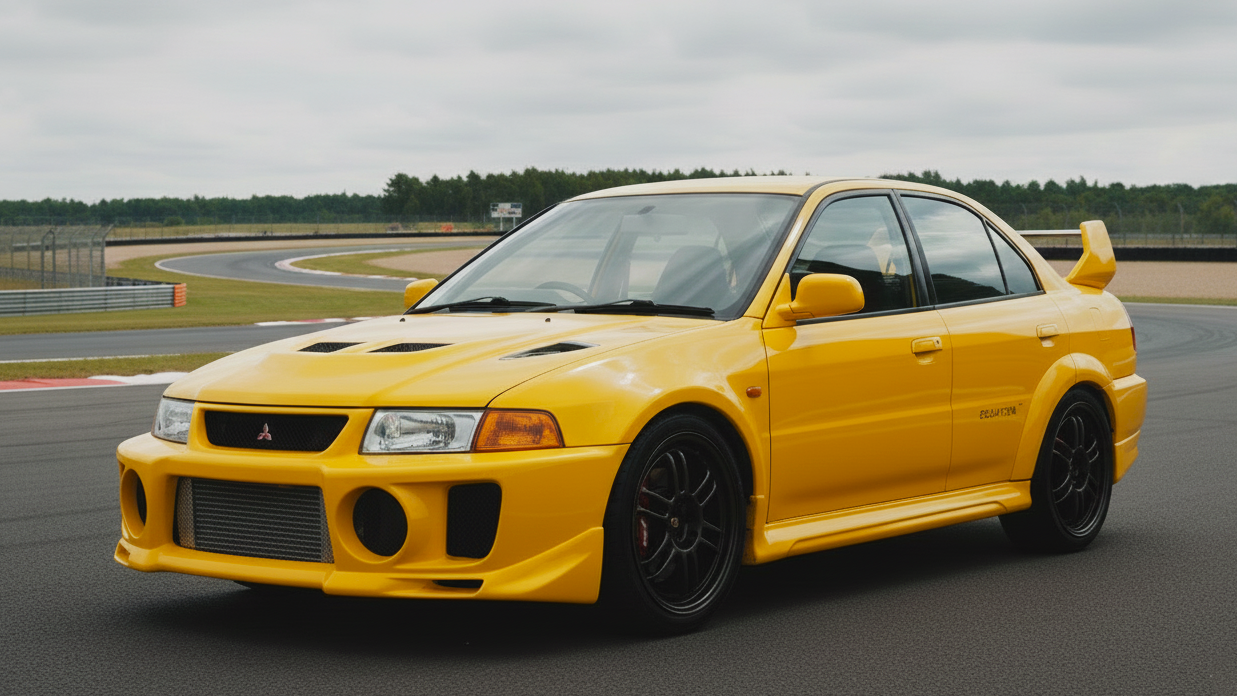
The Impreza's main rival. The Lancer, driven by Tommi Mäkinen, dominated the second half of the decade. Its success spawned an entire dynasty of production sports cars that became cult classics. These popular rally cars carried their rivalry from the rally stages to public roads, giving the world some of the best driver's cars ever made.
2000s: The French Domination
Citroën Xsara/C4/DS3 WRC
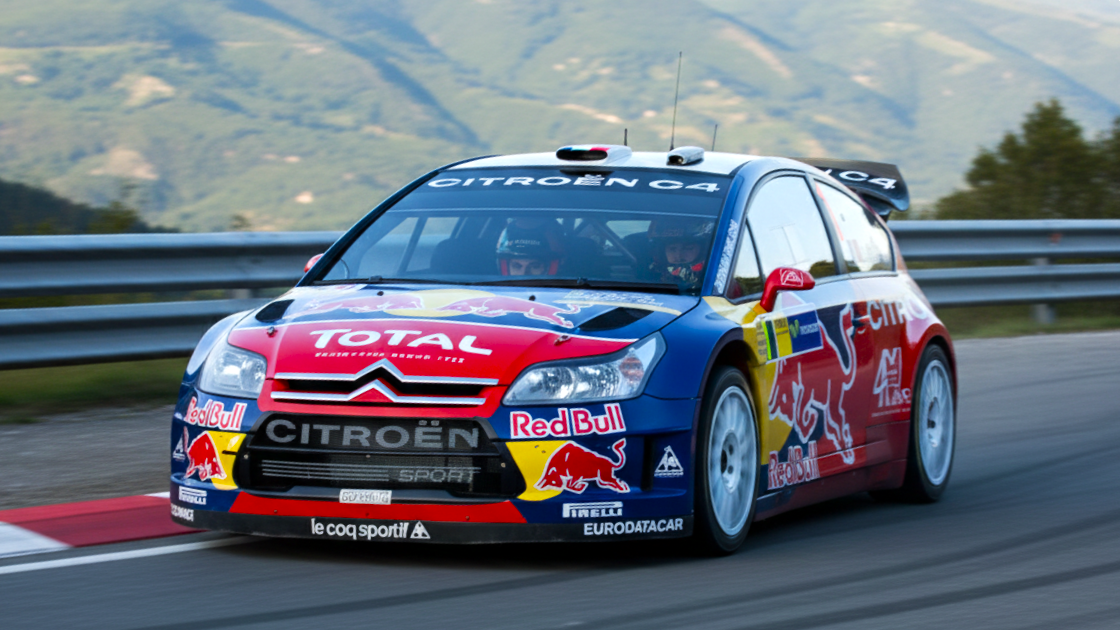
A whole dynasty of cars with which Sébastien Loeb set his incredible record: nine consecutive championship titles. The Citroën cars were known for their phenomenal reliability and perfect setup for tarmac stages, where Loeb was virtually unbeatable.
Legendary Drivers and Their Cars

A car is merely a tool. It is the driver who makes it a legend by unlocking 100% of its potential.
A List of Great "Driver-Car" Tandems:
- Colin McRae and the Subaru Impreza. The Scotsman was the embodiment of the motto "If in doubt, flat out." His spectacular and aggressive driving style made him and the Impreza idols for millions.
- Tommi Mäkinen and the Mitsubishi Lancer Evo. The complete opposite of McRae. The cool and calculated Finn became world champion four times in a row (1996–1999), demonstrating incredible consistency and speed.
- Sébastien Loeb and Citroën. The French driver who redefined what was possible for a pilot. Nine consecutive titles (2004–2012) in different Citroën models is an achievement unlikely to ever be repeated. His precision and accuracy turned amazing rally driving into a science.
Influence on the Auto Industry and Culture
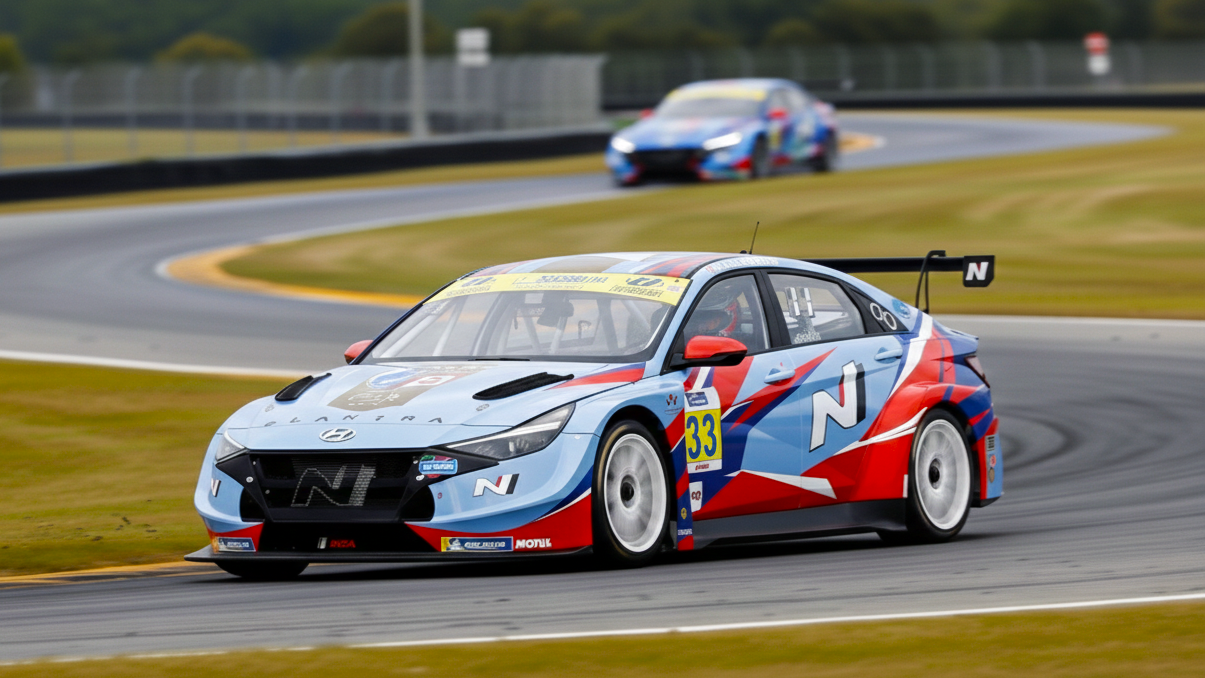
Rallying has always been a testing ground for technologies that later appeared on production cars.
Three of Rally's Main Contributions to the Civilian Auto Industry:
- Popularization of All-Wheel Drive. The success of the Audi Quattro proved the effectiveness of the 4x4 system, and today all-wheel drive is standard on many sedans, hatchbacks, and crossovers.
- Development of Turbocharging. Rally racing forced engineers to learn how to extract immense power from small-displacement engines. Today's compact and efficient turbocharged engines are a direct legacy of those developments.
- Homologation Specials. To compete, manufacturers were required to produce "civilian" versions of their rally cars. This gave us iconic models like the Lancia Delta Integrale, Ford Escort Cosworth, Subaru Impreza WRX STI, and Mitsubishi Lancer Evolution.
Another unique technology born from rallying was the Anti-Lag System (ALS). Its purpose was to combat turbo lag, the delay in a turbocharger's response after the driver lifts off the throttle. The engineers' solution was both ingenious and brutal: the moment the pilot releases the accelerator, the system injects a small amount of fuel and air directly into the red-hot exhaust manifold, just before the turbine. The mixture ignites, and a series of micro-explosions keeps the turbine's impeller spinning. As a result, the driver gets an instant response with no delay on the next throttle application. It is the ALS that creates the aggressive crackles and pops, similar to gunshots—the signature sound of 90s rally cars.
Rally has also had a huge impact on pop culture. The Colin McRae Rally video game series (later DiRT) introduced millions to the sport, while the top rally cars became heroes of films and the dream of kids all over the world.
Modern Legends
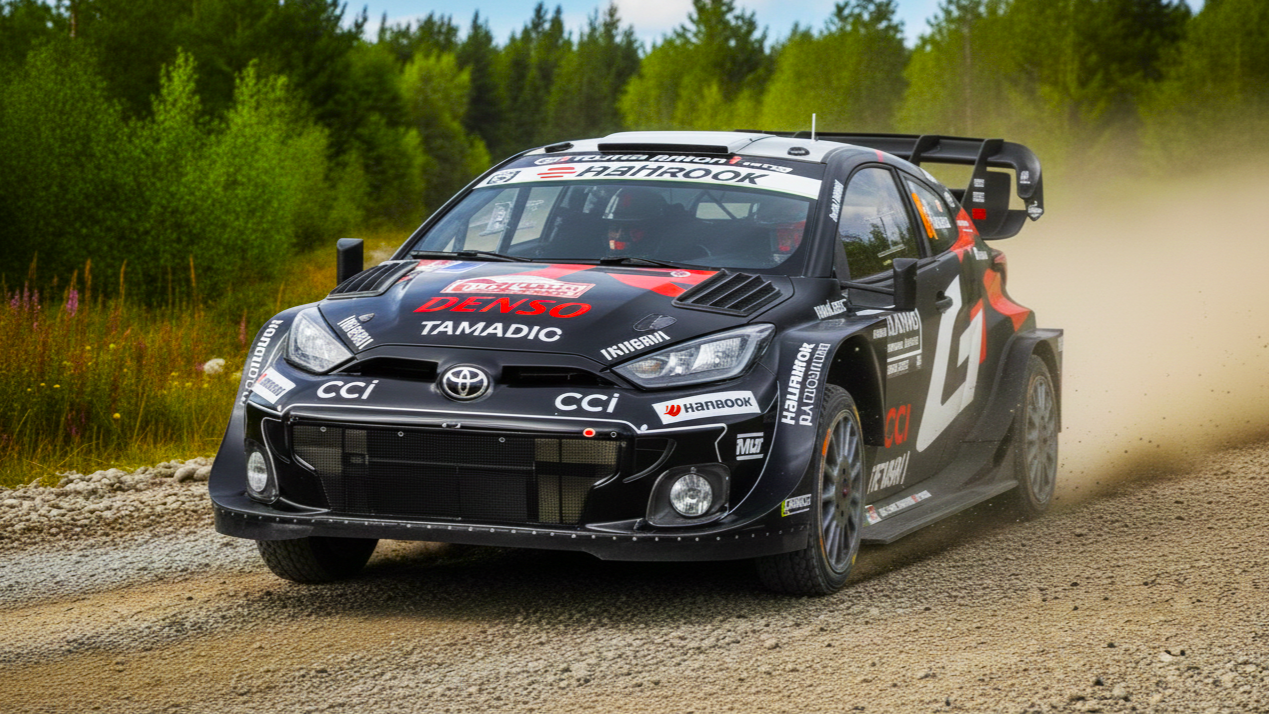
The World Rally Championship (WRC) never stands still — it evolves alongside technological progress and the growing demands for safety, speed, and environmental responsibility. Today’s Rally1 cars represent the pinnacle of engineering: machines that only superficially resemble road-going vehicles but are, in reality, full-fledged prototypes built for maximum performance on the toughest surfaces on the planet.
Modern Leaders: A Battle of Titans
Three manufacturers dominate the global stage: Toyota, Hyundai, and Ford (through the M-Sport team). Each brings its own engineering philosophy and competitive approach to the championship.
- Toyota Gazoo Racing focuses on stability, reliability, and meticulous fine-tuning.
- Hyundai Motorsport is known for its aggressive aerodynamic concepts and pursuit of maximum powertrain efficiency.
- M-Sport Ford traditionally emphasizes lightweight construction and agility, offsetting a smaller budget with clever engineering solutions.
Rally1: A New Level of Technology
Rally1 cars are the first hybrid-powered machines in WRC history. Their design combines:
- a 1.6-liter turbocharged gasoline engine (~380 hp);
- a 100 kW (136 hp) electric motor powered by a compact battery;
- a carbon-fiber safety cell integrated directly into the chassis;
- advanced aerodynamics with prominent splitters and large rear wings.
The electric motor brings not only additional acceleration but also entirely new tactical possibilities. Drivers can deploy the electric boost:
- at the start of a stage — for maximum launch performance;
- exiting slow corners — to counteract turbo lag;
- in specific sections where extra punch is needed.
This hybrid configuration makes Rally1 cars blisteringly fast while also more environmentally friendly than any previous generation in WRC history.
Where Rallying Is Heading: A High-Voltage Future
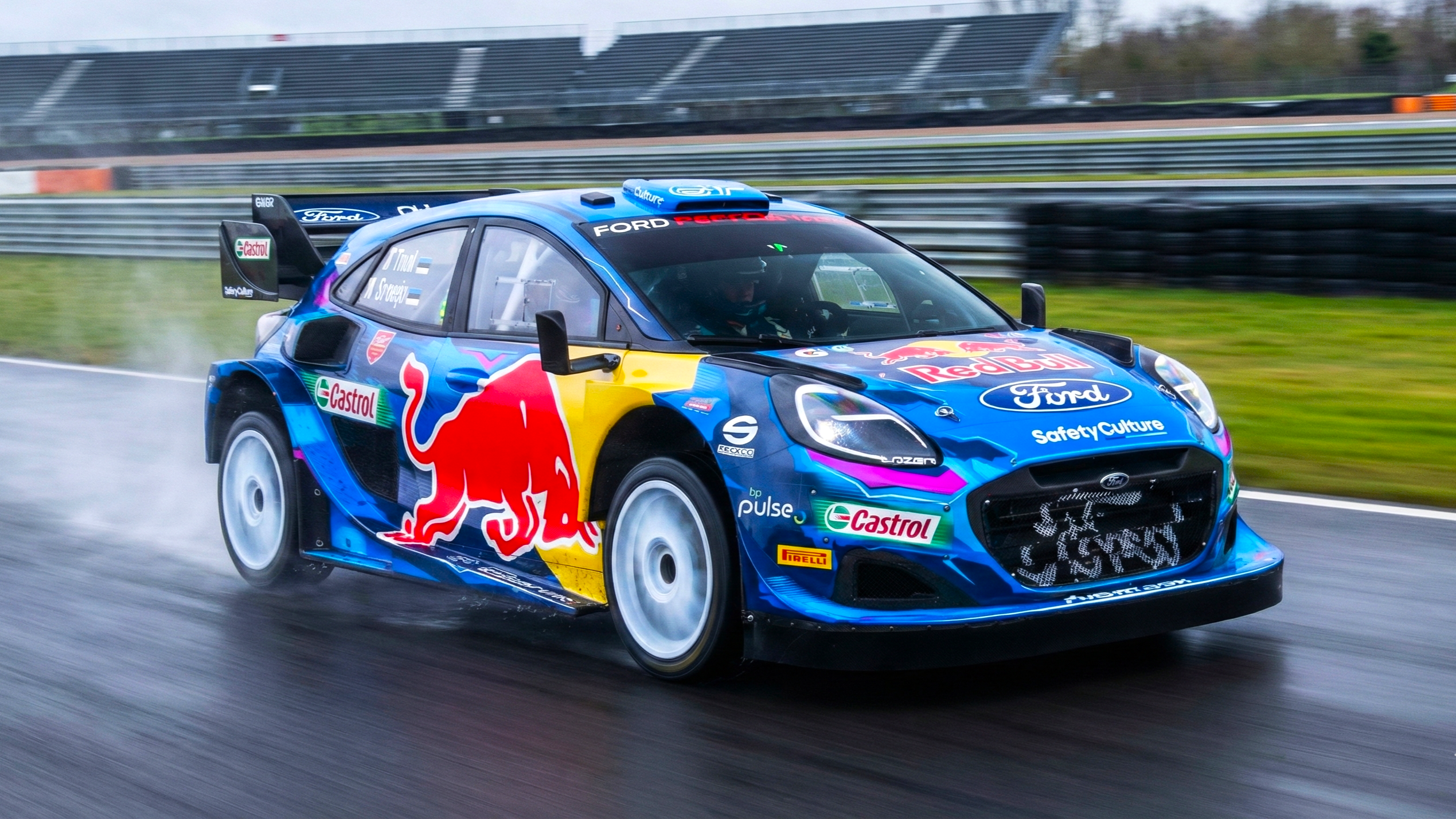
Engineers are already looking beyond the current era. The hybrid phase is only a stepping stone. In the coming years, the sport may follow one of three development paths:
1. Enhanced Hybrid Technologies. Larger batteries, regenerative braking systems, and intelligent power-distribution algorithms.
2. Fully Electric Rally Prototypes. The main challenges are battery weight, cooling, and consistent power delivery over long stages — but the technology is advancing rapidly.
3. Hydrogen Powertrains. A potential compromise between traditional combustion and electric propulsion, offering:
- zero emissions;
- fast refueling;
- familiar dynamics and engine sound.
Toyota is already developing hydrogen technology in other racing series, and WRC could be the next step. Modern rallying is a delicate balance between tradition and innovation. On one side — mud, snow, gravel, and wild jumps on high-speed stages. On the other — hybrid powertrains, aerodynamic research, telemetry sensors, and real-time data analysis. This synergy is exactly what makes today’s WRC one of the most spectacular and technologically advanced championships in the world of motorsport.
Conclusion
Legendary rally cars are not just pieces of metal. They are symbols of their eras, the embodiment of engineering audacity and driver skill. Their roars still echo in the memories of fans, and their legacy lives on in modern technology and production cars. The story of rally continues, and new heroes are being born on the dusty special stages right now. Which of today's machines will join the list of the best rally cars of all time is a question only time can answer.

