



What Is the Best Lamborghini? Models, History, and Expert Comparison
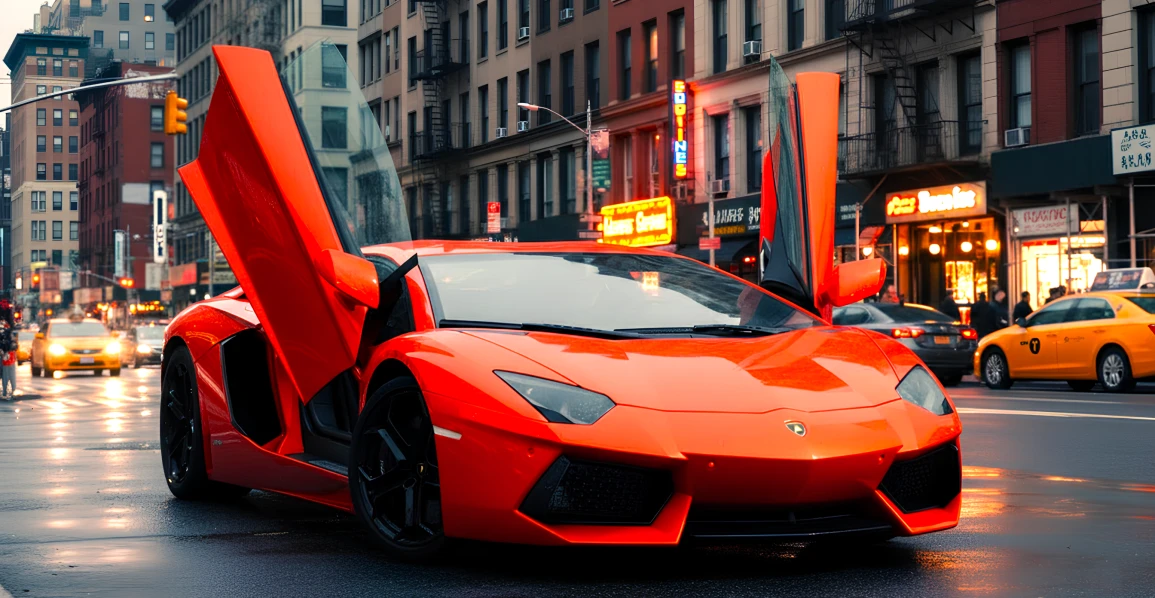
Lamborghini has become shorthand for speed, luxury, and exclusivity because the brand never tried to be “the sensible option.” It built cars that look dramatic even at a standstill, sound unmistakable, and feel like an event every time you start them. If you’re searching what is the best lamborghini or typing best lamborghini into Google, you’re really asking which model best captures that mix of design theatre, V-engine emotion, and real engineering substance–while still fitting your lifestyle and expectations.
Before naming any single winner, it’s worth stating what separates Lamborghini from other supercars. Many brands chase lap times first and romance second. Lamborghini tends to do both–but it sells the experience: the wedge silhouettes, the cabin drama, the sense that the car is a statement long before it’s a measurement. That’s why “the best” is rarely only about horsepower.
A quick preview of the conclusion: historically, the strongest claim to “best ever” belongs to the model that defined Lamborghini’s supercar identity. But if you measure “best” by daily usability, track focus, or investment logic, your answer will change. That nuance is exactly how an expert avoids a shallow ranking.
What makes Lamborghini a special brand
.png?_t=1768446647)
Lamborghini’s history and philosophy are built around one idea: a flagship should feel like a flagship in every sense–shape, sound, and presence. Across generations, the V12 has served as the emotional center of the brand’s top cars, while different platforms and technologies have evolved around it.
The brand’s focus can be summarized in three pillars. First comes design that’s instantly recognizable at distance; second comes power and drama (often with naturally aspirated character in key eras); third comes the driver’s emotional payoff–how the car makes you feel, not only what a stopwatch reports.
Here’s how that philosophy typically shows up in real ownership terms:
- Visual theatre you can’t confuse with anything else: sharp surfacing, aggressive stance, “special” proportions.
- Engine-led personality: the powertrain is part of the brand’s identity, not just a component.
- Exclusivity by experience, not only production numbers: even higher-volume models are positioned as rare in day-to-day traffic.
- A status symbol with a cultural footprint: the car signals taste, success, and boldness–sometimes deliberately polarizing.
That’s why Lamborghini is not just a vehicle choice; it’s a social and emotional signal. Buyers often describe it as buying a “moment” as much as buying transportation–and that’s a key difference versus supercars engineered to be discreet.
The best classic Lamborghini icons (and why they still matter)
When people talk about old Lamborghini models, two names keep returning because they shaped the brand’s image for decades: Countach and Diablo. They weren’t simply fast; they rewired expectations of what a road-going supercar should look like and feel like.
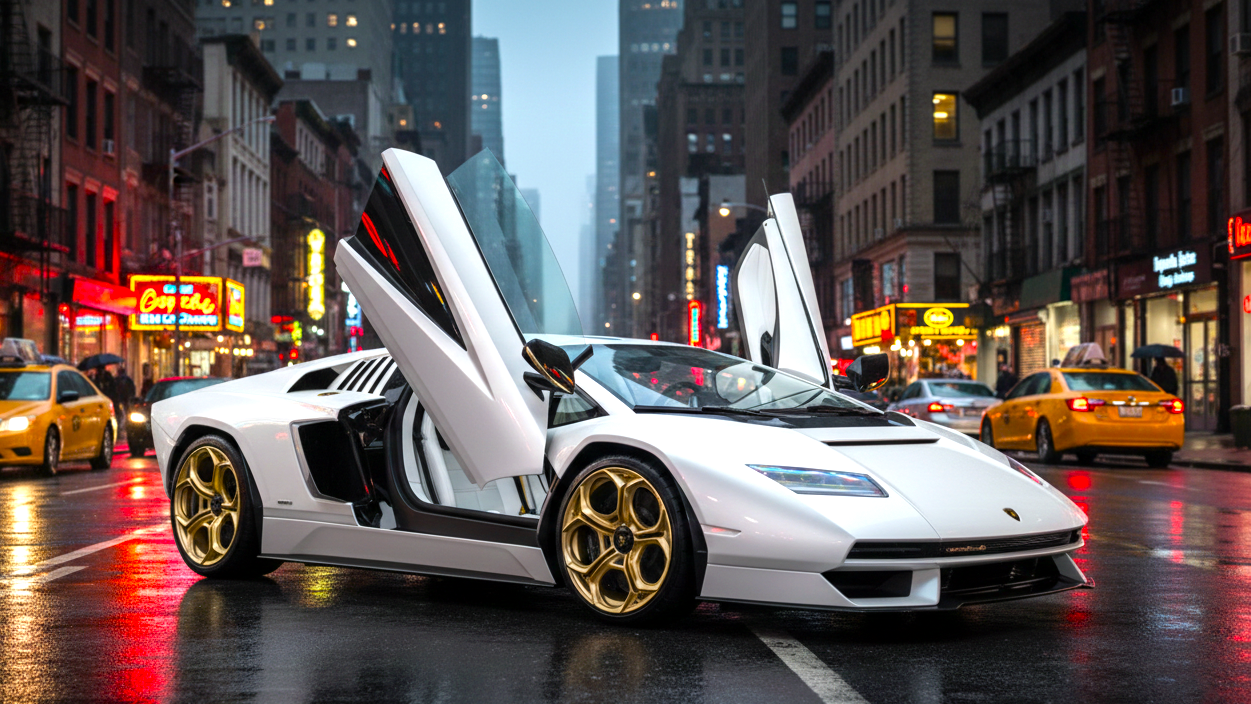
Lamborghini Countach changed the supercar template with its radical wedge form and uncompromising packaging. Importantly, Lamborghini’s own history notes that the Countach used the classic 60-degree V12 layout through its production life, and early versions delivered around 375 CV in its first iteration–numbers that were genuinely startling in-period.
Countach’s real legacy is psychological: it made “extreme” desirable. Modern Lamborghinis still borrow its core idea–low, wide, angular, and unapologetic–even when the engineering underneath has become far more refined.
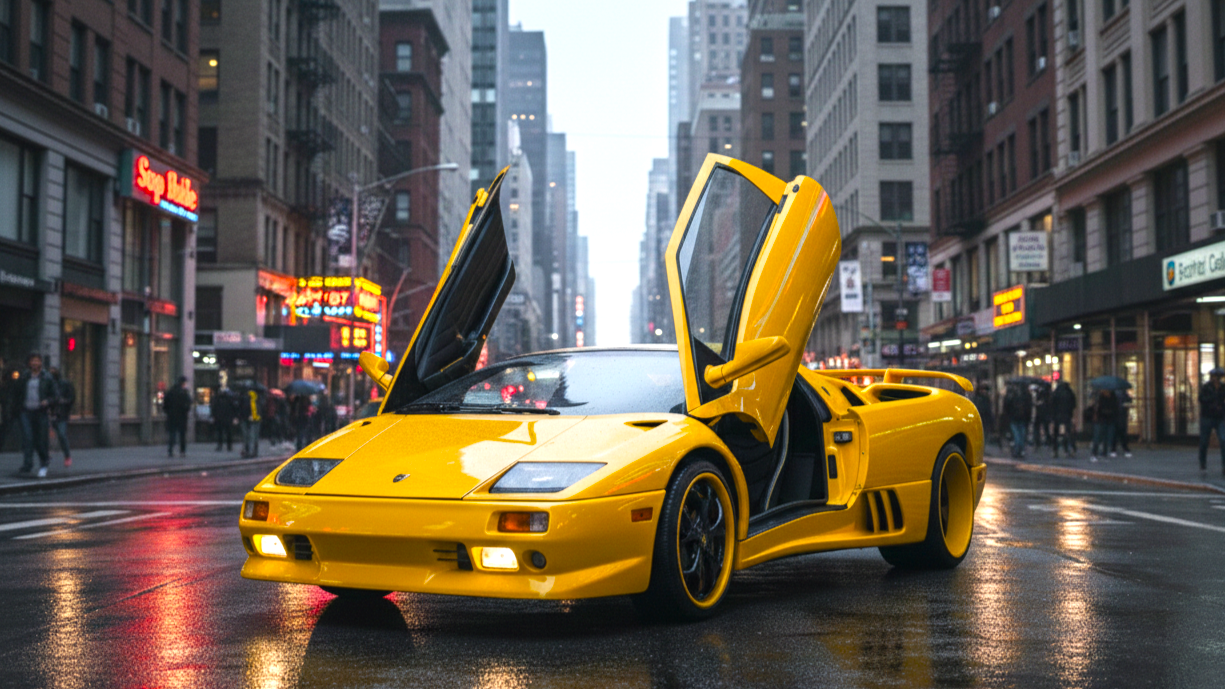
Then comes Lamborghini Diablo, the bridge between analog drama and modern performance expectations. Lamborghini’s official history describes Diablo’s debut with a 5.7-liter V12 using electronic fuel injection, starting around 492 CV and evolving across versions up to significantly higher outputs; it also expanded the range with four-wheel-drive variants (VT) that helped owners access performance more confidently.
A key point experts emphasize: Countach and Diablo aren’t important only because they are iconic posters. They’re important because they’re the reference DNA–styling cues, proportions, and the emotional promise–that today’s cars still cash in on.
In practice, these classics influenced modern Lamborghinis in three ways:
- They established the “wedge + V12” mental image of the brand.
- They normalized the idea that a Lamborghini should feel slightly outrageous by design.
- They created a collector culture that makes limited variants, heritage specs, and special-series storytelling so powerful today.
Best modern Lamborghini supercars (starting with the V12 era)
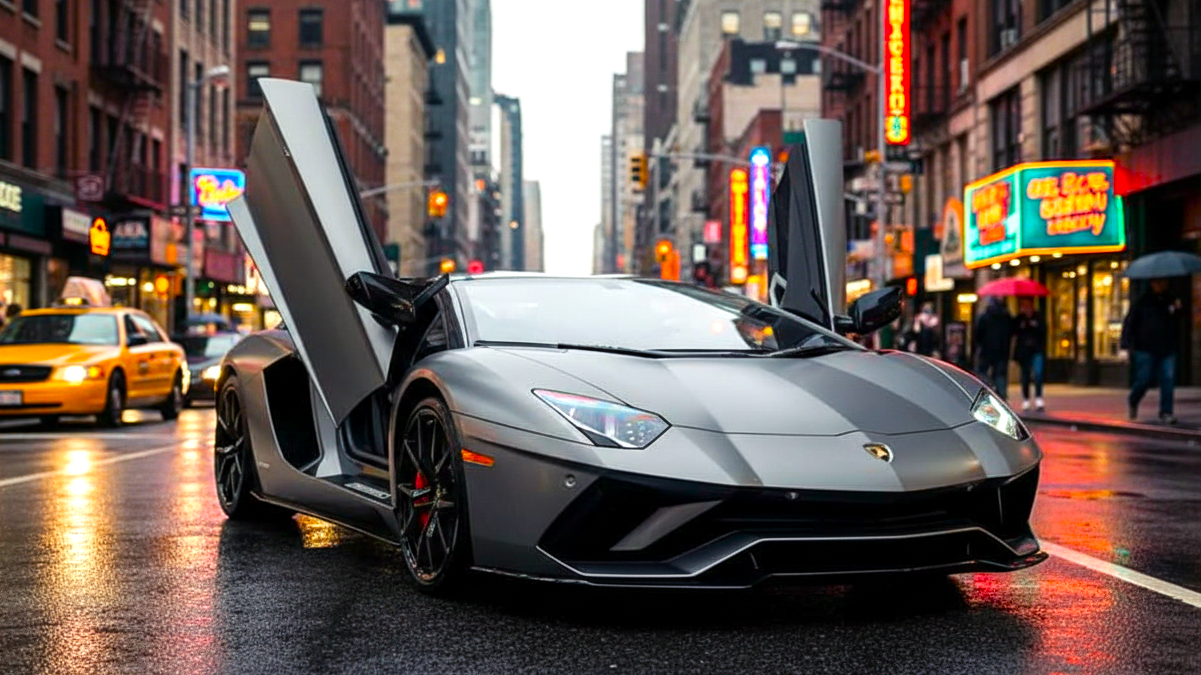
To understand the modern lineup, start with the car that carried the last great purely combustion V12 chapter into the 2010s: Lamborghini Aventador. In widely reported specifications, Aventador’s 6.5-liter V12 in LP 700-4 form is rated at 700 PS, with supercar performance that still reads like a headline.
From an expert perspective, Aventador’s “best” argument is not only power. It’s the feeling of a flagship that behaves like one: dramatic styling, dramatic sound, and the sense of occasion that owners expect from the brand’s top tier.
In Part 2, we’ll compare Aventador with Huracán for real-world “best” usability, evaluate Urus as the brand’s practical bestseller, look at rare halo cars like Veneno and the hybrid Sián, and then tie it all together into a clear decision framework (daily driving vs track vs collection), including ownership costs.
Best modern Lamborghini supercars: performance meets usability
While the Aventador represents the emotional peak of Lamborghini’s naturally aspirated V12 era, the brand’s modern success is also built on a more balanced supercar: Lamborghini Huracán. Experts often describe Huracán as the model that made Lamborghini easier to live with–without diluting its character.
Huracán’s V10 engine delivers a combination of high-revving excitement and smoother power delivery than older flagships. Official data across generations confirms outputs ranging from over 600 PS in early versions to well above that in later evolutions, paired with advanced all-wheel-drive systems and refined chassis electronics. This makes the car more predictable at the limit and less intimidating in daily driving.
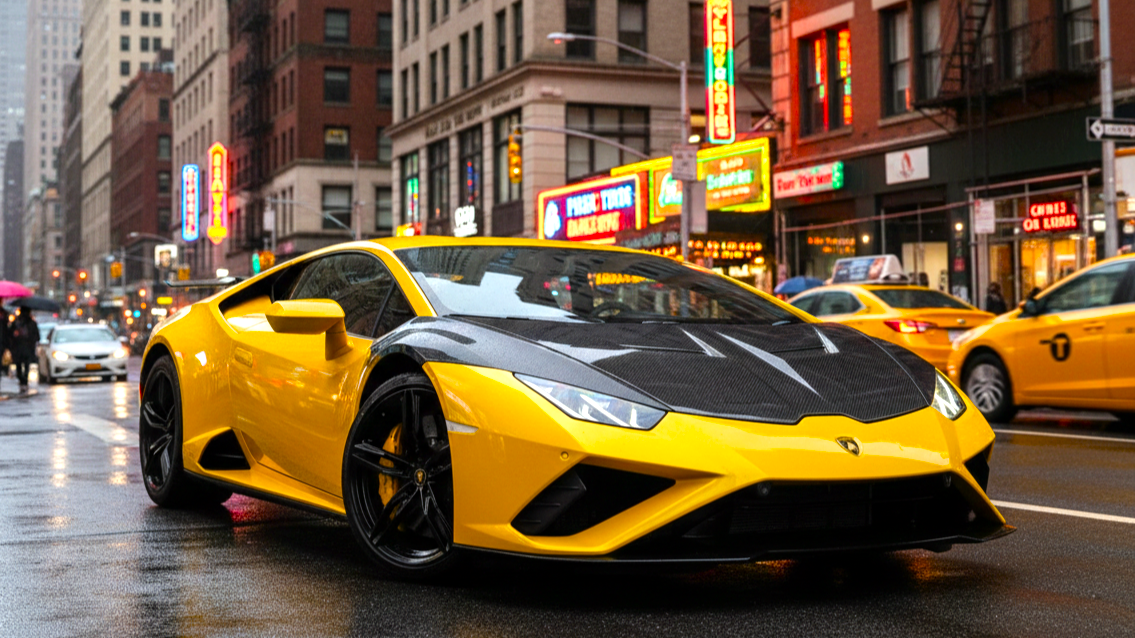
From an expert standpoint, Huracán often enters the conversation when buyers ask what is the best Lamborghini for real-world use. It offers supercar performance while being relatively compact, more comfortable on long trips, and easier to service compared to the V12 flagships. In practice, that balance explains why many owners consider it the smartest entry into the brand.
Aventador and Huracán illustrate an important idea: there is rarely a single best Lamborghini car for everyone. One emphasizes raw spectacle and flagship status; the other prioritizes control, confidence, and versatility–without losing drama.
Best Lamborghini crossover: redefining the brand’s boundaries
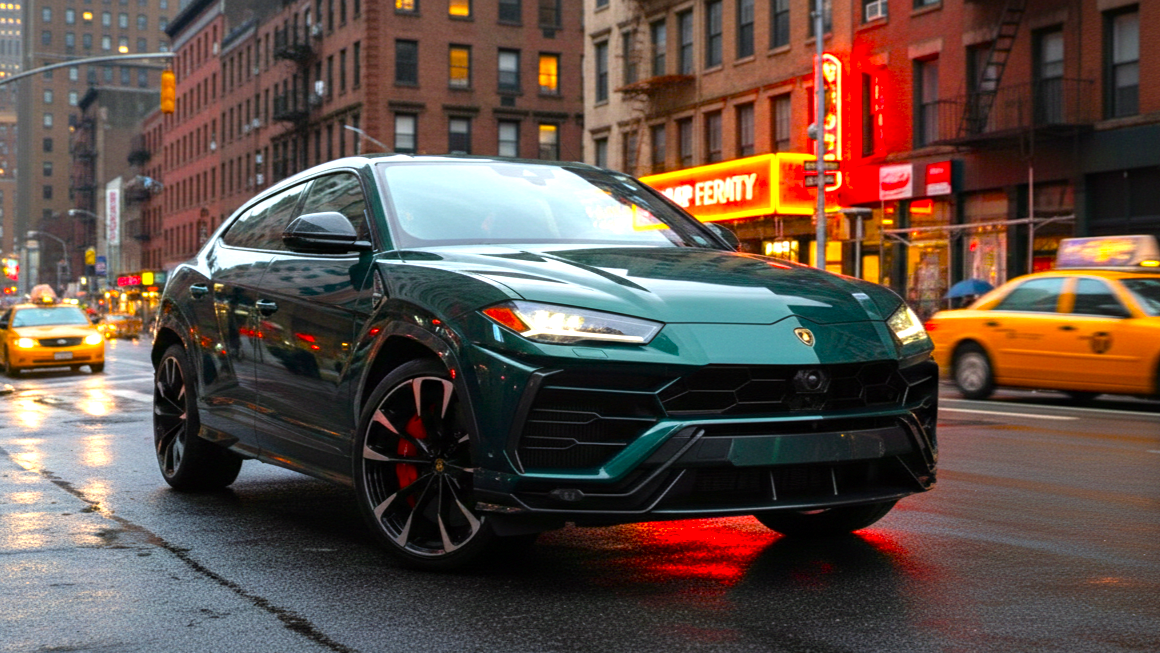
When Lamborghini introduced Urus, skepticism was inevitable. Could an SUV truly belong to a brand built on low, wide, uncompromising supercars? Sales figures and market response answered that question decisively. Urus became Lamborghini’s best-selling model, reshaping the company’s future.
From a technical perspective, Urus blends a high-performance twin-turbo V8 with adaptive suspension and all-wheel drive, delivering acceleration figures that rival older supercars–while offering genuine practicality. Industry reviews note that Urus retains Lamborghini’s aggressive design language and driving character, even in a higher-riding format.
Experts see Urus as a strategic evolution rather than a betrayal of philosophy. It allows Lamborghini ownership to fit daily routines–family use, urban driving, long-distance travel–without abandoning performance credentials. For many buyers, Urus becomes their personal answer to the best lamborghini, not because it’s the fastest, but because it’s the most usable.
Limited and exclusive Lamborghini models: engineering as art
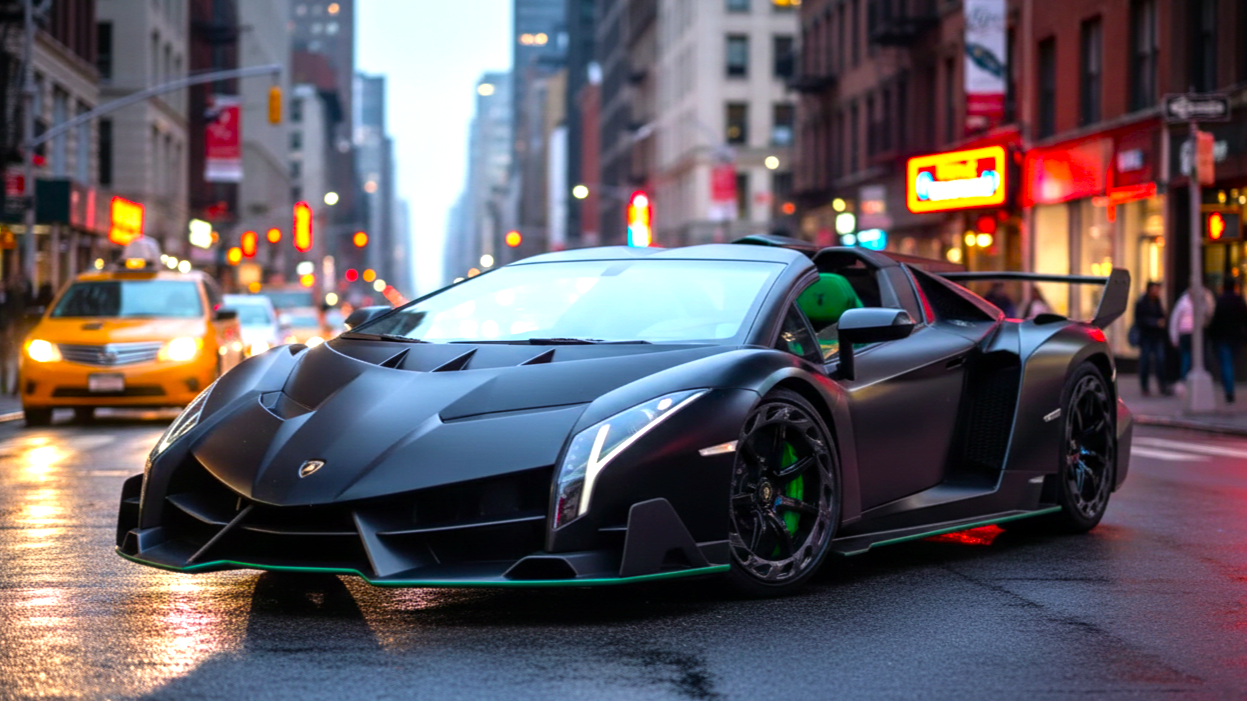
Beyond series-production cars, Lamborghini’s reputation is reinforced by extreme, limited-run models that exist as statements rather than rational purchases. Two names dominate expert discussions: Veneno and Sián.
Lamborghini Veneno is often described as road-legal performance art. Produced in extremely limited numbers, it pushed aerodynamics and styling to theatrical extremes, emphasizing rarity as much as speed. According to specialist sources, its exclusivity alone positions it as a blue-chip collectible.
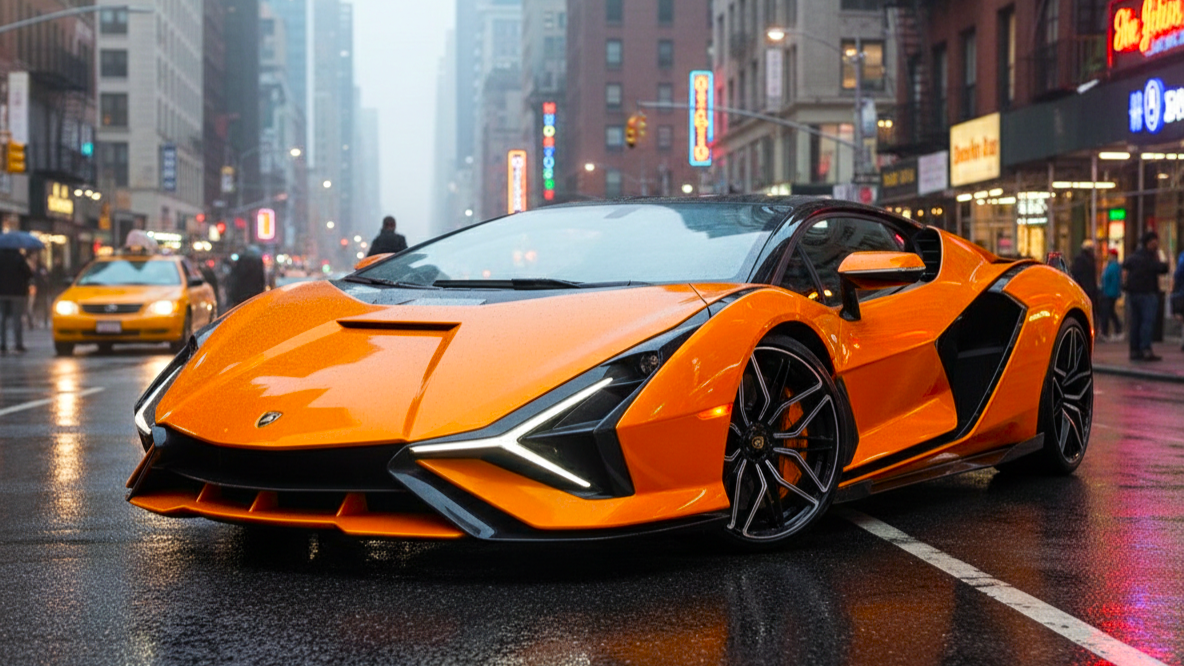
Lamborghini Sián, on the other hand, represents technological transition. As Lamborghini’s first hybrid production supercar, it introduced supercapacitor-based electrification paired with a V12. Analysts highlight Sián not for outright numbers alone, but for signaling how Lamborghini adapts to future regulations without abandoning its emotional core.
Collectors gravitate toward such models for three reasons:
- Extreme scarcity, ensuring long-term desirability.
- Technological milestones within the brand’s history.
- Strong alignment with Lamborghini’s design identity.
In collector terms, these cars often outperform standard models as investments, reinforcing Lamborghini’s image as a manufacturer of automotive icons.
How to choose the best Lamborghini for yourself
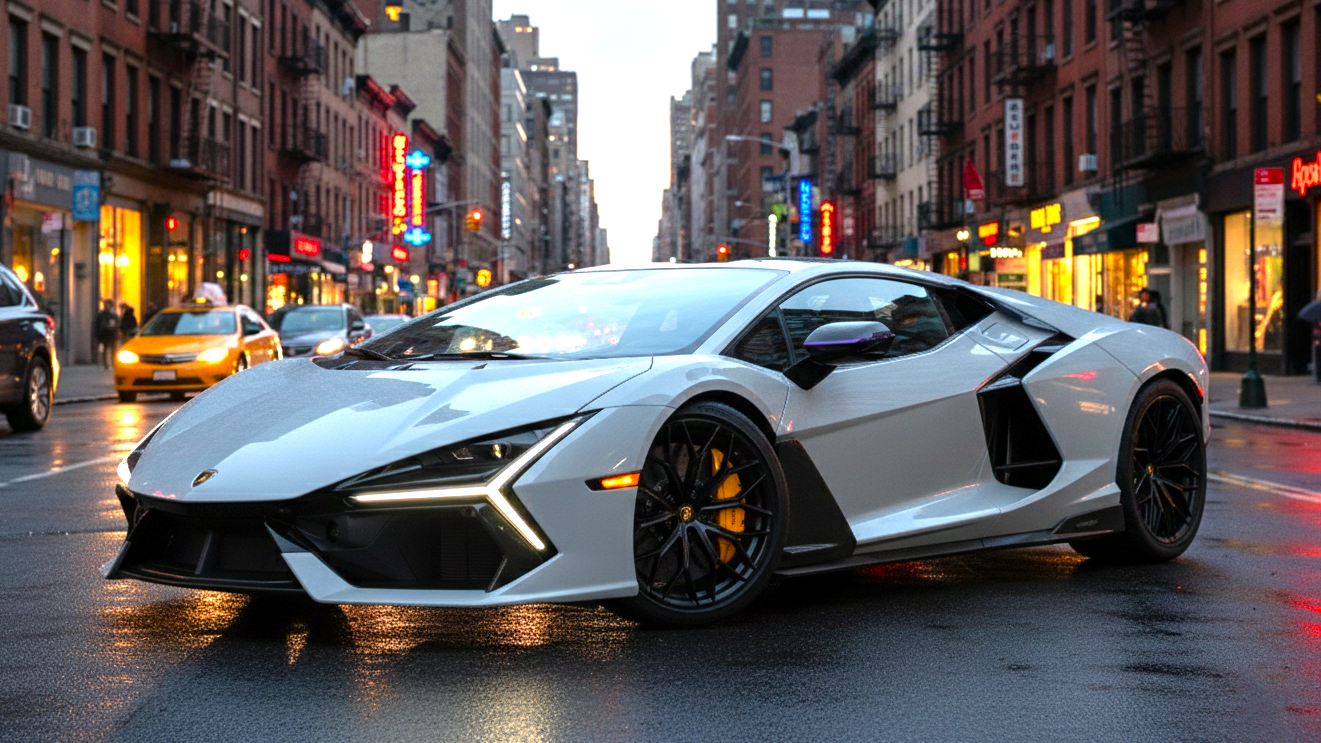
Choosing the “best” Lamborghini depends less on rankings and more on intent. Experts usually break the decision into scenarios.
- For daily driving and city use, buyers often prioritize visibility, ride comfort, and service intervals. In this context, Huracán or Urus typically emerge as logical choices.
- For track use and maximum emotional impact, V12-powered flagships–current or past–remain unmatched in sound and presence.
- For collection and investment, attention shifts to production numbers, historical importance, and originality. This is where old Lamborghini models and limited editions dominate expert recommendations.
New versus used is another key consideration. New cars offer warranty coverage and updated technology, while used classics trade convenience for character and long-term appreciation potential.
The real cost of owning a Lamborghini
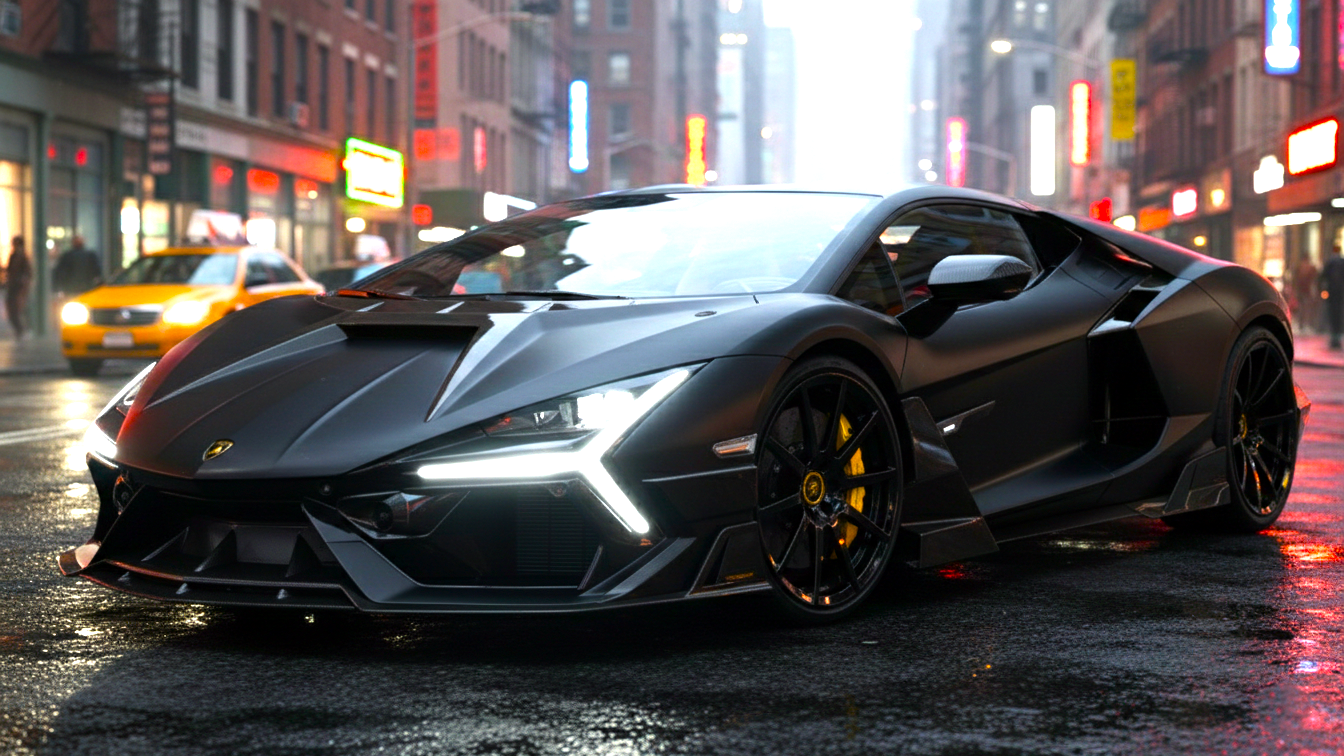
An expert evaluation is incomplete without addressing ownership costs. Beyond purchase price, Lamborghini ownership includes maintenance, insurance, and operational expenses that reflect the brand’s performance focus.
Routine servicing, specialized tires, and high-performance components increase annual costs. Insurance premiums also reflect vehicle value and repair complexity. Analysts consistently stress that total cost of ownership–not just sticker price–should guide any buying decision. Understanding these factors helps buyers avoid disappointment and ensures the experience remains positive over time.
Why Lamborghini remains a dream brand
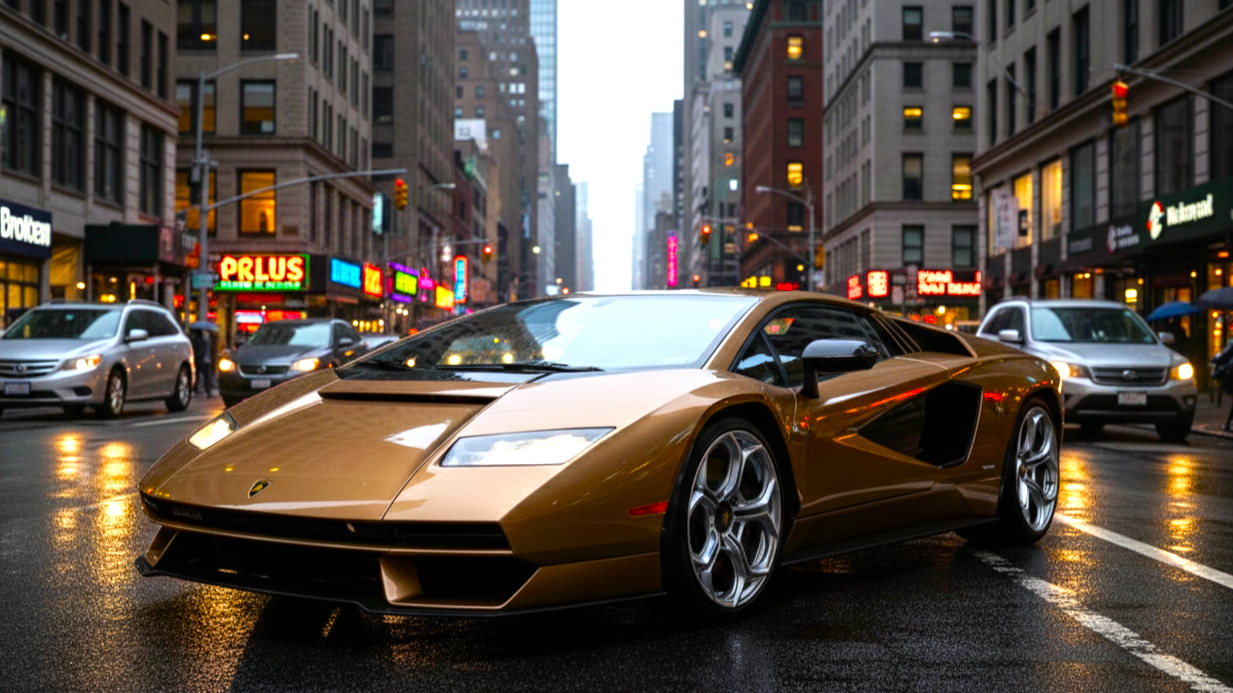
Lamborghini’s enduring appeal is emotional. Owners and enthusiasts frequently cite the sensory experience: the engine note, the dramatic driving position, and the way the car transforms ordinary journeys into memorable events.
Culturally, Lamborghini has shaped how the world imagines a supercar. From posters to digital media, its designs define aspiration. Importantly, many models also retain strong residual values, reinforcing the idea that passion and financial logic don’t have to be mutually exclusive.
Conclusion: defining the best Lamborghini
So, what is the best lamborghini? From an expert perspective, there is no single universal answer. The best lamborghini car is the one that balances design, power, and personal expectations–whether that means a legendary classic, a modern supercar, or a high-performance SUV. Across decades, old Lamborghini models continue to influence today’s lineup, while new technologies ensure the brand remains relevant.
Ultimately, the best Lamborghini is not just measured in horsepower or price, but in how convincingly it delivers the promise of drama, exclusivity, and emotion. Exploring the current catalog with those criteria in mind is the smartest way to find the Lamborghini that truly fits you.

