



Top Japanese Cars: JDM Legends, Modern Models, and Best Picks for 2025
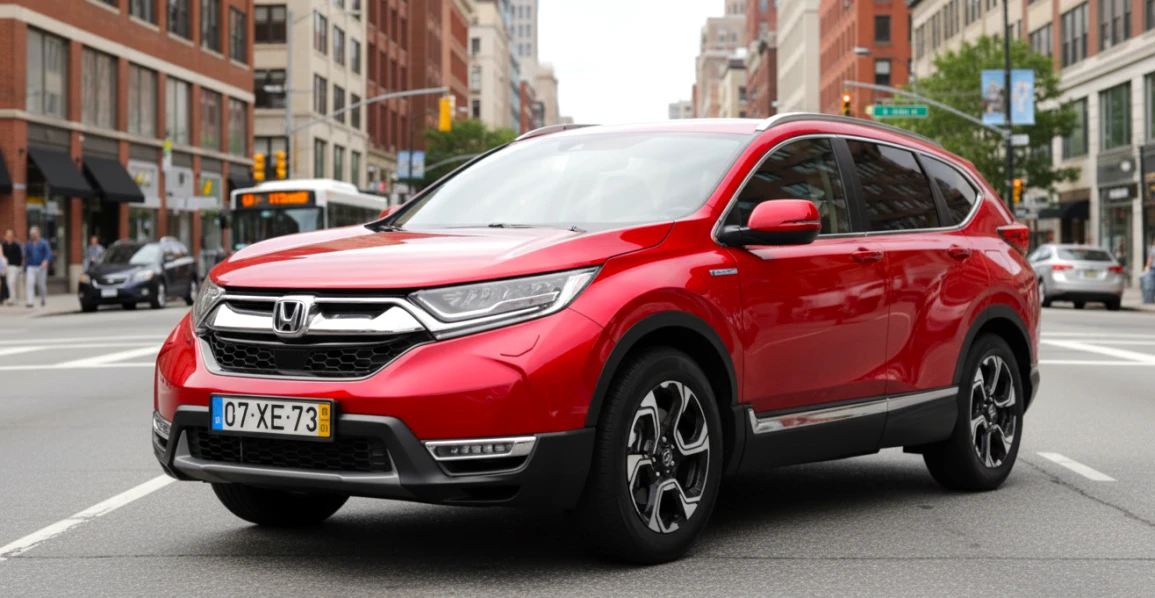
Japanese cars have long been regarded as a symbol of engineering precision and reliability. From their first mass-market models in the mid-20th century to today’s cutting-edge hybrids and EVs, Japanese manufacturers have consistently delivered vehicles that combine practicality, style, and advanced technology. Around the world, they are admired not only for their durability but also for their innovation and design philosophy, making them among the best Japanese sports cars and daily drivers available on the global market.
Japan’s reputation rests on a foundation of reliability, efficiency, and an eye for detail. Brands like Toyota, Honda, Nissan, Mazda, and Subaru have gained global recognition by creating cars that last for decades while still meeting modern demands for comfort and technology.
This article is written for car enthusiasts who admire classic models, collectors searching for timeless icons, and everyday drivers who want to choose the best Japanese car for their needs. Here, we’ll explore legendary Japanese car models, modern hits, and the exciting future of Japan’s automotive industry.
Key Advantages of Japanese Cars
Reliability and Durability
Reliability is the cornerstone of Japanese cars. Toyota, Honda, and Nissan became household names because of engines that can run for hundreds of thousands of miles without major repairs. Their strict production standards ensure that vehicles retain value and usability even after years of heavy use.
Balance of Price and Quality
Japanese manufacturers found a perfect balance between affordability and high quality. Buyers get durable engines, intuitive interiors, and solid safety features at reasonable prices. This mix helped Japanese cars capture markets across North America, Europe, and Asia.
Modern Technology and Innovation
Japan is known for pushing boundaries in automotive technology. From pioneering hybrid drivetrains to leading research in autonomous driving, Japanese companies have consistently been innovators. Early adoption of advanced safety systems and driver-assist features helped set industry standards.
Efficiency and Eco-Friendliness
As fuel prices climb, efficiency has become a deciding factor for many buyers. Japanese automakers are leaders in creating eco-friendly vehicles, including hybrids and EVs. Cars like the Prius and Nissan Leaf changed the way the world sees sustainable transportation.
Design and Comfort
While Japanese cars were once seen as primarily practical, today’s models show bold design, advanced ergonomics, and comfortable interiors. Manufacturers combine sleek aesthetics with smart functionality, making them competitive with European rivals.
Legends of Japanese Automotive Industry
Toyota Supra — JDM Icon and Sports Car Symbol

The Toyota Supra is one of the best cheap JDM cars to reach legendary status. It became an icon thanks to its balance of speed, tuning potential, and driving excitement. Featured in motorsports and movies, it represents everything fans love about Japanese sports cars.
Nissan Skyline GT-R — A Cult Among Speed Enthusiasts

The Skyline GT-R has an unmatched reputation for performance. Known as “Godzilla” in motorsport circles, it introduced cutting-edge all-wheel-drive systems and powerful engines that challenged European supercars. For many enthusiasts, it represents the fastest car in Japan during its golden era.
Mazda RX-7 — Rotary Engine and Unique Philosophy

The Mazda RX-7 stood out because of its rotary engine, which allowed lightweight construction and sharp handling. It embodies Mazda’s “Zoom-Zoom” philosophy, focusing on emotional driving experiences and engineering creativity.
Honda NSX — A Japanese Supercar Ahead of Its Time
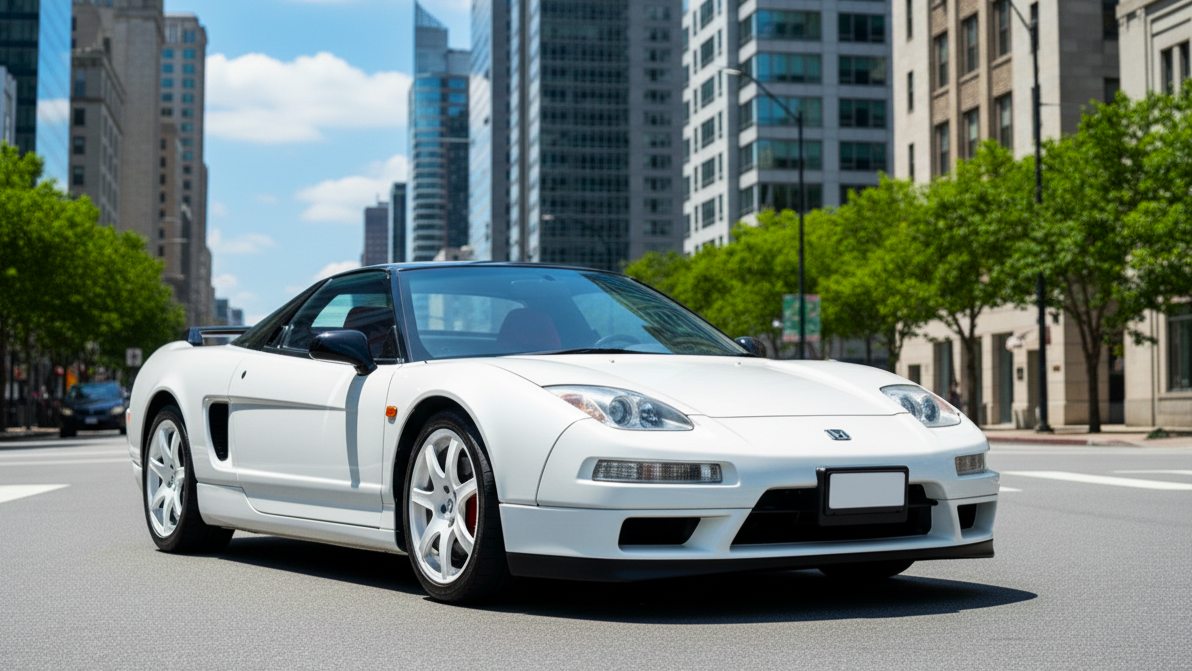
The Honda NSX was a revolution: a Japanese-built supercar capable of competing with Ferrari and Porsche. With an aluminum chassis, high-revving engine, and excellent handling, it proved that Japanese car models could redefine global automotive standards.
The Best Japanese Cars for Everyday Driving
Toyota Corolla — The Global Bestseller
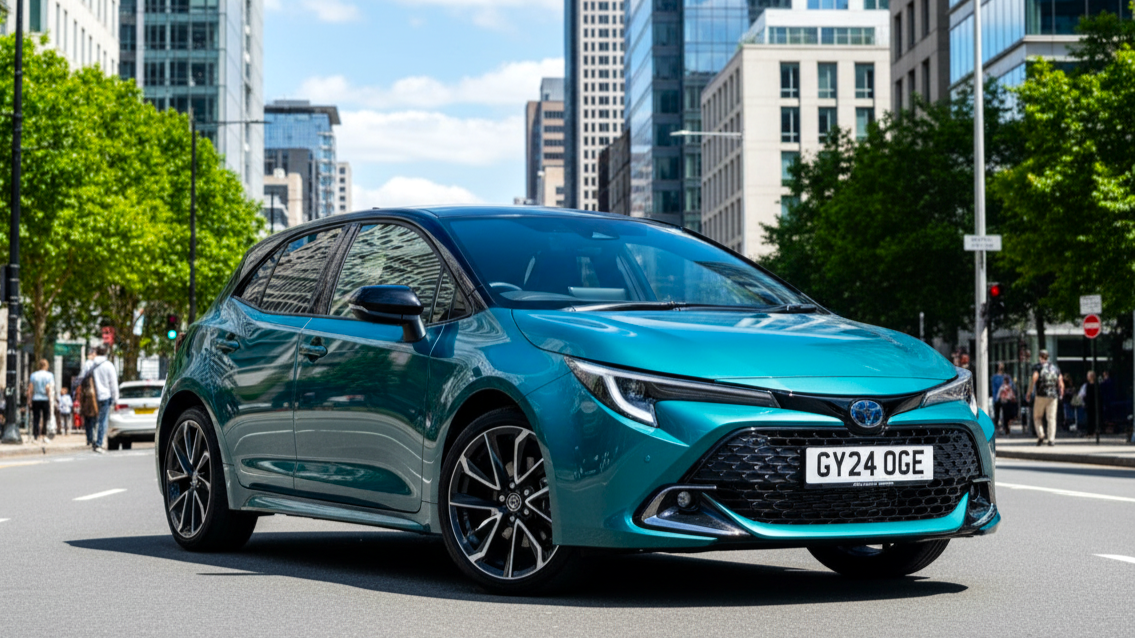
The Toyota Corolla remains the best Japanese car for millions worldwide. Its durability, affordability, and practicality make it the top-selling vehicle in history.
Honda Civic — A Blend of Style and Practicality

The Honda Civic offers sporty design, comfort, and strong resale value. It appeals to young drivers and families alike, bridging the gap between style and everyday usability.
Nissan Altima / Teana — Comfort and Space

Nissan’s mid-size sedans are popular for their roomy interiors and smooth ride. They are excellent for drivers who value daily comfort without compromising reliability.
Mazda 3 — Driving Feel and Design
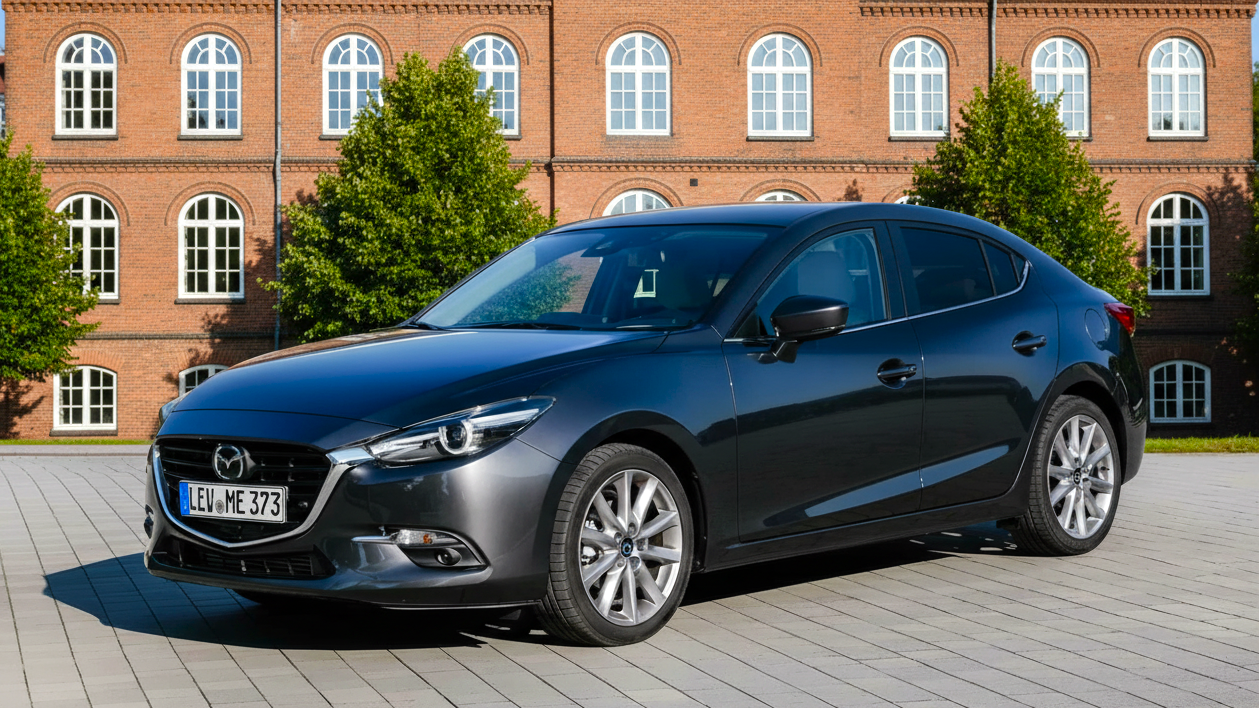
Mazda 3 combines sleek looks with precise handling. It is designed for those who want both practicality and the joy of driving.
Subaru Forester — The All-Round Crossover
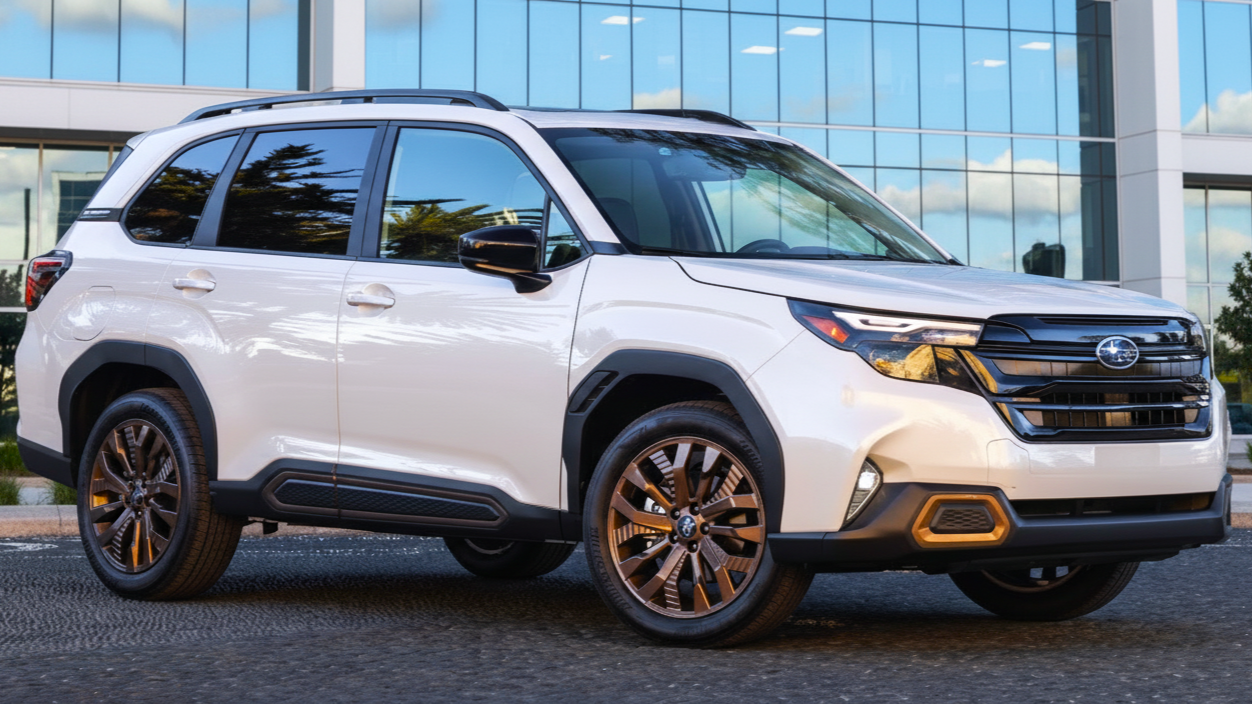
The Subaru Forester is famous for its all-wheel-drive system and versatility, making it suitable for city driving and off-road adventures.
Japanese Cars for Tech and Eco Enthusiasts
Toyota Prius — Hybrid Revolution
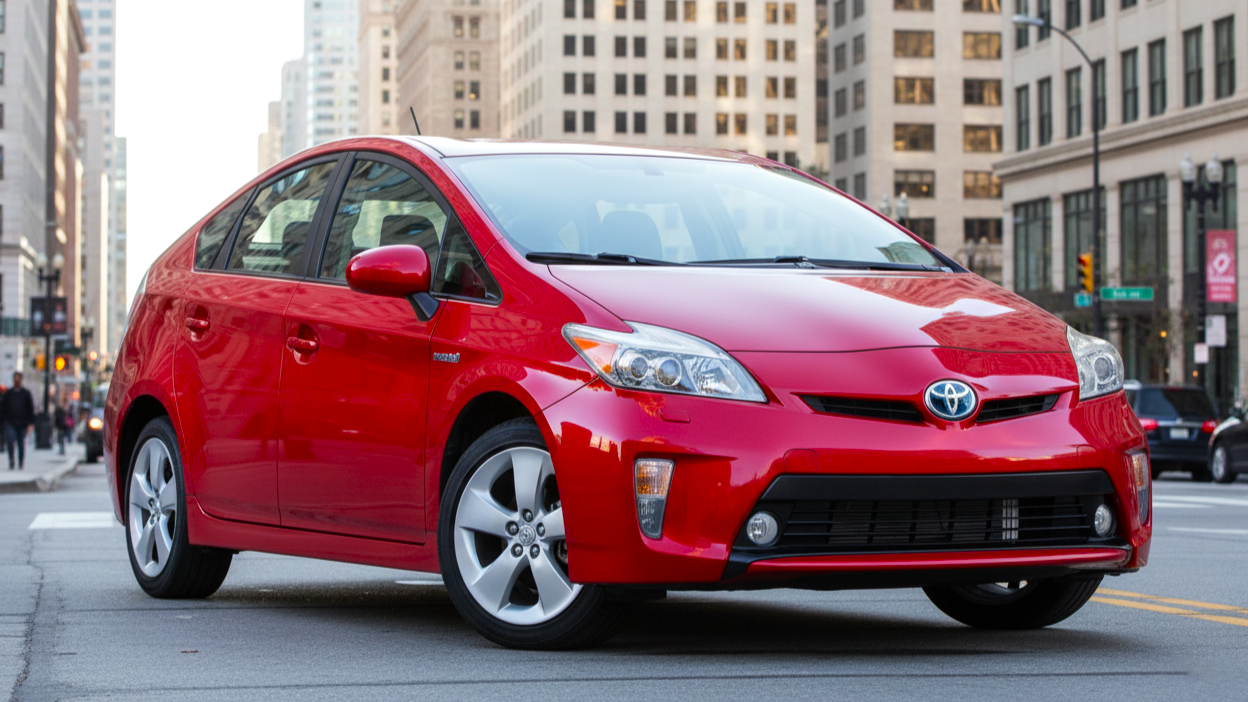
The Prius was the first hybrid to achieve worldwide success. It showcased how fuel efficiency and innovation could reshape the automotive industry.
Honda Insight — Style and Efficiency
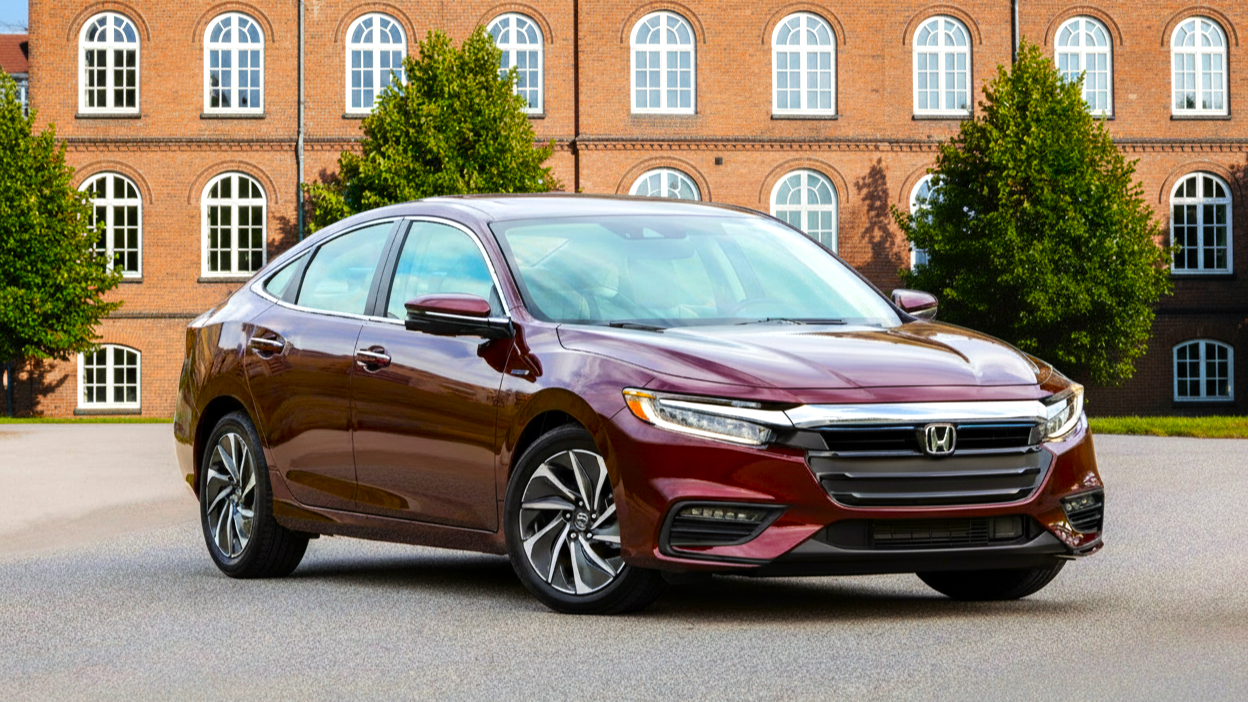
The Honda Insight combines hybrid efficiency with a stylish design, making it an appealing option for eco-conscious drivers.
Nissan Leaf — Among the First Mass-Market EVs
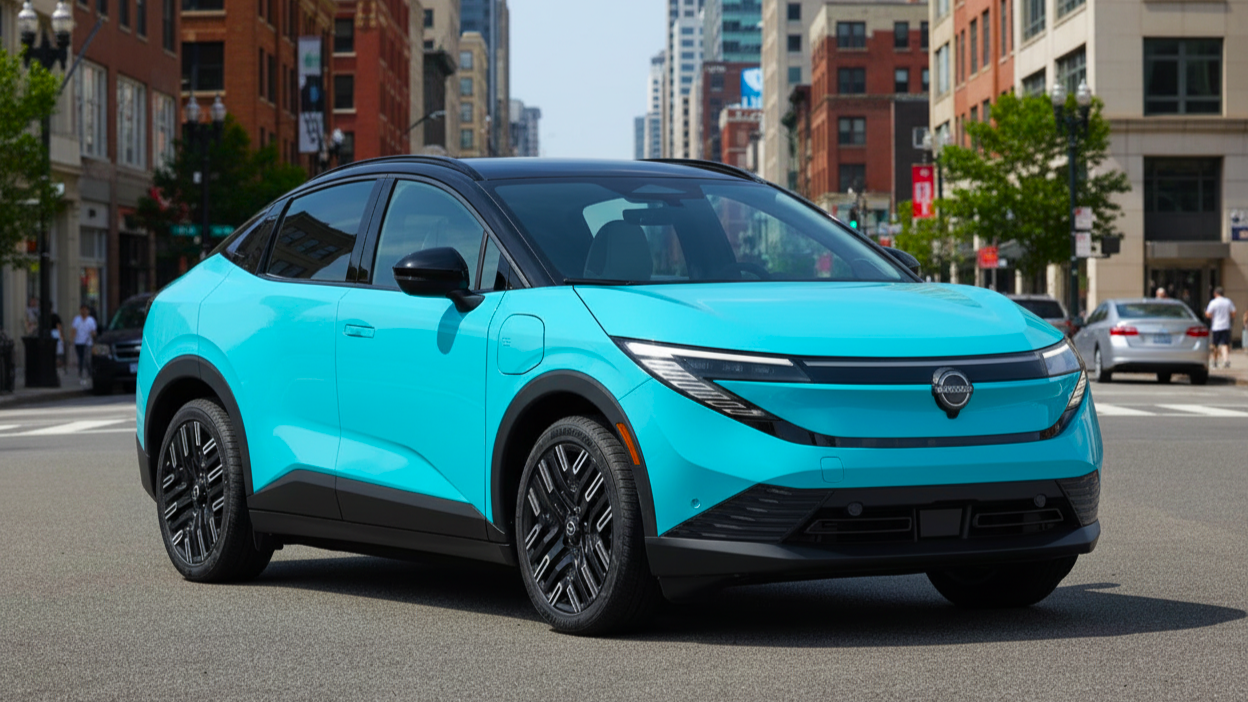
The Nissan Leaf became one of the earliest successful electric cars. Its practicality and affordability made EV ownership accessible to millions.
Modern Hits of the Japanese Automotive Industry
Toyota Land Cruiser — The King of SUVs

The Land Cruiser remains a global benchmark for off-road capability and long-term durability. It is one of the most respected SUVs ever built.
Lexus LS — Premium Class, Japanese Style
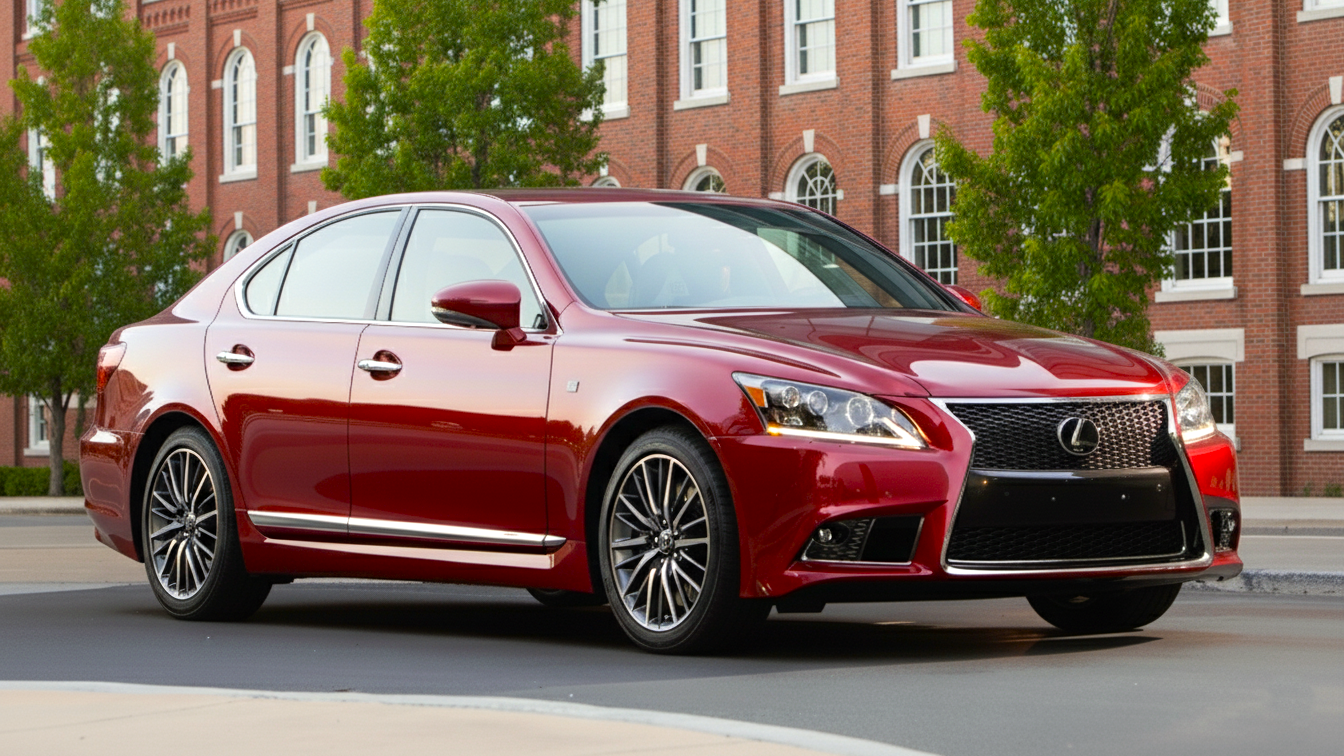
The Lexus LS represents Japan’s vision of luxury. It rivals German sedans with its refinement, cutting-edge tech, and reliability.
Mazda CX-5 — A Driver’s Crossover

The CX-5 is a crossover designed for driving enthusiasts, offering style and engaging dynamics in a family-friendly package.
Honda CR-V — A Reliable Family Choice
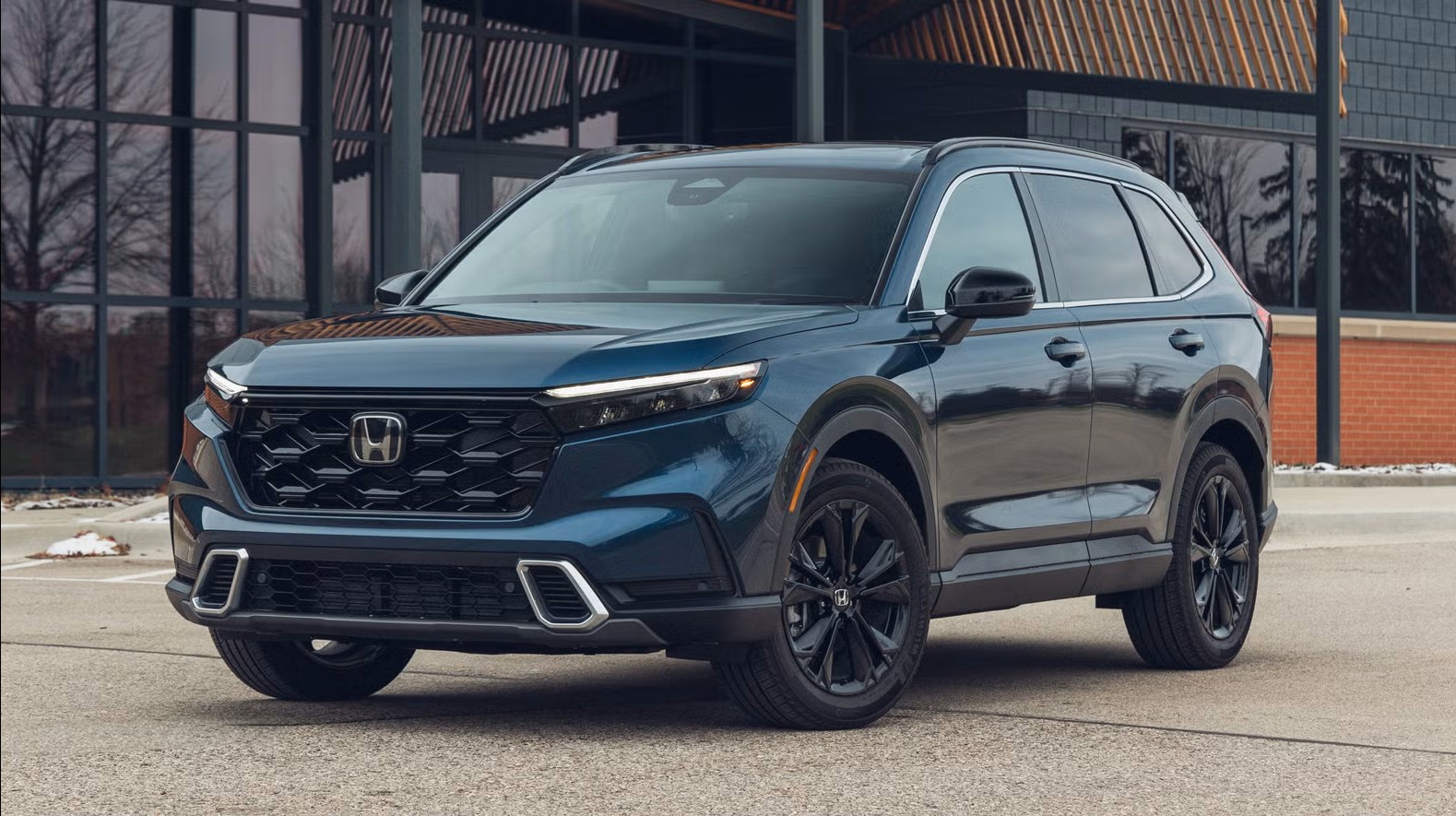
The Honda CR-V has earned loyalty from families worldwide, thanks to its practicality, reliability, and spaciousness.
Comparing Japanese Cars with European and American Rivals
Where Japanese Cars Excel
The main advantage of Japanese cars is their legendary reliability, which has almost become a myth in itself. Many models can easily cover hundreds of thousands of kilometers without major breakdowns, and their maintenance costs are significantly lower compared to European or American competitors.
Japanese brands prioritize simplicity, thoughtful engineering, and long-term durability. Parts wear out more slowly, engines run cleaner, and electronics tend to be more stable. That’s why owners often say that Japanese cars “just don’t break” — and there’s a good amount of truth behind that.
Where They Fall Short
But no car is perfect. Compared to German, British, or some American models, Japanese vehicles sometimes lose in terms of interior luxury and overall premium feel. Cabins may look simpler, materials slightly less upscale, and design more utilitarian. European manufacturers place a strong emphasis on emotion and prestige: expressive interior architecture, rich trim combinations, premium leather, and a sense of atmosphere. Japanese brands, on the other hand, traditionally focus on practicality: minimalist dashboards, intuitive ergonomics, and maximum attention to comfort and functionality.
Why Many People Still Choose Japan
Despite these differences in philosophy, millions of buyers around the world continue to choose Japanese cars — and they do so consciously. First, Japanese vehicles offer an exceptionally balanced price-to-quality ratio. You often get more for the same amount of money: reliability, fuel efficiency, and excellent resale value.
Second, versatility matters to many drivers. A Japanese car is equally comfortable for daily city commuting, long road trips, or even work-related tasks — it handles any scenario without unnecessary “flashiness” but with maximum efficiency.
And most importantly, Japanese cars give you peace of mind. You get behind the wheel knowing the car won’t let you down. That sense of confidence is exactly what makes Japanese vehicles so popular in dozens of countries.
How to Choose the Best Japanese Car for Yourself

Identify Your Priorities
Before choosing a car, it’s important to honestly answer one question: what matters most to you? Some drivers dream of sharp acceleration and dynamic performance, others prioritize quietness and a smooth ride, while some look for maximum fuel efficiency in the city. There are also those who choose a vehicle based on family comfort and practicality.
Once you clearly understand your priorities — speed, comfort, fuel economy, or interior space — you can immediately eliminate unnecessary options and focus on the models that truly fit your lifestyle.
Compare the Segments
The Japanese automotive market is incredibly diverse. Japan produces dozens of vehicle types — from tiny kei cars and compact sedans to powerful SUVs, spacious minivans, and iconic sports cars.
To choose the right one, it helps to compare a few key segments. For example:
- Compact sedans — ideal for city driving and fuel efficiency.
- Crossovers — a balance of comfort, versatility, and good ground clearance.
- Minivans — great for families with children or frequent group travel.
- Sports cars — for those who value performance, excitement, and the thrill of driving.
This approach allows you to find a vehicle that best matches your needs and budget.
What to Check When Buying a Used Japanese Car
When purchasing a used Japanese car, it’s important to remember that even though they’re known for their longevity, a thorough inspection is still essential.
Pay special attention to:
- The engine — smooth operation, no strange noises, clean oil.
- The suspension — no knocks, looseness, or signs of excessive wear.
- Electronics — Japanese electronics are reliable, but every system should still be tested.
You should also review the service history: regular maintenance, no major repairs, and an accurate odometer reading. A proper inspection at the buying stage will help you avoid unexpected expenses in the future — and preserve the main advantage of Japanese cars: their outstanding reliability.
The Future of Japanese Cars
Focus on Electric and Hybrid Vehicles
The main trend in the Japanese automotive industry today is the rapid shift toward eco-friendly technologies. Nearly all major brands are actively expanding their electric vehicle lineups, experimenting with new battery types and improved energy recuperation systems.
Hybrid powertrains — traditionally one of Japan’s strongest advantages — are becoming even more efficient: driving range is increasing, fuel consumption is dropping, and overall performance feels smoother. Japan continues to hold its position as a global leader in hybrid technologies, consistently offering updated solutions that stay ahead of many markets.
Smart Technologies and Autopilot
Japanese cars stopped being “just transportation” a long time ago. Manufacturers are actively implementing autopilot features, intelligent assistants, and adaptive safety systems that make driving both safer and more comfortable.
Modern Japanese models often include:
- adaptive cruise control;
- lane-keeping assistance;
- automatic emergency braking;
- obstacle and pedestrian detection;
- intelligent navigation and infrastructure-aware systemsю
These smart features support the driver in any environment — from busy city streets to high-speed highways.
Eco-friendliness and New Standards
Environmental regulations around the world are becoming increasingly strict, and Japanese manufacturers are not only keeping up — they are helping shape the industry standards themselves.
Automakers are developing cleaner engines, using more recycled and sustainable materials, and incorporating emissions-reducing technologies at every stage of production. Some brands are investing in alternative fuels, including hydrogen, aiming to bring the technologies of the future into the present.
The Japanese automotive industry demonstrates that eco-friendliness is not a short-term trend but a long-term strategy that will shape the development of the entire sector for decades to come.
Conclusion
Reliability, affordability, and advanced technology keep Japanese cars among the most trusted worldwide. Whether buyers want family vehicles or the fastest car in Japan, they know Japanese brands deliver. In 2025, strong choices include the new Toyota Prius, updated Nissan Leaf, and versatile Mazda crossovers, which blend style, eco-efficiency, and practicality.
The legacy of Japanese automotive engineering proves that innovation and attention to detail can create vehicles that stand the test of time. From the best cheap JDM cars to premium sedans, Japan continues to set benchmarks. For those searching for the best Japanese car, the future promises even more exciting options.

