



Best German Cars: Top Models That Define Quality and Performance
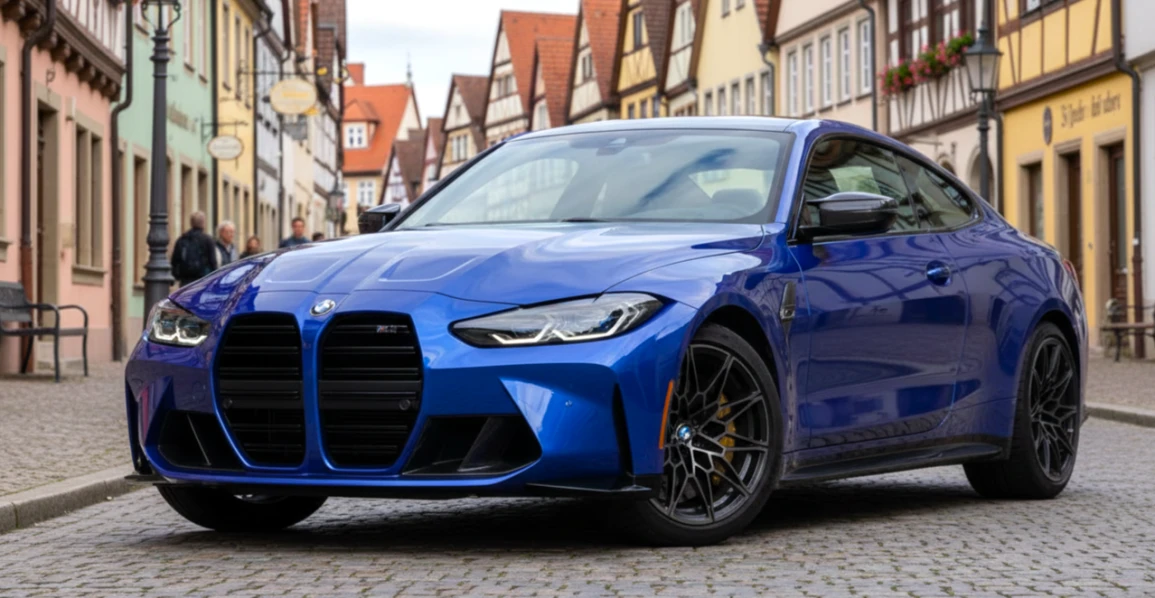
German cars are widely regarded as a global benchmark for quality, engineering precision, and long-term reliability. When people ask what cars are made in Germany, they usually expect more than just a list of factories – they want to understand why vehicles from this country consistently dominate rankings of the best German cars. The answer lies in a unique combination of technical discipline, attention to detail, and a philosophy that treats the automobile as a long-term investment rather than a disposable product.
Unlike many manufacturers that prioritize short-term trends, German brands traditionally focus on durability, balanced performance, and engineering logic. This approach explains why German brand cars are equally respected by everyday drivers, business users, and automotive enthusiasts. Whether it is a compact sedan, a luxury SUV, or a high-performance sports car, German vehicles tend to deliver a sense of solidity and confidence that competitors often struggle to match.
Why German cars are popular all over the world
The global popularity of German automobiles did not happen by chance. It is the result of decades of engineering culture built around accuracy, testing, and incremental improvement. German manufacturers are known for developing platforms that remain relevant for many years, often receiving updates rather than complete redesigns. This strategy improves reliability and reduces unexpected weaknesses over time.
One of the key reasons drivers choose German cars is durability. Engines, transmissions, and chassis components are typically designed with higher tolerance margins, allowing vehicles to maintain performance even after years of use. This makes ownership more predictable and strengthens resale value.
Another major factor is comfort combined with technology. German interiors usually prioritize ergonomics, logical control layouts, and high-quality materials. Digital systems are introduced carefully, with an emphasis on usability rather than novelty. As a result, drivers benefit from modern features without sacrificing intuitive operation.
Equally important is the balance between sportiness and practicality. Many German models are engineered to feel stable at high speeds while remaining comfortable in daily traffic. This dual character explains why German cars perform equally well on highways, city streets, and long-distance routes.
Together, these elements form the foundation of trust that surrounds German automotive brands and explains their strong reputation across different markets.
Best German sedans: comfort meets engineering
German sedans have long been considered the reference point in their class. They offer a rare combination of driving dynamics, interior quality, and long-term usability that appeals to a wide range of drivers.
At a glance, it becomes clear why certain models repeatedly appear in discussions about the top 10 German cars. These vehicles combine comfort, advanced technology, and driving engagement in a way that feels deliberate rather than excessive. Before diving into specific segments, it is important to understand what makes German cars so consistently successful worldwide.
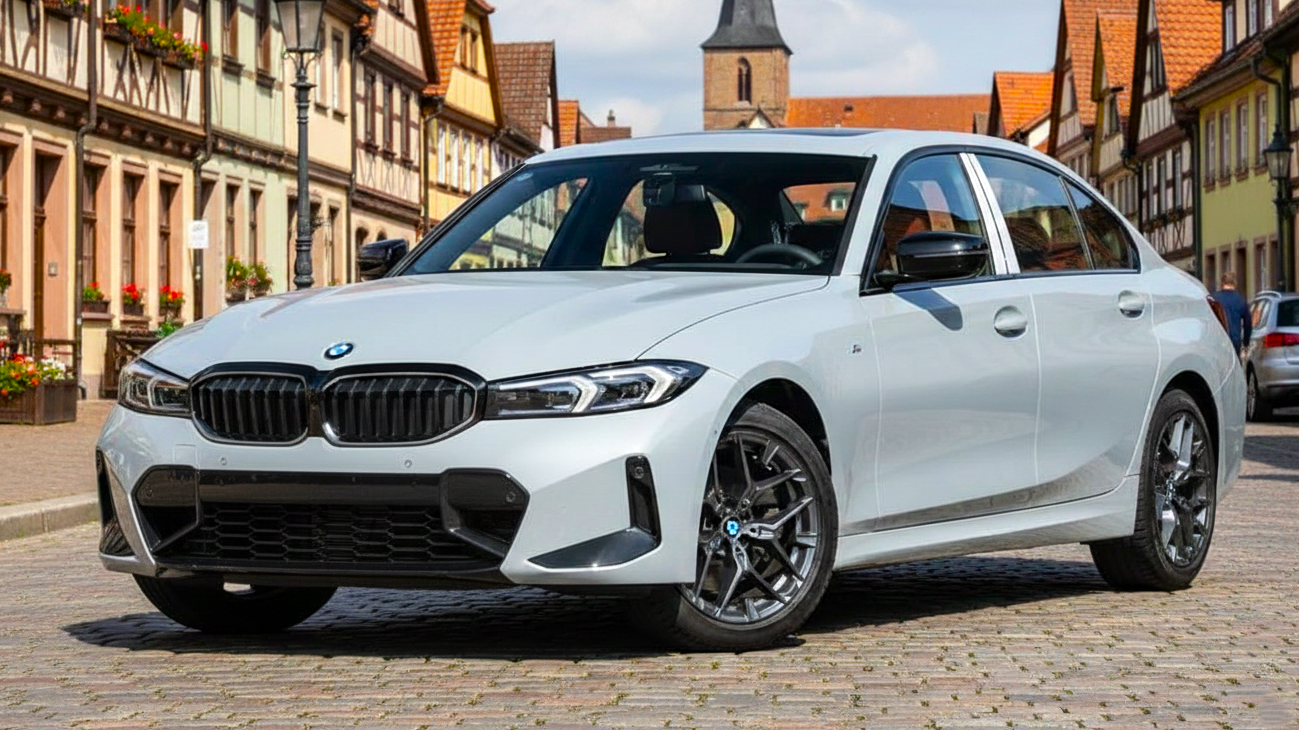
- BMW 3 Series is often described as the benchmark sports sedan. It delivers precise steering, balanced handling, and engines that respond eagerly without compromising comfort. The model’s success lies in its ability to feel engaging without becoming tiring in everyday use.
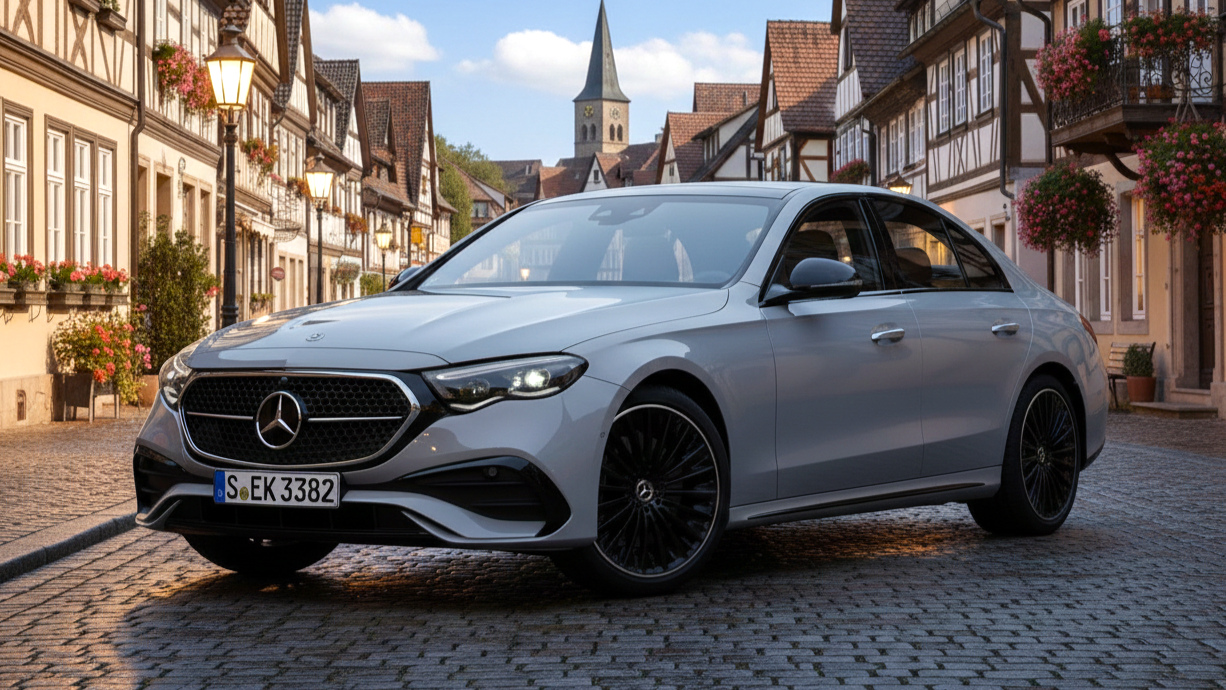
- Mercedes-Benz E-Class focuses on refinement and space. It is engineered for comfort, making it a preferred choice for business travel and long journeys. Advanced driver assistance systems and a smooth ride define its character.
- Audi A6 stands out through technology and interior innovation. Its all-wheel-drive options and chassis tuning provide confidence in different driving conditions, while digital interfaces emphasize modernity.
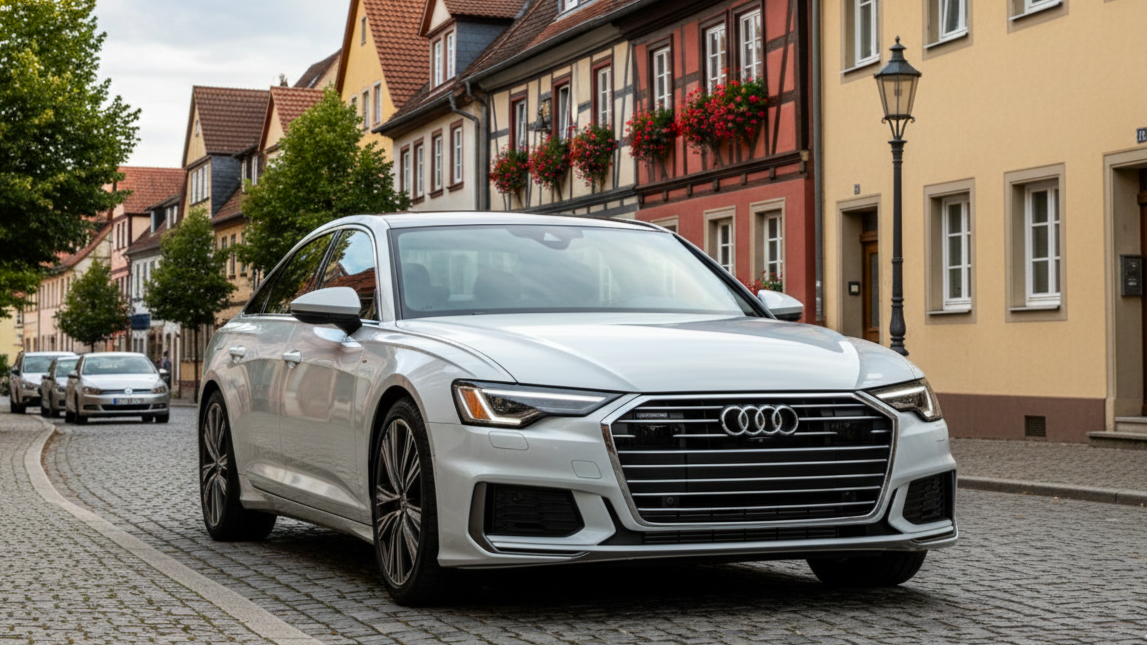
These sedans demonstrate why German manufacturers continue to dominate this segment and remain a standard against which competitors are measured.
Best German crossovers and SUVs: versatility without compromise
German manufacturers were among the first to prove that SUVs can combine practicality with refined road manners. Instead of focusing purely on size, they engineered crossovers that preserve driving confidence, stability, and comfort at higher speeds. This approach explains why many German SUVs are frequently included in lists of the best german cars for families and long-distance travel.
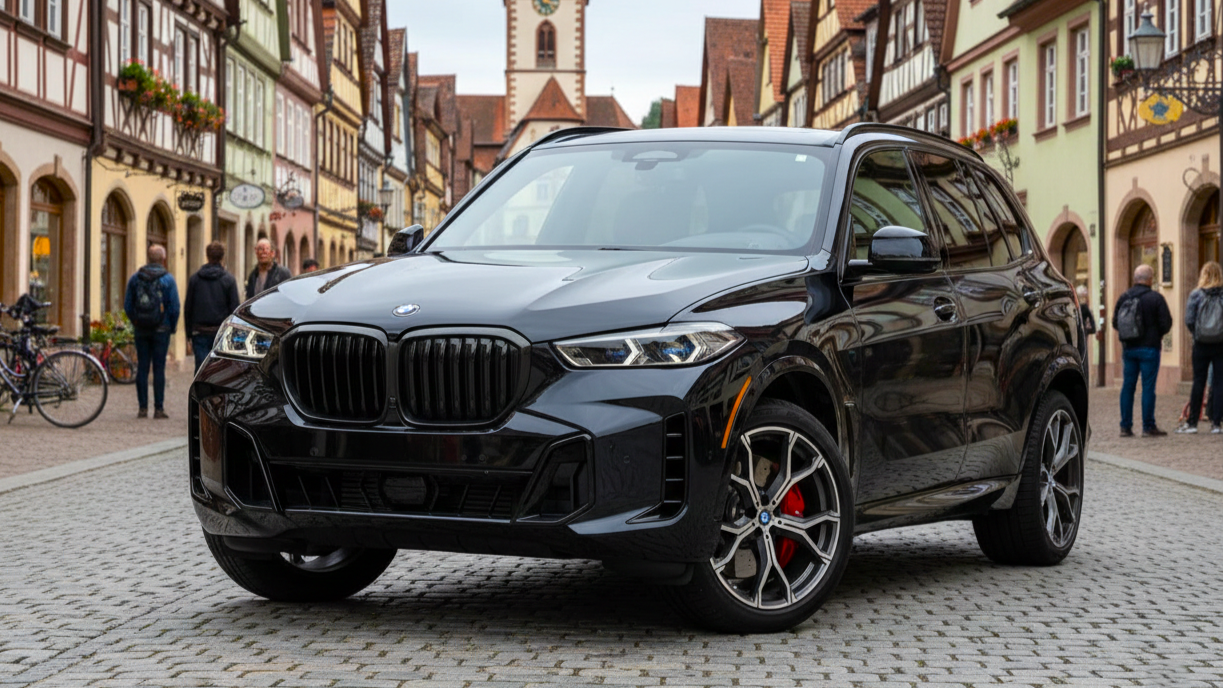
- BMW X5 is a clear example of this philosophy. It blends strong engines, precise steering, and a well-balanced chassis with everyday usability. Despite its size, the X5 feels controlled and responsive, which makes it suitable for both urban driving and highway cruising.
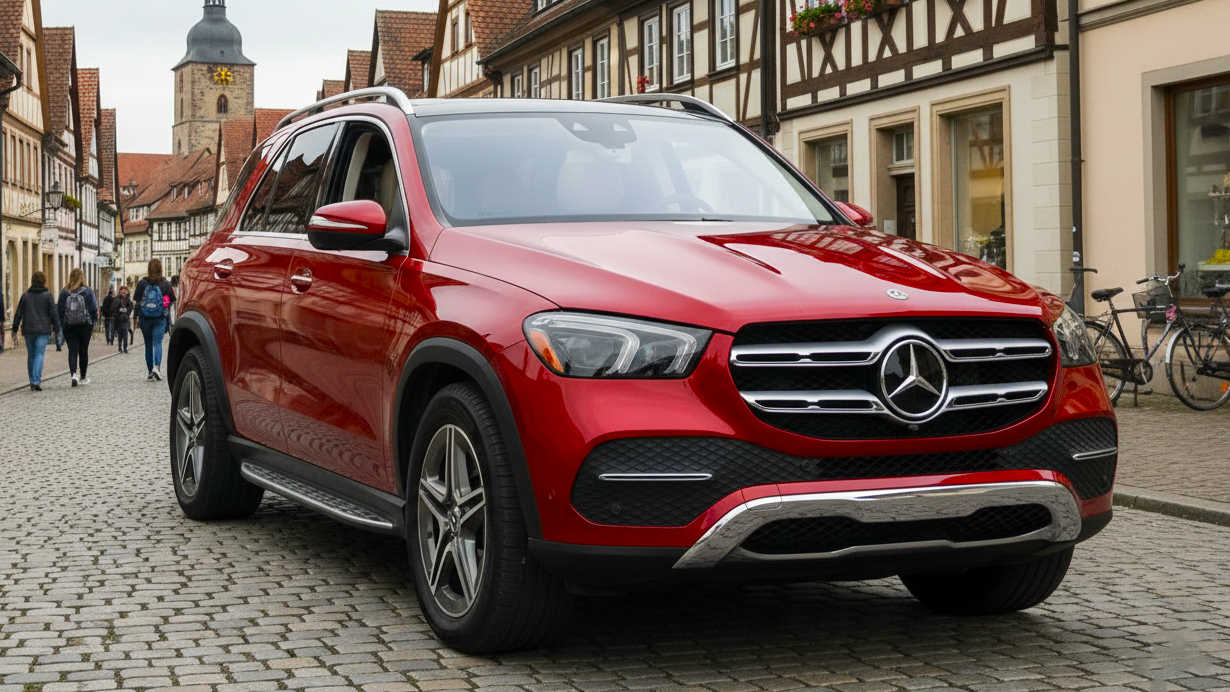
- Mercedes-Benz GLE places a stronger emphasis on comfort and interior space. It is designed for relaxed journeys, offering advanced suspension systems and a quiet cabin. Families and business users often choose the GLE for its smooth ride and premium atmosphere.
- Audi Q7 focuses on technology and interior flexibility. With a spacious cabin, advanced infotainment systems, and optional all-wheel drive, it performs well in diverse conditions. The Q7 demonstrates how German engineering adapts luxury to real-life needs.
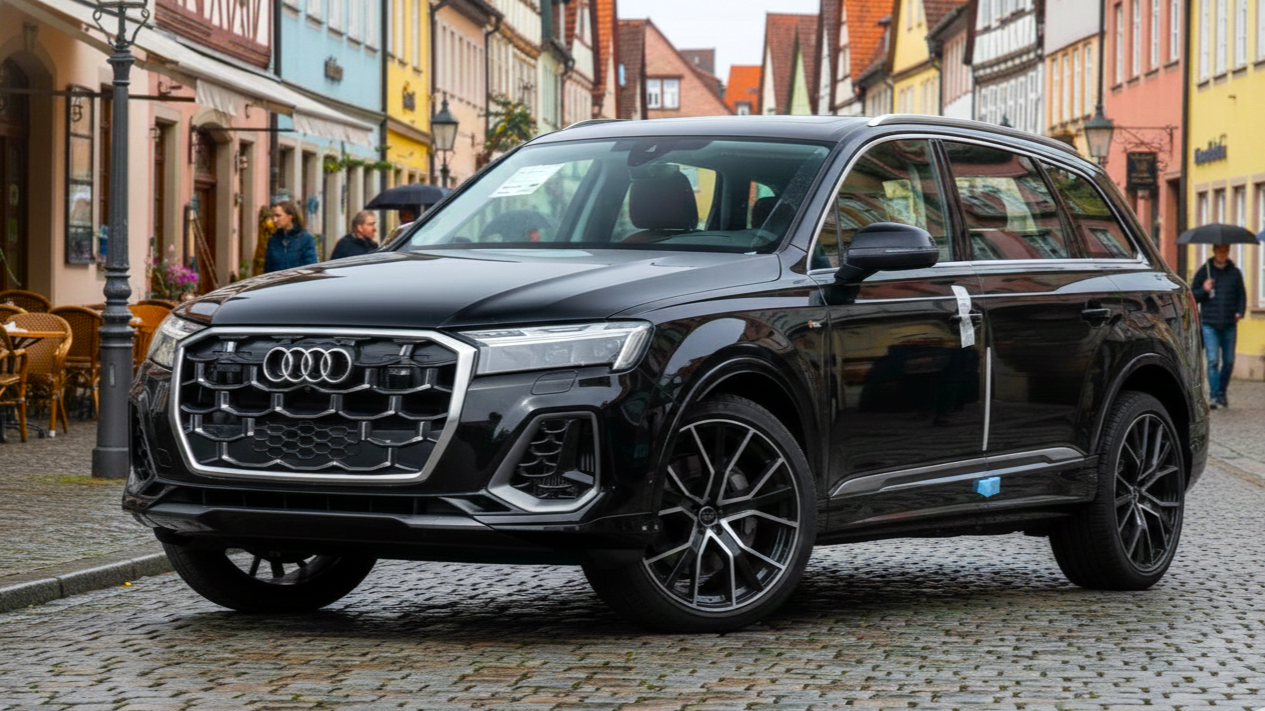
Together, these SUVs show that practicality does not have to come at the expense of refinement, which is why they consistently rank among the top 10 German cars in their segment.
Best sports and image-focused German cars
Beyond comfort and practicality, Germany is also responsible for some of the most iconic performance cars in the world. These models are not just fast; they represent engineering philosophy refined over decades.
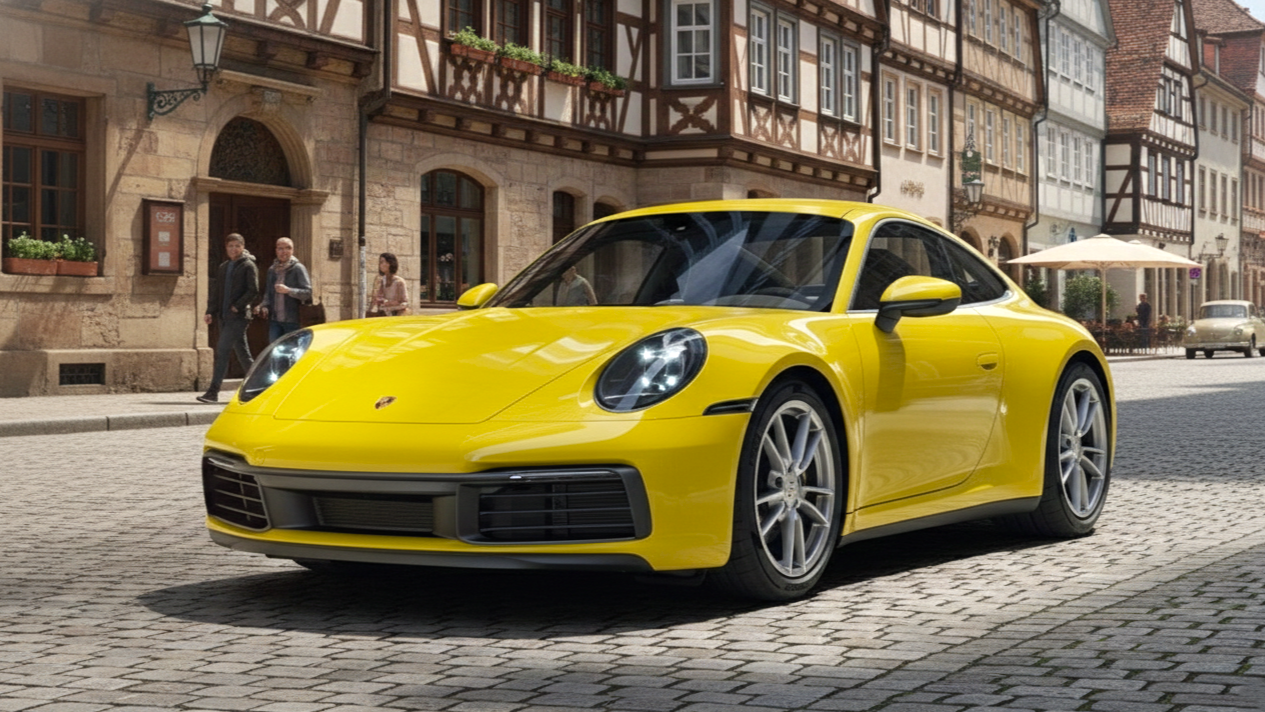
- Porsche 911 is widely regarded as one of the most recognizable sports cars ever built. Its rear-engine layout, constant evolution, and everyday usability make it unique in the performance car world. The 911 remains a reference point for how a sports car can be both thrilling and dependable.
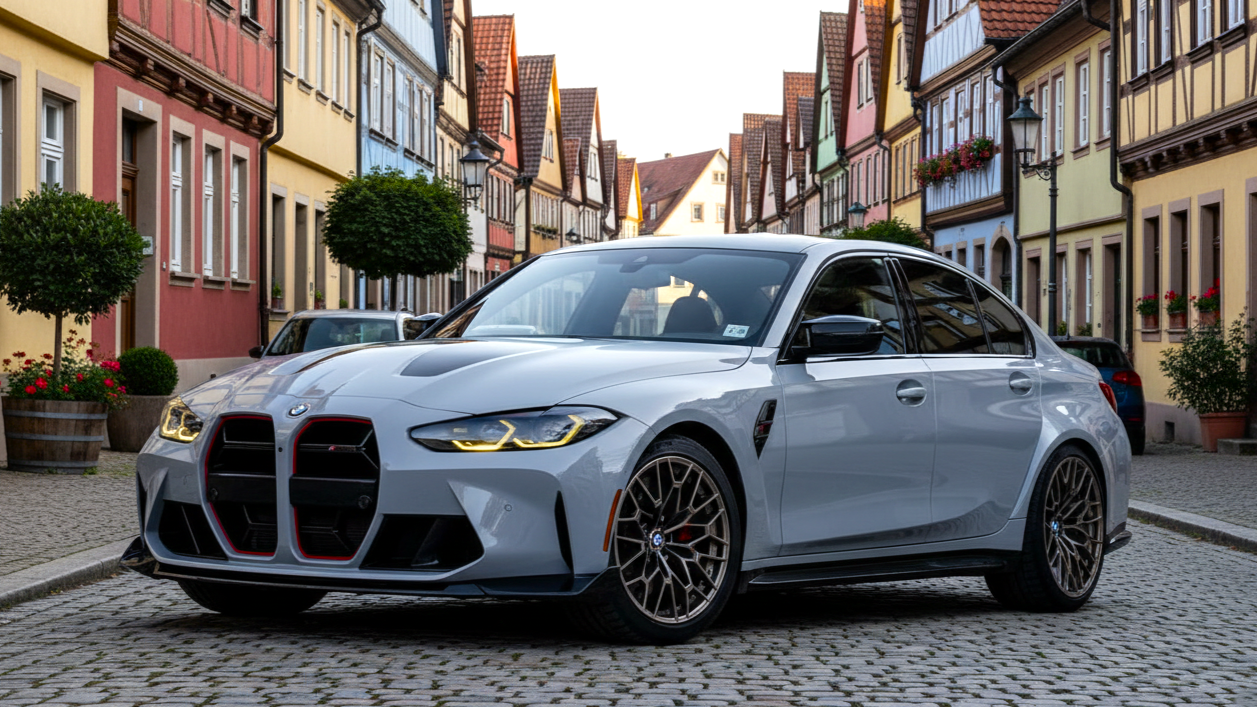
- BMW M3 and M4 embody the idea of a performance car that still works as a daily vehicle. They combine aggressive engines, track-ready chassis tuning, and modern interiors. For many enthusiasts, these models represent the perfect balance between power and practicality.
- Mercedes-AMG GT is positioned as a more exclusive sports car. With its long hood, rear-wheel-drive layout, and powerful engine, it focuses on emotional driving and visual presence. It appeals to drivers looking for character and individuality.
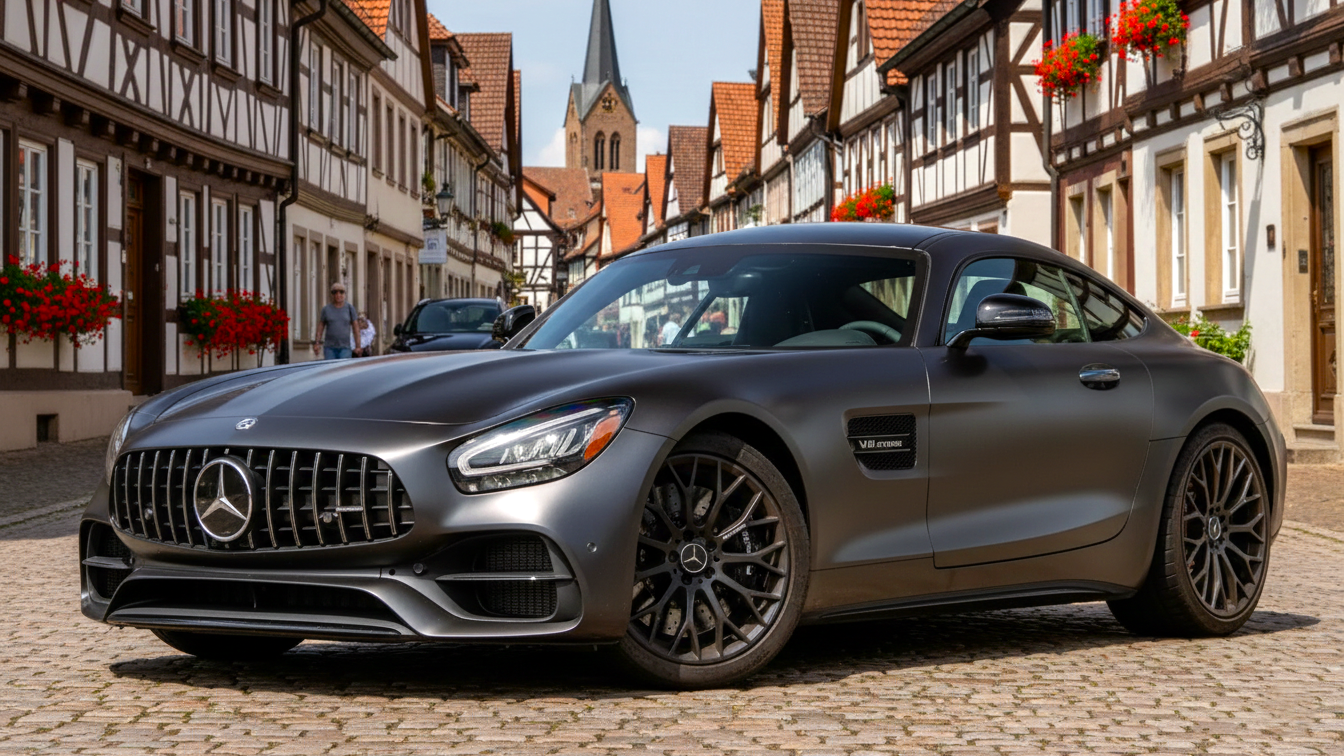
These vehicles highlight the emotional side of German brand cars, proving that performance and reliability can coexist without compromise.
Best German electric vehicles: innovation in motion
German manufacturers have also taken a strong position in the electric vehicle market. Instead of abandoning their traditional values, they translated them into the electric era through quality, comfort, and driving stability.
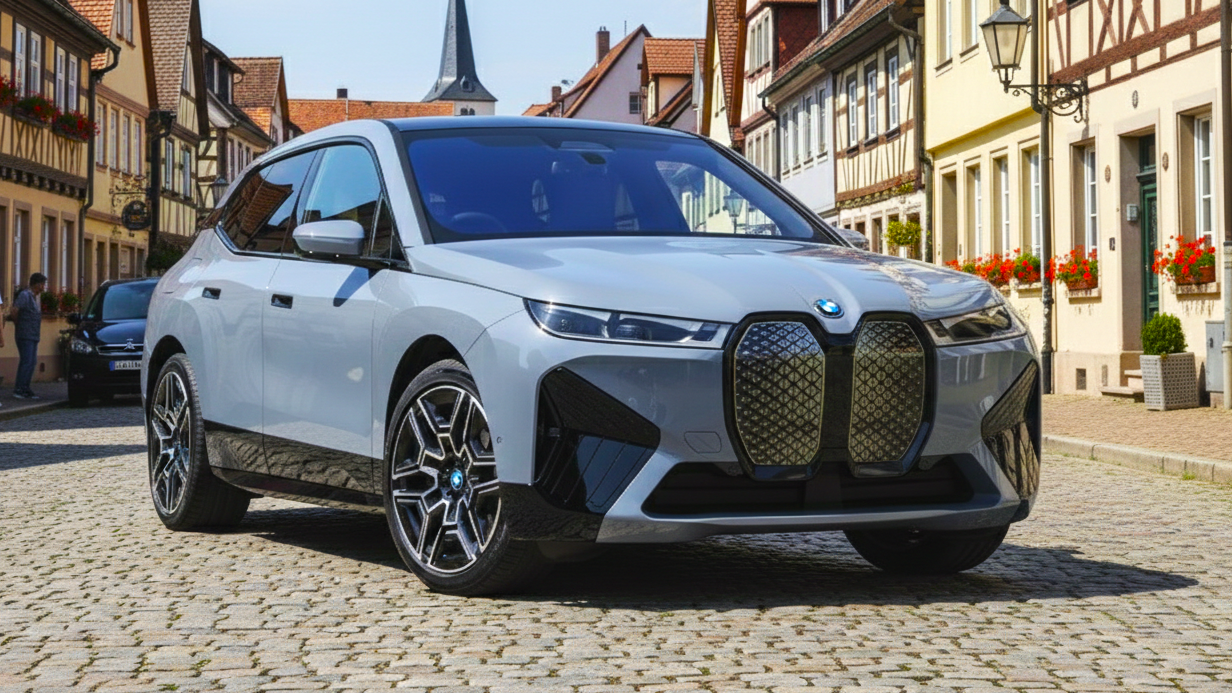
- BMW iX and i4 focus on combining electric efficiency with familiar driving dynamics. They are designed for daily use, offering long range, fast charging, and intuitive technology.
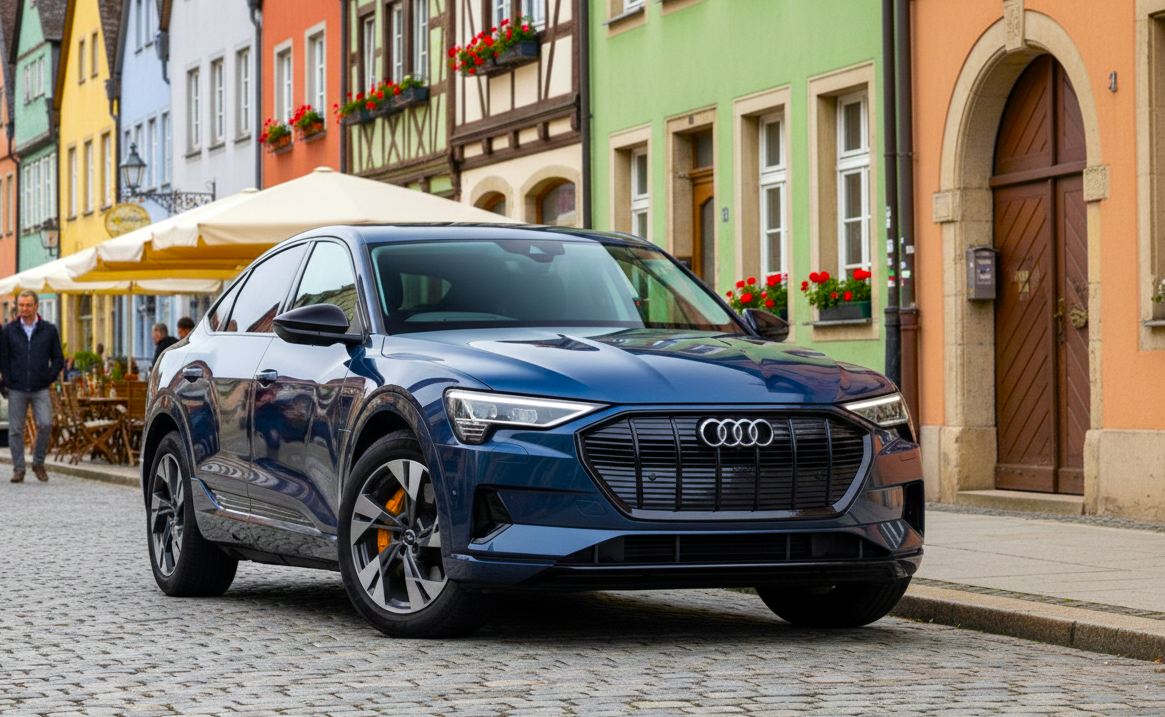
- Audi e-tron emphasizes comfort and quietness, making it ideal for long trips and urban driving. High-quality interiors and advanced safety systems reinforce its premium positioning.
- Porsche Taycan stands apart as a performance-focused electric car. It delivers acceleration and handling that meet sports car expectations while maintaining everyday usability. Taycan proves that electric mobility does not have to sacrifice excitement.
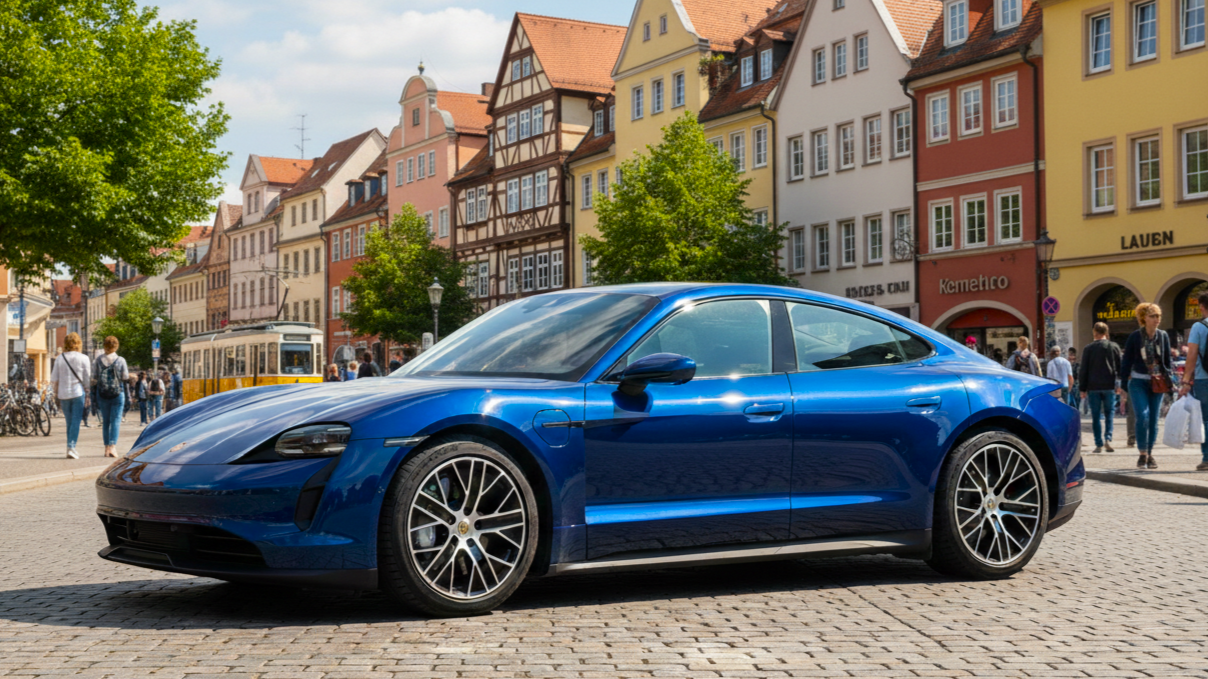
These models illustrate how German engineering continues to evolve, answering modern demands while preserving core values.
How to choose the best German car for yourself
Choosing the right German car starts with understanding how the vehicle will be used. There is no single universal answer, but there are clear patterns that experts rely on when recommending models.
- For city driving and everyday commuting, comfort, efficiency, and compact dimensions are usually the priority. Sedans and compact electric vehicles from German manufacturers offer a refined ride, high safety standards, and modern technology suited for urban environments.
- For families and long-distance travel, crossovers and SUVs are often the most practical choice. Spacious interiors, advanced driver assistance systems, and stable highway behavior make them ideal for extended journeys. This is why many buyers searching what cars are made in Germany eventually focus on SUVs as a long-term solution.
- For drivers who value performance and emotional engagement, sports-oriented models provide sharper handling and more powerful engines. These vehicles are designed to deliver excitement without sacrificing reliability, reinforcing the reputation of the best German cars in the performance segment.
When deciding between a new or used vehicle, it is important to consider maintenance history, warranty coverage, and total ownership costs. German cars tend to hold their value well, especially when properly maintained.
Advantages of owning a German car
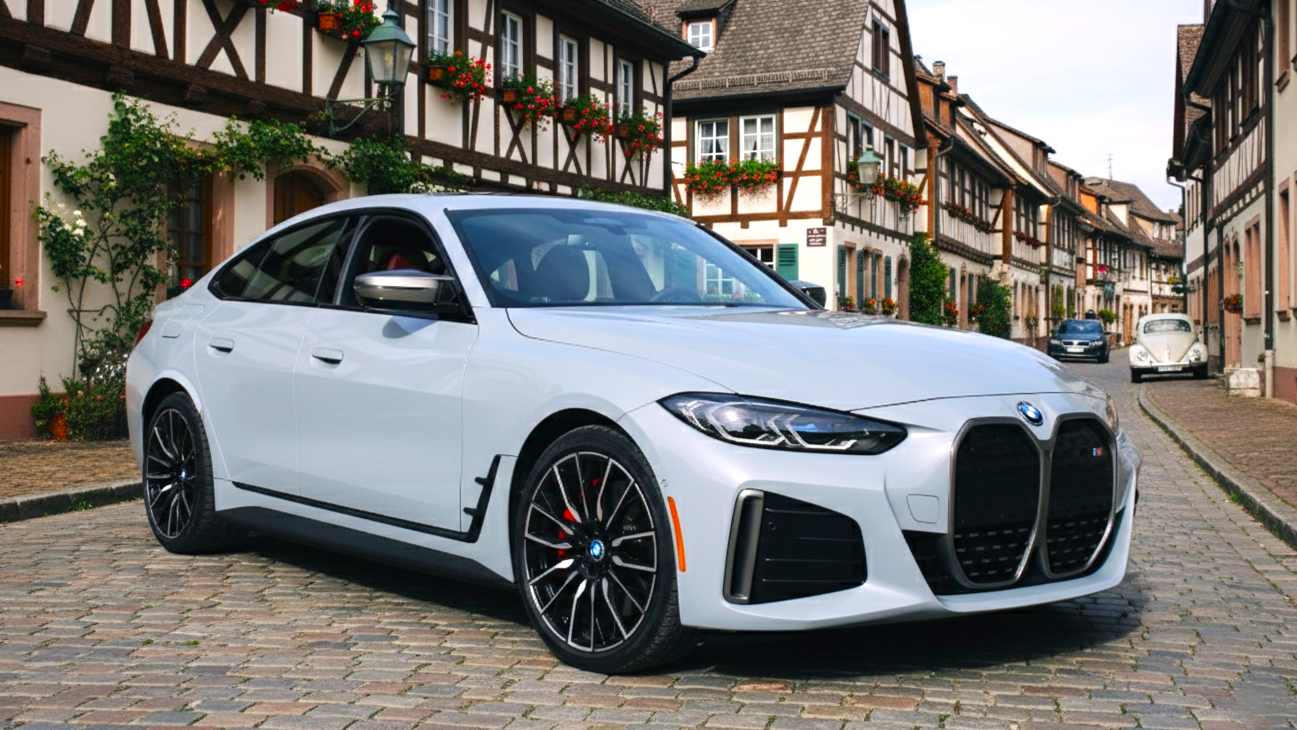
Ownership experience is where German vehicles truly stand out. Their advantages extend beyond driving dynamics and design. German cars are known for long-term reliability and strong resale value, which makes them attractive on the secondary market. High build quality ensures that interiors and mechanical components age more gracefully than many competitors. Technology is another key benefit. Driver assistance systems, infotainment platforms, and safety features are continuously refined rather than radically changed, ensuring consistency and ease of use.
Before summarizing, it is important to highlight the main ownership advantages:
- strong reliability and predictable maintenance cycles;
- high demand on the used car market;
- advanced technology integrated with comfort;
- a wide range of models across all segments.
This diversity allows buyers to find a suitable option regardless of budget or driving style.
Conclusion: why German cars remain the global standard
In conclusion, the reputation of German automobiles is built on decades of consistent engineering excellence. From sedans and SUVs to sports cars and electric vehicles, the top 10 German cars are united by quality, thoughtful design, and long-term reliability.
When drivers search for the best German cars or explore German brand cars, they are not simply comparing specifications. They are choosing vehicles that combine style, innovation, and practicality in a balanced way. Understanding what cars are made in Germany helps buyers appreciate why these vehicles continue to dominate global markets.
Explore the catalog on our website to compare models and find the German car that best matches your lifestyle and expectations.

