



Why Your Check Engine Light Turns On and How to Handle It Properly
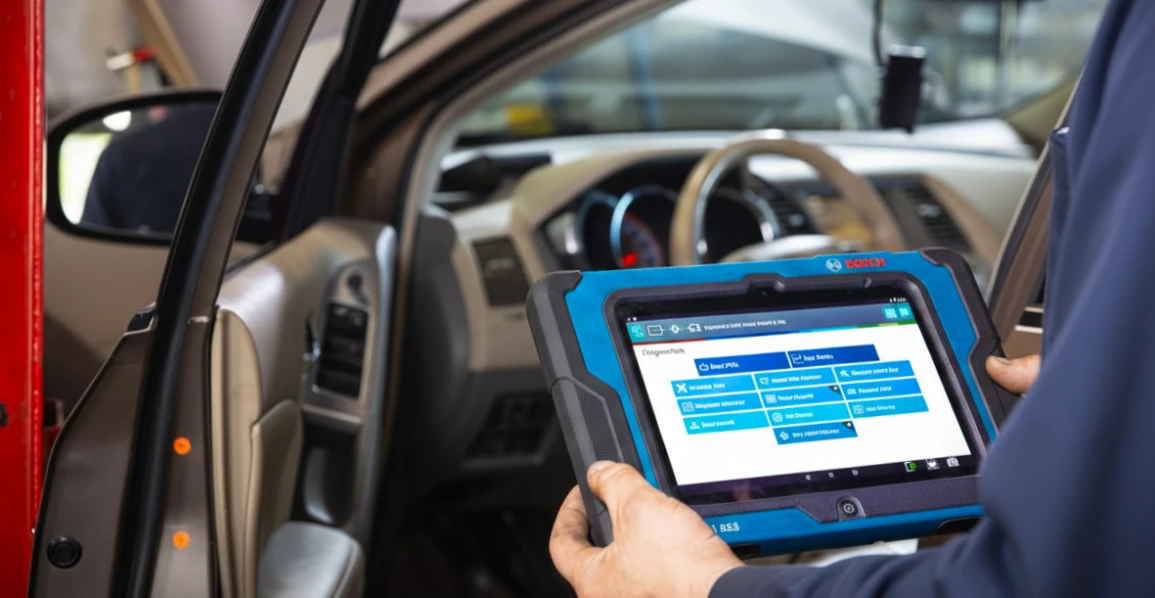
A yellow engine symbol illuminates on your dashboard. The first thought for many drivers is panic. "That's it, the engine's dead, I'm about to be stranded." The second, equally dangerous thought, is complete indifference. "It's on, so what? The car still drives." Both approaches lead to unnecessary expenses – either on a pointless diagnosis of a trivial issue or on a major repair that could have been avoided.
The Check Engine light isn't a death sentence; it's a message from your vehicle. The onboard computer has detected an abnormality and is requesting your attention. Ignoring it is like ignoring a toothache, hoping it will go away on its own. It won't; it will only lead to complications. Understanding the check engine light meaning is about responding to this signal in a timely manner, saving money, and extending the life of your car. In this article, we'll break down, step-by-step, what this signal means and how to act correctly.
How the Check Engine Light Works: Your Car's Language
The system responsible for this indicator is the On-Board Diagnostics system, or OBD-II in modern cars. Think of it as both a "black box" and a "doctor" for your engine. Dozens of sensors continuously monitor hundreds of parameters: exhaust gas composition, temperature, airflow, crankshaft position, and much more.
When one of these parameters goes outside the normal range set by the manufacturer, the system registers an error. A specific code (e.g., P0420) is stored in the control unit's memory, and that familiar engine sign on dashboard lights up.
It's crucial to understand the difference in the indicator's behavior:
- Solid Light: The system has detected a non-critical error. You can usually continue driving, but you shouldn't delay a visit to the mechanic.
- Flashing Light: A serious malfunction has been detected that could damage the engine or catalytic converter right now. For example, fuel is not combusting in one of the cylinders and is being dumped into the exhaust system, causing the catalytic converter to overheat to a red-hot state. A flashing Check Engine light is a command to immediately reduce speed, pull over safely, and shut off the engine if possible.
The Most Common Reasons for Illumination
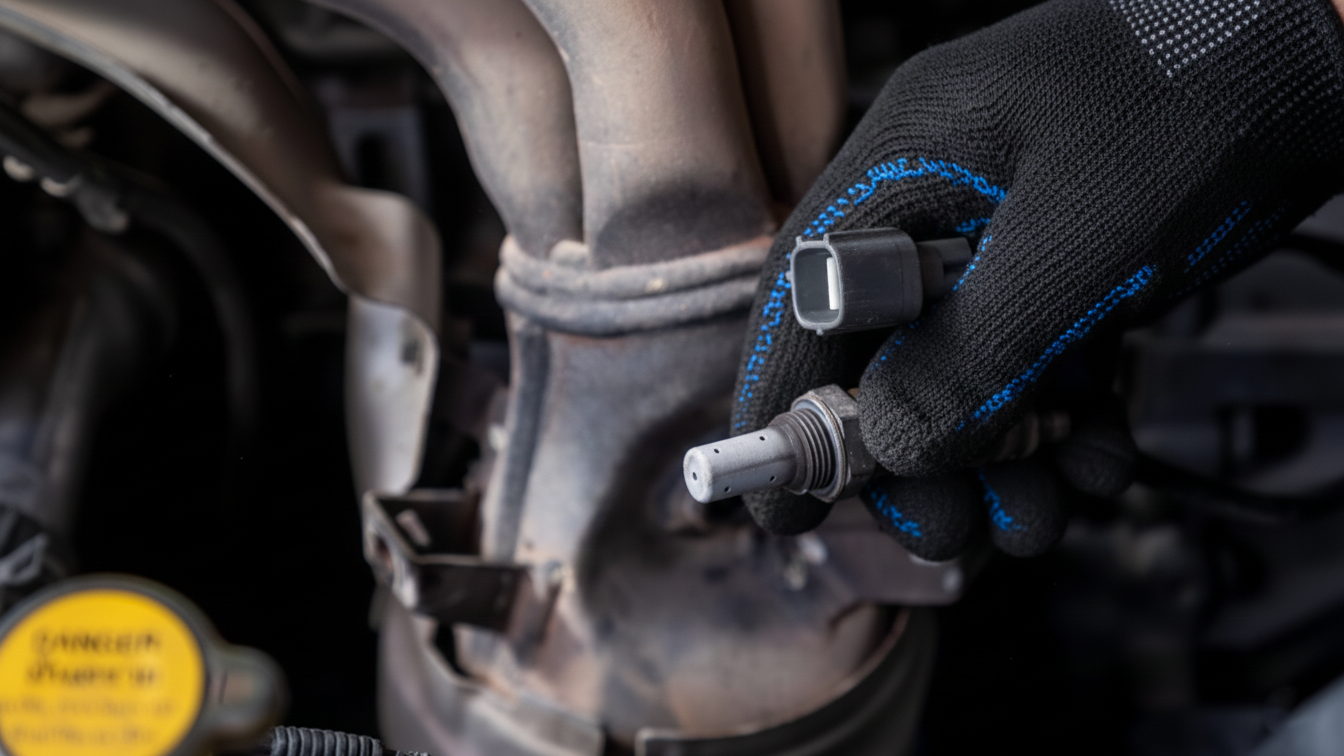
Despite its ominous appearance, the Check Engine light often illuminates for minor reasons. But the other half of the time, it signals serious problems. To understand why is my check engine light on, it helps to know the usual suspects.
- A Loose Gas Cap. The most harmless reason. The Evaporative Emission Control System (EVAP) detects a leak (a break in the seal) and signals it.
- A Faulty Oxygen (O2) Sensor. This sensor measures the amount of oxygen in the exhaust gases and helps the computer adjust the air-fuel mixture. Its failure leads to increased fuel consumption and can eventually destroy the catalytic converter.
- Ignition System Problems (Spark Plugs, Coils, Wires). Worn spark plugs or a failing ignition coil can cause misfires. Fuel doesn't burn in the cylinder, leading to a loss of power, increased fuel consumption, and raw fuel being sent into the catalytic converter.
- A Failing Catalytic Converter. The catalytic converter is an expensive component responsible for cleaning exhaust gases. Its failure is often a consequence of other problems (like ignition or O2 sensor issues) that were ignored for too long.
- A Faulty Mass Airflow (MAF) Sensor. This sensor tells the computer how much air is entering the engine. This data is used to calculate how much fuel to inject. Incorrect readings lead to poor air-fuel mixture control.
- Fuel System Issues. A failing fuel pump, clogged injectors, or a bad fuel pressure regulator can also trigger the light.
Common Faults Chart
Cause | Possible Symptoms | Severity Level |
Loose Gas Cap | None, other than the light itself. | Low |
Faulty Oxygen Sensor | Increased fuel consumption, unstable idle. | Medium |
Worn Spark Plugs / Ignition Coils | Engine misfires ("stuttering"), loss of power, jerking during acceleration. | High |
Failing Catalytic Converter | Difficulty starting, severe loss of power, rotten egg smell. | High |
Faulty Mass Airflow Sensor | Unstable idle, poor acceleration, black smoke from the exhaust. | Medium |
What to Do Immediately When the Light Appears
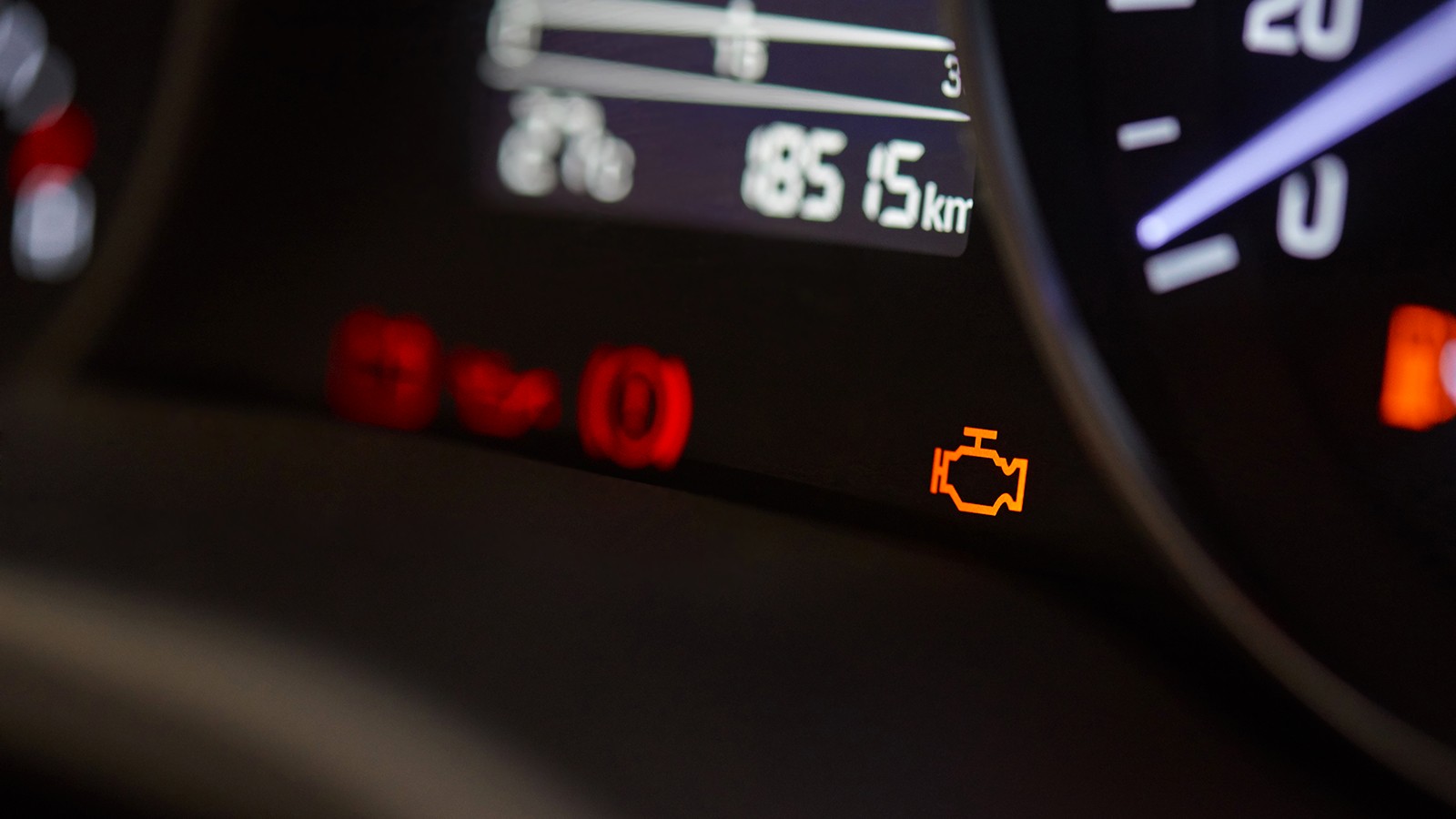
So, you've seen the illuminated symbol. Don't panic. Follow this simple action plan.
- Check the Gas Cap. Pull over to a safe spot and turn off the engine. Unscrew the cap and then screw it back on until you hear it click several times. Sometimes the error will clear itself after a few trips.
- Analyze the Car's Behavior. Pay attention to any changes. Are there any strange noises (knocking, grinding)? Do you feel any vibrations? Has the power dropped? Is there smoke from the exhaust?
- Note How the Light is Behaving. If it's a solid light and the car is driving normally, you can carefully continue to your destination or a service center. If the car engine light is flashing, stop immediately and safely.
This initial assessment will help you understand the seriousness of the situation and accurately describe the symptoms to a mechanic.
DIY Diagnostics: Your Personal Car Doctor
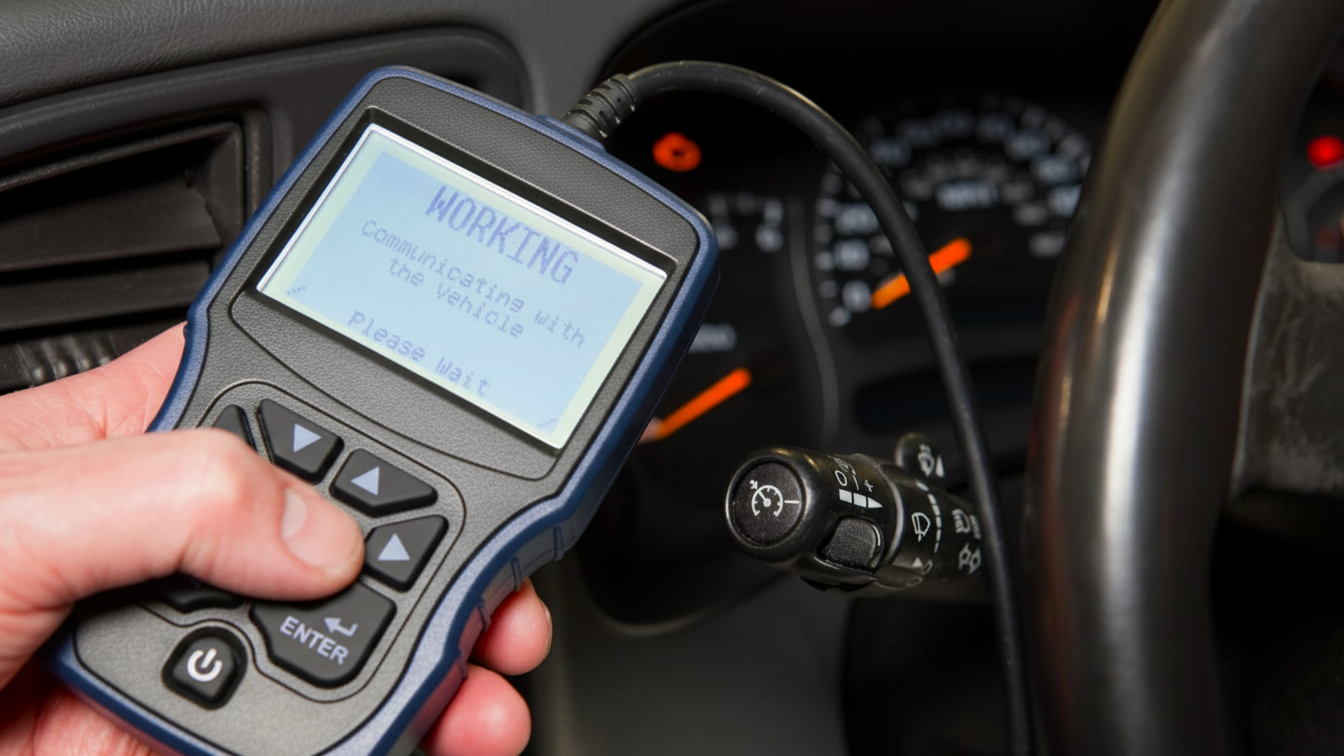
You don't have to rush to a service center and pay for a diagnostic check every time the light comes on. You can read the error code yourself with an inexpensive OBD-II scanner.
- What is an OBD-II scanner? A compact device that plugs into the diagnostic port (usually located under the steering column). The scanner connects to your smartphone via Bluetooth or Wi-Fi.
- How does it work? A dedicated app on your phone (e.g., Torque, Car Scanner ELM OBD2) reads the error code from the car's control unit.
- What can you learn? The app will show you the code itself (e.g., P0301 – Misfire Detected in Cylinder 1) and provide a description. You will immediately have an idea of what the problem might be.
When is it okay to clear the error yourself?
If you tightened the gas cap and the error code points to the EVAP system, you can clear the code and see if it returns. However, if the code indicates a serious problem (misfires, catalytic converter), clearing it is pointless. You'll only turn off the light temporarily without fixing the underlying issue.
When You Need to See a Mechanic Immediately
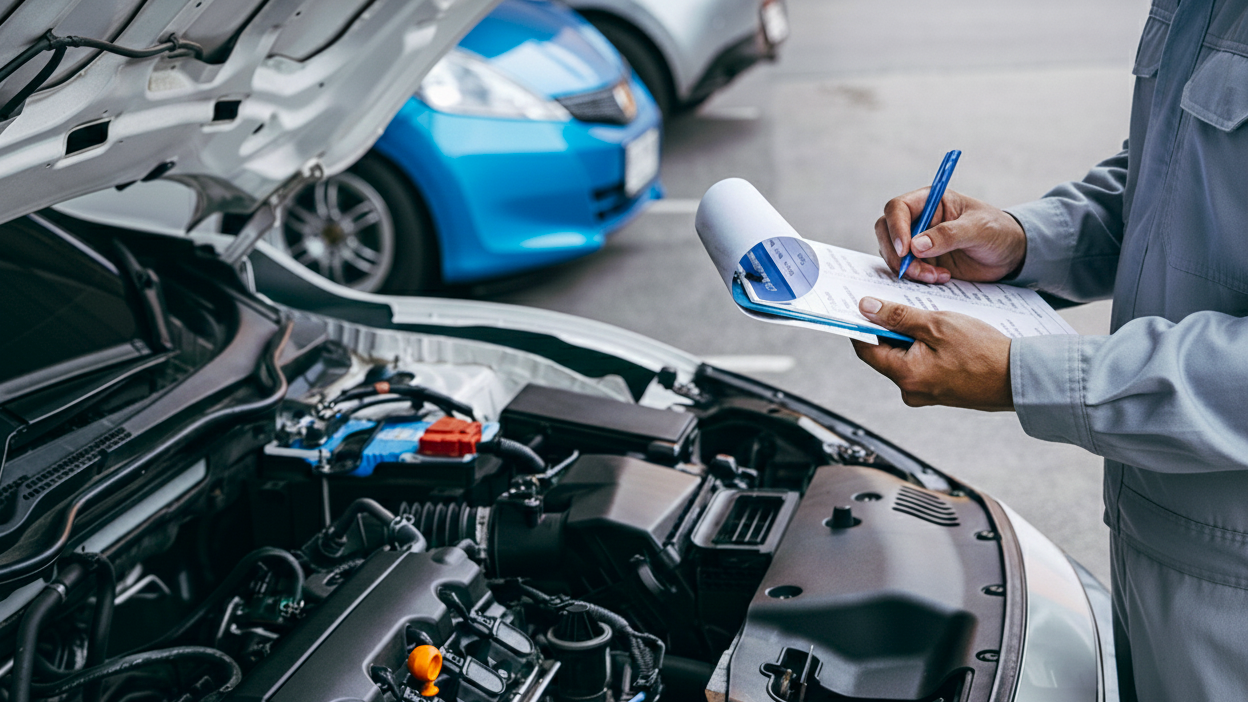
There are several symptoms that mean you cannot delay a visit to a professional. Any hesitation could lead to catastrophic engine damage.
A list of alarming signs:
- The light is flashing.
- The light is solid, but you feel strong vibrations, or the engine is running rough (misfiring).
- A sudden and severe loss of power; the car struggles to accelerate.
- Smoke is coming from the exhaust pipe (black, white, or blue).
- You can clearly smell gasoline or something burning in the cabin.
- You hear unusual metallic noises from under the hood.
- Other red warning lights (oil pressure, engine temperature) come on at the same time.
Can You Drive with the Light On?
Drivers often wonder: if the car drives normally, maybe I can just ignore it? The answer is you shouldn't. Even if there are no obvious symptoms, ignoring the signal is dangerous.
- When is it temporarily okay to drive? If you are certain the cause is the gas cap or a minor sensor glitch (and the car's behavior hasn't changed), you can drive to a service center.
- What are the risks of ignoring it? A small problem will eventually grow into a major one. For example, a faulty $100 oxygen sensor will, over time, destroy a $1,000+ catalytic converter. Misfires damage not only the catalytic converter but the engine itself.
- Impact on fuel economy and the environment. Even with "harmless" errors, the car will consume more fuel, and its emissions will become much more toxic.
Prevention Tips
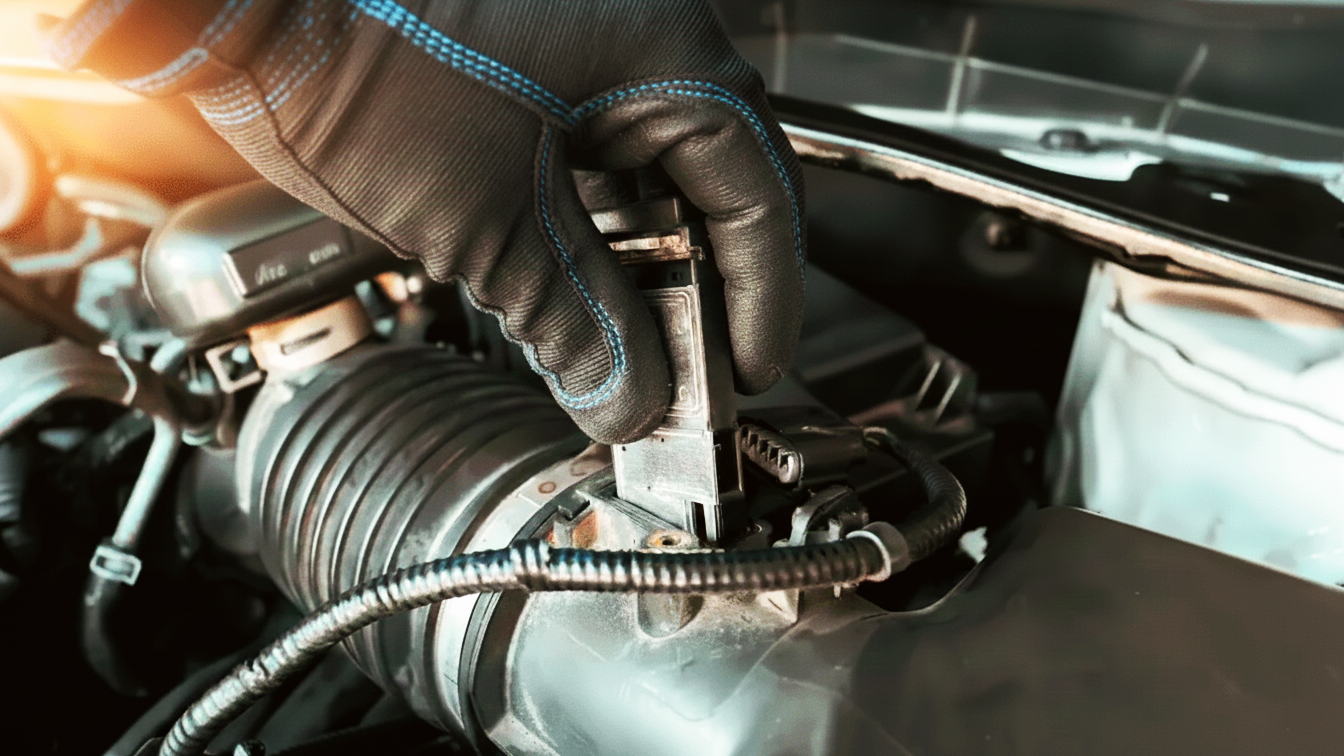
The best way to deal with the Check Engine light is to prevent it from coming on in the first place. Simple preventive measures will help keep your car healthy.
- Follow the regular maintenance schedule. Timely replacement of oil, filters, and spark plugs is fundamental to a long engine life.
- Use high-quality fuel. Only refuel at reputable gas stations. Bad gasoline can quickly kill spark plugs, oxygen sensors, and the catalytic converter.
- Periodically inspect the engine bay. Check the condition of wires and hoses. Sometimes, rodents can chew through a sensor wire, which is one of the unexpected reasons why would my check engine light come on.
Conclusion: Forewarned is Forearmed
The appearance of the Check Engine light is not a reason to panic, but a signal to act. Now that you know how the diagnostic system works and what the most common faults are, you can assess the situation calmly. An initial check, analysis of symptoms, and DIY code reading will help you save time and money.
The main takeaway is simple: do not ignore your car's warnings. A timely reaction to an illuminated light is the best way to avoid expensive repairs in the future. Keep an inexpensive OBD-II scanner in your glove box, and you'll always be ready for a dialogue with your car.

