



What to Do After a Car Accident: Step-by-Step Guide
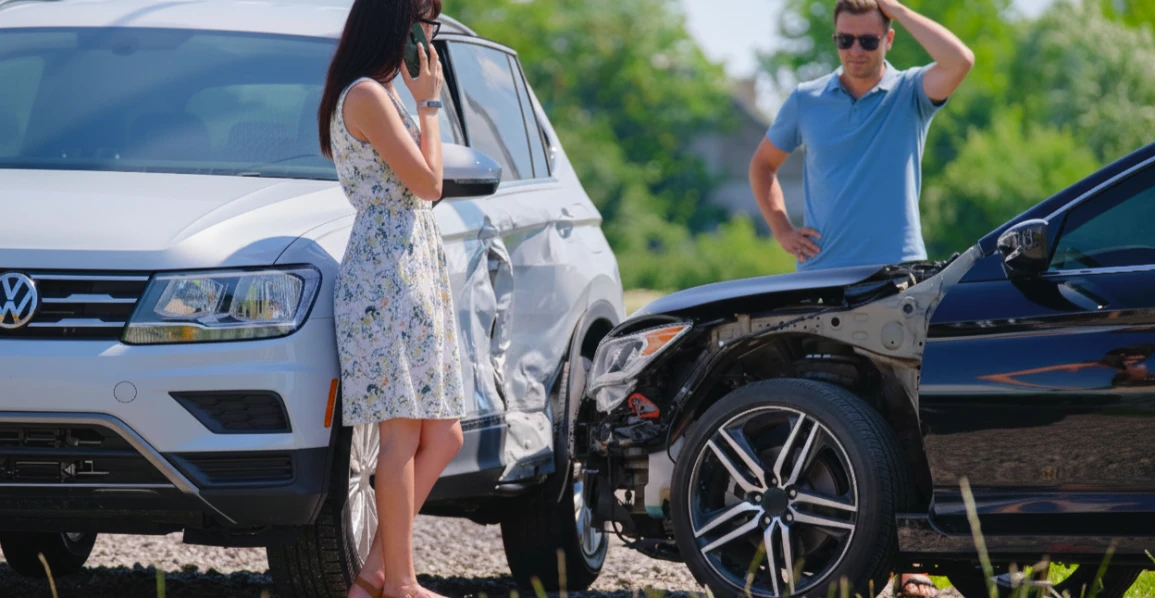
A car accident is always chaotic, stressful, and confusing. In those first few seconds, your brain struggles to think logically: who do you call, what should you photograph, how do you talk to the other driver? This is the moment when people make mistakes that cost them time, money, and peace of mind. They panic, call friends instead of emergency services, forget to document the damage, or worse, sign documents without reading them.
This article is your clear action plan for an emergency. We offer a proven algorithm to help you stay calm, protect your rights, and minimize the negative consequences. We will break down every step, from the first moments at the scene to dealing with your insurance company and navigating legal details. Read it, save it, and share it with your loved ones—this knowledge is invaluable. Knowing what to do in a car accident means taking control of the situation, not becoming its victim.
The First Minutes After a Crash: Stay Calm and Assess the Situation
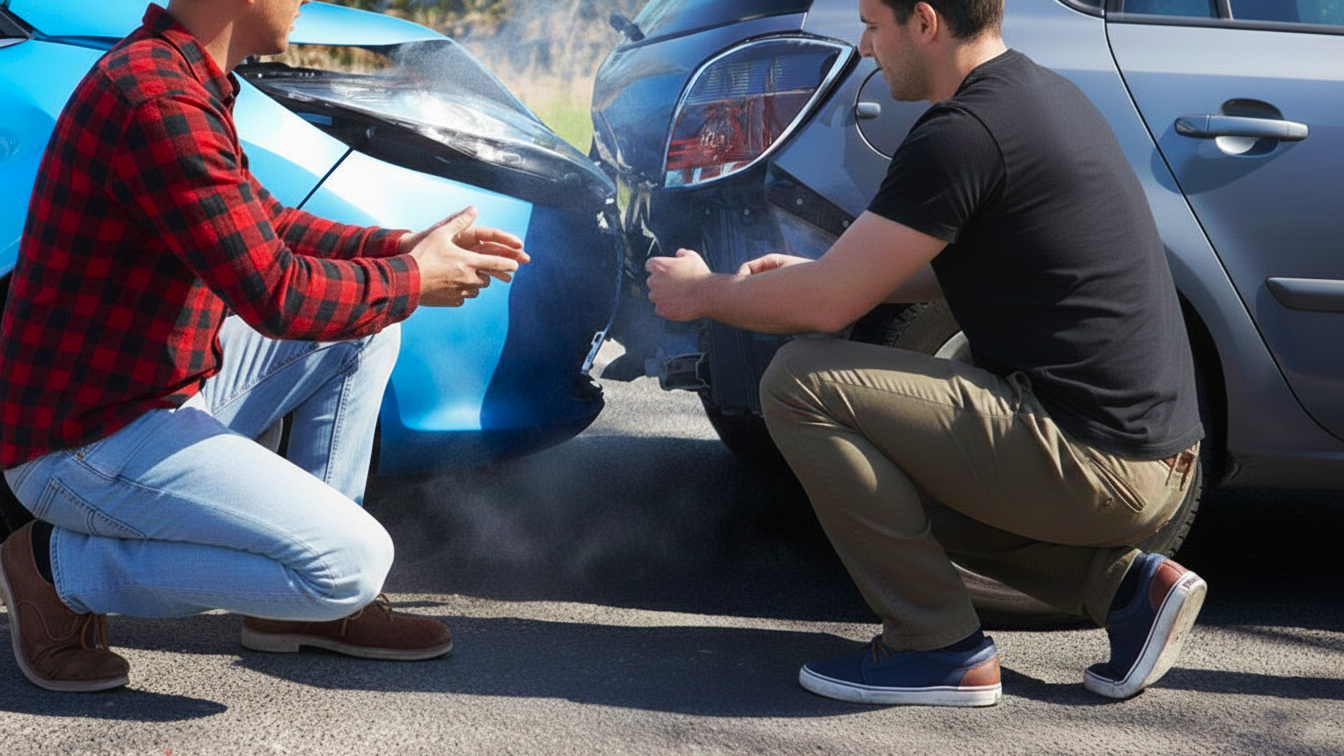
Your biggest enemy in the first few minutes is panic. It forces you to act impulsively and incorrectly. So, the very first thing to do is to stop. Turn off the engine, take a deep breath, and exhale. Your goal is to regain your ability to think rationally.
- Check for Injuries. Start with yourself. Look yourself over, move your arms and legs. Adrenaline can mask pain, so don't be quick to assume you're fine. Next, immediately check on the passengers in your vehicle. Ask if everyone is okay and if anyone is experiencing pain or dizziness.
- Assess Other Parties Involved. If you can safely exit your vehicle, approach the other car(s) and ensure the driver and passengers are conscious and do not require immediate medical assistance.
- Call for an Ambulance Immediately (112) if Anyone is Injured. Do this even if the injuries seem minor. In Cyprus, as in all of the EU, 112 is the universal emergency number for ambulance, police, and fire services. Give the dispatcher your precise location, the number of injured people, and the nature of their injuries if you can assess it. Health is the absolute priority.
- Secure the Accident Scene. Turn on your hazard lights. Take out and place your warning triangle on the road. This isn't just a formality; it's crucial for your safety and the safety of other drivers.
Ensuring Safety at the Scene: Protect Yourself and Others
Once you've confirmed that emergency help is on the way (if needed), your next task is to make the accident scene as safe as possible. Skipping this step can lead to secondary accidents, which are often more severe than the initial one.
- How to correctly place a warning triangle: In Cyprus, you are required to place the triangle a safe distance behind your vehicle to give oncoming traffic enough time to react. As a general rule, place it at least 30-50 meters away. If the accident is on a blind corner or the crest of a hill, place the triangle before the bend to warn drivers in advance.
- Should you move the vehicles? This is a critical question, and the answer depends on the circumstances.
Situation | Action |
There are injuries | Do NOT move the vehicles or any related debris under any circumstances. |
No injuries, but disagreement on fault | Do NOT move the vehicles until the police arrive or after you have thoroughly documented the scene with photos and videos. |
No injuries, no disagreements, minor damage | You should move the vehicles to a safe location to clear traffic, but only after taking detailed photos of their original positions. |
If the accident occurred on a busy motorway and you cannot safely exit your vehicle, remain inside with your seatbelt fastened. At night, turn on your interior lights to make your car more visible.
Calling the Right Services: Who to Call and When
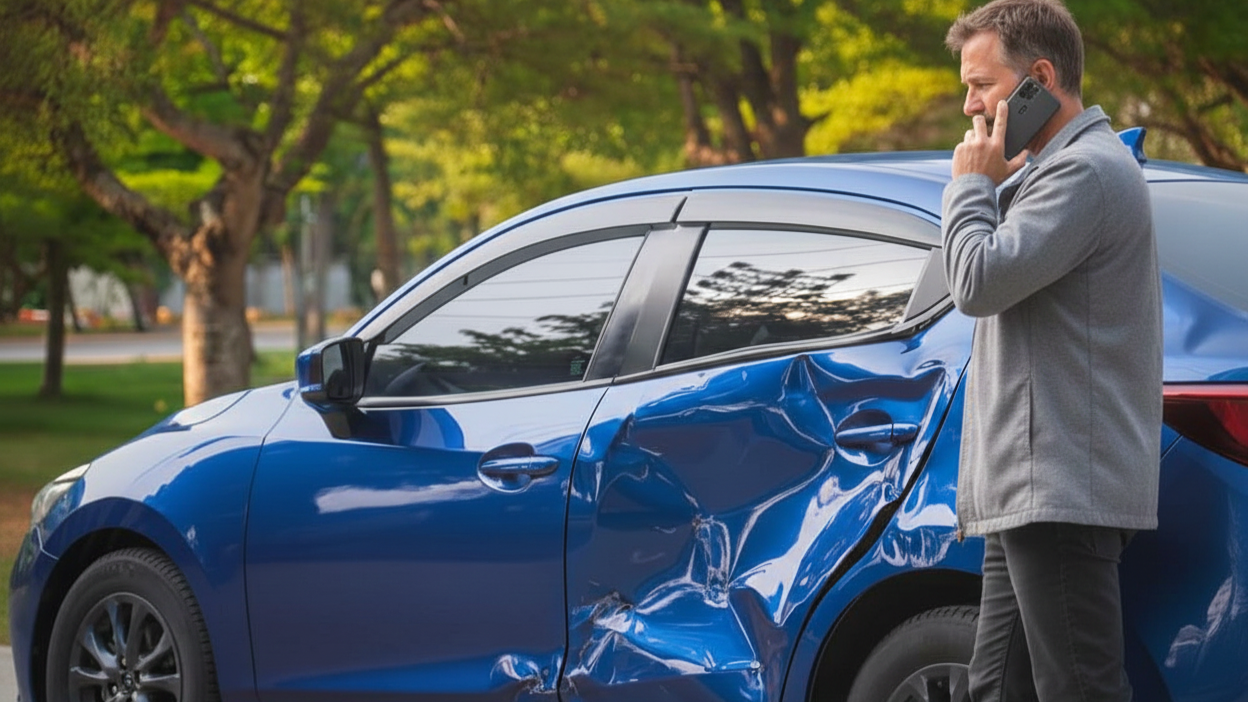
The sequence for calling services is simple and logical. The key is to act based on the situation, not to call everyone at once.
- Ambulance (112): Call first if there is even the slightest suspicion of injury to anyone involved.
- Police (112): A call to the police is mandatory if:
- Anyone has been injured.
- The parties involved cannot agree on who is at fault.
- One of the drivers has left the scene.
- There is damage to public property (e.g., a lamp post, barrier, or sign).
- One of the drivers does not have a valid insurance policy.
- Your Insurance Company: You can call your insurance provider (especially if it's a rental car) right after contacting emergency services. Their hotline operator will provide initial instructions and log the incident.
When speaking to a dispatcher, be prepared to state clearly and concisely:
- Your exact location: City, street, nearest landmark, or road number.
- Number of vehicles involved.
- Whether there are injuries: Yes or no, how many, and their apparent condition.
- A brief description of the circumstances (e.g., "a collision at an intersection").
- Any immediate hazards, such as a fuel leak.
Documents and Evidence: Building Your Case
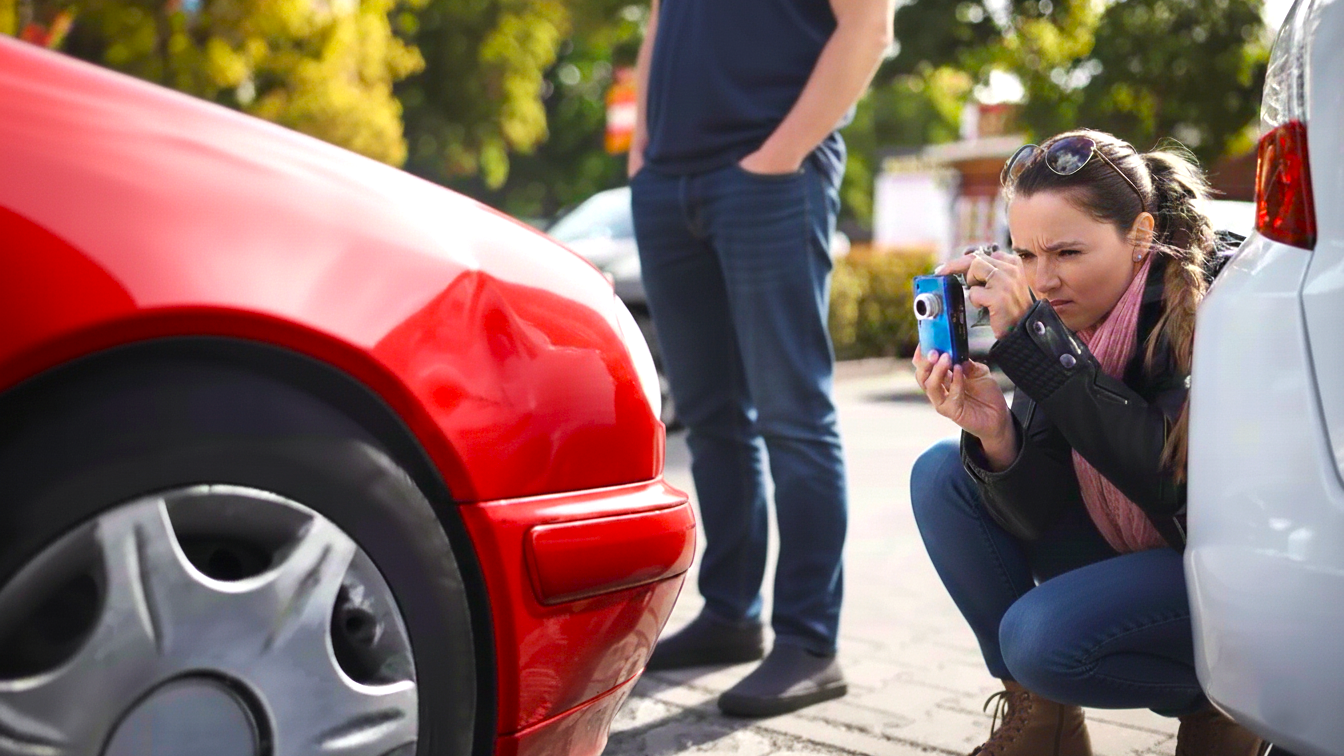
Once the scene is safe, it's time to gather evidence. The quality of your documentation will directly impact the police report and your insurance claim. Your smartphone is your most important tool. When you are unsure what to do when you get in a car accident, start taking pictures.
What to capture in photos and videos:
- The Big Picture: take several photos from different angles (all four corners) showing the final positions of the vehicles in relation to each other and the road. Make sure to include road signs, traffic lights, and lane markings in the frame.
- Road Evidence: document any skid marks, broken glass, or debris on the road.
- The Damage: take close-up shots of all damage to every vehicle involved—not just your car, but the other party's as well.
- License Plates: capture clear images of the license plates of all vehicles.
- Road and Weather Conditions: if the road is wet, icy, or in poor condition, document this.
Gathering Information
Politely approach the other driver(s) and exchange details. You will need to see:
- driver’s License (Full Name, license number);
- vehicle Registration Document;
- insurance Certificate (Policy number, name of the insurer);
- contact phone number.
The easiest and most accurate method is to take photos of these documents.
Witnesses
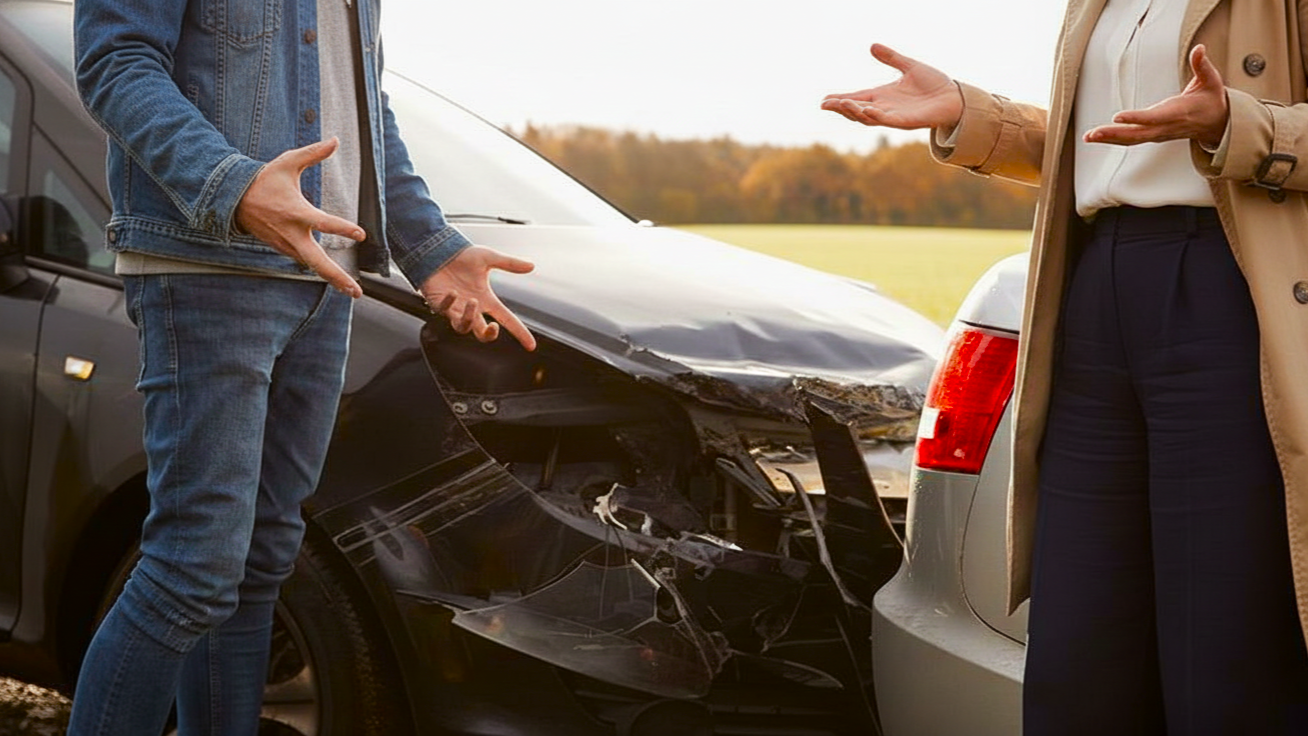
If other drivers or pedestrians saw the accident, ask them if they would be willing to be a witness. A polite approach works best: "Excuse me, did you see the collision? Your account could be very helpful. Would you be willing to provide your contact details?". Get their full name and phone number.
Interacting with the Police: Stay Calm and Pay Attention
The arrival of the police is a key step in formally documenting the accident. Your behaviour and attention to detail will influence the official report.
- Be calm and polite. Do not shout or blame others. Answer the officer's questions based on facts, not emotions.
- Read all documents carefully before signing. Pay close attention to the accident diagram. Is the position of the cars correct? Are road markings and signs accurately represented? If you see any mistakes, politely point them out to the officer.
- If you disagree with the report, do not refuse to sign it. Instead, write your objection in the space provided for explanations, such as: "I do not agree with the report. The diagram is inaccurate (state why). I wish to seek legal advice."
- Avoid vague language. Don't use phrases like "I didn't see him," "He came out of nowhere," or "I guess it was my fault." State the facts: "I was travelling in my lane at 60 km/h when the other vehicle pulled out from the side road."
Notifying Your Insurance Company: Follow the Rules
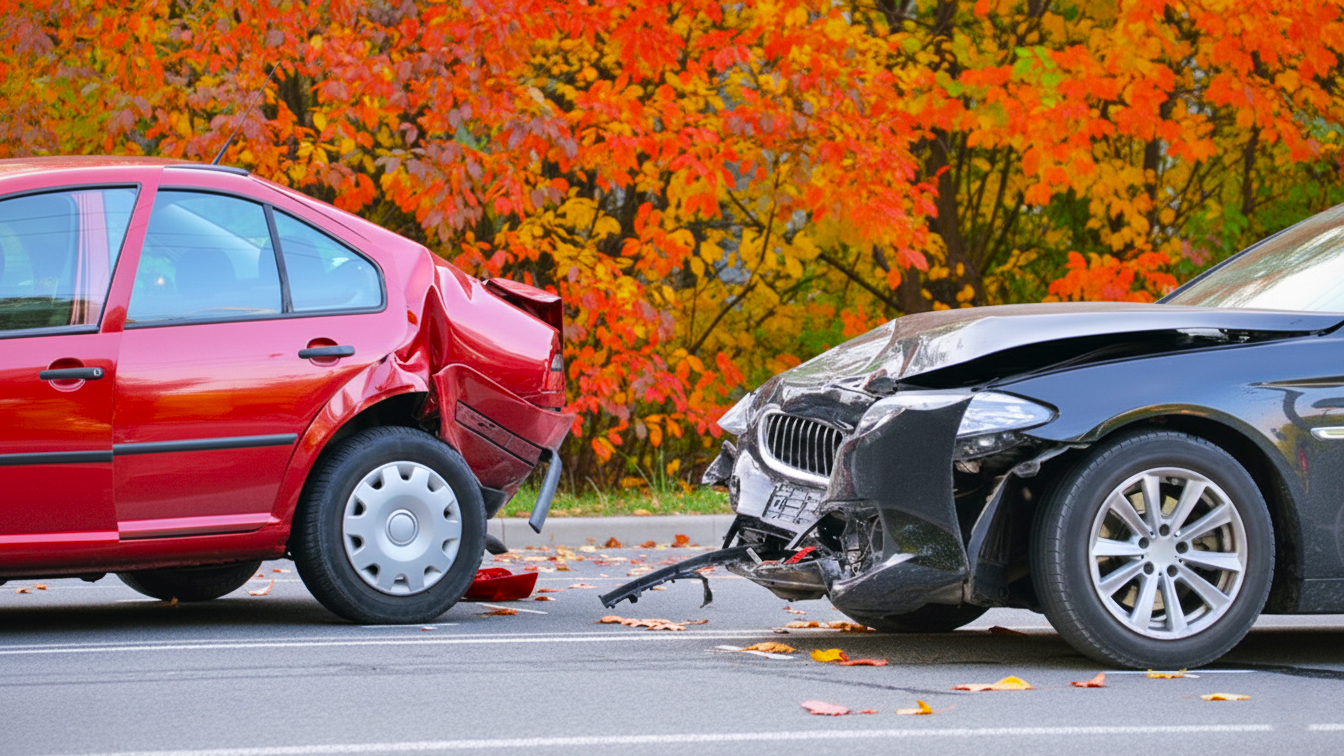
After the police have finished, the next stage is dealing with your car accident insurance provider. Timeliness and accuracy are essential.
- Deadlines for Filing a Claim: you must notify your insurance company as soon as is reasonably possible. Your specific policy will state the exact timeframe, so check your documents or call them to confirm. Missing this deadline could jeopardize your claim.
- Required Documents: typically, your insurer will require:
- a completed claim form;
- your ID or passport;
- vehicle registration documents;
- your driver’s license;
- a copy of the police report or accident statement.
- Communication Tips: keep a record of all interactions with your insurance company. Note the date, time, and name of the person you spoke with. When submitting documents, ask for a confirmation of receipt. The more complete and organized your information is, the smoother the claims process will be.
Medical Follow-Up: Don't Ignore Hidden Dangers
Even if you feel fine after an accident, it's wise to get a medical check-up. Adrenaline is a powerful painkiller, and symptoms of serious injuries can appear hours or even days later.
- Why see a doctor? Injuries like concussions, whiplash (neck injury), or internal bruising often don't present immediate, obvious symptoms.
- A medical report is your proof. Visit a local clinic or hospital and explain that you've been in a car accident. A doctor will examine you and document any injuries or complaints. This report becomes an official document you can submit to your insurance company for compensation for medical expenses.
Legal Aspects: When to Hire a Professional
For most minor accidents, a lawyer isn't necessary. However, there are situations where professional legal help is essential.
- When should you consult a lawyer?
- If there are serious injuries or fatalities.
- If you are being unfairly blamed for the accident.
- If your insurance company is denying your claim or offering a very low settlement.
- If the other driver was uninsured or fled the scene.
- If you're unsure, many law firms offer an initial consultation to discuss your case and help you decide what to do with your car after an accident from a legal standpoint.
Psychological Recovery: Getting Back Behind the Wheel
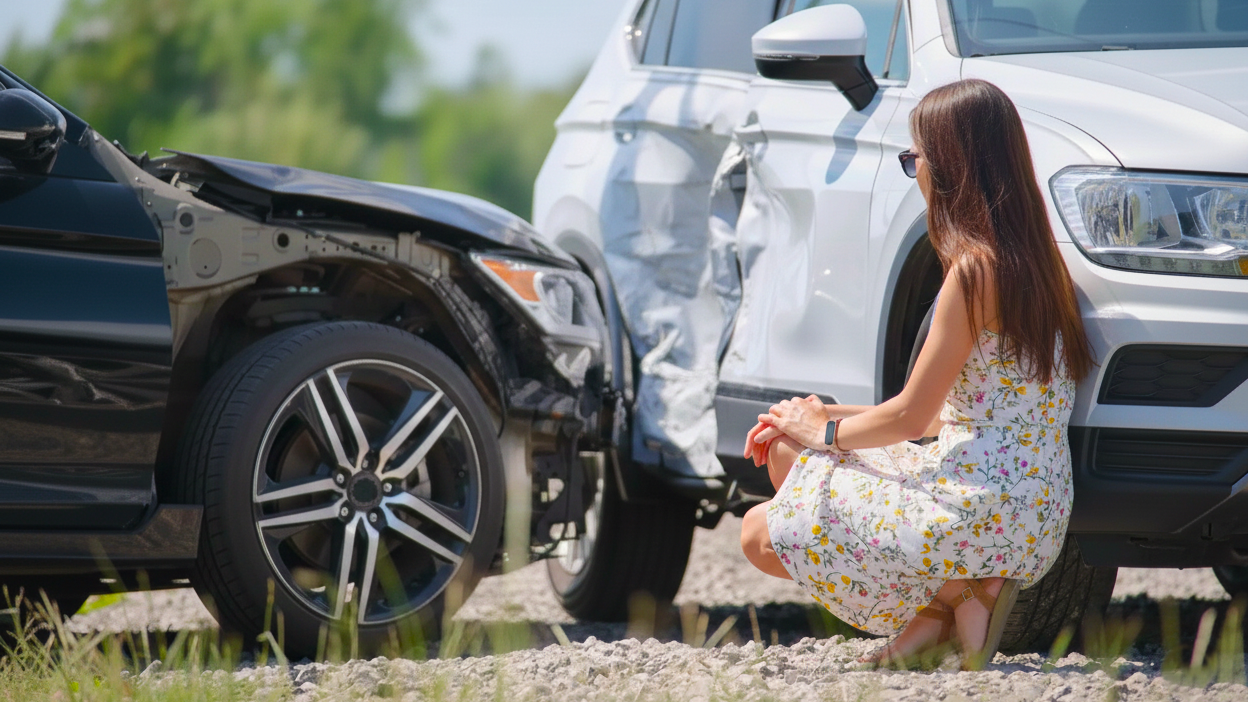
An accident can be a significant psychological blow. Fear, anxiety, and recurring thoughts about the crash are normal reactions to a traumatic event.
- What's normal, and what's not? Feeling stressed after an accident is expected. However, if the anxiety persists for months, disrupts your sleep or work, or prevents you from driving, it's a good idea to speak with a mental health professional.
- How to return to driving: don't force yourself into a high-stress situation right away. Start with short, familiar drives on quiet roads. Ask a friend or family member to ride with you for support. If the fear remains, consider a few sessions with a driving instructor to rebuild your confidence.
Tips for the Future: Be Prepared
The best way to minimize the consequences of an accident is to be prepared for one.
- Emergency Kit: keep a folder in your glove compartment with copies of your documents, a European Accident Statement form, a pen, and a notepad. Ensure your first-aid kit and fire extinguisher are accessible and up-to-date.
- Dashcam: a dashboard camera is your impartial witness that can definitively prove your innocence in a disputed incident. The investment pays for itself after a single event.
- Phone: always keep your phone charged in the car.
Conclusion: Your Action Plan
No one is immune to accidents, but everyone can be prepared. The key is to remember the algorithm that will guide you through the ordeal with minimal loss: Safety, Documentation, and Reporting. Your calm and methodical approach is the best antidote to chaos.
We hope this guide has clarified what to do in a car crash. Bookmark this article or share it with people you care about. May you never need it, but in driving, knowledge is power and confidence.

