



What to Do If Your Car Overheats
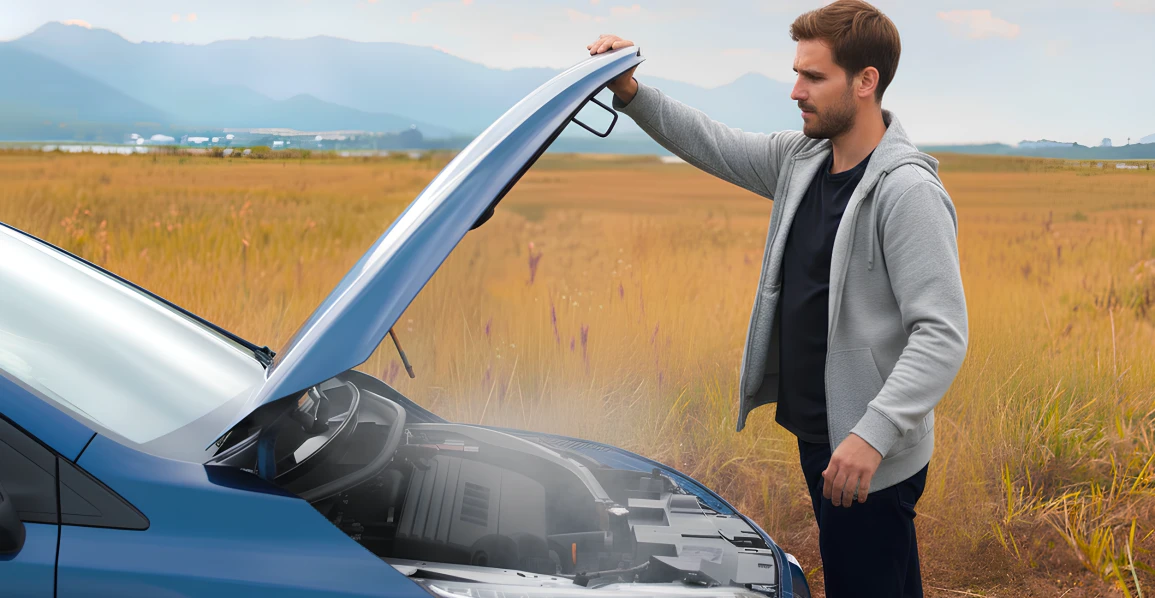
Engine overheating is one of the most serious and common problems car owners face, regardless of the season. A significant rise in the engine's temperature can lead to cylinder head deformation, gasket failure, and even complete motor seizure, requiring complex and costly repairs.
Why is overheating a common issue in both summer and winter? In summer, the problem is obvious: high air temperature and a working air conditioner create an increased thermal load. In winter, why is my car overheating can be due to a thermostat stuck in the closed position or the use of poor-quality antifreeze, which can freeze and block circulation.
The main warning signs include a temperature spike, smoke from under the hood, and a burning smell. The key indicator is a sharp rise in the temperature gauge on the dashboard. Further warning signals are thick white steam or smoke from under the hood and a sweet smell of antifreeze or the odor of burning rubber/plastic. Quick and correct action is the guarantee of safety and the prevention of expensive repairs. Ignoring the overheating signal can lead to irreversible engine damage in just a few minutes. Immediate stopping and adherence to safety procedures are actions that will save the power unit from a major overhaul.
Reasons Why a Car Overheats
Understanding the reason why a car overheats is the first step toward effective prevention and repair.
Low Coolant Level
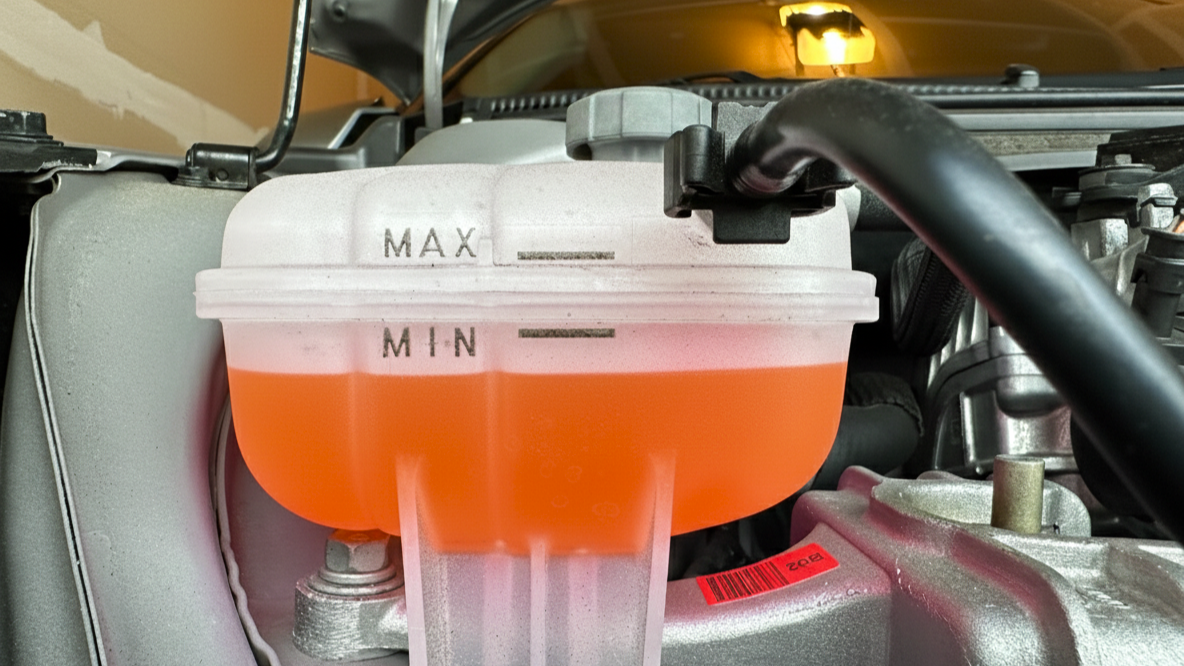
A reduced volume of antifreeze is the most common cause. Coolant can leak due to damaged hoses, a cracked radiator, or faulty gaskets. Additionally, antifreeze can gradually evaporate. An insufficient fluid level means the system cannot effectively draw excess heat away from the hot components, leading to overheating. Regular checks of the level in the expansion tank are mandatory.
Radiator or Thermostat Failure
The radiator may stop working due to external blockage (dirt, debris, insects) which prevents air flow, or internal clogging from deposits, which impairs heat exchange. The thermostat regulates the flow of antifreeze. If it sticks shut, the fluid cannot enter the radiator, and the engine rapidly overheats.
Cooling System Contamination (Dirt, Scale, Deposits)
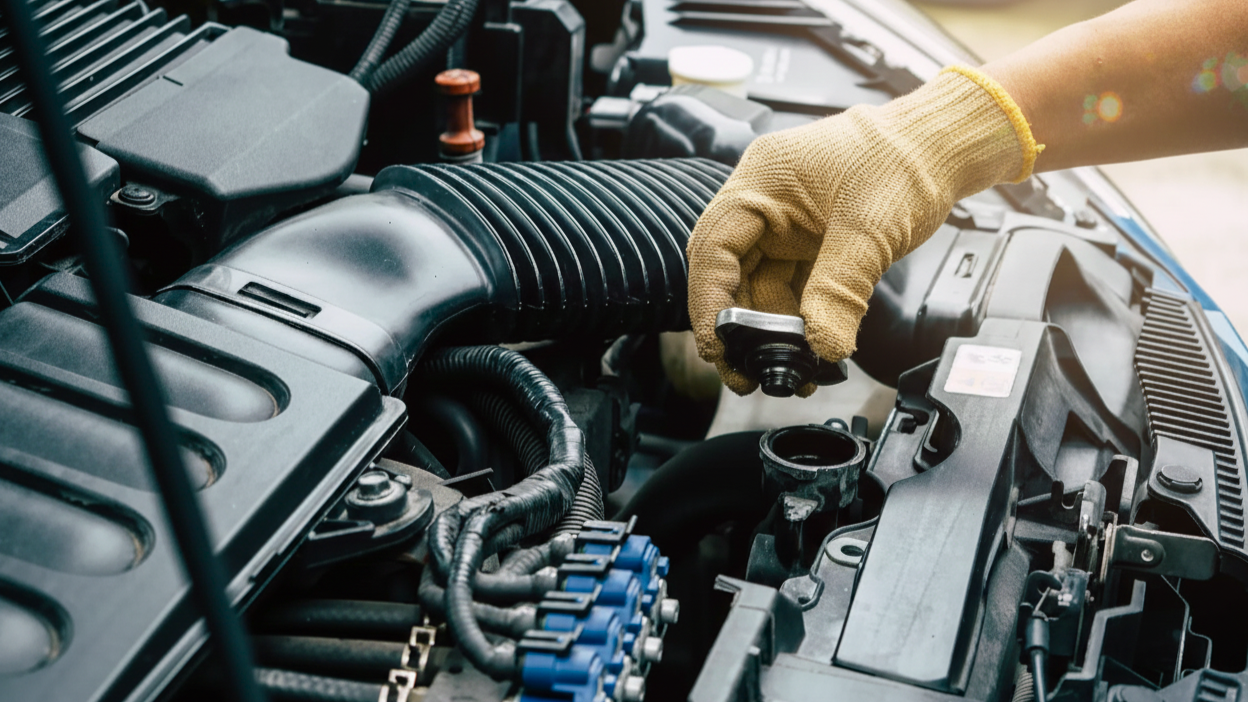
External contamination is dirt between the radiator fins. Internal contamination is caused by low-quality antifreeze or the use of water, leading to the formation of scale and corrosion inside the hoses and radiator channels. This hinders circulation and heat dissipation.
Water Pump or Drive Belt Issues
The water pump ensures the forced circulation of antifreeze. if the pump fails (due to broken vanes or worn bearings), fluid circulation stops, instantly causing the engine to boil over. Damage or breakage of the drive belt (including the timing belt) that runs the pump also halts cooling.
Extreme Weather Conditions and Engine Overload
Prolonged idling in city traffic in high heat or driving with a heavy load (towing, uphill) creates an increased thermal load. Under these conditions, the engine generates more heat than the system can dissipate.
How to Tell If the Engine Is Overheating
- Dashboard Indicators: The very first sign is the temperature needle moving into the red zone or the red thermometer warning light illuminating. This signifies an excessive temperature, demanding an immediate stop.
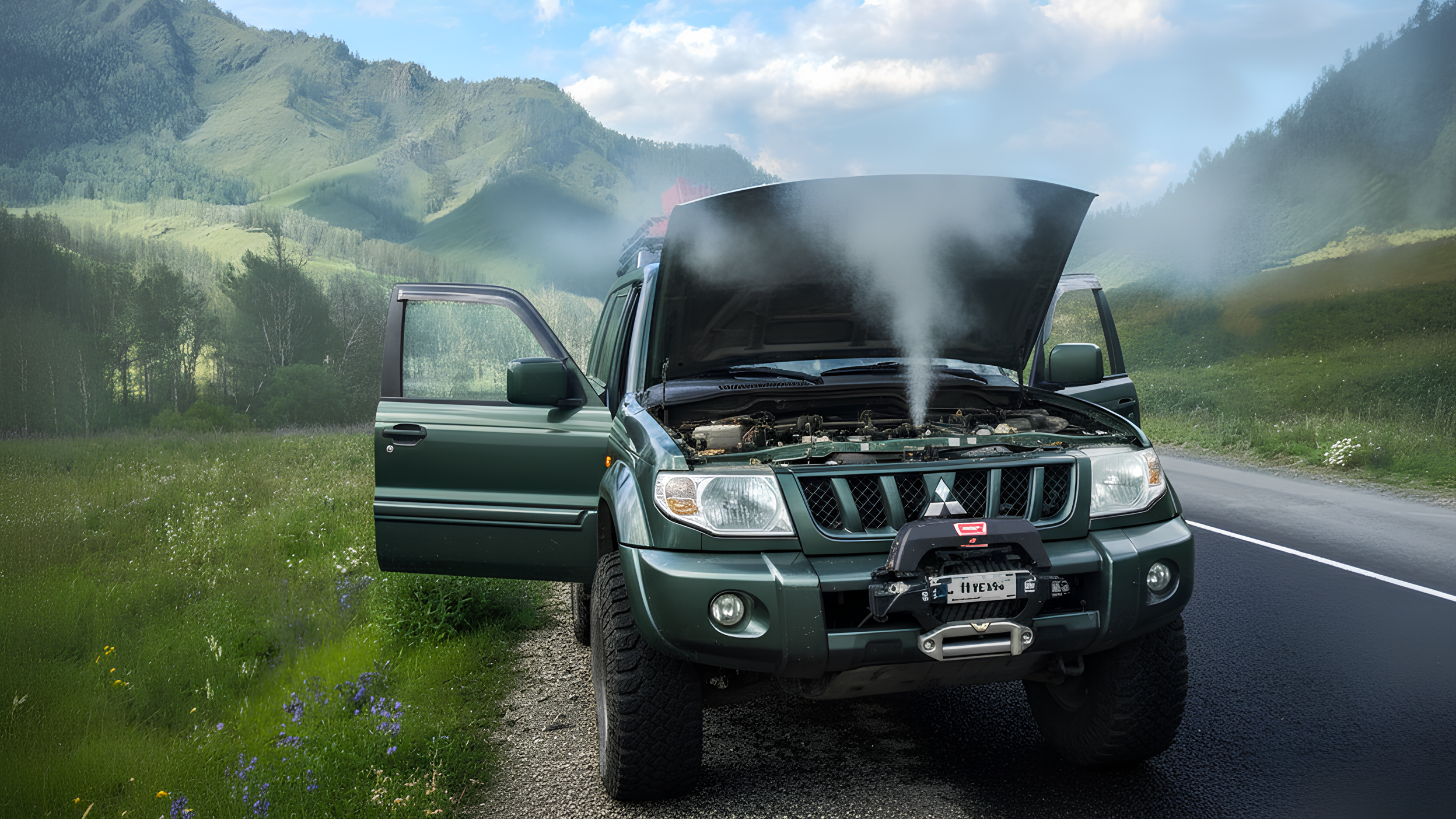
- Steam or Smoke Under the Hood: The appearance of thick white steam or smoke indicates that the antifreeze has boiled and escaped under pressure. This is a primary sign of severe overheating and requires you to stop and switch off the motor immediately.
- Unusual Smells (Burning Rubber or Antifreeze): A sweet, pungent smell of antifreeze in the cabin indicates a leak and its evaporation on hot parts. The smell of burning rubber may signal a slipping drive belt or melting insulation.
- Loss of Engine Power or Strange Noises: An overheating engine may run erratically, "miss," or jerk. A sharp drop in power may be observed. Unusual sounds—knocking, metallic ringing, or severe vibration—are caused by detonation in the cylinders or component deformation.
Immediate Actions: Car Overheating What To Do
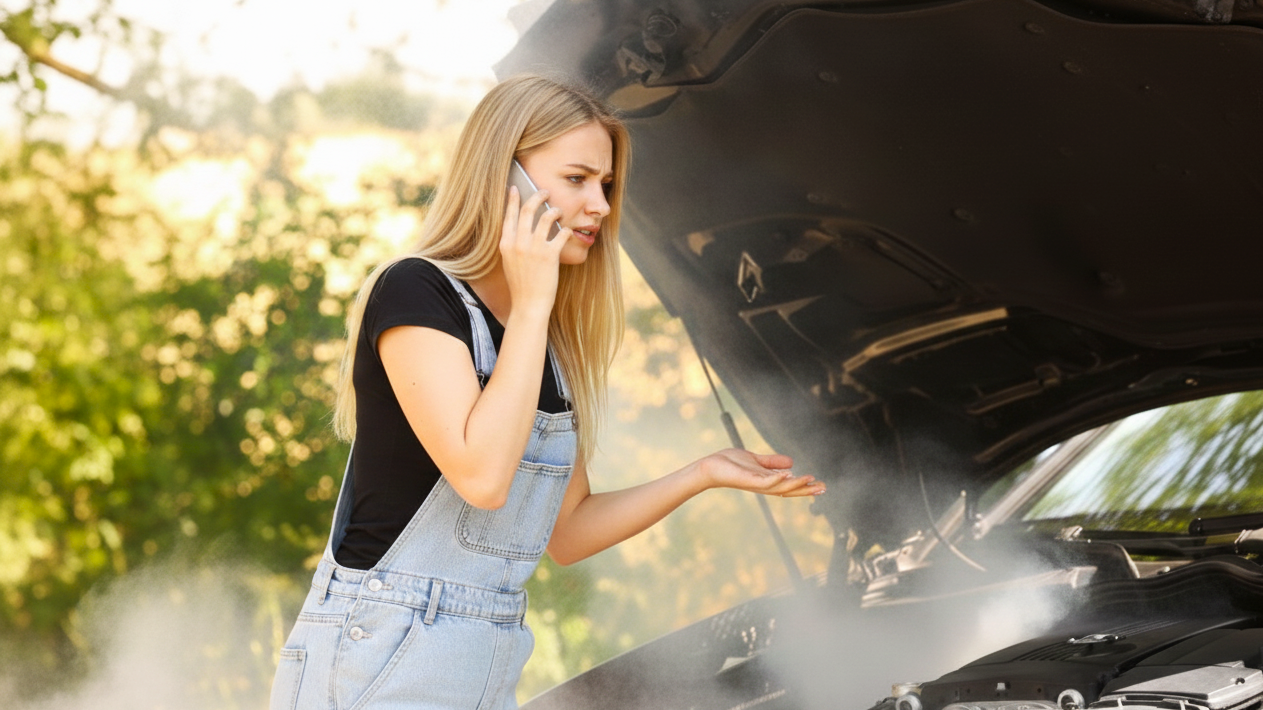
Knowing car overheating what to do immediately is crucial for minimizing damage.
- Stop and Turn Off the Engine: You must immediately and safely pull over, turn on your hazard lights, and switch off the engine to halt the heating process.
- Do NOT Open the Hood Immediately: The cooling system is under high pressure. Attempting to open the cap or even the hood immediately can result in a dangerous expulsion of superheated steam and antifreeze, causing severe burns. Wait 10–20 minutes until the pressure and temperature drop.
- Check and Refill Coolant (Only After Cooling): Only after the engine has cooled down, cautiously open the hood and check the level. Do not unscrew the cap on a hot engine. If the level is low, slowly top up with antifreeze (or water, as a last-resort measure). Adding cold fluid to a hot engine can cause thermal shock.
- Turn on the Heater to Maximum: Switching the cabin heater to maximum heat and fan speed forces the heater core to act as an auxiliary radiator, drawing some heat away from the engine. This can provide a few minutes to pull over safely.
- Call for Roadside Assistance: If the engine continues to heat up rapidly after refilling the fluid, or if a major leak is found, do not attempt to continue driving. Call a tow truck or technical assistance service to avoid a major overhaul.
What to Do If You Need to Drive Further
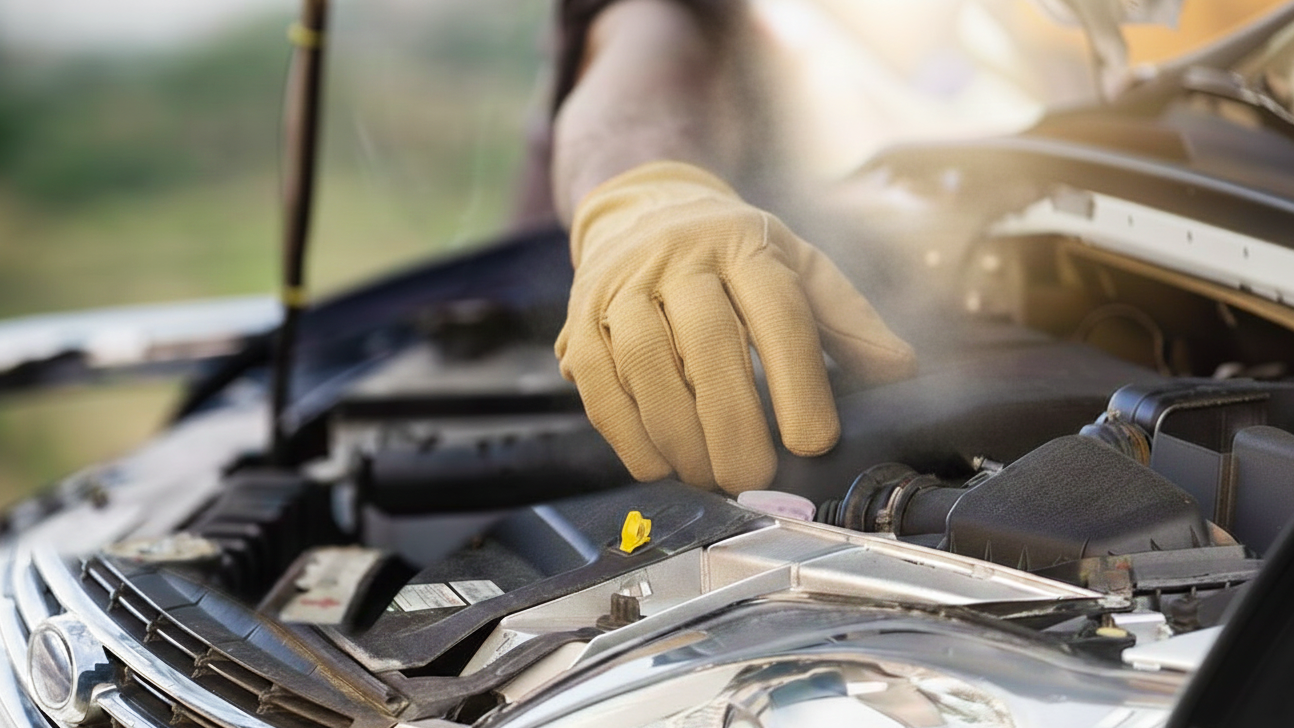
If continuing to drive is necessary to reach a service station, you need a temporary fix for overheating car strategy.
- Drive at Low Speed and Avoid Hard Acceleration: If driving must continue, use a high gear at the minimum possible speed to maintain low engine RPMs. Avoid sudden acceleration to minimize heat generation.
- Monitor Engine Temperature: It is essential to constantly watch the temperature gauge. Any movement into the red zone is an immediate signal to stop. If the temperature starts to rise, turn the heater on full.
- Stop Every Few Kilometers to Cool Down: It is recommended to travel in short segments. When the temperature approaches the critical mark, stop, switch off the engine, and let it cool for 10–15 minutes. This approach minimizes the risk of damage.
Overheating Prevention
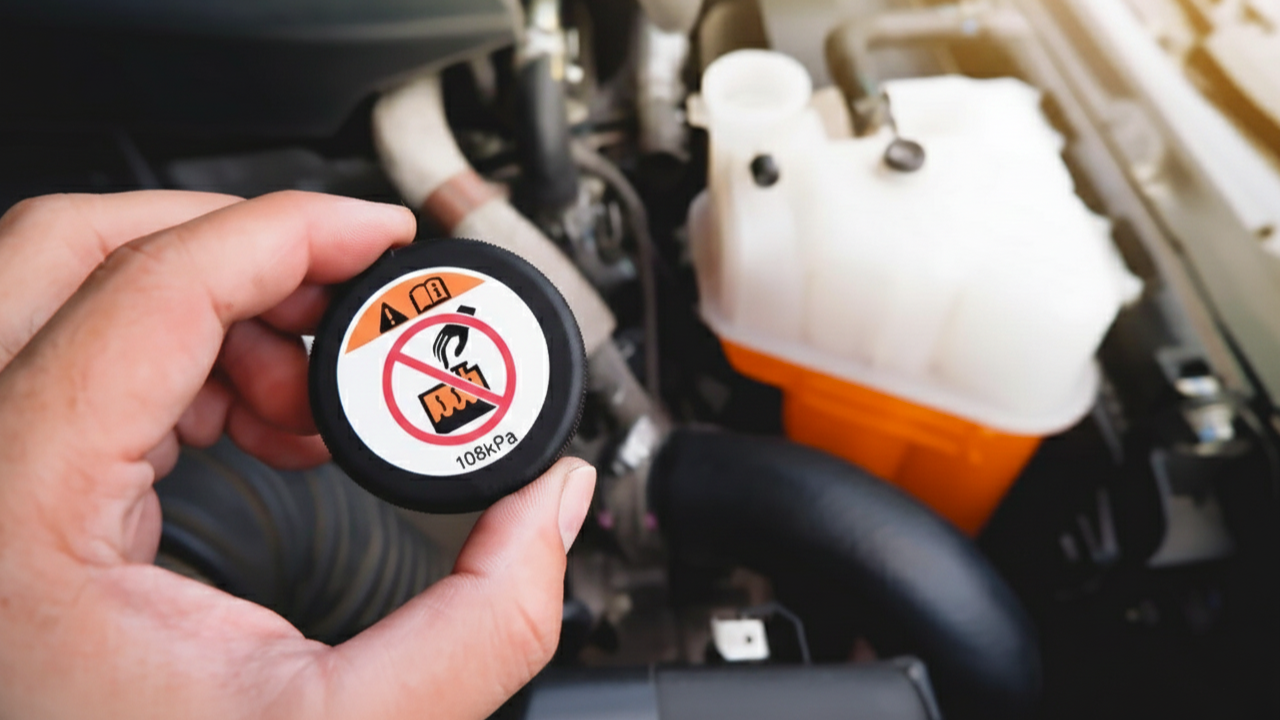
Prevention is the key to long and reliable engine operation. A comprehensive approach to cooling system maintenance will protect against breakdowns and support the optimal working regime. Regular upkeep is always cheaper than a major engine overhaul.
- Regular Fluid and System Checks. Check the antifreeze level in the tank at least once a week on a cold engine. The level should be between the MIN and MAX marks. A persistent drop indicates a leak that needs immediate fixing. It is recommended to inspect hoses for cracks and swelling.
- Radiator Cleaning and Fan Check. The radiator must be regularly cleaned of dirt, lint, and insects that block airflow. Clean with a soft brush and low-pressure water. Ensure the cooling fan automatically switches on at high temperatures or when the A/C is engaged.
- Thermostat, Belts, and Hoses Check. The thermostat should be changed according to the schedule to prevent it from sticking. Timely replacement of worn drive belts (including the water pump belt) and all old, cracked hoses is vital to prevent breakage or depressurization.
- Avoid Overloading. Try to avoid prolonged high RPM operation and extreme loads (towing, long climbs), especially in hot weather. Park in the shade when possible to reduce the initial under-hood temperature.
It is also important to follow the manufacturer's recommendations for coolant replacement intervals, as antifreeze loses its properties over time. Using quality engine oil reduces friction and heat generation.
Tips and Warnings
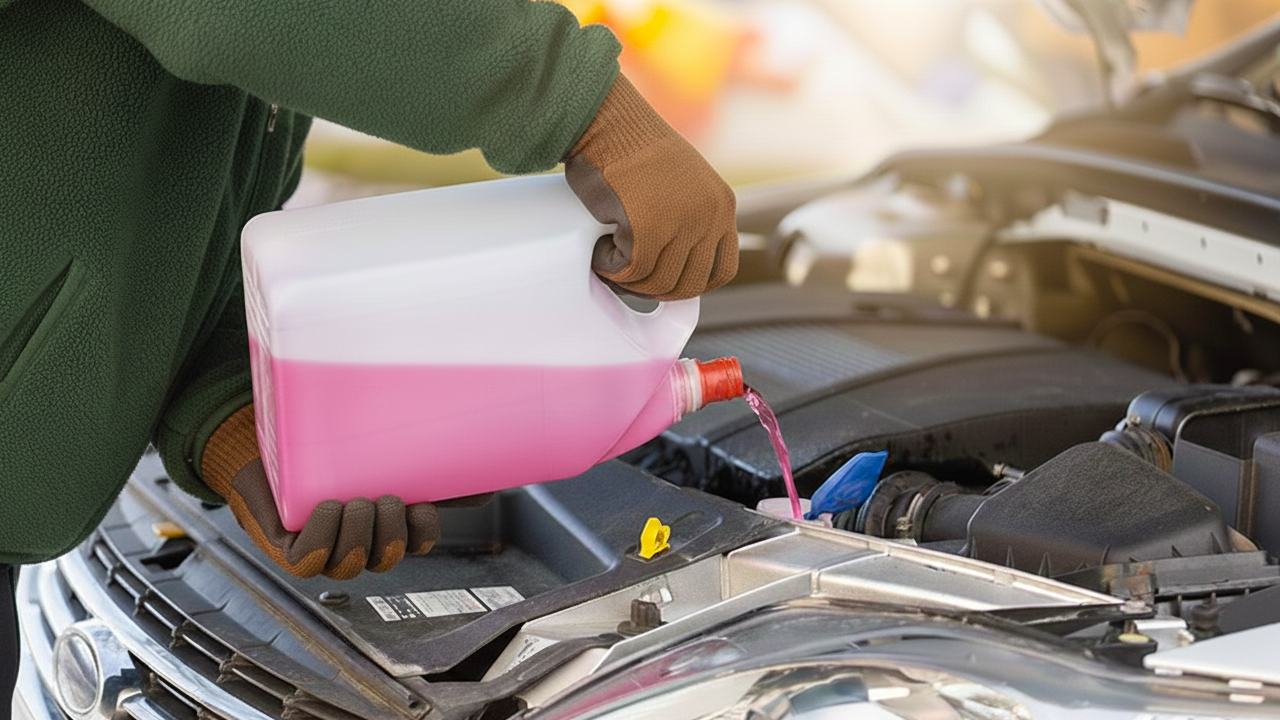
Understanding safety rules and knowing what not to do when overheating can save your health and prevent expensive repairs. Panic and incorrect actions often lead to serious damage. Your safety always comes first.
- Never Drain Hot Coolant. It is strictly forbidden to open the expansion tank cap or the drain plug on a hot engine. The pressurized fluid will cause severe thermal burns. Wait for the engine to cool completely.
- Don't Ignore the Signs. Any, even momentary, temperature rise into the red zone is a signal for an immediate stop. Continuing to drive with an overheated motor for a few minutes can lead to irreversible cylinder head deformation and engine seizure.
- Use the Right Coolant. Only use the type of antifreeze recommended in the owner's manual (e.g., G12, G13). Mixing incompatible types can lead to a chemical reaction, sediment formation, and system clogging. Do not use plain water.
- Seek Professional Help. For a serious fault (a burst hose, a non-working fan), do not attempt to repair it yourself without experience; it is better to call a tow truck and go to a service center.
Conclusion
Fast response to overheating and regular prevention allow you to avoid breakdowns and high repair costs. Timely antifreeze checks, radiator cleaning, and attention to indicators significantly reduce the risk of failure. If you are ever faced with the question of if car is overheating what to do, stop immediately.

