



What Is the Ugliest Car in the World? Exploring the Worst Looking Cars Ever Made
What makes a car ugly? Awkward proportions? Ridiculous details? A complete lack of harmony? The perception of beauty is subjective. But there are cars whose design is so controversial that it elicits an almost unanimous reaction – from bewilderment to outright laughter. Ugly cars are a special breed. They are ridiculed, included in worst-of lists, but, strangely enough, they often become cult classics.
Why does this happen? Because "ugliness" in design is always a form of courage – a bold challenge to accepted norms and canons. Such cars are memorable. They evoke emotions, even if they are negative. And over time, ridicule gives way to ironic affection, and the "ugly duckling" status transforms into a cult following.
Our list of the "ugliest cars" is an interesting look at automotive history through the prism of its most daring, strange, and failed experiments. We will figure out why manufacturers create such cars, recall the legends of anti–design, and try to understand what is the ugliest car among all the "monsters" of the auto industry.
When Design Goes Against the Rules
The appearance of a car with a strange, provocative design is rarely an accident or an oversight. Most often, such a decision is backed by a conscious strategy or a confluence of circumstances that force engineers and designers to think outside the box.
Why Manufacturers Deliberately Create Strange Cars
Several key motivations underlie the creation of unusual cars.
- First, they can be bold experiments with forms and technologies, where a new layout or materials dictate an unfamiliar appearance.
- Second, in a highly competitive environment, some brands take radical steps to stand out in the market at any cost, creating a visual "hook" that gets people talking about the model.
- And finally, sometimes designer errors occur, where a bold concept turns out to be ridiculous in practice and later becomes an internet meme.
Legends of Ugly Design
The history of the automotive world is full of icons — some celebrated for their beauty, others remembered for their bold defiance of it. While most car manufacturers dream of creating timeless designs, a few models have achieved immortality for a very different reason: they were so strange, so controversial, so unapologetically weird, that they became legends of bad design.
These cars prove one thing — being unforgettable sometimes matters more than being beautiful.
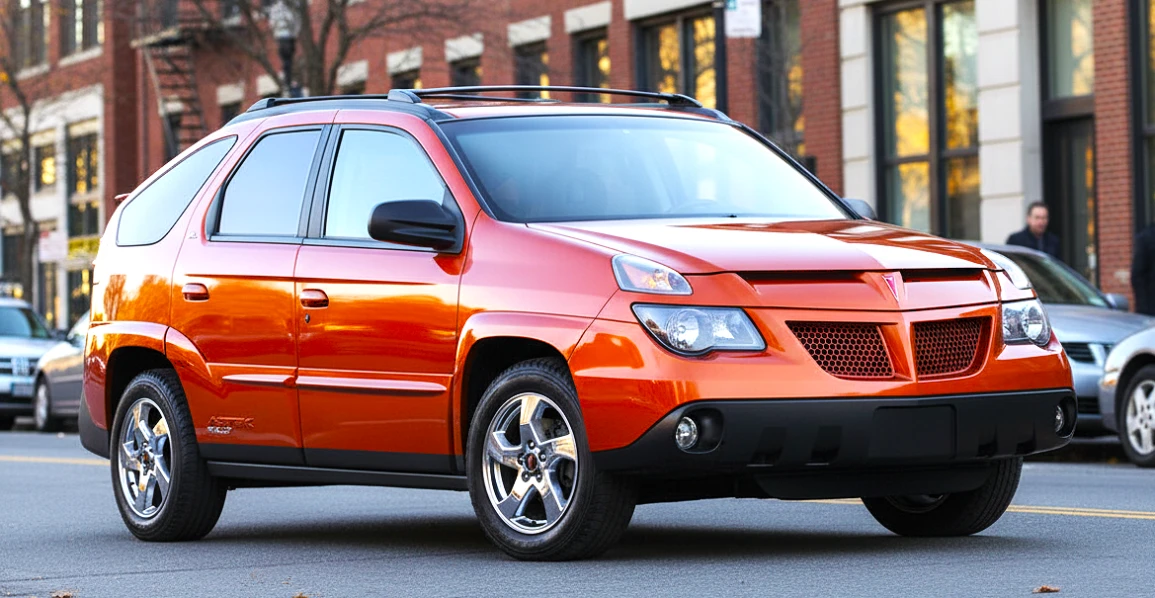
Pontiac Aztek (2001–2005)
.png?_t=1762282507)
No list of ugly cars would be complete without the Pontiac Aztek. Often crowned “the ugliest car ever made,” it was a wild attempt to be everything at once — part SUV, part minivan, part camper (yes, it even had an optional attachable tent). The result? A vehicle with awkward proportions, mismatched panels, and an abundance of dull gray plastic. And yet, fate had other plans. The Aztek found a second life as a pop culture icon, driven by Walter White in Breaking Bad. Its odd looks became a symbol of practicality over perfection — proof that even design disasters can earn cult status.
Fiat Multipla (1998–2010)
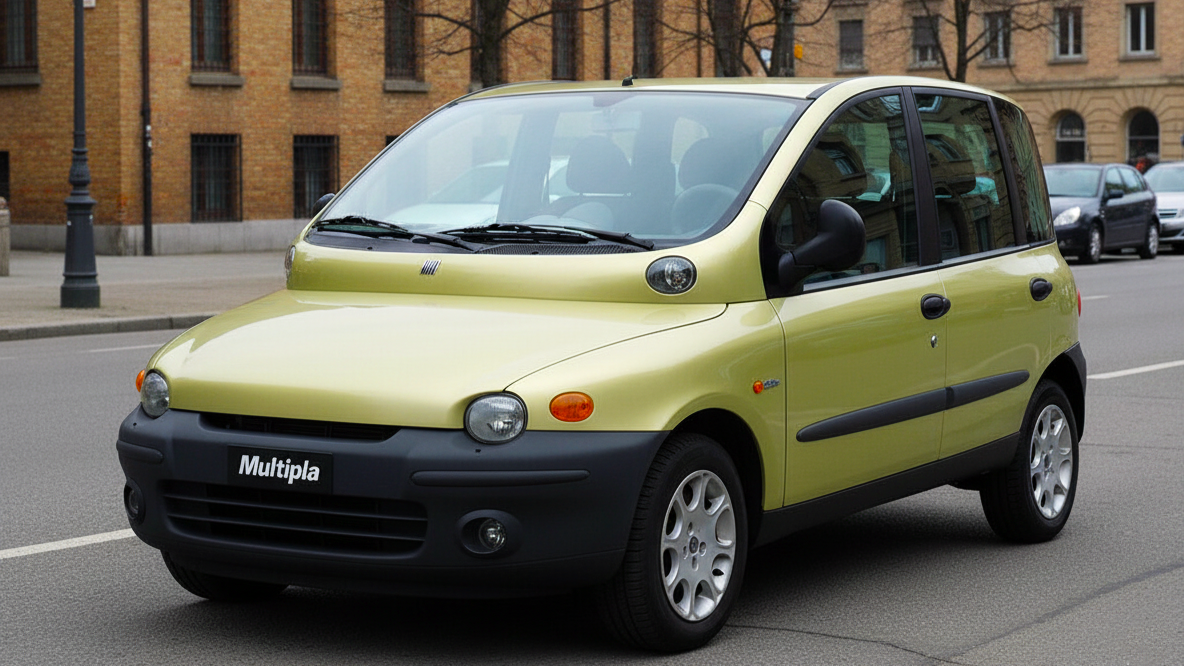
Few cars in history have sparked as many debates as the Fiat Multipla. With its double-tier headlights and bulging dolphin-like silhouette, it looked like a cross between a spaceship and a cartoon. But beneath that bizarre exterior was a brilliantly functional interior — three seats in the front, excellent visibility, and unmatched versatility for a compact family car. Critics laughed, but owners loved it. Over time, the Multipla transformed from a design disaster into a quirky cult classic, reminding the world that true innovation often looks odd at first sight.
Nissan Cube (1998–2019)
.png?_t=1762281376)
Imagine a refrigerator on wheels — and you’re not far off. The Nissan Cube embraced its boxy shape with pride, turning asymmetry into an art form. Its wraparound rear window, offbeat proportions, and minimalist interior made it look more like a piece of urban furniture than a car. Still, people adored it. Especially in Japan and among fans of unconventional design, the Cube became a symbol of urban comfort and personality, offering a warm, cozy “living room on wheels” experience that no other car could match.
AMC Pacer (1975–1979)
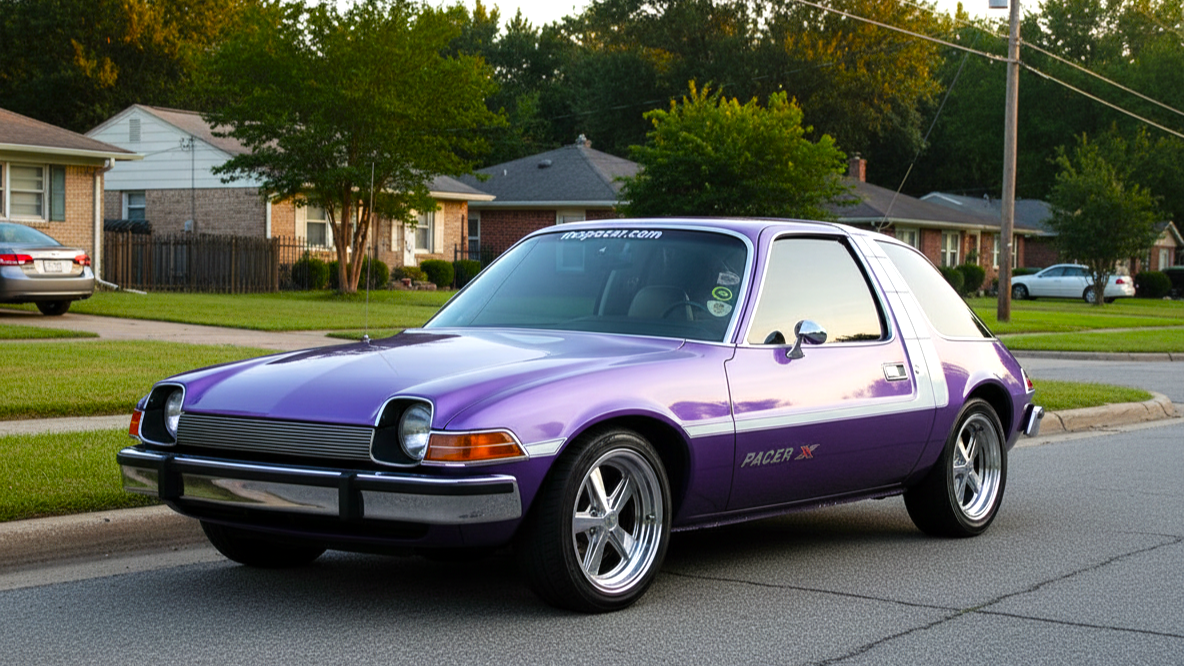
Dubbed “the fishbowl on wheels,” the AMC Pacer was one of the strangest sights of the 1970s. Its wide body, short wheelbase, and massive glass panels gave it a panoramic cabin unlike anything else on the road. The passenger door was even longer than the driver’s — a curious safety choice meant to make entry easier.
Although its looks raised eyebrows, the Pacer became a beloved cultural artifact — appearing in movies, TV shows, and car exhibitions. Today, it’s remembered with affection as a shining example of 70s eccentricity.
Model | Years of Production | Key Design "Quirk" |
Pontiac Aztek | 2001–2005 | Two-tier optics, plastic cladding |
Fiat Multipla | 1998–2010 | "Step" under the windshield, three front seats |
Nissan Cube | 1998–2019 | Asymmetrical rear design |
AMC Pacer | 1975–1979 | Huge glass area, extra-wide body |
SsangYong Rodius | 2004–2013 | Awkward rear end, resembling a yacht's cabin |
Modern Oddities of the Auto Industry
The era of bold design experiments is not over. Modern technologies, especially electrification, give rise to new, unfamiliar forms that immediately become objects of debate and criticism. When it comes to car design, beauty is definitely in the eye of the beholder. Some vehicles are so unusual that they split opinions right down the middle — yet somehow, they become legends. Let’s take a closer look at the modern “ugly cars” that enthusiasts love to hate… and hate to love.
Tesla Cybertruck (since 2023)
.png?_t=1762281376)
When Elon Musk revealed the Tesla Cybertruck, the world wasn’t sure whether to laugh, applaud, or both. Its sharp-edged stainless steel panels and geometric shape looked like something a child might draw with a ruler — straight out of a sci-fi comic book. Whether it’s the bold future of automotive design or a total aesthetic disaster remains to be seen, but one thing is certain: nobody can ignore it.
Toyota Prius (2nd Generation, 2003–2009)
2.png?_t=1762281376)
The Prius changed the world by proving that hybrid cars could be practical and efficient — but it also became a design controversy. Its teardrop silhouette was shaped by aerodynamics, not aesthetics, resulting in a look that many found awkward. Still, it earned admiration for its mission to save the planet, even if it wasn’t winning beauty contests.
BMW i3 (2013–2022)
.png?_t=1762281376)
BMW’s electric pioneer looked like it came from another planet — tall, narrow, and futuristic. The odd window line, carbon-fiber body, and rear doors that opened backward were all part of its “form follows function” philosophy. The i3 wasn’t about elegance — it was about innovation, and that made it unforgettable.
SsangYong Rodius (2004–2013)

This Korean minivan aimed to combine the practicality of a family car with the luxury of a yacht — a daring idea that didn’t quite land. Its awkward proportions, especially the strange rear design, made it a permanent fixture on lists of the world’s ugliest cars. Yet, for all its flaws, the Rodius is now remembered as a bold experiment in automotive design.
Here’s the irony: many cars that were ridiculed at launch have since become cult classics. Their unconventional shapes and fearless designs give them character — something sleek, “perfect” cars often lack. In a world obsessed with symmetry, these so-called ugly cars remind us that imperfection can be powerful, memorable, and even beautiful.
Why Some of the Ugliest Cars Find Fans
There are several reasons for this. First, charisma and memorability of the design. Such cars stand out; they have character, unlike hundreds of faceless "classmates." Second, cinema and pop culture play a huge role. The Pontiac Aztek was a commercial failure until it became Walter White's car in the series "Breaking Bad," after which it gained cult status. And third, practicality and convenience often serve as an excuse for a strange appearance. Behind the ridiculous facade of the Fiat Multipla was an incredibly spacious and comfortable six–seater interior.
When a Strange Design Cost a Company Its Reputation
The story of the Pontiac Aztek is a classic example. It was such a failure that, in the opinion of many, it became one of the nails in the coffin of the Pontiac brand. The SsangYong Rodius also became the subject of endless ridicule, which did not help sales. The auto industry learned important lessons from these and other failures, such as the Ford Edsel. Today, manufacturers try to test bold designs on concept cars before launching them into production.
Model | Main Mistake | Consequences |
Pontiac Aztek | Trying to please everyone, clumsy design | Commercial failure, damage to GM's image |
SsangYong Rodius | Inharmonious rear design | Became a meme, low sales |
Ford Edsel (1958) | Controversial grille design | One of the biggest failures in Ford's history |
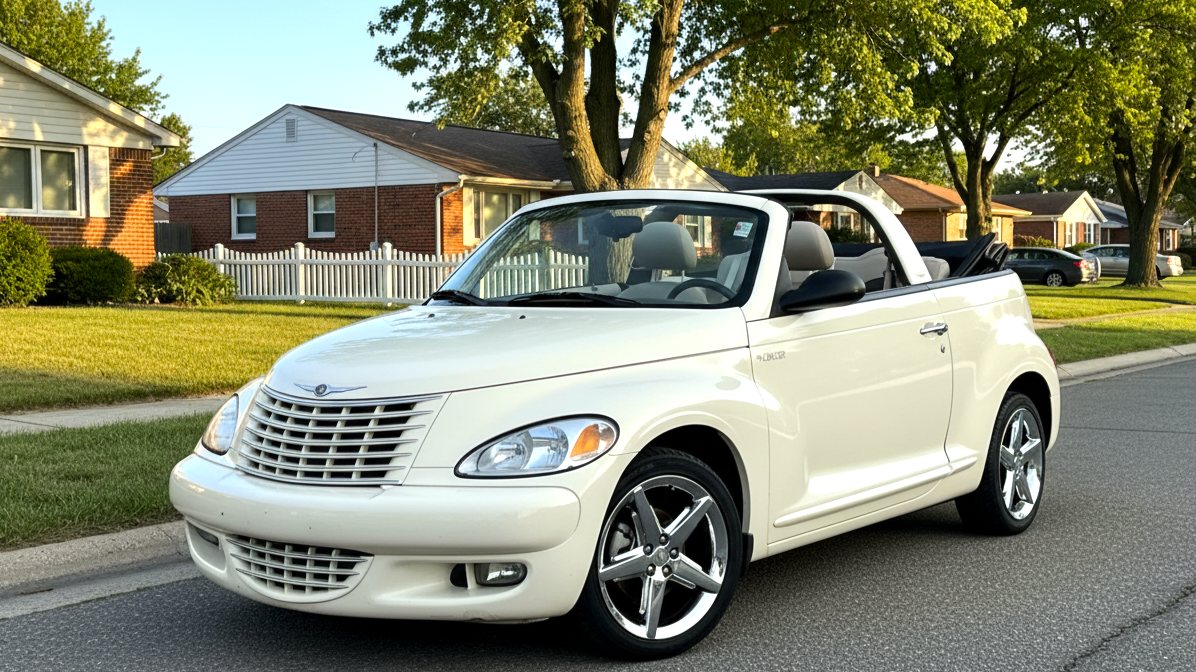
Chrysler PT Cruiser Convertible | Disrupted proportions when the roof was removed | Looked ridiculous, sold poorly |
Is There a Place for Ugly Cars in the Future?
The influence of new technologies, such as electrification and autonomous driving, is changing design again. The aerodynamic requirements to increase range make many electric cars look similar. Pedestrian safety regulations force hoods to be higher. Perhaps what seems strange to us today (like the design of the Tesla Cybertruck) will become the norm in 10 years. It is not out of the question that ugliness, if it is functional and carries a new idea, can become a new form of beauty.
Conclusion
The history of automotive design is full of not only masterpieces but also spectacular failures. However, it is precisely these "ugly" cars that often turn out to be the most interesting objects of study. Ugly cars are not always a commercial failure. Often, they are bold experiments that push the boundaries of the conventional. They make us argue about design, think about function and form, playing an important role in the history of automotive engineering. Some of them remain mere curiosities, while others, like the Pontiac Aztek, become cult classics over time. Answering the question, what is the ugliest car in the world after all, we most often recall the Fiat Multipla. But even it found its fans.
Ultimately, the worst looking car ever is the one that evoked the strongest emotions and which we will certainly never forget.

