



Sedan vs SUV: Which Type of Car Is Right for You? A Complete Comparison Guide
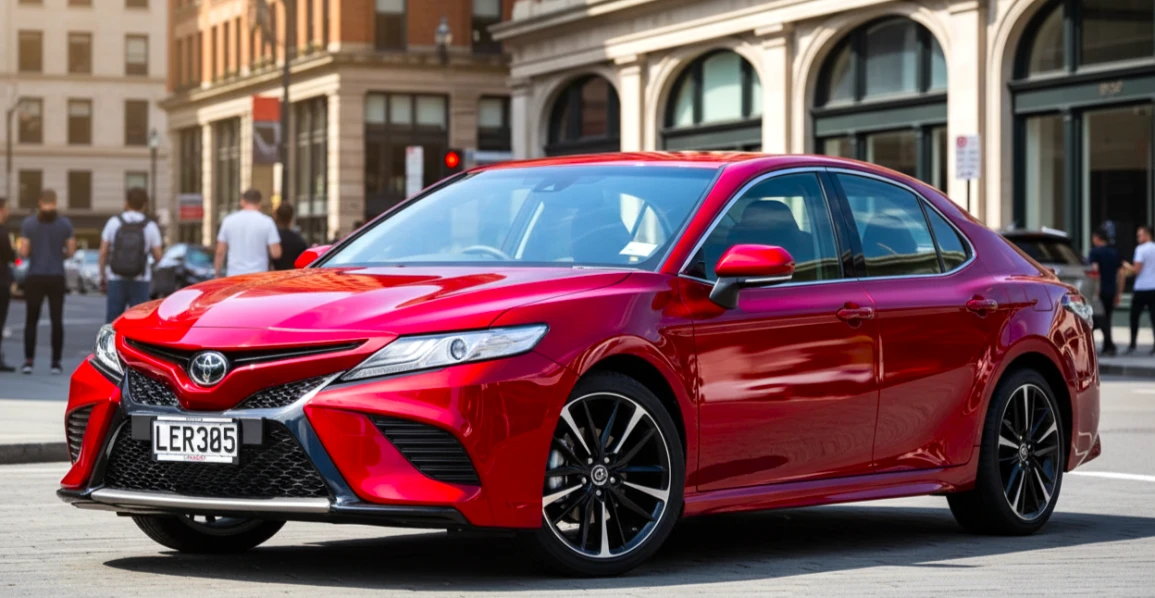
Choosing a new car is always a compromise. You are looking for a vehicle that is convenient in the city, comfortable on the highway, spacious enough for the family, and not ruinous to maintain. Most often, this choice comes down to the eternal confrontation: sedan vs suv. For decades, the sedan was the king of the road, a symbol of status and comfort. But today, we see crossovers and SUVs of all kinds on every corner.
Why are SUVs so popular? Are they really better than sedans? Or is it just a fashion trend? The answer depends not on the car, but on you. On your lifestyle, your daily routes, the size of your family, and your priorities.
This guide will help you make an informed choice. Without excess emotion and marketing clichés, we will break down all the pros and cons of both body types. We will compare them based on key parameters – from price to handling. And we will help you understand which car is right for you.
A Brief Overview of SUVs and Sedans
Before comparing, let's define the terms.
What is an SUV?
An SUV (Sport Utility Vehicle) is a versatile type of car that combines the comfort of a passenger vehicle, the spaciousness of a family minivan, and the confidence of an off-road vehicle. That’s why SUVs have become one of the most popular car categories worldwide. They perform equally well on city streets and beyond the pavement, where adventure begins.
The main idea behind an SUV is versatility. Behind the wheel, you feel confident on any road surface — whether it’s wet asphalt after rain, a country highway, or a dirt road leading to your favorite getaway spot. The elevated driving position provides excellent visibility, while the roomy interior and large trunk make every trip comfortable for the whole family.
However, the term “SUV” actually covers two different types of vehicles — true off-roaders and crossovers. Let’s take a closer look at what sets them apart.
Classic SUV — Power and Endurance
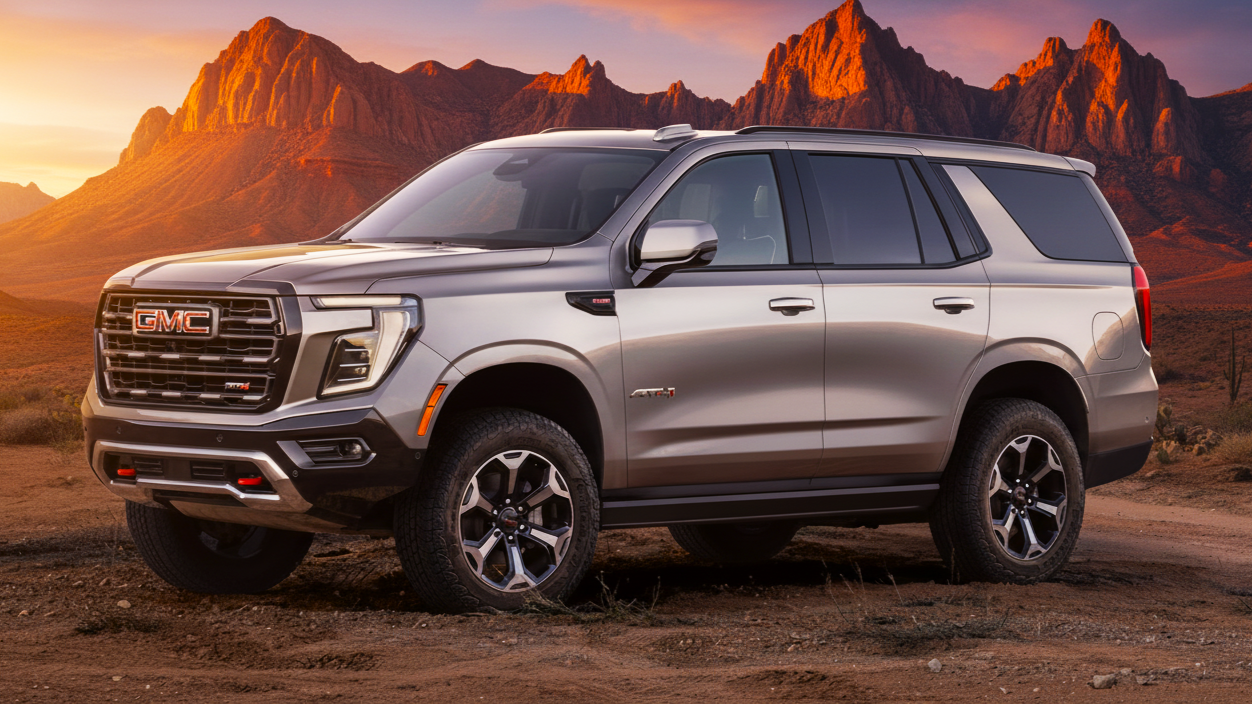
A traditional SUV is built on a body-on-frame design, similar to pickup trucks. This construction gives the vehicle exceptional strength and rigidity, especially useful on rough terrain. Classic SUVs usually come with:
- Four-wheel drive (4x4) for confident traction on mud, sand, and snow
- Low-range gearing for challenging off-road conditions
- High ground clearance to avoid scraping the underbody
- A robust suspension and reinforced frame designed to handle heavy loads
These vehicles aren’t made for traffic jams — they’re built for exploration. Drivers who choose a classic SUV value power, reliability, and the freedom to venture off the beaten path without worrying about getting stuck.
Crossover — Comfort and Practicality
A crossover, on the other hand, uses a unibody construction similar to a standard passenger car. This makes it lighter, more fuel-efficient, and easier to maneuver. At the same time, it maintains a higher ground clearance, a spacious cabin, and often features all-wheel drive.
Crossovers are ideal for urban life:
- Easy to park and handle in city traffic
- Fuel-efficient and eco-friendly
- Provide a smooth, comfortable ride
- Offer drivers a strong sense of safety and confidence
Essentially, crossovers strike a perfect balance between the agility of a sedan and the capability of an SUV. It’s no surprise that they now dominate modern roads — the vast majority of “SUVs” you see in cities are actually crossovers.
In this article, we’ll use the term SUV to refer to both traditional off-road vehicles and crossovers. For most drivers, the difference between them is not crucial: both types offer space, visibility, confidence, and the ability to handle various driving conditions with ease.
What is a sedan?
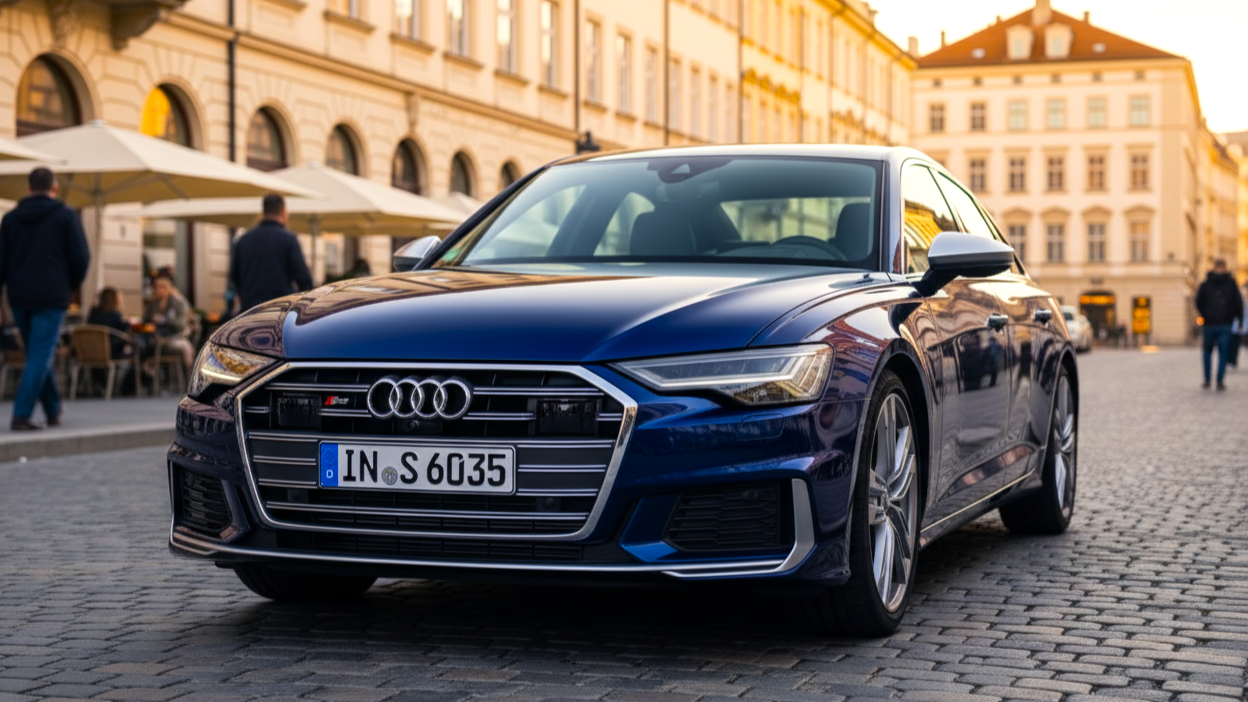
A sedan is a classic three-box passenger car designed for comfort, stability, and smooth performance on paved roads. It features three distinct sections — the engine bay, passenger cabin, and a separate trunk. This traditional design gives the car its timeless proportions while providing excellent noise insulation, balance, and ride quality.
Sedans are known for their low body height and lower center of gravity, which translates into precise handling and better road grip. Every detail of a sedan — from its aerodynamic lines to its suspension system — is optimized for a quiet, comfortable, and confident driving experience on the highway.
For decades, sedans have been seen as a symbol of elegance and status. They were the preferred choice for professionals, families, and anyone who valued refined comfort and style. Ideal for everyday urban driving or long-distance trips, sedans deliver smooth handling, fuel efficiency, and a touch of sophistication.
However, in the past 15–20 years, the global car market has undergone a major transformation. Once the dominant vehicle type, sedans gradually lost ground to more versatile models. Drivers began looking for extra space, higher seating positions, and the freedom to drive beyond the city limits. That’s when SUVs — once a niche category for off-road enthusiasts — evolved into the most popular type of car worldwide, including in Cyprus.
Despite this shift, sedans continue to hold a special place in the automotive world. They remain the choice of those who appreciate classic design, dynamic handling, and understated luxury. While SUVs may dominate the roads, a sedan still represents what many drivers truly love — the perfect blend of comfort, balance, and elegance.
Advantages and Disadvantages of SUVs
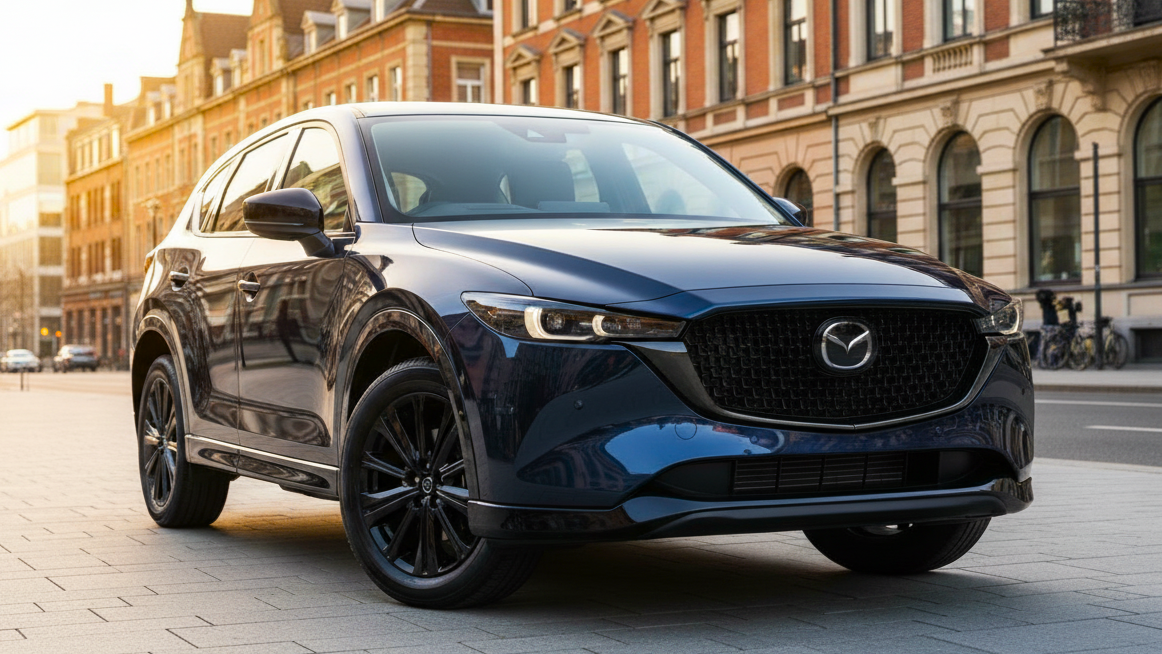
The popularity of crossovers and SUVs is no accident. They offer a number of significant advantages.
Pros:
- High Ground Clearance and Capability. The main trump card of an SUV. You can confidently park next to high curbs, not be afraid of speed bumps, and venture onto the dirt roads leading to beaches or picnic spots in Cyprus.
- Spaciousness. The upright seating position and high ceiling create a feeling of roominess in the cabin. SUV trunks are generally larger and more convenient for loading bulky items thanks to the large tailgate.
- High Seating Position and Visibility. You sit higher than the traffic flow, which gives a better sense of control over the road and improves visibility. Many drivers note that this adds confidence behind the wheel.
- Versatility. The SUV is the king of the automotive world. It is suitable for daily city trips, for highway journeys, and for outings into nature.
Cons:
- High Fuel Consumption. Due to greater weight and poorer aerodynamics, an SUV consumes on average 15–25% more fuel than a sedan with the same engine.
- Higher Price. With a similar level of equipment, a crossover will always be more expensive than a sedan.
- Handling. A high center of gravity means more body roll in corners and less stability at high speeds. There is less pleasure from dynamic driving in an SUV.
Advantages and Disadvantages of Sedans
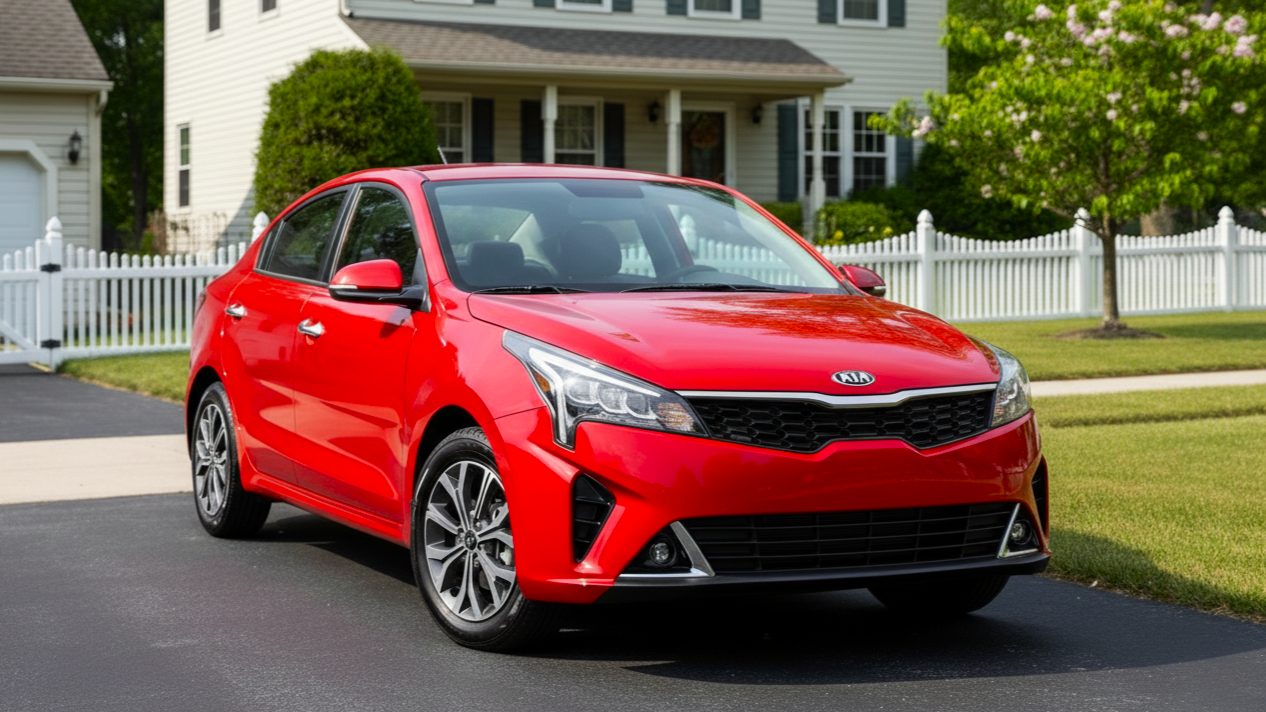
Despite the dominance of SUVs, sedans are not giving up and offer their own strengths.
Pros:
- Fuel Economy. Lighter weight and better aerodynamics ensure low fuel consumption. This is a direct saving at every refueling.
- Handling and Dynamics. A low center of gravity makes a sedan more stable and enjoyable to drive. It enters corners more precisely and provides more driving pleasure.
- Highway Comfort. Sedans are generally quieter at high speeds and have less body roll on uneven pavement, making them ideal for long trips.
- More Affordable Price. For the same money, you can buy a sedan with a richer equipment level than a crossover.
Cons:
- Low Ground Clearance. Curbs, potholes, and dirt roads are a constant source of stress for a sedan driver.
- Limited Capacity. A sedan's trunk is less convenient for transporting large items, and headroom for rear passengers is usually less.
Comparison by Key Parameters
Let's summarize all the arguments in one table to clearly see the difference in the SUV vs sedan battle.
Parameter | SUV (Crossover) | Sedan | Who Wins? |
Price (for similar equipment) | Higher | Lower | Sedan |
Fuel Consumption | Higher (avg. 8–10 L/100 km) | Lower (avg. 6–8 L/100 km) | Sedan |
Maintenance Cost | Higher (more expensive tires, brakes) | Lower | Sedan |
Cabin Space | More (especially height) | Less | SUV |
Trunk Volume & Convenience | Larger, better for bulky items | Smaller, inconvenient opening | SUV |
Capability (Ground Clearance) | High (170–220 mm) | Low (130–160 mm) | SUV |
Handling and Dynamics | Worse (body roll, wallow) | Better (stability, excitement) | Sedan |
Highway Comfort | Worse (noise, bounce) | Better (quietness, smoothness) | Sedan |
Passive Safety | Higher (due to mass and height) | Lower | SUV |
Safety: Not so straightforward
It is a common belief that in a car vs SUV debate, the latter is always safer due to its greater mass and high seating position. Physics is indeed on the side of the SUV in a collision with a lighter sedan.
However, there is another side to this coin. Due to the high center of gravity, crossovers are more prone to rollovers during sharp maneuvers or side impacts. Modern stability control systems (ESC) successfully combat this, but they cannot repeal the laws of physics. A sedan, being lower and more stable, often allows the driver to avoid an accident where a tall SUV would have already lost control. Therefore, when choosing, look not only at the body type but also at the final Euro NCAP rating, which takes all these factors into account.
Cost of Ownership: Hidden Expenses
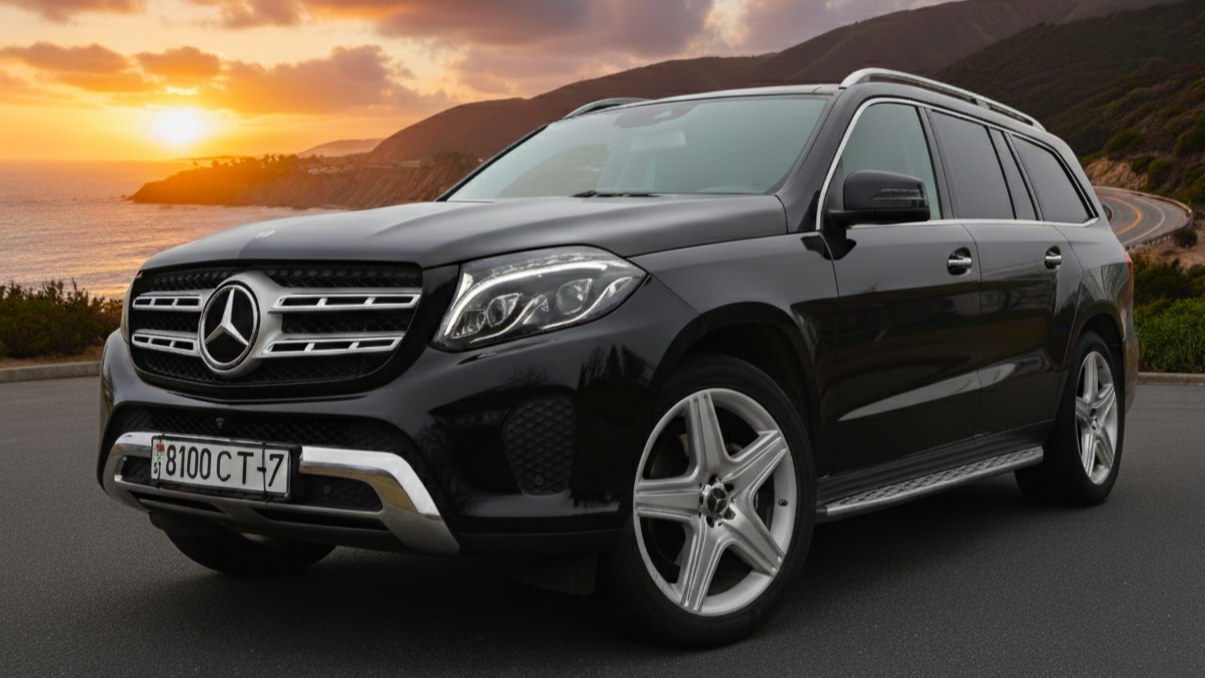
In addition to the purchase price and fuel consumption, there are many other costs. A set of quality tires for a popular crossover can cost 30–50% more than for a sedan of the same class. Brake discs and pads on an SUV are also usually larger and more expensive due to the vehicle's greater mass.
Who is an SUV Best For?
An SUV or crossover will be 100% right for you if:
- You have a large family. You need to regularly transport children, a stroller, scooters, and groceries from the supermarket. The spacious interior and trunk of an SUV will solve these problems.
- You lead an active lifestyle. Trips to the beach, mountains, and picnics are your thing. An SUV will allow you to not worry about the quality of the road and take all the necessary gear with you.
- You live outside the city. If you often have to drive on gravel or dirt roads, the high ground clearance of an SUV will be indispensable.
- You value a sense of security. The high seating position and massive body create a feeling of protection on the road.
Who is a Sedan Best For?
A sedan is your choice if:
- You mostly drive in the city and on highways. 95% of your routes are on good pavement. In such conditions, the advantages of an SUV are simply not needed.
- Fuel economy is a priority for you. You drive long distances and want to minimize your petrol expenses.
- You love and appreciate the process of driving. Precise handling, minimal body roll, and dynamic acceleration are important to you.
- You have a limited budget. You want to get the most well–equipped and comfortable car for your money.
Conclusions and Recommendations
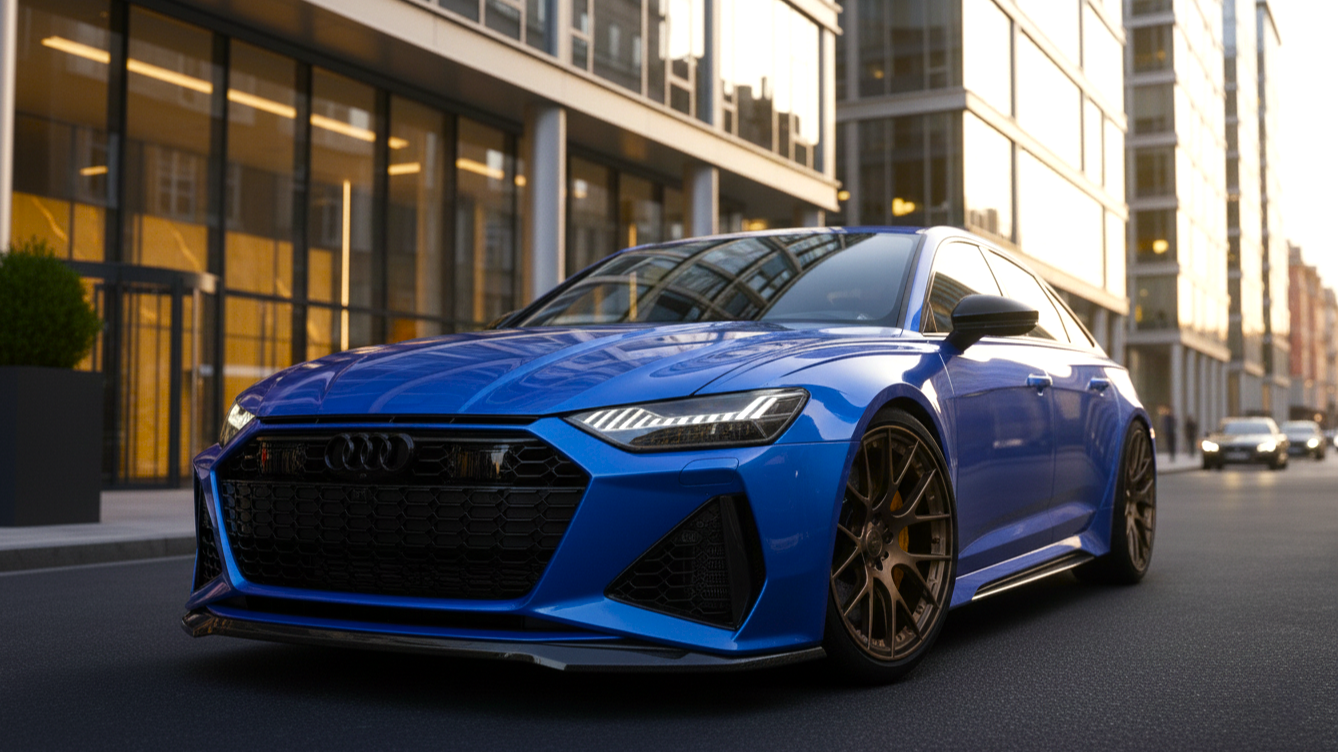
So what should you choose in the car vs SUV dispute? There is no universal answer.
Body Type | Main Pros | Main Cons |
SUV / Crossover | ✅ Capability ✅ Spaciousness ✅ Versatility | 🔻 High fuel consumption 🔻 High price 🔻 Mediocre handling |
Sedan | ✅ Fuel Economy ✅ Handling ✅ Highway Comfort | 🔻 Low ground clearance 🔻 Less practicality 🔻 Limited capacity |
How to make the final choice:
- Analyze your trips over the past year. Where did you go? How many times did you really need high ground clearance?
- Assess your space needs. Try to fit all your things (stroller, suitcases) in the trunk of a sedan and a crossover at a dealership.
- Take a test drive. Be sure to drive both cars. Often, the feel of the handling and comfort becomes the deciding factor.
Ultimately, the choice in the sedan vs SUV confrontation is a reflection of your life priorities. An SUV offers freedom and versatility but demands more money for it. A sedan offers economy and driving pleasure but limits your routes to paved roads. Choose consciously, and your car will become a reliable partner for years to come.

