



Winter Snow Driving Guide: Best SUVs and Cars for Snow Conditions

Winter is a stress test for any vehicle. When temperatures are below zero and the road turns into a mix of snow, ice, and chemical reagents, it quickly becomes clear which car in snow is truly ready for real conditions and which one only looks confident in glossy brochures. That is why the topic of best cars for snow is not about comfort, but first and foremost about safety, handling, and predictable behavior.
In regions with long winters, drivers face the same issues every day: wheel spin when starting, loss of directional stability, longer braking distances, and skids in courtyards and at intersections. A wrong choice of vehicle here is costly both financially and in terms of safety. A properly selected car reduces driver fatigue, forgives minor control errors, and helps maintain control even in difficult conditions.
Why choosing a car is especially important for winter and snowy conditions
In winter, a vehicle operates under constant overload. Snow, ice, chemical reagents, and cold quickly expose design weaknesses. In such conditions, a car in snow either supports the driver or continuously creates additional risks.
When choosing a car for winter, several factors are critical:
- Traction. On slippery surfaces, even a small mistake in torque distribution can lead to wheel spin or skidding. That is why proper drivetrain operation and electronics are essential for confident snow driving.
- Predictability. In winter, the driver must clearly understand how the car will react to throttle, braking, or steering input. A vehicle with nervous responses becomes dangerous even at low speeds.
- Ability to start confidently. Hills, courtyards, parking lots, and intersections are weak points for many models in winter. The best cars for snow can start calmly even on packed ice.
- Braking efficiency. Increased braking distance is the main winter hazard. Not only the brakes themselves matter, but also the correct operation of ABS and stability systems.
- Real-world passability. This is not about off-roading, but about slush, ruts, and unplowed roads. Ground clearance, body geometry, and suspension tuning play a decisive role here.
The combination of these parameters determines how safe and comfortable everyday snow driving will be, not just under ideal test-drive conditions.
How drivetrain type, ground clearance, and assistance systems affect winter safety
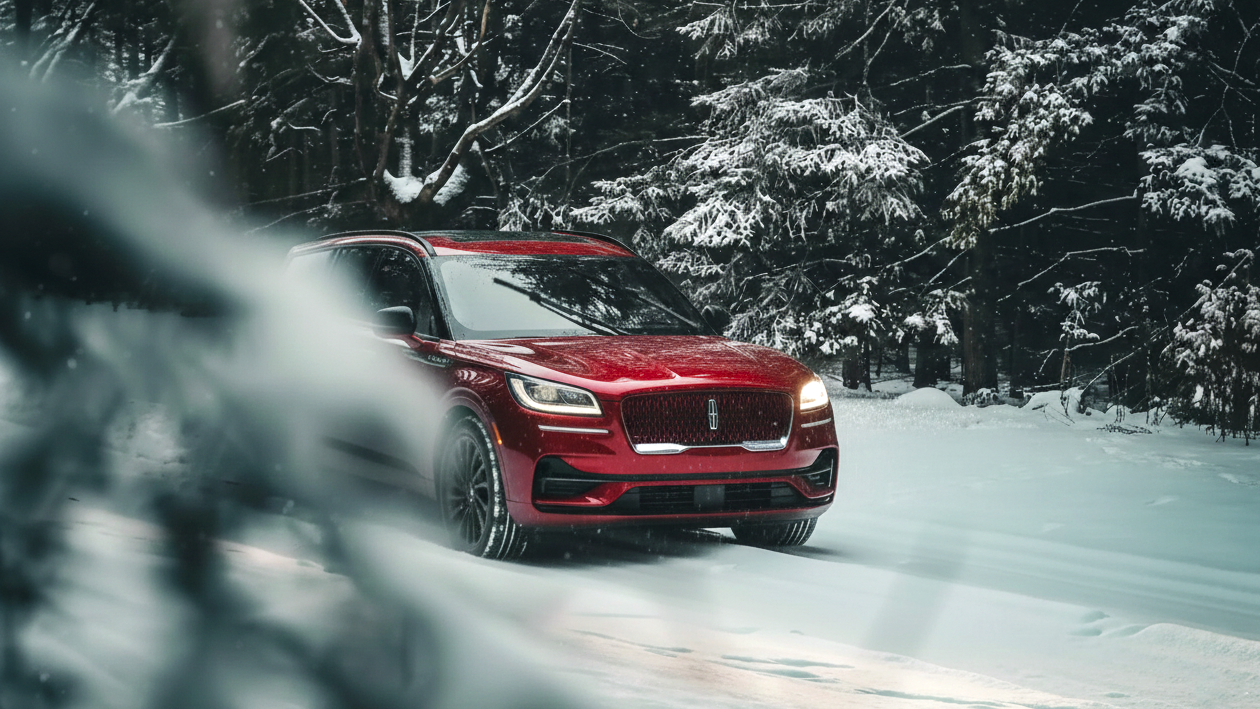
From an engineering perspective, the key parameters of winter performance are drivetrain type, ground clearance, and electronic assistants. All-wheel drive distributes torque between axles and significantly improves stability during acceleration and cornering. It is no coincidence that such models most often appear on lists of best cars for snow.
Ground clearance is just as important. A low car quickly turns into a “plow,” especially in courtyards and on uncleaned roads. Adequate clearance allows the vehicle to maintain momentum and avoid getting stuck in slush. Modern stability systems, traction control, and hill-start assist complement the mechanical setup, making snow driving more controlled and predictable.
Below, we will look at which vehicles cope best with snow and slippery roads, and why some technical solutions work more effectively than others.
What characteristics matter for snow driving
When it comes to snow driving, it is important to separate marketing from real engineering. Not every “winter” trim and not every crossover handles slippery roads equally well. Below are the key characteristics that truly affect a vehicle’s winter behavior.
Drivetrain type: all-wheel, front-wheel, or rear-wheel drive
The drivetrain directly determines how confidently a car in snow can start moving and maintain its trajectory.
- All-wheel drive (AWD/4WD). The most versatile and safest option. It distributes torque between axles, reduces wheel spin, and helps maintain control. These models most often fall into the best cars for snow category.
- Front-wheel drive. An acceptable option for city use. The engine loads the driven wheels, which helps when starting. However, capabilities are limited on hills and in deep snow.
- Rear-wheel drive. The most challenging option in winter. Without electronic assistants and driver experience, such a car in snow easily goes into a skid.
Ground clearance and body geometry
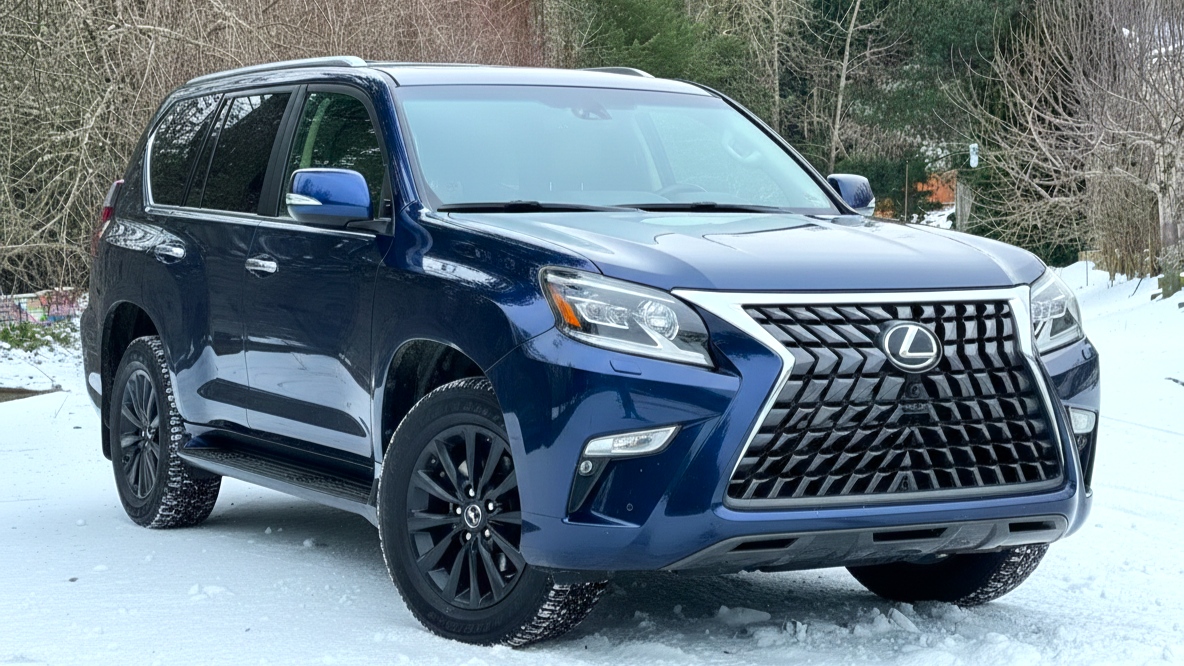
Ground clearance is not about off-roading, but about everyday winter conditions.
- Low cars sit down faster in slush.
- Long overhangs reduce passability in courtyards.
- Optimal clearance lowers the risk of getting stuck or damaging bumpers.
For stable snow driving, it is important that the vehicle does not scrape snow with its underbody and can confidently pass through ruts.
Stability and start-assist systems
Modern electronics are not a luxury but a necessity:
- electronic stability control (ESP);
- traction control system;
- hill-start assist;
- winter transmission modes.
These systems make vehicle behavior predictable, especially for drivers without extreme winter experience.
Tire quality and wheel size
Even the best suv for snow will not help if the wrong tires are installed:
- winter tires are more important than drivetrain type;
- narrower tires work better in snow;
- correct tire profile improves traction.
Tires are the only point of contact with the road, and saving money here always leads to problems.
Best Types of Cars for Snow

When choosing a car for winter, it is important to understand that there is no single universal solution for all conditions. City streets, highways, and rural roads require different approaches. Below are the types of vehicles that are best suited for snowy conditions.
Crossovers and SUVs with all-wheel drive
This is the most popular and well-balanced option.
Advantages:
- all-wheel drive improves stability;
- increased ground clearance helps in snow;
- comfort for everyday use.
Crossovers are most often perceived as best cars for snow because they combine safety, handling, and convenience.
Limitations:
- not all AWD systems are equally effective;
- some models are designed mainly for asphalt.
Off-road SUVs with increased capability
If winter means unplowed roads, deep snow, and rural routes, more serious solutions are required.
Key features:
- true all-wheel drive;
- locking differentials;
- high ground clearance.
Such a vehicle is often called the best suv for snow, especially when the focus is on difficult conditions rather than city driving alone. The obvious downside is larger size and higher fuel consumption.
AWD wagons for city and highway use
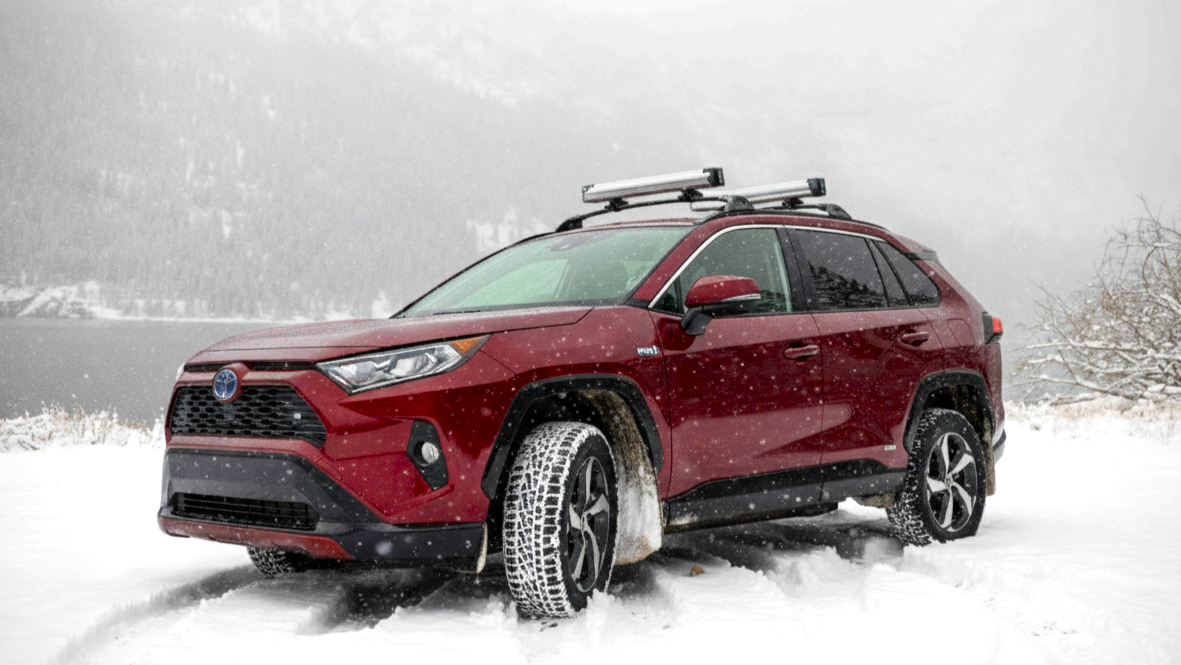
An underrated but very effective category.
Why they work well:
- low center of gravity;
- stability at highway speeds;
- all-wheel drive without excessive weight.
In urban and intercity conditions, such a car in snow behaves more predictably than a tall SUV.
Electric vehicles with advanced traction control systems
Modern electric vehicles perform surprisingly well in winter.
Reasons:
- instant and precise torque delivery;
- highly accurate electronic control systems;
- low center of gravity due to the battery.
However, snow driving in an electric vehicle requires high-quality winter tires and an understanding of regenerative braking behavior.
Best Cars for Urban Winter Conditions
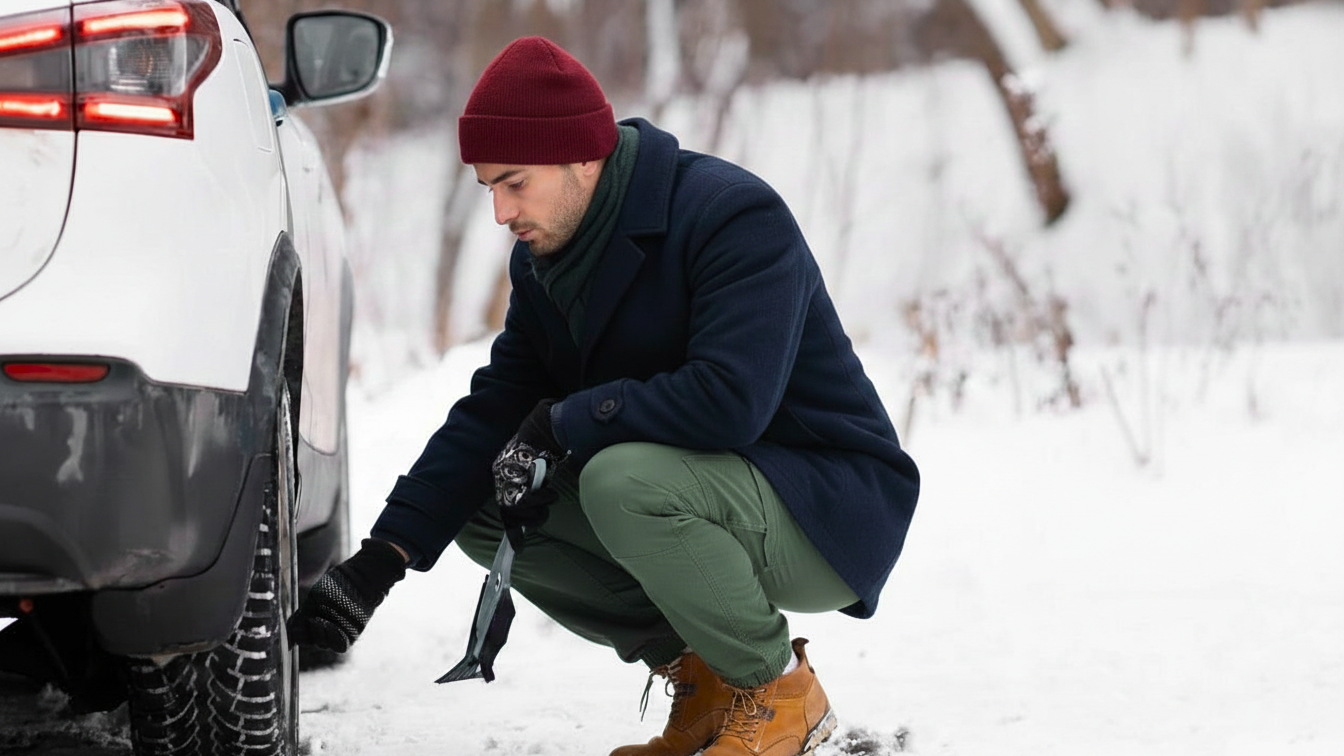
Urban winter means constant stops, narrow courtyards, traffic jams, and slippery intersections. Here, passability is less important than handling and control.
Optimal characteristics for the city:
- front-wheel or all-wheel drive;
- compact dimensions;
- effective ABS and ESP;
- good visibility.
A compact car with proper tuning often turns out to be more convenient and safer than a large SUV.
Important winter features:
- heated mirrors and glass;
- fast cabin warm-up;
- stable electronics performance.
In city conditions, the best cars for snow are those that do not require constant concentration and forgive minor mistakes.
Best Cars for Snow and Off-Road Conditions
When winter includes not only the city but also highways, country roads, and unplowed routes, vehicle requirements increase significantly.
What really matters:
- all-wheel drive with locking capability;
- high ground clearance and short overhangs;
- underbody protection;
- driving modes for snow and ice.
In such conditions, SUVs perform best. The best suv for snow is not necessarily the most expensive one, but the one with an honest drivetrain and proper body geometry.
Best Family Cars for Snowy Weather
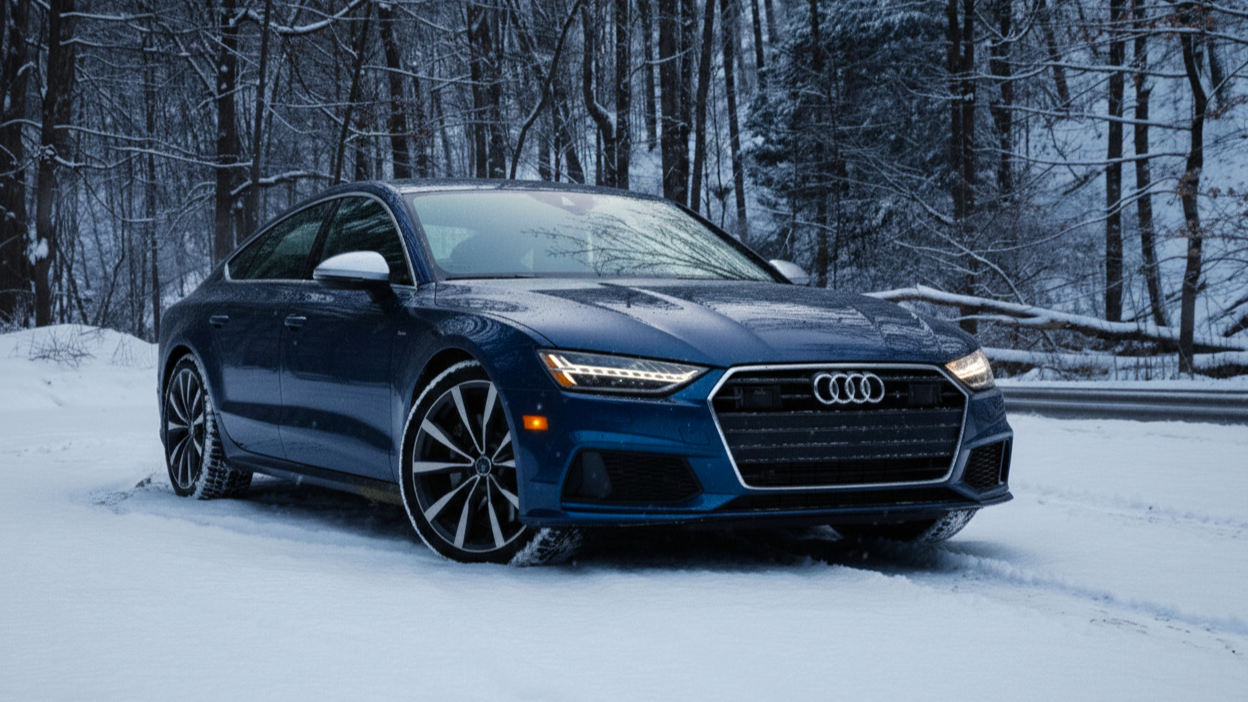
A family car in winter should be as predictable and calm as possible. It should not encourage aggressive driving and must behave consistently in typical winter scenarios. The fewer surprises in handling, the higher the overall safety level for passengers.
Key requirements:
- spacious interior and trunk;
- stable suspension;
- all-wheel drive or confident front-wheel drive;
- modern safety systems.
These parameters directly affect comfort and control in cold weather. For families, it is important that the car feels equally confident on cleared asphalt and packed snow. Comfort in freezing temperatures is no less important here than passability.
Best Compact Cars for Snow
Compact models are often underestimated, but unfairly so. Many drivers mistakenly believe that a small car cannot behave confidently in winter. In practice, compact size often becomes an advantage in dense urban traffic and courtyards.
Their strengths:
- low weight;
- good handling;
- winter efficiency;
- ease of parking in snowbanks.
Lower mass reduces inertia on slippery roads and makes the car easier to control. Compact dimensions also allow for easier maneuvering in snowy ruts and confined spaces. With proper tires and tuning, even a compact car can provide confident snow driving in urban conditions. Such a car in snow reacts faster to driver inputs and is less likely to enter an uncontrolled skid. For everyday city trips, this is often a more practical solution than a large vehicle.
Useful Winter Features in a Car
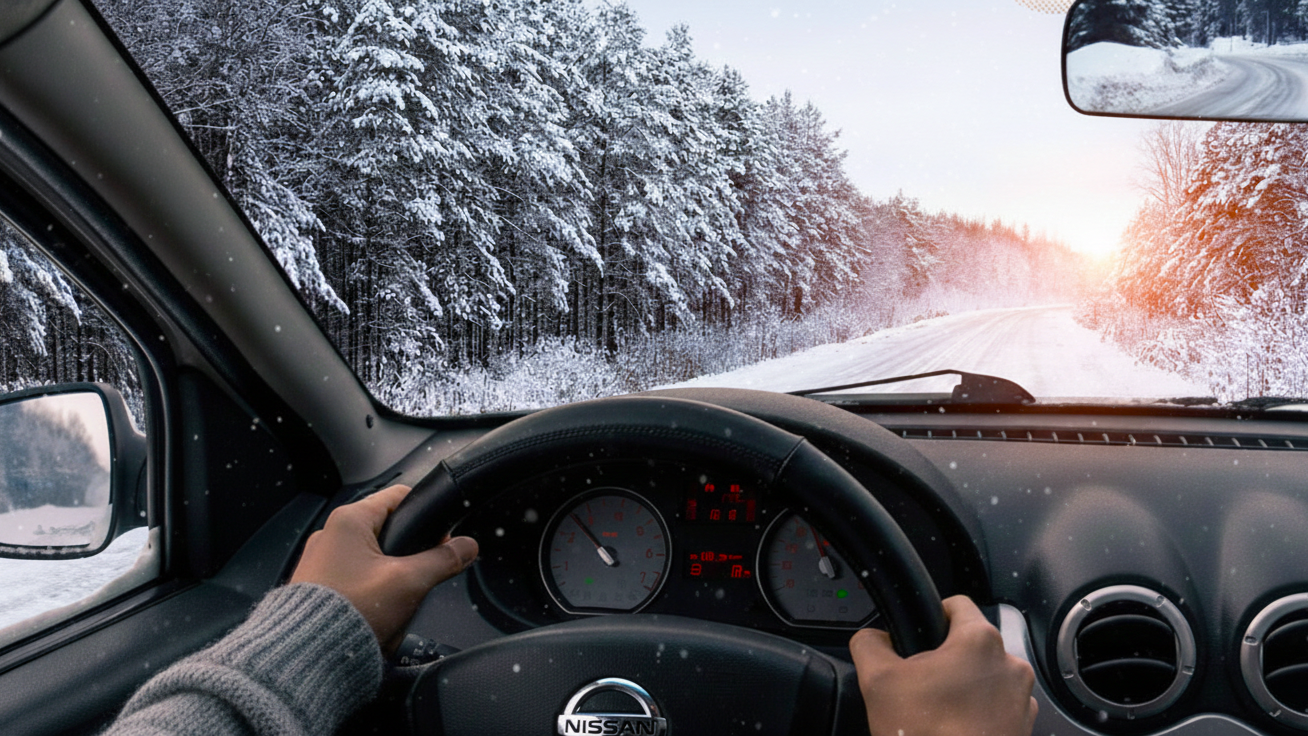
In winter, certain vehicle features stop being optional and turn into everyday necessities. They do not make a car faster or more powerful, but they directly affect how long a driver can stay focused and how safely a trip ends in cold conditions:
- heated seats and steering wheel — less fatigue in cold weather;
- heated mirrors and windshield — better visibility in snow;
- winter transmission modes — smoother snow driving;
- hill start and descent assist — more control on slippery slopes.
All these features work toward one goal: reducing driver fatigue. The less attention is spent on cold, fogged glass, or uncomfortable controls, the more attention remains for the road.
Tips for Winter Driving
Even the best cars for snow will not compensate for poor driving habits. Winter conditions demand a different mindset, where smoothness and anticipation matter more than speed or power.
- use quality winter tires;
- accelerate and brake smoothly;
- prepare the car before winter;
- keep basic emergency gear in the car.
Finally, winter driving is about readiness. Basic equipment such as a shovel, tow rope, and warm clothing can turn a difficult situation into a manageable one. Calm decisions and preparation are far more valuable than aggressive driving or excess horsepower.
Conclusion
Choosing the right vehicle plays a major role in safety and confidence during snow driving. Drivetrain layout, ground clearance, electronic systems, and winter-oriented features all influence how stable and predictable a car in snow feels in real conditions.
The key takeaway is simple: the better a vehicle is adapted to winter, the less stress and risk a driver experiences throughout the cold season. Instead of relying on appearance or marketing claims, it is worth focusing on real characteristics that work every day.
Explore the vehicle catalog on our website and select a model that is genuinely suited for winter roads and challenging snowy conditions.

