



Engineering Legends: What Makes Cars Truly Indestructible
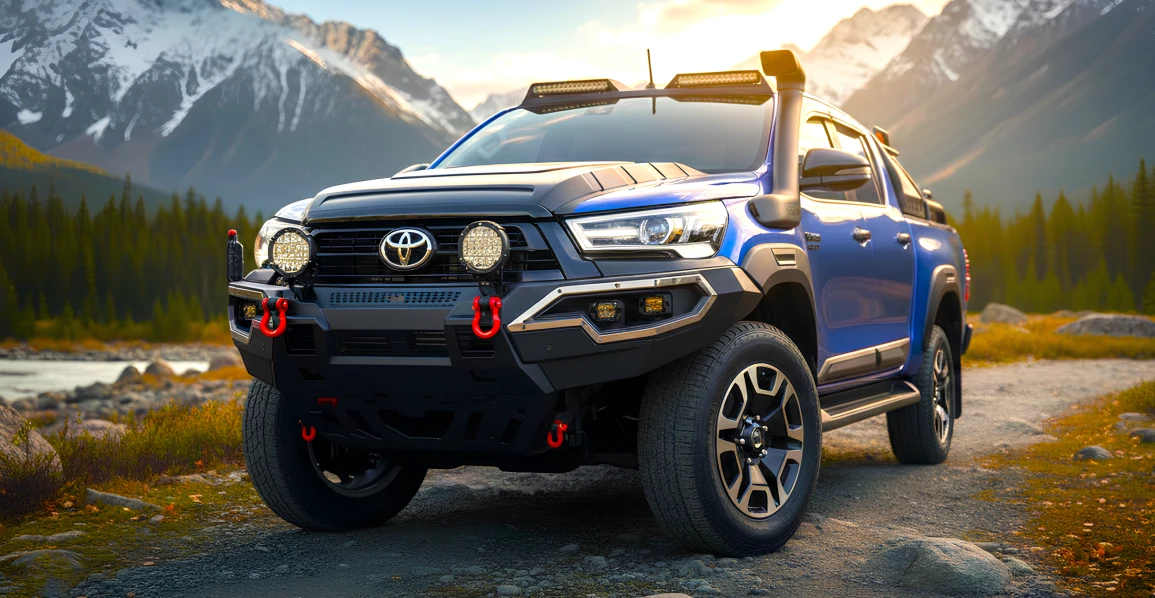
In an era of high consumption and planned obsolescence, where many products are designed with a limited lifespan, the demand for reliability is more relevant than ever. For many drivers, a vehicle is not merely a mode of transport; it is a significant investment, a critical work tool, or a safety capsule for their family. Why are some models scrapped after just five years, while others continue to drive for decades, racking up hundreds of thousands of miles without major repairs? The secret lies in engineering, material quality, and the safety margins established by the designers.
Today, the strongest cars are not necessarily military vehicles devoid of comfort. They can be family crossovers, heavy-duty pickups, or even executive sedans. The concept of being "indestructible" consists of many factors: from the gauge of the steel used in the bodywork to the simplicity of the engine design. In this article, we will break down exactly what makes a machine truly enduring, examine the technical nuances, and present a list of models that have rightfully earned their status as legends of reliability.
Key Criteria for Vehicle Durability
To objectively evaluate a vehicle's reliability, looking at marketing ratings is rarely enough. One must understand the technical underpinnings. Durability is a combination of characteristics that allow a machine to maintain functionality under conditions that exceed normal operation.
Engine and Transmission Reliability
The heart of an "unbreakable" vehicle is typically a large-displacement naturally aspirated engine or a diesel with a cast-iron block. The absence of complex turbochargers, high-pressure direct injection systems, and overloaded electronics significantly increases the lifespan. In terms of transmission, classic torque-converter automatics or robust manual gearboxes are highly valued. CVTs (Continuously Variable Transmissions) and dual-clutch gearboxes, while efficient, rarely boast the same longevity under heavy loads.
Suspension and Chassis Quality
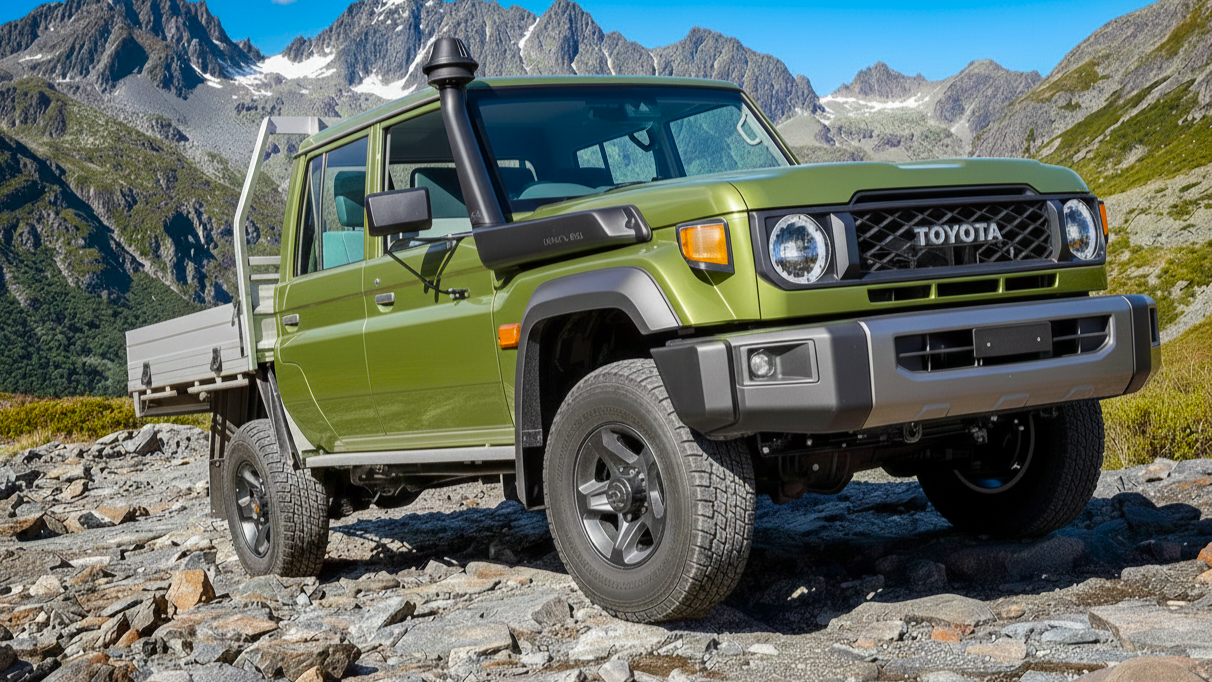
The undercarriage takes the first hit from road irregularities. In the most durable models, control arms are made of forged steel or cast iron rather than thin aluminum. Bushings should be massive, and shock absorbers should offer long travel and high energy absorption. The presence of a ladder frame (in the case of SUVs) or a reinforced subframe (for crossovers) ensures the geometric stability of the entire structure during diagonal articulation and impacts.
Body Longevity and Corrosion Resistance
Metal fatigues. Over time, micro-vibrations and impacts can lead to cracks in structural elements. However, when engineers set a goal to create the strongest car body in the world, they utilize high-alloy steels, laser welding methods, and additional reinforcement in deformation zones. Equally important is protection against corrosion: double-sided galvanization and high-quality paintwork serve as a barrier, without which even the thickest metal will turn to dust after a few years of operation in climates that use road salts.
Resistance to Extreme Conditions
True durability is tested not on city asphalt, but where temperatures drop to -40°F or rise to +120°F. A reliable machine must start in the freezing cold, avoid overheating on steep climbs in the heat, and withstand the vibrations of a washboard road. This requires an effective cooling system, high-quality wiring protected from moisture and dust, and rubber components resistant to aging.
Types of Vehicles Usually Considered the Most Durable
Different classes of vehicles have different durability standards dictated by their intended purpose. One cannot demand the same toughness from a city hatchback as from a quarry dump truck, yet there are leaders in every segment.
Off-Roaders and SUVs
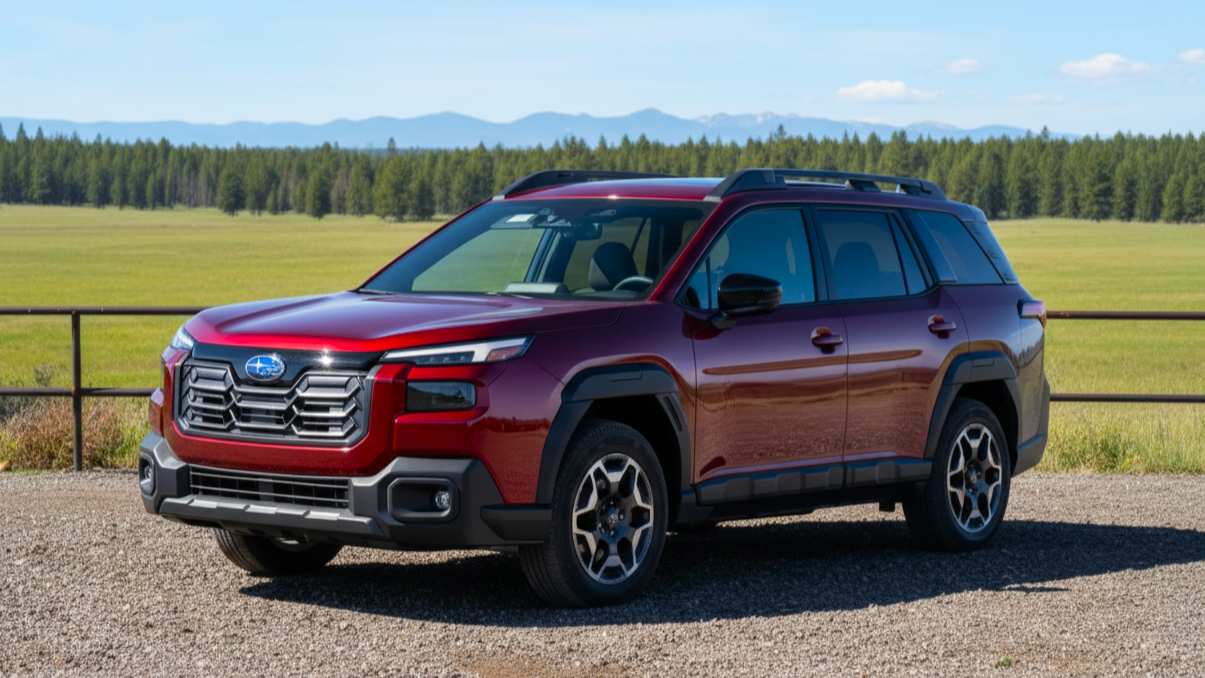
This is the elite tier of durability. True off-roaders are built around a ladder-frame chassis. This construction allows the body to be isolated from the chassis, reducing stress on the cabin and increasing overall torsional rigidity when driving over rough terrain. Solid axles add reliability as they have fewer moving parts and fragile boots to tear compared to independent suspension systems.
Pickups and Trucks
If your goal is to find the toughest car in the world, you should turn your attention to the pickup truck market. These machines are created as workhorses. Their suspension is calculated for constant cargo hauling and towing heavy trailers. The rear leaf-spring suspension, often used in this class, is the gold standard for longevity and simplicity: there is simply nothing to break, and the load capacity is impressive.
Legendary Sedans and Hatchbacks
There is a stereotype that passenger cars are fragile. However, history is full of examples of sedans that have covered millions of miles. The secret of such cars often lies in simplicity and an excessive margin of safety, typical of the automotive engineering of the 80s and 90s. This is the "old school" approach, where engineers had more authority over the project than marketers trying to save on every bolt.
EVs and Hybrids
Modern technology is changing the perception of reliability. Electric vehicles have significantly fewer moving parts: no internal combustion engine, transmission, exhaust system, or fuel pumps. Theoretically, this makes them very reliable. However, battery durability and the resistance of electronics to vibration and moisture come to the fore. Hybrids, such as the Toyota Prius, have proven their phenomenal survivability in taxi fleets by combining engine reliability with transmission relief provided by the electric motor.
Top 10 Indestructible Vehicles
Below is a selection of machines that have proven their worth through time, conflicts, and harsh operation.
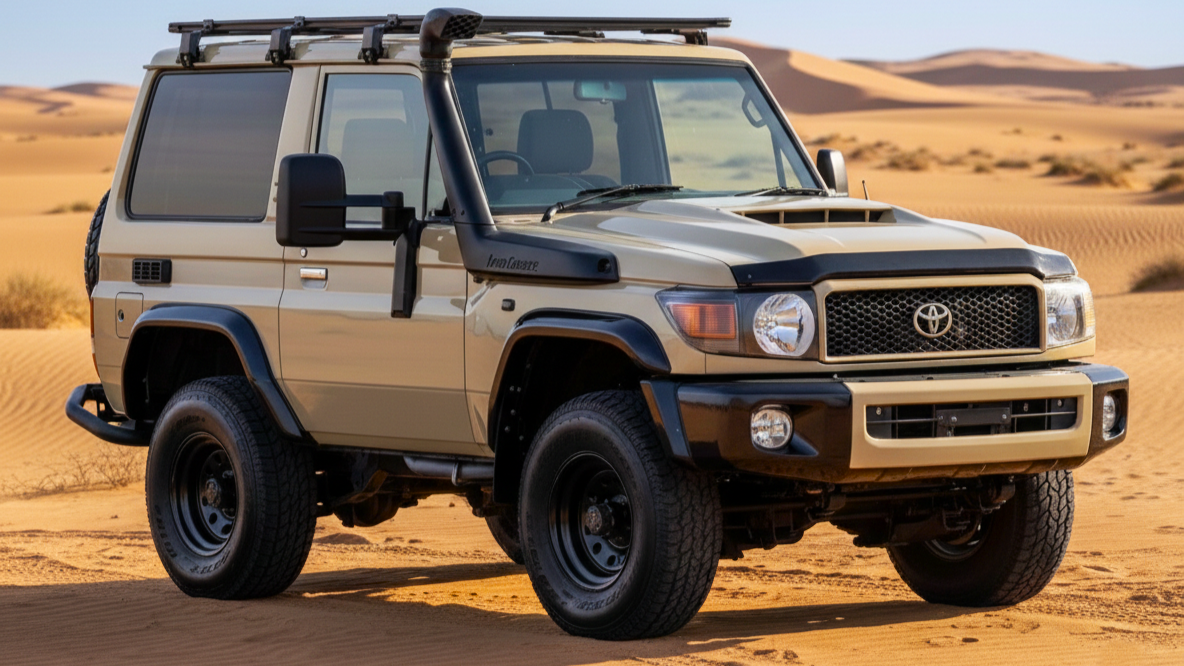
1. Toyota Land Cruiser 70 Series
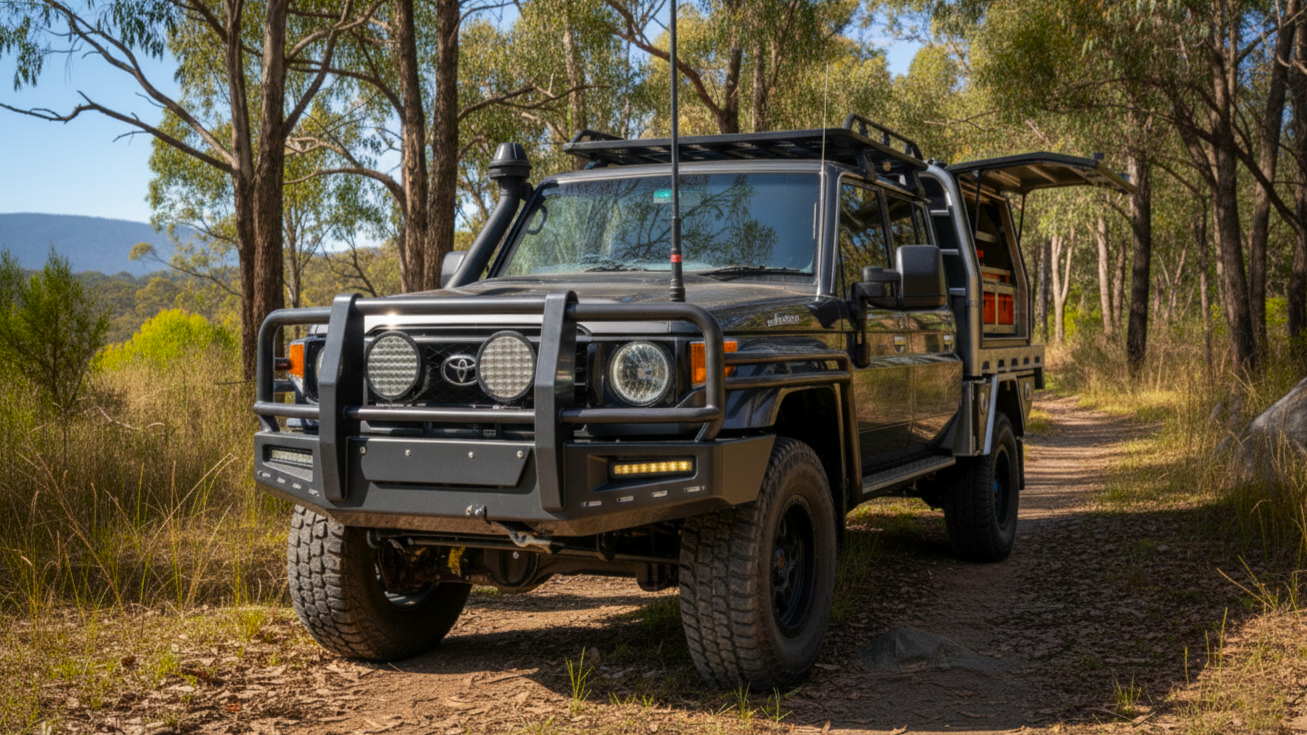
This vehicle has been in production since 1984 with almost no changes. It is as simple as a hammer. Minimal electronics, powerful axles, leaf springs, and legendary diesel engines (like the 1HZ) make it a favorite of the UN, the Red Cross, and geologists. It is, perhaps, the most indestructible car that can still be bought new in certain countries today.
2. Toyota Hilux
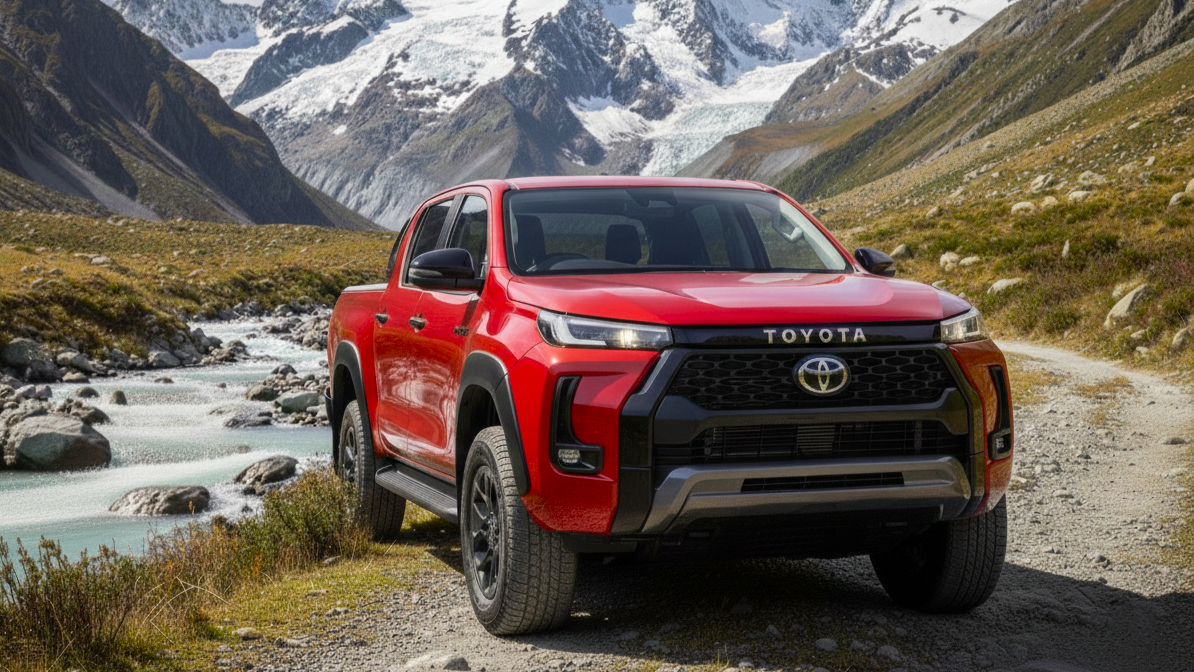
The hero of the Top Gear show, which was drowned in the ocean, set on fire, and placed on top of an imploding building. The Hilux is synonymous with survivability. Its frame construction and simple diesel units allow it to operate in conditions where other cars would simply crumble.
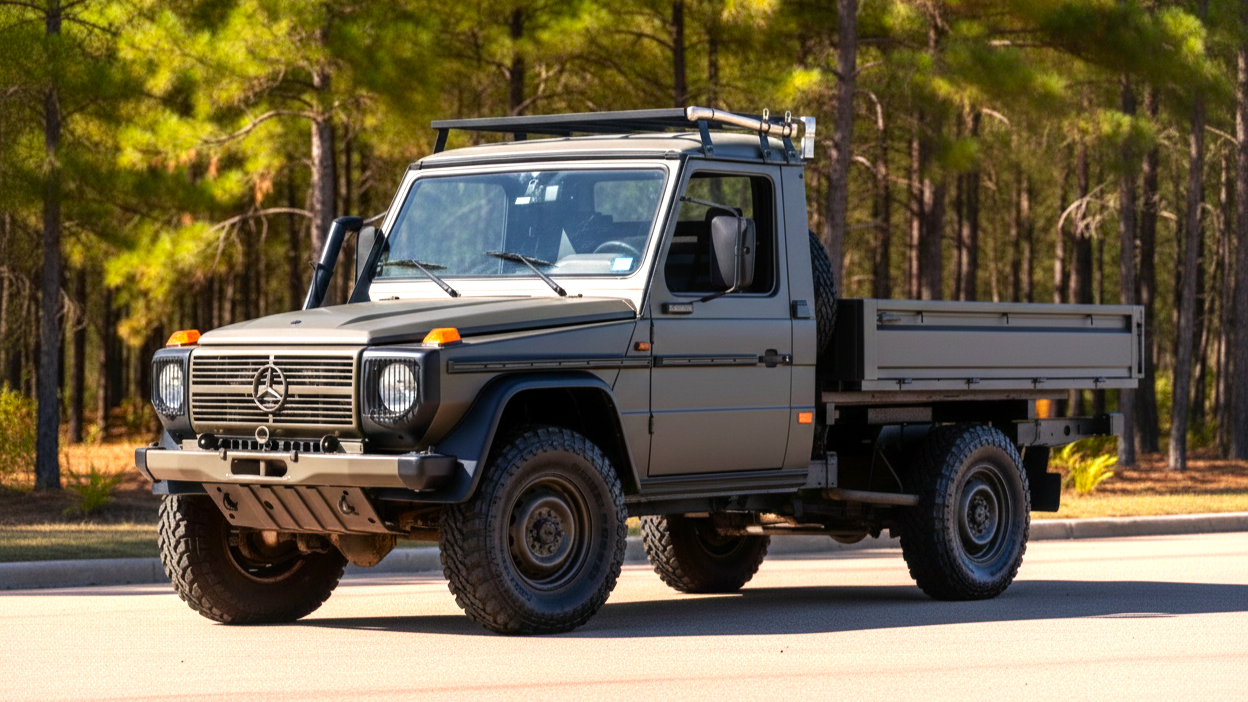
3. Mercedes-Benz G-Class (W460/W461)
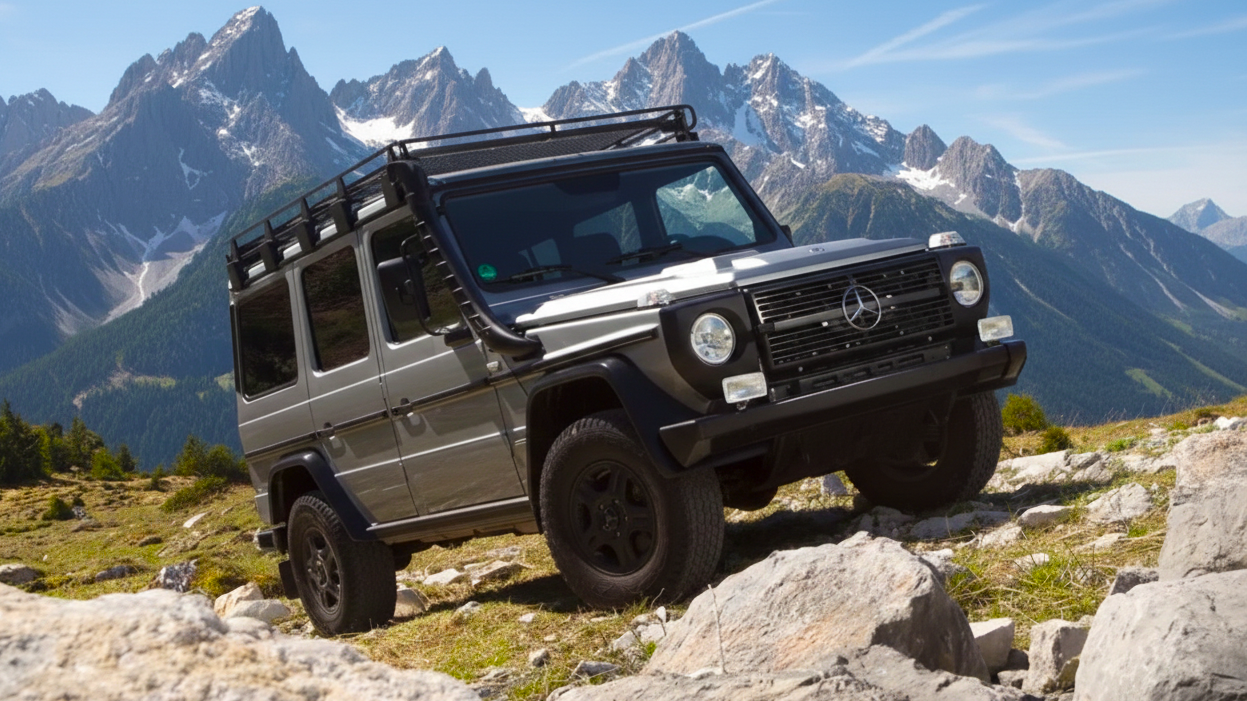
We are not talking about modern luxury AMG versions, but professional "G-Wagens" for the military and special services. Their safety margin is colossal: three locking differentials, thick body metal, and million-mile engines.
4. Volvo 240
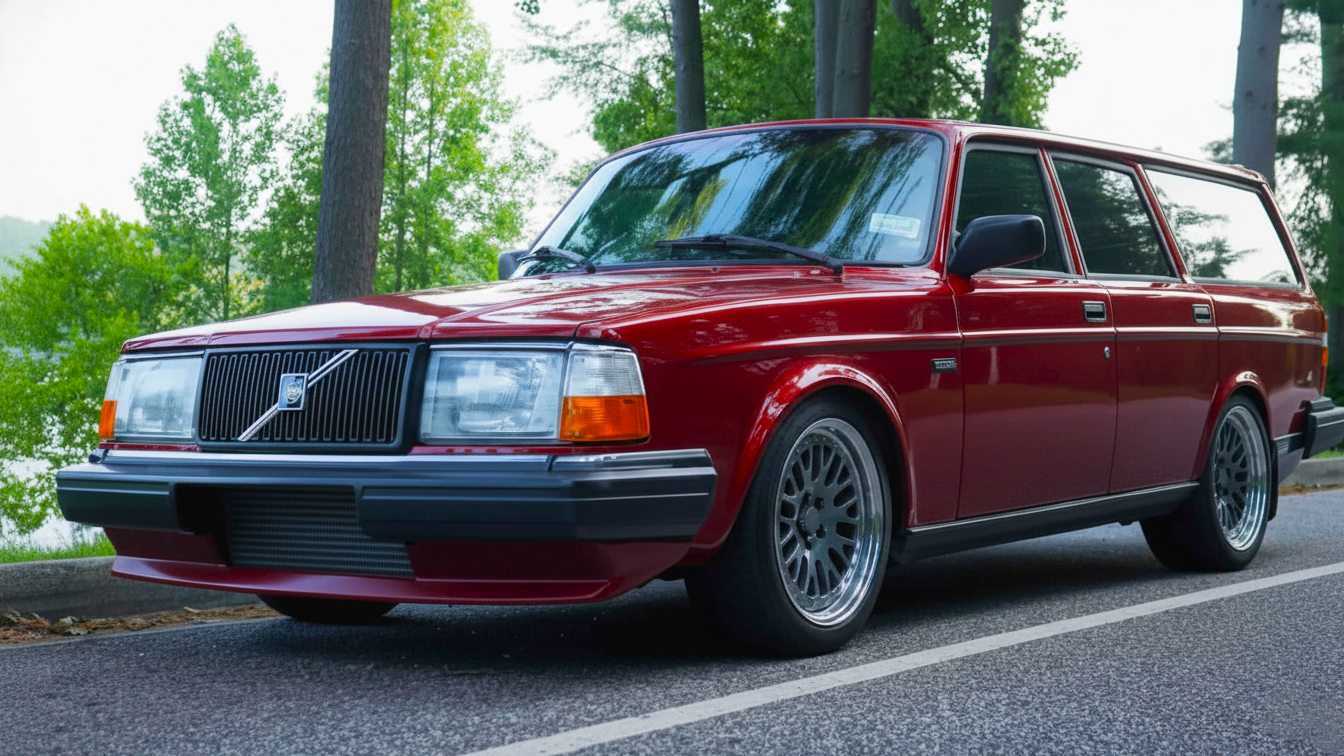
The Swedish "tank." This sedan is famous for saving lives and serving for decades. Its boxy design hides an incredibly rigid passenger cell and simple, reliable "Redblock" gasoline engines that easily run for 300,000+ miles without a rebuild.
5. Ford Crown Victoria
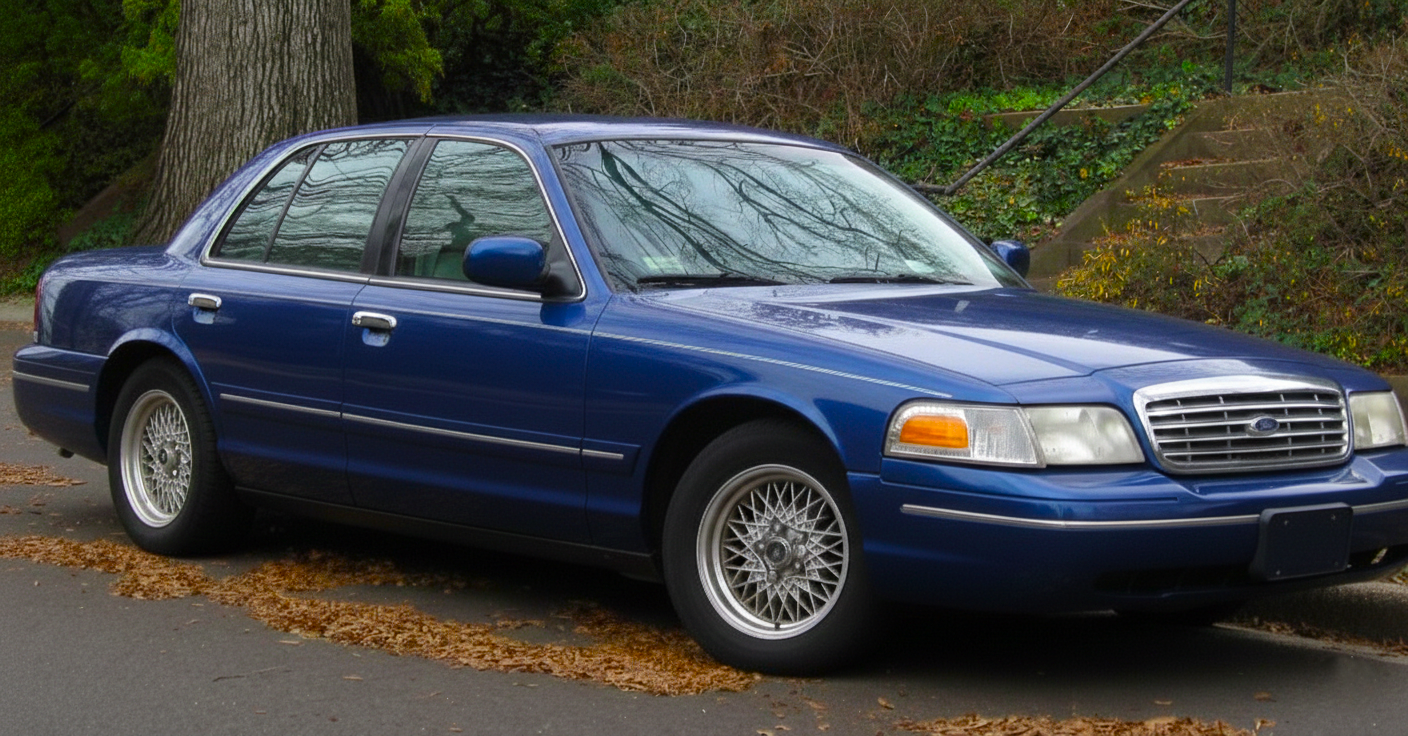
The darling of American police and taxi drivers. A body-on-frame construction on a sedan is a rarity. The V8 Modular engine is unpretentious and reliable, and the suspension withstands jumping over curbs during pursuits.
6. Honda Civic (90s and early 2000s generations)
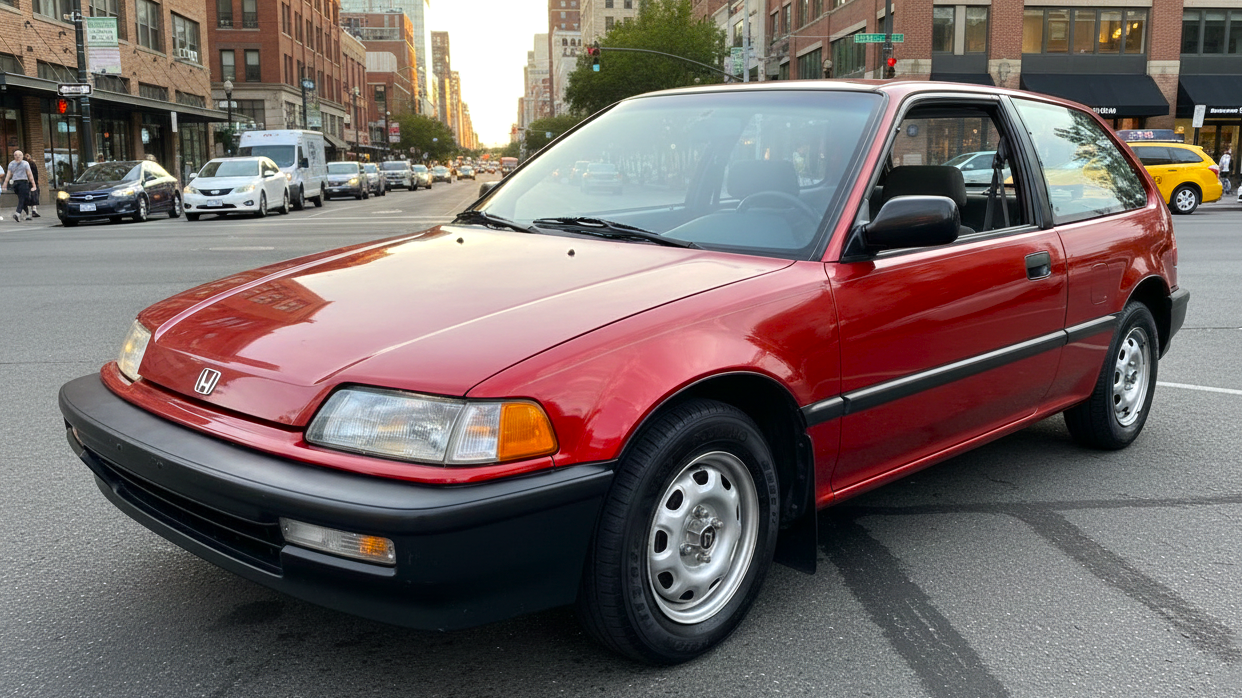
Simplicity of design, high-revving reliable engines, and excellent assembly. These cars often survive even with minimal maintenance, making them legends of the used market.
7. Subaru Outback / Forester
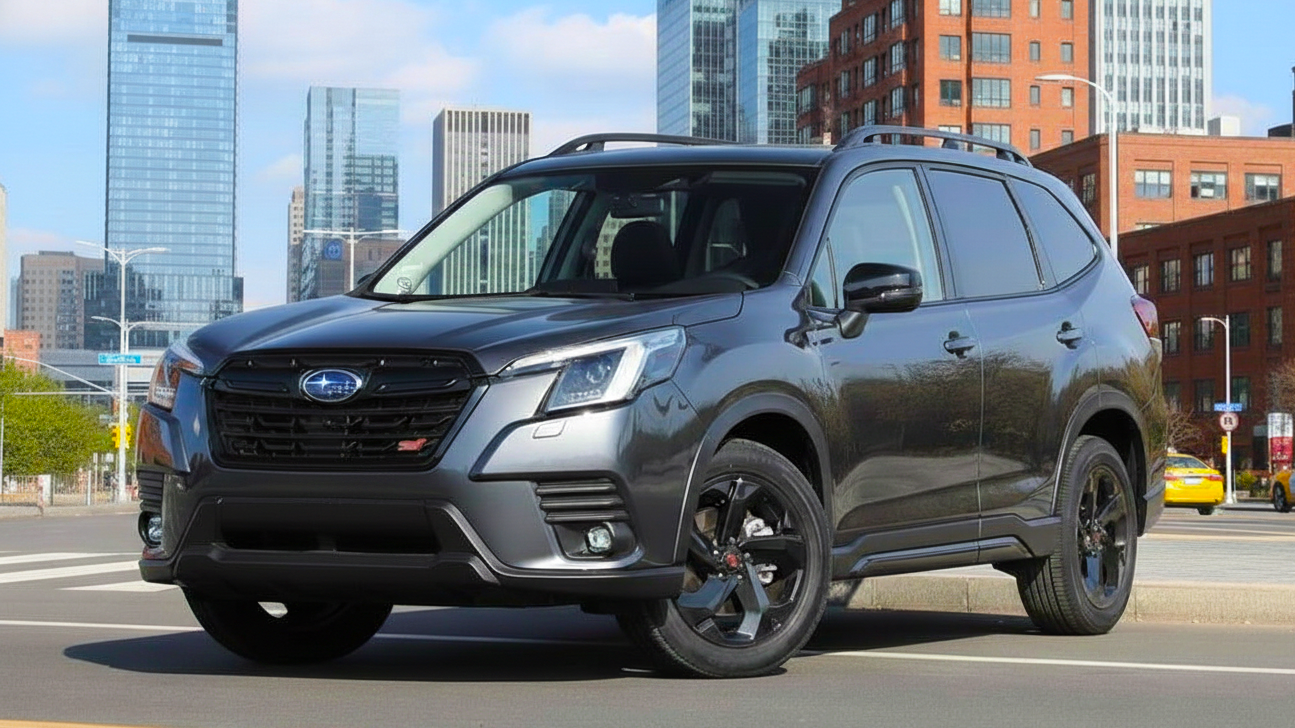
Boxer engines and symmetrical all-wheel drive create an excellent balance. Despite the complexity of the engine design, Subaru's suspension is noted for incredible energy absorption and longevity on bad roads.
8. Lexus LX / GX
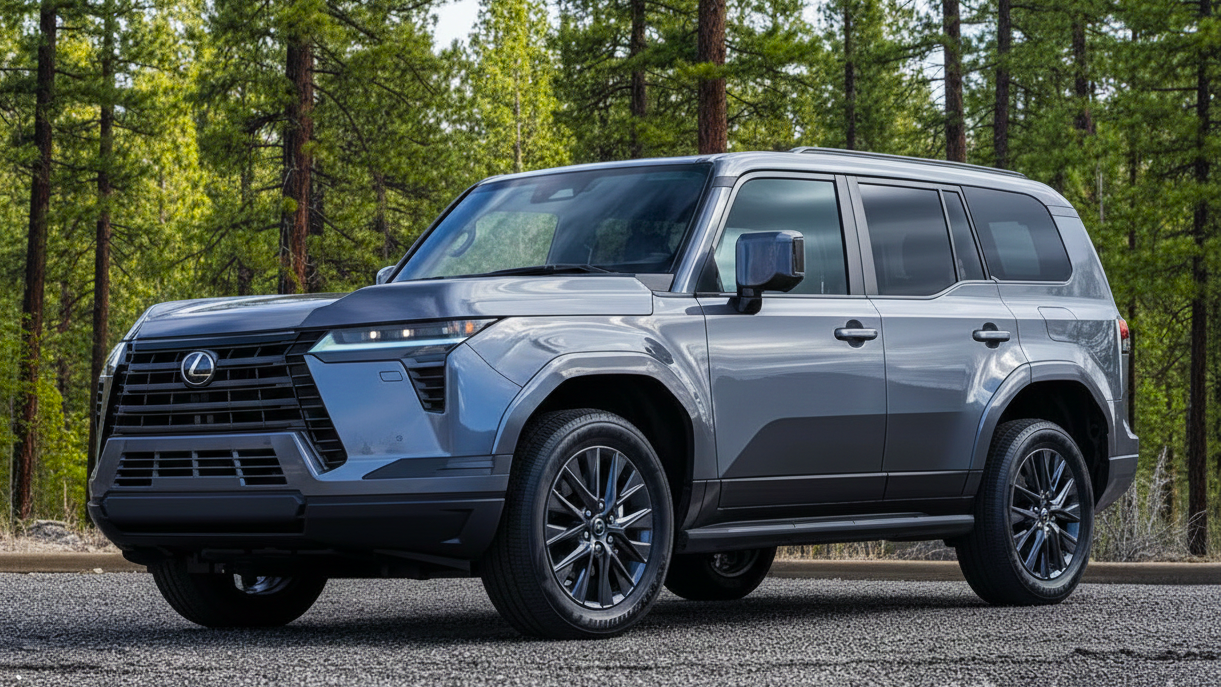
Essentially, these are the Land Cruiser and Land Cruiser Prado, but in a luxury wrapper. Build quality at Lexus plants is even higher than Toyota's, and material requirements are stricter. These are the strongest cars in the Luxury segment, capable of providing limousine comfort in the middle of a desert.
9. Nissan Patrol (Y60/Y61)
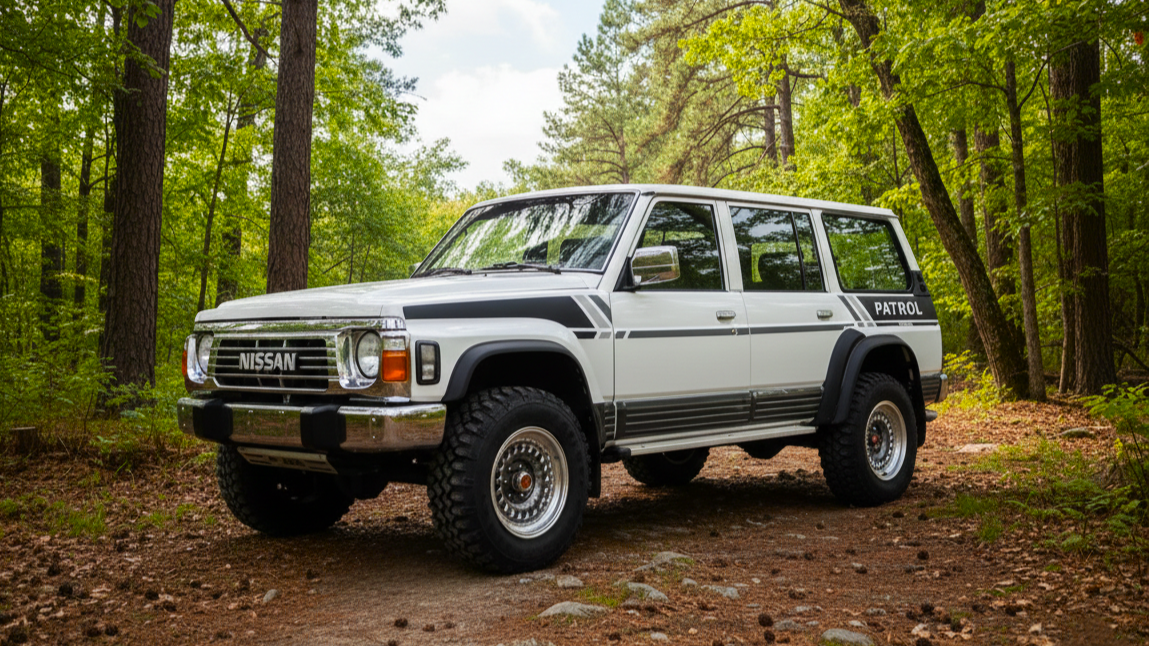
The main competitor to the Land Cruiser. It is famous for its unbreakable drivetrain, which handles huge torque. The TD42 engine is considered one of the best diesels in history.
10. Ford F-150
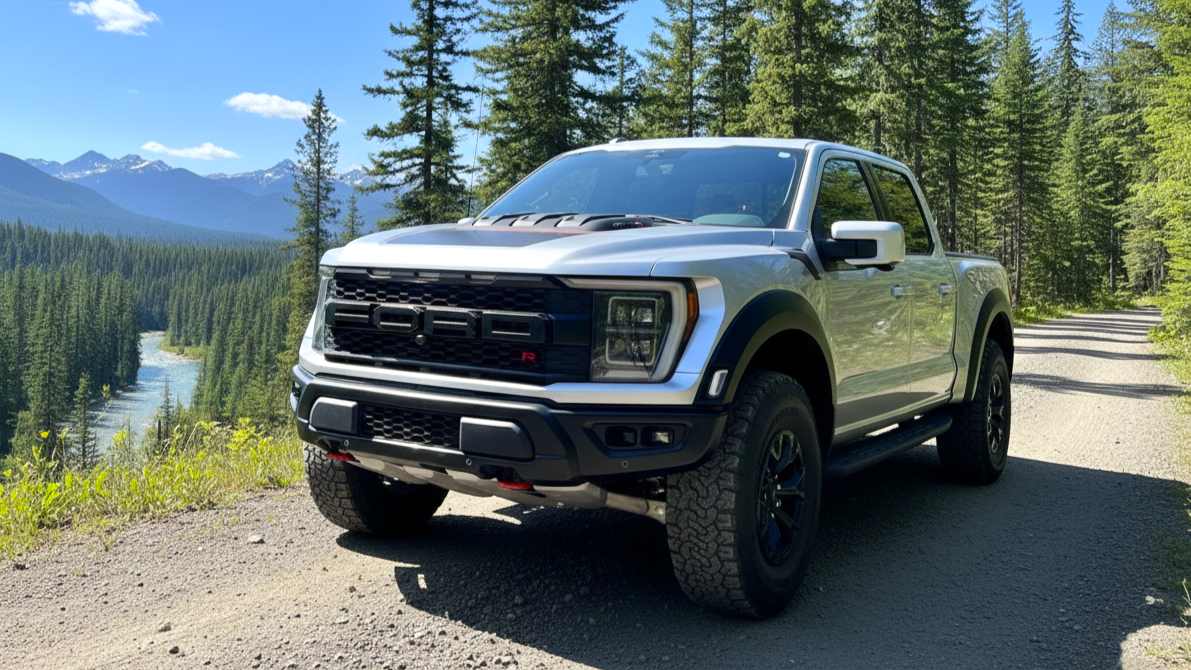
The best-selling pickup in the world. Its popularity is due not only to marketing but to real endurance. Modern models with aluminum bodies do not rust, and the high-strength steel frame withstands colossal loads.
Model | Body Type | Main Advantage | Approx. Resource (km) |
Toyota Land Cruiser 70 | SUV (Frame) | Simplicity of design | > 700,000 |
Volvo 240 | Sedan | Safety and metal | > 500,000 |
Ford F-150 | Pickup (Frame) | Payload capacity | > 400,000 |
Mercedes W123 | Sedan | Million-mile engine | > 1,000,000 |
The Impact of Maintenance and Operation on "Durability"
Even the most reliable mechanism can be broken by negligence. The myth that tough cars do not require maintenance is a dangerous misconception. On the contrary, the "long-livers" of the automotive world achieve record mileage precisely thanks to meticulous care.
Regular replacement of technical fluids is the baseline. Oil in the engine, transmission, axles, and transfer case loses its properties due to time and temperature changes. If you change the oil not every 10,000 miles as marketers recommend, but every 5,000 miles, the engine resource doubles. Using high-quality fuel prevents detonation and destruction of the piston group, and good filters save the fuel system.
Driving style is equally important. Even the toughest car in the world will not withstand constant "flooring it" on a cold engine or driving over speed bumps without braking. Metal fatigue accumulates. The difference between a car that was cherished and one that was "thrashed" becomes obvious by the 60,000–100,000 mile mark: the former will be like new, while the latter will require the replacement of half its components.
Features of Indestructible Cars by Category
Each class of car has its own engineering "tricks" that ensure longevity.
SUVs: Armor and Geometry
In SUVs, durability is achieved through material redundancy. Thick axle shafts, powerful driveshafts, and steel skid plates protecting the undercarriage. A crucial aspect is the protection of vital organs (radiator, oil pan) within the frame rails. Cataphoretic frame priming technology is often used to prevent rotting from the inside.
Trucks and Pickups: Powertrain
Here, the emphasis shifts to the transmission and cooling. Pickups are often equipped with additional radiators for the automatic transmission and engine oil to cope with towing. Rear axles feature increased ring gear diameters.
Passenger Cars: Engineering Balance
In sedans, it is impossible to use a heavy frame without sacrificing fuel efficiency and handling. Therefore, when engineers create the strongest car body in the world for the passenger class (for example, in older Volvos or Mercedes), they use complex architecture of longitudinal members that absorb impact energy while maintaining the geometry of the cabin "cage." The use of boron steel and hot stamping achieves high rigidity with lower weight.
Electric Vehicles: Thermal Management
For EVs, "durability" implies battery health. The best models are equipped with complex liquid cooling and cell heating systems, allowing the battery to serve for 10-15 years with minimal degradation. The absence of vibrations from an internal combustion engine also prolongs the life of all mounts and electronic circuit boards.
The Cost of Indestructible Cars and Their ROI
There is an economic paradox: a reliable car is often expensive to buy, but cheap in the long run.
Initial Price vs. Longevity
Vehicles with a high safety margin (Land Cruiser, G-Class, Heavy Duty pickups) have a high initial cost. This is the price for quality materials, engineering, and the brand. However, if you divide this price by the service life (20 years versus 5-7 years for a standard car), the cost of ownership per year turns out to be lower.
Maintenance Costs
Indestructible cars rarely require unscheduled repairs. You only spend money on consumables. While the owner of a budget crossover changes a turbocharger or CVT at 60,000 miles, the owner of a body-on-frame SUV is simply doing a routine service.
Resale Value and Liquidity
This is a key point. Cars with a reputation for reliability lose value phenomenally slowly. A three-year-old Toyota Land Cruiser can cost almost as much as a new one. By buying such a car, you are freezing funds, not losing them. This makes purchasing a tough car a profitable investment.
Conclusion
Summarizing, we can say that the perfect car does not exist, but there are models that have come as close as possible to this title. The most indestructible car is a combination of time-tested technical solutions and build quality.
Key characteristics of such machines:
- Simplicity of design (or smart engineering of complex nodes).
- Material safety margin (frame, thick metal, cast iron).
- Repairability and availability of spare parts.
However, do not forget that longevity is a duet between the engineer and the owner. Even a legendary Land Cruiser will not survive without oil. When choosing a car, focus not only on the brand but also on how the machine's design matches your operating conditions. A reliable sedan or crossover is suitable for the city, but for expeditions, only a body-on-frame SUV will do. Choose wisely, maintain with love, and your car will become a faithful companion for many years, outliving a multitude of trendy but disposable models.

