



How to Start a Car in the Cold: Complete Winter Engine Start Guide
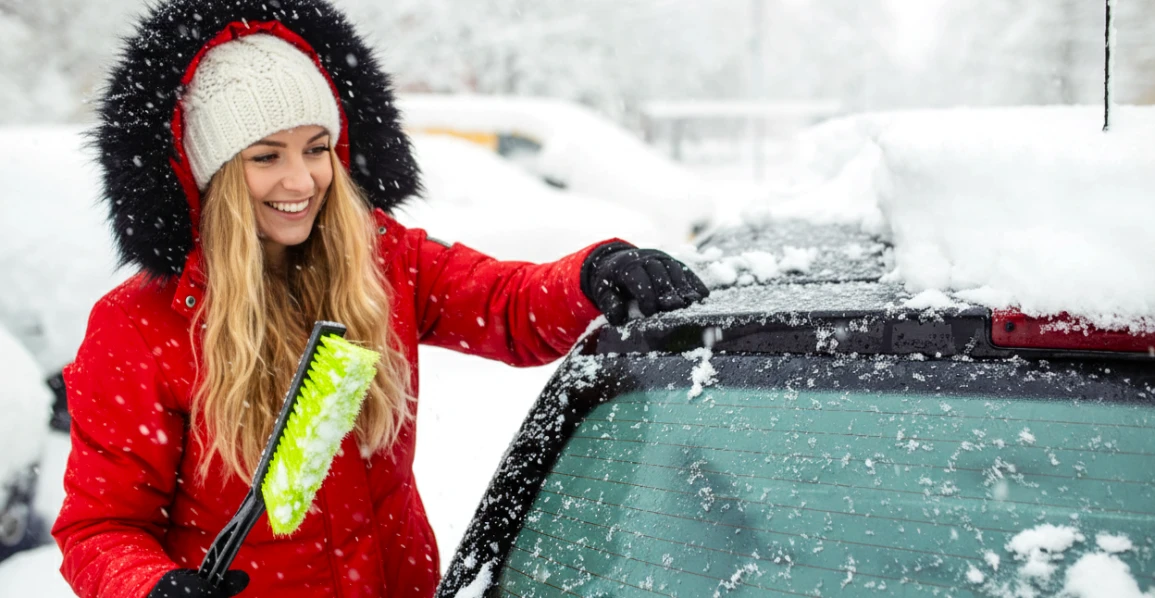
Winter is the harshest test for any vehicle. When the thermometer drops below freezing, the physical and chemical processes within a vehicle change drastically: oil thickens, fuel volatility decreases, and electrochemical reactions in the battery slow down. Understanding these internal changes is critical when starting a car in cold weather.
Why is a proper start-up so important? According to research by automotive engineers, a single "cold" start of an engine at -20°C results in wear on friction parts equivalent to approximately 100–150 kilometers of driving under normal conditions. Negligence in this matter not only shortens the engine's lifespan but also jeopardizes your safety: a heating system failure or a sudden engine stall on the highway can lead to serious consequences.
In this article, we will analyze in detail how to prepare your vehicle for frost, examine the physics of the starting processes for different engine types, and provide step-by-step algorithms to ensure a successful start even in extreme negative temperatures.
Preparing the Car Before Starting: Technical Inspection
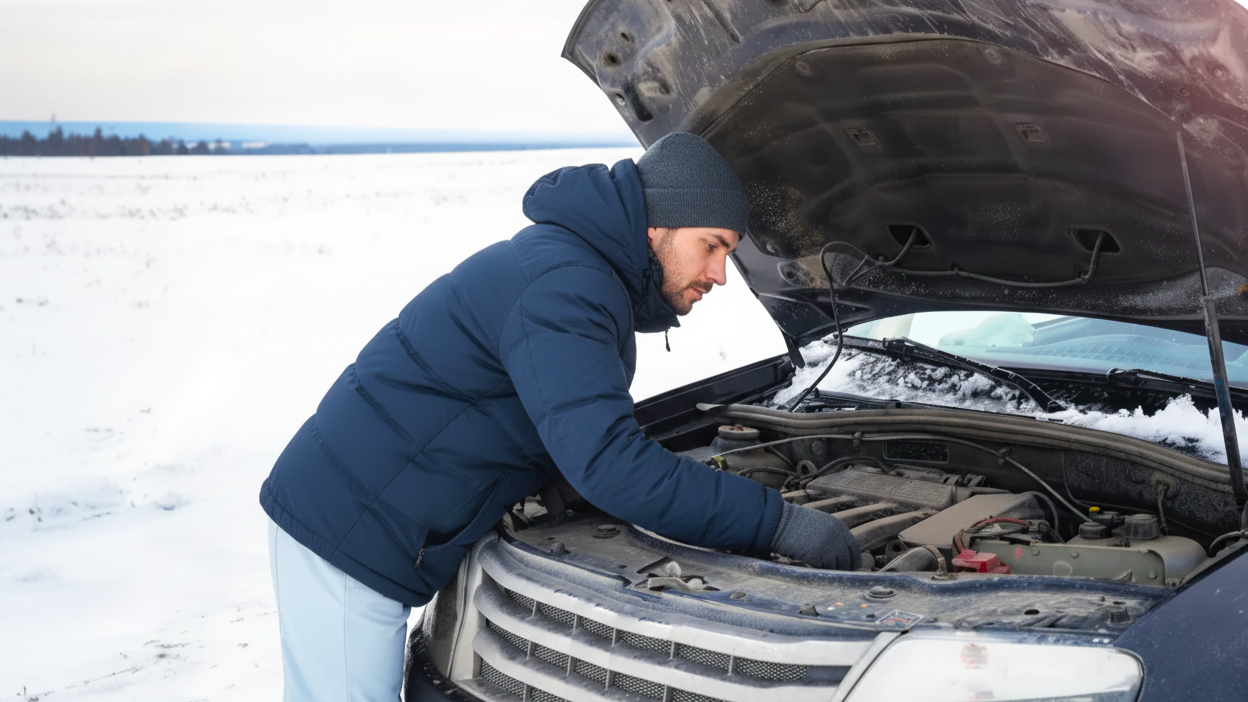
The success of a winter start depends 90% on what is happening under the hood of your car before you even turn the key.
Checking Oil Level and Viscosity
Engine oil in winter is the circulatory system of the engine. The primary parameter here is SAE viscosity (designations like $5W-30$ or $0W-20$). The first digit before the letter W (Winter) indicates low-temperature viscosity.
- 5W: Ensures crankshaft rotation at temperatures down to -30°C.
- 0W: Retains fluidity down to -35°C and below.
If your region experiences severe winters, changing the oil to a lower viscosity grade (for example, switching from 10W-40 to 5W-40) can be the deciding factor.
Battery Control (Accumulator)
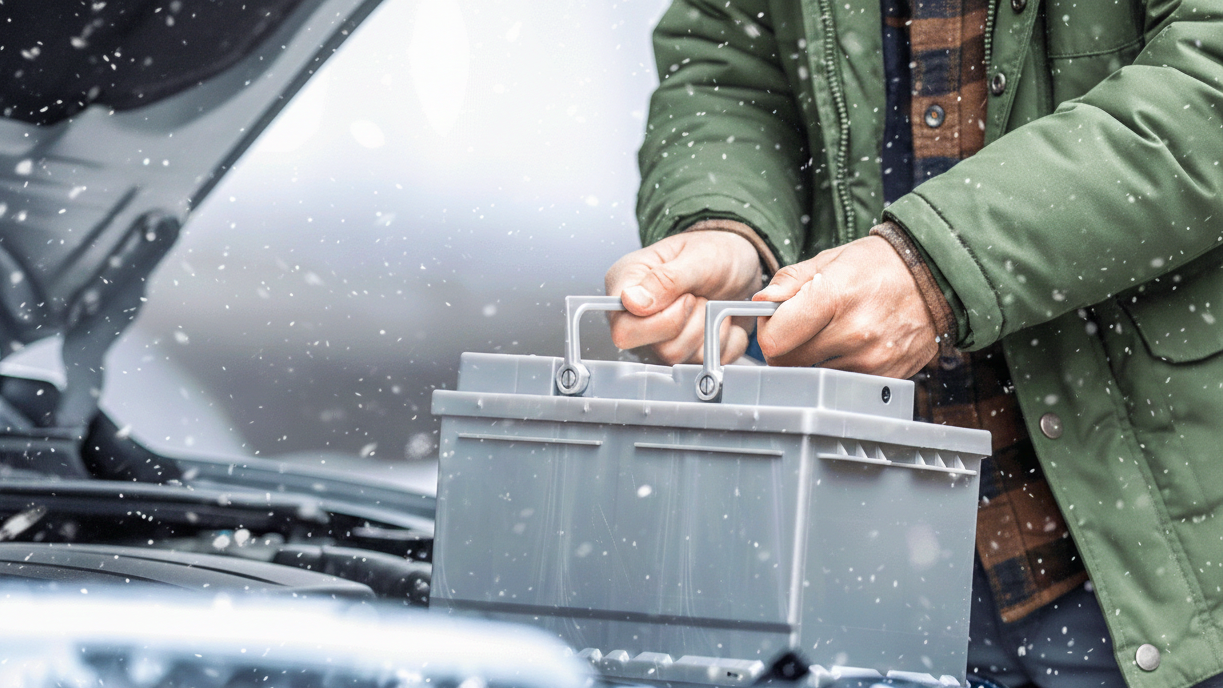
Cold weather "kills" battery capacity. At -18°C, a fully charged battery delivers only about 40% of the power available at +20°C.
- Charge: The voltage at the terminals with the engine off must be at least 12.6 V.
- Terminals: Oxidized contacts create resistance. Clean them with sandpaper and coat them with special dielectric grease.
- Cranking Amps: If the battery is more than 3-4 years old, have its Cold Cranking Amps (CCA) checked with a load tester at a service center.
Coolant and Antifreeze
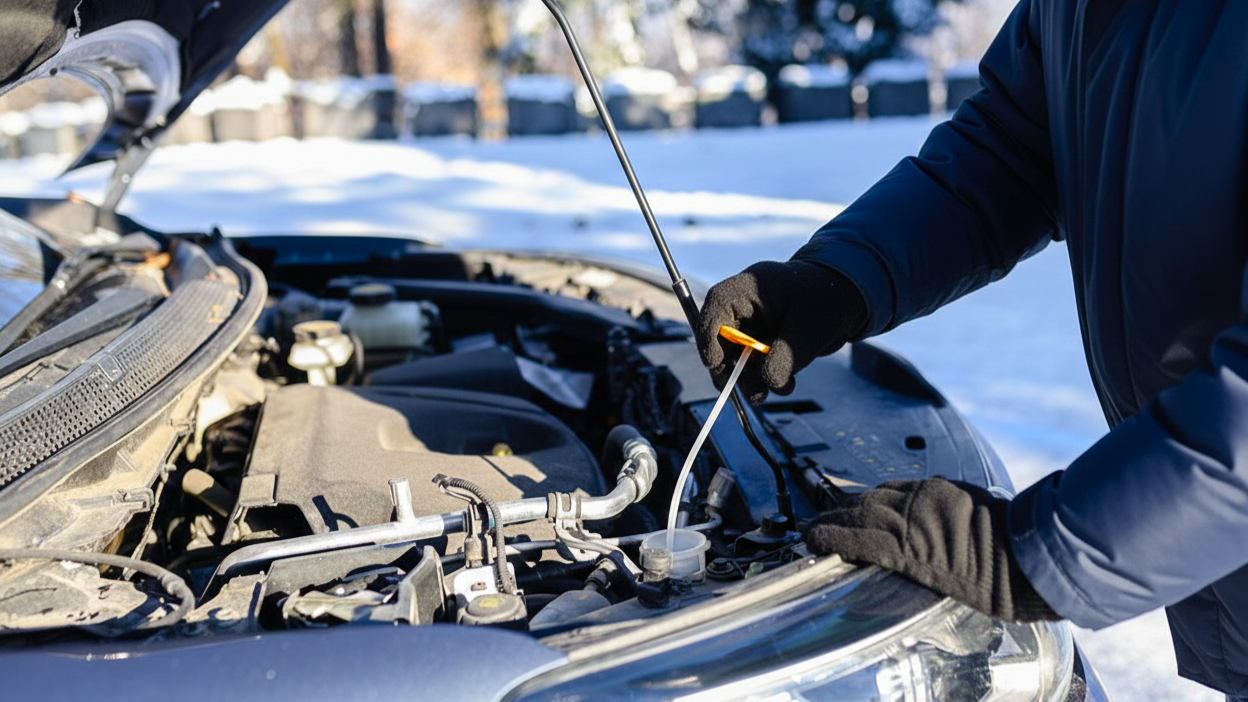
Water in the cooling system is a death sentence for the engine block in winter. High-quality antifreeze must be used. The density of the coolant is checked with a hydrometer or refractometer.
Ratio (Antifreeze / Water) | Freezing Point |
50% / 50% | -37°C |
60% / 40% | -52°C |
70% / 30% | -64°C |
Important: Never use antifreeze concentrate in its pure form, as it freezes at higher temperatures (-12°C) than when mixed with water.
Spark Plugs and Fuel System
Worn spark plugs with an increased gap require higher voltage to produce a spark. In conditions of voltage drop from a cold battery, this can result in a situation where the car will not fire. Check the condition of the electrodes and, if necessary, replace the set before the season.
Brakes and Tires
A winter start is only half the battle; you still need to drive away safely. Check tire pressure (it drops in the cold: a temperature decrease of 10°C reduces pressure by approximately 0.1 bar).
Exterior Car Preparation
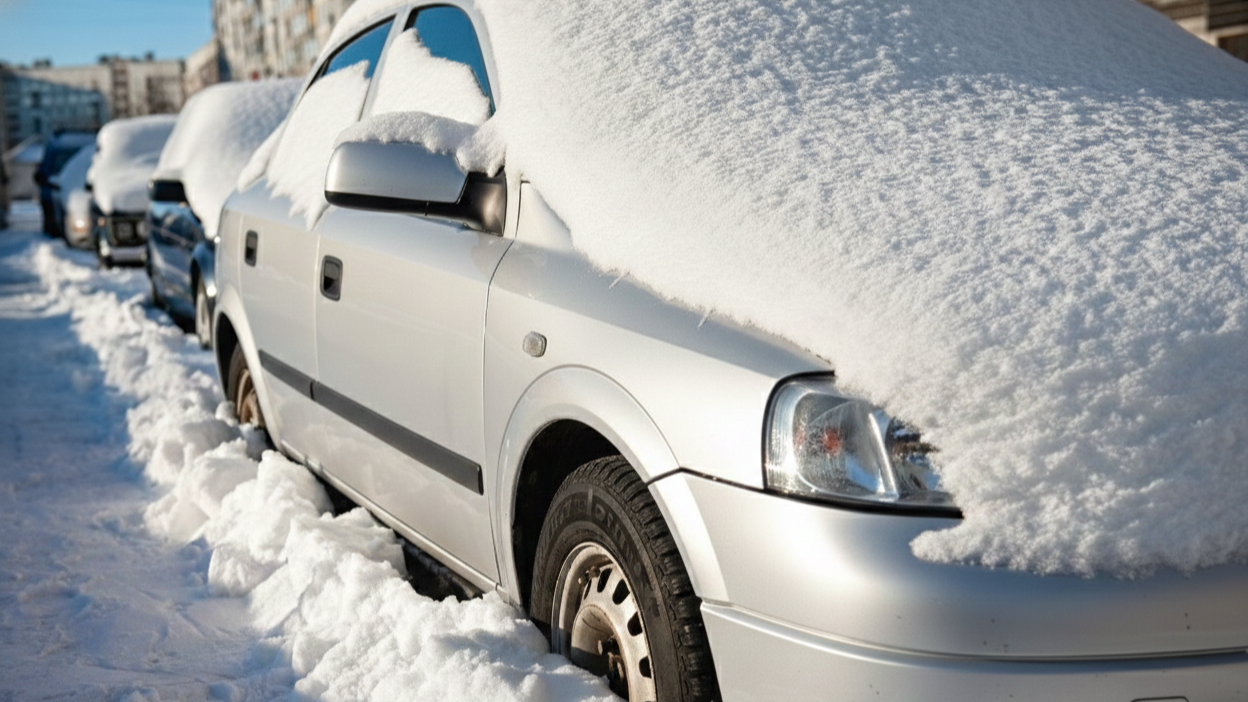
Before getting into the cabin, it is necessary to prepare the bodywork. This is a matter of safety, not just aesthetics.
Cleaning Glass and Optics
Never start driving with a "tank slit" on the windshield. Use a scraper with a brass blade (it does not scratch glass) or high-quality plastic.
- Life Hack: Lift the windshield wipers overnight if snow is expected, or use the "service mode" so they do not freeze to the glass.
Removing Snow from Roof and Hood
A "snowbank" on the roof is a delayed-action projectile. Under braking, it will slide onto your windshield, completely blocking your view, while on the highway, it will fly onto cars behind you, creating an emergency situation.
Defrosting Locks and Doors
The situation where a driver cannot enter the cabin due to a frozen lock cylinder or weather stripping is a classic winter problem that is best solved delicately, avoiding the use of brute physical force. The most effective and safe method remains the use of specialized chemical de-icers, often called a "liquid key," which are alcohol-based and possess high penetrating ability. However, drivers often make a comical but fatal error by keeping the de-icer can in the car's glove box, which is exactly what they cannot open; therefore, in winter, this product must be in your bag or jacket pocket. If special chemicals are not at hand, you can use the method of heating the key with a lighter, but this must be done with extreme caution.
You should heat only the metal blade of the key and only moderately, so as not to melt the plastic casing and, more importantly, not to damage the immobilizer chip located inside most modern keys, as overheating it will make starting the engine impossible. It is strictly forbidden to attempt to thaw the lock by pouring boiling water from a kettle on it. The sharp temperature difference causes thermal shock, leading to cracking of the paintwork and corrosion, and the water that gets inside will inevitably cool down and freeze again, but deep inside the mechanism, permanently blocking access. In an extreme case, if the lock does not yield, you can try to heat it with warm air through a thin cocktail straw, directing your breath directly into the keyhole.
Step-by-Step Instructions for Engine Start
Here is the optimal algorithm of actions regarding how to start a car in the cold that minimizes the load on the starter and engine.
- Turn off all energy consumers. The heater, seat warmers, radio, and headlights—all must be switched off. All battery energy must go to the starter.
- "Waking up" the battery (Controversial point). Previously, it was advised to flash the high beams. For modern batteries, this is minimally effective. It is better to simply switch the ignition on for 5–10 seconds so the fuel pump builds pressure in the rail and the electronics "wake up."
- Clutch (for Manual Transmission). Be sure to depress the clutch pedal to the floor. This disconnects the gearbox from the engine. Transmission oil is very thick in the cold, and it will be much easier for the starter to turn only the engine crankshaft, rather than the primary shaft of the gearbox in solidified oil.
- Operating the Starter.
- Turn the key. Crank the starter for no more than 10 seconds.
- If the engine does not "catch," pause for at least 30–60 seconds. This time is necessary for the battery to recover its charge and for the starter to cool down.
- After Starting. Do not release the clutch pedal abruptly. Slowly release it 15–20 seconds after the start. If the car jerks forward, the oil in the gearbox is too thick; depress the clutch again and wait a little longer.
Features for Petrol and Diesel Cars
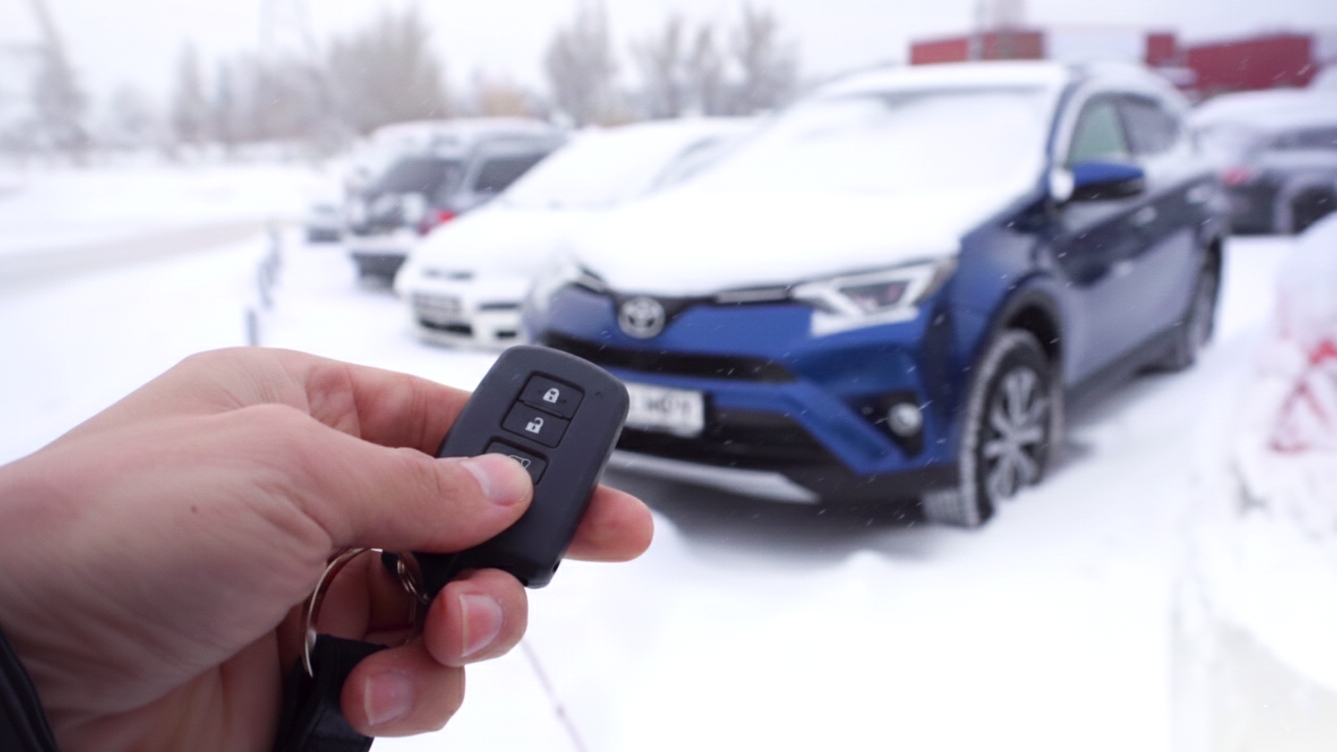
The engine type dictates its own rules of the game in freezing temperatures.
Petrol Engines
Gasoline evaporates poorly in the cold, but ignites from a spark.
- Flooding Issue: If you crank the starter for a long time without ignition, you can "flood the candles" (spark plugs) with gasoline. A spark simply cannot break through a wet electrode.
- Clear Flood Mode: If you realize you have flooded the plugs, most modern fuel-injected cars have a clear flood mode. Press the gas pedal to the floor and crank the starter for 5-7 seconds. In this mode, fuel injectors are disabled, and the cylinders are ventilated with air.
Diesel Engines
Diesel ignites from compression, and cold air is its main enemy.
- Glow Plugs: Turn the key and wait for the "coil" indicator on the dashboard to go out. In severe frost (below -20°C), repeat this procedure 2–3 times before cranking the starter. This warms up the combustion chambers.
- Fuel: Diesel fuel contains paraffins which crystallize in the cold, clogging filters. The use of "winter" diesel and anti-gels is mandatory. Anti-gel is added to the tank before refueling and before the fuel has frozen.
Tips for Electric Vehicles (EVs) in Winter
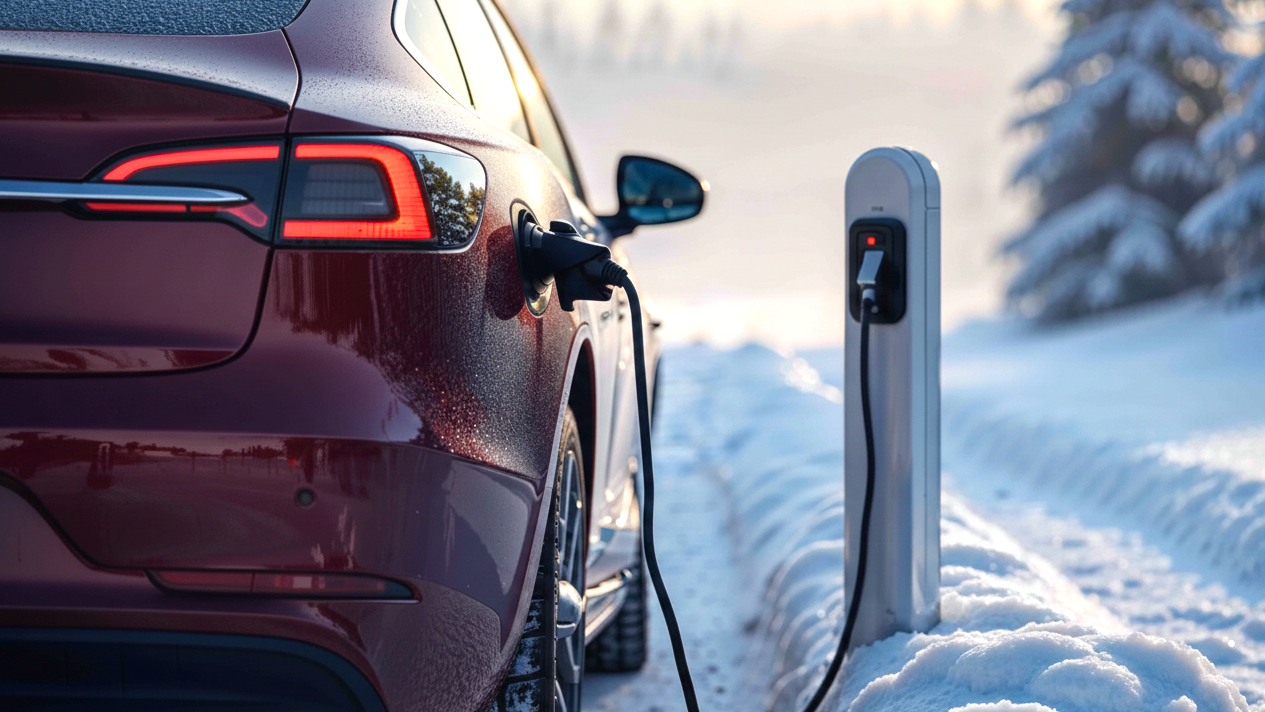
EV owners face a different problem: lithium-ion battery chemistry slows down, and cabin heating "eats" a huge portion of the charge.
- Pre-conditioning: The most important rule is to warm up the cabin and battery while the car is connected to the charging station (grid). This way, you leave with a full battery and a warm cabin without wasting range.
- Regenerative Braking: Remember that on a cold battery, regenerative braking may be limited or unavailable. Stopping distances may change.
- Eco-Mode: Use it for smooth energy consumption. Sharp acceleration on a cold battery is harmful to its cells.
Common Mistakes Drivers Make
Even experienced drivers make mistakes, leading them to search the internet for reasons why their car won't start in cold weather when it is already sitting as "dead weight."
Mistake #1: Endless Starter Cranking
Many hold the key turned for 20–30 seconds in the hope that it will "catch any second." This is a direct path to overheating the starter windings and completely draining the battery. Strictly observe the rule: 10 seconds of work — 1 minute of rest.
Mistake #2: "Push Starting" Modern Cars
Attempts to tow-start or push-start a modern car can lead to the timing belt or chain jumping, as well as unburned fuel entering the catalytic converter, which will destroy it.
Mistake #3: Ignoring Warm-up
A popular myth states: "Modern cars don't need warming up, just get in and drive." Technically, the injector will stabilize RPMs, but:
- Thermal clearances in piston group parts have not yet normalized.
- Oil is thick and pumps poorly.
- Oil in the automatic transmission and shock absorbers is still icy.
Let the engine run for 3–5 minutes, then start moving smoothly, not exceeding 2000–2500 RPM, until the temperature gauge moves.
Mistake #4: Incorrect Parking
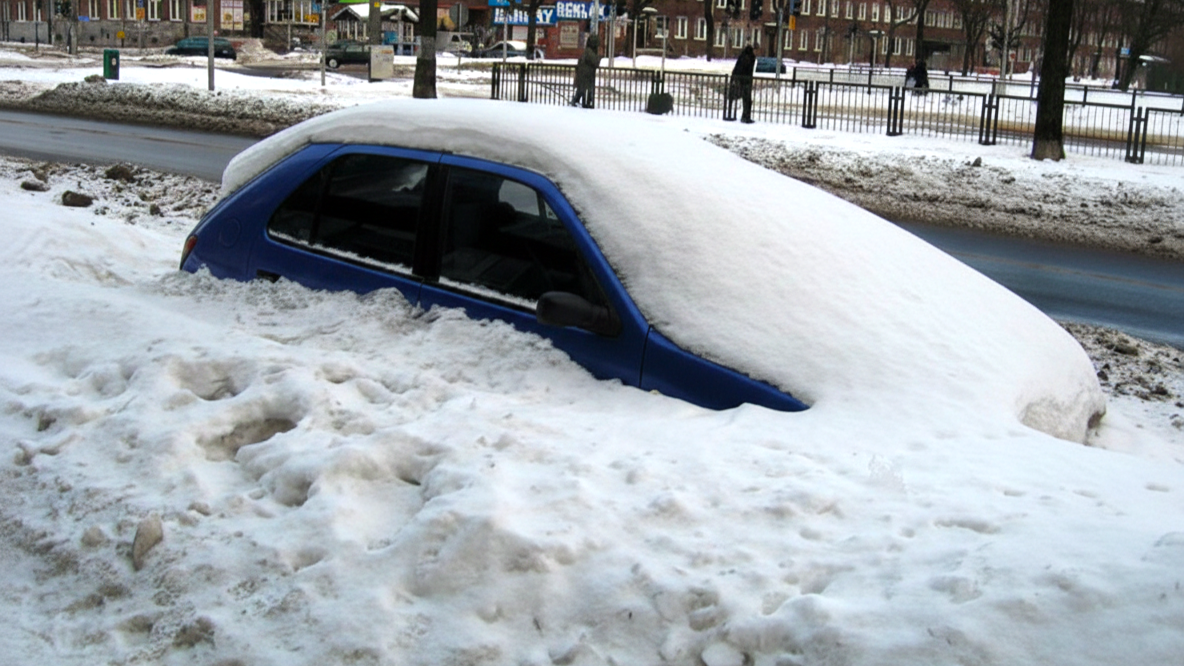
Leaving the car overnight in a snowbank or puddle risks finding frozen wheels or brake pads in the morning. Try to park on dry, cleared areas. Do not engage the handbrake during the transition season (when it thaws during the day and freezes at night)—the pads may freeze to the discs or drums.
Winter Car Care Tips
Regular maintenance helps avoid emergency situations.
- Fighting Salt and Reagents. Road reagents cause corrosion of electrical connections, which worsens contact (including on the engine ground and starter). Wash the car regularly in winter, including the undercarriage, but do so on warmer days or be sure to blow out locks and seals with compressed air after washing.
- Silicone Lubricant. Treat all rubber seals on doors and the trunk with silicone spray. This prevents them from freezing to the metal body after a thaw or car wash.
- Fuel Tank. Keep the tank at least half full. In an empty tank, condensation (water) forms on the walls, runs down, enters the fuel line, and freezes, blocking the gas supply.
Conclusion
Winter vehicle operation is not just a daily routine, but a complex set of measures requiring knowledge and discipline. Remember that the process of starting a car in cold weather is a stress test for machinery that can be minimized by proper preparation.
Investments in quality oil, a new battery, and winter tires are always cheaper than engine repairs or calling a tow truck on a frosty morning. Pay attention to your car, and it will repay you with reliability in any weather.
Driver's Memo ("Successful Start Checklist"):
- Turn off all electrical appliances.
- Turn on the ignition for 5 seconds (let the pump prime fuel).
- Depress the clutch (for Manual Transmission).
- Crank the starter for no more than 10 seconds.
- If it doesn't start — wait one minute.
- After starting — warm up for 3–5 minutes.
- Start driving smoothly.
Take care of your car, and good luck on the winter roads!

