



Top Warning Signs Your Transmission Is Failing and How to Recognize Them Early
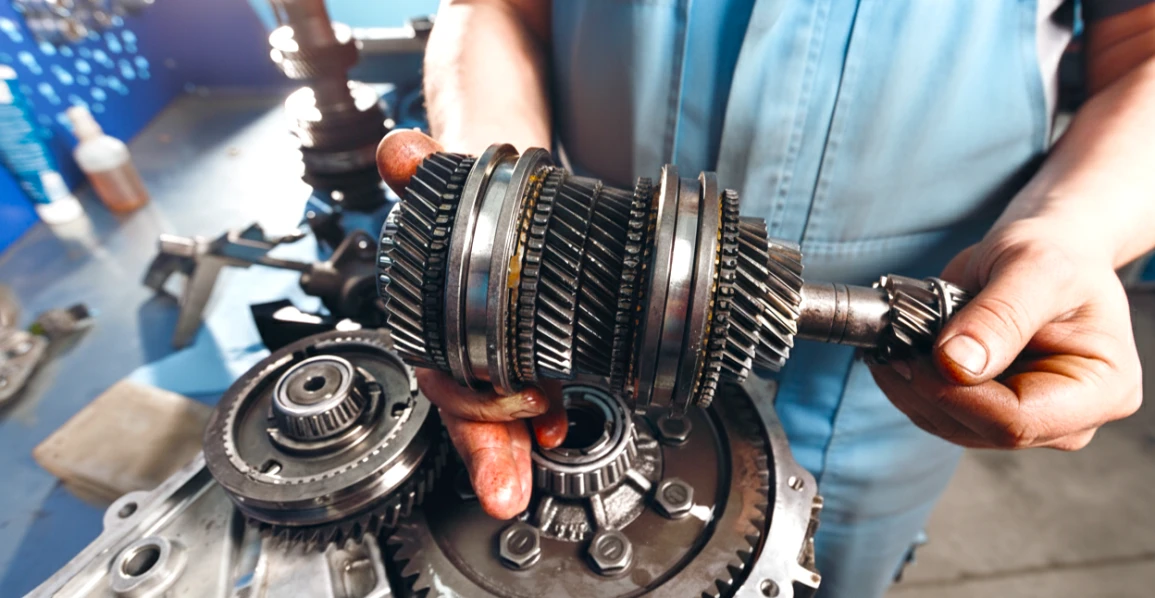
The transmission is one of the most complex and expensive components in your vehicle. Its repair costs can rival the price of a used car. Many drivers prefer not to think about it as long as it's working. This approach often leads to a minor issue, which could have been fixed for a small sum, escalating into a catastrophic failure and requiring the replacement of the entire unit.
Ignoring the first signals of a transmission malfunction is a direct path to significant financial loss and the risk of being stranded with an immobile vehicle at the most inconvenient time. Understanding the early symptoms is the key to the long and trouble-free operation of your car. In this article, we will thoroughly examine what sounds, smells, and sensations you need to pay attention to in order to detect transmission problems early and take the right course of action.
The Role of the Transmission in a Vehicle
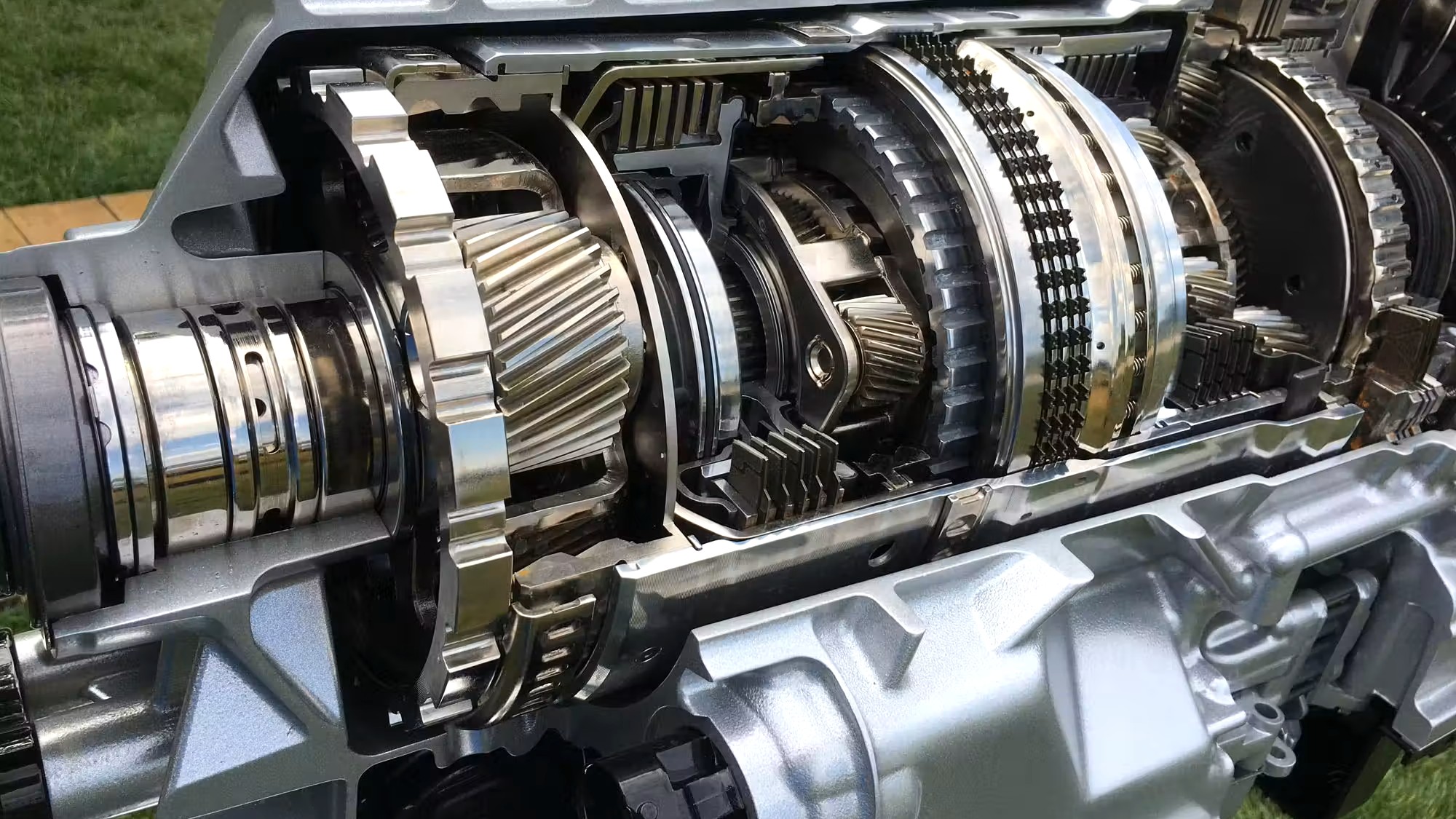
To appreciate the seriousness of a potential failure, you need to understand what this unit does. The transmission is a sophisticated system that transfers torque from the engine to the wheels. It allows the engine to operate within its optimal RPM range at various speeds, enabling acceleration, reversing, and idling while stopped. In a sense, the transmission is the nervous system of your vehicle's movement.
A failure in this system doesn't just reduce comfort; it can make the car unsafe or impossible to operate. Repairing an automatic transmission (AT), continuously variable transmission (CVT), or an automated manual transmission (AMT) requires highly skilled technicians and specialized equipment. The cost of parts like the valve body, clutch packs, or planetary gear sets is extremely high. This is precisely why prevention and early diagnosis are so critical – they help you avoid the most expensive repair scenarios.
The Main Early Signs of Problems
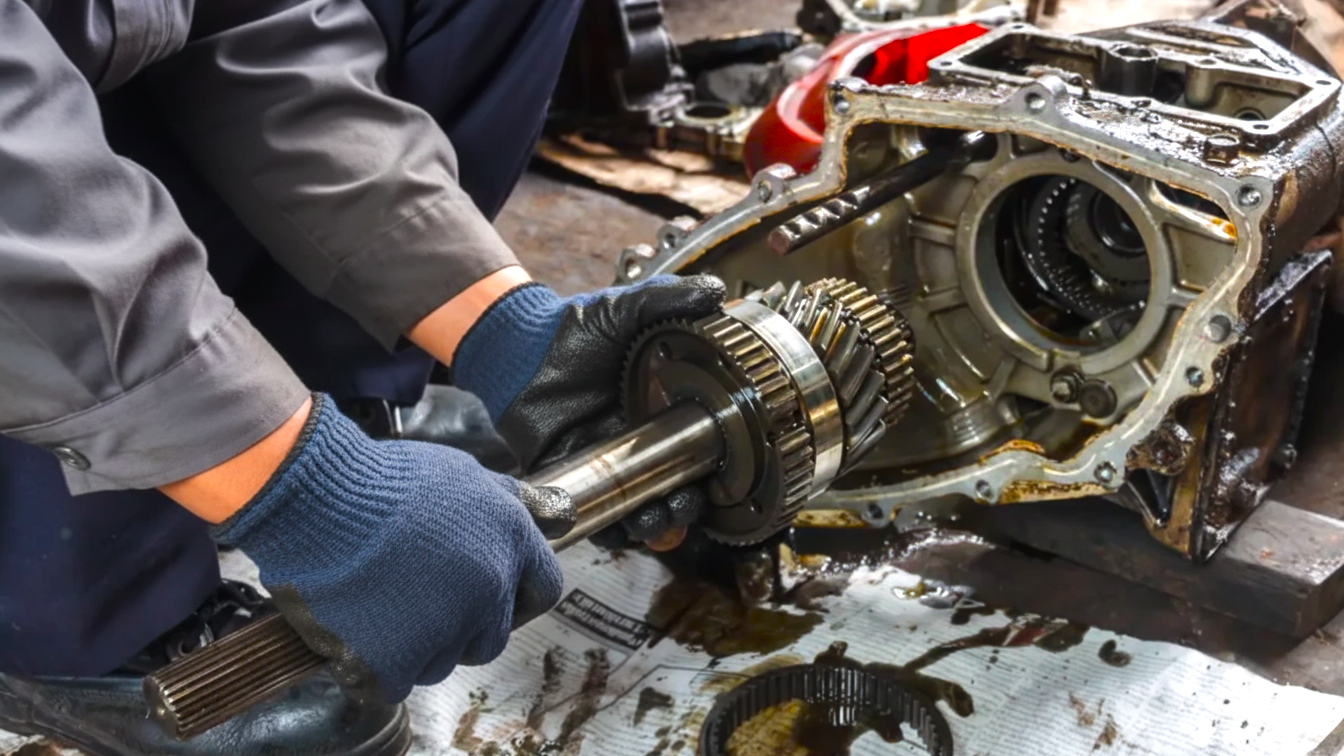
A transmission rarely fails suddenly. It usually provides signals of distress for a long time. Your job is to learn how to read them. Here are the primary signs of transmission problems that you should be aware of.
A List of Early Symptoms of a Malfunction:
- Delayed or Rough Shifting. Your car should shift gears smoothly and almost imperceptibly. If you start to notice that during acceleration, the engine revs up, "hesitates" for a second or two, and only then engages the next gear with a jolt, it's time to be concerned. Such delays can indicate a low level or poor quality of transmission fluid (ATF), worn-out friction plates, or issues with the electronic control unit (solenoids). In a manual transmission (MT), difficulty engaging a specific gear can point to worn synchronizers.
- Unusual Noises: Whining, Humming, or Grinding. A healthy transmission operates almost silently. The appearance of any strange noises that change with speed or the selected gear is a bad sign.
- A humming or whining sound in neutral that disappears when you press the clutch pedal (on an MT) often indicates a worn input shaft bearing. A monotonous hum that gets louder as you gain speed could be a sign of worn bearings or gears in the final drive.
- A grinding or crunching sound when shifting gears in an MT is a classic symptom of worn synchronizers. In an AT, such noises could signal serious internal mechanical damage, like a failing planetary gear set.
- Vibrations and Shuddering While Driving. If your car starts to vibrate during acceleration or while driving at a constant speed, don't immediately blame the wheels or the engine. A vibration that feels like it's coming from under the floor could be related to a faulty torque converter in an AT or a worn dual-mass flywheel in modern MTs and AMTs. The question of how to tell if transmission is bad is often answered by analyzing the nature of these vibrations, which are independent of road conditions.
- A Burning Smell. The smell of burnt fluid in the cabin is one of the most alarming symptoms. It most often means the transmission fluid is overheating. Overheating can be caused by several factors: an insufficient fluid level, severe contamination with wear products, or a malfunction in the transmission's cooling system. Overheated fluid loses its lubricating properties, which leads to accelerated wear of friction plates and other components.
- Leaking Transmission Fluid. The transmission is a sealed system. Any leak is abnormal. Automatic transmission fluid is typically red or pinkish in color with a slightly sweet smell. If you notice spots of this color under your car, you need to find the source of the leak urgently. The most common causes are worn seals, a leaking pan gasket, or damaged cooling lines. Driving a car with low ATF will quickly lead to transmission failure.
- A Warning Light on the Dashboard. The onboard computer constantly monitors the transmission's operation. When it detects a problem, such as an incorrect gear ratio, overheating, or low fluid pressure, it will illuminate the "Check Engine" light or a dedicated transmission warning light (often shaped like a gear). You must not ignore this signal.
What to Do at the First Sign of Trouble
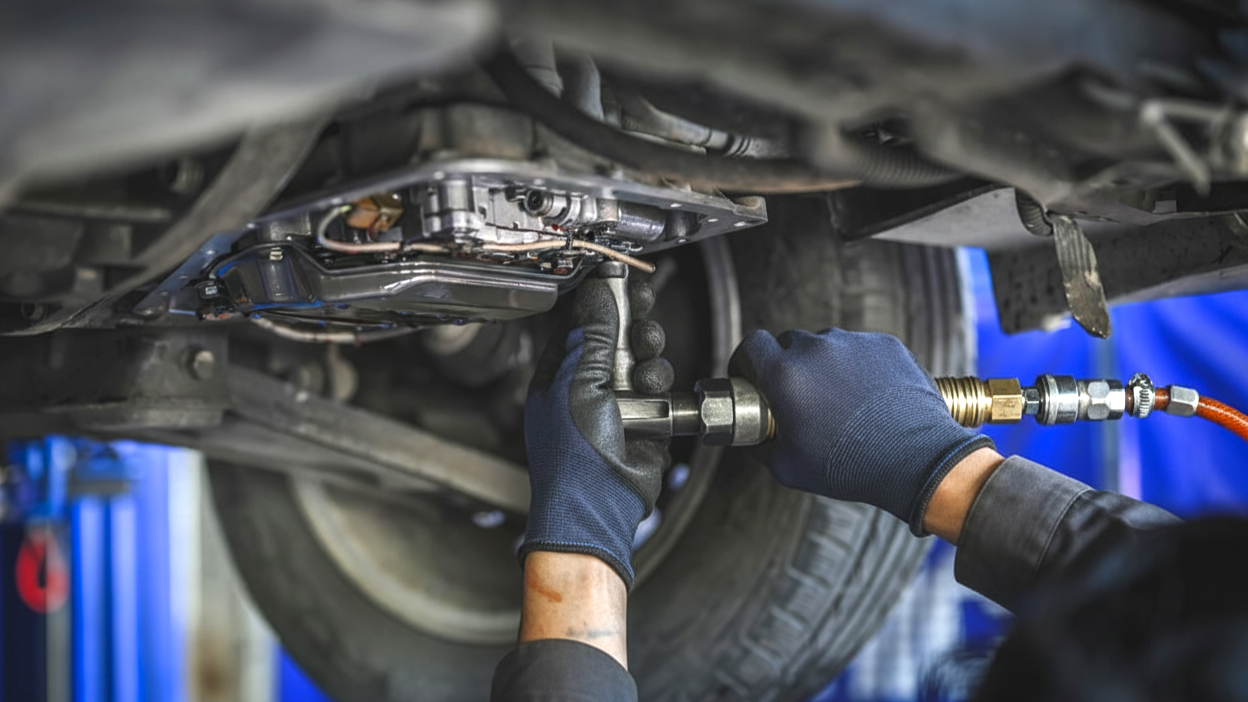
If you notice one or more of the symptoms listed above, there's no need to panic, but you also cannot afford to delay action. Here is a step-by-step plan to help you react correctly.
An Action Plan for Suspected Malfunctions:
- Check the Transmission Fluid Level and Condition. One of the most direct ways to spot the signs of bad transmission is to inspect the fluid yourself. On many cars with automatic transmissions, there is a dedicated dipstick for this. The check is usually performed with the engine warm and running in "Park" or "Neutral" (be sure to consult your vehicle's owner's manual!).
- Level: It should be between the MIN and MAX marks.
- Color: Normal fluid is transparent and red or yellow. Darkened, brown, or black fluid indicates severe wear and overheating.
- Smell: There should be no burnt odor.
- Contaminants: The presence of fine metal shavings or sludge on the dipstick is a sign of internal component deterioration. This check can reveal the first signs of a bad transmission that you can see for yourself.
- Inspect Your Parking Spot for Leaks. Place a large, clean piece of cardboard under your car overnight. In the morning, you can accurately determine if there is a leak and roughly where it's coming from.
- Consult a Specialized Repair Shop for a Diagnosis. Do not try to solve the problem yourself unless you have expert knowledge. Modern transmissions are complex devices, and unqualified intervention can only make things worse. A computer diagnostic scan will read the error codes, and an experienced technician can correctly interpret the symptoms.
How to Prevent Transmission Problems
The transmission is one of the most expensive components in a vehicle, and its lifespan largely depends on how carefully you treat it. Proper operation and regular maintenance can extend the service life of the transmission by two or even three times. This is not an exaggeration but a fact proven by real practice: the more gently you handle the system, the lower the chances of facing a major overhaul.
To keep your transmission running smoothly for many years, you only need to follow a few key rules. They may seem simple, but they determine the overall health of your gearbox.
Measures That Extend the Life of Your Transmission
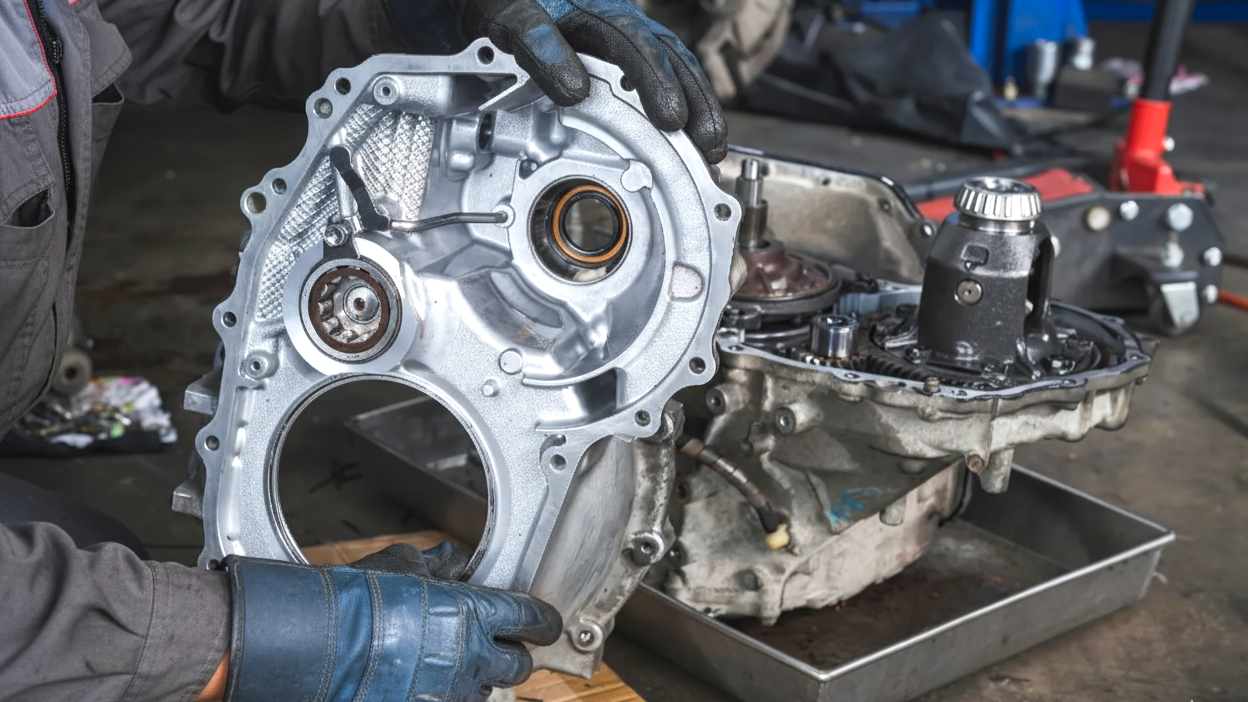
1. Follow the manufacturer’s maintenance schedule
Every automaker specifies exact intervals for replacing transmission fluid and filters. These recommendations are not a formality.
Over time, the fluid:
- loses viscosity,
- overheats,
- becomes saturated with wear particles,
- and stops protecting internal components from friction.
The longer you postpone fluid replacement, the higher the risk of damaging the clutch packs, solenoids, and valve body.
Tip: If your vehicle operates under heavy load — city traffic, frequent stop-and-go driving, aggressive acceleration, towing a trailer, or mountainous terrain — it’s wise to shorten the replacement interval by 1.5–2 times. Your transmission will thank you.
2. Use only high-quality, manufacturer-approved fluids and parts
The transmission is a sensitive and precision-built system. It is designed to work with specific fluid types approved by the manufacturer.
Using the wrong fluid can lead to serious consequences:
- gear slipping,
- overheating,
- loss of hydraulic pressure,
- failure of valves and solenoids.
Saving money on fluid or filters always results in higher repair costs later. High-quality consumables are the minimum investment in the long-term health of your gearbox.
3. Practice a smooth, careful driving style
Your driving habits affect the transmission far more than most people realize.
Harmful habits include:
- hard launches with wheel spin,
- aggressive shifting,
- towing heavy loads unnecessarily,
- constant jerking in traffic jams.
In cold weather, the transmission needs a gentle warm-up. A few minutes of smooth driving at low RPM allows the fluid to circulate evenly and reach its optimal working temperature. Golden rule: Smoothness is the best friend of any automatic transmission, CVT, or dual-clutch gearbox.
4. Use automatic transmission modes correctly
Many failures are caused by improper use of the gear selector.
You should never:
- shift between Drive and Reverse while the car is still moving,
- move the selector abruptly without coming to a full stop,
- push the car by using the gears as a “force tool.”
These actions put excessive stress on the gears, clutch packs, and torque converter. If you’re stopped for more than a minute — in traffic or at a long red light — it’s better to shift into Neutral. This reduces hydraulic load and extends the life of the transmission.
Why Prevention Matters More Than Repair
Recognizing signs of failure is important, but what matters even more is preventing the transmission from ever reaching that state.
Regular maintenance and attention to your car’s behavior help you:
- detect small issues before they become major ones,
- avoid critical overheating,
- keep the valve body and solenoids in good condition,
- prevent clutch pack damage,
- extend the lifespan of the entire transmission for years.
Prevention is not an unnecessary expense — it’s a smart strategy that saves you thousands of dollars and protects you from stressful breakdowns on the road.
Conclusion: Attention That Saves You Money
The transmission is the heart of your vehicle's movement. It requires attention and care. Early detection of malfunction symptoms is the best way to avoid catastrophic failures and protect your budget. Jerks, delays, strange noises, or a burning smell are not minor inconveniences but serious signals that must not be ignored.
Listen to your car, service it regularly, and don't delay a visit to the repair shop at the slightest suspicion of a problem. Caring for your vehicle today is the guarantee of its reliable service tomorrow. Now you know which transmission problems to watch for, ensuring that every one of your journeys is safe and confident.
If you want to be even better prepared on the road, make sure to also read our guide "Most Common Car Problems and How to Fix Them".

