



Road Signs in Cyprus Explained: Essential Rules for Foreign Drivers
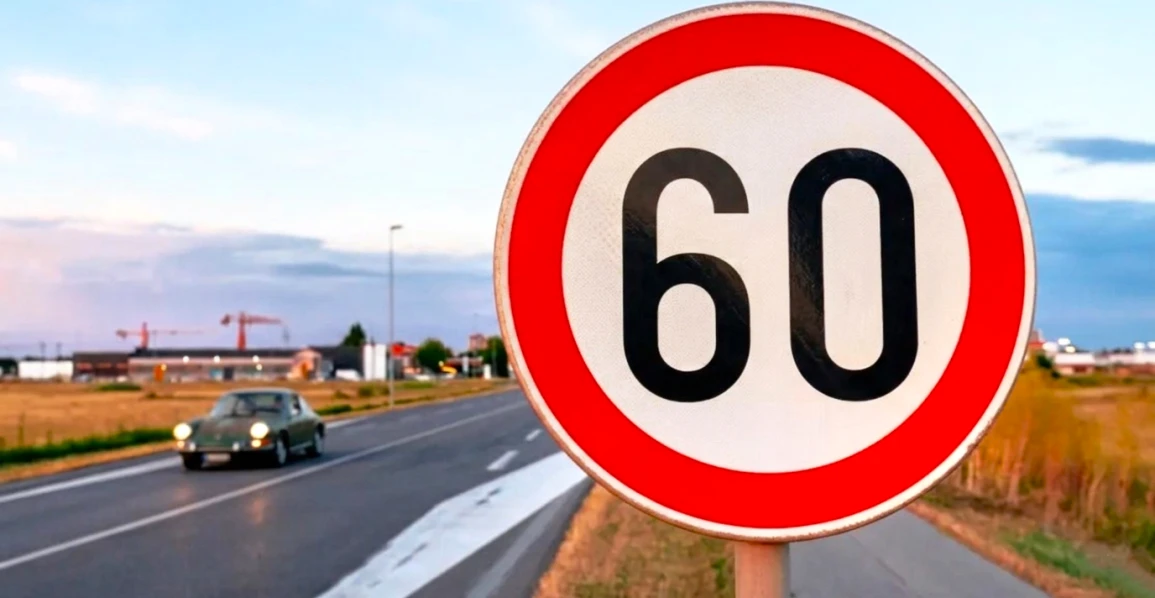
Picture the scenario: you have successfully rented a stylish convertible on a sun-drenched island, confidently pull out onto the highway, and suddenly freeze in absolute panic. A completely different logic of automotive movement operates here, and the local road signs Cyprus uses require an instantaneous reaction and a crystal-clear, error-free understanding from the driver. If you are not mentally and technically prepared, your long-awaited Mediterranean vacation will very quickly turn into an endless series of stressful events.
Many visiting tourists quite naively believe that years of driving experience in their home country will save them in any non-standard situation on an unfamiliar road. However, this picturesque island nation harbors a vast multitude of completely non-obvious pitfalls for the relaxed and unprepared foreign driver. The historical British colonial heritage has left an incredibly deep mark here, completely transforming the transport worldview familiar to most Europeans and Americans.
Common difficulties faced by visitors include:
- Unfamiliar and dangerous left-hand traffic.
- British-style strict traffic regulation systems.
- Huge fines for the slightest inattention.
- Very complex multi-lane roundabout interchanges.
- Specific road markings on city streets.
Therefore, a preliminary and deep study of local transport rules is not a boring bureaucratic formality, but a harsh necessity for survival. Thorough theoretical preparation will guaranteed protect your personal budget from unforeseen colossal expenses and keep your nervous system in perfect order. By reading this expert guide, you will be able to drive confidently, safely, and derive true pleasure from every trip across the island.
Features of Road Traffic in Cyprus
Adapting to the left-hand traffic format is the most paramount, fundamental, and technically difficult task for the overwhelming majority of visiting motorists. Your brain, out of habit, will constantly try to return the car to the familiar right lane, especially on absolutely empty rural mountain roads. Therefore, the very first hours behind the wheel of a rented car require maximum, extreme concentration and a total refusal of distracting conversations.
An interesting fact is that the British automotive influence here intertwines quite harmoniously with classic general European metric standards. For example, despite the strictly left-hand traffic scheme, all distances and speed limits are indicated on shields in the kilometers familiar to most of the world. You will absolutely not have to frantically convert miles per hour in your head while looking fearfully at the speedometer of your rental car.
Basic speed limits on the island:
- Maximum 50 km/h in cities.
- Limit of 80 km/h outside towns.
- Highway speeds up to 100 km/h.
- Strict control by local police.
- Cameras installed almost at every step.
It is extremely important to clearly remember that the local traffic police monitor compliance with these officially established speed limits incredibly strictly and uncompromisingly. The massive use of hidden mobile radars and stationary automatic violation recording cameras is an absolutely normal and widespread state practice here. Furthermore, all rented cars have distinctive red license plates, which makes you a very visible target for inspectors in the traffic stream.
Main Categories of Road Signs in Cyprus
The entire state system of visual notification for drivers on this island is strictly standardized and fully complies with the rules of the international Vienna Convention. This means that the basic geometry of the shields and their color coding will be intuitively understandable to you literally from the very first glance at the road. Nevertheless, the real devil always hides in the small details and specific local plates that require correct preliminary decoding.
For maximum convenience of visual perception, all graphic roadside indicators are logically divided into several functional and important semantic groups. Each such group has its own unique basic color and geometric shape so that the tired driver's brain reads critical information in fractions of a second. A good and detailed road signs and meanings chart will help you visually remember these critical differences as quickly and reliably as possible.
Category | Shape | Main Colors | Purpose |
Warning | Triangle | White background, red border | Warn of impending danger ahead |
Prohibitory | Circle | White background, red border | Impose strict restrictions (speed, overtaking) |
Mandatory | Circle | Blue background, white symbols | Indicate the only mandatory direction |
Information | Rectangle | Green, Blue, Brown | Assist with navigation and locating objects |
Temporary | Rectangle | Yellow background, black text | Indicate road works or detours |
Functional visual categories on highways:
- Triangular signs always warn of danger.
- Round red signs strictly forbid actions.
- Round blue signs dictate maneuver direction.
- Rectangular shields simply inform the driver.
- Bright yellow backgrounds mean temporary repairs.
Absolute understanding of this basic logical classification allows an experienced driver to predict the traffic situation in advance and smoothly, safely reduce driving speed. If you see a red triangle out of the corner of your eye far ahead, your right foot should automatically and reflexively move to the brake pedal. It is precisely such useful habits developed to automatism that save lives on difficult sections of unfamiliar winding routes.
Warning Signs
These noticeable visual indicators are specifically created to inform you as far in advance as possible about a rapid approach to a potentially dangerous section of the path. They traditionally have the strict shape of an equilateral triangle with a very wide red border and a contrasting white background inside the figure. A black, well-readable silhouette in the very center precisely indicates the nature of the impending threat requiring your extremely close and undivided attention.
On the incredibly winding and beautiful mountain roads of the Troodos massif, you will encounter such red triangles practically before every dangerous sharp turn. They maximally honestly warn the driver about a sharp narrowing of the carriageway, possible sudden rockfalls, or very steep, prolonged descents.
Also, they always signal in advance the imminent approach to unregulated pedestrian crossings, of which there are incredibly many in tourist zones.
Common graphic warnings on the route:
- Series of dangerous, very sharp turns.
- Sudden and severe road narrowing.
- Dangerous intersection with rural roads.
- Risk of large wild animals appearing.
- High danger of slippery road surfaces.
Special, increased attention should always be paid by motorists to such road signs in remote rural areas where heavy livestock may suddenly step onto the asphalt. Complete disregard for a warning bright triangle in such difficult conditions extremely often leads to serious, total damage to an expensive rented vehicle. Be sure to reduce speed to a safe minimum as soon as such an information shield appears in your field of vision.
Prohibitory and Restrictive Signs
This extensive category strictly regulates absolute taboos on local roads and requires unquestioning, precise, and instantaneous obedience from any motorist. Visually, they always represent noticeable circular plates with a bright red rim, which on a subconscious level literally screams the word "forbidden" to the driver. Any intentional or accidental ignoring of such legal requirements is instantly and severely punished by local police without the slightest leniency for foreign tourists.
The most common of these on the island are signs limiting the maximum permitted speed and categorically prohibiting any dangerous overtaking. On incredibly narrow and picturesque coastal roads, overtaking is often physically and legally prohibited for many kilometers exclusively for your own safety. Also, in densely built-up cities, you will everywhere and constantly encounter the strictest restrictions on long-term parking and short stopping of transport.
What is categorically and strictly forbidden:
- Any exceeding of the speed limit.
- Dangerous overtaking of slow vehicles.
- Stopping in an unauthorized location.
- Movement of heavy freight transport.
- Entry onto one-way oncoming traffic.
Incorrect and illegal parking is generally the main, daily headache of all foreign motorists in large coastal resort cities. Penalty receipts for a rental car abandoned under a strict prohibitory sign are written out by vigilant municipal inspectors with frightening speed and enviable regularity. Carefully look for official municipal parking zones so as not to spoil your mood with huge financial losses.
Mandatory Signs
In cardinal contrast to categorical prohibitions, this specific group of shields does not limit actions but rigidly dictates to you the only correct and safe maneuver. They are always executed in the form of neat circular plates with a saturated, deep blue background and contrasting thick white directional arrows. Such signs in this important category uncompromisingly indicate exactly where you are obliged to turn at the nearest, most complex, and confusing intersection.
Such mandatory indicators are especially critically important before entering the famous, incredibly complex Cypriot multi-lane roundabouts. They clearly indicate the only legal direction of movement around the ring–strictly clockwise, which is extremely unusual for any driver from a right-hand traffic country. Furthermore, they quite often strictly regulate movement along specially designated lanes, for example, those intended exclusively for public municipal transport.
Main legal mandates for every driver:
- Mandatory movement only straight or right.
- Mandatory and safe obstacle avoidance left.
- Circular traffic strictly clockwise.
- Dedicated lane only for route buses.
- Designation of end of lane zone.
Always strictly follow these blue circular shields, even if your electronic navigator persistently and loudly offers you a completely different, "optimal" route. Local road authorities quite often and without warning change complex traffic schemes in cities, and electronic maps simply do not have time to update in a timely manner. Trust your eyes and the real indicators on the poles much more than the most modern and expensive electronic gadget.
Information and Service Signs
These wonderful visual assistants are specifically created for your maximally comfortable navigation around the island and always have a correct rectangular or square shape. On high-speed multi-lane motorways, they are traditionally painted in a pleasant green color, and on ordinary, slower city roads–in saturated blue. They thoughtfully and maximally in advance inform motorists about upcoming exits, exact distances to cities, and the presence of useful roadside infrastructure.
A huge and undeniable plus for all foreign tourists is the fact that almost all large text indicators here are officially duplicated. The names of settlements and landmarks are written at the top first in Greek, and slightly below–in absolutely understandable international English. Informational plates leading travelers to numerous historical ruins, wild beaches, and ancient monasteries are traditionally and universally highlighted in a noble brown color.
Useful infrastructure on large information boards:
- Large public and modern private hospitals.
- 24-hour and fully automatic gas stations.
- Official, paid, and free parking zones.
- Historical monuments and unique cultural landmarks.
- Direction indicators to international airports.
Thanks to an incredibly well and logically thought-out visual information system, getting lost on this compact island is quite difficult even without a working smartphone. The main rule is to always change lanes to the necessary extreme lane in a timely and safe manner before the planned exit from the high-speed motorway, orienting yourself on large hanging shields. They are installed several kilometers before the necessary turn, giving you plenty of time for a calm and deliberate lane-change maneuver.
Markings and Additional Signals
Fresh road markings on this sunny island play a role no less important and critical than metal shields installed vertically along the highways. Solid long and broken white lines here perform their completely classic and understandable functions of separating oncoming streams and visually designating the edges of the roadway. However, bright yellow paint is used by local authorities exclusively for the strict regulation of paid parking rules and short stops along city sidewalks.
A single long yellow line along the stone curb clearly means that only a very short stop for quick passenger boarding is allowed in this place. A double solid yellow line categorically and uncompromisingly prohibits both long-term parking and absolutely any, even second-long, stopping of your vehicle. Traffic lights also have their small nuances: before changing to the permitting green signal, a warning yellow signal always lights up here together with the burning red.
Key features of local asphalt markings:
- Double yellow line means parking forbidden.
- Single yellow line allows short stops.
- White zigzag lines near pedestrian crossings.
- White directional arrows right on asphalt.
- Yellow diagonal grid on complex intersections.
White zigzag long lines before pedestrian zebras strictly warn drivers about a total ban on any overtaking and parking in this dangerous zone. And a special yellow grid (the so-called box junction) at intersections categorically prohibits entering it if a dense traffic jam has already formed immediately after the intersection. Knowing these subtleties of markings will help you avoid a multitude of conflict situations with hot-tempered local drivers and the severe police.
Fines for Violating Road Signs
Financial state punishments for intentional non-compliance with road rules on this island are distinguished by incredible severity and absolute inevitability for all motorists without exception. Local patrol police are equipped with the most modern electronic terminals and have full, instant access to the databases of all official rental companies. If you accidentally violated the speed limit under a camera, the fine is guaranteed to be ruthlessly deducted from your linked credit bank card.
For dangerous exceeding of the speed limit, the fine is always calculated according to a complex progressive scale: the more you exceeded, the significantly more expensive each subsequent kilometer will cost. Ignoring a "Stop" sign without a full stop or accidentally driving through a prohibiting red traffic light signal will cost you several hundred hard-earned euros. In addition, a very tough penalty point system operates here constantly, which upon accumulation can easily lead to deprivation of driver's licenses even for a tourist.
Type of Rule Violation | Approximate Fine Amount | Additional Sanctions |
Speeding up to 30% | 2 to 3 euros per km/h | Accrual of penalty points |
Running a red light | About 300 euros | Court possible if accident |
Phone use without headset | About 150 euros | Points in driver file |
Parking in disabled spots | About 300 euros | Instant towing to impound |
Approximate sizes of popular fines:
- Serious speeding costs very, very much.
- Parking on sidewalks is strictly punished.
- Dangerous driving through red light signals.
- Using mobile phones while actively driving.
- Driving without seatbelt fastened tightly.
It is necessary to pay an officially issued penalty receipt within 15 calendar days, otherwise, the initial amount of punishment will automatically and absolutely legally increase exactly by one and a half times. Therefore, the best and most economically profitable solution is extreme, constant attentiveness to all road signs and a maximally calm, measured resort style of driving. Rental companies will also necessarily charge you an additional administrative commission for processing each police fine that arrives in your name.
Tips for Foreign Drivers
The official rental of a good car opens up incredible and exciting horizons but always requires a maximally serious, thoughtful, and responsible approach from any tourist. In the very first days of vacation, it is strongly and categorically recommended to avoid long trips in the dark and along complex mountain winding serpentines. Give your tired brain sufficient time to fully adapt to the unusual right-hand drive car and left-hand intensive traffic in a calm, safe environment.
An excellent and completely free way to quickly check your theoretical knowledge before the trip will be an online road signs Cyprus test, which is easy to find on the internet. You will identify your hidden gaps in theory in advance and without stress, guaranteed to avoid very stupid and expensive mistakes on a real high-speed highway. Also, be sure to download detailed offline maps to your smartphone in advance, as mobile internet high in the mountains disappears incredibly often and for a long time.
Top tips for all automotive newcomers:
- Always keep to the left side.
- Must yield to cars from right.
- Download convenient offline maps for navigation.
- Always choose car with automatic transmission.
- Avoid dangerous night trips in mountains.
The most frequent and incredibly dangerous mistake of many relaxed tourists is the instinctive, mechanical exit into the oncoming (right) lane after turning at an absolutely empty intersection. Constantly and aloud recite the saving mantra "keep left" to yourself, especially when slowly leaving an empty supermarket parking lot or a local gas station. Your vigilance is the main guarantee that your car will return to the rental point without a single scratch or technical damage.
Conclusion
Summarizing absolutely everything said above, it can be stated with full and absolute confidence that a deep understanding of local rules is the main guarantee of your ideal vacation. Carefully and previously studied road signs Cyprus uses will become your most reliable, honest, and silent guides along the stunningly picturesque routes of this beautiful Mediterranean island. They were created by engineers not to complicate your resort life, but exclusively and only to ensure total safety for absolutely all road users.
Firm knowledge of the four main categories of metal plates and a clear, conscious understanding of the physical principles of left-hand traffic will guaranteed protect you from terrible accidents. Always remember that the stern local police never make discounts for your tourist confusion or the status of a temporarily vacationing foreign guest with money. The law on the roads is absolutely one for everyone without exception, and its strict observance will guaranteed save your finances, nerve cells, and, perhaps, even your life.
Useful habits for ideal road trips:
- Be maximally and constantly attentive always.
- Strictly observe local strict speed limits.
- Always show respect to other drivers.
- Maximally plan your complex daily route.
- Avoid any conflict and stress situations.
Maintain complete spiritual composure behind the wheel of a rental car, enjoy the magnificent and unforgettable landscapes, and always show maximum respect to hot-tempered local motorists. We sincerely wish you only excellent, safe roads and exclusively pleasant, positive impressions from an independent and free car journey!

