



The Quietest Car Models: Rating, Technologies and How to Choose a Silent Cabin Car
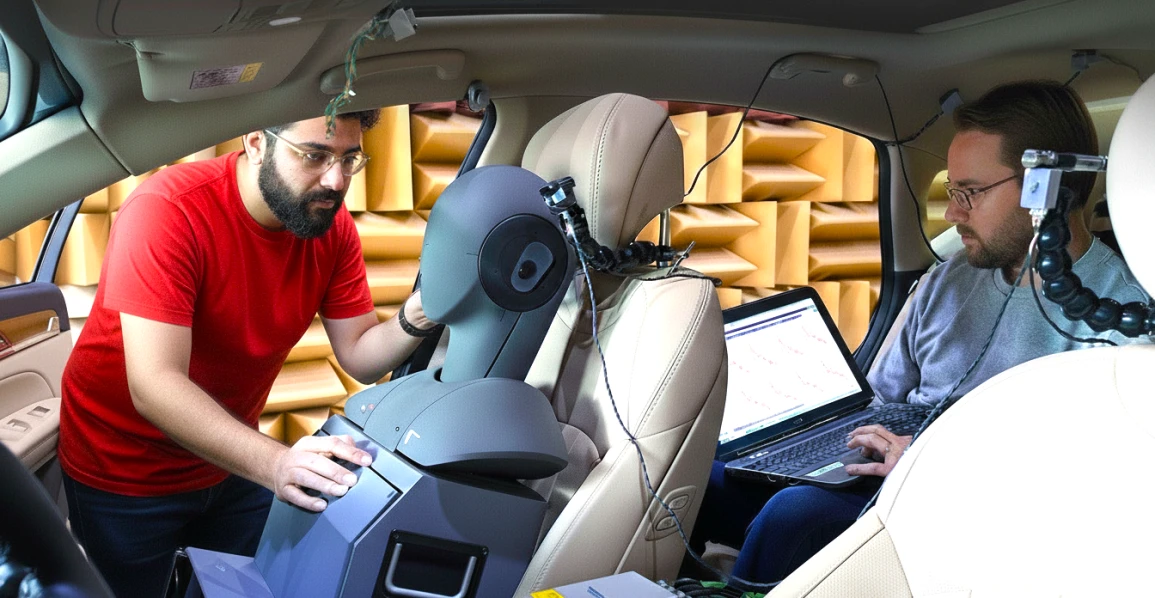
A quiet cabin car is not a luxury, but a necessity for comfortable and safe driving. Constant exposure to noise, especially at volumes above 70 dB, leads to increased driver fatigue, reduces concentration, and increases the risk of road accidents. According to some reports, noise intensity of 80 dBA can reduce endurance by 25% and increase fatigue by 11%.
In this article, we will examine the criteria used to evaluate a car’s quietness, the innovative technologies that help combat noise, and compile a rating of the quietest car models across different categories.
Main Sources of Noise in a Car
Noise inside a car’s cabin is a combination of many different sounds that arise while driving. To achieve true acoustic comfort, it’s important to understand where each of these sounds comes from. Every type of noise has its own nature and requires an individual approach to sound insulation.
1. Road Noise: Tire Contact With Asphalt
This is the primary source of noise, especially noticeable at speeds of 60–70 km/h and above.As the wheels roll along the road, they literally “read” its texture — any roughness, cracks, pores, or uneven surfaces create vibrations that transfer into the body of the car and turn into a low hum inside the cabin.
The intensity of road noise depends on:
- Tire type — sporty and non-studded winter tires tend to be louder.
- Tire age and wear — hardened or old rubber produces more noise.
- Road surface quality — fresh, smooth asphalt is barely audible, while worn surfaces can generate a deep rumble.
- Wheel arch design — thinner metal and weaker factory insulation make noise more noticeable.
This is why soundproofing the wheel arches and floor is one of the most effective ways to reduce road noise.
2. Wind Noise: When Speed Becomes Audible
At high speeds, the car’s body begins to literally cut through the air, and this also generates noise. Wind noise appears not only due to the car’s aerodynamics but also because of microscopic imperfections that develop over time.
The sound most often occurs around:
- Side mirrors, which act as the first “air traps”.
- A-pillars, where turbulent air vortices form.
- Door seals, where weakened or worn rubber can allow airflow to pass through.
- The roof, especially if roof racks or a cargo box are installed..
As speed increases, wind noise grows nonlinearly — for instance, at 110–120 km/h it can be twice as loud as at 90 km/h.
3. Engine and Transmission Noise
This type of noise depends on many factors: engine type and size, RPM levels, the condition of the engine mounts, and the amount of vibration insulation on the firewall.
- Gasoline engines produce a smooth, consistent sound that can turn into a roar at high RPM.
- Diesel engines generate deeper, low-frequency vibrations, especially noticeable during cold starts.
- Transmissions — whether automatic or manual — add their own noises: differential whine, gearshift clicks, CVT hum.
However, there is one major exception: electric vehicles are almost silent.
In EVs:
- engine vibrations disappear entirely;
- there is no gear-shifting noise (because there are no gear shifts);
- overall acoustic comfort becomes significantly higher.
As a result, EV owners tend to notice road and wind noise more easily — those sounds move to the foreground.
Body and Suspension Vibrations

Vibrations are one of the trickiest types of noise inside a car. Unlike road or wind noise, they’re not always obvious at first — yet they create that unpleasant “background hum” you feel with your whole body, not just your ears.
When the vehicle is in motion, the suspension is constantly at work: shock absorbers smooth out bumps, springs absorb impacts, and control arms with bushings keep the wheels in the correct position. Any vibration that appears in these components travels further — to the subframe, the body, and eventually into the cabin.
What Causes Vibrational Noise
The main sources include:
- Worn suspension components — old bushings, loose mounts, and tired shocks increase the transfer of vibrations.
- Wheel imbalance — even a small imbalance creates noticeable vibration at certain speeds.
- Uneven road surfaces — potholes, ripples, and cracks generate repetitive impulses.
- Engine operation — especially in diesel engines and ICE vehicles with stiff engine mounts.
- Stiff or sport suspension — transmits more oscillations into the body.
Once these oscillations reach the body, they turn into low-frequency structural noise — a muted hum or a subtle trembling of the air. This type of noise is more tiring than loud sounds because the body perceives it as physical vibration rather than just acoustics.
Criteria for Evaluating Car Quietness
To understand how quiet a car truly is, you should rely not on subjective impressions but on specific, measurable parameters. Manufacturers and automotive experts use several key criteria that allow for an objective assessment of a vehicle’s interior acoustic comfort.
Noise Level Measurement
The primary unit for measuring loudness is the decibel (dB). The noise level in the cabin is measured under standardized conditions—at idle, during city driving, and on the highway (e.g., at 100 km/h). For most modern cars, a level below 70 dB on the highway is considered comfortable. For instance, in one test, the Honda Accord Hybrid showed an average result of 70−72 dB on the highway, which is at the upper limit of comfort for its class.
Noise Insulation Technologies
Manufacturers use a combination of active and passive methods:
- Active Noise Cancellation (ANC). A system similar to that used in noise-canceling headphones. Microphones in the cabin pick up low-frequency noise (e.g., from the engine or road), and counter-phase sound waves are emitted through the audio system speakers to neutralize the unwanted sound. This technology, known as Active Road Noise Compensation (AFGK), is actively used by the Mercedes-Benz S-Class, for example.
- Passive Sound Insulation. The use of multi-layered, sound-absorbing, and vibration-damping materials in the doors, roof, floor, and wheel arches.
Quality of Sound Insulation Materials
Key elements include:
- Multi-layer Glazing (Acoustic Glass). Laminated glass with a special film between layers, effectively reducing wind and external noise.
- Acoustic Foam. Applied in hidden body cavities (e.g., in pillars) to absorb structural noise.
- Special Tires. A layer of foam absorber on the inner surface of the tire reduces tire resonance and, consequently, road noise.
The use of these high-quality materials directly influences the cabin's ability to absorb and block sound waves, preventing their penetration into the passenger area.
Engineering Solutions
In addition to using insulating materials, significant noise reduction is achieved at the car's design stage:
- Body Rigidity. High structural rigidity minimizes vibrations.
- Aerodynamic Shape. Optimizing the body to reduce the drag coefficient lowers wind noise.
These structural measures are aimed at eliminating sources of noise and vibrations before they reach the cabin.
Top 10 Cars with Quietest Interiors by Category
Achieving the minimum noise level in the cabin is an indicator of engineering excellence and quality of execution.
Luxury Sedans
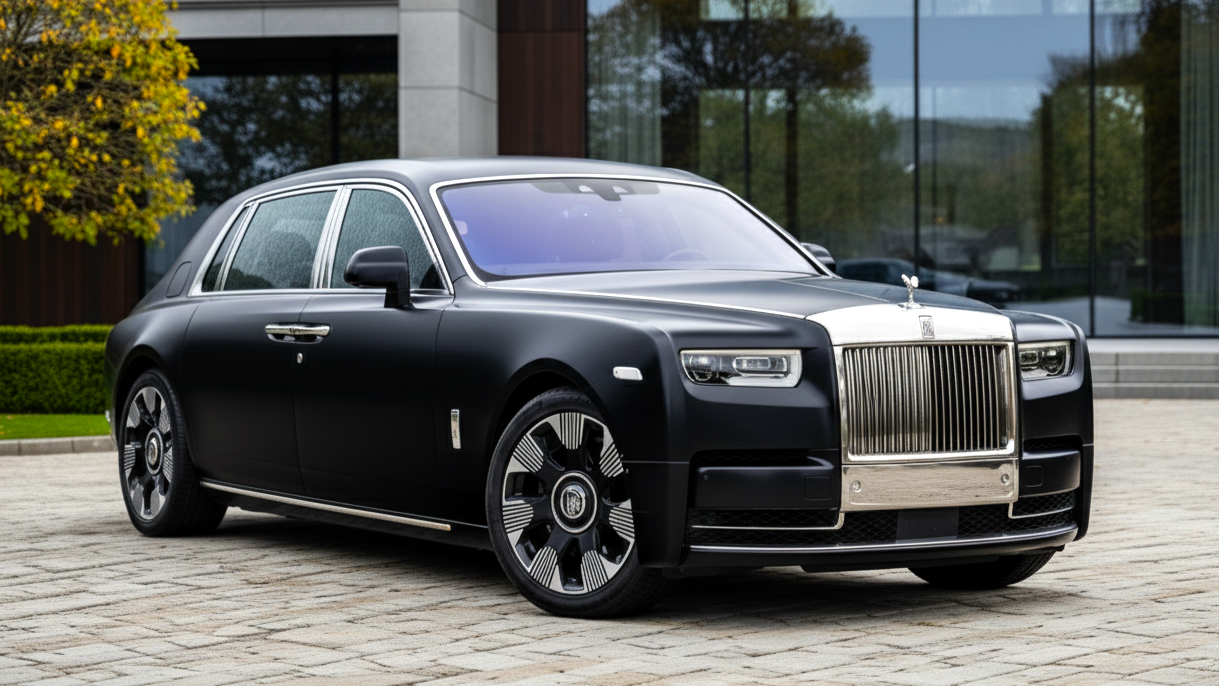
- Rolls-Royce Phantom — The benchmark for quietness in the automotive world. Often cited as the standard for silence. Cabin noise levels at high speeds, according to some reports, may not exceed 6−7 dB, creating an effect of almost complete isolation from the outside world. This is achieved through 130 kg of sound insulation materials and 6 mm-thick double-layer glazing.
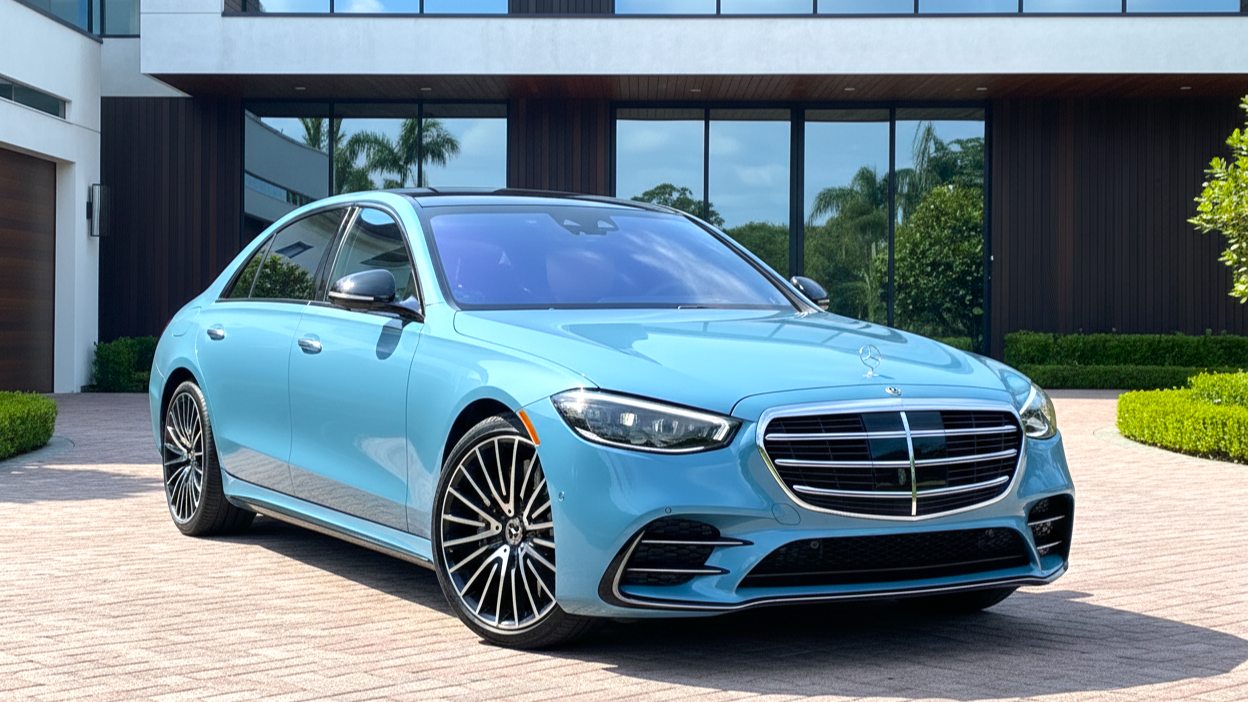
- Mercedes-Benz S-Class — Active noise cancellation technologies. A leader in implementing technologies, including Active Noise Compensation (AFGK), enhanced engine compartment insulation, and the use of acoustic foam in the body.
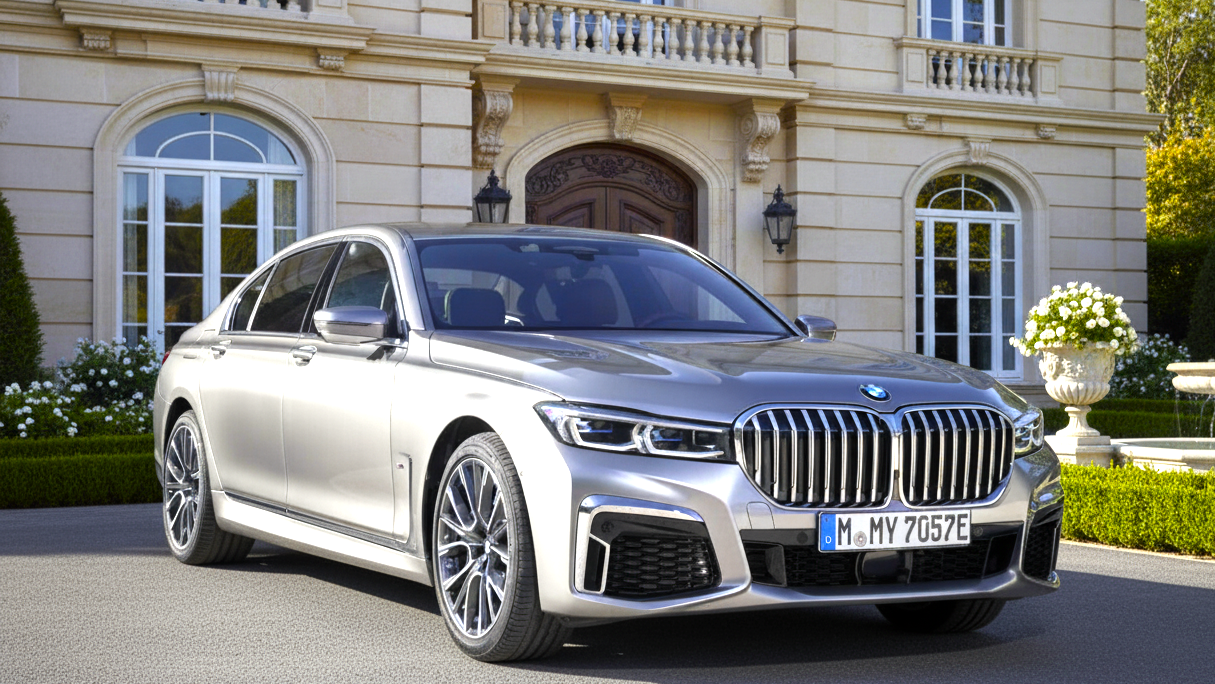
- BMW 7 Series — Innovative cabin sound insulation. Uses innovative sound insulation, including acoustic glass and extensive application of damping materials.
Premium SUVs
When searching for a vehicle that offers superior comfort and minimal road intrusion, the question of "what is the quietest and smoothest riding suv" often arises. The following models are strong contenders.
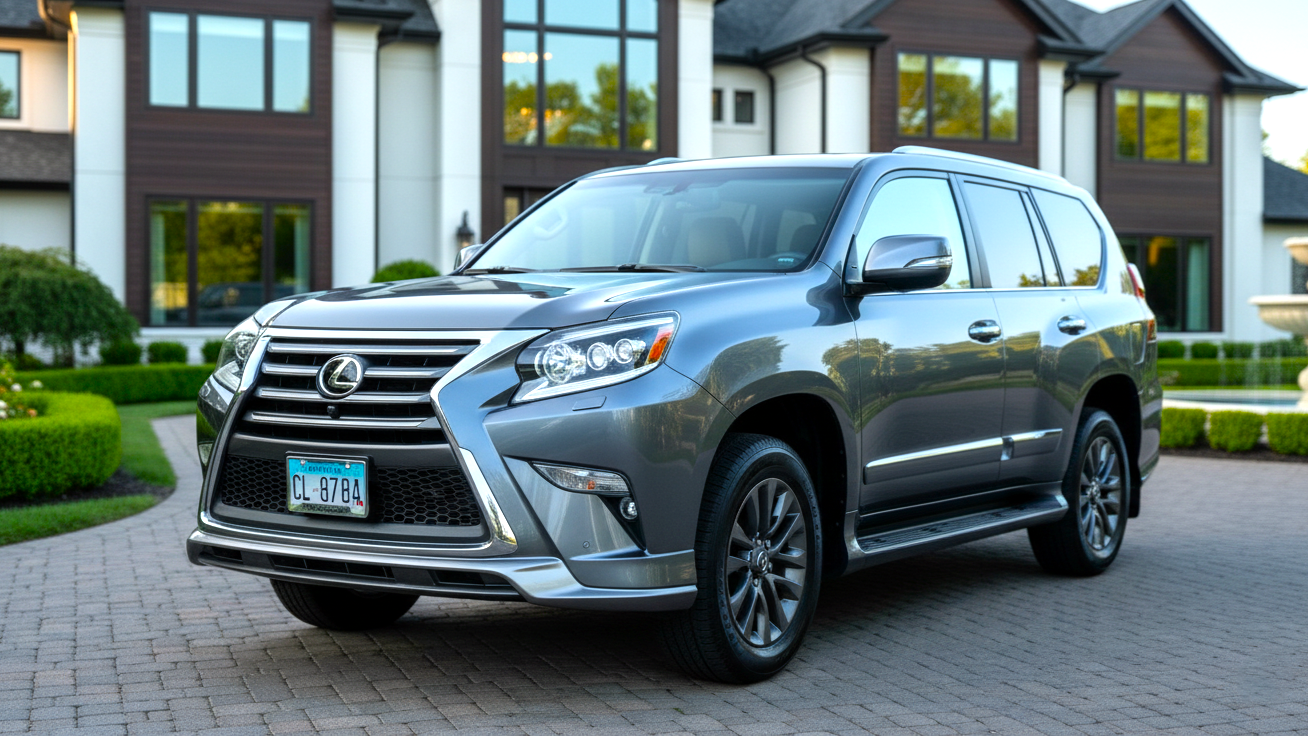
- Lexus GX 460 — A quiet and comfortable SUV. Known for its traditionally high level of comfort and quietness, achieved through quality passive insulation.
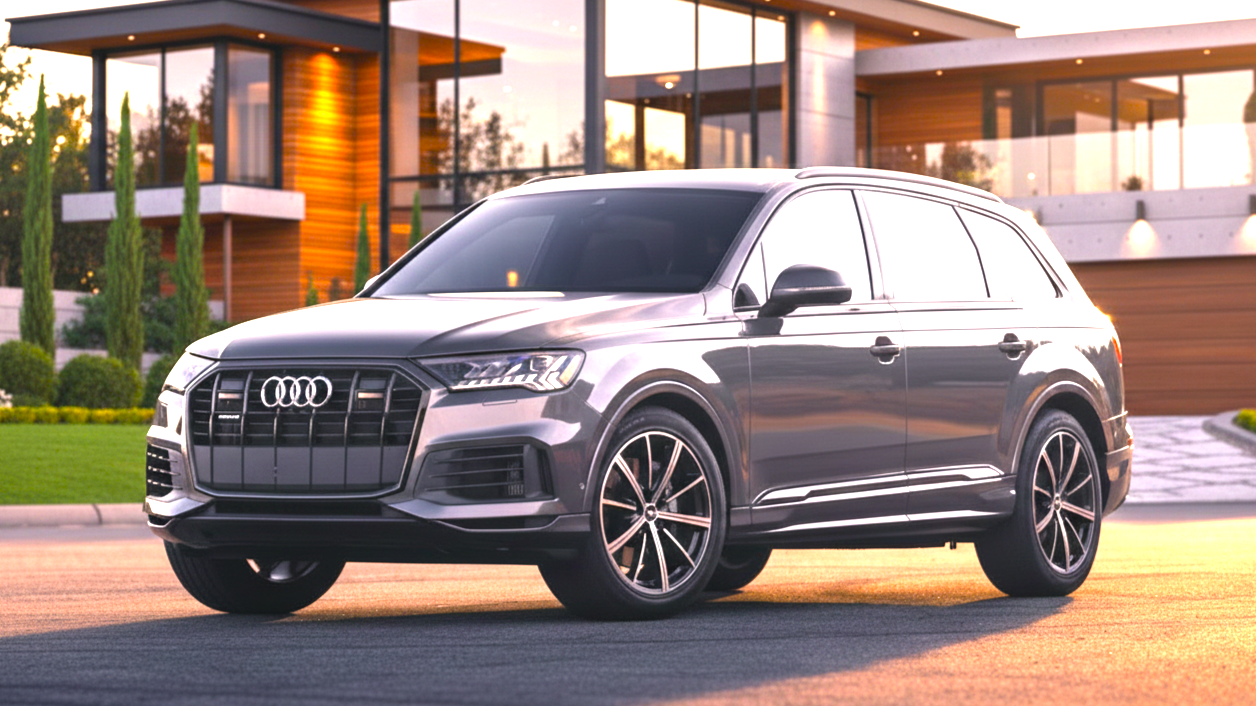
- Audi Q7 — A combination of luxury and acoustic comfort. Distinguished by a combination of a luxurious interior and effective insulation against road and wind noise.
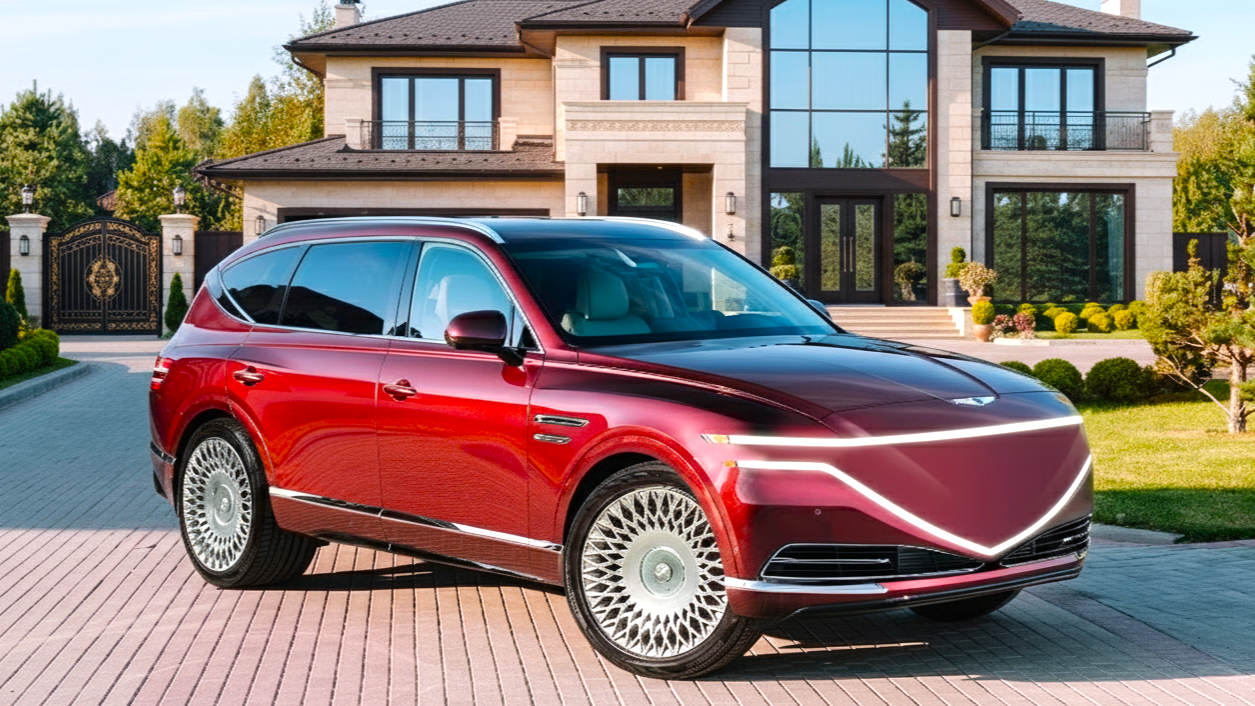
- Genesis GV90 — A new standard of quietness in the SUV segment. New Genesis models actively compete with the "big German three" and set high standards for acoustic comfort in the SUV segment.
Mid-Range
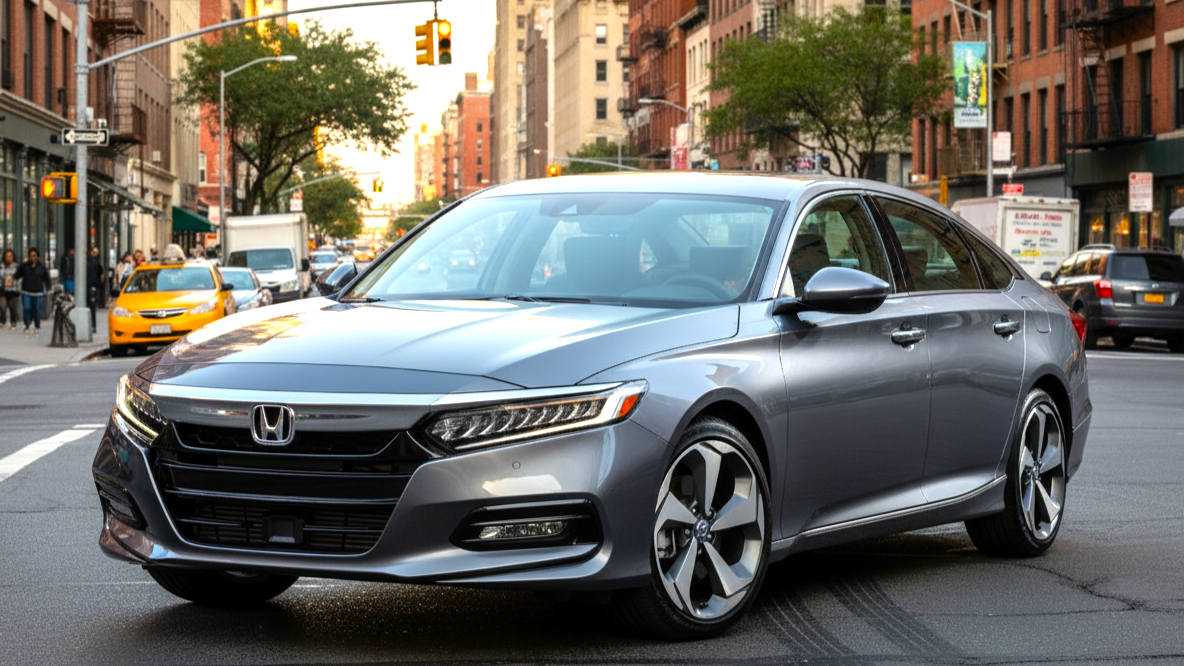
- Honda Accord — Best sound insulation in its class. The application of Active Noise Cancellation (ANC) and quality seals helps keep noise at a level approaching the premium segment.
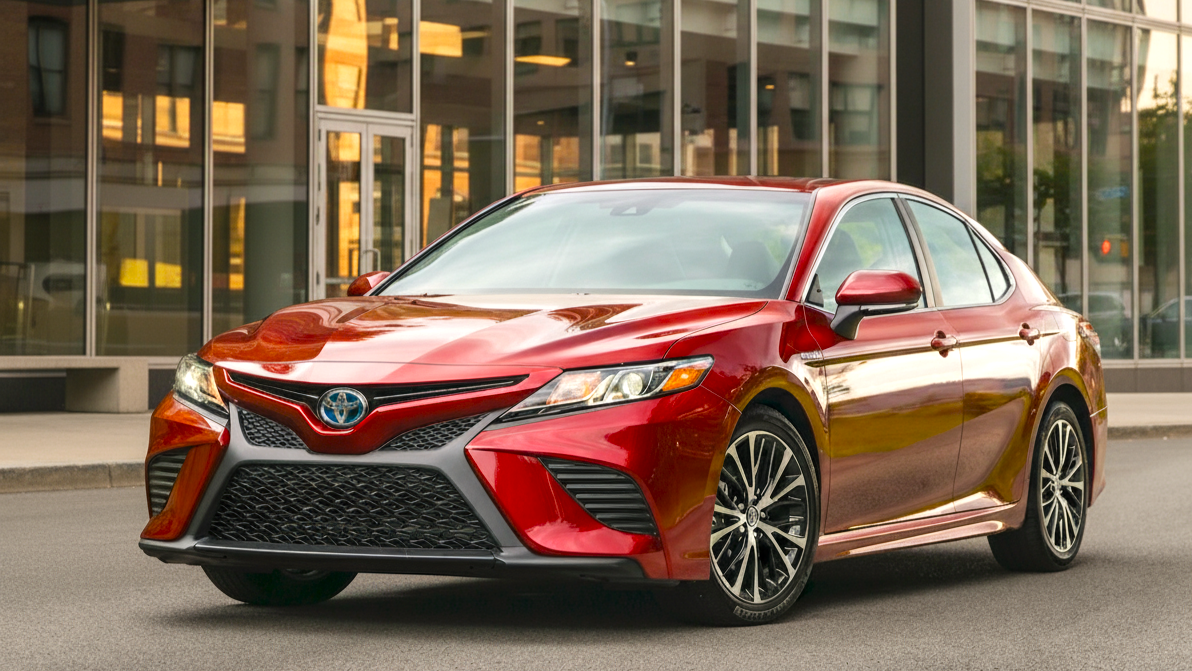
- Toyota Camry — Balance of price and acoustic comfort. Especially in higher trims with improved sound insulation.
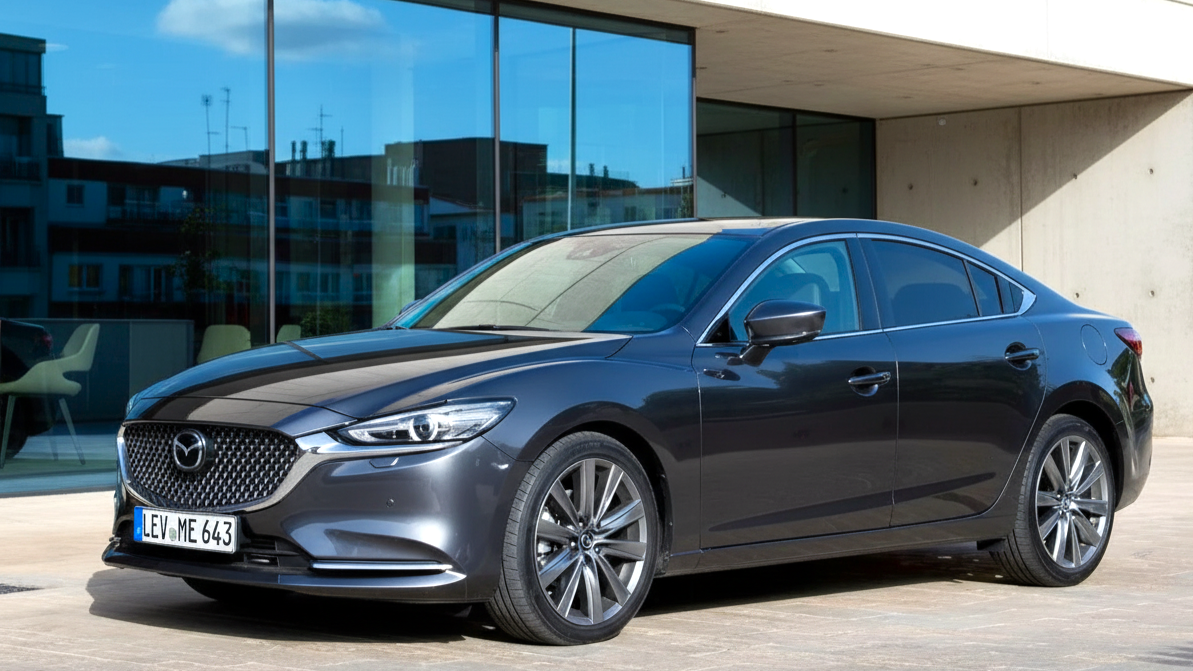
- Mazda6 — Quality materials and well-thought-out insulation. Considered one of the quietest options in the D-segment.
Electric Vehicles
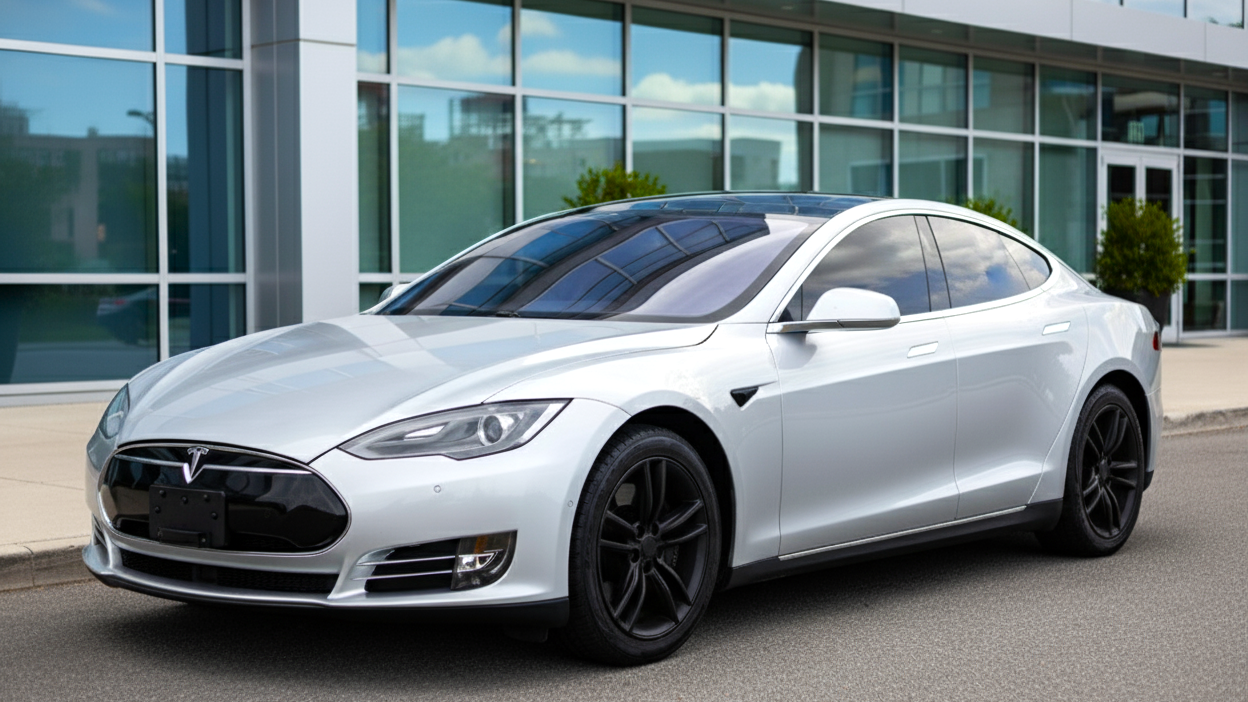
- Tesla Model S — Natural quietness of the electric drive. The absence of an internal combustion engine provides the natural quietness of the electric drive. The main sources of noise become road and wind noise, which the manufacturer actively neutralizes.
Technologies and Innovations for Noise Reduction
The modern auto industry is constantly seeking new solutions to improve cabin acoustics:
- Active Noise Cancellation systems and their operating principle are based on generating inverted sound. This is done using built-in microphones and the audio system's low-frequency speakers.
- Use of special low-noise tires (e.g., with Noise Cancelling technology).
- Laminated glazing has become standard for the windshield and front side windows, significantly reducing the penetration of external sounds.
- Computer modeling of acoustics during car development (Noise, Vibration, Harshness) allows engineers to identify and eliminate potential sources of noise and vibrations in advance.
Tips for Choosing a Quiet Car
When choosing a car, pay special attention to acoustic comfort:
- Test Drive. Evaluate noise levels on different types of road surfaces and speeds (city driving, highway). Pay attention to high-frequency (wind whistle, squeaks) and low-frequency (road hum, engine rumble) noises.
- Decibel Comparison. Study independent tests comparing noise measurements of various models at the same speed (e.g., 100 km/h).
- Engine Type Impact. Electric and hybrid vehicles are generally quieter than traditional models.
- Build Quality. Good fitment of interior elements and tight door seals are the key to the absence of squeaks and the penetration of external noise.
Additional Ways to Reduce Noise
Even if a car is not the standard of silence, there are ways to improve its acoustic comfort.
- Aftermarket Sound Insulation. Professional installation of additional vibration- and sound-absorbing materials in the doors, floor, roof, and wheel arches can significantly reduce the overall noise level.
- Choosing the Right Tires. Tires with a low noise index (indicated on the sidewall label) can significantly minimize road noise.
- Regular Maintenance. Timely replacement of worn door and window seals, as well as the proper condition of suspension components, will help prevent extraneous sounds and squeaks.
- Proper Audio System Setup. Some advanced audio systems can compensate for residual noise, providing clearer sound for music and conversations.
Conclusion
A quiet car cabin is the result of a combination of modern technologies (ANC, acoustic glass), quality materials (acoustic foam, dampers), and thoughtful design (aerodynamics, body rigidity).
Choosing the most quiet cabin car is an investment in safety, comfort, and overall driving pleasure. Reduced fatigue on long trips and the ability to hold a conversation without strain will be worth the cost. A conscious choice in favor of acoustic comfort will make every one of your journeys more pleasant and less tiring.

