



Advantages and Disadvantages of Electric Cars: A Complete Guide

Choosing a car is always a compromise. Today, alongside the familiar questions of power, design, and price, a fundamentally new factor has appeared – the type of engine. When considering an electric car, a potential owner is faced with an overwhelming amount of information, where real facts are often mixed with marketing promises and common misconceptions. Making sense of this data is not easy. Should you trust claims of revolutionary cost savings? How serious are concerns about driving range?
This article offers a clear and structured analysis based on the current state of technology and the market. Our goal is to provide facts so you can independently weigh the key advantages of electric cars and their major disadvantages, while also evaluating the benefits and potential challenges of ownership in your specific conditions.
Why are electric cars becoming more popular? Three key driving forces
The growing interest in electric cars is not a temporary trend but a stable global shift driven by several powerful factors. Together, these forces create the “critical mass” that makes buying an EV a realistic consideration for an increasing number of people.
- Practical environmental impact and economic efficiency. This is not only about reducing CO₂ emissions on a global scale (which largely depends on how electricity is generated in a particular region), but also about improving local air quality in cities. The absence of exhaust fumes makes electric cars especially attractive for urban residents. At the same time, demand is growing for energy independence and predictable operating costs. Electricity prices are usually more stable and less subject to sharp fluctuations than fuel prices, making long-term vehicle expenses easier to manage.
- Technological progress and expanding model variety. Early production electric cars involved major compromises in range and performance, but modern models now compete seriously with traditional vehicles. The average driving range of new EVs today exceeds 350–400 km, eliminating “daily range anxiety” for most drivers. Manufacturers are actively expanding their lineups, offering not only compact city cars but also full-size SUVs, sedans, and even pickup trucks to meet diverse needs.
- Systematic support and evolving infrastructure. Many governments have introduced incentives such as purchase subsidies, tax benefits, and access to bus lanes. At the same time, the network of public charging stations – especially fast chargers – is expanding, though at different speeds across regions. This gradual development helps reduce one of the main disadvantages of electric cars. fear of long-distance travel. Still, it is important to remain realistic – infrastructure is improving, but availability can vary significantly depending on location.
Advantages of Electric Cars
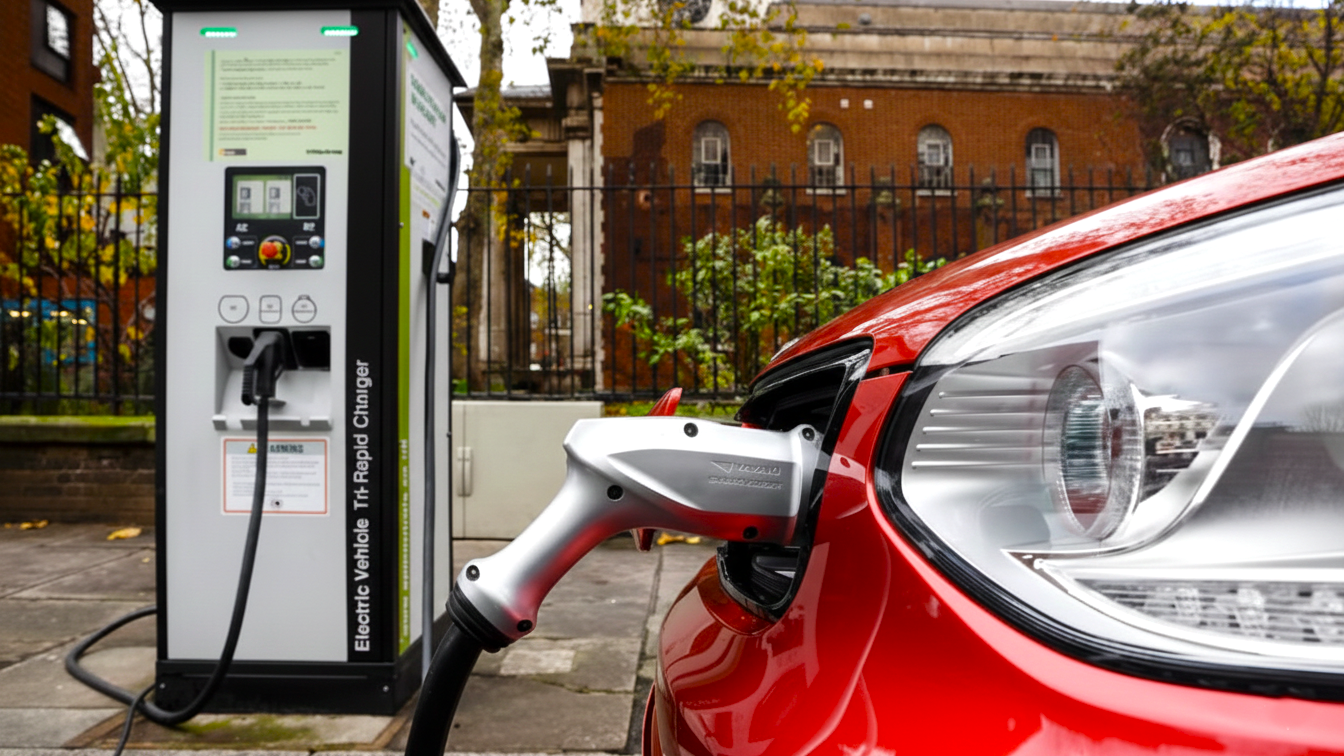
The key advantages of electric cars are related to their design, which is fundamentally different from vehicles with internal combustion engines. This leads to specific benefits in everyday use.
- Lower maintenance costs. An electric motor has far fewer moving parts compared to a combustion engine. There is no engine oil, spark plugs, fuel filters, or complex exhaust system. This reduces routine servicing and lowers the risk of serious breakdowns.
- Savings on fuel. Electricity costs for charging, especially at home during off-peak hours, are several times lower than spending on gasoline or diesel for a comparable vehicle.
- Driving dynamics and comfort. The electric motor delivers instant torque, providing quick acceleration from a standstill. The lack of engine vibration and near-silent operation greatly improves comfort for both the driver and passengers.
- Convenient home charging. For many owners, the biggest advantage is starting each day with a “full tank” by charging the car from a regular outlet or a wallbox installed in a garage or parking space.
These factors form the core benefits of electric cars for everyday use.
Benefits of electric cars. an economic and practical breakdown
To see the full picture, it is worth summarizing the practical benefits of owning an electric car in one list.
- Reduced ongoing costs for fuel and maintenance.
- Access to discounted or free travel on some toll roads and in low-emission urban zones.
- Exemption from vehicle tax (in most regions at present).
- A simpler mechanical design that improves overall reliability.
- Greater peace of mind thanks to low noise levels and zero local emissions.
In summary, is it worth buying an electric car? The answer depends entirely on your circumstances. The main advantages of electric cars are most fully realized when you have access to home charging, mainly drive in urban conditions, and are willing to plan long trips in advance. The disadvantages of electric cars become critical when you frequently travel long distances, lack a guaranteed charging location, or have a limited budget. By carefully weighing the pros and cons of electric cars, you can determine whether the benefits of electric cars outweigh today’s existing limitations.
Disadvantages of electric cars

Despite rapid development, electric cars as a technology still have several inherent disadvantages at the current stage. These drawbacks should not be seen as fatal flaws, but rather as practical limitations that may be significant depending on lifestyle and ownership conditions. The main challenges are concentrated around logistics, upfront costs, and operation in non-ideal conditions.
- Dependence on charging infrastructure. For everyday city use with home charging, this is not an issue. However, for long-distance travel, especially to remote areas, careful route planning around available fast-charging stations is necessary. Their coverage and reliability are still inconsistent.
- Charging time. Charging from a household outlet can take more than 24 hours. Even at high-power DC fast chargers, reaching 80% typically requires 20 to 40 minutes, which cannot compare with the five minutes spent at a gas station. This changes the rhythm of long journeys.
- High upfront cost. The price of a new electric car, especially one with long driving range, is usually higher than that of a comparable internal combustion vehicle. The main reason is the cost of the battery pack.
- Reduced real-world range in winter. In freezing temperatures, part of the battery’s energy is used to keep itself warm, while additional power is consumed to heat the cabin. This can reduce driving range by 20–40% in severe cold, requiring extra planning.
- Battery degradation. Lithium-ion batteries gradually lose part of their original capacity over time. The degradation rate depends on many factors, including charging cycles, frequent use of fast charging, and climate. This affects long-term ownership costs and resale value.
- Limited choice and uncertainty on the used market. The second-hand electric car market remains relatively small. The main concern is battery condition, which requires specialized diagnostics or system data to assess, increasing buyer risk.
Overall, the key disadvantages of electric cars today involve a trade-off between convenience and planning, as well as a high entry price. These factors prevent EVs from being a universal solution for all drivers.
Pros and cons of electric cars
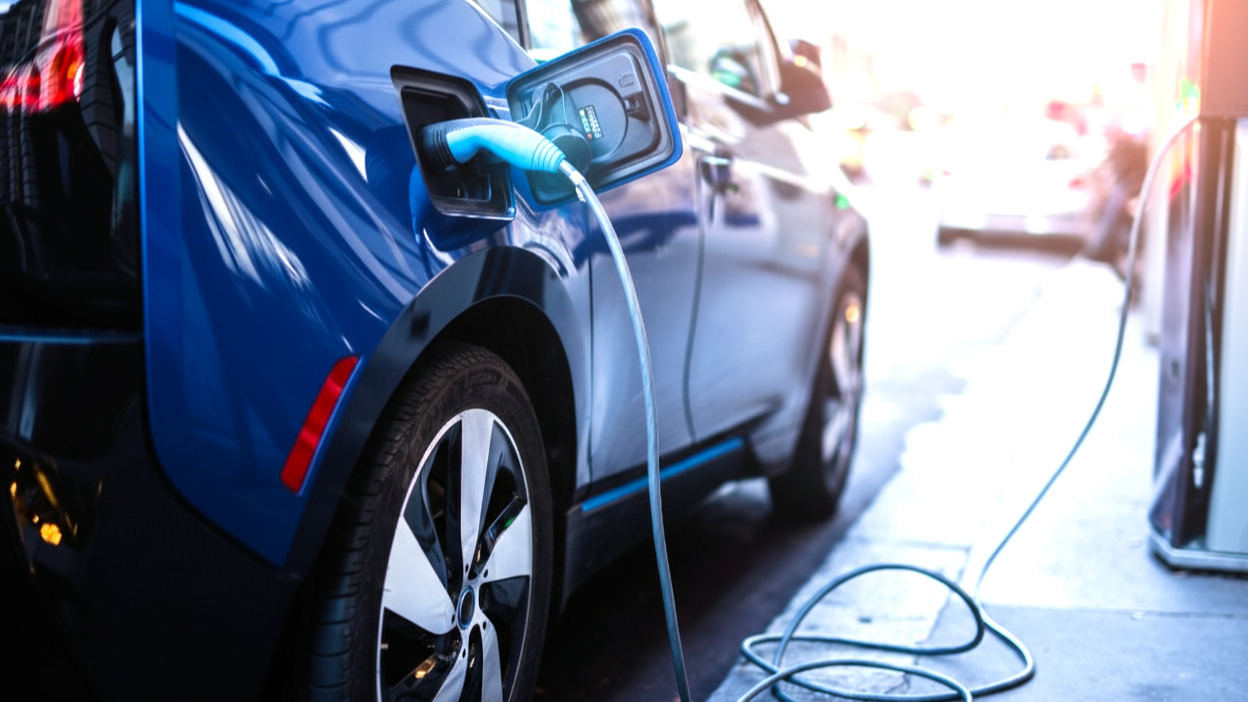
To make a balanced decision, it is useful to directly compare the key aspects of both powertrains. This contrast clearly shows where electric drive excels and where traditional engines still hold advantages.
Operating costs
- Electric car: low energy costs, especially with night tariffs, minimal maintenance (no oil changes, spark plugs, timing belts, and similar components).
- Internal combustion car: ongoing and significant fuel expenses, regular and more costly scheduled servicing.
Performance and comfort
- Electric car: instant torque, smooth and quick acceleration, very quiet cabin.
- Internal combustion car: acceleration depends on engine speed and gear changes, noticeable vibration and engine noise.
Long-distance travel
- Electric car: requires route planning around charging stations, with 20–40 minute charging stops.
- Internal combustion car: flexible routing thanks to dense gas station networks, with refueling stops of 5–10 minutes.
Upfront cost and infrastructure
- Electric car: higher purchase price and dependence on home or public charging availability.
- Internal combustion car: generally lower initial cost and full independence from special infrastructure.
Weather impact
- Electric car: driving range drops noticeably in cold weather, and climate control uses battery power.
- Internal combustion car: range also decreases in winter but far less dramatically; cabin heating uses waste engine heat.
This comparison shows that choosing an electric car is not simply a move to a superior technology, but a deliberate shift toward a different balance of strengths and weaknesses.
Who is an electric car suitable for today?

Taking all the pros and cons into account, several clear user profiles emerge for whom buying an electric car already makes strong economic and practical sense. For them, the benefits of electric cars clearly outweigh current limitations.
- Urban drivers with home charging. This is the ideal scenario. Daily city trips do not require long range, and overnight charging provides a full “tank” every morning. Public infrastructure issues barely affect them.
- Owners focused on low operating costs. Taxi drivers, couriers, or anyone with high daily mileage in urban areas can save significantly on fuel and maintenance, quickly offsetting the higher purchase price.
- Households with a second car. An electric car becomes perfect for daily commuting, school runs, and shopping, while a conventional car is used for long trips.
- Drivers willing to plan long journeys. If you are comfortable including 30–40 minute charging stops every 300–400 km and checking charging networks in advance, the disadvantages of electric cars in travel become far less critical.
- Early technology adopters. People who value innovation, quiet performance, and modern driving experiences, and are willing to accept some inconvenience for cutting-edge technology.
The final verdict is simple. an electric car is an efficient, comfortable, and cost-effective choice for specific use cases. Its advantages shine in urban environments with accessible charging, while its disadvantages are most noticeable on long trips and where infrastructure is lacking. A thoughtful evaluation of the pros and cons of electric cars will help determine whether the benefits of electric cars already outweigh current limitations for you.
Conclusion
In conclusion, an electric car is a technologically mature and forward-looking form of transportation, but not a universal solution for everyone. Its strengths – low operating costs, strong performance, comfort, and zero local emissions – are compelling reasons to switch. However, the benefits of electric cars are fully realized only under certain conditions.
Significant disadvantages of electric cars, such as reliance on charging infrastructure, charging time, and reduced winter range, still impose practical limits. As a result, the overall balance of pros and cons of electric cars will differ for each individual.
The final decision should be based on a realistic assessment of personal circumstances: access to home charging, typical driving patterns, and willingness to adapt habits. For urban residents who can charge overnight, the advantages of electric cars already clearly outweigh their drawbacks. For those who frequently travel long distances, a hybrid or conventional vehicle may still be the better option. In any case, electric cars have firmly established their place in the market, offering drivers a modern and conscious alternative.

