



Why Car Repairs Become So Expensive: The Costliest Parts and Failures
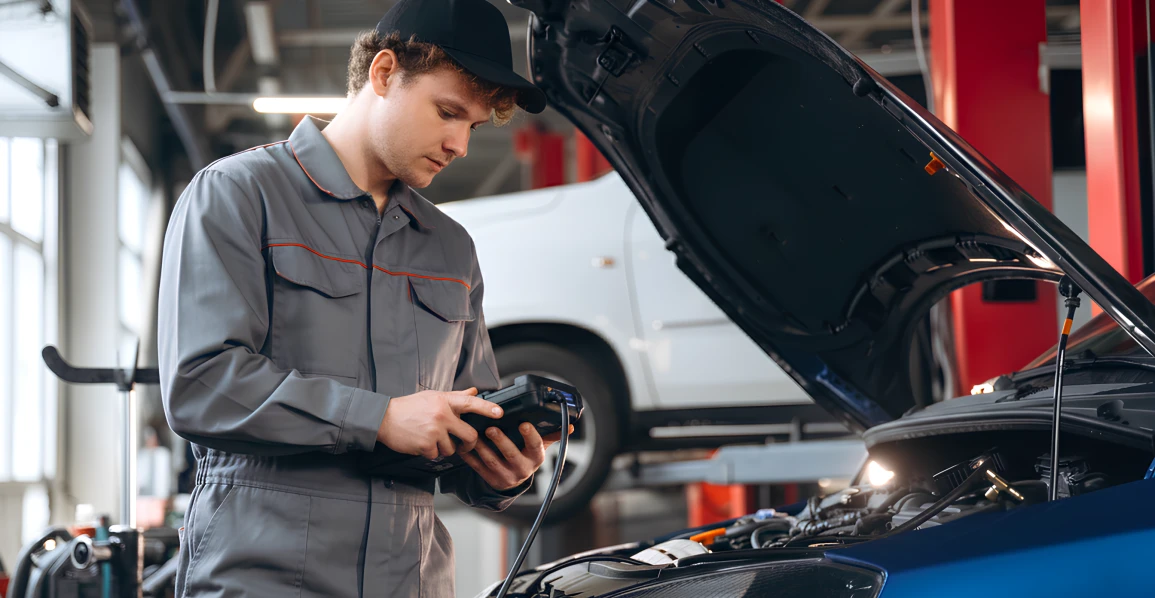
For many car owners, the phrase most costly car repairs sounds frightening and becomes a harsh reality when certain breakdowns occur. In some cases, the cost of restoring a vehicle exceeds its market value. This article explains which types of repairs are the most expensive, why some parts have astronomical prices, and how to reduce risks. We will review the ranking of the most expensive car repair, look at the list of the most expensive car parts, and share practical tips.
The main reasons for high repair costs lie in three factors: the complexity of the work, the price of original components, and the need for specialized equipment. For example, replacing an engine or a hybrid battery requires not only an expensive part but also many hours of highly skilled labor.
Top 10 most expensive types of car repairs
Before moving to the list, it is important to understand how this ranking is formed. It includes repairs that combine high prices for original parts, intensive labor, and the need for specialized skills or equipment. This combination creates a final cost that often comes as a surprise to owners.
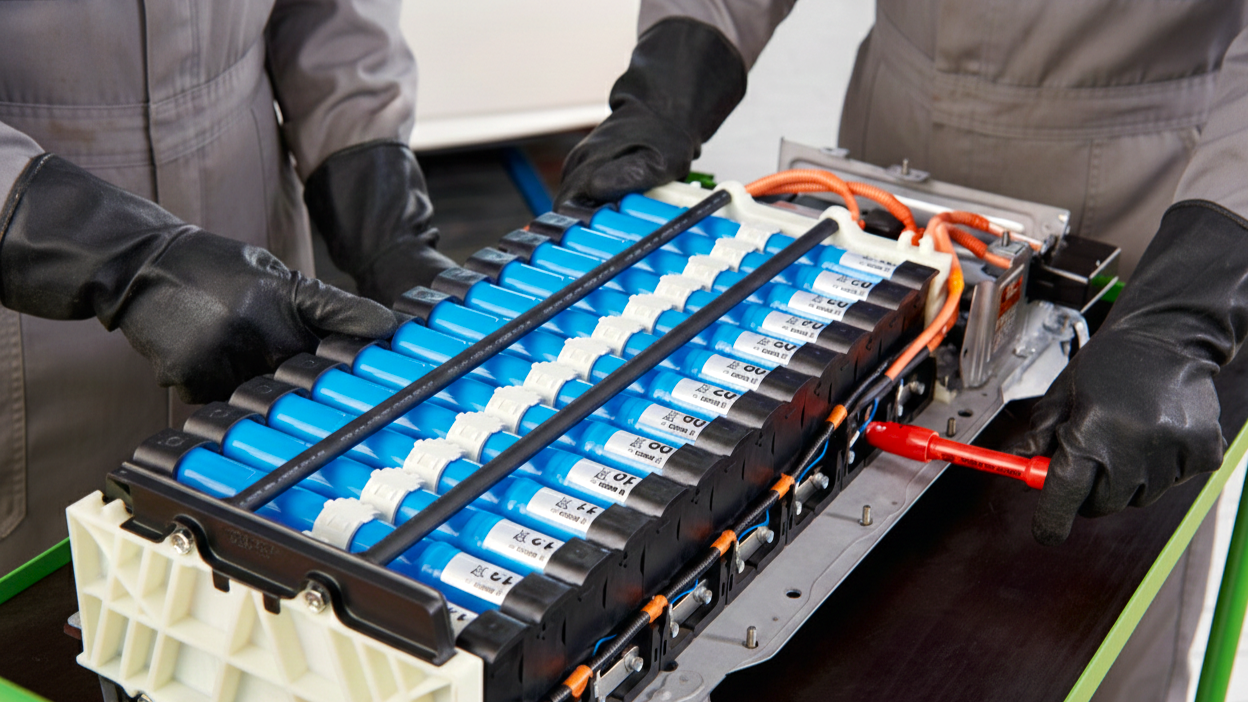
- Replacing a hybrid or high-voltage battery (traction battery). Often the absolute leader in cost. The price of a new battery for premium models can reach 20–30% of the cost of a new car.
- Major engine overhaul or engine replacement. Includes disassembly, replacement of worn components, or installation of a new unit. Extremely labor-intensive work.
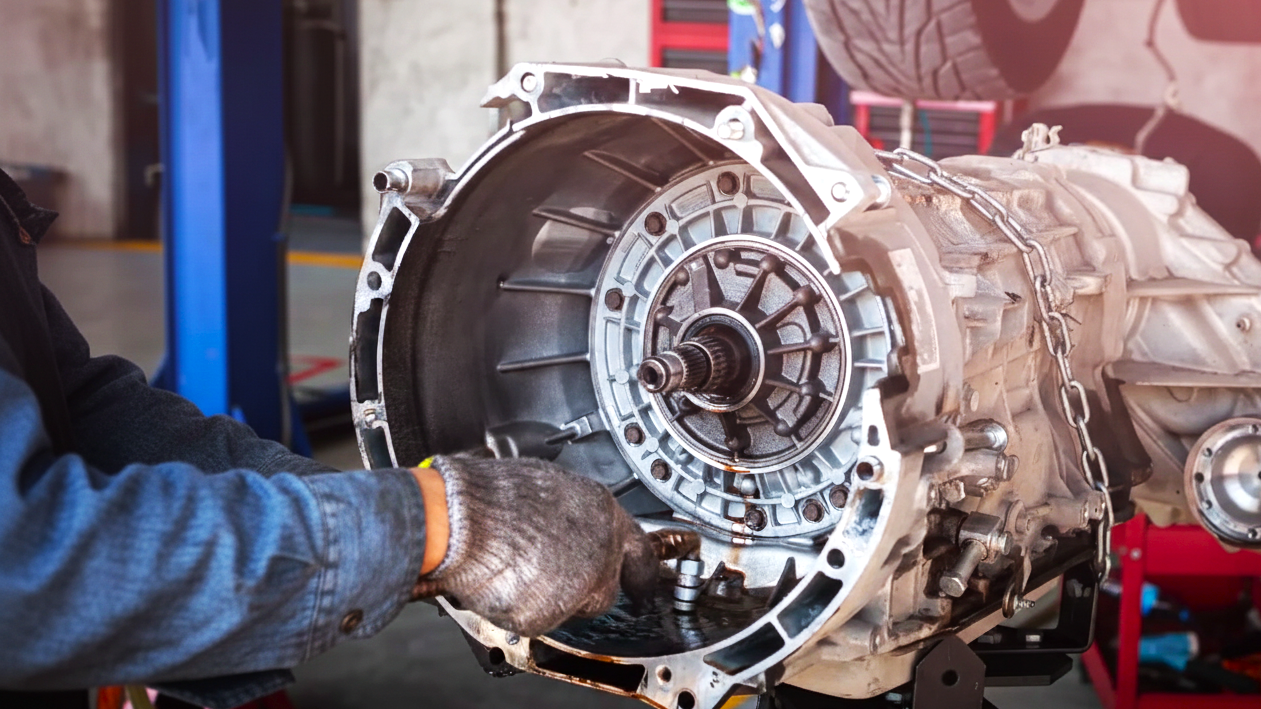
- Repair or replacement of an automatic transmission, especially robotic or dual-clutch systems (DSG and similar). A complex unit that only specialists can handle.
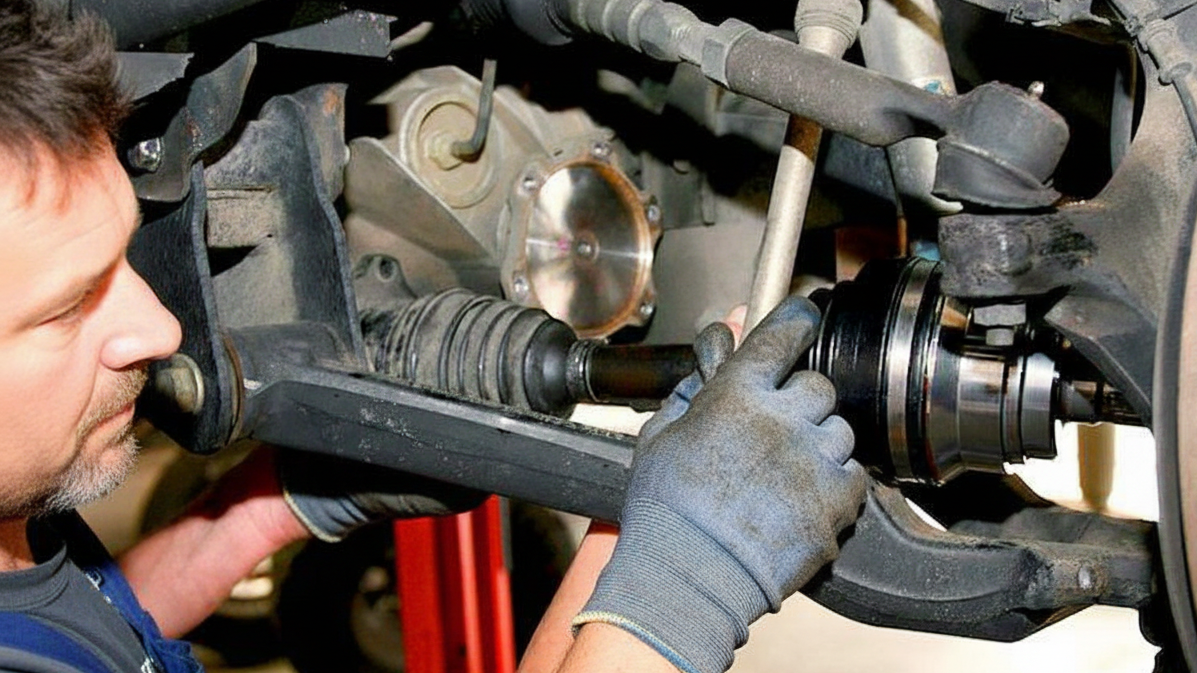
- Restoration of the all-wheel-drive system. Failures of the transfer case, electronic clutches, or driveshafts.
- Replacement of the turbocharger in modern engines. An expensive component often requires additional related work.
- Body repairs after serious damage. Restoring body geometry, replacing frame rails or roof panels is a high-tech process.
- Replacement of factory multimedia systems or digital instrument clusters. Integrated original systems can cost as much as a small car.
- Repair of active safety systems: cameras, radars, sensors. Requires not only replacement but also complex software calibration.
- Repair of air suspension systems. Failure of air struts or the compressor can be extremely costly.
- Replacement of the catalytic converter. Contains precious metals, which explains its high price.
As seen, the leaders in this ranking are always complex assemblies rather than simple parts. Their repair or replacement often affects related vehicle systems, increasing the final bill. These are exactly what most people associate with the most costly car repairs.
The most expensive car parts to replace
The final repair bill consists of labor costs and parts prices. In major breakdowns, the cost of components often becomes the determining factor. The list of the most expensive car parts naturally includes the most complex and technologically advanced systems.
- Repair costs are often driven by the price of the part itself. The most expensive components include:
- High-voltage traction battery, often costing thousands or even tens of thousands of dollars.
- Engine control unit or transmission control module, individually programmed for the vehicle.
- Complete transmission assembly, one of the most expensive replacements.
- Complete engine unit, new or refurbished.
- Factory navigation and multimedia systems with large displays.
- Catalytic converter.
- Adaptive headlights and matrix LED headlights with complex electronics.
- Air suspension components such as air springs and compressors.
These parts form the backbone of vehicle operation. Their failure often disables the car or severely limits its usability, and replacement involves both high part costs and complex installation procedures.
How to avoid spending on expensive parts and repairs
Operating costs can and should be controlled. Prevention and informed decisions are always cheaper than emergency repairs. A smart strategy combines regular maintenance and careful repair choices.
It is impossible to eliminate risk completely, but it can be reduced:
- Regular high-quality maintenance. Timely oil, filter, and belt changes prevent major failures.
- Early diagnostics. Unusual noises or dashboard warnings should never be ignored. A small issue today can lead to the most expensive car repair tomorrow.
- Consider alternatives to original parts. High-quality aftermarket or refurbished components can save up to 50%.
- Choose reliable specialists. A trusted independent repair shop can often provide quality work at lower prices than dealerships.
- Research model reliability before buying. Some engines and transmissions are known for recurring problems.
The most costly car repairs are always the result of high-priced components combined with complex labor. A proactive approach – careful vehicle care, qualified specialists, and smart part choices – helps keep expenses under control and avoid unexpected financial losses.
Why some car repairs are so expensive – key reasons
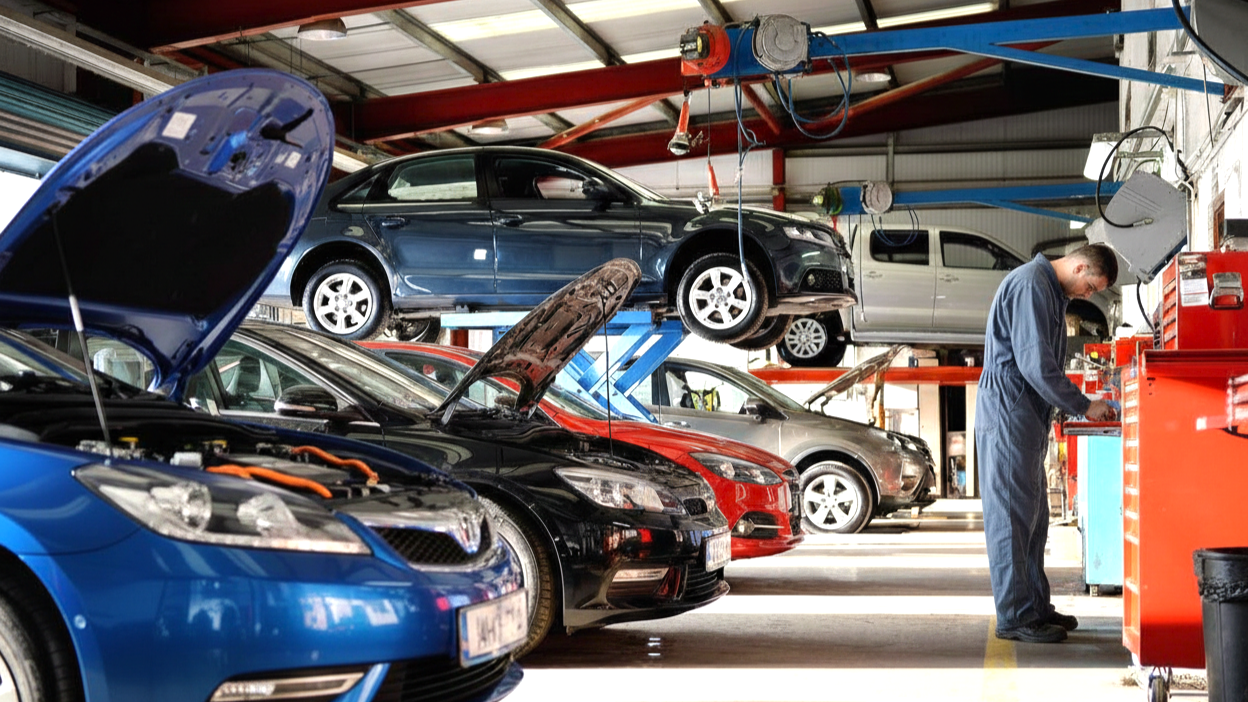
High car repair costs often come as a shock to vehicle owners. In many cases, the price of repairs can make up a large part of the car’s overall value. This is not accidental – it is the result of several objective factors.
Complexity of modern vehicle design
Cars are no longer just a set of mechanical parts. Today, they are complex electro-mechanical systems. For example, the engine control unit monitors hundreds of parameters in real time. Repairing such systems requires not only mechanical skills but also deep knowledge of electronics and software. The more complex the design, the higher the specialist’s qualifications must be.
High cost of original parts
The price of new original components is often the main factor in the repair bill. It is influenced by:
- Advanced manufacturing technologies and the use of expensive materials, such as rare metals in catalytic converters
- Brand investments in research, development, and testing
- Logistics and multi-level distribution chains
Parts that include proprietary technologies are especially costly – hybrid batteries, advanced control modules, and matrix headlights.
Labor-intensive and time-consuming repairs
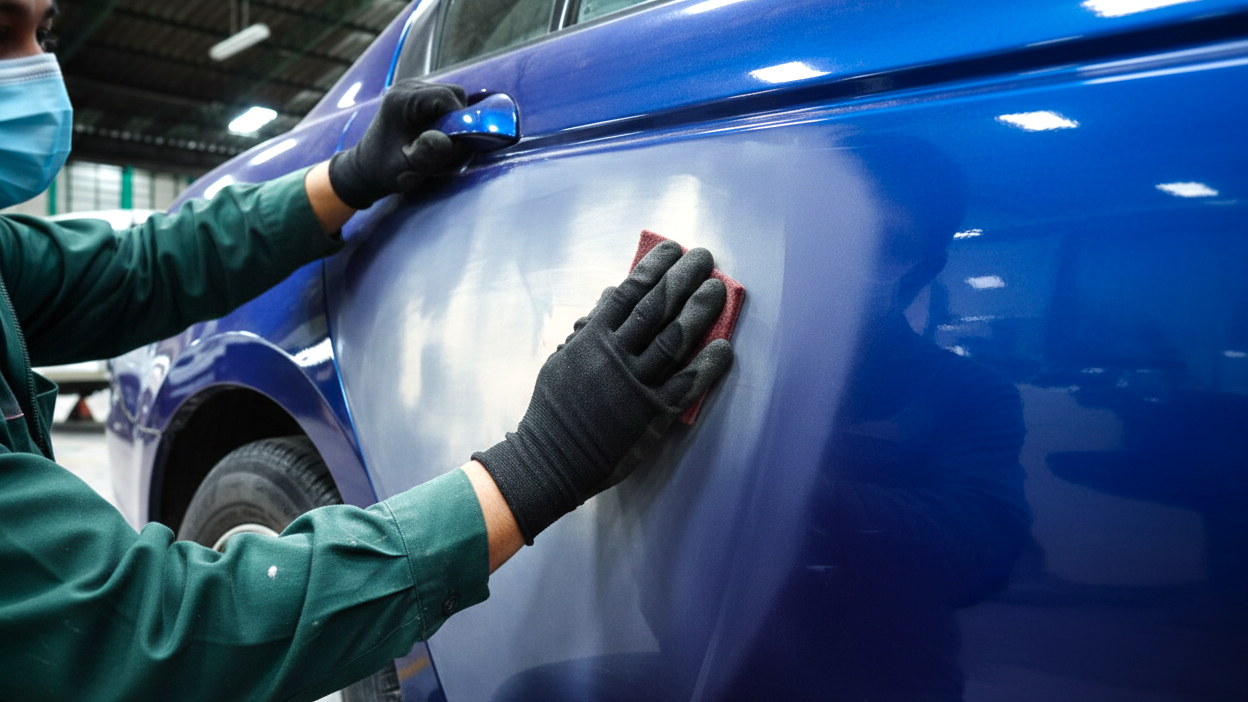
Some repairs take many hours or even several days. Major engine overhauls or work on deeply located components require partial disassembly of large sections of the vehicle. Every hour of skilled labor has a cost that directly affects the final bill. Labor intensity involves not only time but also high responsibility at every stage.
Need for specialized equipment
Modern repairs are impossible without professional tools and diagnostic systems. Electronic work requires scanners, oscilloscopes, and licensed software. Body repairs need precision frames and measurement systems. Hybrid vehicles require high-voltage safety equipment. The purchase and maintenance of this technology is expensive for service centers and is reflected in repair pricing.
Limited availability of parts
For rare or new models, parts are often supplied only by special order. This increases waiting times and sometimes the price. For discontinued vehicles, original components may become scarce and expensive. While aftermarket alternatives exist, they are not always suitable for critical systems.
High repair costs almost always result from a combination of these factors: an expensive part plus complex, time-consuming labor that requires specialized equipment and expertise. Understanding these reasons helps car owners better evaluate service estimates and make informed maintenance decisions. Regular inspections and preventive care remain the most effective ways to avoid costly repairs.
How to reduce the risk of expensive repairs
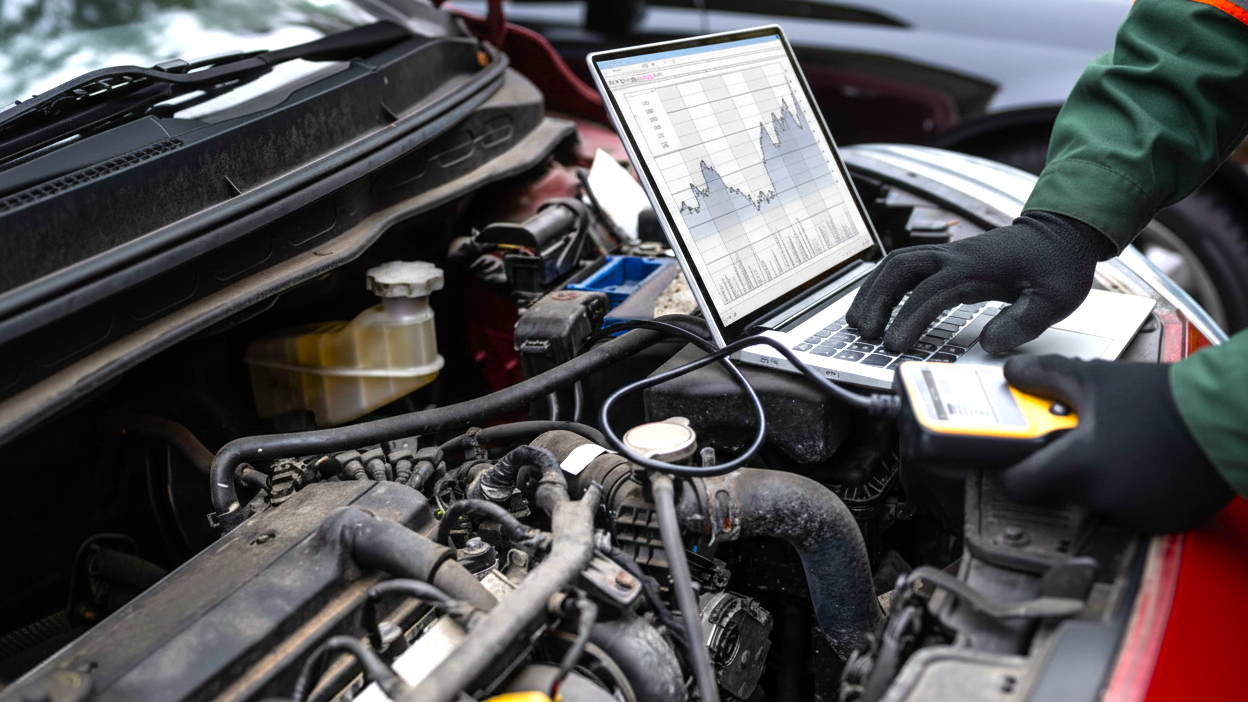
Preventive maintenance is the only truly effective way to control vehicle repair costs. Below is a practical sequence of actions that significantly reduces the chance of major unexpected breakdowns. The principle is similar to medicine: prevention and early detection are always easier and cheaper than fixing a serious problem later. Scheduled maintenance helps spread expenses over time instead of facing sudden financial shocks. Ultimately, this approach protects the most expensive systems and components of the car.
- Follow the service schedule strictly. Regular replacement of fluids, filters, and wear items is essential. Old engine oil or a worn timing belt can easily lead to a major engine failure.
- Perform comprehensive diagnostics. Do this not only when issues appear but also as a preventive measure once a year. Modern computer diagnostics can detect electronic system problems at an early stage.
- Respond to early warning signs. Unusual noises, vibrations, dashboard alerts, or reduced performance should never be ignored. Fixing a small issue early can prevent a chain of serious failures.
- Choose a reliable repair shop. Work with qualified technicians who use modern equipment. High-quality repairs last longer. Compare not only prices but also the reputation of the service center.
- Use high-quality aftermarket parts. For many components such as brake pads, filters, and suspension parts, there are excellent OEM-equivalent alternatives. They are often produced in the same factories as original parts but cost less.
- Research the vehicle model. Before buying a car, especially a used one, learn about common problems related to the specific model, engine, or transmission. This helps you focus on known weak points in advance.
Implementing these steps creates a strong buffer against financial risk. The idea is simple: small but regular investments in vehicle maintenance dramatically reduce the likelihood of massive one-time repair bills. This discipline turns the potential most expensive car repair from a sudden disaster into a manageable – and often preventable – risk.
Conclusion
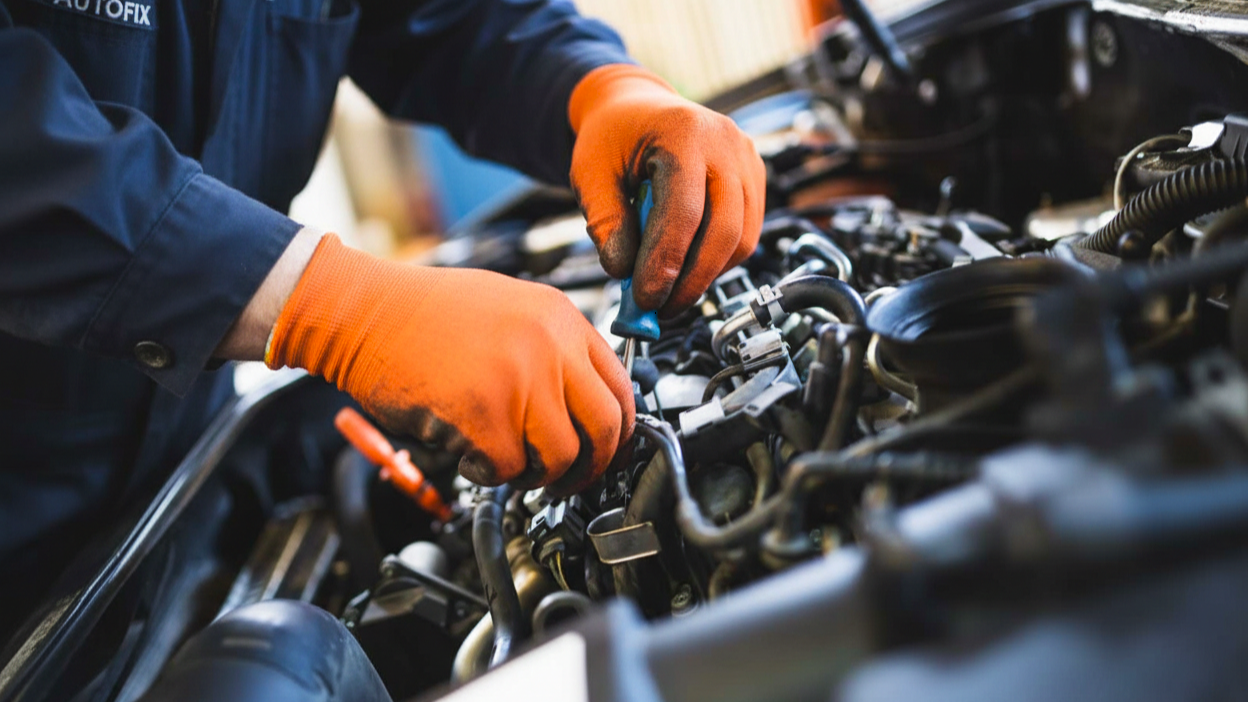
In most cases, the most expensive car repair involves replacing key high-tech components such as the hybrid battery, engine, automatic transmission, or advanced electronic systems. The cost of these most expensive car parts is high due to complex manufacturing processes, proprietary technologies, and costly materials.
Major repair expenses usually result from a combination of factors: expensive components, labor-intensive work, and the need for specialized equipment. However, the risk of such breakdowns can be significantly reduced.
Regular maintenance and diagnostics are a financially smart strategy. They help identify issues early and prevent minor problems from turning into the most costly car repairs.
Understanding which components are the most vulnerable and expensive to replace allows car owners to make smarter decisions – from choosing a vehicle model to planning annual maintenance budgets. A proactive maintenance approach is the key to long-term, cost-efficient vehicle ownership.

