



Cheapest Cars to Maintain and the Most Expensive Models Explained

When choosing a car, many people focus on price, design, and performance. However, the total cost of ownership – especially regular maintenance – often becomes the deciding factor. This article will help you understand which brands are worth considering for saving money and which may require significant expenses after purchase. We present a ranking of the cheapest cars to maintain, a top 10 low maintenance car brands, as well as a list of the most expensive cars to maintain.
The cheapest cars to maintain usually feature simple engineering, affordable spare parts, and long service intervals. On the other hand, the most expensive cars to maintain often belong to the premium segment, sports category, or older models with limited parts availability.
Top 10 Cheapest Cars to Maintain
Maintenance costs include the price of consumables, labor rates, and how often the car requires service visits. Budget models typically lead in affordability. They are designed for the mass market, where low running costs are a key advantage.
- Lada Granta – domestic parts and widespread service availability.
- Kia Rio – long service intervals and reliable design.
- Hyundai Solaris – similar maintenance profile to Kia Rio.
- Toyota Corolla – a benchmark for reliability and affordable servicing.
- Volkswagen Polo – wide popularity keeps repair costs low.
- Skoda Rapid – simple mechanics and logical engineering.
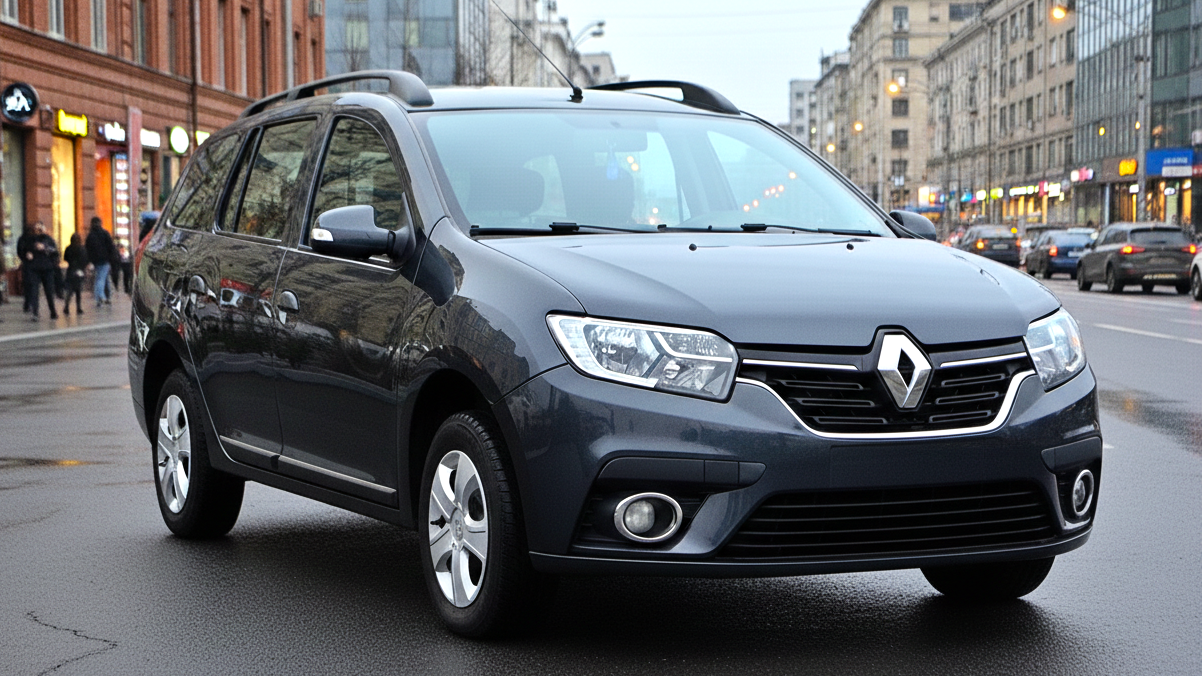
- Renault Logan – easy to repair with inexpensive components.
- Ford Focus (naturally aspirated engines) – proven platform.
- Nissan Almera – adapted for harsh operating conditions.
- Mitsubishi Lancer – time-tested technical foundation.
These vehicles share one major advantage: their designs are well understood by mechanics, and the spare parts market offers both original and aftermarket options.
Top 10 Low Maintenance Car Brands
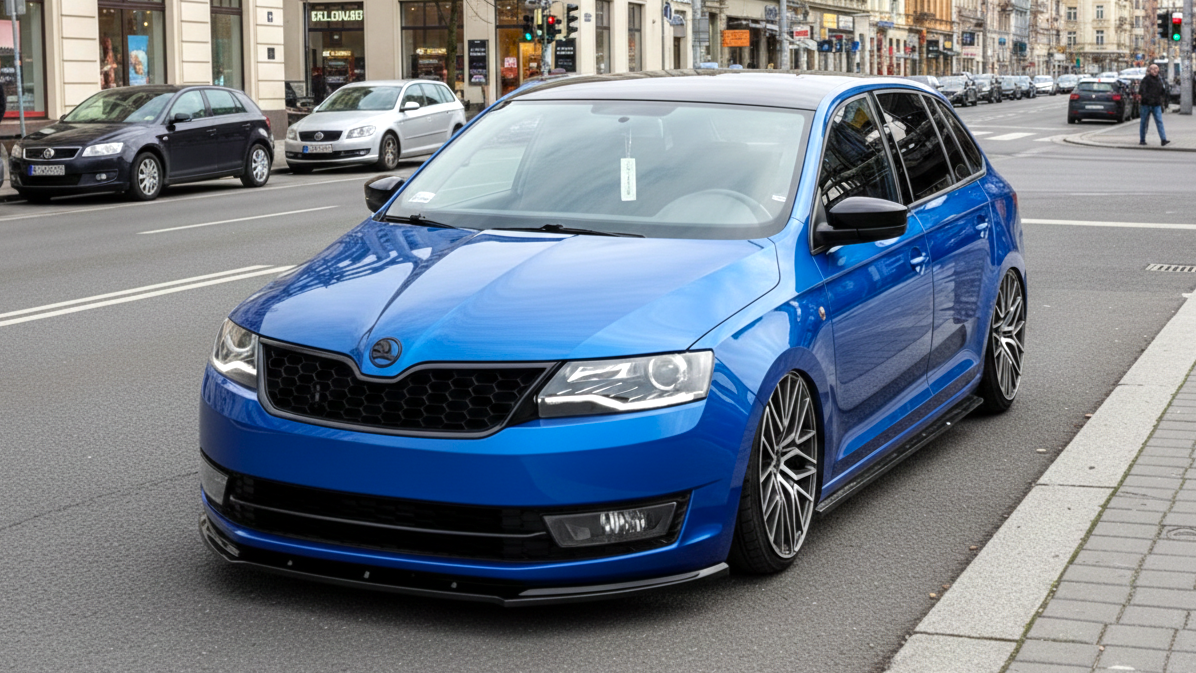
When analyzing brands rather than specific models, the picture becomes even clearer. Some manufacturers make low ownership costs part of their philosophy. The top 10 low maintenance car brands are often led by the same names year after year.
The main criterion is the average annual maintenance cost based on data from major insurance companies and service networks.
- Toyota – synonymous with reliability and affordable parts.
- Kia – long warranties and smart service policies.
- Hyundai – very similar to Kia in maintenance costs.
- Lada (VAZ) – the lowest prices for parts and repairs.
- Skoda – Volkswagen quality at lower service costs.
- Renault – especially for basic models like Logan and Sandero.
- Nissan – particularly models built on the global V platform.
- Ford – when choosing popular models without complex turbo engines.
- Mazda – strong engine reliability.
- Suzuki – simplicity and practicality over excessive technology.
Choosing a car from one of these brands usually means predictable and relatively low service expenses throughout ownership.
Top 10 Most Expensive Cars to Maintain
While the purchase budget for a car can be a one-time expense, maintenance costs are ongoing financial obligations. Some models are designed with exceptionally high service and repair costs from the start. This is often due to luxury positioning, complex engineering solutions, or exclusivity. When choosing such a vehicle, it is important to understand that you will be paying not only for the name, but also for every replaced part and even routine procedures.
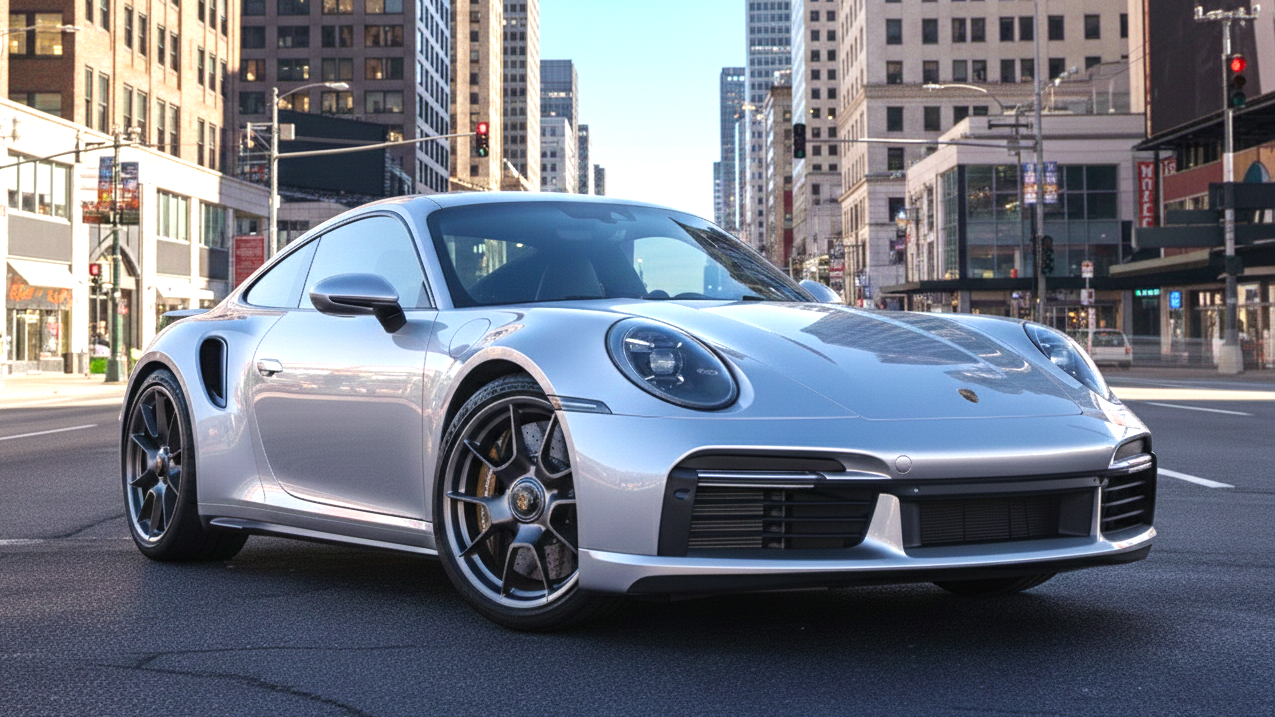
- Porsche 911 (especially turbocharged versions). The high cost of genuine parts, specialized tools, and the need for highly qualified technicians make even scheduled maintenance a major expense.
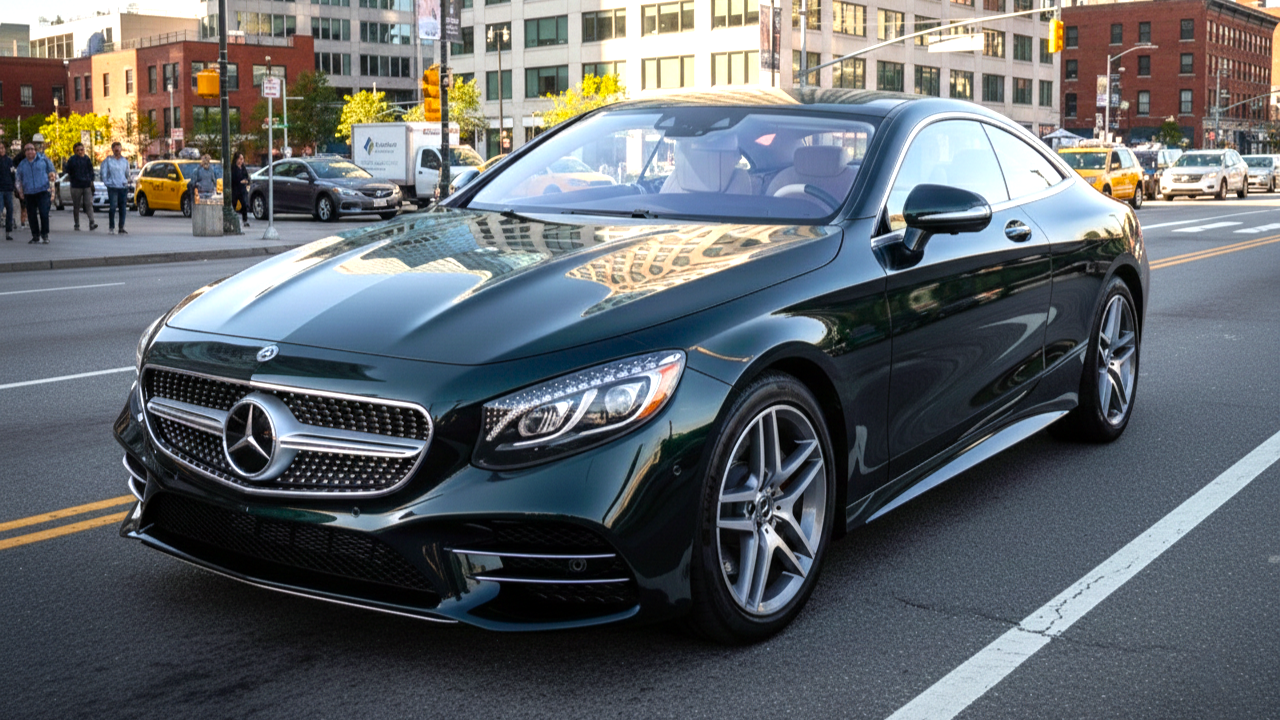
- Mercedes-Benz S-Class. The flagship is equipped with many complex systems: air suspension, expensive multimedia, and comfort and safety technologies. Repairing any of these components requires serious spending.
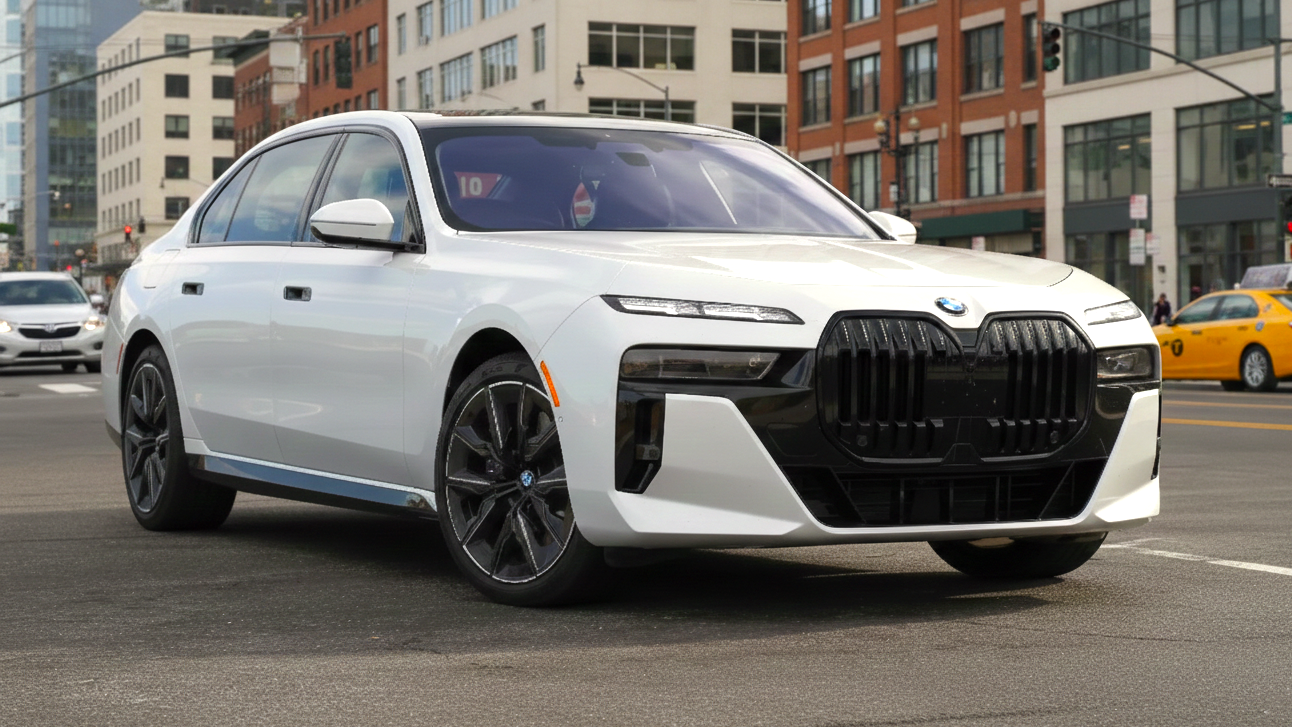
- BMW 7 Series. Similar situation to the S-Class. Maintenance can be especially costly for hybrid versions (ActiveHybrid) or models with active stabilizers.
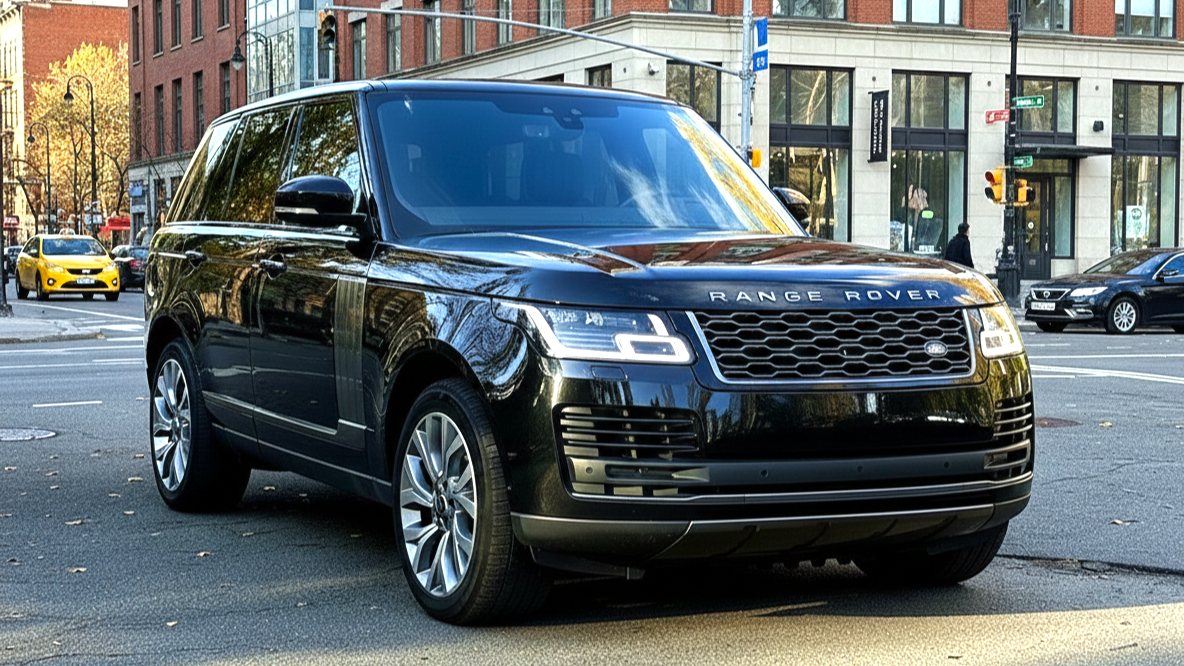
- Land Rover Range Rover. A combination of premium status, a complex all-wheel-drive drivetrain, and electronic off-road management systems leads to high costs for any kind of work.
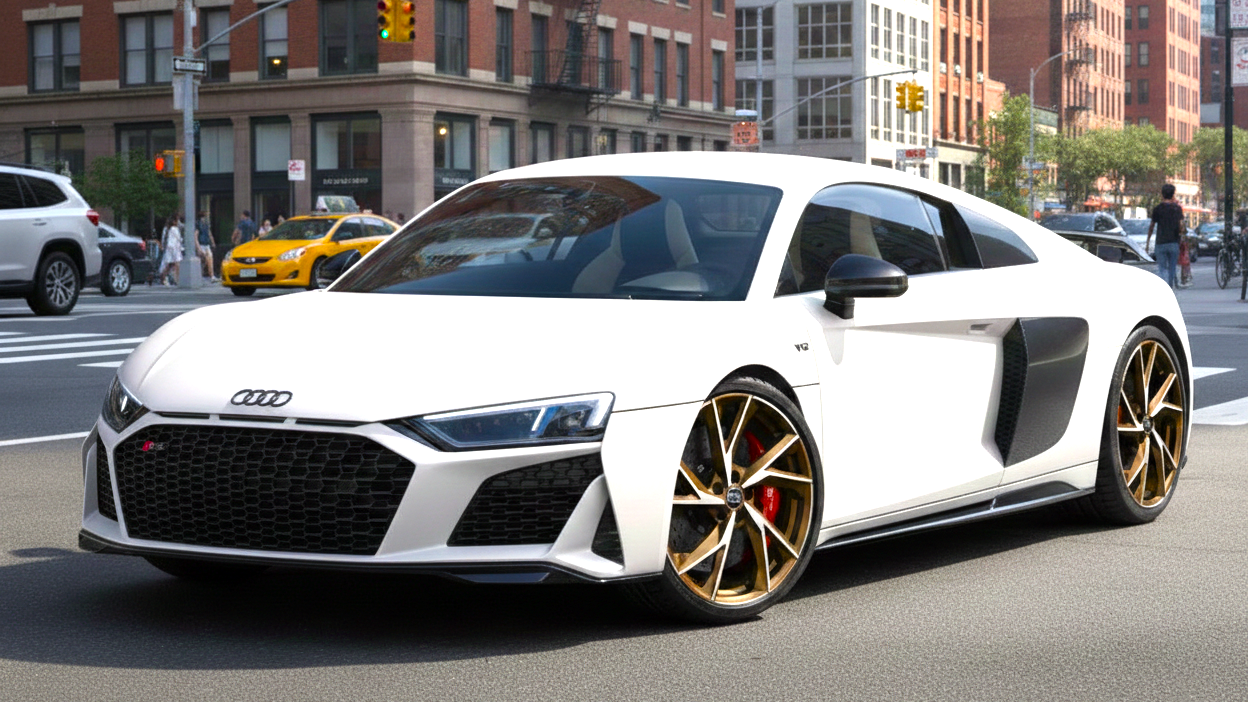
- Audi R8. A supercar with matching expenses. Prices for specialized parts (for example, carbon components or ceramic brakes) are extremely high.
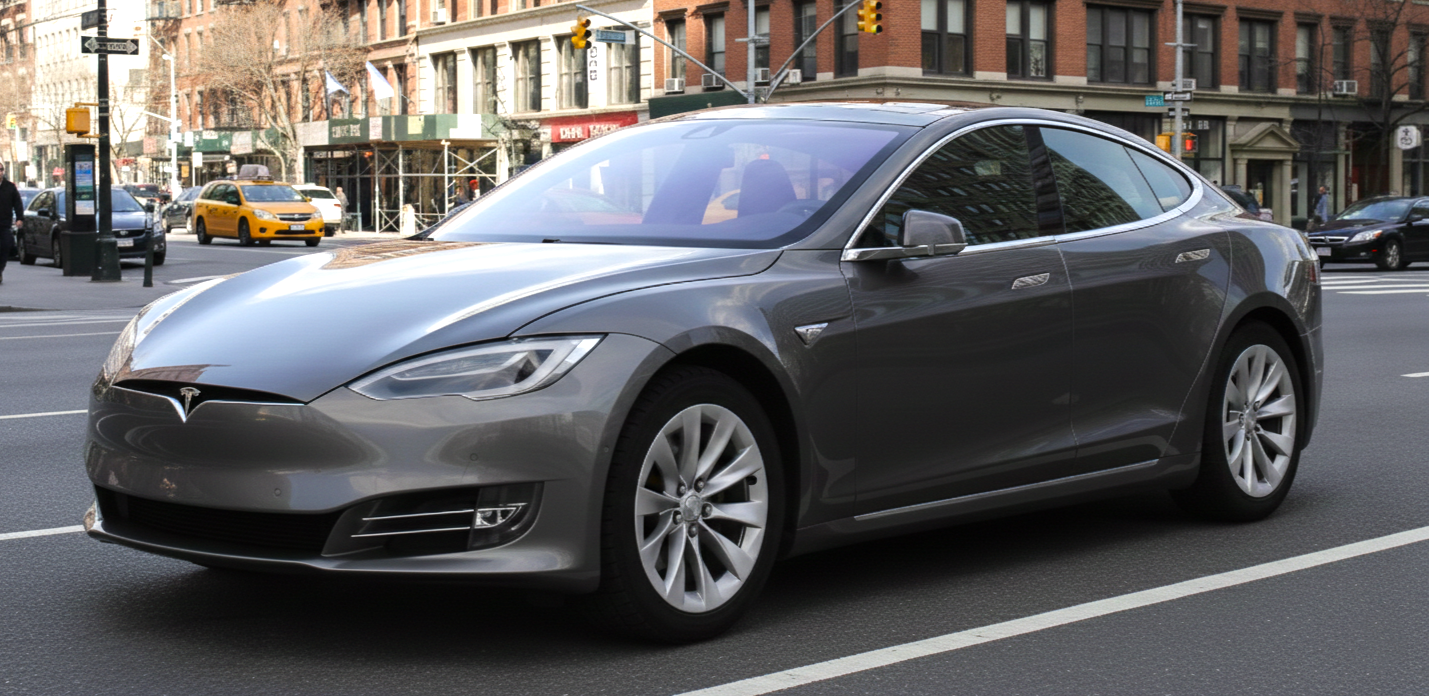
- Tesla Model S/X. Despite saving on fuel and simpler routine maintenance, body repairs or replacement of high-voltage battery components can be astronomical. Repairs are often only possible through an official dealer.
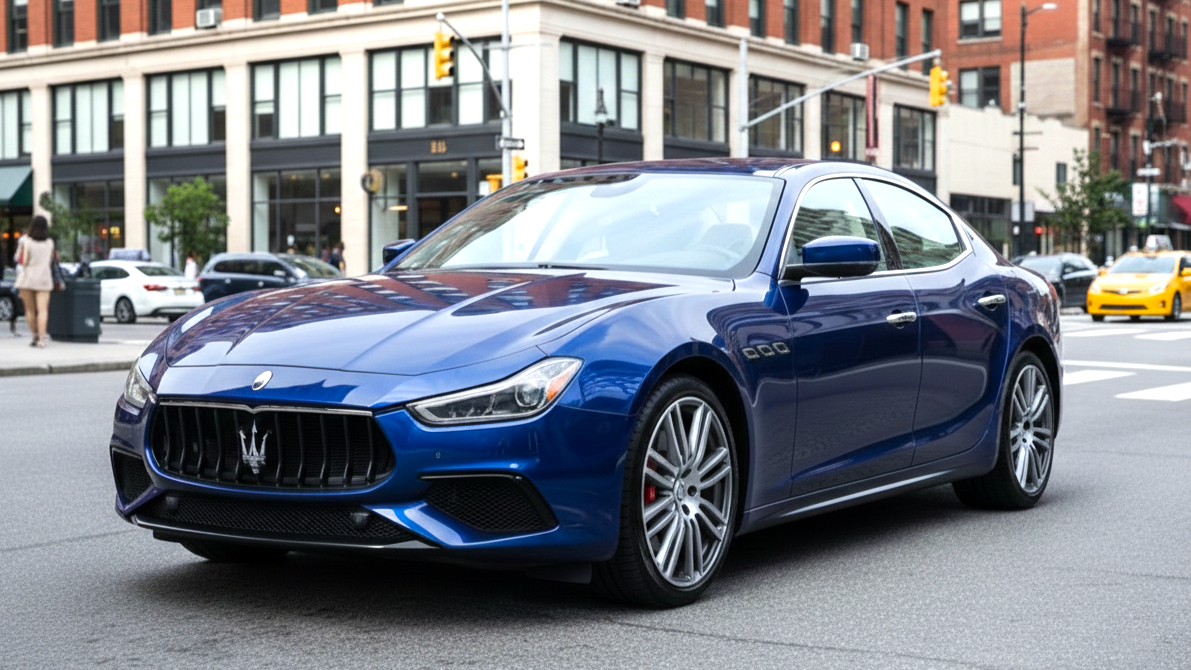
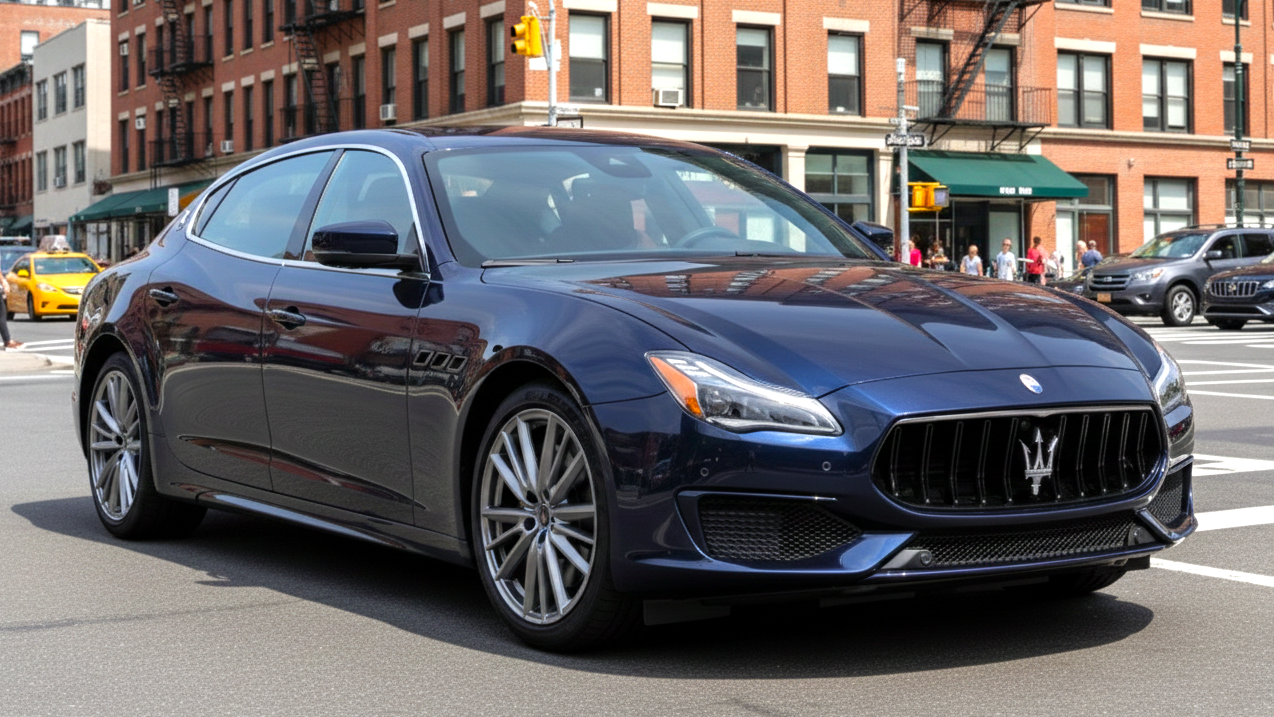
- Maserati Ghibli/Quattroporte. Brand exclusivity means fewer service centers and expensive parts that often have to be ordered from abroad.
- Jaguar F-Pace. Like other premium SUVs, costs come from both parts prices and the complexity of working with electronics and suspension systems.
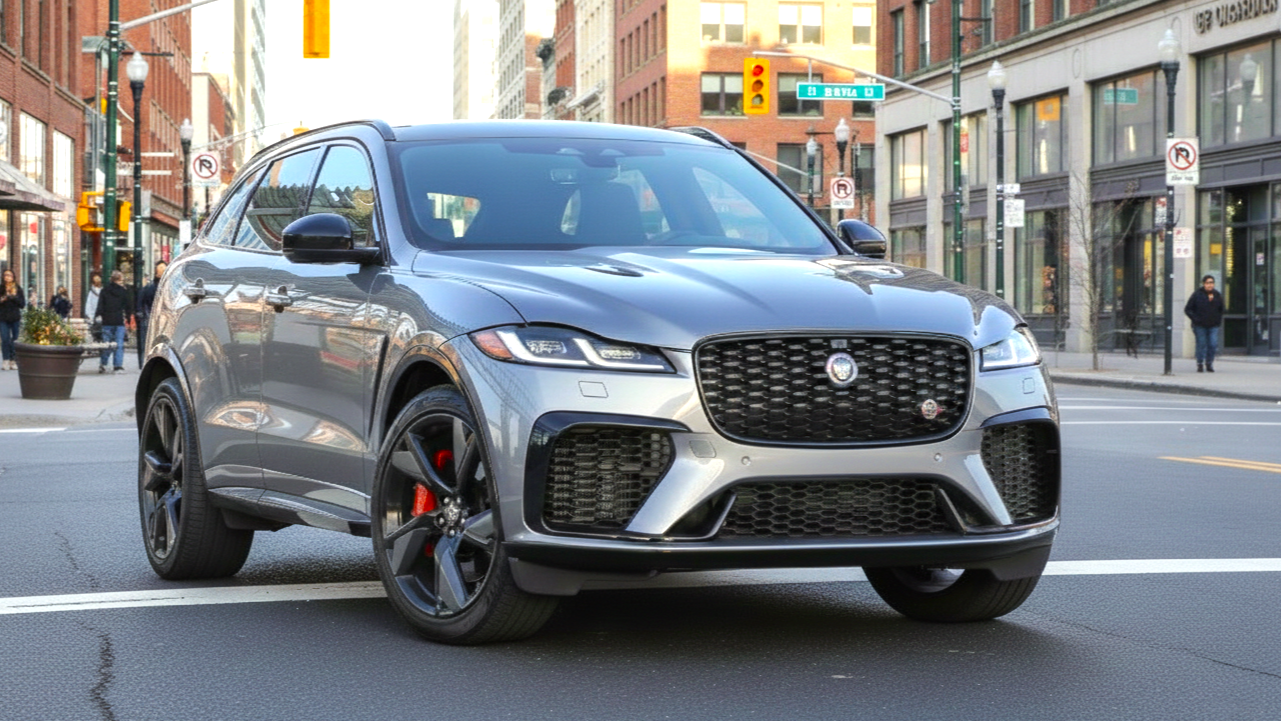
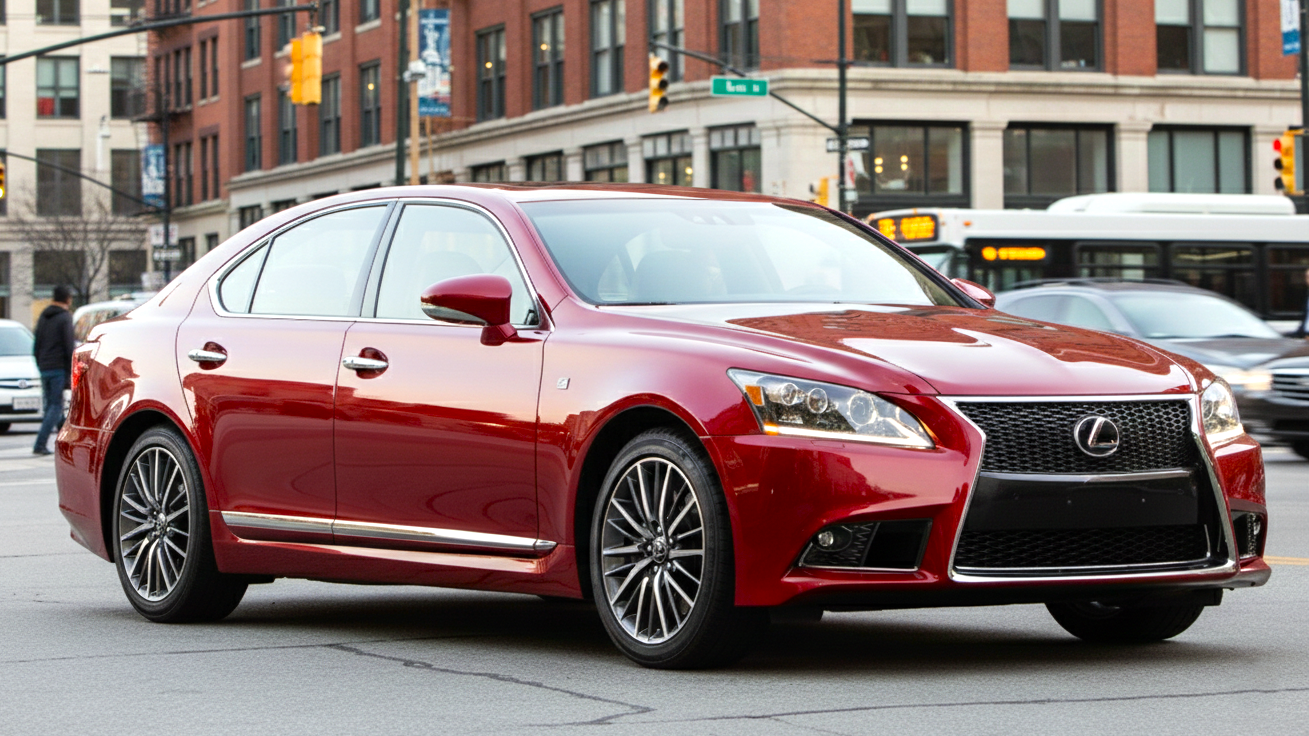
- Lexus LS. Although the model is very reliable, if something breaks, genuine parts and repairs of complex comfort systems (for example, climate control with an infrared sensor) can be very expensive.
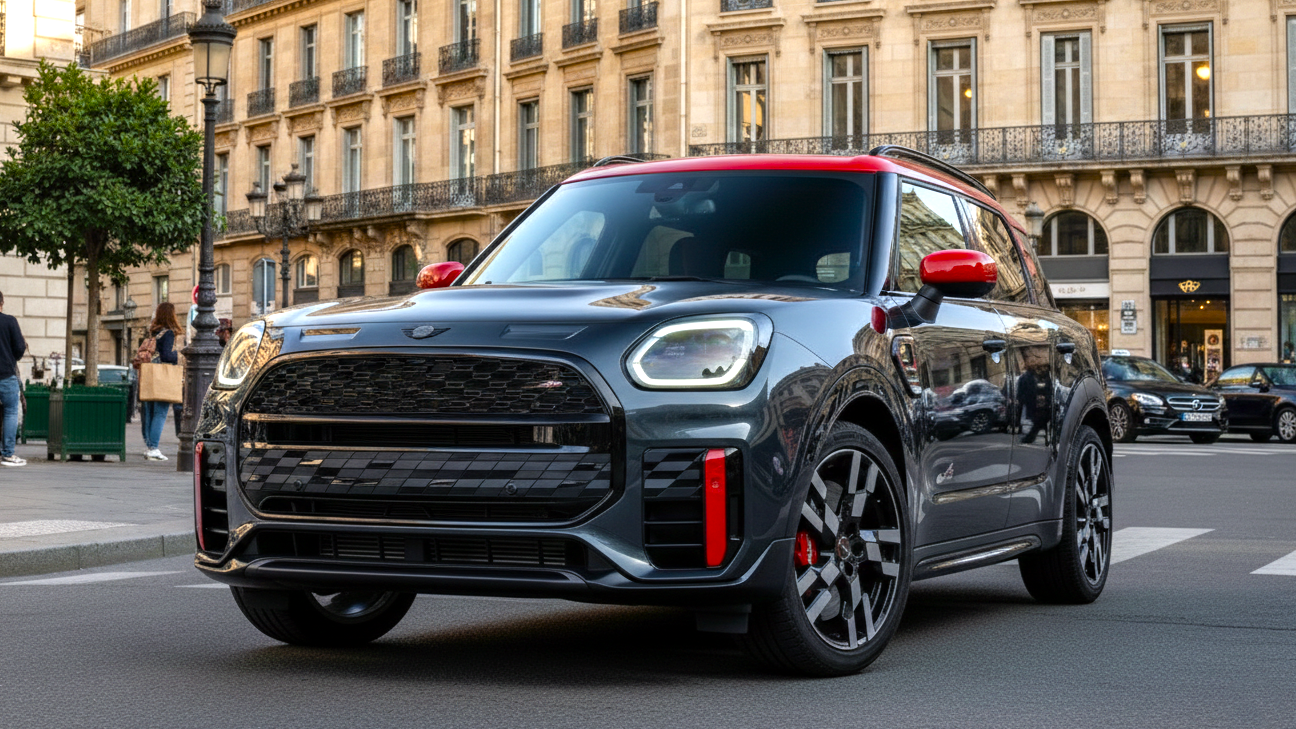
- Mini Cooper (John Cooper Works versions). The sporty version of a small car inherits many costly premium-brand features (BMW), including parts prices and labor rates.
It is important to understand that high maintenance costs do not always correlate with low reliability. Often, it is the price of advanced technology, maximum comfort, high performance, or status. However, it makes budgeting for such a car critically important.
Top 10 Most Expensive Car Brands to Maintain
The key factors driving high ownership costs for these brands are technological complexity, premium positioning, expensive materials, and the need for specialized diagnostic and repair equipment.
- Porsche. Parts for sports and premium models, as well as top-tier specialist labor, are priced accordingly.
- Mercedes-Benz. Modern models packed with electronics, semi-autonomous driving systems, and complex engines require expensive servicing.
- BMW. Known for demanding high-quality components and specialized service procedures (for example, coding/adaptation of new parts).
- Land Rover. Premium off-road vehicle specifics: complex AWD systems, air suspension, and unique electronic assistants.
- Jaguar. Similar to Land Rover in many technologies and parts pricing policies.
- Audi. Its technical complexity puts it in the same cost bracket as BMW and
- Mercedes-Benz, especially for flagship and performance models.
- Volvo. New generations on SPA/CMA platforms are highly tech-focused, and genuine parts and repair costs match the premium segment.
- Lexus. Reliability reduces how often you visit the service center, but not the cost of each procedure. Parts for complex hybrid systems and comfort features are expensive.
- Maserati. Exclusivity, low production volumes, and a focus on high performance.
- Tesla. A new maintenance paradigm: fewer scheduled procedures, but extremely expensive unscheduled repairs, especially involving the body or high-voltage systems.
Choosing a car from one of these brands is a deliberate decision in favor of certain qualities, technologies, or image – with high maintenance costs accepted as a given.
Why Some Cars Are Cheaper to Maintain While Others Are More Expensive
The maintenance cost gap between a budget city car and a premium sports coupe comes from specific and easy-to-explain factors. Understanding these reasons helps you make an informed decision and avoid unexpected expenses.
The main factors shaping maintenance costs can be grouped into several key categories.
- Complexity and technology level. Modern turbo engines with direct injection, hybrid powertrains, adaptive suspensions, electronically controlled AWD – all these systems improve comfort and performance, but repairs require deep expertise, special equipment, and expensive parts.
- Parts availability and price. Mass-market models have a huge supply of both OEM and aftermarket parts from hundreds of manufacturers, which creates competition and lowers prices. For exclusive or rare models, parts are often supplied only “to order” from the official manufacturer at a fixed high price.
- Requirements for staff qualifications and equipment. Changing oil on a simple car requires a standard lift and a general mechanic. Diagnosing and repairing complex electronic systems in premium cars may require expensive brand-specific scanners, special test benches, and technician training – all of which increases labor rates.
- Service policy and maintenance intervals. Some manufacturers set long service intervals (15–20k km), others shorter ones (10k km or once a year). More frequent service visits, even if each one is not very expensive, increase annual costs.
- Model popularity and design age. A popular model produced for years in high volumes is familiar to most service shops. Repair processes are well established, and the parts market offers multiple price tiers.
In other words, cost differences are not random – they are a direct result of the manufacturer’s engineering, marketing, and logistics decisions.
How to Choose a Car With Minimal Maintenance Costs
If low running costs and predictable ownership budgeting are your priorities, focus on a few practical criteria when choosing a vehicle. This approach helps you filter out potentially expensive options at the search stage. By following these recommendations, you significantly increase your chances of choosing a car that will be pleasant not only at purchase, but throughout ownership – thanks to modest maintenance bills.
Key steps to choose an economical car to maintain:
- Study total cost of ownership rankings. Look for independent studies from experts and insurance companies using queries like “total cost of ownership” for specific models.
- Choose popular and widely available models. High market presence usually means a strong service network, abundant parts supply, and lots of repair know-how.
- Prefer simpler engineering. Naturally aspirated gasoline engines and classic transmissions (manual or traditional torque-converter automatic) are usually cheaper to repair than complex turbo engines or dual-clutch gearboxes.
Conclusion
Check consumables prices and service intervals. Before purchase, find out the cost of oil, filters, spark plugs, and brake pads, and how often scheduled maintenance is required.Verify independent service availability. Make sure your city has independent shops that can service the model. Relying only on an official dealer often leads to inflated prices.
The main principle is to view a car not as a one-time purchase, but as a long-term project. The costs of maintaining it should be calculated and comfortable for your budget. A rational approach at the selection stage will save you significant money – and stress – in the future.
Choosing between the cheapest cars to maintain and the most expensive cars to maintain comes down to balancing economics and emotions. Brands like Toyota, Kia, and Hyundai, which appear in the top 10 low maintenance car brands, offer predictable costs thanks to simpler engineering, affordable parts, and extensive service networks – a direct path to long-term savings.
On the other hand, owning cars from the top 10 most expensive car brands to maintain, such as Porsche, Mercedes, or Land Rover, requires a conscious approach and readiness for high costs due to unique parts and complex repairs. The final decision always depends on priorities: maximum practicality and savings, or advanced technology, status, and comfort.

