



Driving in Cyprus Mountains: A Complete Guide to Snow Chains
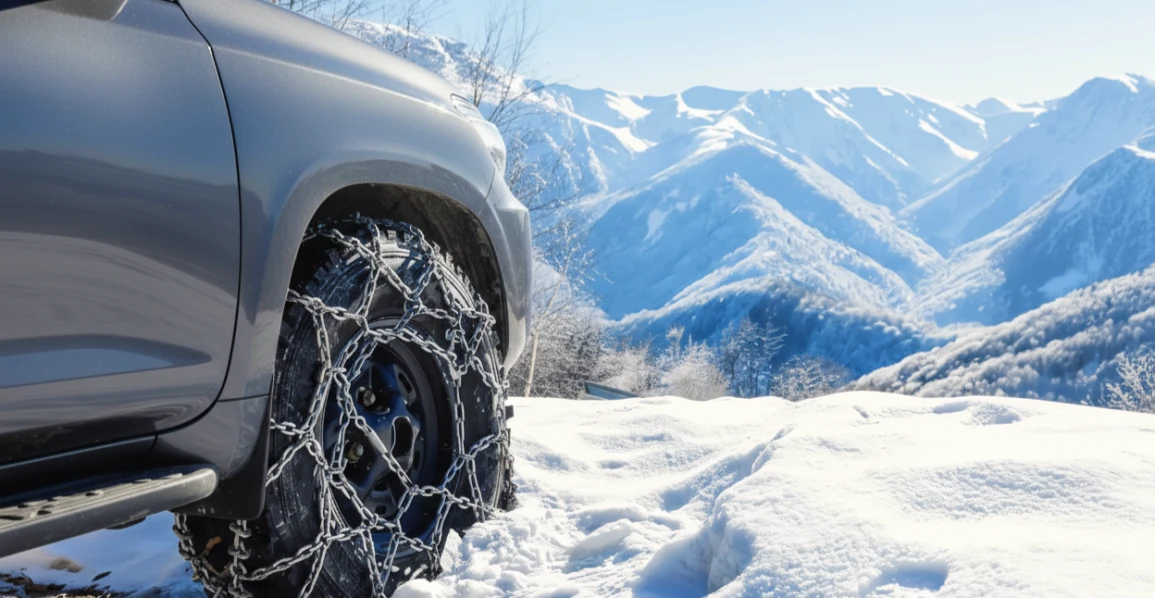
For most, Cyprus is synonymous with sun-drenched beaches and Mediterranean heat. However, this island of contrasts can surprise even the most seasoned traveler. Just a 40–50-minute drive from the coast of Limassol or Paphos brings you to a completely different world: the Troodos Mountains. During winter, specifically in January and February, the peaks—including Olympus, the highest point-are blanketed in a thick layer of snow.
For many tourists and even locals accustomed to the mild coastal climate, a trip into the snowy mountains becomes a genuine challenge. The mountain roads are narrow, winding, and feature steep elevation changes, often without safety barriers. When temperatures drop below zero, wet asphalt instantly transforms into a sheet of ice, making travel on standard tires lethally dangerous. In these specific conditions, snow chains transition from being a mere accessory to a life-saving piece of equipment; without them, your journey could end in a ditch or be halted by a police blockade.
What are Tire Chains and Why Are They Necessary?
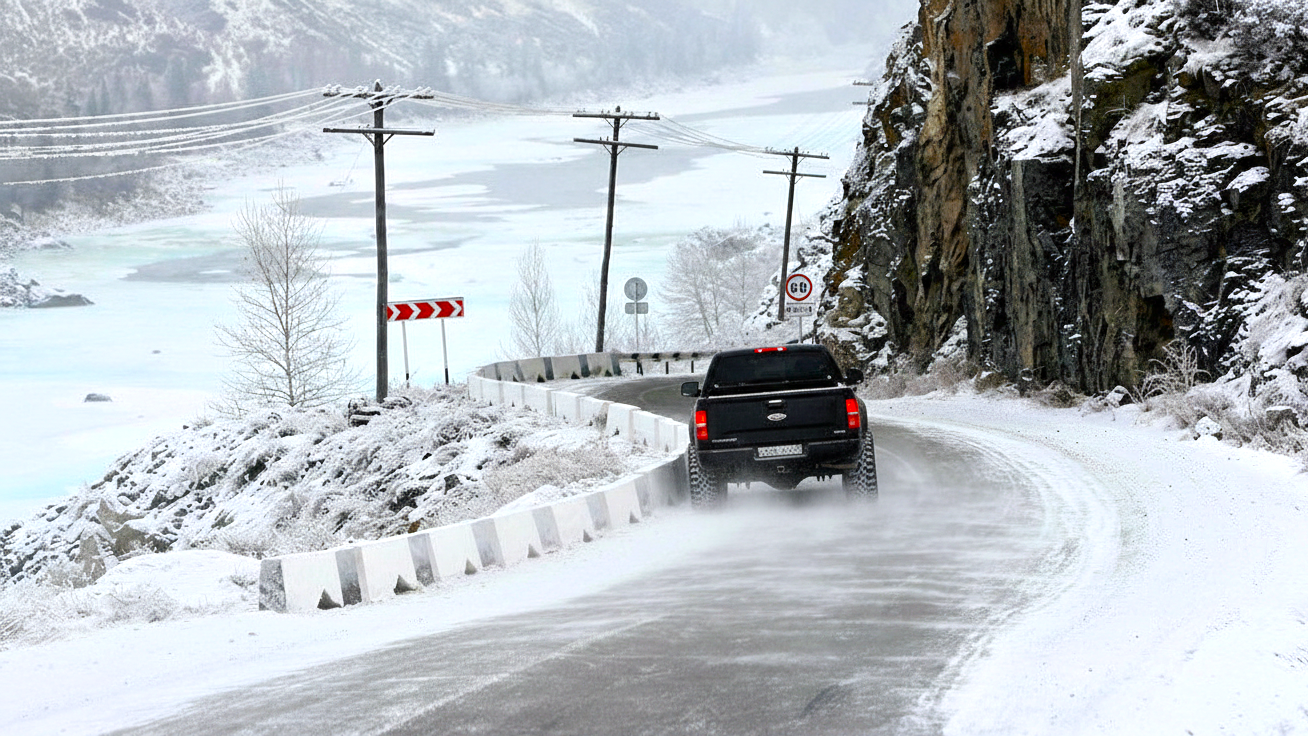
Many drivers in Cyprus have never encountered the need for supplementary winter equipment and possess only a vague understanding of its function. In simple terms, these are removable devices fitted onto a vehicle's drive wheels to drastically improve traction on icy, deep, or packed snow surfaces. Classic tire chains for snow consist of a system of metal links—typically made from hardened steel alloys—that wrap around the tire to create a "metal tread." These links bite directly into the ice or hard-packed snow, providing the necessary torque and braking force where even the highest-quality winter rubber would simply spin helplessly.
It is crucial to understand the fundamental difference between chains and other solutions. While winter tires (studless or studded) are a baseline necessity in cold climates because they are made of soft compounds that don't harden in the cold, even they can fail on the steep, glazed inclines of Troodos. Textile "snow socks" are another alternative; they are lighter and easier to store, but their effectiveness on pure ice is significantly lower, and their durability is compromised the moment they touch bare asphalt. Metal chains remain the most reliable and uncompromising option for severe conditions, providing maximum physical grip through mechanical penetration of the frozen surface.
When Do You Need Equipment in the Cyprus Mountains?
The need for specialized traction aids on Cyprus is episodic but critical. You will never need them in coastal cities, but if you plan a trip to the Troodos massif between December and March, the probability of requiring them is exceptionally high. Mountain weather shifts rapidly: a sunny morning can turn into a blizzard by lunchtime, and by evening, a wet road becomes a skating rink.
This becomes especially relevant during heavy snowfall and frost. The Cyprus police closely monitor safety on mountain roads. On days when the routes to Platres or the Troodos peaks are covered in snow or ice, the police establish checkpoints. Road signs and patrols will clearly state: "Access for 4x4 vehicles or vehicles equipped with chains only." If you are driving a standard front-wheel or rear-wheel-drive sedan without a set in your trunk, you will be turned back. Ignoring this requirement is not only a risk for a fine but is a height of recklessness that endangers your life and others.
Selecting the Best Snow Chains: Top Picks for 2026
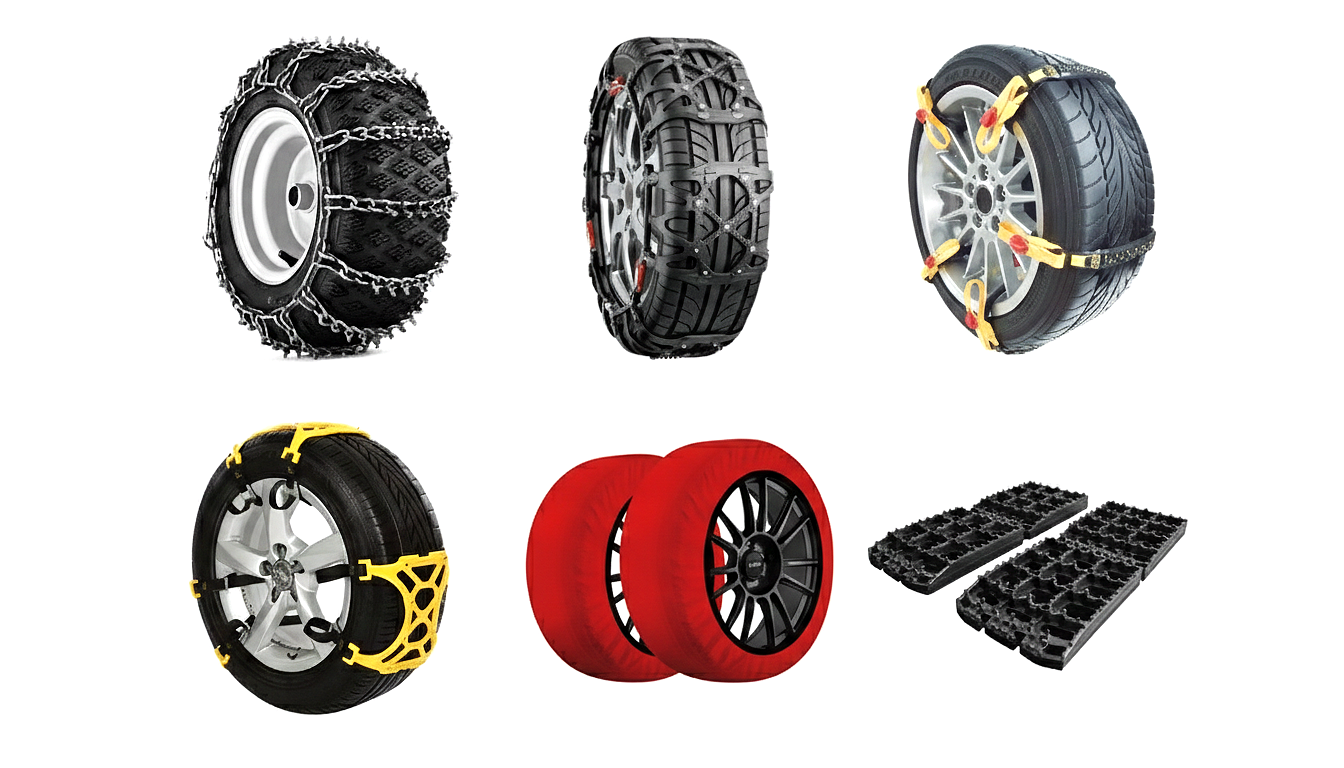
The market offers a vast array of models, ranging from budget-friendly options to high-tech European systems. When selecting the best snow chains, it is vital to focus not just on the price, but on reliability, ease of installation, and durability. For Cyprus conditions, where you may need to fit and remove them several times as you move between snowy peaks and clear asphalt, the speed of mounting is the deciding factor.
We have prepared an overview of several categories that have established themselves as market leaders:
Premium Automatic Tensioning (e.g., König / Thule).
The choice for those who value comfort. These feature an automatic tensioning system—you stop once to put them on, and as the car moves, the system centers and tightens the chain.
Reliable Manual Tensioning (e.g., Pewag)
A classic, time-tested design. These require a second stop after a few meters to manually tighten the links, but they offer excellent grip at a lower price point.
External/Composite Systems (e.g., Michelin Easy Grip / König K-Summit)
Designed for cars with limited wheel-arch clearance where traditional chains won't fit. These mount to the outside of the wheel or use high-strength composite netting.
Category | Typical Use Case | Main Advantage |
Automatic | Frequent mountain trips | No need for a second stop to retighten |
Manual | Occasional/Emergency use | Best value for money and durability |
External | Sports cars / Low clearance | Zero interference with internal suspension |
How to Choose the Right Set for Your Vehicle
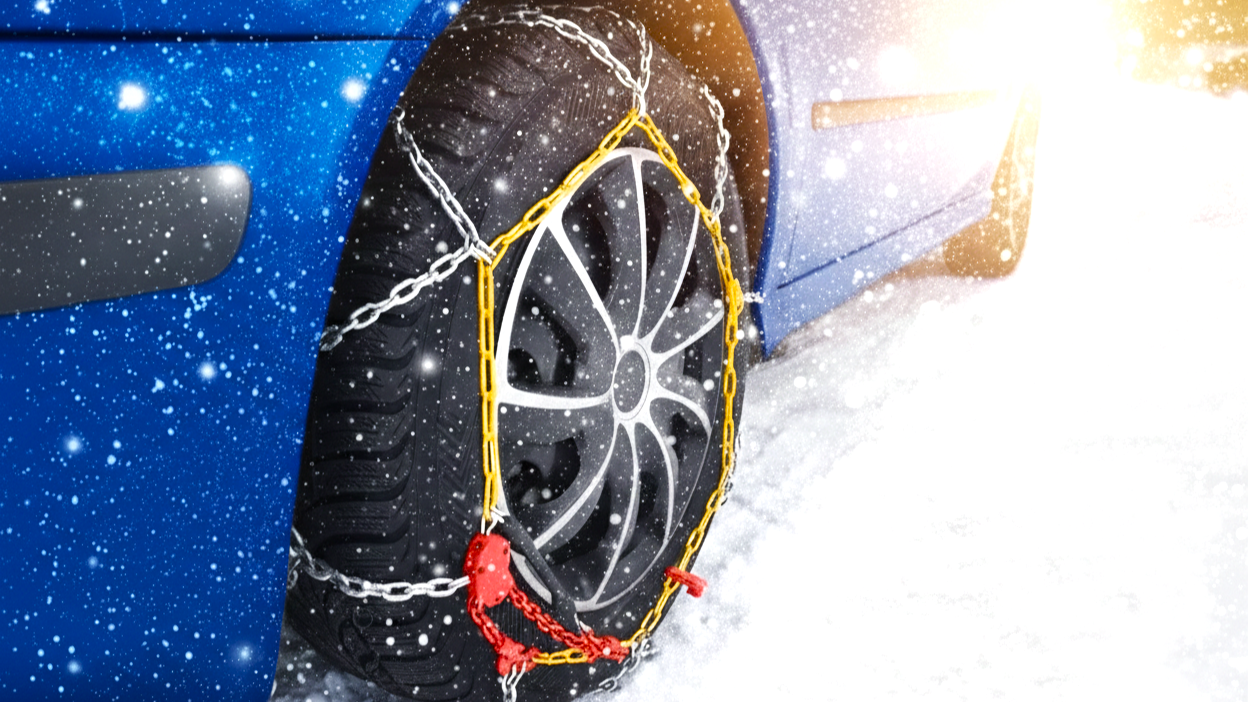
Proper selection is 90% of the battle. You cannot simply buy a random box from a supermarket; there is a high probability they won't fit or will damage your vehicle.
- Tire Size. The most critical parameter. Check your sidewall (e.g., 205/55 R16). Chains must match this exactly.
- Clearance. Check your car's manual. Some modern cars have very tight wheel arches. Using standard 12mm links on a car meant for 7mm chains can rip through brake lines or ABS sensors.
- Drive Type. Always install on the drive axle. Front-wheel drive gets them on the front; rear-wheel drive on the rear. For 4x4 vehicles, consult your manual, as some require them on all four or just one specific axle.
- Budget. If you go to the mountains once a year, a manual set is fine. If you live in the foothills, automatic systems pay for themselves in saved time.
Step-by-Step Guide: How to Put on Snow Chains
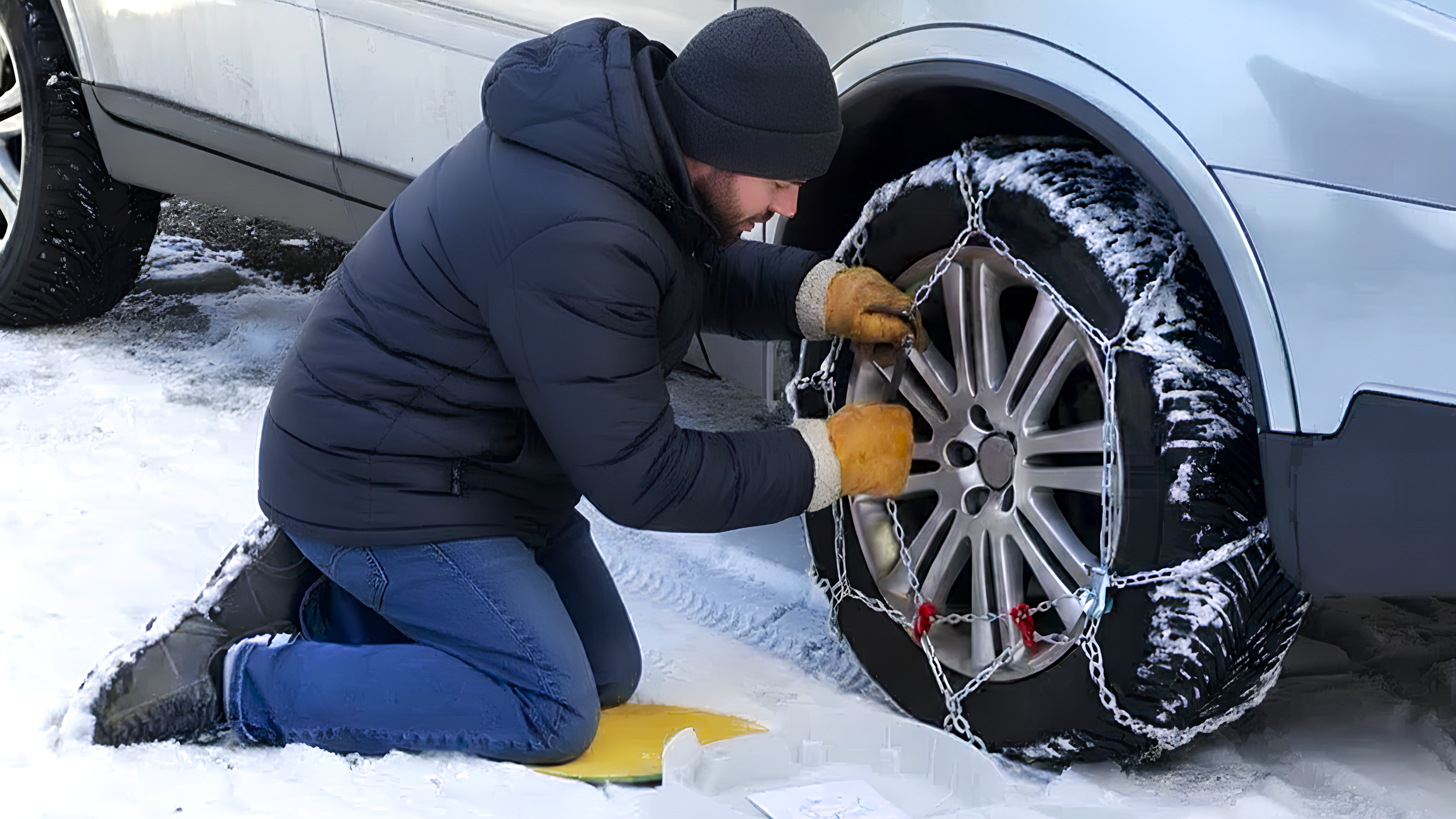
Many drivers make a critical mistake: they buy a set and throw it in the trunk without ever opening the box. When the "hour of need" arrives—during a blizzard, in the dark, on a freezing mountain road—they have no idea how to put on snow chains, leading to panic and errors.
The Golden Rule: Practice at least twice in a calm, warm environment (like your garage or a dry parking lot) before your trip.
- Preparation. Stop on a level, safe area. Turn on hazard lights. Lay the chain out to ensure no links are tangled.
- Feeding the Cable. Take the flexible cable and slide it behind the tire from the front to the back so both ends are accessible.
- Connecting the Top. Pull both ends of the cable up the back of the tire and lock them together at the top center.
- Draping. Pull the chain over the front of the tire, ensuring the cross-links are centered on the tread.
- Securing the Front. Hook the front connectors (usually color-coded) and thread the tensioning chain through the ratcheting block.
- The Tightening. Pull the tensioner as tight as possible. For manual sets, drive 50 meters and stop to tighten one last time.
Safety Tips for Driving with Traction Aids

Installing traction devices fundamentally changes your vehicle's handling. To stay safe, follow these rules:
- Speed Limit. Never exceed 50 km/h. In the tight bends of Troodos, 30 km/h is often safer. High speeds can cause a link to snap, which will then act like a metal whip against your wheel arch and suspension.
- Smoothness. Avoid abrupt starts or "flooring it." Sudden braking on ice can still cause a skid, even with chains.
- Acoustics. Expect significant noise and vibration. This is normal as metal hits the ground.
- Timely Removal. Chains are for snow and ice only. As soon as you hit clear asphalt, stop and remove them. Driving on dry roads destroys the chains, the tires, and the road surface.
- ESP/ASR. You may need to briefly disable Traction Control when starting in deep, loose snow to allow the wheels to "dig in." Once moving, turn it back on.
What is the Cost of Winter Equipment?
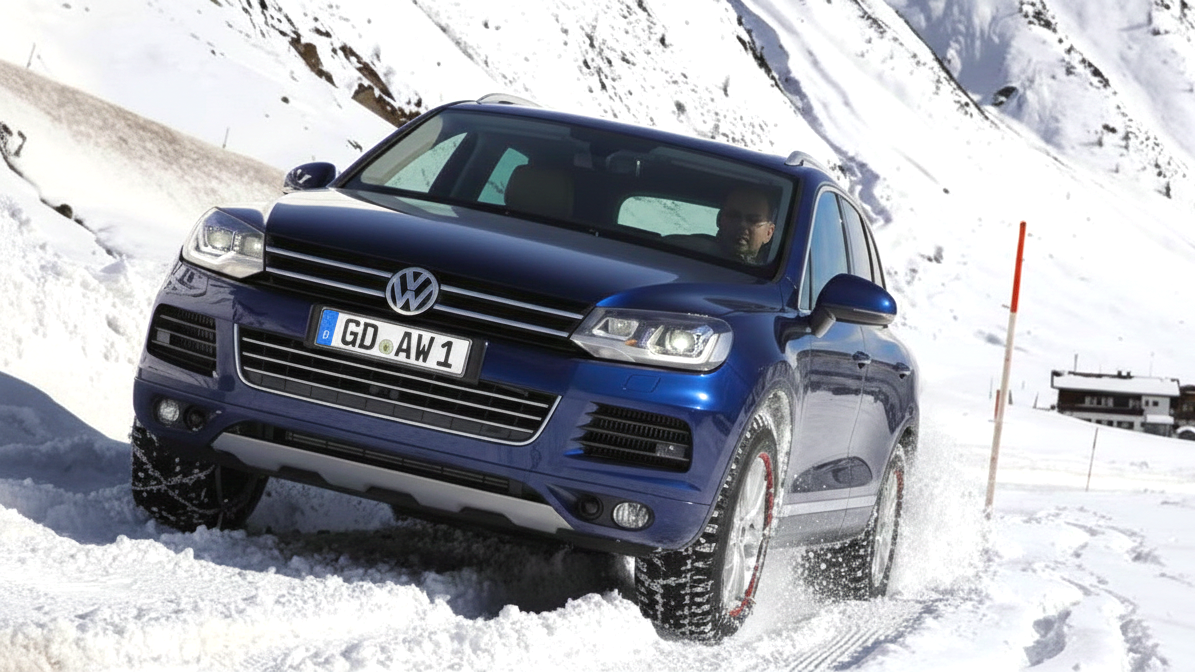
Budgeting is always a consideration. When drivers ask how much are tire chains, they should realize that prices fluctuate based on brand, material quality, and the specific tensioning technology used.
Here are the estimated price ranges for the Cyprus market in 2026:
- Budget Segment (€40 - €70). Basic models, often from simpler European or Asian lines. They work but are more difficult to install and may rust faster if not dried after use.
- Middle Segment (€80 - €150). The "Sweet Spot." High-quality hardened steel from brands like Pewag or König’s entry lines. They usually include better instructions and color-coded links for easier mounting.
- Premium Segment (€160 - €350+). Top-tier models with full automatic tensioning, ultra-thin 7mm links for low-clearance vehicles, or external mounting systems. You are paying for maximum convenience and the safety of your expensive alloy wheels.
For the best deals, we recommend checking local Cyprus online marketplaces or visiting large automotive departments in stores like Superhome Center, or specialized auto shops in the industrial zones of Limassol and Nicosia.
Conclusion
A winter trip to the Troodos Mountains can be an unforgettable adventure, but it requires serious preparation. Mountain roads do not forgive negligence, and traction aids are your primary insurance policy against the unpredictable Mediterranean winter.
We hope this guide has clarified the types and characteristics of the equipment you need. Remember, even the most expensive set is useless if you don't know how to use it. Practice is the key to handling a real-world situation quickly and without panic. Consider the costs as an essential part of your travel budget—saving on safety is never a bargain. Be a responsible driver, check the weather forecast, and enjoy the snowy beauty of Cyprus safely!

