



How to Prepare Your Car for Long-Term Storage the Right Way
An idle car is a complex machine that slowly deteriorates from inactivity. Many people think, "It's just sitting in the garage, what could happen?" But the reality is harsher: the battery dies, the tires develop flat spots, the brake rotors rust, and the interior can develop a musty smell. Letting a car sit isn't a rest; it's a serious ordeal.
Improper storage turns minor annoyances into expensive repairs. A completely dead battery often needs to be replaced, flat-spotted tires cause steering wheel vibration, and corrosion can eat away at not only the brakes but the car's body as well.
In this article, we'll detail exactly how to prep a car for storage so that in a month, six months, or even a year, it starts right up and is ready for the road, not a trip to the repair shop.
Preparing Your Car for Storage: Creating the Ideal Conditions
The first and most crucial step is cleaning the vehicle and checking its systems. Leaving a car dirty for an extended period is like leaving food on the table before going on vacation—the consequences will be unpleasant.
Wash the Exterior and Interior
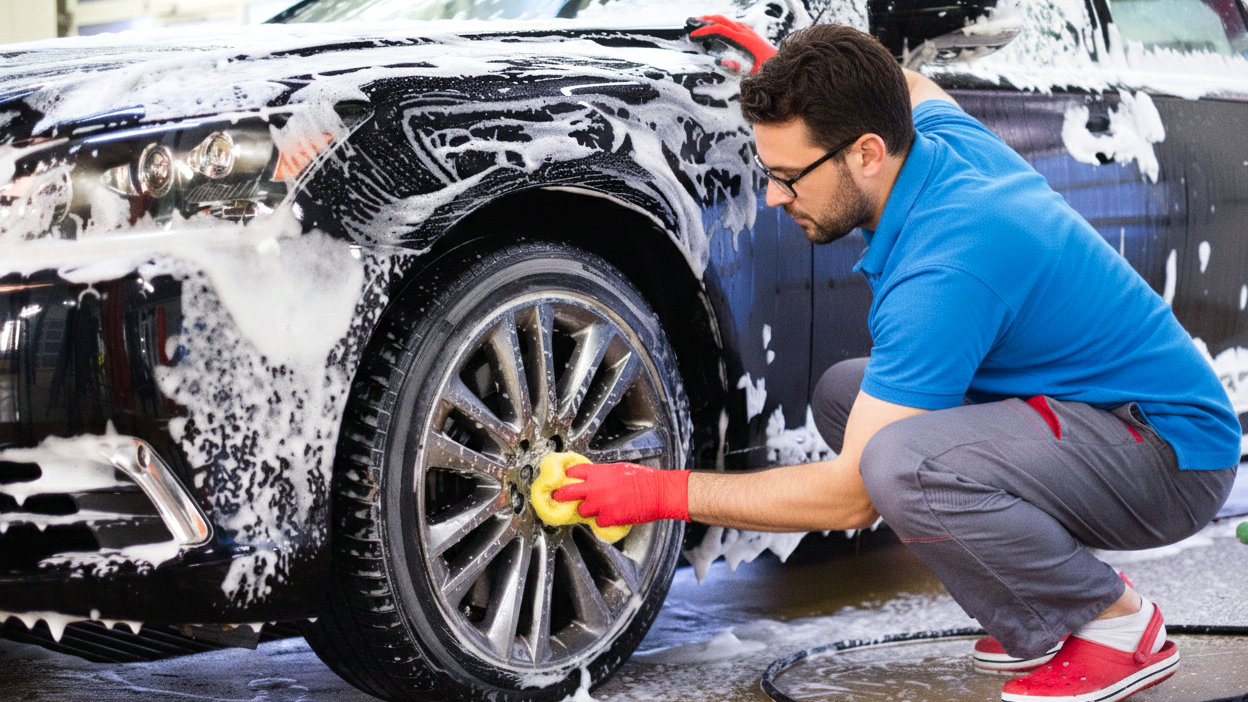
Dirt, bird droppings, and tree sap are essentially aggressive chemicals that eat into your car’s paint finish. Mud caked in the wheel wells and undercarriage traps moisture, creating the perfect environment for rust.
- Exterior: Thoroughly wash the car, including the underbody and wheel wells. After washing, it's essential to dry it completely. Lingering water droplets, especially in hidden crevices, are future rust spots. Applying a coat of wax will create an additional protective barrier against dust and moisture.
- Interior: Vacuum the cabin and trunk. Any crumbs or food remnants are an open invitation for rodents and insects and can lead to mold growth. Remove all air fresheners, tissues, and trash.
Check and Top Off Fluids
- Fuel tank: Fill the tank to about 90% or completely full. A half-empty tank allows condensation to form due to temperature changes. Water is heavier than fuel and settles at the bottom, causing corrosion in the tank and fuel system. A full tank minimizes the amount of air—and therefore moisture-inside.
- Oil: It's best to put a car into storage with fresh oil. Used oil contains combustion byproducts and acids that can damage internal engine components during long periods of inactivity.
- Antifreeze and brake fluid: Check their levels and top them off if necessary.
Pre-Storage Checklist
Task | Done | Purpose |
Wash and dry the exterior, underbody, and wheel wells | ☐ | To prevent corrosion. |
Apply a protective coat of wax | ☐ | To create a barrier against dust and moisture. |
Clean and vacuum the interior | ☐ | To avoid mold, odors, and pests. |
Fill the fuel tank | ☐ | To prevent condensation buildup. |
Check all fluid levels | ☐ | To ensure systems are ready. |
Check tire pressure | ☐ | To prepare for the next step. |
The Battery: The Heart of Your Car That Can Stop Beating
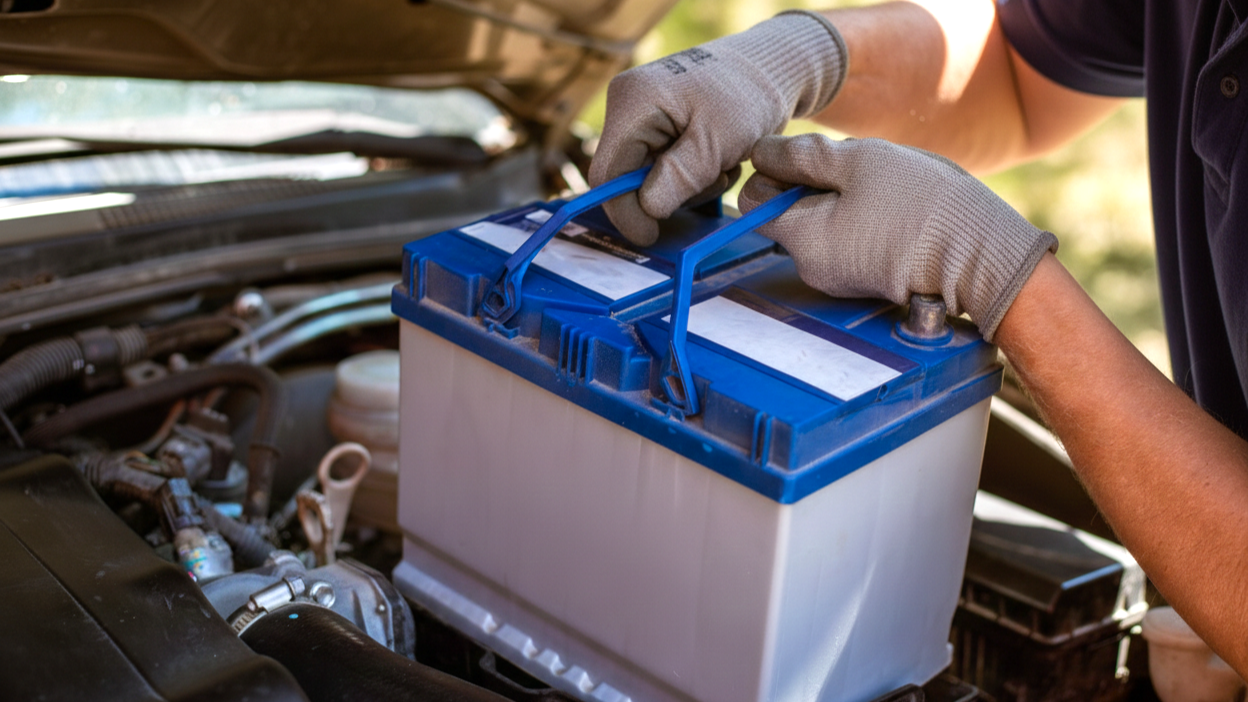
The battery is the most vulnerable component during long-term storage. It self-discharges even when the car is off, as it powers the alarm system, clock, and onboard computers. A deep discharge is fatal for a lead-acid battery, triggering an irreversible process called sulfation. After a few such events, the battery loses its ability to hold a charge. Therefore, the question of how long a car battery sits unused depends directly on your actions.
Solutions to the Problem:
- Remove the battery. This is the simplest and most cost-effective method. Disconnect the terminals (negative first, then positive), remove the battery, and store it in a cool, dry place (but not in freezing temperatures!). Fully charge it every 1-2 months with a standard battery charger. The downside: in modern cars, disconnecting the power can lead to electronic errors and may require system recalibration upon reconnection.
- Leave it in, but disconnect the negative terminal. This is an easy option if you can't remove the battery. Disconnecting the negative terminal breaks the circuit and stops the parasitic drain. This is sufficient for storage of up to 2-3 months.
- Use a smart charger (battery tender). This is the best option for long-term storage. This device connects to your battery and a power outlet. It constantly monitors the charge level and automatically provides a low-current charge to keep the battery topped off without overcharging it. Your car can sit like this for months without any harm to the battery.
Tires and Suspension: The Fight Against "Flat Spots"
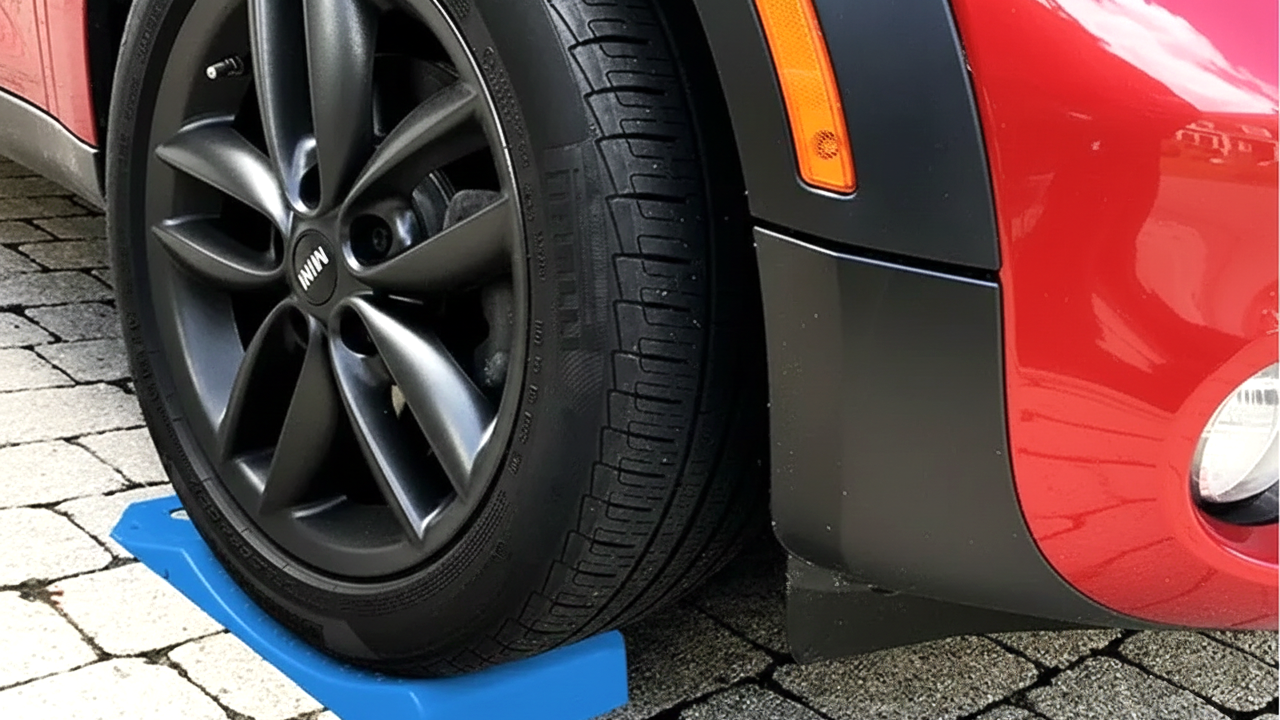
When a car sits in one spot for a long time, its entire weight presses down on the same section of the tires. Over time, the rubber deforms, creating "flat spots." When you start driving again, this manifests as a vibration or shudder in the steering wheel that may not go away even after a long drive.
How to avoid this:
- Overinflate the tires. The easiest method is to inflate the tires to 0.5–0.7 bar (7–10 PSI) above the recommended pressure listed on the sticker inside your driver’s door jamb. This makes the tire wall more rigid and less prone to deforming. Just remember to return the pressure to normal before your first drive.
- Use tire cradles. These are specially curved stands placed under the wheels. They increase the contact patch and distribute the load more evenly, preventing flat spots from forming.
- Put the car on jack stands. This is a more drastic method for very long-term storage (a year or more). The car is lifted with a jack, and safety stands are placed under the frame or suspension points. The wheels hang freely, completely removing the load from the tires and suspension components. Important: This method requires skill and should be performed with extreme caution. Improper placement of jack stands can damage your vehicle.
Protecting the Body and Interior: Creating a Cocoon
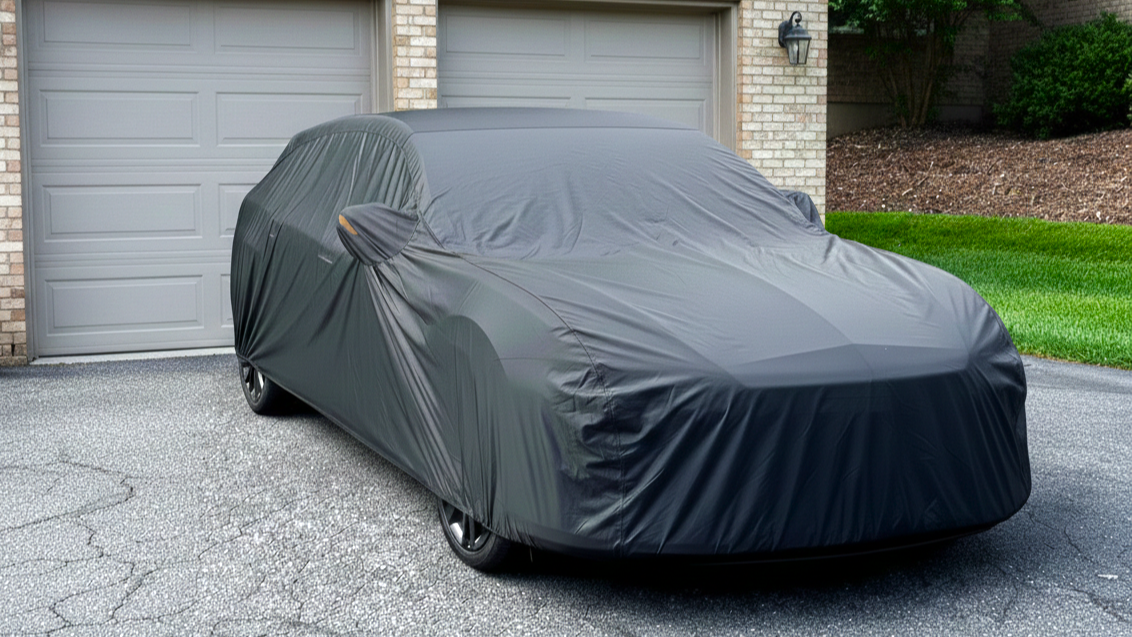
Proper protection will preserve your car's appearance and prevent unpleasant surprises inside the cabin.
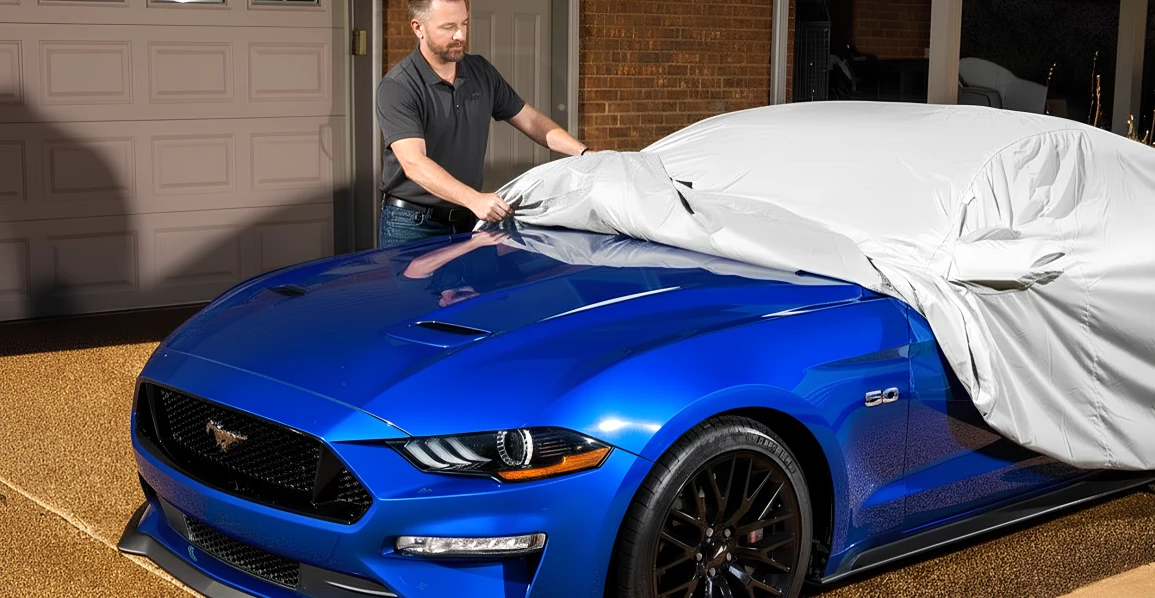
- Car cover. The ideal car cover is "breathable." A cheap plastic or canvas tarp is the worst choice. It traps moisture underneath, creating a humid environment where the body can begin to rust and mold can grow. Choose a multi-layered cover made from a specialty fabric that protects from dust and moisture from the outside while allowing condensation to escape from underneath.
- Airing out the interior. To prevent musty odors and mold, you can leave the windows cracked open by a few millimeters if the car is in a dry, secure garage. If stored outdoors, the windows must be fully closed. You can place moisture absorbers (silica gel packets) inside the cabin.
- Treat the rubber seals. The rubber seals around the doors and trunk can dry out and crack over time. Before storage, treat them with a silicone lubricant. This will maintain their elasticity and prevent the doors from freezing shut in the winter.
Garage vs. Outdoor Storage: Pros, Cons, and Risks
The storage location determines the necessary protective measures. Properly storing a car long term requires considering the specifics of your location.
Garage Storage
This is the preferred option. The car is protected from precipitation, UV rays, and vandalism. However, there are nuances:
- Ventilation. The garage must be well-ventilated. In a damp, sealed space, corrosion can develop even faster than it would outdoors.
- Humidity. Do not store open containers of water or chemicals near the car.
- Rodents. Mice and rats are a major threat to a stored vehicle. They are attracted to the shelter and nesting materials. They can chew through wiring, leading to extremely expensive repairs. Use ultrasonic repellents or place traps.
Outdoor Storage
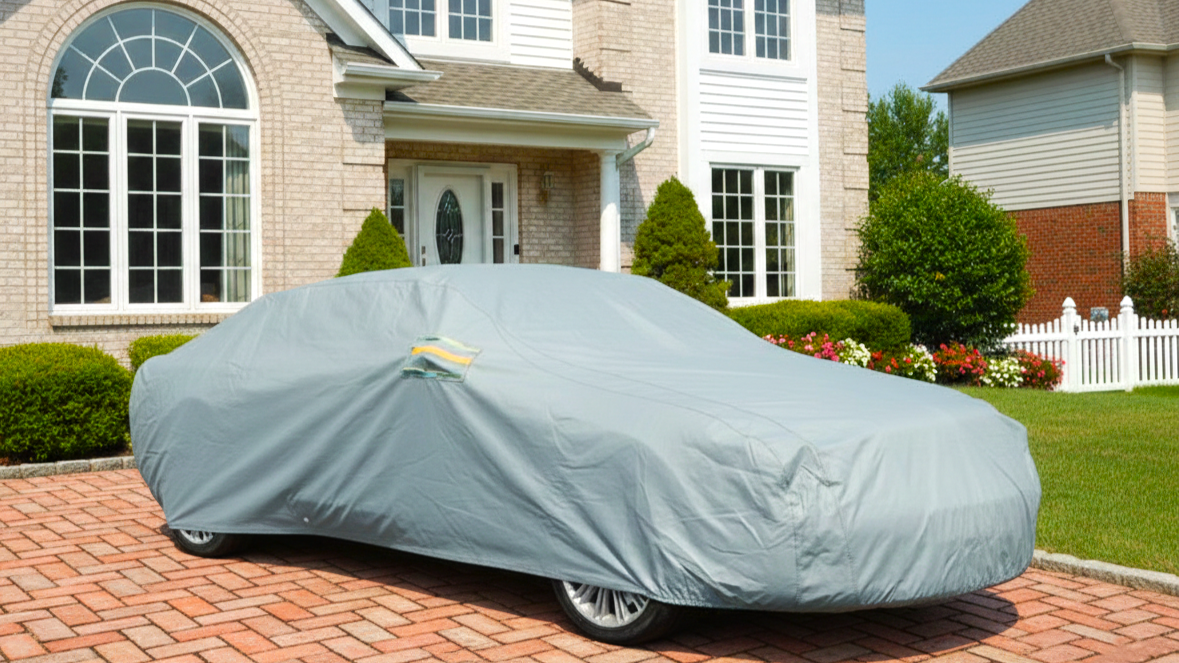
If you don't have a garage, you'll need to protect your car from the elements.
- Sun Protection. Direct sunlight degrades the paint finish and interior plastics. Use a high-quality, protective car cover.
- Precipitation. Snow, rain, and hail are direct threats to the bodywork. A good cover is your best defense here as well.
- Location. Try not to park under trees (due to sap and bird droppings) or in low-lying areas where water collects. Underground parking facilities are a good compromise between a garage and the street.
Starting Up After Long-Term Storage: Waking Your Car Up Correctly
When it's time to drive your car again, you can't just hop in and go. You need to follow a "de-storage" procedure.
- Visual inspection. Walk around the car and check for any fluid leaks underneath. Inspect the engine bay for any signs of rodent nests.
- Reconnect everything. If you removed the battery, reinstall it and connect the terminals (positive first, then negative).
- Check fluids. Ensure the oil and coolant levels are normal.
- Tire pressure. Adjust the tire pressure back to the manufacturer's recommended level.
- First start. Turn the key to the "On" position (without starting the engine) and wait a few seconds. This allows the fuel pump to prime the system. Then, start the engine.
- Warm-up. Let the engine idle for 5-10 minutes. Do not rev it! The oil has settled in the pan during storage, and internal parts need time to get lubricated.
- First drive. Drive gently for the first few kilometers without any hard acceleration. Carefully test the brakes—a layer of surface rust may have formed on the rotors, which will wear off after a few applications.
Additional Tips

Here are answers to the most common questions.
How long can you leave a car without starting it?
This is a popular myth. A short 5-10 minute startup at idle does more harm than good. The engine and exhaust system don't reach full operating temperature, allowing condensation to form. This moisture mixes with oil and exhaust gases, creating a corrosive sludge. The battery also won't have enough time to recharge. If you must start it, you should follow up with a 20-30 minute drive. But if you've prepared the car for storage correctly, the answer is you can leave it for as long as needed.
Do I need to change the oil if the car has barely been driven?
Yes. Motor oil degrades and loses its properties not only from mileage but also from time and oxidation. It's recommended to change the oil at least once a year, even with minimal mileage.
How to store a car for 6 months?
All the steps outlined in this article are perfectly suited for this duration. The key points are: a clean body, a full tank of gas, a managed battery (either removed or on a tender), and overinflated tires. By following these rules, a six-month storage period will not be a problem for you.
Alarm and Insurance
Check with your insurance provider about your coverage terms during storage, as some policies may have limitations. If you leave the battery connected, ensure the alarm system is functioning correctly.
Conclusion: Foresight That Saves You Money
Storing a car long term is not a passive act but an active process that requires preparation. By spending a few hours on proper preservation, you will save a significant amount of money on future repairs to the battery, tires, brakes, and bodywork. Cleanliness, a full fuel tank, and proper care for the battery and tires are the four pillars that support your car's health during downtime.
Follow our guide, and your car will thank you with reliable performance whenever you need it. Save this article so you don't have to scramble for information later, and share it with friends whose cars also spend more time parked than driven.

